
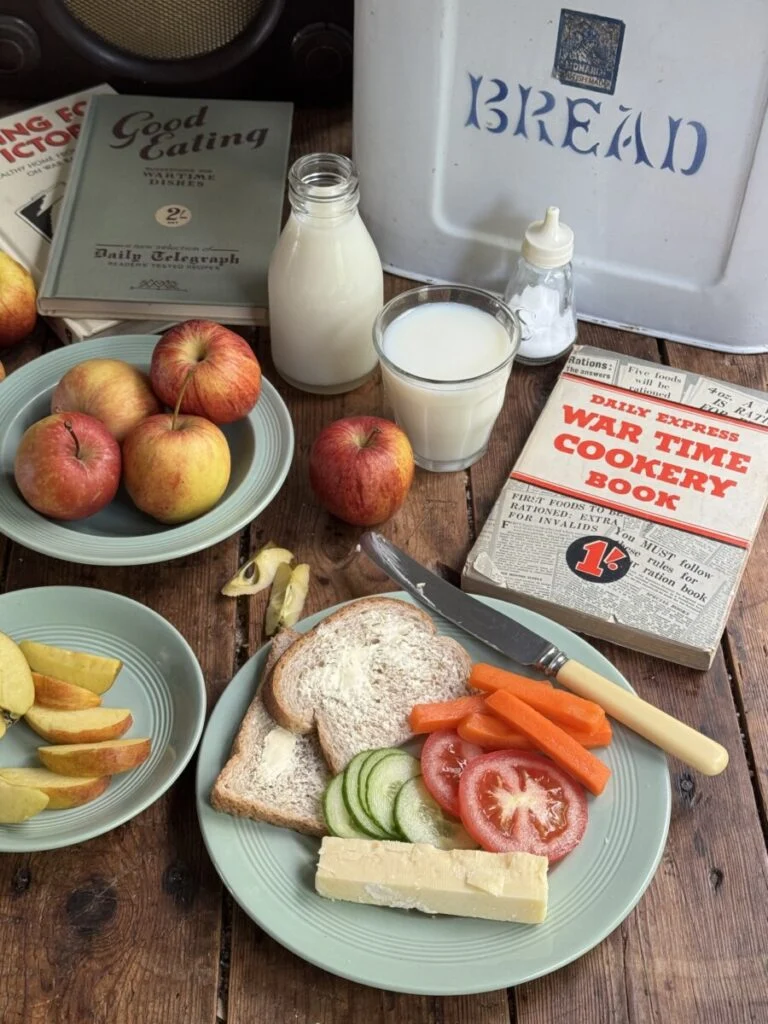
The Oslo Meal, also known as the Oslo Breakfast or Oslo Experiment, emerged as a pivotal nutritional intervention in primary schools across the United Kingdom during World War II and continued its popularity into the early 1950s. This innovative, "no-cook" meal was designed to provide children with a robust and balanced start to their day, significantly improving health outcomes during a period of severe food rationing and widespread nutritional challenges. Its adoption by the British Ministry of Food underscored a national commitment to public health, transforming school meals into a vital component of wartime resilience.

The Genesis: A Norwegian Vision for Child Health
The concept of the Oslo Meal originated in Norway in 1932, a brainchild of the visionary physician and public health reformer, Carl Schiøtz. Schiøtz, a professor at the University of Oslo, was a pioneer in advocating for preventative healthcare and improved nutrition, particularly for children. His work was rooted in the understanding that proper diet was fundamental to physical and intellectual development, and he observed that many children, even in relatively prosperous times, suffered from nutritional deficiencies due to poor eating habits or inadequate access to diverse foods.

Schiøtz’s Oslo Breakfast was not merely a meal; it was a carefully curated nutritional philosophy. It emphasized raw, unprocessed foods, whole grains, and dairy, designed to be highly digestible and nutrient-dense. Key components included wholemeal bread, butter or margarine, cheese, raw vegetables (such as carrots, cabbage, or tomatoes), fresh fruit (typically an apple or orange), and a glass of milk. The "no-cook" aspect was revolutionary, making it incredibly practical and cost-effective to prepare on a large scale in schools without the need for extensive kitchen facilities, trained cooks, or fuel – factors that would prove critically important during wartime. Schiøtz’s initial studies in Oslo demonstrated remarkable improvements in the children’s growth, energy levels, and academic performance, laying the groundwork for its international recognition. He believed that such a meal, consumed daily, could significantly combat issues like rickets, dental decay, and general malnourishment.
From Oslo to London: The UK’s Embrace of the Experiment

The success of the Oslo Breakfast in Norway quickly attracted international attention, particularly from nations grappling with public health concerns and the nutritional well-being of their populations. In the United Kingdom, where child poverty and malnutrition were significant issues in the interwar period, the Norwegian model presented an appealing solution. Before World War II, studies indicated that a substantial portion of British children, especially in industrial areas, suffered from diets lacking essential vitamins and minerals, leading to stunted growth and increased susceptibility to illness.
The Oslo Meal was formally introduced as an experiment in London primary schools in 1938, a year before the outbreak of World War II. Education and health authorities were keen to assess its impact on British children. The initial trials, meticulously monitored, yielded compelling results. Reports from these early experiments indicated that children participating in the Oslo Meal program experienced significant health benefits, with many gaining between 40% and 100% in both weight and height within a relatively short period. These gains were not just statistical anomalies; they translated into visibly healthier, more energetic children who were better equipped to learn and resist common childhood ailments. This pre-war success provided crucial evidence for its broader adoption when the nation faced an unprecedented challenge to its food supply.

Wartime Imperatives: The Ministry of Food’s Endorsement
The advent of World War II in September 1939 plunged Britain into an era of austerity and rationing. German U-boat campaigns threatened shipping lanes, drastically reducing food imports and making the allocation of available resources a strategic priority. The Ministry of Food, established to manage the nation’s diet, faced the monumental task of ensuring that the population, especially children, remained adequately nourished despite severe shortages. Under figures like Lord Woolton, the Ministry launched comprehensive campaigns such as "Dig for Victory" (encouraging home gardening) and "Eat for Victory" (promoting healthy, economical cooking).

It was in this context that the "no-cook," nutritionally robust Oslo Meal truly shone. Recognizing its proven benefits and inherent practicality, the Ministry of Food officially adopted the Oslo Meal, initially as a wider experimental program, but it quickly became a cornerstone of school nutrition policy. Its simple composition meant it required minimal cooking equipment, energy, and preparation time – all precious commodities during wartime. Moreover, its reliance on readily available or home-grown produce (bread, cheese, raw vegetables, milk) made it perfectly suited for a rationed economy. The meal’s high nutritional content helped compensate for deficiencies in other meals, ensuring children received essential vitamins, proteins, and carbohydrates vital for their development and immune systems. What began as a school meal soon gained popularity among adults too, who found it a quick, healthy, and satisfying option within the constraints of their own ration books. The Ministry actively promoted it as a model for healthy eating for all ages, highlighting its efficiency and health benefits.
Deconstructing the Oslo Meal: A Nutritional Breakdown

The efficacy of the Oslo Meal lay in its carefully selected, nutrient-dense ingredients. Each component played a specific role in providing a balanced diet during a time when food choices were severely restricted.
- National Loaf: This was not just any bread. Introduced in 1942, the National Loaf was a government-mandated wholemeal bread, made from 85% extraction flour. This meant it retained more of the wheat grain’s nutritional value, including fibre, B vitamins, and iron, compared to the finer white flour previously common. It was designed to be more nutritious and filling, making it a vital staple during rationing. Two slices formed the base of the Oslo Meal, providing essential carbohydrates and fibre.
- Butter or Margarine: Fat was a highly rationed commodity. A small amount of butter or margarine spread thinly on the bread provided a source of energy and fat-soluble vitamins, contributing to satiety and the palatability of the meal.
- Small Block of Cheese: Cheese was considered a powerhouse of nutrition. Children were often allocated a more generous cheese ration (up to 2 ounces per week) than adults, reflecting its importance as a concentrated source of protein and calcium. The Ministry of Food actively encouraged its consumption as a meat substitute. A leaflet from the Ministry of Food (War Cookery Leaflet No. 12) explicitly stated: "Cheese is such an important food it deserves a place of its own at meal-times. Use it as a main dish and not as an afterthought to a meal already containing meat or fish. Used in this way cheese can be made to help out the meat ration." This highlights cheese’s strategic role in wartime diets.
- Fresh Lettuce Leaves and Salad Items (Carrot, Cucumber, Tomato): The emphasis on raw vegetables was crucial for providing vitamins and minerals that might be lost during cooking. Carrots were particularly promoted for their Vitamin A content, vital for eyesight (famously linked to improved night vision for pilots, though largely a propaganda effort, it underscored their nutritional value). Tomatoes and lettuce offered Vitamin C and other antioxidants. The "Dig for Victory" campaign ensured a supply of these home-grown vegetables, making them accessible even during shortages. The original instructions even suggested leaving the tomato whole as a "treat," indicating the value placed on fresh produce.
- A Glass of Cold Milk: Milk was indispensable for growing children, providing calcium for strong bones and teeth, and essential proteins. Despite rationing, efforts were made to ensure children received milk, often subsidized or provided free in schools.
The method was straightforward: thinly spread butter/margarine on bread, slice the cheese, chop the lettuce and salad items, and serve on a plate with the milk. This simplicity was key to its widespread implementation and acceptance.

A Ration Book Staple: Daily Life and Food Scarcity
The Oslo Meal’s popularity extended beyond its nutritional merits; it resonated with the lived experience of wartime Britain. Rationing profoundly shaped daily life, making food a constant preoccupation. Families learned to be resourceful, minimize waste, and appreciate every morsel. The simplicity of the Oslo Meal, contrasting with complex, ingredient-heavy dishes, fit perfectly into this ethos. It provided a reliable, healthy option when other foods were scarce or expensive.

The anecdote of children lining up for apple cores, or "gooks" as some called them, in the school playground vividly illustrates the severity of food scarcity and the intrinsic value placed on even the smallest scraps of nourishment. During a time when an apple tree in one’s garden was a significant asset, and its fruit a precious commodity, the core, often discarded in more affluent times, became a sought-after item. This poignant memory from a generation that experienced rationing firsthand underscores the deep-seated impact of food shortages and the ingenuity required to find sustenance. The Oslo Meal, in this context, was not just a meal; it was a symbol of governmental care and a practical solution to a profound societal challenge, preventing widespread malnutrition and fostering resilience.
Lasting Legacy and Modern Relevance

The Oslo Meal’s impact extended far beyond the immediate exigencies of wartime. Its successful implementation in the UK had significant long-term implications for public health policy and the development of comprehensive school meal programs. The demonstrable improvements in children’s health and development laid a strong foundation for the post-war expansion of free school meals, solidifying the understanding that schools played a crucial role not just in education but also in ensuring the physical well-being of the nation’s youth. The principles underpinning the Oslo Meal – emphasizing whole foods, raw vegetables, and dairy – continued to influence dietary guidelines and health campaigns in the decades that followed.
Contemporary nutritionists often look back at the Oslo Meal as a remarkably effective and forward-thinking example of public health nutrition. Its focus on unprocessed ingredients, minimal cooking, and balanced macro- and micronutrients aligns surprisingly well with modern dietary recommendations for healthy eating. In an era increasingly dominated by processed foods and complex dietary fads, the simplicity and efficacy of the Oslo Meal offer valuable lessons. It stands as a testament to how straightforward, accessible nutritional interventions can have a profound and lasting positive impact on a population’s health.

The Oslo Meal, whether called Oslo Breakfast, Oslo Lunch, or the Oslo Experiment, was more than just a list of ingredients; it was a lifeline. It exemplified how scientific understanding, governmental foresight, and public cooperation could coalesce to safeguard a nation’s future, one nutritious meal at a time. The principles it embodied continue to resonate, reminding us of the enduring power of simple, wholesome food in building a healthier society.
The Official Oslo Meal Recipe and Method

As documented by government guidelines from the era, the Oslo Meal was less a recipe in the culinary sense and more a prescribed assembly of ingredients designed for maximum nutritional benefit and ease of preparation.
Ingredients:

- 2 slices of bread (preferably the National Loaf, if available)
- A little butter or margarine
- Small block of cheese (as per wartime ration sizes)
- Fresh lettuce leaves
- Salad items such as carrot, cucumber, or tomato (home-grown was encouraged)
- A glass of cold milk
Method:
- Thinly spread the butter or margarine on the bread slices.
- Slice the block of cheese into strips.
- Chop the lettuce and other salad items.
- Serve all components on a plate with the glass of milk.
- As a special touch, consider leaving the tomato whole.
This humble meal, born out of a Scandinavian health movement and adapted for Britain’s wartime needs, remains a powerful symbol of resilience, innovation, and the fundamental importance of nutrition in shaping a healthier society.
