
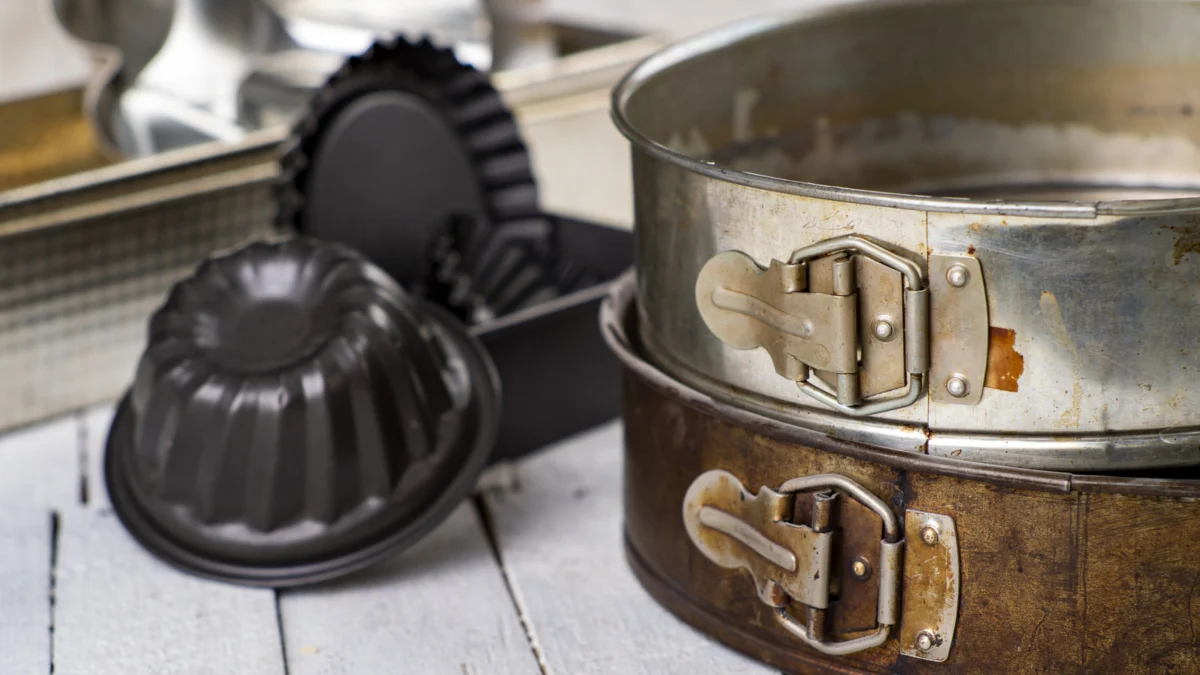
The ubiquitous challenge of kitchen organization often culminates in the chaotic jumble of bakeware. For home cooks and seasoned bakers alike, the common practice of haphazardly stacking cake pans, muffin tins, and pie dishes within cabinets can transform a functional space into a source of frustration. This often leads to the inefficient use of valuable storage real estate, potential damage to cookware, and the frustrating hunt for the specific pan needed for a culinary creation. Fortunately, innovative storage solutions are emerging to address this widespread issue, offering a more systematic and damage-preventative approach to managing an abundance of bakeware.
The Persistent Problem of Bakeware Storage
The accumulation of bakeware is a natural consequence of a passion for cooking and baking. As kitchens evolve and culinary endeavors expand, so too does the collection of essential tools. However, the physical properties of many bakeware items—their varying shapes, sizes, and often delicate non-stick surfaces—present unique storage challenges. Traditional cabinet shelving, designed for more uniform items, quickly becomes overwhelmed by the irregular contours of round cake pans, rectangular baking sheets, and the nesting complexities of muffin tins.
This common organizational dilemma is not merely an aesthetic concern; it has tangible implications for both the longevity of cookware and the efficiency of the home chef. The act of forcing multiple pans into a confined space can lead to:
- Surface Damage: Metal-on-metal contact, particularly with non-stick coatings, can result in scratches, chips, and abrasions. Over time, these imperfections can compromise the performance and lifespan of expensive bakeware.
- Accessibility Issues: A tightly packed cabinet makes it difficult to retrieve a single item without dislodging others. This often results in a cascade of pans, creating a mess and increasing the risk of dropping or damaging them.
- Inefficient Space Utilization: When pans are stacked precariously, the vertical space within cabinets is not optimally utilized. This leads to wasted room that could otherwise be used for storing other kitchen essentials.
- Time Consumption: Searching for the right pan in a disorganized cabinet can be a time-consuming and frustrating experience, particularly when a recipe demands immediate attention.
The Rise of Specialized Bakeware Organizers
In response to these pervasive kitchen storage woes, the market has seen a significant increase in the availability and variety of specialized bakeware organizers. These solutions are designed to bring order and efficiency to what was once a chaotic corner of the kitchen. The primary innovations revolve around tiered shelving units, hanging organizers, and adjustable rack systems.
Tiered Cabinet Organizers: A Foundational Solution
One of the most effective and widely adopted solutions is the tiered cabinet organizer, often referred to as a corner cabinet organizer, though its utility extends far beyond corner installations. These organizers typically feature multiple horizontal shelves, meticulously designed to accommodate the circular and square profiles of cake pans.
Key Features and Benefits:
- Vertical Storage Enhancement: By introducing multiple levels, these organizers dramatically increase the vertical storage capacity within a cabinet. This allows for more pans to be stored in the same footprint, reducing clutter.
- Pan Separation: Each shelf on the organizer separates individual pans or small stacks, preventing them from being compressed against each other. This minimizes the risk of scratches and dents.
- Improved Visibility and Access: With pans arranged in a more organized fashion, home cooks can easily identify and access the specific item they need without disturbing other cookware.
- Versatile Application: While named "corner cabinet organizers," these units can be effectively placed in any standard cabinet. Their modular nature allows for stacking or placement side-by-side to fit various cabinet dimensions.
The effectiveness of these tiered systems lies in their ability to transform a monolithic stack of bakeware into a series of manageable, accessible levels. Manufacturers often offer these organizers in various materials, such as durable metal, sustainable bamboo, or even sturdy plastic, catering to different aesthetic preferences and budget constraints.
Hanging Shelf Baskets and Adjustable Racks
Beyond tiered shelves, other innovative solutions are gaining traction:
- Hanging Shelf Baskets: These units can be suspended from existing cabinet shelves, creating additional vertical storage space. They are particularly useful for storing smaller items like muffin tins or specialized baking molds.
- Adjustable Racks: For those seeking maximum flexibility, adjustable racks offer customizable shelf heights and configurations. This allows users to tailor the organizer to the specific dimensions of their bakeware collection, accommodating everything from shallow tart pans to deep Bundt pans.
These systems collectively address the fundamental need to separate bakeware items, preventing damage and enhancing accessibility. The underlying principle is to break down large, unwieldy stacks into smaller, more manageable groupings.
Strategic Bakeware Organization: Beyond the Organizer
While the acquisition of a suitable organizer is a crucial first step, optimizing bakeware storage involves a strategic approach to placement and arrangement. Experts and seasoned home organizers suggest several best practices:
Nesting and Layering Techniques
The natural tendency to nest similarly shaped pans can be leveraged, but with caution.
- Layering Smaller into Larger: Smaller pans can be nested within larger ones to conserve space. However, to prevent scratching, it is highly recommended to place a protective layer, such as a soft towel, dishcloth, or even a piece of felt, between each pan. This buffer significantly reduces the risk of surface damage.
- Grouping by Type: Dedicating specific shelves or sections of an organizer to particular types of bakeware can streamline the retrieval process. For instance, one shelf could house all round cake pans, another for rectangular baking sheets, and a separate area for pie and tart dishes.
Prioritizing Accessibility
The adage "out of sight, out of mind" can be detrimental when it comes to frequently used kitchen tools.
- Most-Used Items Up Front: Bakeware items that are used most frequently should be placed on the most accessible shelves. If loaf pans are used weekly for baking bread or cakes, they should not be buried at the back of a deep cabinet.
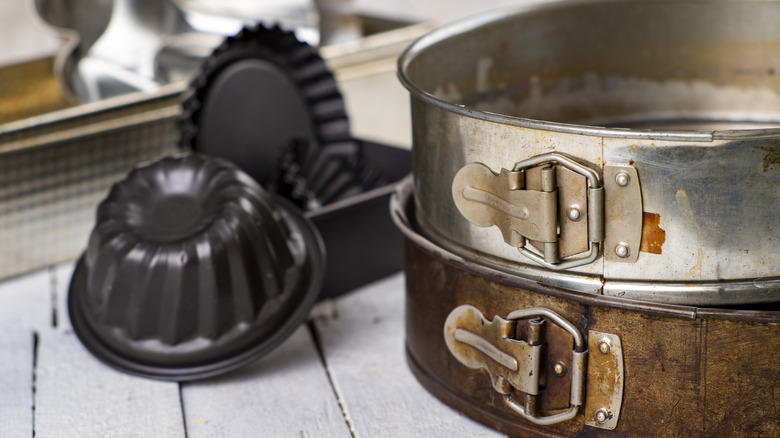
- Accommodating Bulky Items: Bulky items like Bundt pans or springform pans, which often have protruding handles or clips, require careful placement. These should ideally be positioned first on a shelf or in a location where their irregular shapes do not obstruct access to other items.
Avoiding Common Pitfalls
Certain practices, though seemingly efficient, can be detrimental to bakeware:
- Stacking Frying Pans: It is generally advised against stacking frying pans directly on top of each other, especially those with non-stick surfaces. The weight of the upper pans can cause warping or damage to the coatings of the lower pans. Specialized pan racks or individual pan protectors are recommended for frying pans.
- Overcrowding: Even with an organizer, it is crucial to avoid overcrowding. Allowing some breathing room between items ensures easier removal and reduces the likelihood of accidental damage.
The Broader Impact on Kitchen Efficiency and Culinary Enjoyment
The implications of effective bakeware storage extend beyond mere tidiness. A well-organized kitchen fosters a more enjoyable and efficient cooking experience. When essential tools are readily available and in good condition, the motivation to bake and cook increases. This can lead to:
- Increased Culinary Exploration: With easy access to all necessary bakeware, home cooks are more likely to experiment with new recipes and techniques.
- Reduced Stress and Frustration: The mental burden of disorganization is lifted, allowing for a more relaxed and enjoyable time in the kitchen.
- Cost Savings: By protecting cookware from damage, effective storage prolongs the lifespan of bakeware, reducing the need for frequent replacements and saving money in the long run.
- Improved Kitchen Aesthetics: A clutter-free cabinet contributes to an overall sense of order and calm within the kitchen environment.
The evolution of kitchen organization solutions, from simple tiered shelves to sophisticated adjustable racks, reflects a growing awareness of the practical challenges faced by home cooks. By embracing these innovations and adopting strategic organization techniques, individuals can transform their bakeware storage from a source of frustration into a testament to efficient and enjoyable culinary pursuits. The simple act of rethinking how cake pans are stacked can unlock a more harmonious and productive kitchen.
