
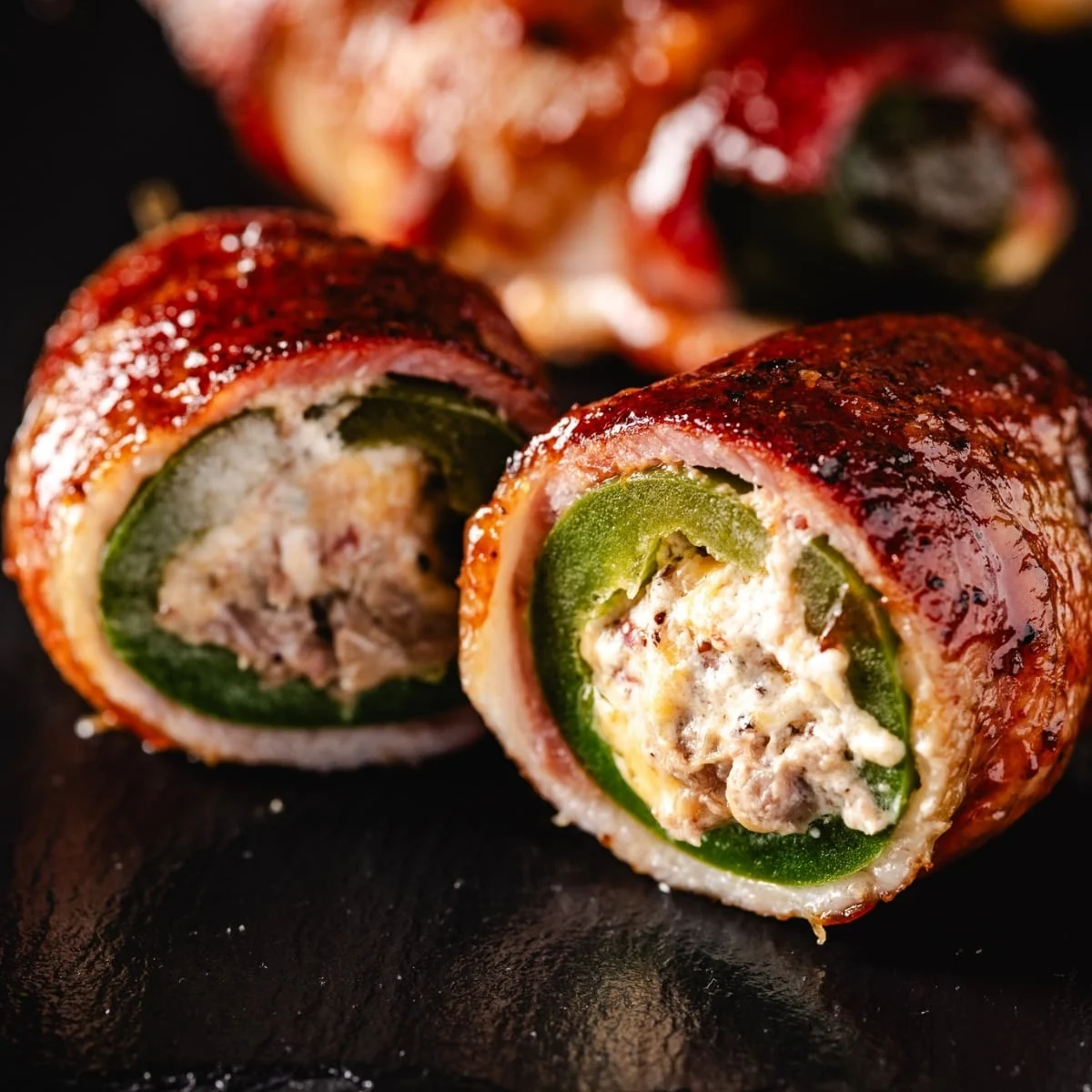
The Smoked Texas Twinkie has emerged as a definitive icon in the landscape of modern American barbecue, representing a sophisticated evolution of the traditional jalapeño popper. Characterized by a large jalapeño pepper stuffed with a blend of cream cheese and smoked brisket, wrapped tightly in premium bacon, and glazed with a regional barbecue sauce, this dish has transitioned from a local specialty in North Texas to a national culinary phenomenon. The preparation involves a meticulous balance of heat, fat, and smoke, utilizing slow-cooking techniques that have become synonymous with Texas pitmaster traditions. As barbecue culture continues to expand globally, the Texas Twinkie serves as a primary example of how regional innovation can redefine standard appetizers into high-value smoked delicacies.
Historical Context and the Origins of the Texas Twinkie
The lineage of the Texas Twinkie is inextricably linked to Hutchins BBQ, a multi-generational establishment located in McKinney, Texas. Founded by Roy Hutchins in 1978, the restaurant initially gained fame for its traditional smoked meats. However, the introduction of the Texas Twinkie in the mid-2010s marked a significant shift in the restaurant’s menu strategy. The dish was designed to utilize high-quality brisket trimmings—specifically the fatty, flavorful "point" of the brisket—while offering a unique, handheld item that could stand alone as a signature offering.

The name itself is a play on the iconic Hostess snack cake, referencing the stuffed nature of the pepper and its roughly cylindrical shape. Unlike the sweet confection, the Texas Twinkie focuses on savory, spicy, and smoky profiles. Its popularity skyrocketed as social media platforms began to highlight the visual appeal of the glistening, bacon-wrapped exterior and the molten cheese-and-meat interior. This digital exposure led to a surge in demand, eventually prompting Hutchins BBQ to offer the items for nationwide shipping, thereby cementing the dish’s status in the broader American food lexicon.
The Technical Anatomy of a Smoked Texas Twinkie
To understand the Texas Twinkie’s appeal, one must examine the specific components that contribute to its complex flavor profile. Each ingredient is selected for its ability to withstand the rigors of a low-and-slow smoking process.
The Vessel: Extra-Large Jalapeños
The foundation of the dish is a fresh jalapeño, typically selected for its size to accommodate a substantial amount of filling. On the Scoville scale, jalapeños generally range from 2,500 to 8,000 heat units. The smoking process, combined with the removal of seeds and internal membranes, significantly mellows this heat, allowing the pepper’s natural sweetness and vegetal notes to emerge.

The Filling: Brisket and Cheese Synergy
The core differentiator of the Texas Twinkie is the inclusion of smoked brisket. Pitmasters typically use leftover brisket or specific trimmings that have already undergone a 12-to-16-hour smoking process. This meat is finely chopped and folded into a mixture of softened cream cheese and sharp cheddar. The cream cheese provides a cooling counterpoint to the jalapeño’s spice, while the cheddar adds a necessary tang and improves the structural integrity of the filling when melted.
The Wrap: Bacon and Seasoning
High-quality, thin-to-medium-cut bacon is utilized to wrap the stuffed pepper. The bacon serves two purposes: it acts as a moisture barrier to prevent the pepper from drying out and provides a rendered fat source that bastes the jalapeño during the cook. The entire assembly is then seasoned with a "sweet rub"—a combination of brown sugar, paprika, garlic powder, and onion powder—which facilitates caramelization and enhances the Maillard reaction on the bacon’s surface.
Chronology of the Smoking Process
The production of a Texas Twinkie is a time-intensive operation that requires precise temperature management. The following timeline outlines the standard procedure used by professional pitmasters and dedicated enthusiasts:

- Preparation and Core Removal: Peppers are sliced lengthwise or "T-cut" at the stem. Pitmasters carefully remove the seeds and white pith, which contain the majority of the capsaicin.
- Filling and Assembly: The brisket-cheese mixture is piped or spooned into the cavity. It is crucial not to overfill, as the cheese expands when heated.
- The Wrapping Technique: Each pepper is wrapped in a full slice of bacon, ensuring the ends are tucked in or secured with a toothpick to prevent unravelling as the meat shrinks during cooking.
- The Initial Smoke: The Twinkies are placed in a smoker preheated to approximately 225°F to 250°F (107°C to 121°C). This phase typically lasts between 90 minutes and two hours. During this time, the bacon begins to render, and the pepper softens.
- The Glazing Phase: In the final 15 to 20 minutes of the cook, the heat may be slightly increased, and a Texas-style barbecue sauce—usually vinegar or tomato-based with a peppery finish—is brushed onto the exterior. This creates a tacky, flavorful lacquer.
- Resting: Similar to a full brisket, the Texas Twinkie requires a short resting period of 5 to 10 minutes to allow the internal temperature to stabilize and the cheese to set slightly before serving.
Supporting Data and Nutritional Analysis
The Texas Twinkie is a calorically dense appetizer, reflecting its roots in the hearty tradition of Texas barbecue. According to nutritional data provided by culinary analysts, a single Texas Twinkie (approximately 150-180 grams) contains the following estimated values:
- Calories: 479 kcal
- Total Fat: 34g (with 15g of Saturated Fat)
- Protein: 24g
- Carbohydrates: 20g
- Sodium: 819mg
The high protein and fat content make it a popular choice in high-protein dietary circles, though the sodium levels are significant, often exceeding 35% of the recommended daily intake for an average adult. From a market perspective, the "premium appetizer" category, which includes items like the Texas Twinkie, has seen a 12% growth in barbecue-themed restaurants over the last five years, as consumers increasingly seek out "experience-based" foods that are difficult to replicate in a standard home kitchen without specialized equipment.
Industry Impact and the Role of BBQ Influencers
The democratization of professional barbecue techniques has been accelerated by digital platforms and culinary influencers. Figures such as Susie Bulloch, founder of the "Hey Grill Hey" platform, have played a pivotal role in translating complex pitmaster methods for the home cook. By providing structured recipes for items like the Texas Twinkie, these influencers have driven sales in the secondary barbecue market, including pellet grills, specialty rubs, and high-end charcoal.

The "Hey Grill Hey" brand, for instance, leverages its Sweet Rub and Texas Style BBQ Sauce to offer a standardized flavor profile that mimics the results found in professional Texas smokehouses. This shift has turned the Texas Twinkie from a destination-only food item into a staple of backyard tailgates and national potlucks. The impact on the meat industry is also notable; the demand for brisket has remained high, and the creative use of brisket trimmings in appetizers has helped restaurants maintain better profit margins by reducing food waste.
Broader Implications for Regional Culinary Identity
The success of the Texas Twinkie highlights a broader trend in the American food industry: the "commodification of regionalism." As local specialties become viral sensations, they often lose their strict geographic boundaries but gain a place in the national identity. The Texas Twinkie is no longer just a McKinney, Texas, secret; it is a representative of the "Texas BBQ" brand, which stands for boldness, scale, and technical proficiency.
Furthermore, the dish has inspired numerous variations across the United States. In the Pacific Northwest, some variations use smoked salmon in place of brisket, while in the Midwest, pulled pork or "burnt ends" are often substituted. This iterative process ensures that while the Texas Twinkie remains the gold standard, the concept of the "stuffed and smoked pepper" continues to evolve.

Conclusion and Future Outlook
As the barbecue industry continues to professionalize and expand, the Texas Twinkie is expected to remain a permanent fixture on menus that prioritize authentic smoked flavors. Its combination of accessibility (as a handheld snack) and complexity (in its multi-stage preparation) makes it a versatile tool for both restaurateurs and home enthusiasts.
The future of the dish likely involves further commercialization. Pre-assembled, flash-frozen Texas Twinkies are already entering the specialty retail market, allowing consumers to experience the dish with minimal preparation. However, for the purist, the true Texas Twinkie will always be defined by the quality of the brisket and the skill of the pitmaster in balancing the delicate interplay of heat, smoke, and seasoning. As culinary trends move toward "comfort food with a twist," the Smoked Texas Twinkie stands as a testament to the enduring power of Texas-style innovation in the global gastronomic arena.
