
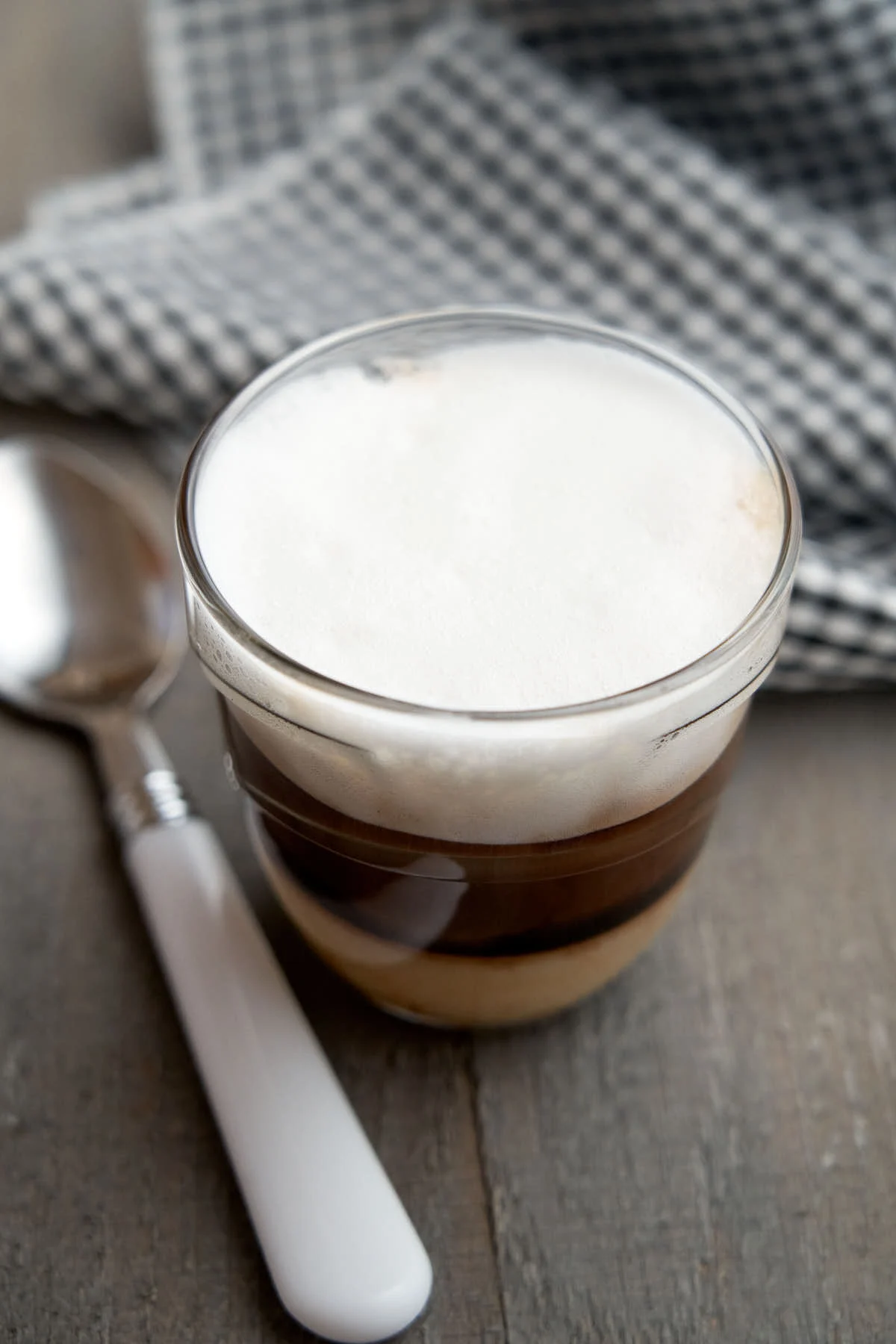
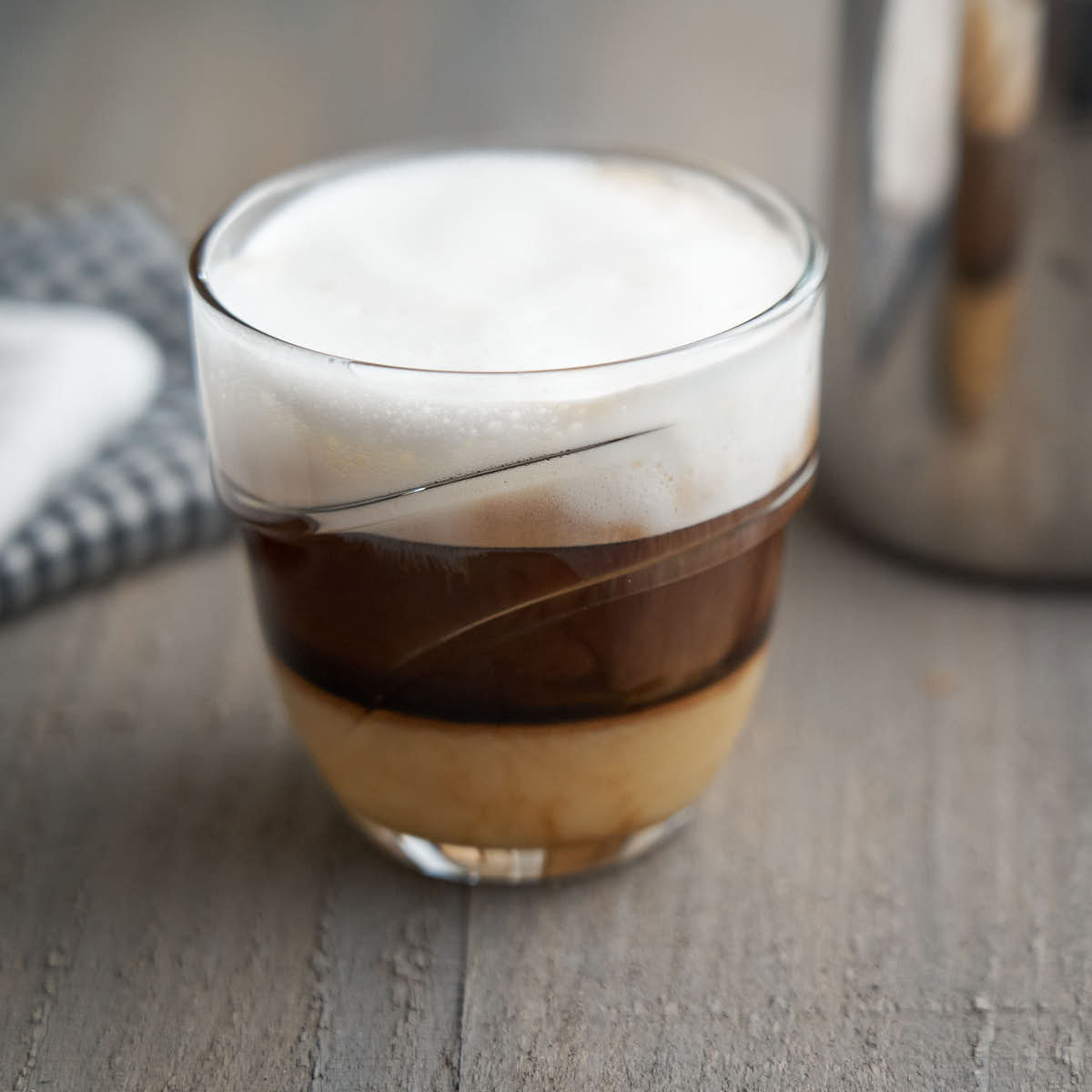
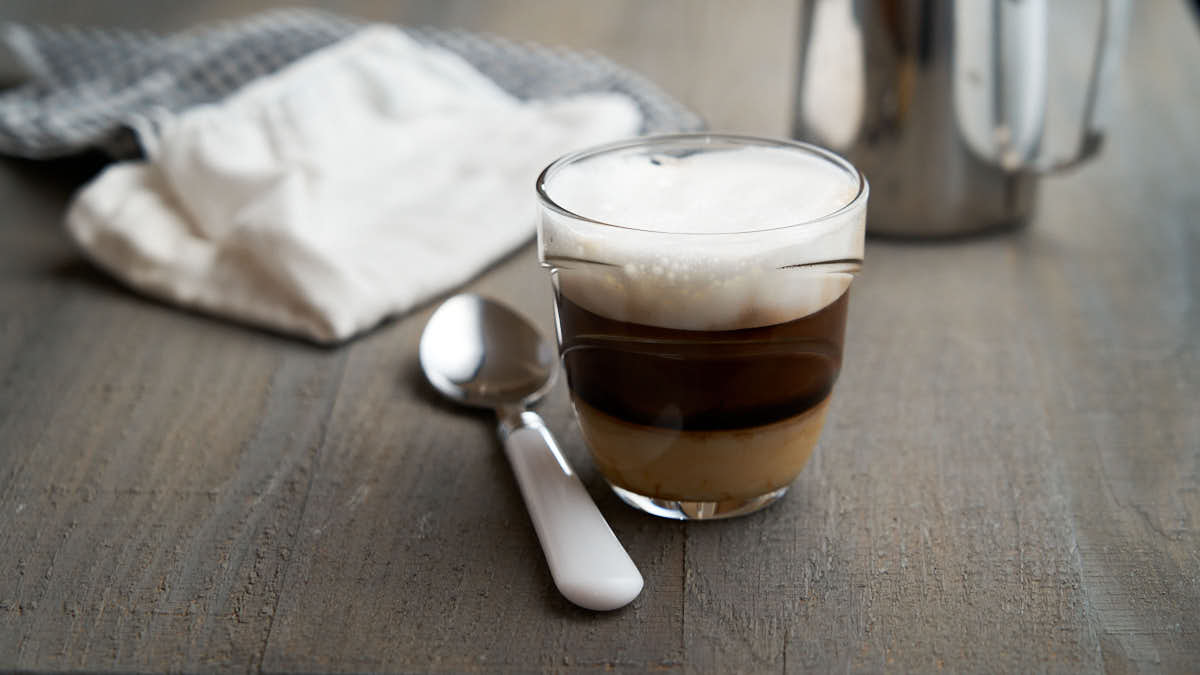
Cafe Bombon, a visually striking and deliciously sweet espresso beverage originating from Spain, is gaining traction beyond its Iberian roots, captivating coffee enthusiasts with its elegant simplicity and delightful flavor profile. This popular drink, characterized by its distinct layering of rich espresso and creamy sweetened condensed milk, offers a sophisticated twist on the everyday coffee experience. When presented in a clear glass, the dramatic contrast between the dark, intense coffee and the opaque, milky sweetness creates an alluring visual spectacle, often prompting a moment of appreciation before the first sip.
The genesis of Cafe Bombon lies in the Spanish tradition of enjoying coffee as a moment of indulgence and social connection. While the exact historical origins are somewhat anecdotal, it is widely understood to have emerged as a way to balance the inherent bitterness of strong coffee with a luxurious sweetness. This was particularly appealing in a culture that values rich flavors and satisfying culinary experiences. The use of sweetened condensed milk, a readily available and versatile ingredient, provided a simple yet effective solution for creating a more approachable and dessert-like coffee beverage. Its popularity in Spain, particularly in regions like Valencia, has cemented its status as a beloved national specialty.
In recent years, the global appreciation for artisanal coffee and diverse brewing methods has propelled Cafe Bombon onto menus in coffee shops worldwide. Its aesthetic appeal, easily shareable on social media platforms, has also contributed to its growing recognition. However, despite its increasing presence, finding a truly authentic Cafe Bombon outside of specialized establishments can still be a challenge, prompting many to seek out recipes to recreate this delightful drink at home.
Crafting the Perfect Cafe Bombon
The creation of a Cafe Bombon hinges on achieving and maintaining the distinct visual layers. The key lies in the careful assembly of its two primary components: espresso and sweetened condensed milk. The traditional method, and one that proves most effective for preserving the visual integrity of the drink, involves a specific layering technique.
The Layering Process:
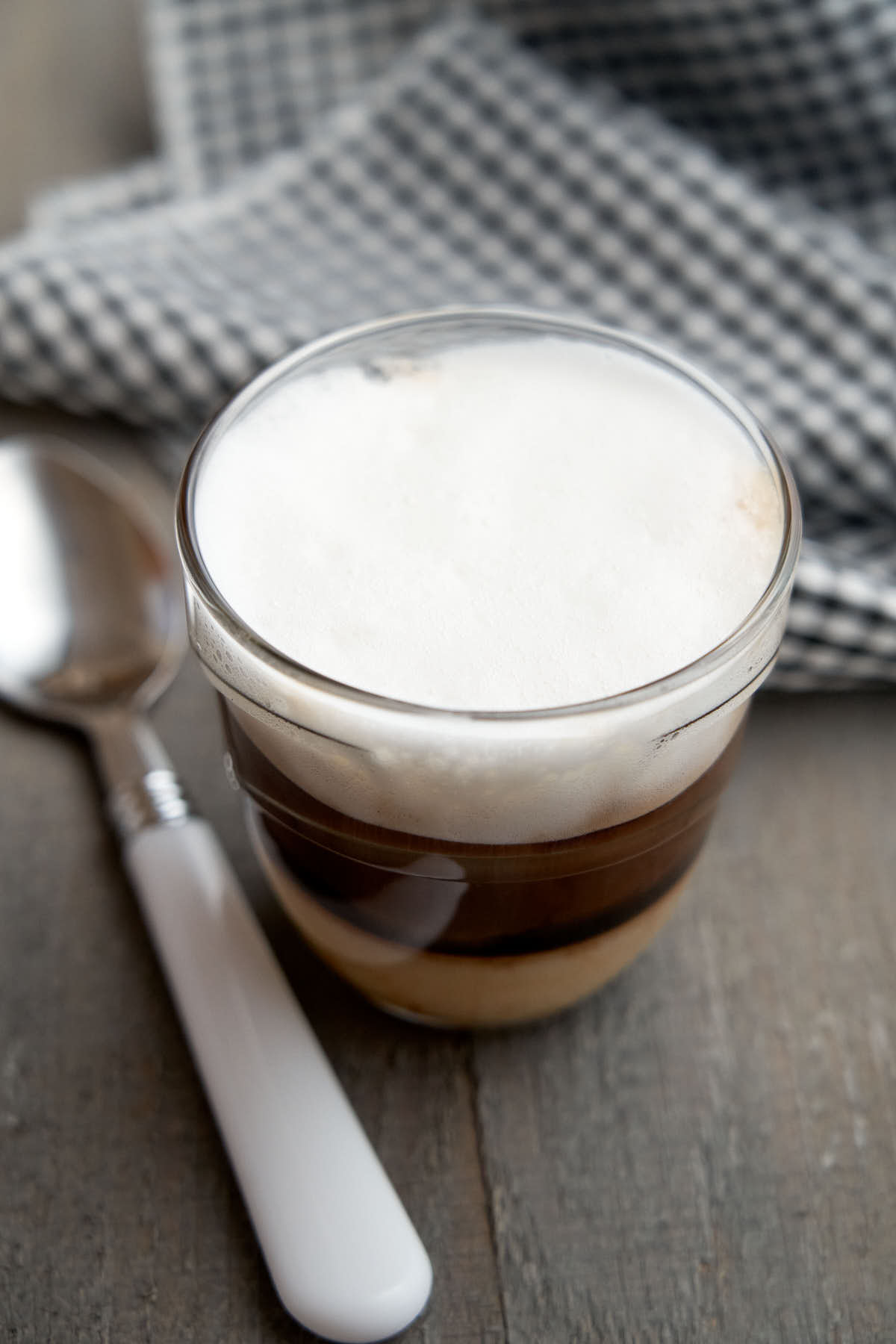
- Espresso Foundation: The process begins with a freshly brewed, strong shot of espresso. This forms the base of the drink and provides the intense coffee flavor.
- Sweetened Condensed Milk Drizzle: The crucial step to achieving the signature layers is the slow and deliberate drizzling of sweetened condensed milk over the back of a spoon, allowing it to gently cascade down the side of the glass and settle beneath the espresso. This technique leverages the density difference between the two liquids; the heavier condensed milk will naturally sink, creating a distinct separation.
An alternative method, pouring the espresso over the condensed milk, is generally discouraged by aficionados. This approach often leads to the espresso "denting" the condensed milk layer, disrupting the clean visual separation and potentially leading to premature mixing. The goal is to create a visually arresting presentation that allows the drinker to savor the distinct textures and flavors before they are ultimately combined.
The Optional Flourish: Adding Milk Froth
While the fundamental Cafe Bombon consists of espresso and sweetened condensed milk, many modern interpretations include a third element: a delicate layer of frothed milk. This addition, while optional, enhances the drink’s visual appeal by introducing a creamy white cap, further emphasizing the layered effect. Beyond aesthetics, the froth can also impart a lighter, more ethereal quality to the overall beverage.
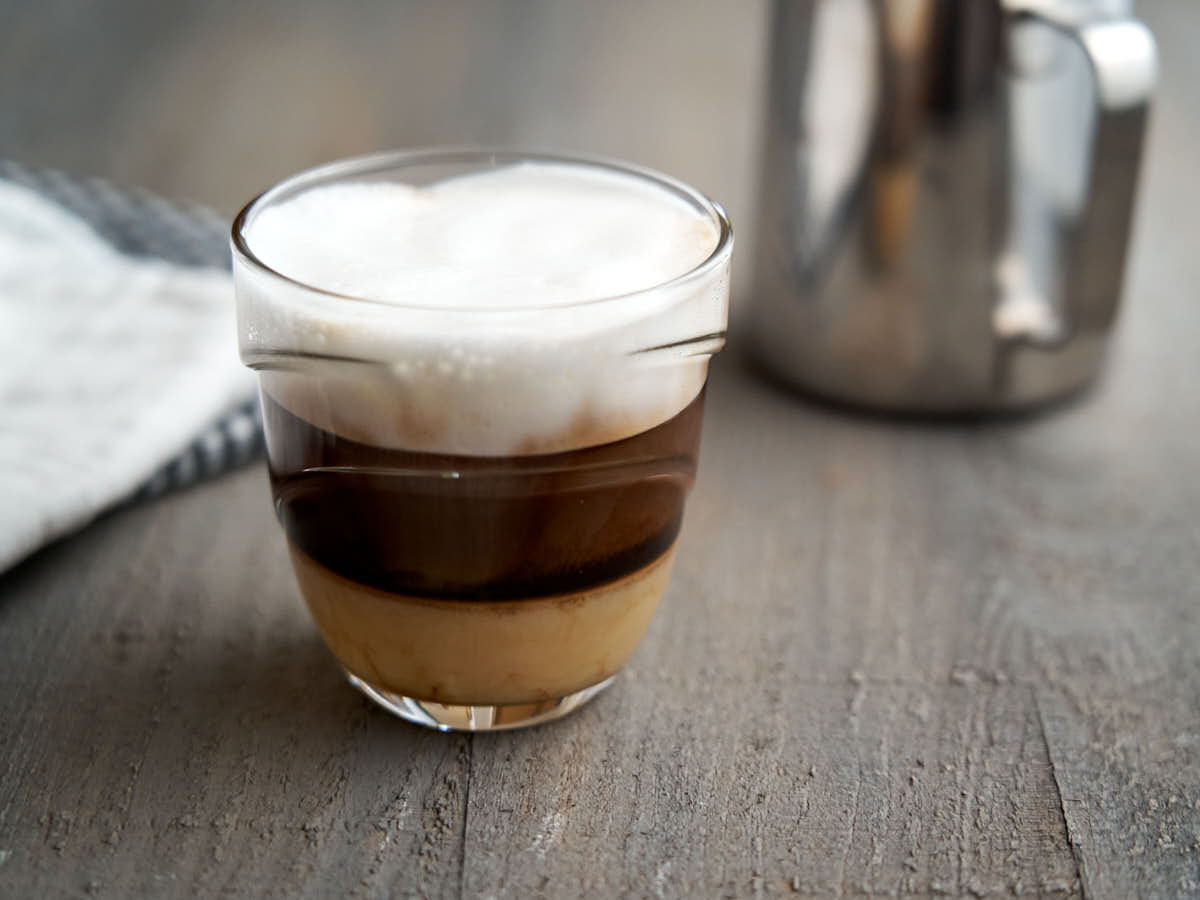
To achieve this delicate topping, specialized equipment like a milk steamer wand is often employed, with a particular emphasis on incorporating extra air during the steaming process. This results in a lighter, more airy foam. The key to preserving the distinct layers is to carefully spoon this froth onto the surface of the drink, rather than pouring it, which could cause it to blend with the espresso and obscure the visual artistry.
For home baristas who may not have access to professional espresso machines with built-in steam wands, readily available manual milk frothers offer an effective alternative. These devices can produce a satisfactory froth, allowing for the replication of the full Cafe Bombon experience.

Accessibility: Making Cafe Bombon Without an Espresso Machine
The beauty of Cafe Bombon lies not only in its taste but also in its adaptability. For those who do not possess a home espresso machine, the recipe remains accessible through a few simple substitutions. The primary requirement is a concentrated, strong coffee base that can mimic the intensity of espresso.
Espresso Alternatives:

- Homemade Cold Brew Concentrate: A robust cold brew coffee concentrate, brewed at home, can serve as an excellent substitute. By using a higher coffee-to-water ratio during the brewing process, a concentrated liquid is produced that, when heated, offers a flavor profile comparable to espresso. Detailed instructions for crafting cold brew concentrate are widely available, often involving a prolonged steeping period of coffee grounds in cold water.
- Store-Bought Cold Brew Concentrate: For convenience, pre-made cold brew concentrates are readily available at many grocery stores and specialty coffee shops. These products can be purchased and then gently warmed in a microwave or on the stovetop before being incorporated into the Cafe Bombon recipe. It is essential to ensure the concentrate is heated, as Cafe Bombon is traditionally served as a warm beverage.
The choice of substitute coffee will influence the final flavor, but both methods allow for the successful recreation of the layered aesthetic and the delightful sweet-and-bitter balance characteristic of Cafe Bombon.
Broader Implications and Cultural Exchange
The increasing popularity of Cafe Bombon signifies a broader trend in the global appreciation for diverse coffee cultures and the sharing of culinary traditions. As consumers become more adventurous in their coffee choices, beverages like Cafe Bombon, with their unique sensory appeal and rich cultural backstory, find a receptive audience. This exchange not only enriches the coffee landscape but also fosters a greater understanding and appreciation for the traditions of different regions. The ability to replicate these drinks at home further democratizes the experience, allowing individuals to connect with global flavors in their own kitchens. The continued exploration and adaptation of such recipes underscore the dynamic and evolving nature of food and beverage trends in the 21st century.
