
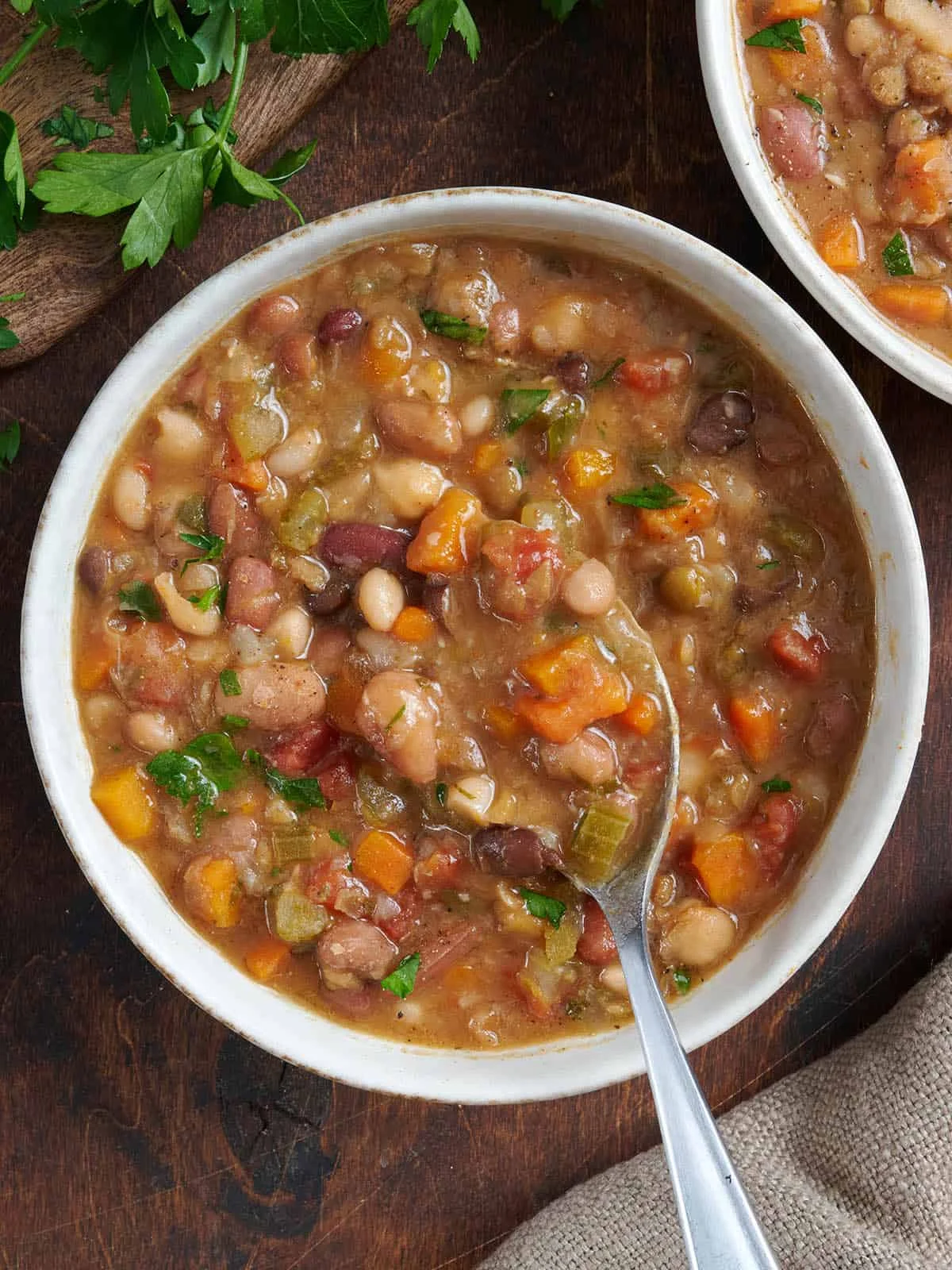
The rising cost of living and a growing global emphasis on plant-based nutrition have brought traditional pantry staples back into the spotlight, with dried legumes emerging as a primary focus for budget-conscious and health-oriented consumers. Among the various culinary applications for these staples, the 15-bean soup stands out as a significant nutritional powerhouse, offering a complex profile of fiber, protein, and antioxidants. While traditionally prepared with smoked meats such as ham hocks or turkey legs, the modern adaptation into a vegetarian—and specifically vegan—format represents a shift in contemporary dietary habits. This analysis explores the preparation, nutritional density, and economic implications of the 15-bean soup as a cornerstone of modern meal preparation.
The Nutritional Profile of Multi-Bean Legume Mixes
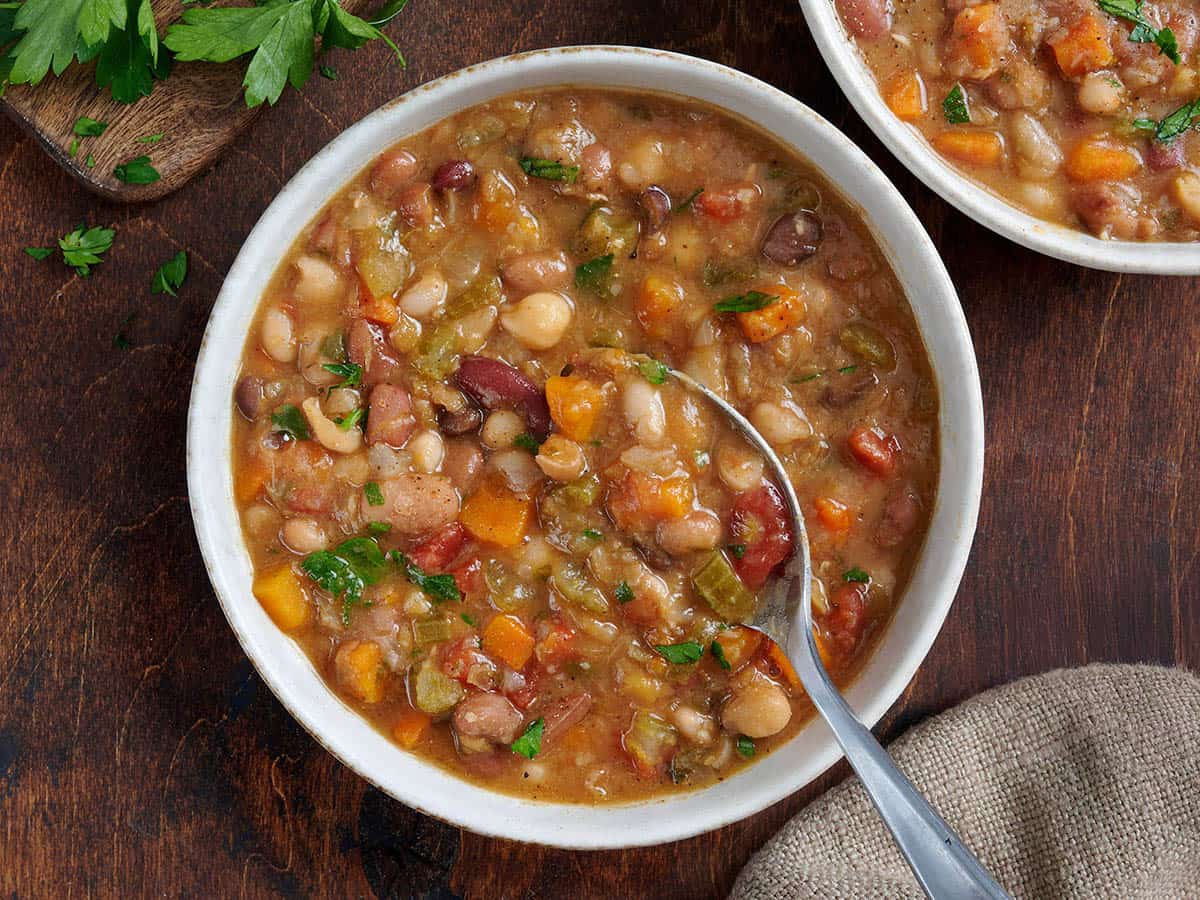
Legumes are frequently categorized by dietitians as an underrated "superfood." The vegetarian 15-bean soup utilizes a diverse array of dried beans, typically including varieties such as pinto, northern, red kidney, lima, black-eyed peas, garbanzo, and lentils. This diversity is not merely aesthetic; it provides a broad spectrum of micronutrients and amino acids. According to nutritional data provided by the Nashville Test Kitchen, a single serving of this soup contains approximately 303 calories, 17 grams of protein, and 16 grams of dietary fiber.
The fiber content is particularly noteworthy, representing 67% of the recommended daily value. High fiber intake is clinically linked to improved digestive health, stabilized blood sugar levels, and lower cholesterol. Furthermore, the inclusion of 17 grams of protein per serving makes this soup a viable alternative to meat-centric main dishes, supporting muscle maintenance and satiety. The use of varied bean sizes and types also ensures a range of antioxidants, including polyphenols, which assist in combating oxidative stress within the body.
Economic Analysis: The Cost-Effectiveness of Dried Pulses
In the current economic climate, food insecurity and inflation have driven consumers to seek high-yield, low-cost recipes. The 15-bean soup is an exemplar of financial efficiency in the kitchen. The total cost for a large-batch recipe, which yields eight servings, is estimated at $6.76. This breaks down to a cost-per-serving of approximately $0.85.
When compared to animal-based proteins, dried beans offer a significantly higher return on investment. According to data from the U.S. Bureau of Labor Statistics, the price of beef and poultry has seen volatile fluctuations over the past 24 months, whereas dried beans have remained relatively stable and shelf-stable. The ability to store dried beans for extended periods without refrigeration further reduces indirect costs associated with food waste and energy consumption. This makes the 15-bean soup not only a health-conscious choice but a strategic financial decision for households operating under strict budgetary constraints.
Chronology of Preparation: From Dry Pantry to Table
The preparation of a 15-bean soup is a multi-stage process that requires foresight and a systematic approach to culinary chemistry. The timeline of production can be divided into three distinct phases: the hydration phase, the softening phase, and the seasoning phase.
Phase I: The Hydration Period (8–12 Hours)
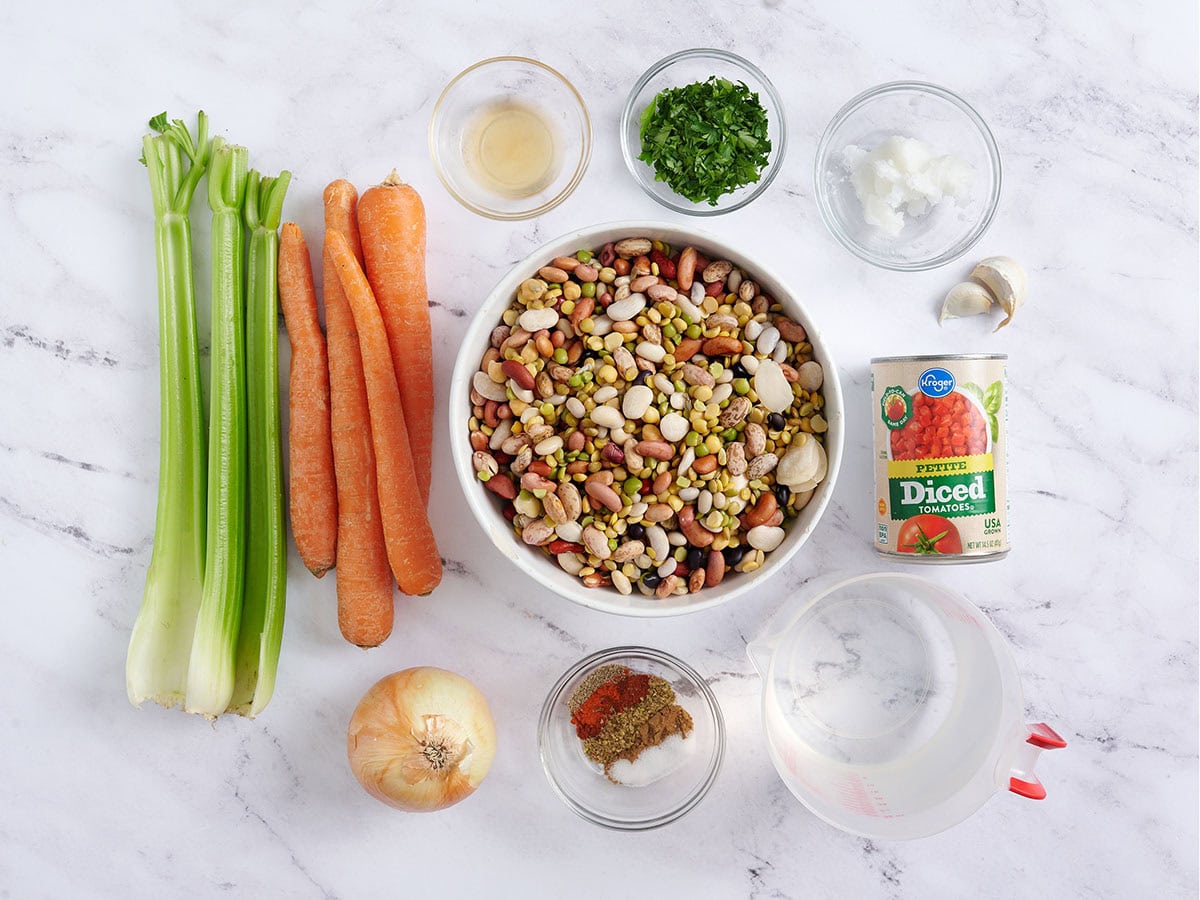
Because the recipe utilizes dried beans rather than canned, a significant soaking period is required. This phase typically begins the evening before the intended meal. The beans must be submerged in a volume of water at least double their own size. This 8-hour minimum soak serves two purposes: it reduces the cooking time significantly and helps to break down complex sugars (oligosaccharides) that can cause digestive discomfort. After the soaking period, the beans are drained and rinsed, removing the water that contains these leached sugars.
Phase II: The Softening and Base Construction (1.5–2 Hours)
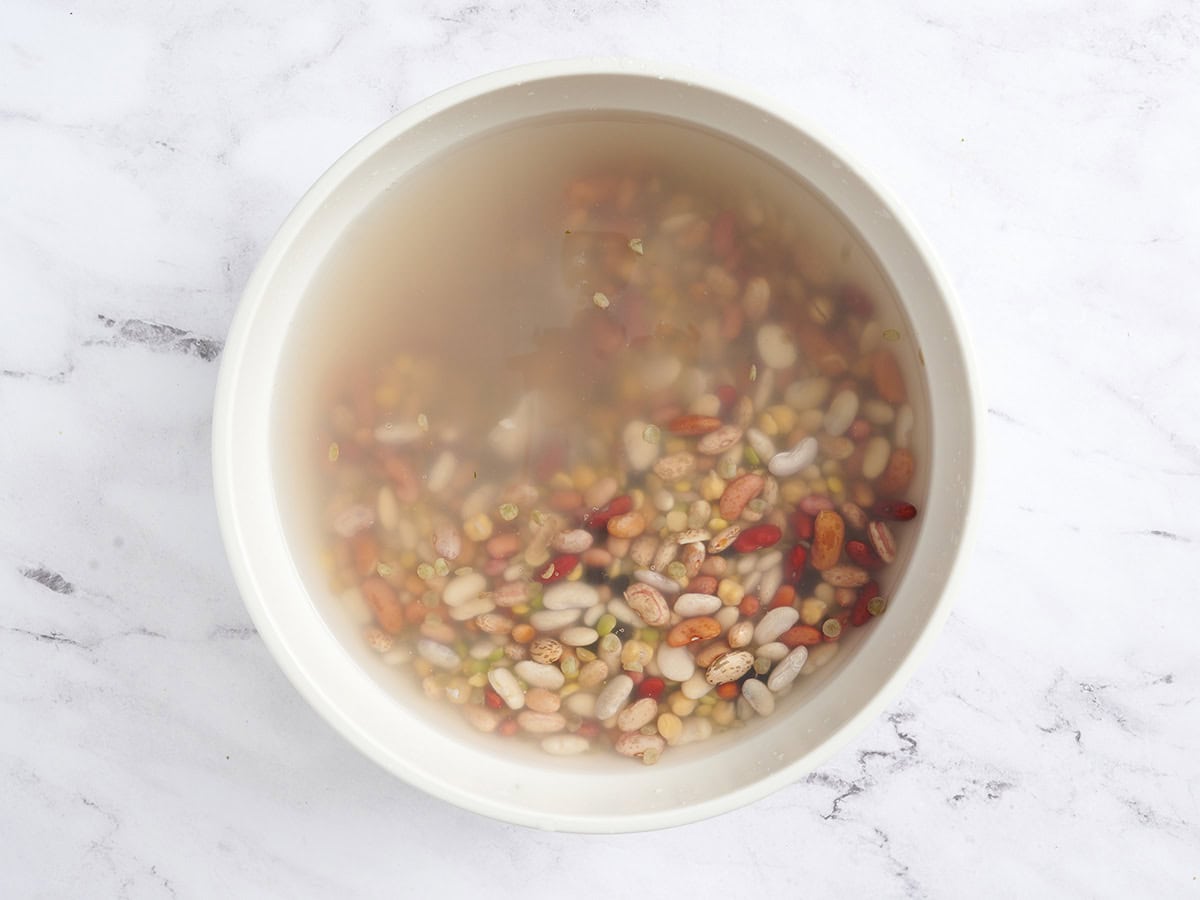
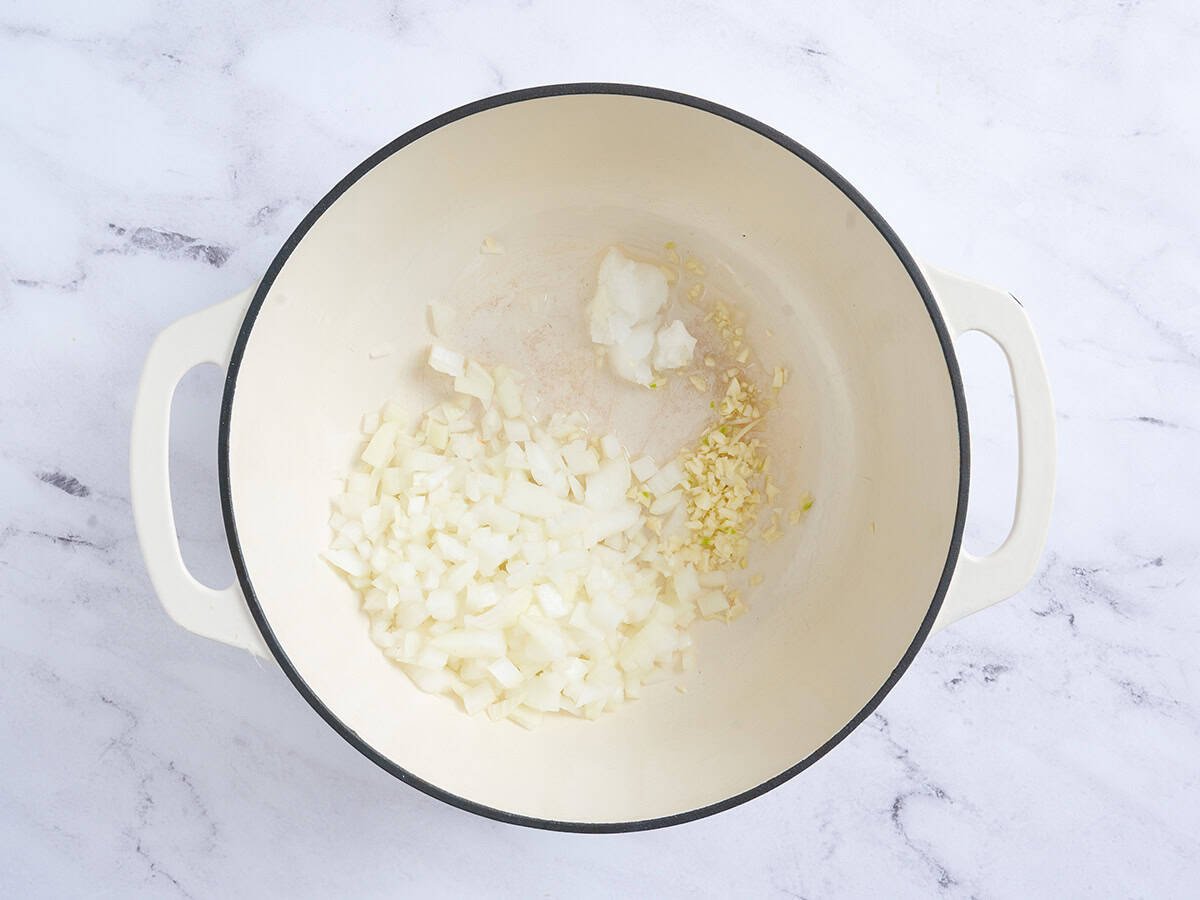
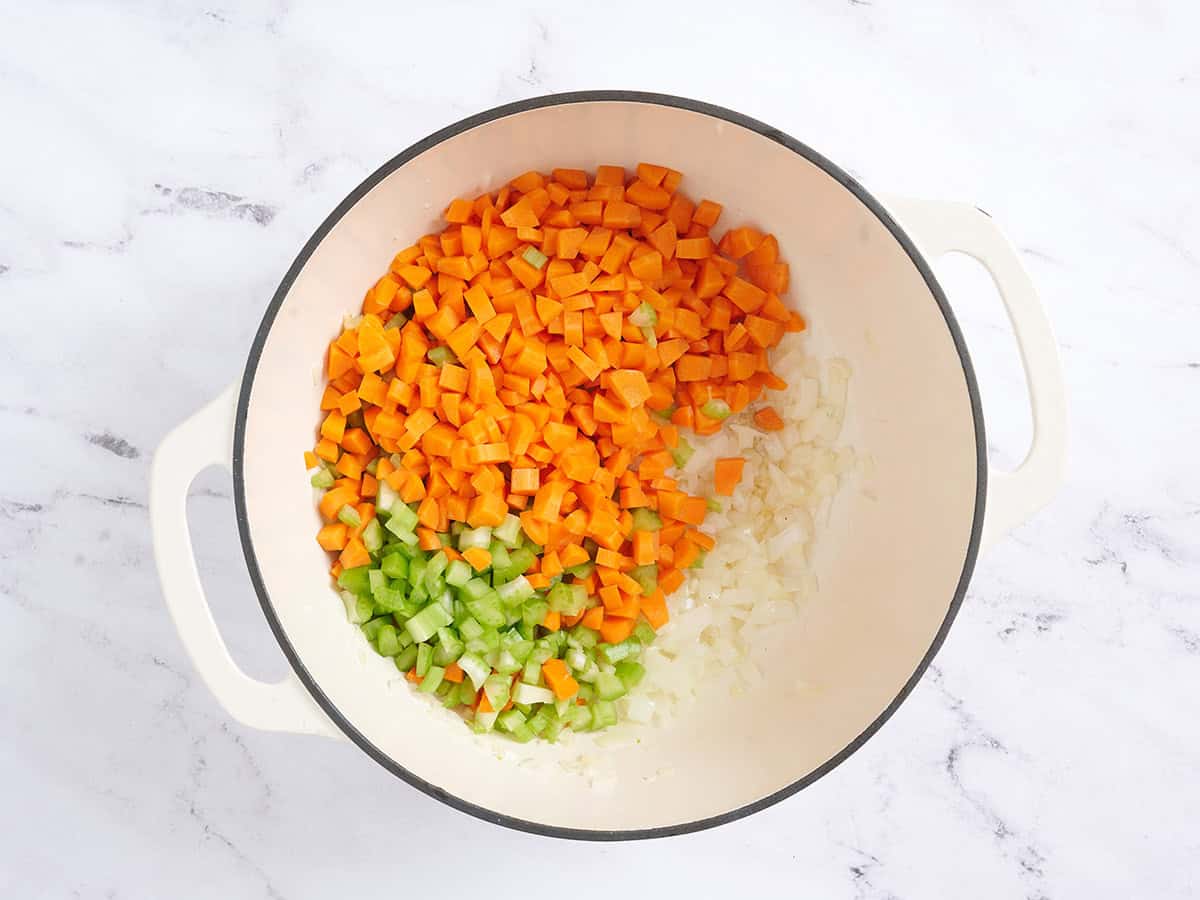
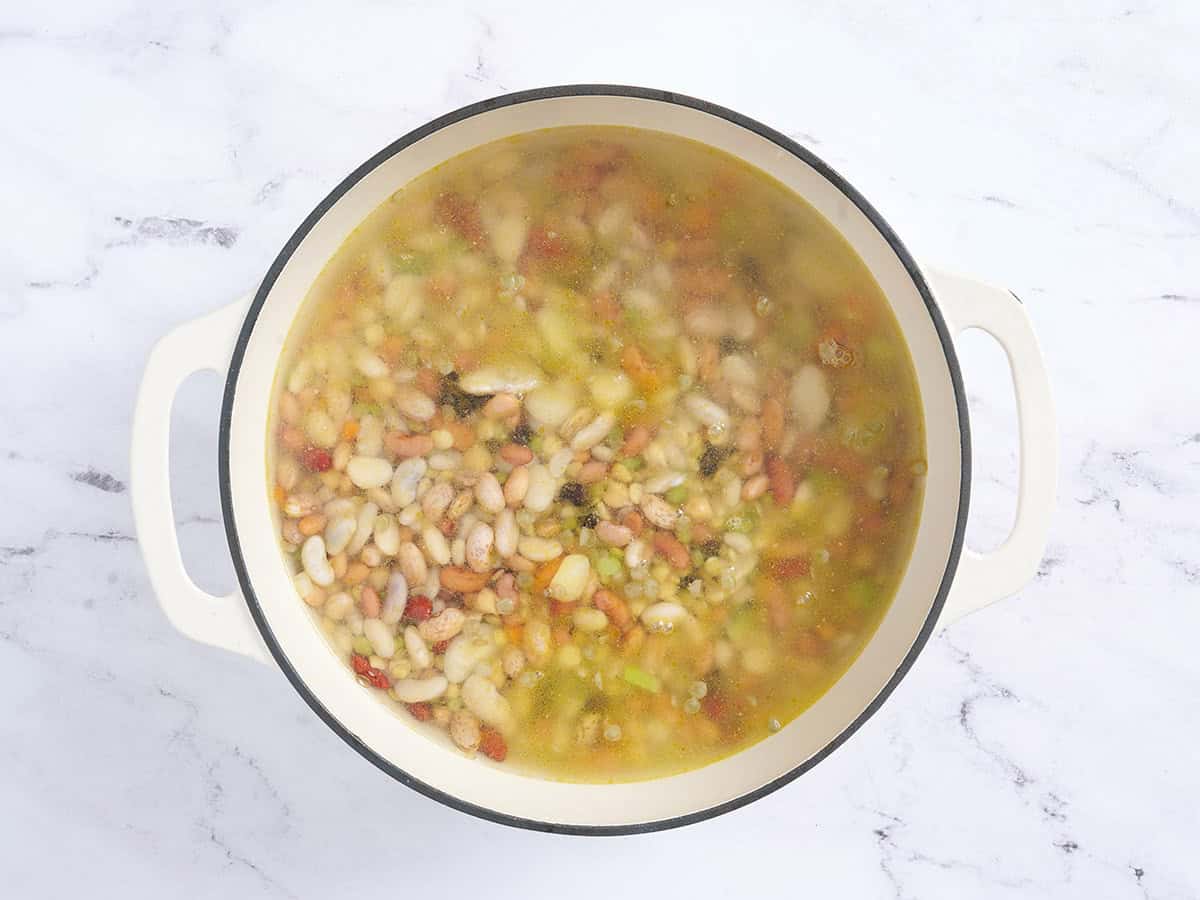
The cooking process begins with the creation of a mirepoix—a traditional base of sautéed onions, garlic, carrots, and celery. In the vegetarian version, coconut oil is often utilized to provide a rich mouthfeel similar to that of animal fats. Once the vegetables are translucent and aromatic, the hydrated beans are added along with six cups of water. The mixture is brought to a boil and then reduced to a low simmer for 90 minutes. During this period, the cell walls of the beans break down, releasing starches that naturally thicken the broth, creating a creamy texture without the need for dairy.
Phase III: The Seasoning and Acid Balance (20–30 Minutes)
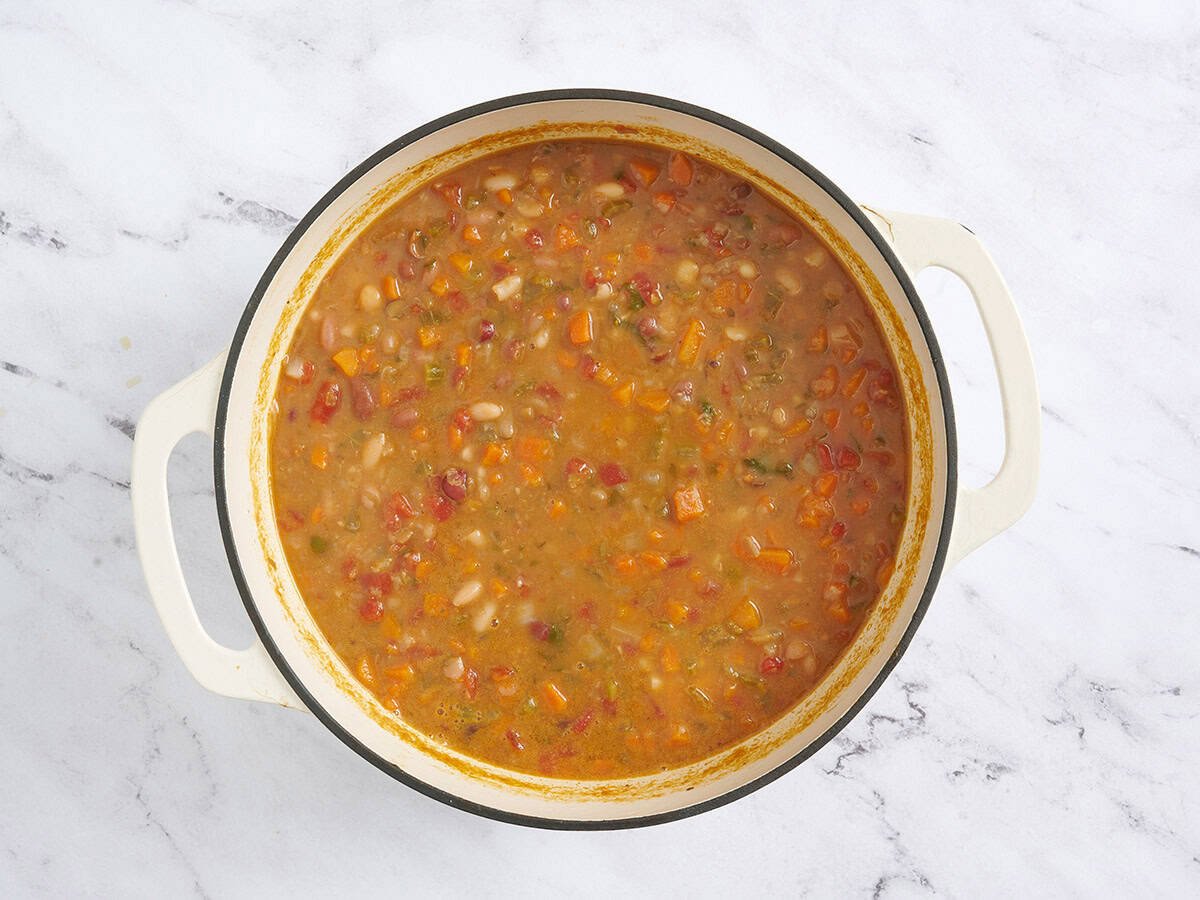
The final phase involves the introduction of "top note" flavors. Culinary experts advise against adding salt or acidic ingredients (like tomatoes or vinegar) at the beginning of the process, as acidity can prevent the beans from softening properly. Once the beans are tender, diced tomatoes, smoked paprika, cumin, oregano, and cayenne pepper are introduced. A final addition of apple cider vinegar provides the necessary acidity to brighten the earthy flavors of the legumes.
Culinary Innovations and Ingredient Substitutions
A key aspect of the 15-bean soup is its versatility. While the base recipe is vegan, it serves as a canvas for various dietary preferences. The use of smoked paprika is a critical substitution for those omitting meat; it provides the "umami" and smokiness traditionally offered by a ham hock.
Furthermore, the choice of cooking oil plays a role in the final texture. Coconut oil, which is high in saturated fat, mimics the viscosity of rendered pork fat, providing a more satisfying "clinging" quality to the broth. For those seeking to further enhance the protein content, the soup can be served over a scoop of white or brown rice, which completes the amino acid profile, forming a "complete protein" equivalent to meat.
Market Context: The Role of N.K. Hurst Company
The "15 Bean Soup" is most commonly associated with the N.K. Hurst Company, a family-owned business based in Indianapolis, Indiana. Since 1938, the company has been a dominant force in the dry bean market. Their flagship product, the "Hurst’s HamBeens 15 Bean Soup," is a staple in American grocery stores.
While the product traditionally includes a seasoning packet containing meat by-products or artificial smoke flavorings, modern culinary trends have seen a rise in "from-scratch" seasoning. By discarding the factory-made packet and using fresh herbs and spices—such as the cumin, smoked paprika, and fresh parsley suggested in the Nashville Test Kitchen’s rigorous testing—cooks can significantly reduce sodium intake and eliminate artificial additives, aligning the dish with clean-label eating standards.
Public Response and Consumer Trends
The reception of this vegetarian adaptation has been overwhelmingly positive among meal-prep enthusiasts. Testimonials, such as those from long-term practitioners like Linda Wilson, highlight the "nourishing and flavorful" nature of the dish. The soup has become a staple in the "meal prep" community, a segment of the population that prepares large quantities of food in advance to save time and money during the work week.
The soup’s ability to withstand freezing is a major factor in its popularity. Unlike vegetable-heavy soups that may become mushy upon thawing, the dense structure of legumes allows them to maintain their integrity through the freezing and reheating process. This makes it an ideal candidate for long-term food storage and a reliable resource for busy professionals and families.
Broader Implications for Sustainability and Health
The shift toward recipes like the 15-bean soup has broader implications for global sustainability. The production of legumes requires significantly less water and land than the production of beef or pork. Furthermore, beans are nitrogen-fixing crops, meaning they improve soil health by returning nitrogen to the earth, reducing the need for synthetic fertilizers.
From a public health perspective, the promotion of high-fiber, plant-based meals is a direct response to the rise in lifestyle-related diseases such as obesity, type 2 diabetes, and cardiovascular hypertension. By providing a recipe that is both affordable and palatable, culinary educators are lowering the barrier to entry for healthy eating.
Conclusion: A Modern Staple for a Changing World
The vegetarian 15-bean soup represents more than just a budget-friendly meal; it is a synthesis of traditional preservation methods and modern nutritional science. By utilizing the inherent benefits of dried legumes and enhancing them with fresh vegetables and strategic spices, this dish addresses the dual needs of physical health and financial stability. As consumers continue to navigate a complex economic landscape, the reliance on versatile, nutrient-dense, and shelf-stable ingredients like the 15-bean mix is expected to grow, cementing its place as a quintessential dish for the 21st-century kitchen.
