
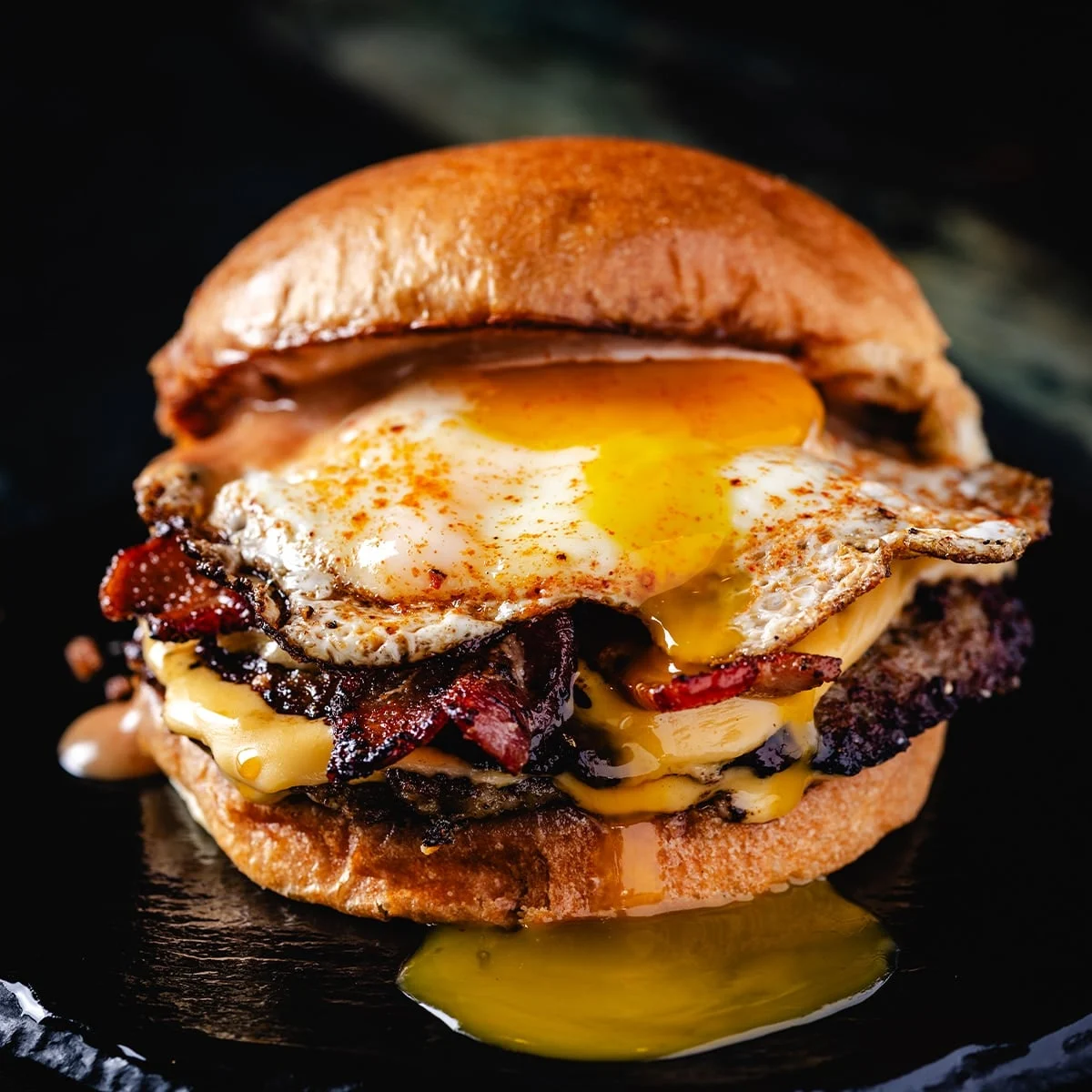
The traditional American breakfast landscape has undergone a significant transformation over the last decade, transitioning from simple eggs and toast to complex, multi-layered gastronomic experiences. Among the most prominent entries in this elevated comfort food category is the Breakfast Smash Burger, a culinary hybrid that combines the searing techniques of a classic diner burger with the savory profiles of a traditional farmhouse breakfast. This dish, characterized by its thin, crispy sausage patties, molten cheese, and signature sauces, represents a broader shift in consumer behavior as home cooks increasingly seek to replicate high-end restaurant results in their own backyards. By utilizing specialized equipment like outdoor griddles and high-fat content proteins, enthusiasts are redefining the "most important meal of the day" as a platform for technical skill and flavor experimentation.
The Evolution of the Smash Burger Technique
To understand the appeal of the Breakfast Smash Burger, one must first examine the history and science of the "smash" technique itself. Originating in mid-century American diners, the method involves taking a ball of ground meat and pressing it firmly against a hot, ungreased flattop grill. This action is not merely for shape; it facilitates the Maillard reaction—a chemical reaction between amino acids and reducing sugars that gives browned food its distinctive flavor. Because the meat is smashed thin, the surface-area-to-volume ratio is maximized, creating a jagged, caramelized crust that is impossible to achieve with a standard thick patty.

In the context of breakfast, the substitution of ground beef for seasoned pork sausage introduces a new dimension of flavor. Sausage, typically higher in fat and seasoned with sage, black pepper, and sometimes maple or red pepper flakes, reacts differently to high-heat searing than beef. The rendered fat from the sausage acts as a frying medium for the patty itself, resulting in edges that are almost "lacy" in their crispness. This textural contrast between the crunchy exterior and the juicy interior is the hallmark of a professionally executed smash burger.
Anatomy of the Gourmet Breakfast Burger
The Breakfast Smash Burger is an exercise in balancing heavy, savory elements with brightness and sweetness. A standard iteration, such as the one popularized by outdoor cooking expert Susie Bulloch of Hey Grill Hey, utilizes a specific architecture designed to hit every part of the palate.
- The Protein Foundation: Two thin sausage patties provide the structural and flavor base. Using two patties instead of one thick one increases the amount of "crust" available in every bite.
- The Curing Element: Candied or "crackling" bacon adds a secondary layer of pork flavor. The saltiness of the bacon is often tempered by a maple glaze or a rub of brown sugar, which provides a necessary counterpoint to the savory sausage.
- The Emollient: American cheese remains the gold standard for this application due to its superior melting point and emulsifying properties. Unlike aged cheddars, which can "oil off" under high heat, American cheese creates a cohesive bond between the two patties.
- The Sauce Factor: A homemade maple mayo burger sauce serves as the bridge between the components. By combining the creaminess of mayonnaise with the earthy sweetness of maple syrup and the tang of mustard or vinegar, the sauce cuts through the richness of the fats.
- The "Sauce" of the Egg: A fried egg with a runny yolk acts as a natural sauce. When the burger is bitten into, the yolk breaks, coating the patties and the bun in a rich, silken yellow liquid that enhances the overall mouthfeel.
- The Vessel: A brioche bun is preferred for its high butter and egg content. Its soft, pillowy texture absorbs the juices and yolk without disintegrating, while its slight sweetness complements the maple elements of the dish.
Nutritional Analysis and Market Trends
The rise of the Breakfast Smash Burger coincides with a period of significant growth in the outdoor griddle market. According to industry reports from 2023, the market for flattop grills, led by brands like Blackstone and Camp Chef, has seen a 30% year-over-year increase in sales. This hardware allows home cooks to manage large surface areas at consistent temperatures, making it possible to cook bacon, eggs, and patties simultaneously—a feat difficult to achieve in a standard cast-iron skillet.

However, the indulgence of the Breakfast Smash Burger comes with a notable nutritional profile. A single serving of this gourmet sandwich contains approximately 1,209 calories, 95 grams of fat, and over 4,600 milligrams of sodium. The sodium content is particularly high, largely due to the processed nature of breakfast sausage, bacon, and American cheese. While these figures place the dish firmly in the "occasional treat" category, they also reflect a broader trend in the "cheat meal" culture prevalent on social media platforms like Instagram and TikTok, where visual appeal and caloric density often drive engagement.
Step-by-Step Chronology of Preparation
Achieving the perfect breakfast smash burger requires a specific sequence of operations to ensure all components reach their peak state at the same moment.
- Phase 1: Preparation and Sauce Integration. The process begins with the creation of the maple mayo. This involves whisking together mayonnaise, maple syrup, and often a touch of hot sauce or Dijon mustard. This must be done first to allow the flavors to meld at room temperature.
- Phase 2: Thermal Priming. The griddle is preheated to medium-high heat (approximately 375°F to 400°F). During this time, the sausage is formed into loose, 2-ounce balls. It is crucial not to overwork the meat, as tight packing prevents the formation of the desired craggy edges during the smash.
- Phase 3: The Sear and the Smash. Sausage balls are placed on the hot surface. Using a heavy press or a flat spatula—often buffered with a square of parchment paper to prevent sticking—the cook applies significant downward pressure for 10 seconds. This "sets" the crust.
- Phase 4: Concurrent Cooking. While the patties sear, the bacon is placed on a cooler zone of the griddle to crisp. Simultaneously, the brioche buns are toasted in the rendered fat.
- Phase 5: The Assembly. Once flipped, the patties receive their cheese slices. The eggs are cracked onto the griddle last, as they require the least amount of time. The burger is then stacked: sauce on the bottom bun, followed by two patties, bacon, and finally the egg.
The Role of Influencers in Modern Home Cooking
The democratization of professional cooking techniques can be largely attributed to figures like Susie Bulloch. As the founder of Hey Grill Hey, Bulloch has built an empire based on the idea that "backyard BBQ" is for everyone, regardless of gender or professional background. Her approach to the Breakfast Smash Burger is indicative of her broader philosophy: simplifying complex flavors so they are accessible to the average homeowner.

"Forget the drive-thrus and diners," Bulloch frequently notes in her tutorials. This sentiment echoes a growing consumer dissatisfaction with the rising costs and declining quality of fast-food breakfast options. As the price of a mid-tier fast-food breakfast meal approaches $10–$12, the value proposition of making a superior "gourmet" version at home becomes more attractive to families.
Broader Implications for the Food Industry
The popularity of high-concept breakfast items like the smash burger has forced traditional restaurants to pivot. Many "all-day breakfast" chains have begun incorporating "smash" terminology into their marketing to capitalize on the trend’s perceived authenticity. Furthermore, the artisan bread industry has seen a spike in brioche sales, as consumers move away from standard white bread in favor of more premium options.
From a health perspective, the popularity of these dishes continues to spark debate among dietitians. The high saturated fat and sodium levels are at odds with global health initiatives aimed at reducing cardiovascular disease. However, culinary historians argue that the "hearty breakfast" is a deeply ingrained part of the American identity, evolving from the high-calorie requirements of 19th-century laborers to the recreational indulgence of the 21st-century weekend "brunch."

Conclusion: The Future of the Backyard Griddle
As we look toward the future of home culinary trends, the Breakfast Smash Burger serves as a case study in how specialized equipment and digital information sharing can transform domestic life. What was once the domain of short-order cooks in smoke-filled diners is now a weekend ritual for millions of people. The "smash" is more than a technique; it is a symbol of a new era of home cooking where the boundaries between professional kitchens and backyard patios continue to blur. Whether viewed as a nutritional outlier or a triumph of flavor engineering, the Breakfast Smash Burger has secured its place in the modern American cookbook, promising a "delicious reason to wake up" for those willing to master the heat of the griddle.
