
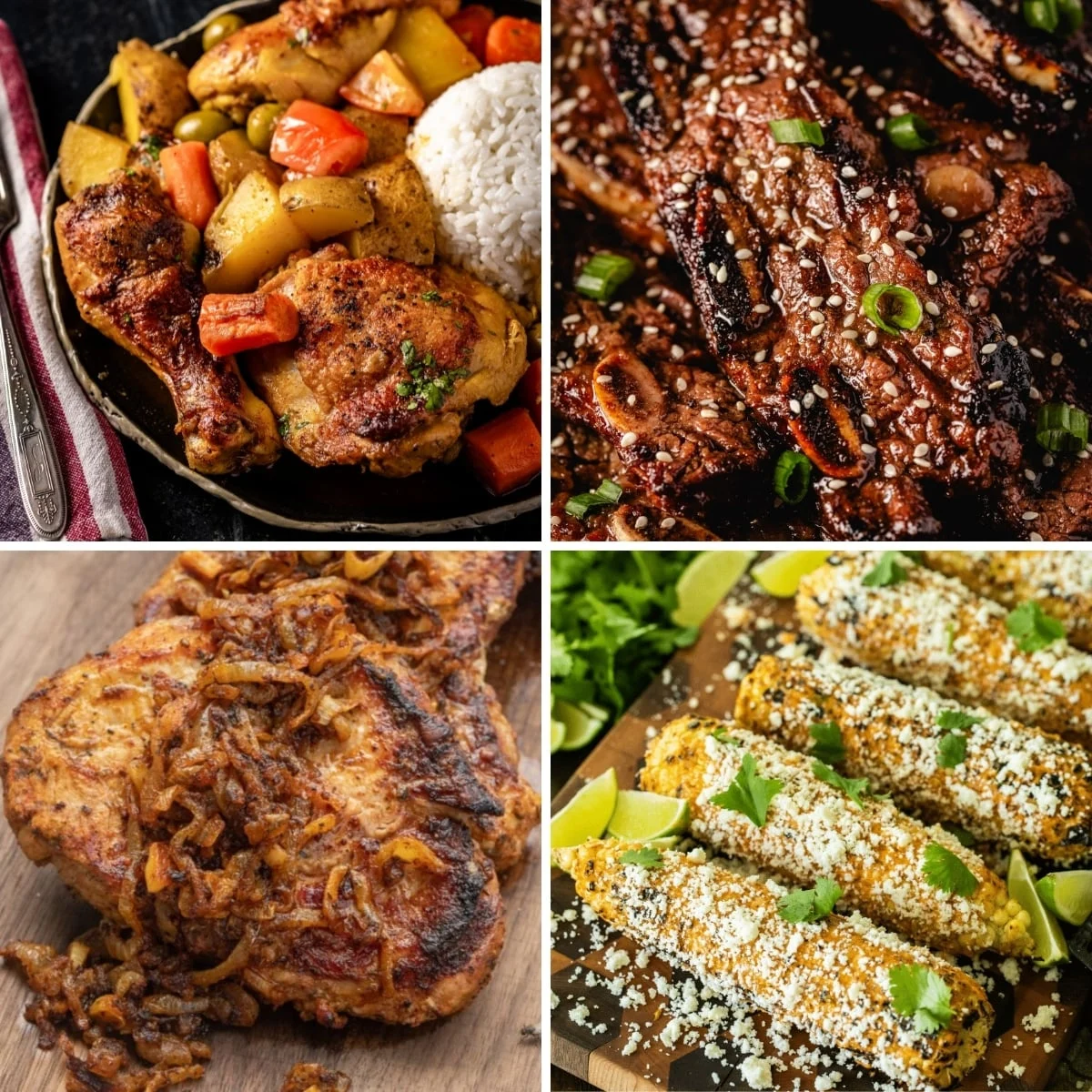
The landscape of American backyard leisure is undergoing a significant culinary transformation as homeowners increasingly look beyond traditional burgers and hot dogs toward a more globalized palate. This shift reflects a broader trend in the United States, where the intersection of outdoor cooking technology and a growing interest in international flavors has redefined the "cookout." According to recent market research, the global barbecue grill market is projected to reach several billion dollars by the end of the decade, driven largely by consumer demand for versatile equipment capable of handling diverse cooking styles, from high-heat searing to low-and-slow smoking. As outdoor cooking becomes a primary venue for culinary exploration, six specific international recipes—ranging from Korean short ribs to German pork chops—have emerged as essential benchmarks for the modern backyard enthusiast.

The Evolution of Fire-Based Cooking
Barbecue, in its most fundamental form, is a universal human tradition. While often associated with the American South, the term finds its roots in the indigenous Caribbean word "barabicu," meaning a sacred fire pit. Every major civilization has developed a unique methodology for applying heat to protein, utilizing local woods, spices, and techniques to achieve tenderness and flavor. In the 21st century, the accessibility of international ingredients and the proliferation of digital culinary platforms have allowed these regional traditions to migrate. The modern backyard is no longer just a site for domestic tradition; it has become a laboratory for global gastronomy.
The current trend toward international barbecue is supported by shifting consumer demographics. Data from the Hearth, Patio & Barbecue Association (HPBA) indicates that nearly 70% of U.S. households own a grill or smoker, and an increasing percentage of these users report experimenting with non-traditional flavors. This diversification is fueled by a desire for "culinary tourism" at home, a phenomenon that gained significant momentum during the global pandemic and has continued to influence dining habits.

A Chronology of Global BBQ Integration
The integration of international flavors into the American grilling repertoire has followed a distinct timeline:
- The 1980s-1990s (The Fusion Era): Early adoption of "Teriyaki" and basic "Taco" seasonings began to appear on grills, though largely simplified for the Western palate.
- The 2000s (The Authentic Seekers): The rise of travel-based food television introduced viewers to the specificities of Argentinian Asado and Korean Gogi-gu-i.
- The 2010s (Ingredient Accessibility): The expansion of specialty grocery stores and e-commerce allowed home cooks to source authentic components like gochujang, hoisin, and cotija cheese.
- The 2020s (The Digital Mastery): High-resolution video tutorials and specialized BBQ applications have lowered the barrier to entry for complex techniques like Char Siu smoking and authentic beer-battering.
Analysis of the Six Global BBQ Benchmarks
To understand the impact of this global shift, one must analyze the specific recipes that have bridged the gap between professional kitchens and backyard patios. These six dishes represent a cross-section of global geography and culinary science.
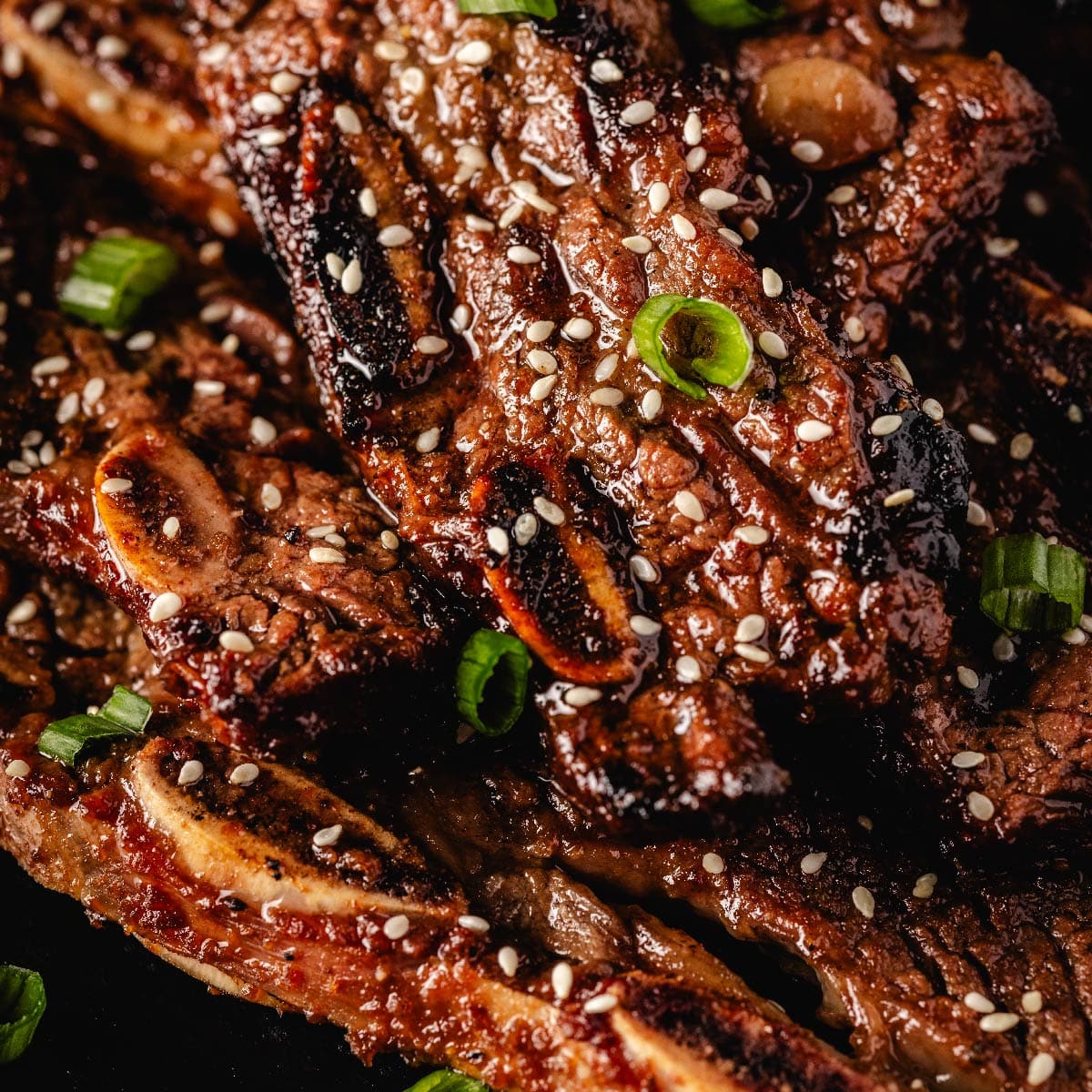
1. Kalbi: The Science of Korean Beef Short Ribs
Korean Kalbi (or Galbi) represents a sophisticated approach to beef preparation. Unlike American-style ribs that rely on long smoke times to break down connective tissue, Kalbi utilizes a specific "flanken" cut—thinly sliced across the bone. The culinary brilliance of this dish lies in its marinade. Authentic recipes utilize the enzymatic properties of Asian pears and kiwis. These fruits contain calpain and actinidain, enzymes that naturally tenderize the meat during the marinating process. When placed over a high-heat grill, the sugars from the fruit and brown sugar undergo the Maillard reaction, creating a caramelized, crispy exterior that contrasts with a tender interior.
2. Pollo Guisado: The Caribbean Influence
While traditionally a stovetop stew, the adaptation of Puerto Rican Pollo Guisado for the backyard involves utilizing the grill as a heat source for Dutch oven cooking. This dish highlights the importance of "Sazón"—a spice blend often featuring coriander, cumin, and annatto. The inclusion of briny elements, such as olives and capers, provides a counterpoint to the richness of the chicken fat. This recipe serves as a reminder that "barbecue" is not limited to dry-heat cooking; the use of fire to simmer hearty, aromatic stews is a staple of tropical outdoor kitchens.

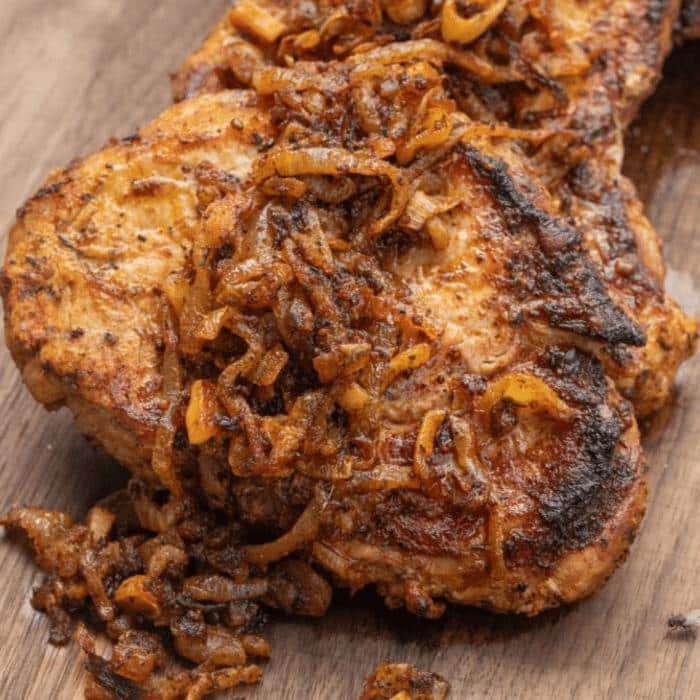
3. Schwenkbraten: German Precision and Tradition
Hailing from the Saarland region of Germany, Schwenkbraten is traditionally prepared on a "Schwenker"—a tripod-mounted swinging grill. The motion of the grill over an open beechwood fire ensures even cooking and prevents flare-ups. The marinade for these pork chops is distinctively European, utilizing juniper berries and stone-ground mustard. Juniper, a common botanical in German cuisine, provides a sharp, pine-like aroma that cuts through the fattiness of the pork. The transition of this recipe to standard backyard grills demonstrates how regional European traditions can be successfully localized without specialized equipment.
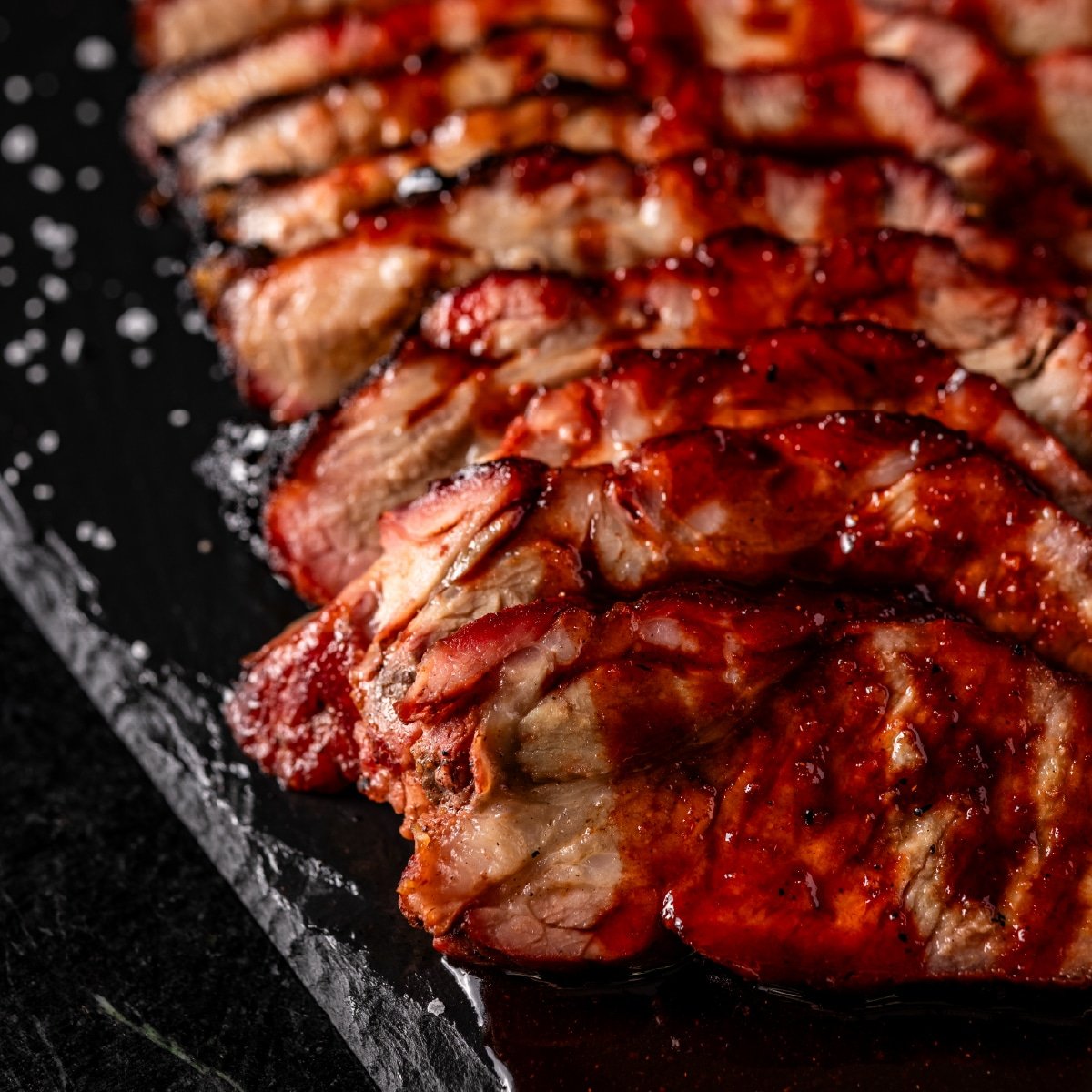
4. Smoked Char Siu: Cantonese Roasting Meets American Smoking
Char Siu, or Chinese BBQ pork, is traditionally roasted in vertical ovens. However, the backyard adaptation utilizes the low-and-slow smoking method common in the American South. The signature red glaze is achieved through a complex mixture of hoisin, soy sauce, Chinese five-spice, and red miso paste. The five-spice powder—typically a blend of star anise, cloves, cinnamon, Sichuan pepper, and fennel seeds—provides a flavor profile that is fundamentally different from the paprika-heavy rubs of Texas or Kansas City. The addition of honey in the final stages of smoking creates the "glossy" finish that is the hallmark of high-quality Cantonese BBQ.
5. Elote: The Rise of Mexican Street Corn
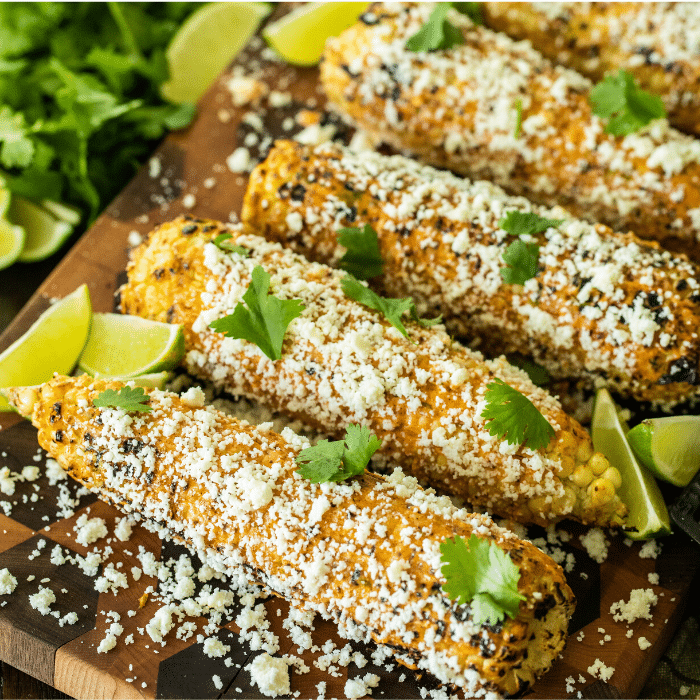
Elote has transitioned from a localized Mexican street snack to a ubiquitous side dish in American barbecue. The preparation involves charring corn on the cob to bring out the natural sugars, then layering it with umami-rich components: mayonnaise, chili powder, lime, and Cotija cheese. Cotija, an aged Mexican cow’s milk cheese, is functionally similar to Parmesan in its saltiness and inability to melt completely, providing a textured, savory coating. The popularity of Elote reflects a broader consumer trend toward elevated vegetable sides that can compete with the complexity of the main protein.
6. Beer Battered Fish and Chips: The British Staple
While deep-frying is often viewed as a kitchen activity, the move to outdoor cooking has reclaimed this British classic for the backyard. Using a side burner or a stable heat source on the grill allows for high-temperature frying without the lingering odors associated with indoor preparation. The technical secret to this dish is the use of rice flour and carbonated beer in the batter. The carbon dioxide in the beer creates bubbles that expand during frying, resulting in a light, aerated crust. The addition of rice flour, which does not absorb oil as readily as wheat flour, ensures the fish remains crispy for a longer duration.
Supporting Data and Market Trends
The movement toward international BBQ is reflected in retail data. According to industry reports from 2023, sales of "global" condiments—such as gochujang, chimichurri, and harissa—have seen a 25% year-over-year increase in mainstream supermarkets. This suggests that the average consumer is no longer intimidated by ingredients that were once considered "exotic."
Furthermore, the "home-as-a-hub" trend has led to an increase in high-end outdoor kitchen installations. Data from the American Society of Landscape Architects (ASLA) indicates that outdoor kitchens are among the most requested residential design features. These spaces are being equipped not just with grills, but with power burners for woks (ideal for Char Siu prep) and high-output burners for large-scale frying (perfect for Fish and Chips).
Broader Impact and Culinary Implications
The globalization of the backyard BBQ has several significant implications:
- Cultural Exchange: Food serves as a low-barrier entry point for cultural appreciation. By mastering a recipe like Kalbi or Schwenkbraten, home cooks engage with the history and traditions of another nation.
- Technique Diversification: Backyard cooks are becoming more versatile. The same individual who can smoke a brisket for 12 hours is now learning the quick-sear techniques of Korean BBQ or the delicate battering required for British fish.
- Economic Growth: The demand for international BBQ has created a secondary market for specialized tools, such as authentic Japanese Yakitori grills, Brazilian churrasco rotisseries, and specialized cleaning tools for various grate types.
In conclusion, the rise of international BBQ recipes represents a maturing of the American culinary landscape. The backyard is no longer a place of limited options but a destination for global exploration. As technological advancements in grilling continue and global connectivity increases, the distinction between "traditional" and "international" barbecue will likely continue to blur, leading to a richer, more diverse outdoor dining experience for families across the country. The success of these six recipes—Kalbi, Pollo Guisado, Schwenkbraten, Char Siu, Elote, and Fish and Chips—serves as a blueprint for the future of the backyard hero.
