
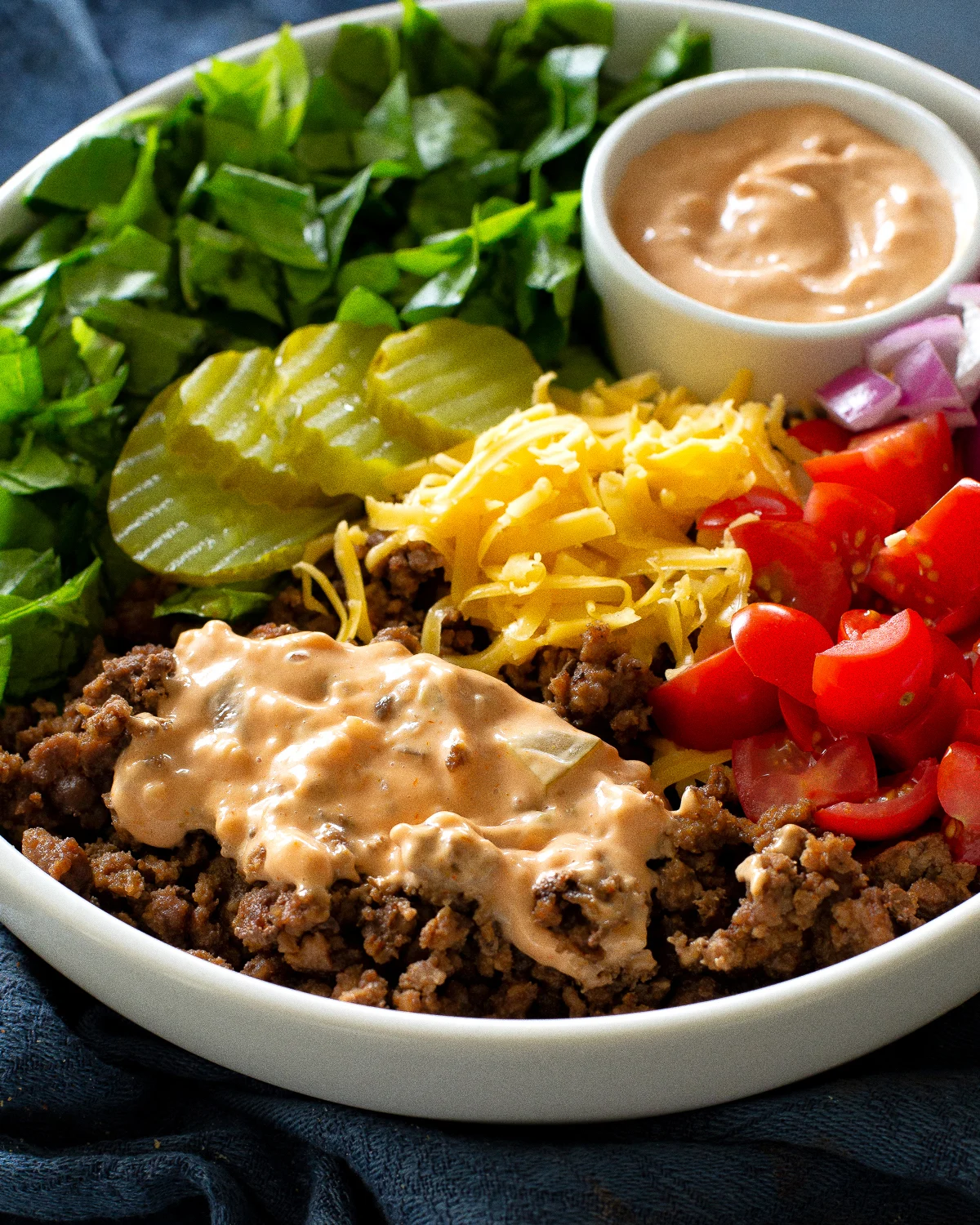
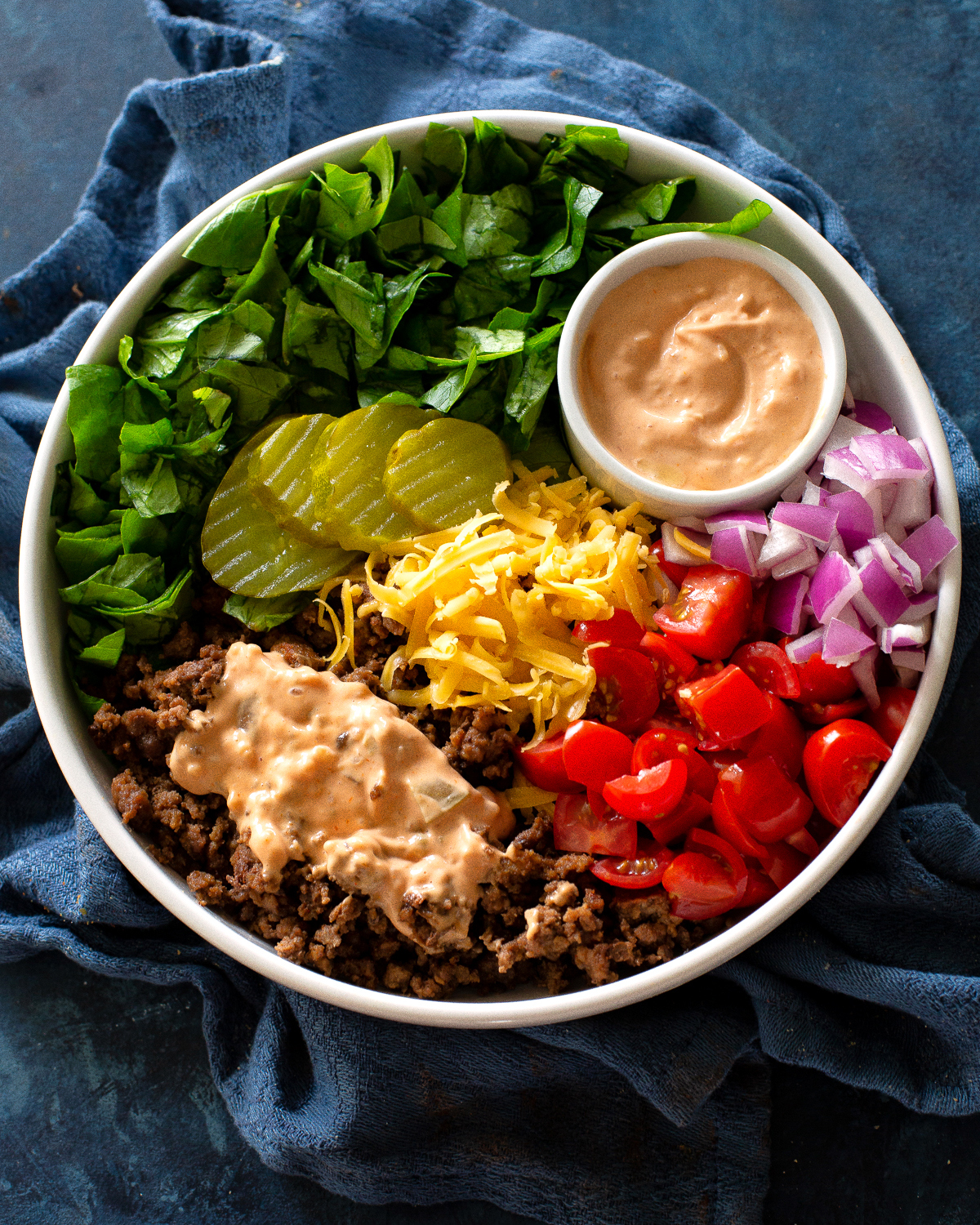
Burger bowls, a creative culinary adaptation of the beloved cheeseburger, are gaining traction for their ability to deliver the familiar, satisfying flavors of a fast-food favorite in a fresh and customizable format. This innovative dish replaces the traditional bun with a vibrant assembly of seasoned ground beef, crisp vegetables, tangy pickles, and melted cheddar cheese, all brought together by a distinctive burger sauce that mimics the taste of sought-after fast-food establishments. The appeal of burger bowls lies in their inherent versatility and their capacity to cater to a growing demand for bunless or low-carb meal options without sacrificing taste or the quintessential burger experience.
The Genesis of the Burger Bowl: A Familiar Favorite Reimagined
The concept behind burger bowls is rooted in the desire to deconstruct and elevate a universally recognized comfort food. By removing the bun, a significant source of carbohydrates, this dish opens up new possibilities for diners seeking healthier alternatives or those managing dietary restrictions such as gluten intolerance or ketogenic lifestyles. The foundation of the burger bowl is typically seasoned ground beef, cooked to a juicy perfection. The quality of the beef, whether lean or a richer blend, plays a crucial role in the overall flavor profile.
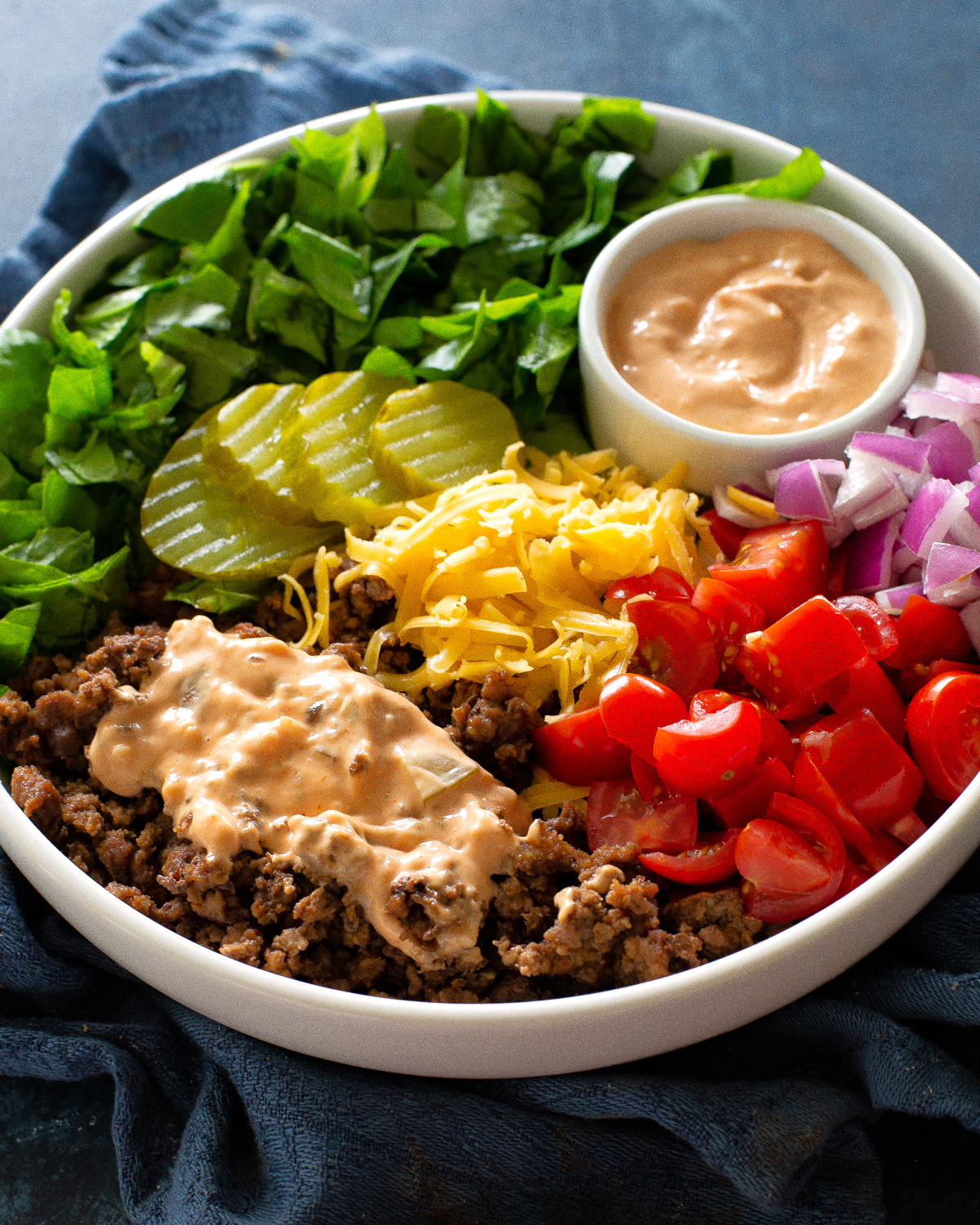
Following the savory beef, a medley of fresh toppings transforms the dish into a vibrant culinary canvas. Common additions include:
- Tomatoes: Providing a burst of freshness and acidity.
- Pickles: Offering a crucial tangy and crunchy counterpoint to the richness of the beef.
- Onions: Delivering a sharp, pungent flavor, often served raw for a more intense bite or caramelized for a sweeter nuance.
- Cheddar Cheese: Melting over the warm beef, it adds a creamy, sharp, and undeniably classic cheeseburger element.
The unifying force behind these components is the burger sauce. This condiment is often the secret weapon, meticulously crafted to evoke the signature taste profiles found in popular fast-food burgers, a flavor profile that resonates with a broad consumer base. This sauce typically comprises a blend of mayonnaise, ketchup, mustard, and often a touch of relish or vinegar, creating a complex and addictive condiment.
A Culinary Evolution: From Home Kitchen to Blog Sensation
The journey of the burger bowl from a simple home-cooked meal to a featured recipe on culinary blogs highlights its growing popularity. As noted in early online discussions and recipe shares, the dish has been a long-standing favorite in many households, often adapted with personal touches. One particularly popular anecdote shared by home cooks involves the addition of french fries to the bowl, a decadent variation that is reportedly a hit with children, underscoring the dish’s appeal across different age groups and preferences.
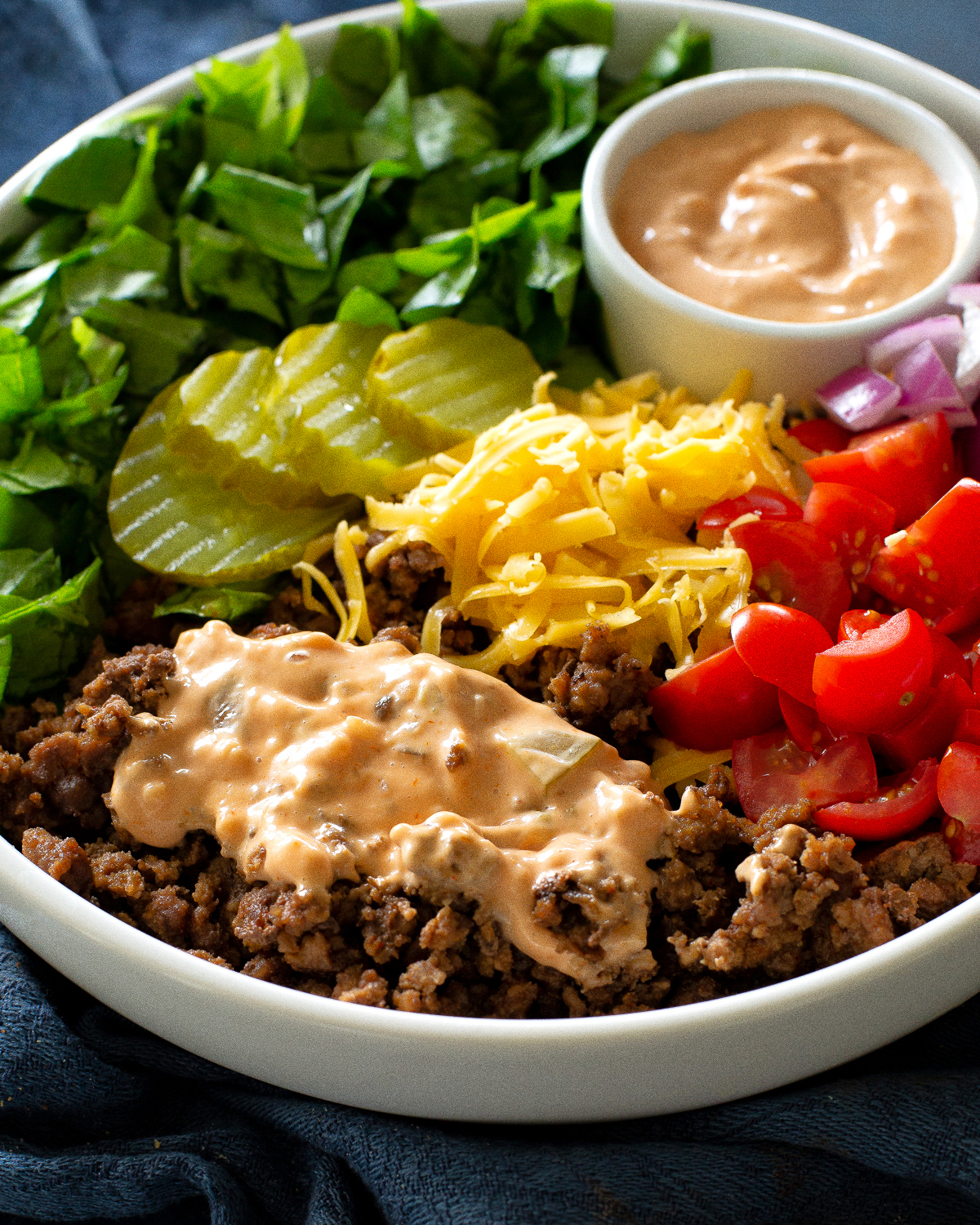
The presence of burger bowls on food blogs signifies a broader culinary trend towards deconstructed meals and customizable dining experiences. Food bloggers, often acting as culinary trendsetters, recognize the appeal of dishes that are both accessible and adaptable. The blog "The Girl Who Ate Everything," for instance, features a prominent recipe for burger bowls, emphasizing the dish’s ability to capture the essence of a fast-food burger without the bun. This digital dissemination of recipes plays a crucial role in popularizing such culinary innovations, making them accessible to a wider audience and inspiring further variations.
Nutritional Landscape: A Balanced Perspective
While burger bowls offer a delicious alternative to traditional burgers, understanding their nutritional composition is essential. A typical serving of a burger bowl, as detailed in recipe analyses, can offer a substantial amount of protein, crucial for muscle repair and satiety. The average nutritional breakdown for a single serving (approximately one-quarter of a recipe serving four) often includes:
- Calories: Around 565 kcal, which can vary based on ingredient ratios and specific toppings.
- Protein: Approximately 32g, making it a protein-rich meal.
- Fat: Around 42g, with a significant portion being saturated fat (around 13g), a common characteristic of beef dishes.
- Carbohydrates: Typically lower than a traditional burger, often around 14g, with sugars contributing a smaller portion (around 8g).
- Fiber: Generally around 3g, which can be increased with the addition of more fibrous vegetables.
The fat content can be managed by selecting leaner ground beef options and by moderating the amount of cheese and sauce used. The inclusion of fresh vegetables like lettuce, tomatoes, and onions contributes essential vitamins and minerals, such as Vitamin A and Vitamin C. The sodium content, often around 1198mg, can be a point of consideration for individuals monitoring their salt intake, and can be reduced by opting for low-sodium condiments or seasoning the beef with herbs and spices rather than relying heavily on salt.
The Broader Impact: Culinary Adaptability and Dietary Trends
The rise of burger bowls is indicative of a larger shift in consumer dining habits and culinary preferences. The demand for healthier, customizable, and more adaptable meal options is on the rise. This trend is fueled by increasing awareness of dietary needs, a growing interest in low-carbohydrate and ketogenic diets, and a general desire for more control over the ingredients in one’s food.
Burger bowls effectively address these evolving demands by offering a familiar flavor profile in a format that is both accommodating and appealing. They represent a culinary innovation that doesn’t reinvent the wheel but rather refines a beloved classic to fit contemporary dietary landscapes. This adaptability makes them a valuable addition to home kitchens and potentially to restaurant menus, offering a versatile base that can be customized with a wide array of ingredients to suit diverse tastes and dietary requirements.
Furthermore, the ease of preparation and the inherent satisfaction derived from the familiar flavors of a cheeseburger contribute to the enduring appeal of burger bowls. As more individuals seek to replicate their favorite restaurant experiences at home, dishes like the burger bowl provide a practical and delicious solution, demonstrating the enduring power of classic flavors when presented in innovative and health-conscious ways. The continued popularity of such dishes suggests a lasting trend towards adaptable, flavor-forward meals that cater to both taste and well-being.
