
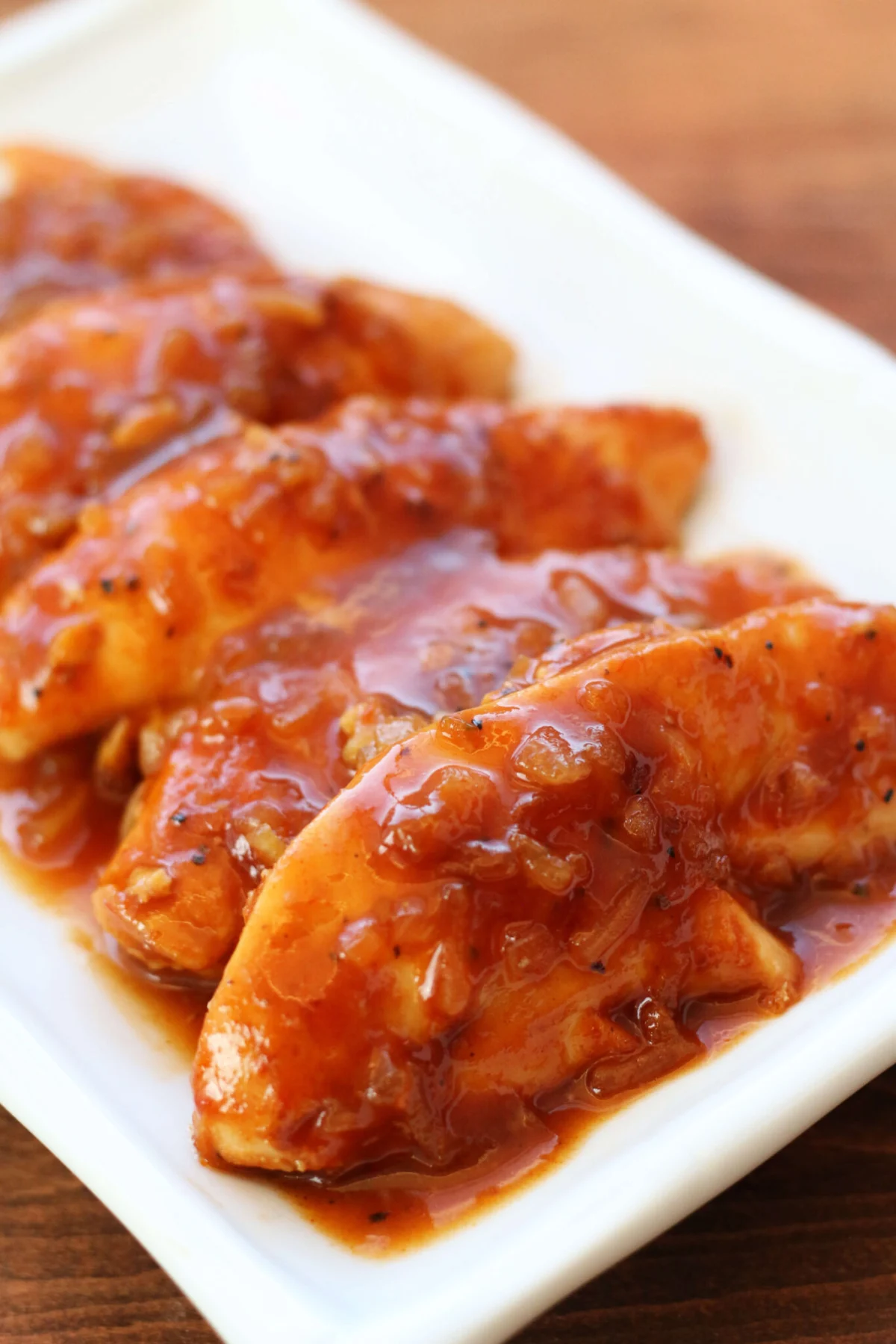
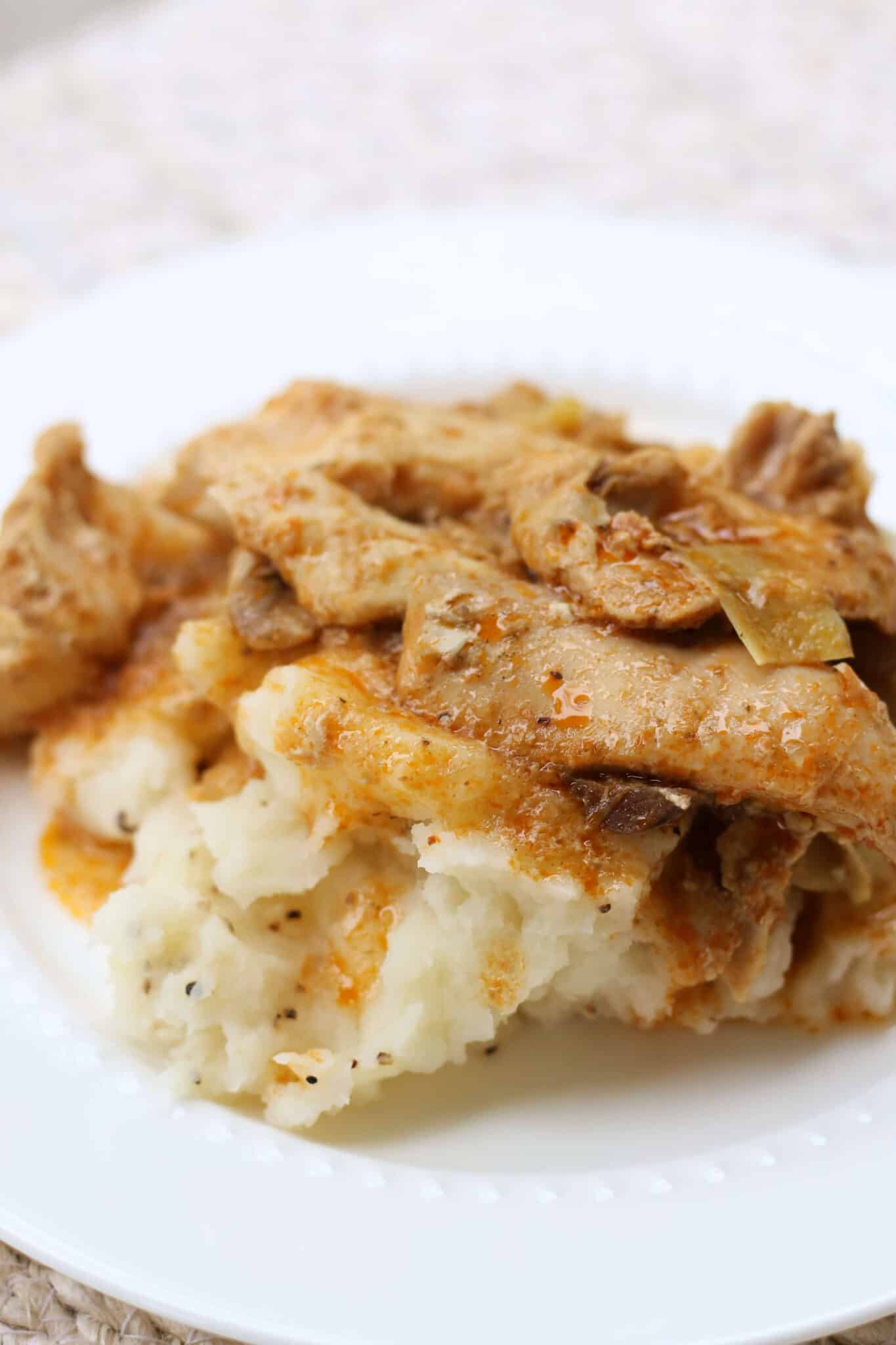
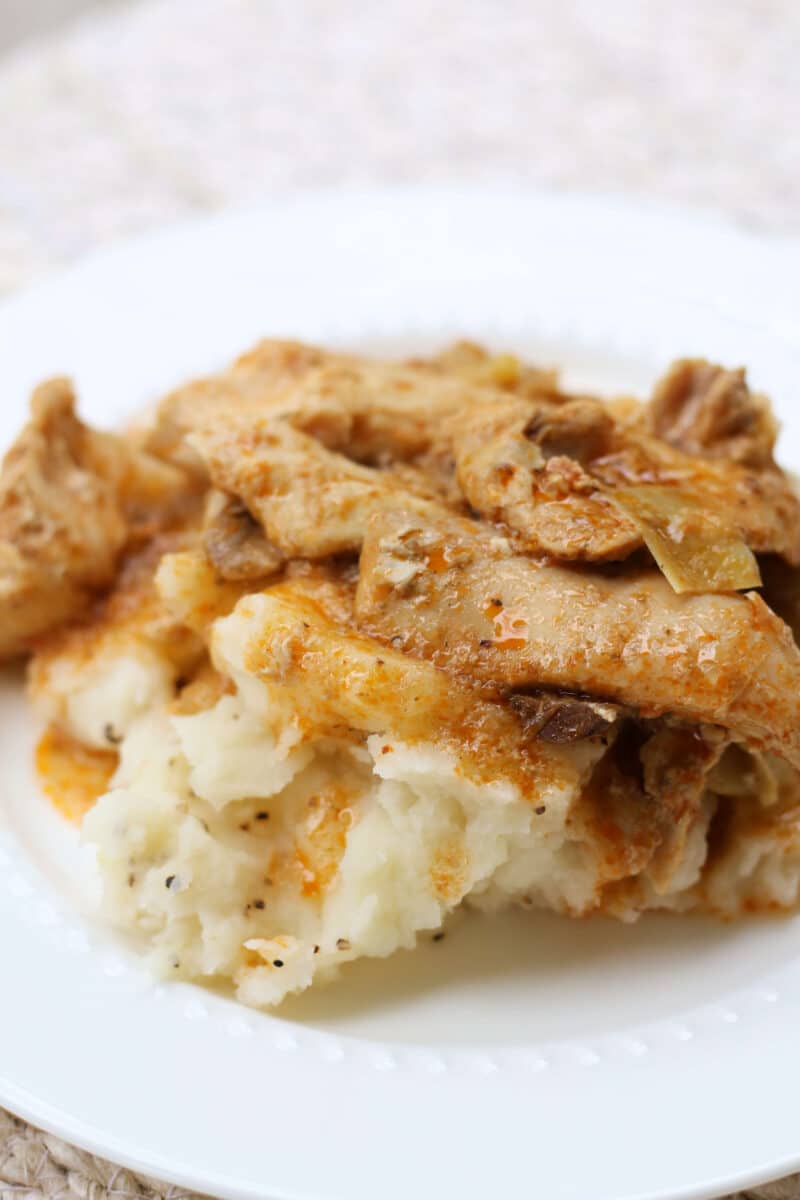
Chicken Madison represents a significant shift in contemporary home gastronomy, prioritizing complex flavor profiles through a "dump and go" methodology that eliminates the need for traditional labor-intensive preparation. This dish, characterized by its integration of chicken thighs, mushrooms, whole garlic cloves, artichoke hearts, and sun-dried tomato pesto, serves as a primary example of the evolving slow cooker landscape. Unlike mid-century slow cooker recipes that often relied heavily on processed canned cream soups, Chicken Madison utilizes concentrated pestos and fresh aromatics to achieve a restaurant-quality finish. The dish is traditionally served over a base of mashed potatoes, creating a nutrient-dense, savory meal that aligns with the needs of the modern, time-constrained household.
The Evolution of the Slow Cooker and the "Dump and Go" Phenomenon
The historical context of the slow cooker, or the "Crock-Pot," provides essential background for the emergence of recipes like Chicken Madison. Originally patented by Irving Naxon in 1936 as a bean cooker inspired by his mother’s traditional Jewish cholent, the technology was later acquired and rebranded by the Rival Company in the 1970s. For decades, the appliance was synonymous with "set it and forget it" meals, but early iterations were often criticized for producing muted flavors and mushy textures.
In the 2020s, a culinary resurgence has seen the slow cooker reimagined. The "dump and go" movement, to which Chicken Madison belongs, focuses on high-impact ingredients that can withstand prolonged heat without losing their structural integrity. Market research indicates that the global slow cooker market is expected to grow at a compound annual growth rate (CAGR) of approximately 4.5% through 2030, driven largely by the demand for home-cooked meals that do not require constant supervision. Chicken Madison fits into this market segment by offering a sophisticated flavor profile—largely due to the acidity of the artichokes and the umami of the sun-dried tomatoes—while maintaining a preparation time of under fifteen minutes.
Culinary Chronology: The Preparation and Cooking Process
The preparation of Chicken Madison follows a specific chronological sequence designed to maximize flavor extraction while minimizing active labor.
- Protein Preparation: The process begins with the selection of chicken thighs. Culinary experts frequently recommend thighs over breasts for slow cooking due to their higher fat content and connective tissue, which break down into gelatin, ensuring the meat remains succulent during the three-to-four-hour cooking window. The thighs are typically cut into smaller, uniform pieces—often using kitchen shears for efficiency—to increase the surface area for sauce absorption.
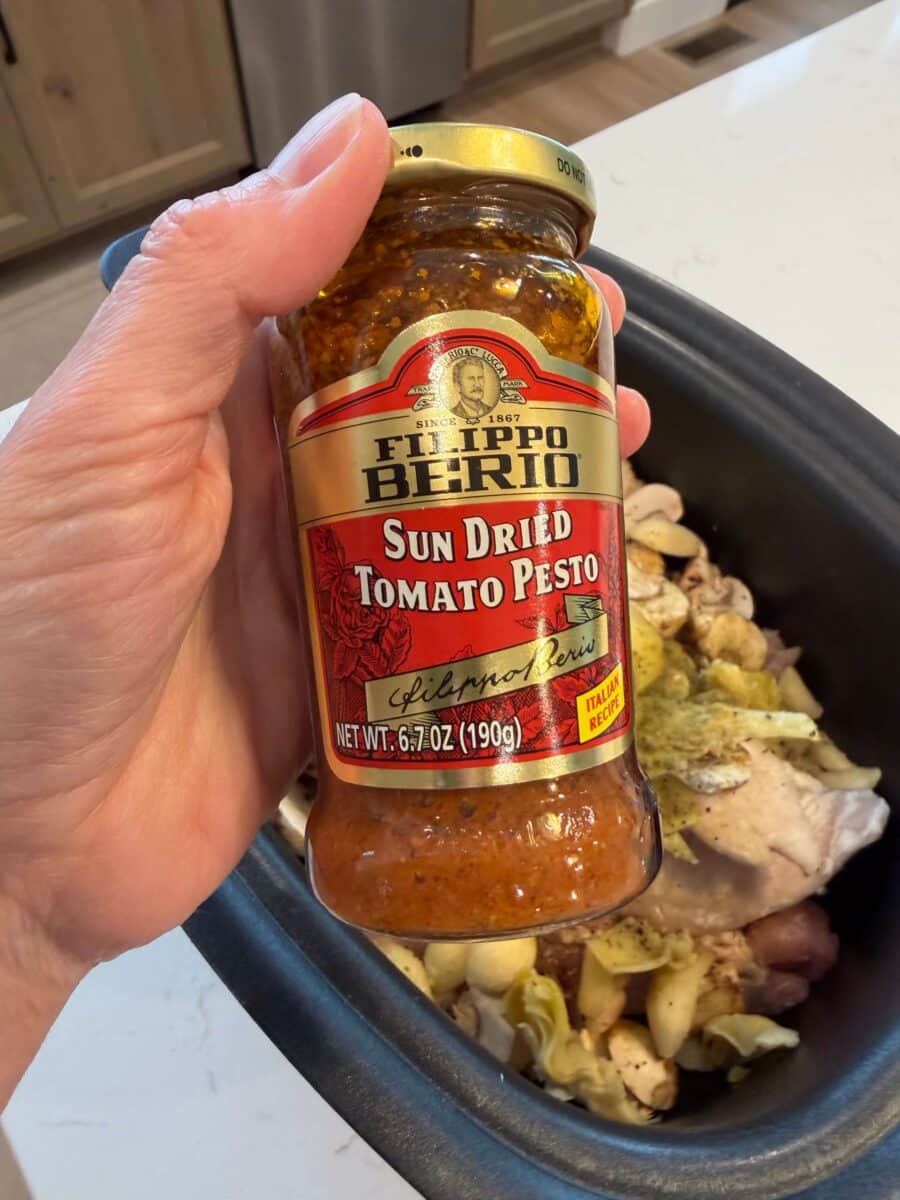
- Ingredient Integration: Once the protein is placed in the ceramic insert, the secondary ingredients are added. This includes sliced mushrooms, which provide an earthy base; whole peeled garlic cloves; and marinated artichoke hearts. The inclusion of sun-dried tomato pesto acts as the primary seasoning agent, providing oil, salt, herbs, and concentrated tomato flavor in a single step.
- Thermal Processing: The slow cooker is set to a "low" heat profile. For Chicken Madison, a duration of three to four hours is standard. This timeframe is critical; it allows the whole garlic cloves to undergo a process of softening and mellowing, transforming them from pungent aromatics into sweet, buttery additions that can be easily crushed into the sauce.
- Final Assembly: The dish concludes with a brief stirring period to emulsify the natural juices of the chicken with the pesto and vegetable moisture. The resulting ragout is then layered over a starch—most commonly mashed potatoes—to absorb the rich, savory liquid.
Ingredient Analysis and Nutritional Data
The nutritional profile of Chicken Madison is notably more robust than traditional "convenience" meals. By avoiding canned "cream of" soups, the dish reduces sodium and preservative intake while emphasizing whole-food components.
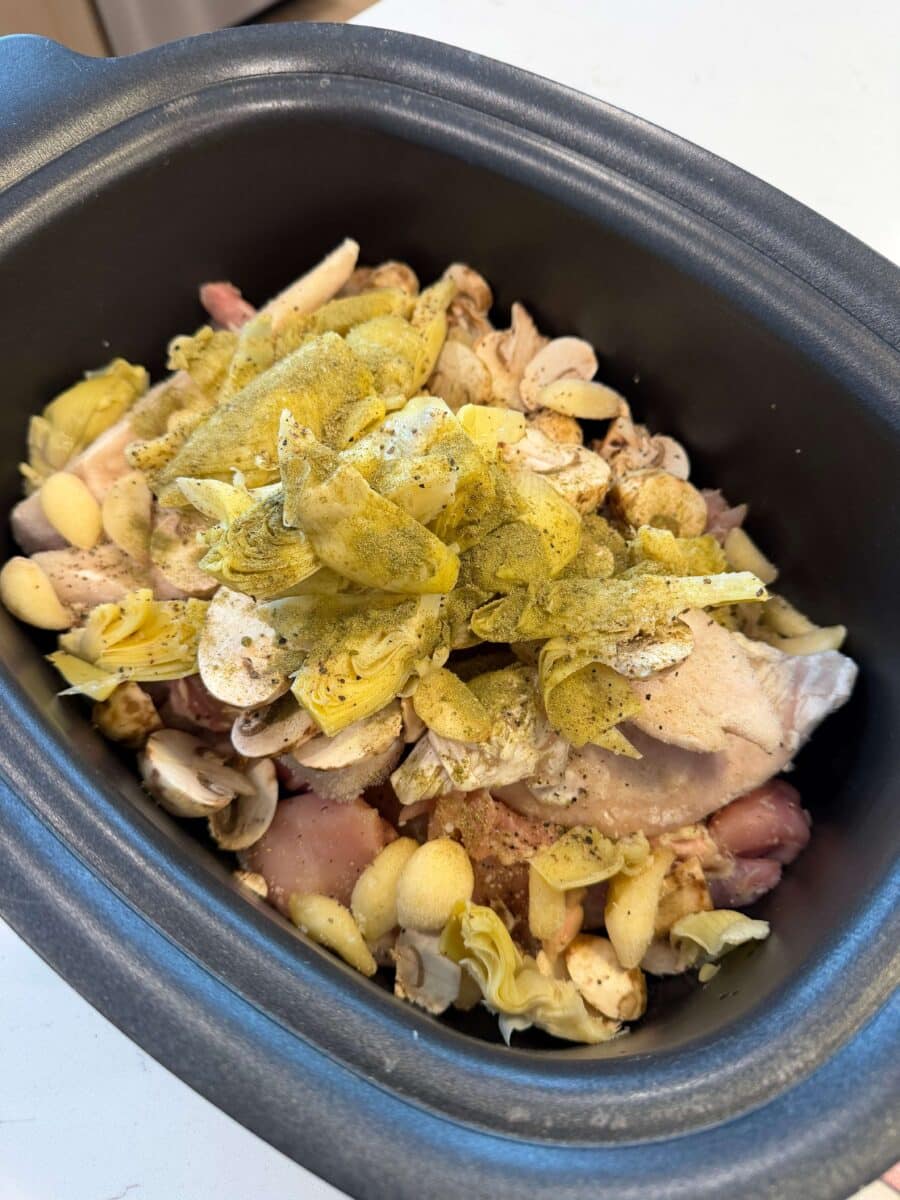
- Garlic (Allium sativum): The use of whole cloves is a strategic choice. Garlic is rich in allicin, though its primary benefit in this slow-cooked format is the contribution of prebiotic fibers and a mellowed flavor that enhances the overall savoriness without the bite of raw garlic.
- Artichoke Hearts: These are a significant source of dietary fiber, Vitamin K, and folate. Their slight acidity balances the richness of the chicken fat and the oil-based pesto.
- Sun-dried Tomato Pesto: This ingredient serves as a concentrated source of lycopene, an antioxidant associated with heart health and UV protection.
- Mushrooms: Adding mushrooms introduces selenium and potassium, as well as essential umami compounds that deepen the flavor of the sauce without the need for artificial flavor enhancers.
According to USDA nutritional data, a serving of a chicken-based dish with these vegetable components typically provides a high protein-to-calorie ratio, making it an attractive option for health-conscious consumers who do not wish to sacrifice flavor for nutritional value.
Economic and Social Implications of Minimalist Cooking
The rise of recipes like Chicken Madison is also a reflection of broader economic trends. As food inflation impacts grocery budgets, the use of chicken thighs—which are generally more cost-effective than breasts—offers a way for families to maintain protein intake while controlling costs. Furthermore, the "dump and go" nature of the recipe addresses "time poverty," a sociological phenomenon where the demands of work and modern life leave little room for traditional culinary techniques.
Inferred reactions from the domestic sphere suggest that the "Sunday Dinner" tradition is being preserved through these simplified methods. By utilizing the slow cooker during church services or family outings, home cooks can provide a cohesive, communal meal upon their return. This transition from "labor-intensive" to "management-intensive" cooking allows for the maintenance of social traditions in a high-speed digital age.
Industry Response and Culinary Innovation
The culinary industry has responded to the popularity of dishes like Chicken Madison by expanding the availability of high-quality "shortcut" ingredients. Grocery retailers have reported increased sales in the "specialty pesto" and "pre-peeled garlic" categories. Wholesale clubs like Costco and Sam’s Club have optimized their inventory to include bulk quantities of whole peeled garlic and frozen aromatics, specifically catering to the slow cooker demographic.

Professional chefs have also weighed in on the "no-cream-soup" trend. Many argue that the reliance on canned soups in the mid-20th century was a necessity of the era’s limited ingredient access, but today’s availability of fresh produce and international condiments (like pesto) allows for a more "authentic" and "clean" approach to slow cooking. Chicken Madison is frequently cited in online culinary forums as a "gateway recipe" that encourages novice cooks to experiment with Mediterranean flavors without the intimidation of complex French or Italian techniques.
Broader Impact and Future Outlook
The implications of the Chicken Madison model extend into the future of kitchen appliance technology and meal planning. As smart home technology advances, we are seeing the emergence of Wi-Fi-enabled slow cookers that can be monitored and adjusted via smartphone. This allows for even greater precision in the cooking of dishes like Chicken Madison, ensuring that the chicken reaches the optimal internal temperature of 165°F (74°C) without overcooking.
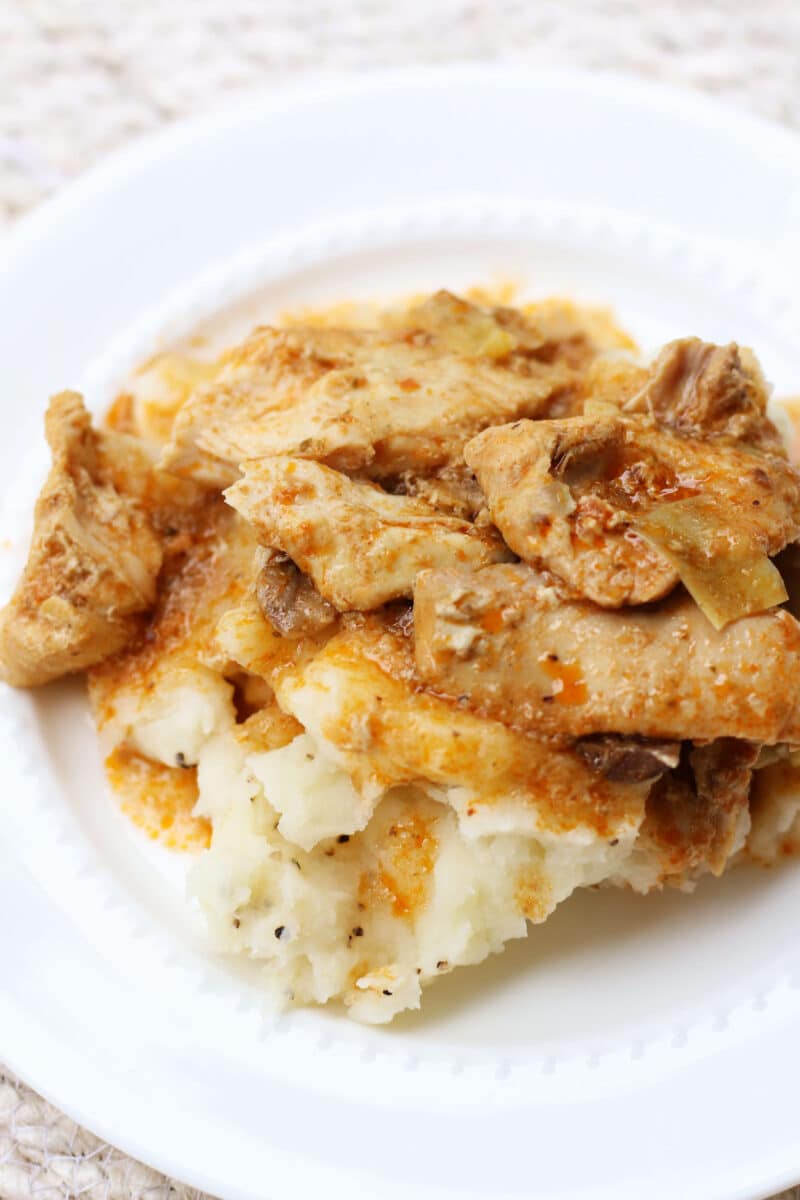
Furthermore, the "Chicken Madison" framework—protein plus concentrated flavor agent plus durable vegetables—is being adapted into various dietary formats, including gluten-free and low-carb versions. By swapping mashed potatoes for cauliflower mash or zucchini noodles, the dish remains relevant to the evolving dietary preferences of the global population.
In conclusion, Chicken Madison is more than a simple recipe; it is a manifestation of the intersection between convenience, nutrition, and modern technology. It represents a move away from highly processed "casserole culture" toward a more sophisticated, ingredient-driven approach to home cooking. As households continue to balance the desire for high-quality food with the realities of busy schedules, the principles embodied in this dish—simplicity, flavor density, and the strategic use of the slow cooker—are likely to remain a cornerstone of the contemporary culinary experience.
