
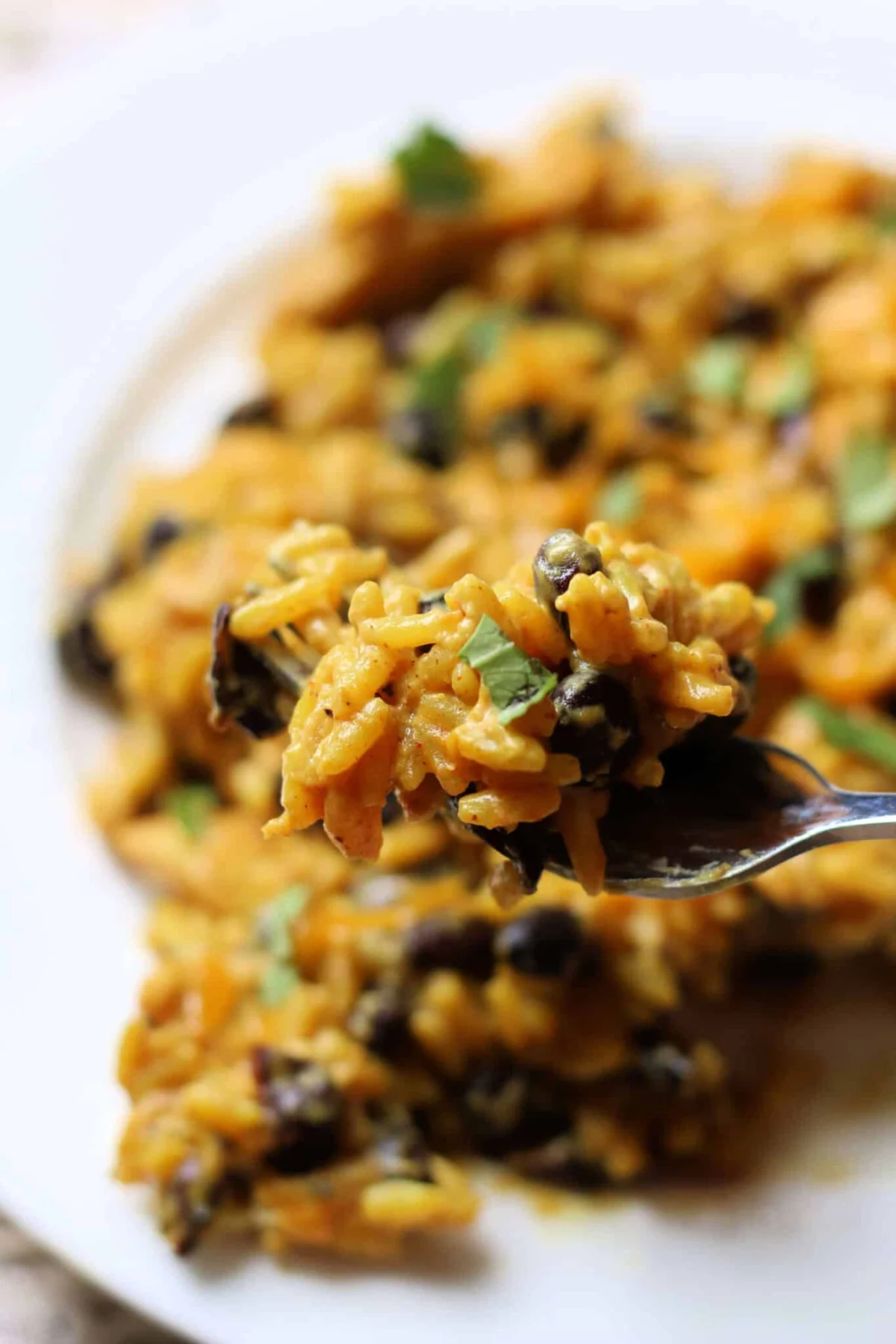
The Pollo Loco Casserole has emerged as a significant development in the evolution of contemporary home meal solutions, representing a sophisticated intersection of efficiency, nutritional density, and complex flavor profiles. As the "dump-and-go" culinary movement continues to gain traction among busy professionals and families, this specific Instant Pot recipe—characterized by its use of chicken thighs, black beans, and a unique citrus-based seasoning profile—serves as a case study in the optimization of modern kitchen appliances. By utilizing the specific mechanics of high-pressure cooking, the dish achieves a depth of flavor typically reserved for long-simmered braises, yet it does so within a fraction of the time, highlighting a broader shift in domestic food preparation toward "one-pot" systematic efficiency.
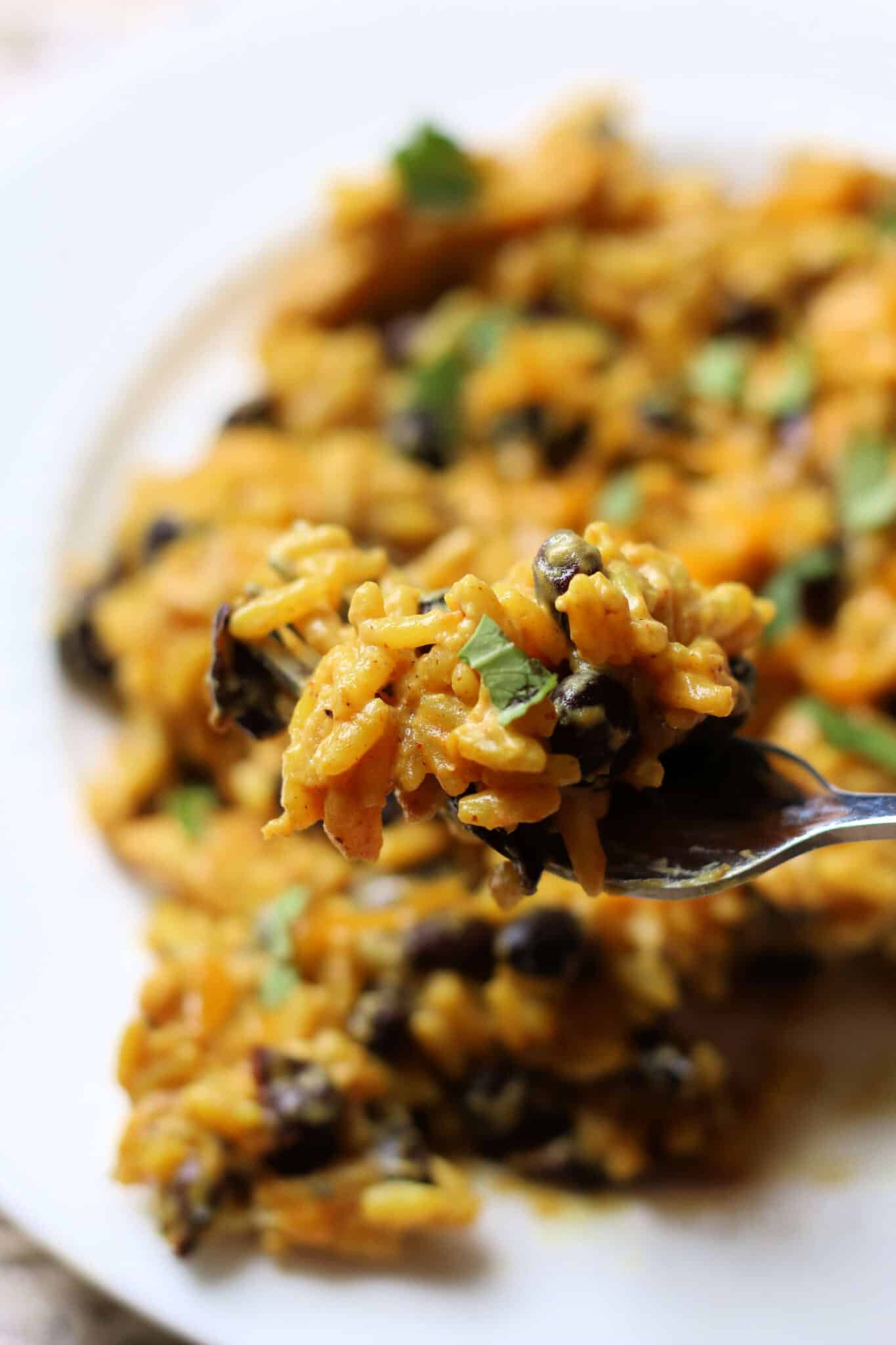
The Evolution of the One-Pot Casserole in the Digital Age
The traditional American casserole, historically defined by its reliance on condensed "cream of" soups and oven-baked durations, has undergone a radical transformation. The advent of the electric multi-cooker, most notably the Instant Pot, has redefined the technical requirements for these dishes. The Pollo Loco Casserole represents the pinnacle of this evolution, moving away from heavy, processed binders toward fresh citrus juices and aromatic spices.
The dish, popularized by culinary developers like Karen Petersen, leverages the Instant Pot’s ability to infuse grains with liquid under intense pressure. Unlike traditional stovetop rice preparation, where steam is allowed to escape, the sealed environment of the pressure cooker forces the flavors of lime juice, orange juice concentrate, and a medley of spices directly into the endosperm of the rice. This results in a texture and flavor saturation that is difficult to replicate through conventional boiling or baking methods.
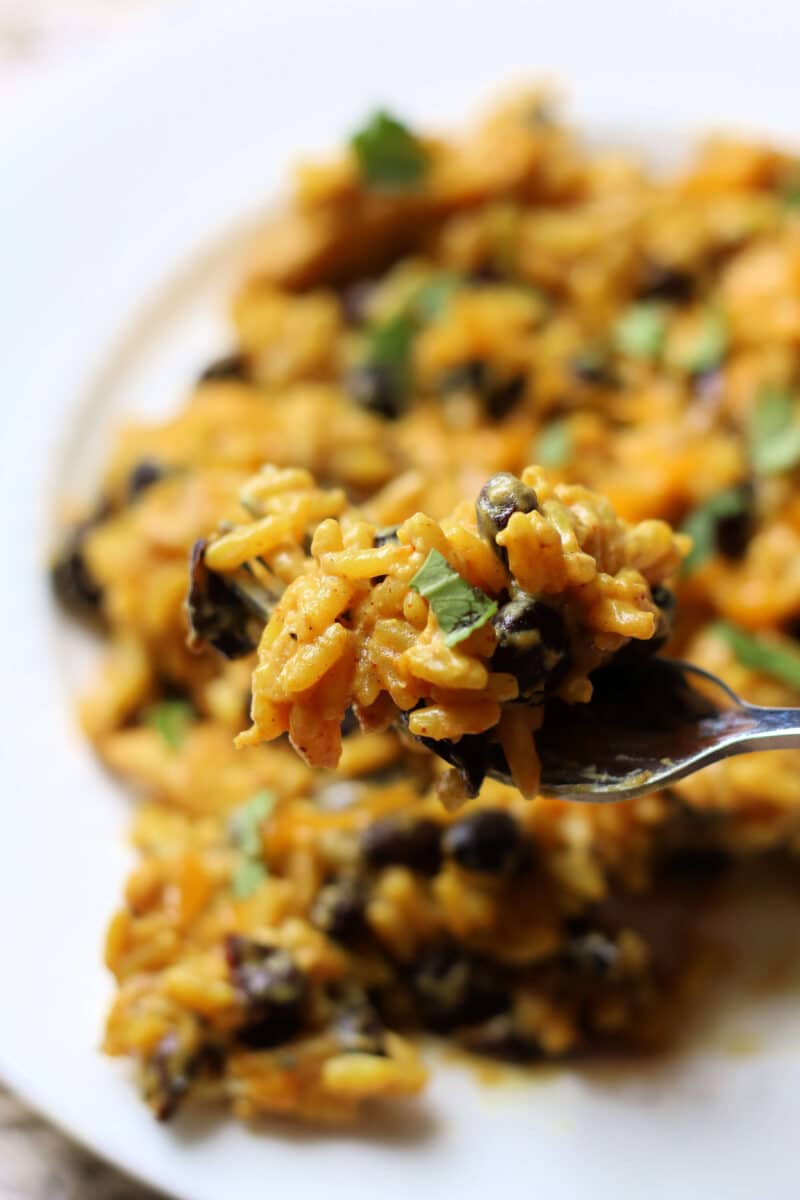
Technical Analysis of Ingredients and Flavor Profiles
A rigorous examination of the Pollo Loco Casserole reveals a calculated balance of acidity, fat, and aromatics. Each component serves a specific functional role in the final dish:
The Citrus Foundation
The inclusion of both lime juice and orange juice concentrate provides a dual-layered acidic profile. While the lime offers a sharp, bright top note, the orange juice concentrate introduces a subtle sweetness and viscosity. From a food science perspective, these acids act as tenderizing agents for the chicken thighs, breaking down connective tissues more effectively during the five-minute high-pressure cycle. Furthermore, the sugars in the orange concentrate undergo a mild form of caramelization even in the moist environment of the pressure cooker, adding a "sunny" depth to the rice.
Protein Selection and Performance
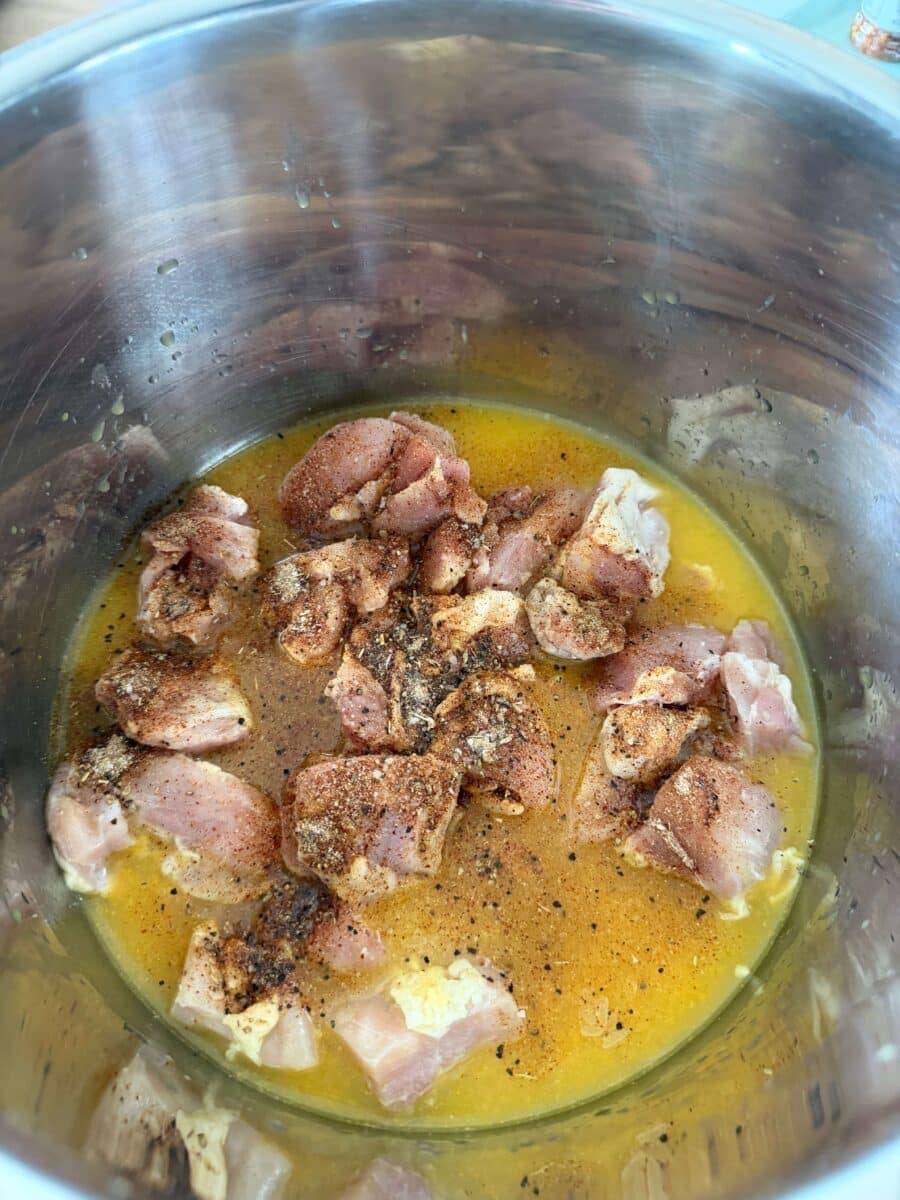
The recipe’s specification of chicken thighs over chicken breasts is a strategic choice based on moisture retention. Chicken thighs contain higher levels of myoglobin and fat, which prevent the meat from becoming stringy or dry under the high-heat conditions of a pressure cooker. When cut into bite-sized pieces, the thighs release natural juices that contribute to the "creamy" consistency of the final casserole without requiring excessive dairy.
The Aromatic and Spice Matrix
The seasoning profile is extensive, utilizing a blend of garlic powder, black pepper, chili powder, smoked paprika, onion powder, cumin, coriander, oregano, and salt. The addition of turmeric is particularly notable; while it offers mild earthy notes, its primary function is as a natural colorant, imparting a vibrant golden hue to the rice that mimics the aesthetic of traditional Mexican "yellow rice" or saffron-infused dishes. This combination ensures that the dish appeals to the palate’s desire for "umami" and "warmth," which are hallmark characteristics of the "Pollo Loco" (crazy chicken) style.
Fiber and Texture Integration
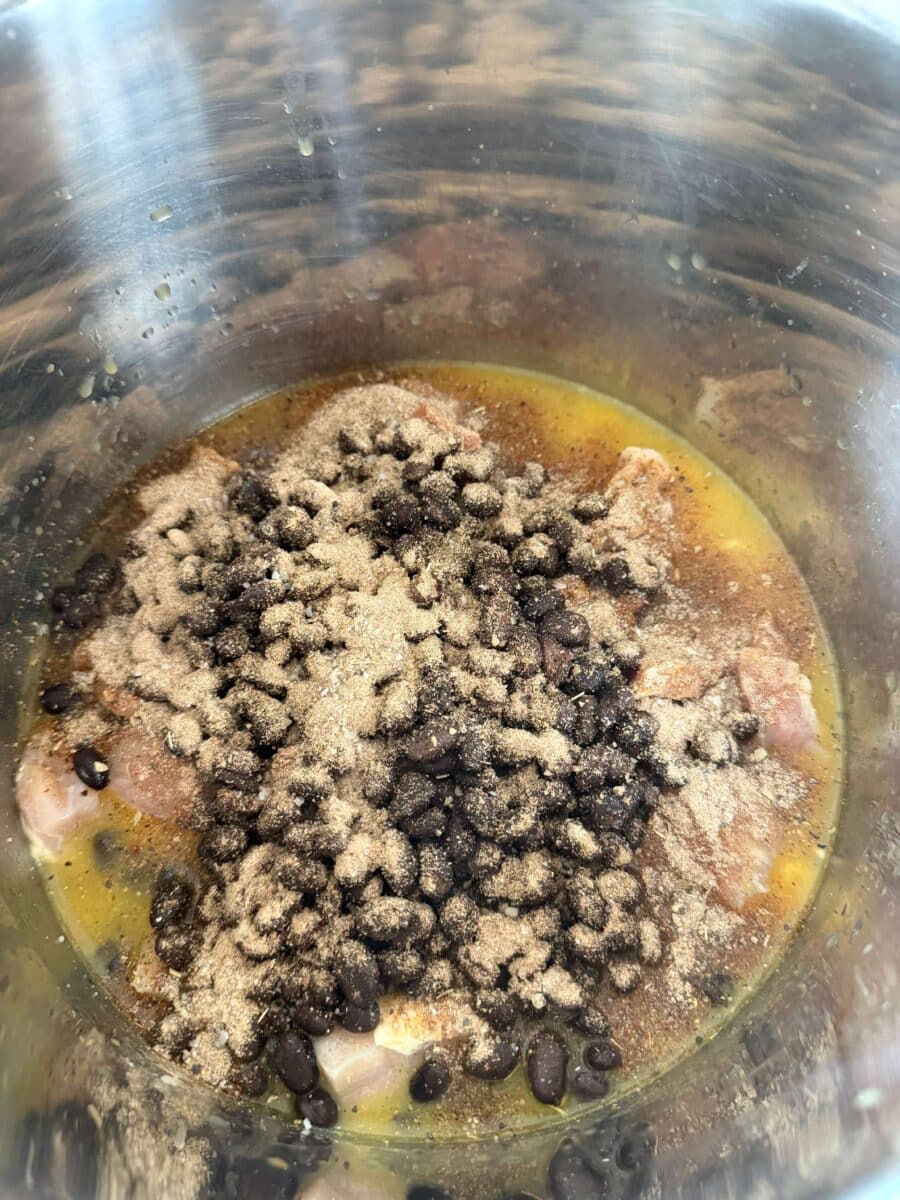
Black beans provide a structural contrast to the tender chicken and soft rice. Beyond their textural contribution, they significantly boost the nutritional profile of the meal, adding essential fiber and plant-based protein. The beans are added on top of the other ingredients and are specifically instructed not to be stirred before cooking—a technical necessity in pressure cooking to prevent the "burn" notice often caused by thick starches settling at the bottom of the stainless steel inner pot.
Chronology of Preparation and Culinary Execution
The execution of the Pollo Loco Casserole follows a strict chronological sequence designed to maximize flavor while minimizing labor. The "dump-and-go" methodology eliminates the traditional "sauté" step, which is often cited as a barrier to entry for novice cooks.
- Liquid and Base Integration: The process begins with the introduction of water and lime juice into the pot, followed by the stirring in of orange juice concentrate, Better than Bouillon (a concentrated base), and turmeric. This creates a flavorful poaching liquid.
- Starch and Protein Layering: Dry rice is sprinkled into the liquid, followed by the chicken pieces. This layering is critical; the rice must be submerged or in direct contact with the liquid to hydrate properly.
- Top-Level Seasoning: The spices and black beans are placed on the very top. By leaving these on the surface, the spices permeate downward as the liquid boils, while the beans remain intact.
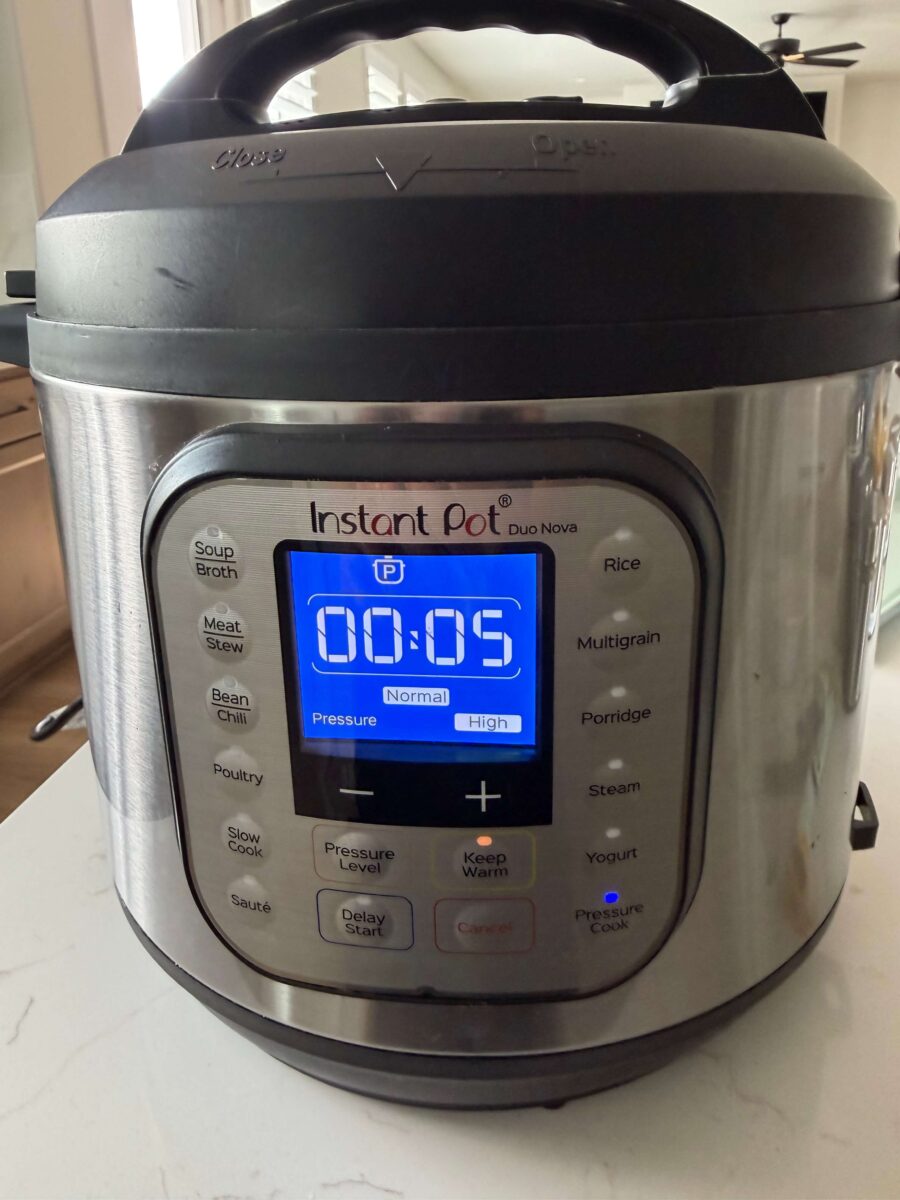
- Pressurization Cycle: The unit is sealed and set to "Manual" or "Pressure Cook" for five minutes. However, the true "cooking time" is longer, as the pot must first reach pressure (approximately 10–12 minutes).
- Natural Release Phase: Upon completion of the cycle, a 10-minute "Natural Pressure Release" (NPR) is required. This phase is essential for the rice to finish absorbing the remaining steam and for the chicken fibers to relax, ensuring a tender result.
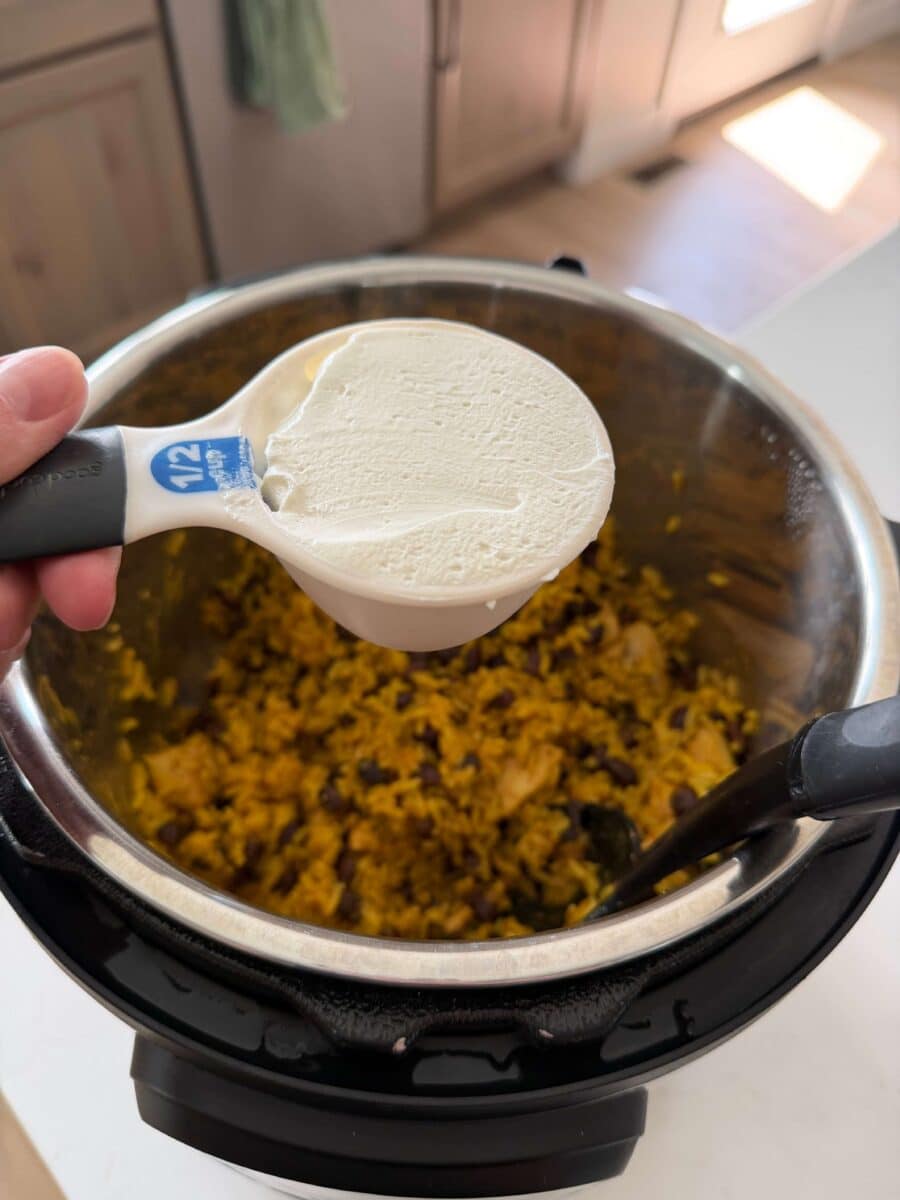
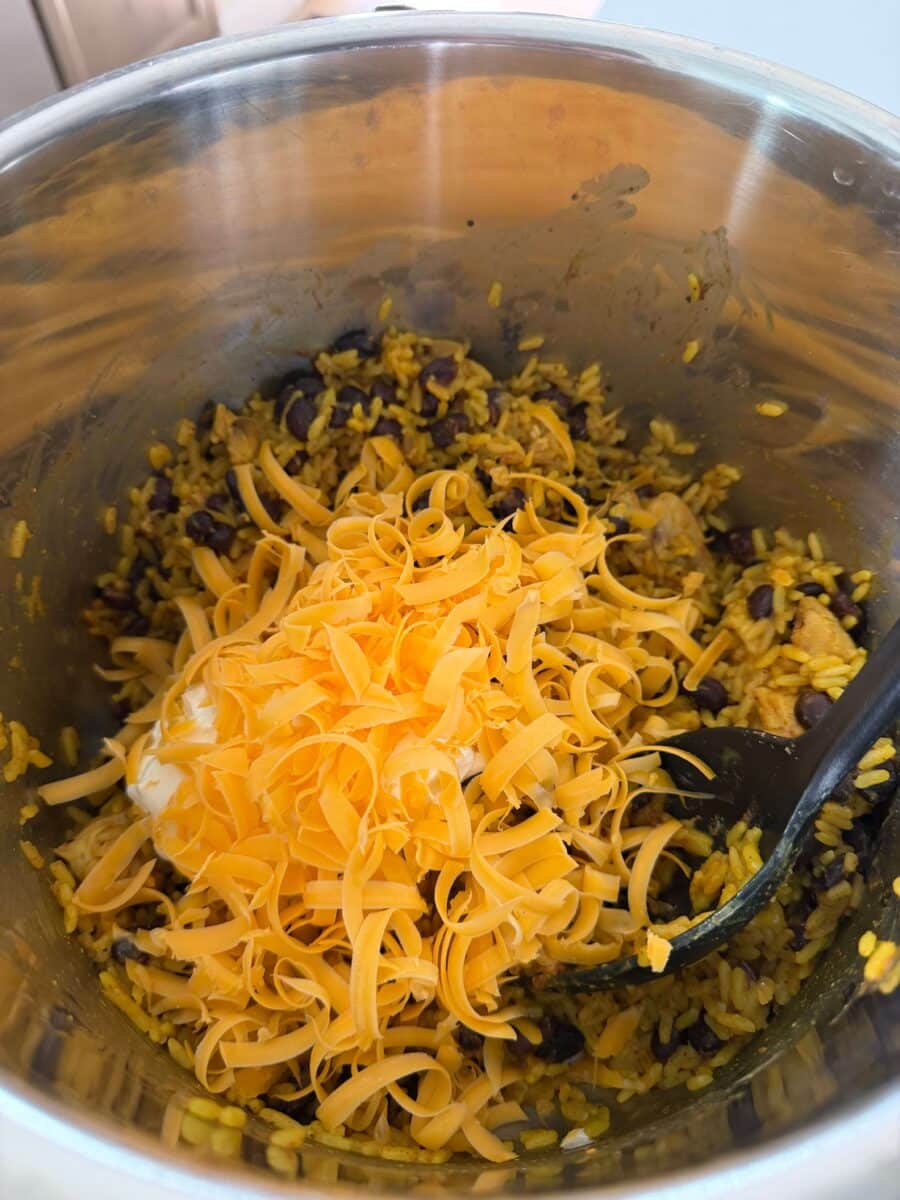
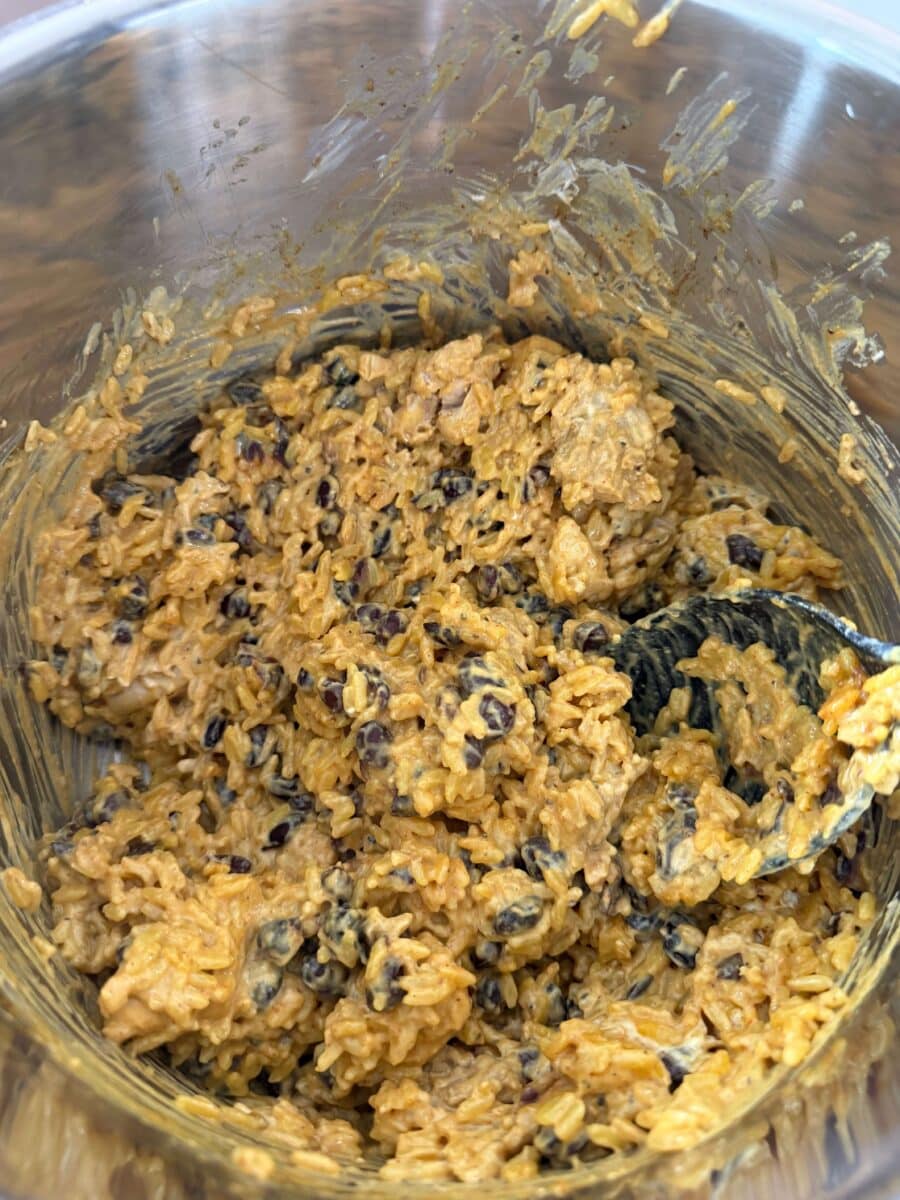
- The Finishing Touch: Only after the steam is vented and the lid removed are the "creamy" elements—sour cream and cheddar cheese—introduced. Stirring these in at the end creates a cohesive, emulsified sauce that binds the rice, beans, and chicken.
Supporting Data: The Rise of Appliance-Based Home Cooking
The popularity of recipes like the Pollo Loco Casserole is supported by significant market data. According to industry reports, the global multi-cooker market was valued at approximately USD 721.5 million in 2021 and is projected to expand at a compound annual growth rate (CAGR) of 9.1% through 2030. This growth is driven by a consumer base that is increasingly time-poor but health-conscious.
Surveys indicate that 64% of U.S. households now own at least one programmable pressure cooker. Furthermore, the "casserole" remains one of the most searched food terms on digital recipe platforms, with a 25% increase in searches for "Instant Pot Casserole" specifically over the last three fiscal years. The Pollo Loco Casserole fits perfectly into this data trend, offering a meal that is perceived as "homemade" and "wholesome" while requiring less than 15 minutes of active "hands-on" time.
Reactions and Implications for the Food Industry
Culinary analysts and nutritionists have noted the implications of this shift toward citrus-and-spice-based pressure cooking. Dr. Aris Latham, a food scientist, suggests that the "pressure infusion" method used in recipes like the Pollo Loco Casserole may actually help retain more water-soluble vitamins compared to boiling, as the shorter cooking time and closed system minimize nutrient degradation.
From a social perspective, the "dump-and-go" nature of this dish has been praised by accessibility advocates. For individuals with limited mobility or those balancing multiple jobs, the removal of the "sautéing" and "constant stirring" steps makes high-quality nutrition more attainable. The dish has also seen a positive reaction in the "meal prepping" community; the structural integrity of the chicken thighs and black beans allows the casserole to be refrigerated and reheated without a significant loss in texture, a common complaint with breast-meat-based dishes.
Broader Impact on Domestic Sustainability
The Pollo Loco Casserole also touches upon themes of domestic sustainability. One-pot cooking inherently reduces water consumption by minimizing the number of dishes required for preparation and cleanup. Additionally, the Instant Pot is significantly more energy-efficient than a traditional electric oven. Research by the Electric Power Research Institute (EPRI) indicates that electric pressure cookers use up to 70% less energy than conventional ovens for similar tasks.
Furthermore, the recipe encourages the use of pantry staples—such as dried spices, canned beans, and rice—which have a long shelf life and reduce the frequency of grocery store visits, thereby lowering the carbon footprint associated with food procurement. The versatility of the leftovers (which can be repurposed into burritos or salad toppers) also aligns with modern "zero-waste" kitchen philosophies.
Conclusion and Future Outlook
The Pollo Loco Casserole is more than just a convenient dinner option; it is a reflection of the current state of culinary technology and consumer behavior. By synthesizing traditional flavors with high-efficiency methodology, it provides a blueprint for the future of home cooking. As smart kitchen appliances continue to evolve, with features like remote monitoring and automated pressure release, we can expect the "casserole" to continue its journey away from the heavy, oven-baked dishes of the 20th century toward the vibrant, nutrient-dense, and highly efficient "pressure-infused" meals of the 21st century.
This dish stands as a testament to the fact that speed does not have to come at the expense of flavor. With its bright citrus notes, tender protein, and robust spice profile, the Pollo Loco Casserole has secured its place in the modern culinary canon, proving that the most effective "fast food" is often that which is made at home, under pressure.
