
The culinary landscape of American social gatherings has been increasingly defined by the "semi-homemade" movement, a trend where high-quality frozen staples are combined with unique, often unconventional, homemade sauces to create appetizers that balance convenience with complex flavor profiles. Among the most prominent examples of this phenomenon is the Dr Pepper Meatball, a sweet-and-savory dish that utilizes the distinct 23-flavor profile of the historic Texas-born soda to create a thick, glossy glaze. Traditionally prepared in a slow cooker, these meatballs have moved beyond simple novelty to become a recognized fixture at potlucks, tailgate parties, and sporting event viewings across the United States. This culinary evolution highlights a broader shift in domestic cooking habits, where the efficiency of the "set-it-and-forget-it" methodology meets a growing consumer interest in the fusion of carbonated beverages and traditional proteins.
Historical Context of Soda-Based Glazes in American Cooking
The practice of using carbonated beverages as a culinary ingredient is not a modern invention but rather a long-standing tradition in Southern United States cuisine. For decades, home cooks have utilized the high sugar content and acidity of sodas to tenderize meats and create deep, caramelized glazes. Classic examples include the "Coca-Cola Ham," which dates back to the mid-20th century, and "7-Up Cake," which utilized the carbonation of lemon-lime soda to provide lift to sponge cakes before chemical leaveners were as stable as they are today.
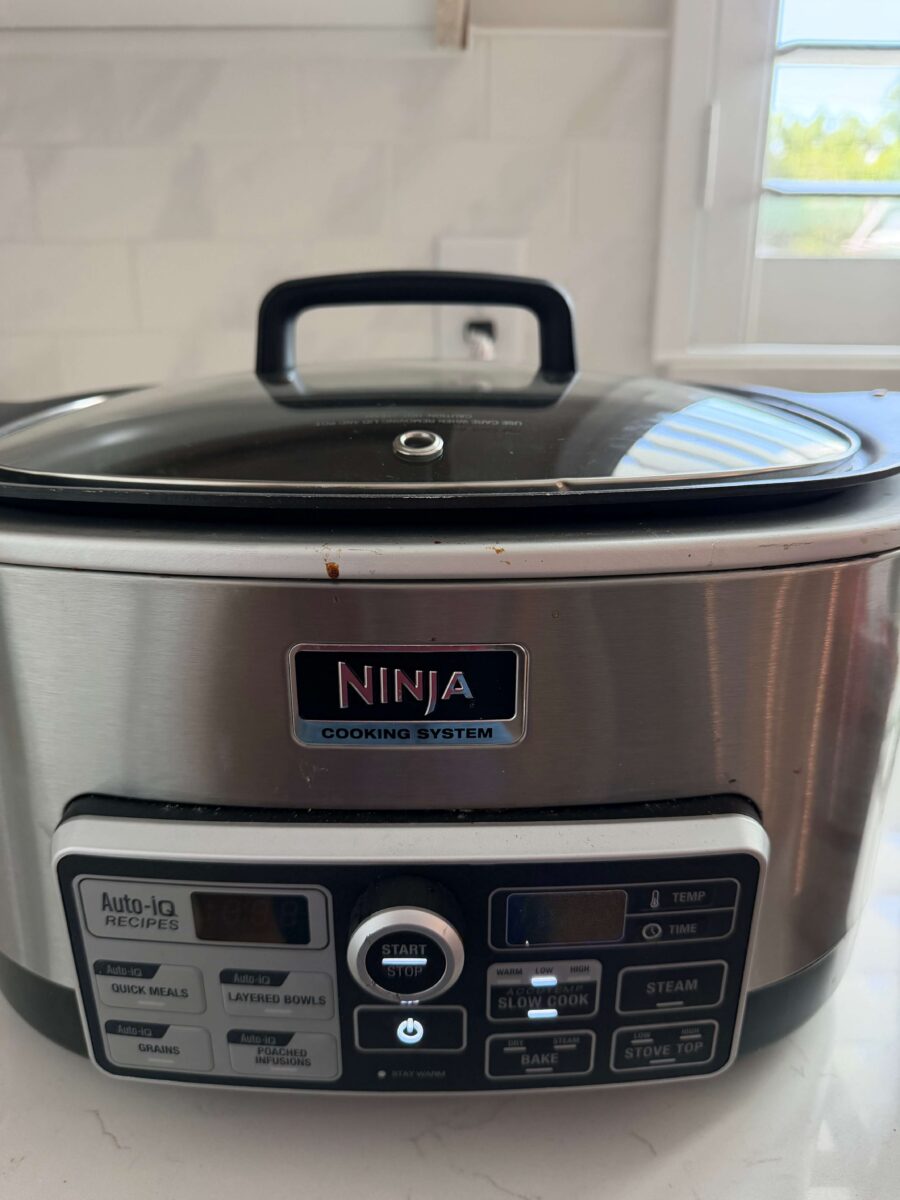
Dr Pepper, created in 1885 by pharmacist Charles Alderton in Waco, Texas, holds a unique place in this tradition. Because its flavor profile is more complex than standard colas—incorporating notes of cherry, vanilla, almond, and various spices—it serves as a versatile base for barbecue-style sauces. The "Dr Pepper Meatball" represents the intersection of this historical soda-based cooking and the 1970s-era explosion of the slow cooker, originally marketed under the brand name "Crock-Pot" by Rival Manufacturing. The appliance’s ability to maintain a steady, low temperature makes it the ideal vessel for reducing a soda-based liquid into a viscous syrup without scorching the sugars.
The Culinary Mechanics of the Dr Pepper Meatball
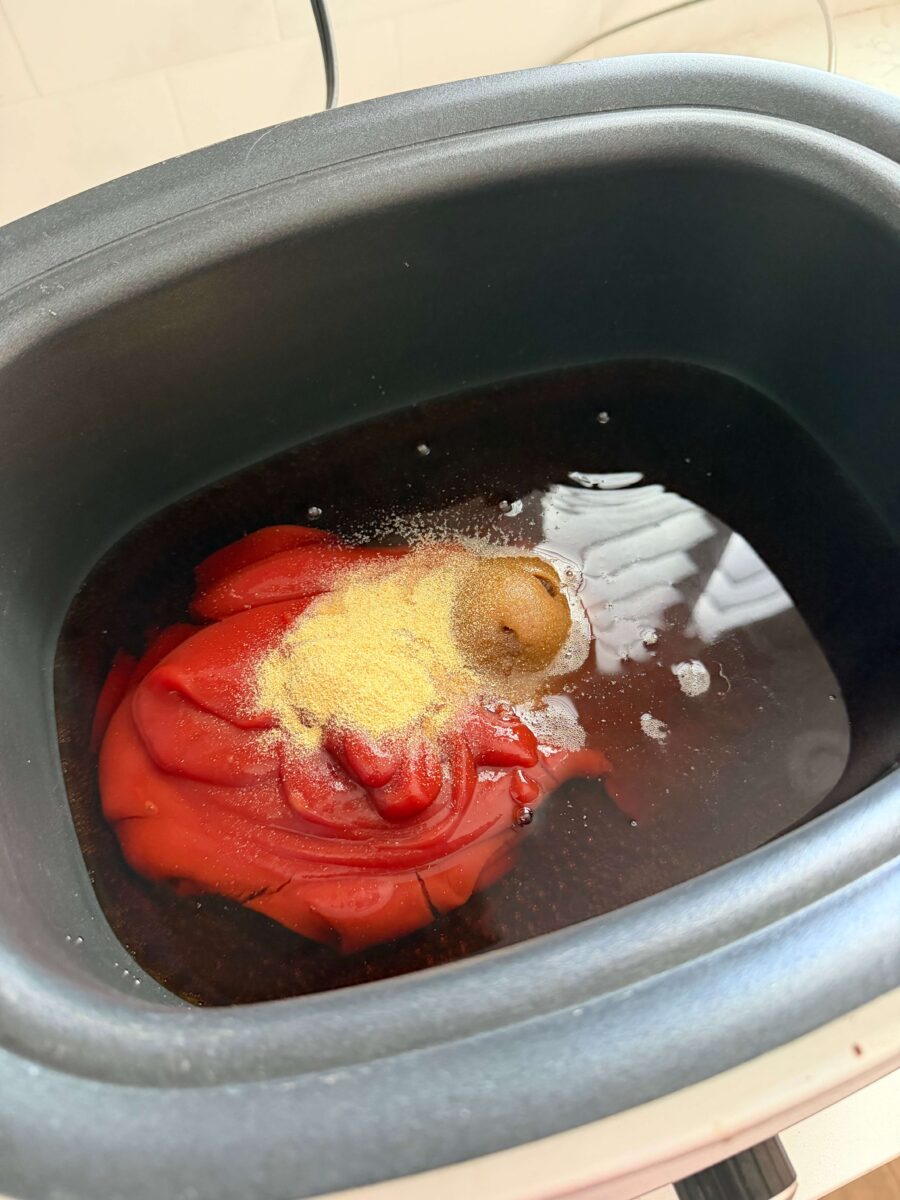
The success of the Dr Pepper Meatball as an appetizer lies in its chemical composition. The sauce typically consists of Dr Pepper, ketchup, brown sugar, vinegar, and aromatics such as garlic powder. From a food science perspective, each ingredient plays a critical role in the final sensory experience:
- Reduction and Caramelization: As the slow cooker heats, the water content in the Dr Pepper evaporates, concentrating the sugars and the 23-flavor essence. This creates a Maillard reaction-adjacent environment where the sugars interact with the heat to produce a rich, dark glaze.
- Acidic Balance: The vinegar and the citric acid found in the soda and ketchup provide a necessary counterpoint to the heavy sugar content. This acidity "cuts" through the fat of the meatballs, preventing the dish from becoming cloying.
- Thickening Agents: While the natural reduction of sugar provides some body, many modern recipes incorporate small amounts of tapioca or cornstarch. Tapioca is particularly favored by culinary enthusiasts for slow cooking because it remains stable over long periods and results in a clear, high-gloss finish that is visually appealing for buffet-style service.
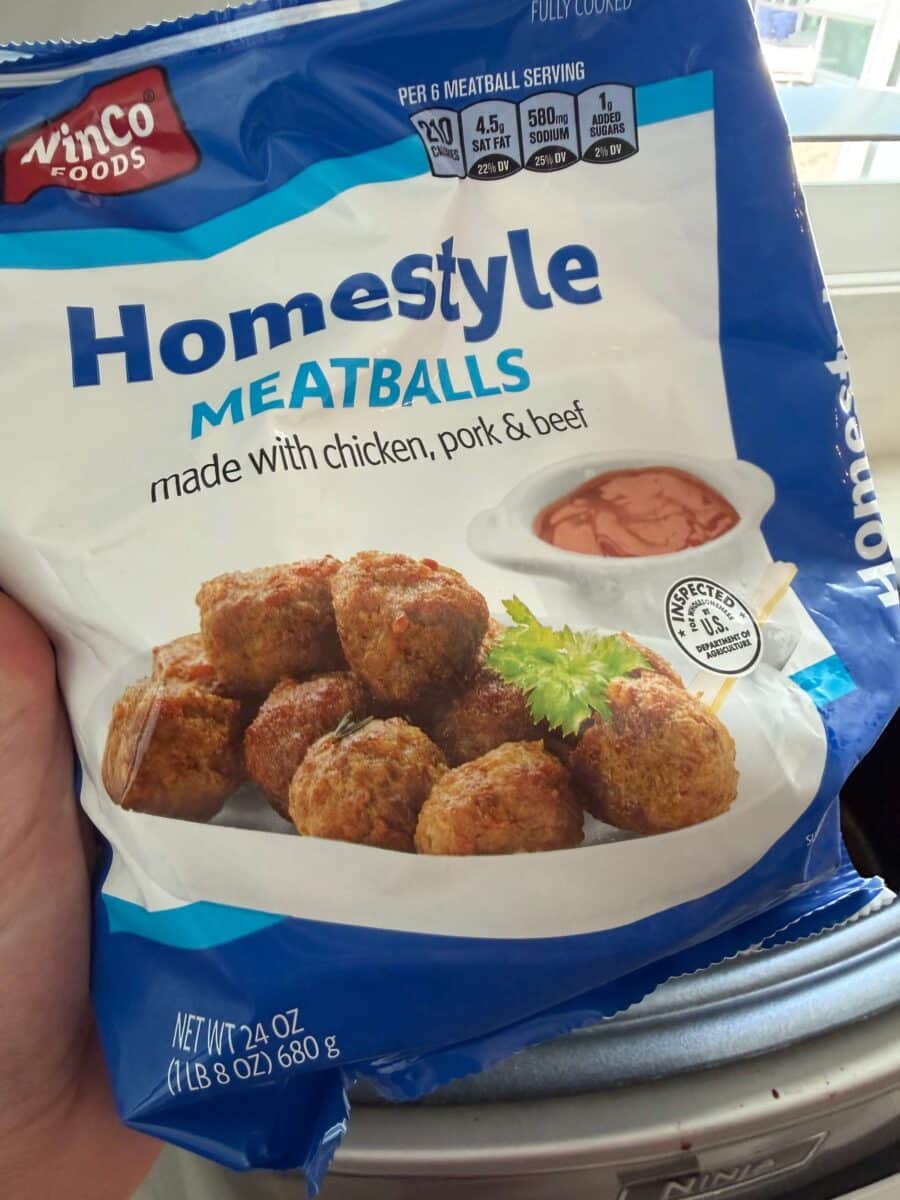
The meatballs themselves are often sourced from the frozen food sector, with large-scale retailers like Costco seeing significant sales of bulk frozen meatballs during the autumn and winter months. These pre-cooked proteins allow the sauce to become the focal point of the labor, drastically reducing the active preparation time to under five minutes.
Quantitative Impact of Game Day Entertaining on Convenience Food Markets
The popularity of dishes like Dr Pepper Meatballs is closely tied to the "Game Day" economy. According to consumer data from the Snack Food Association and retail analysts, the period between the start of the college football season in September and the professional championship in February marks the highest annual expenditure on convenience-based appetizers.
Market research indicates that frozen meatball sales experience a sharp uptick of approximately 15% to 20% during the weeks leading up to major sporting events. Simultaneously, the slow cooker remains one of the most used small kitchen appliances in North America, with an estimated 80% of American households owning at least one unit. The synergy between the frozen meat market, the carbonated beverage industry, and the small appliance sector has created a robust ecosystem for recipes that prioritize high-volume output with minimal supervision.
Procedural Overview: The Slow Cooker Methodology
The transition from raw ingredients to a finished social appetizer follows a specific chronological sequence designed to maximize flavor infusion while maintaining the structural integrity of the meat.
Phase 1: Emulsification of the Glaze
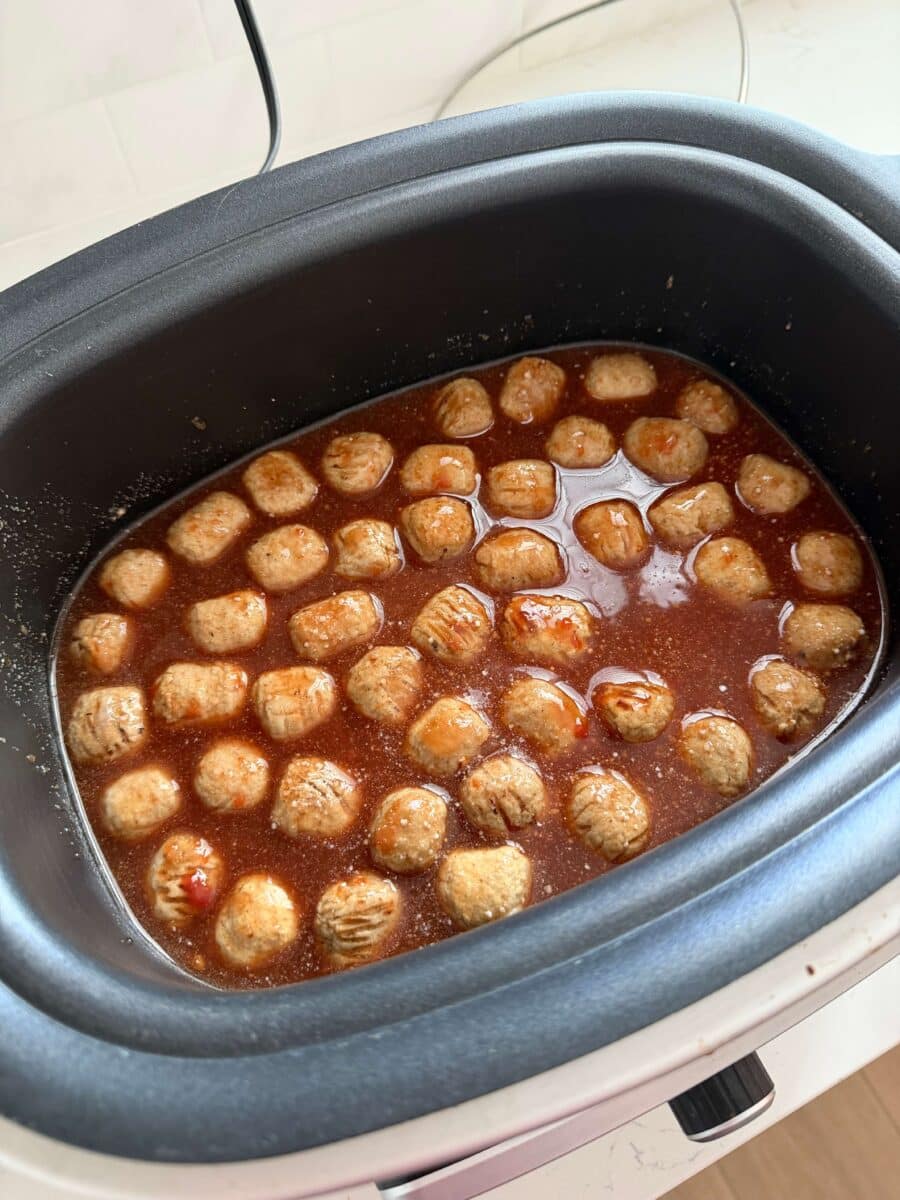
The process begins with the whisking of the liquid base. By combining the Dr Pepper with ketchup and brown sugar directly in the slow cooker insert, the cook ensures that the thickening agents (such as tapioca) are evenly distributed before the protein is introduced. This prevents the clumping of starches that can occur if they are added to a hot liquid later in the process.
Phase 2: Thermal Integration
Once the sauce is prepared, the frozen meatballs are submerged. The standard operating procedure calls for a "Low" heat setting for a duration of approximately two to three hours. This timeframe is crucial; it allows the meatballs to thaw and reach a food-safe internal temperature while simultaneously allowing the sauce to permeate the outer layers of the meat.
Phase 3: Final Reduction and Service
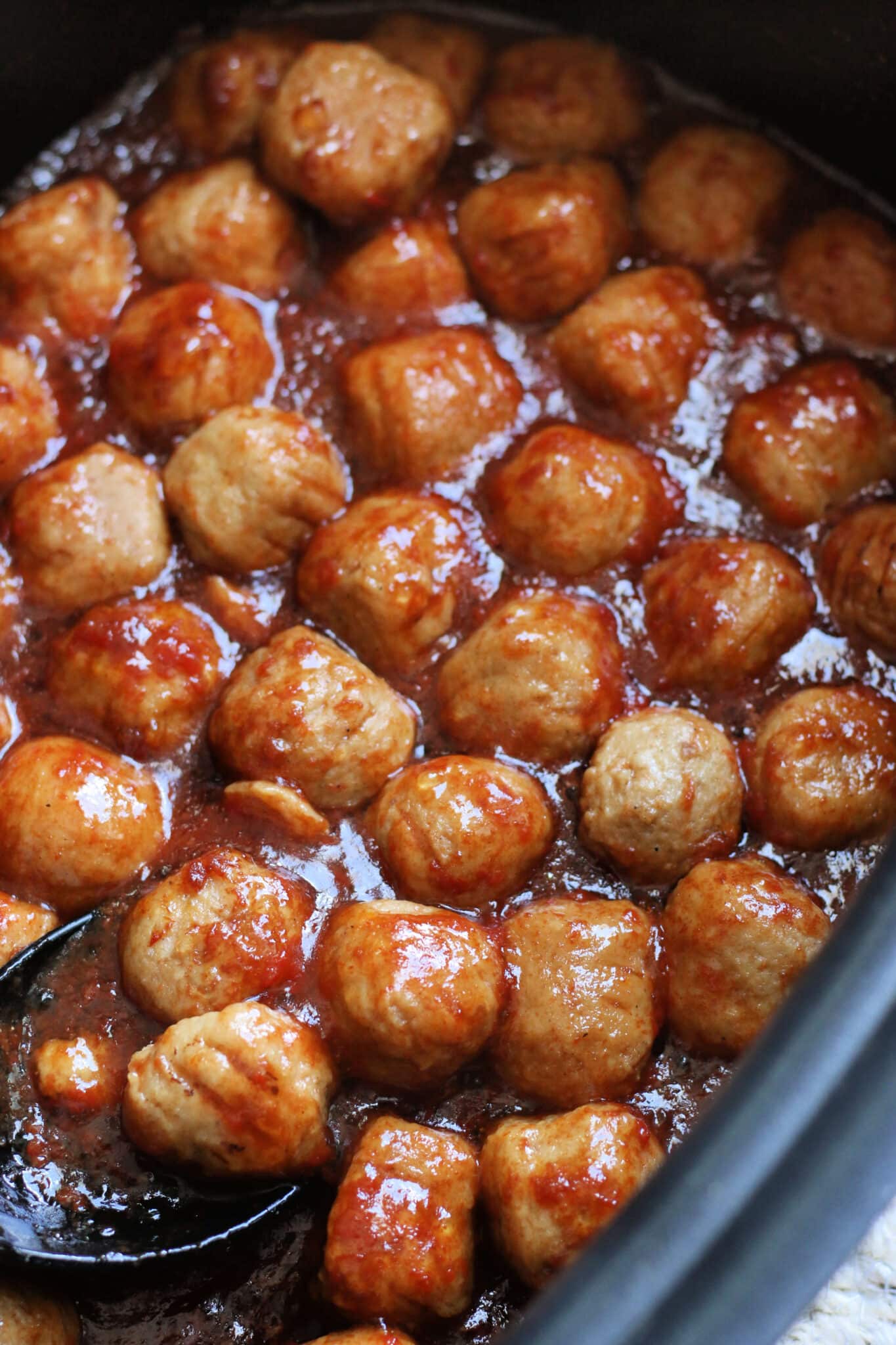
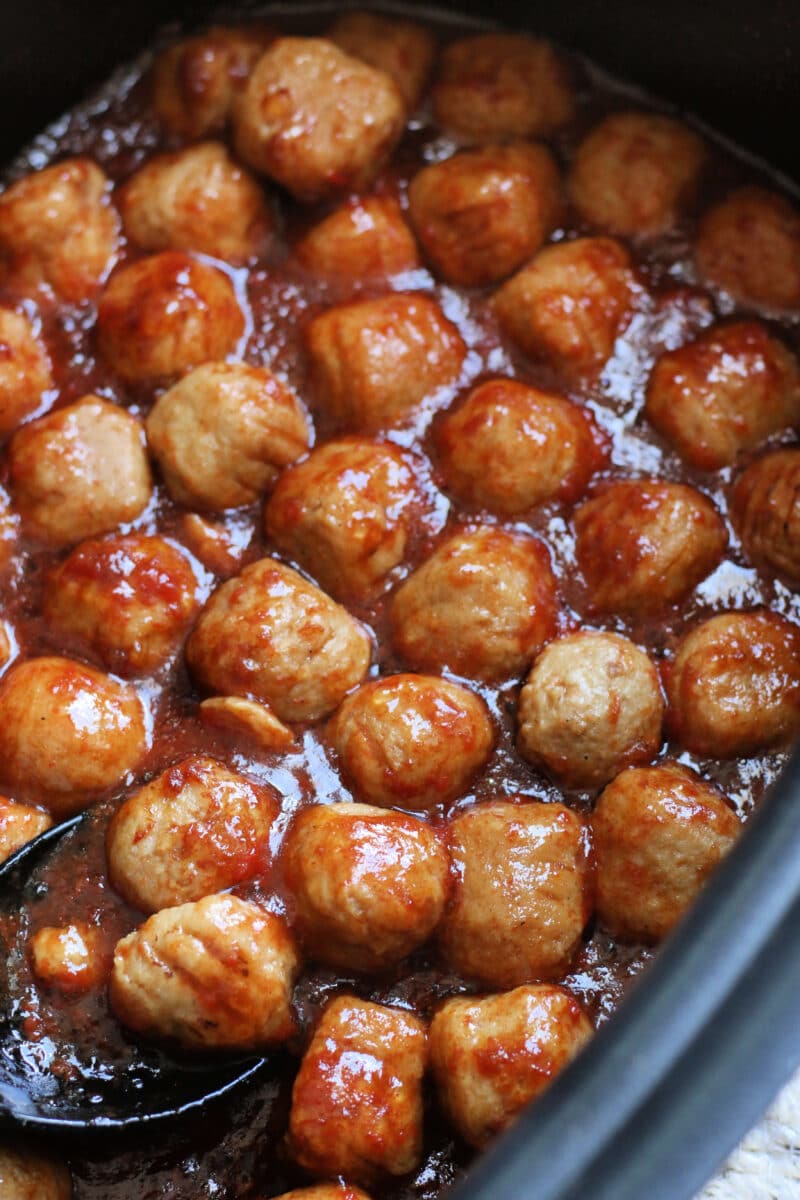
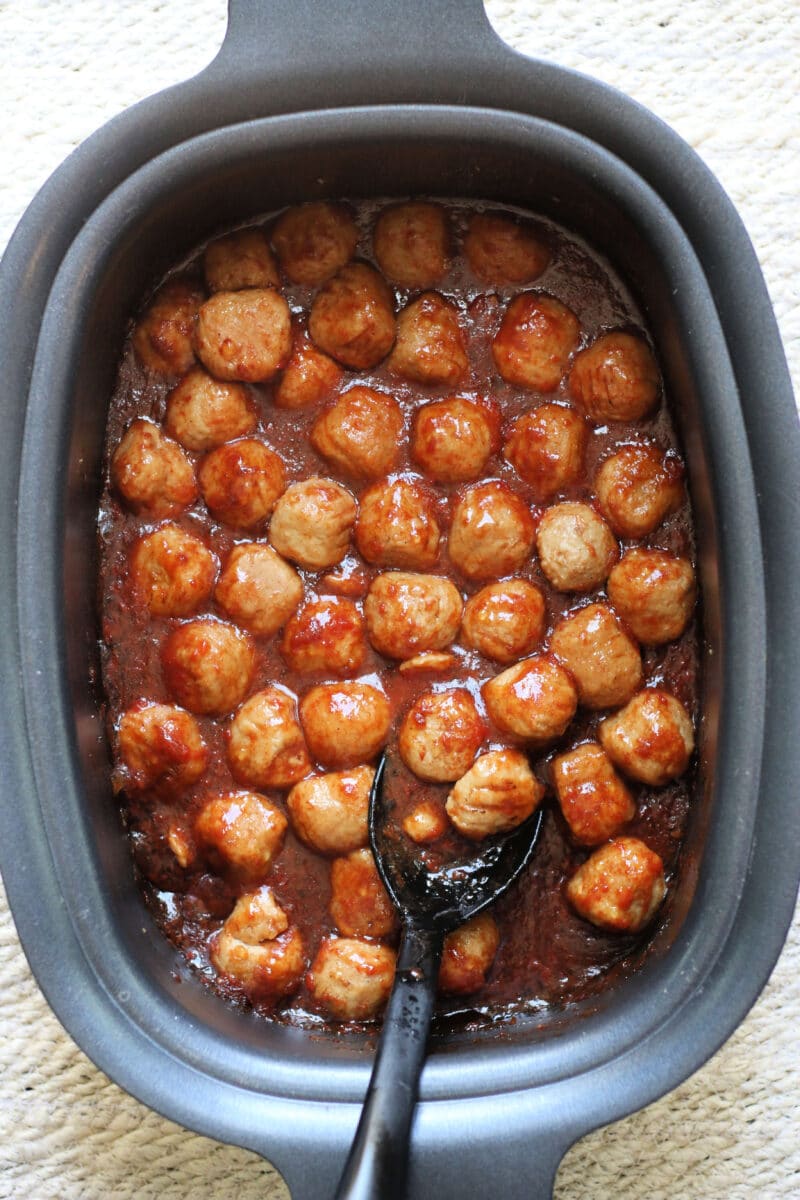
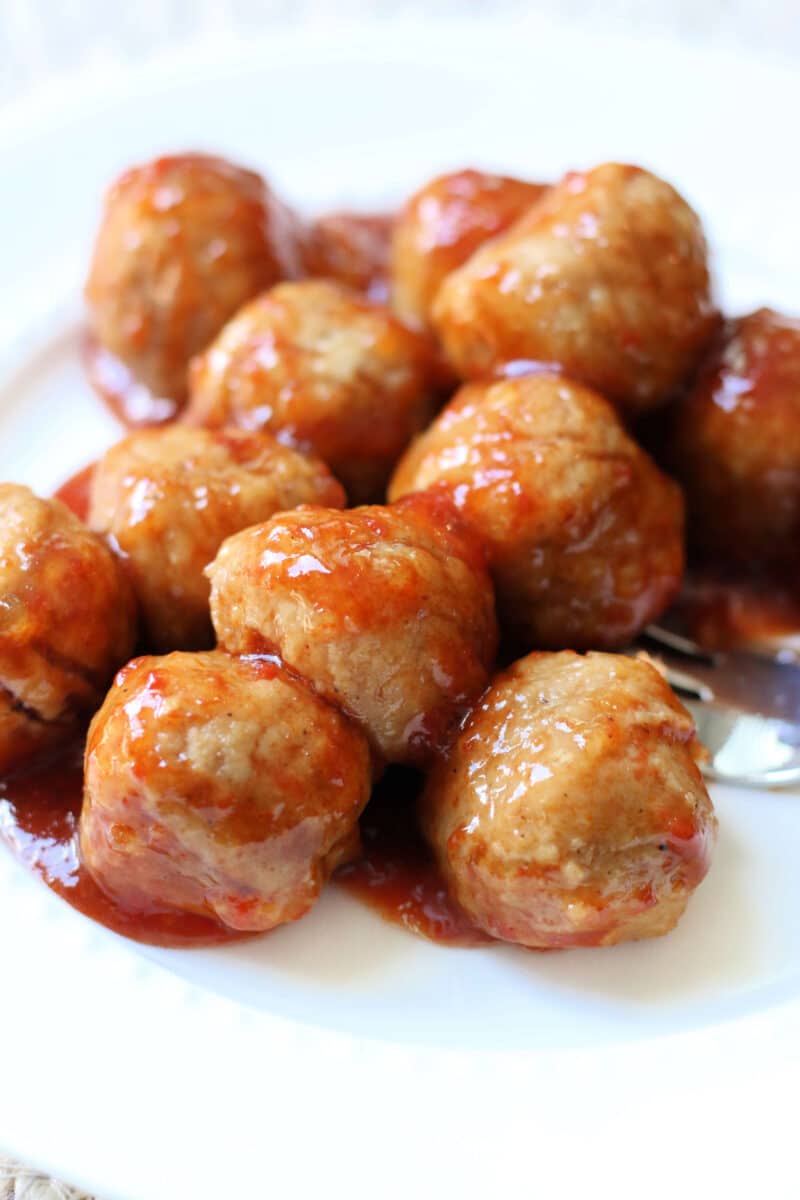
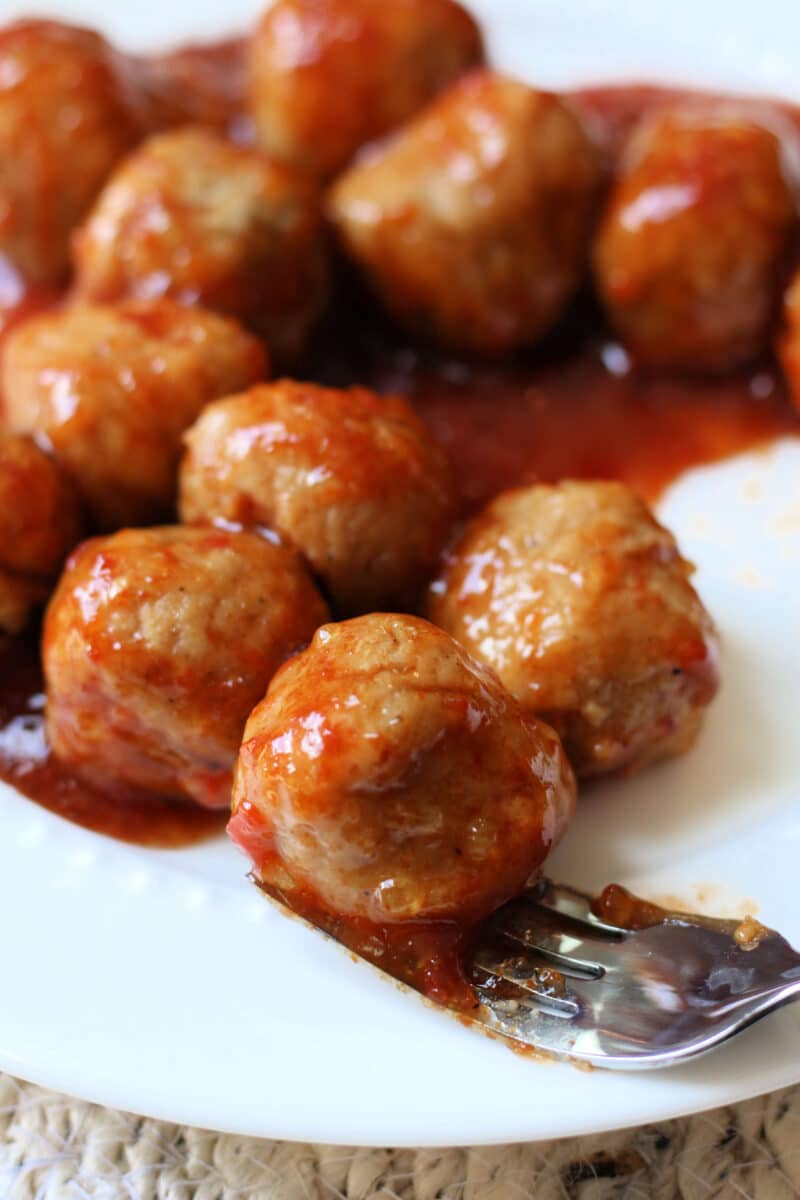
In the final thirty minutes of cooking, the lid is often removed or shifted to allow excess moisture to escape, further thickening the glaze. The final result is a meatball that is thoroughly heated and coated in a "glossy" finish that adheres to the protein, making it easy to consume with toothpicks—a requirement for standing-room social events.
Sociological Perspectives on Semi-Homemade Social Dining
The adoption of Dr Pepper Meatballs into the American culinary canon reflects broader sociological changes in how communities interact through food. The "potluck" has long been a staple of American civic life, from church socials to office parties. However, as the American workforce has seen an increase in dual-income households and a decrease in discretionary time, the "from-scratch" expectations of the mid-20th century have evolved.
Culinary analysts suggest that the Dr Pepper Meatball represents a form of "curated convenience." By making the sauce from scratch using pantry staples, the host provides a "homemade" element that distinguishes the dish from purely store-bought options. This allows the host to participate in the social ritual of sharing food without the prohibitive time investment of hand-rolling dozens of meatballs. Furthermore, the use of a recognizable brand like Dr Pepper creates an immediate "conversation piece," tapping into brand loyalty and regional identity, particularly in the Southern and Midwestern United States.
Nutritional and Dietary Adaptations in Modern Recipe Development
As dietary preferences have shifted toward gluten-free and allergen-conscious options, the Dr Pepper Meatball recipe has proven remarkably adaptable. The use of tapioca as a thickener, as noted in several contemporary versions of the recipe, provides a naturally gluten-free alternative to flour-based roux. Additionally, the rise of high-quality plant-based frozen meatballs has allowed the recipe to be adapted for vegetarian and vegan guests without altering the fundamental chemistry of the Dr Pepper glaze.
Despite its high sugar content, the dish remains a popular indulgence due to its portion control. As an appetizer served via toothpick, consumers typically engage in "micro-consumption," which aligns with modern grazing habits at social functions.
Broader Implications for the Food and Beverage Industry
The enduring popularity of soda-infused recipes has not gone unnoticed by major beverage corporations. Companies like Keurig Dr Pepper and The Coca-Cola Company have occasionally leaned into these "cooking with soda" trends in their marketing materials, recognizing that culinary use cases can drive volume outside of traditional beverage consumption.
Moreover, the "Dr Pepper Meatball" serves as a case study in how digital recipe sharing and social media platforms like Pinterest and TikTok can take a regional or niche cooking method and turn it into a national standard. The visual appeal of the "glossy meatball" makes it highly "shareable" in a digital context, ensuring that each new generation of home cooks discovers the recipe as they begin hosting their own social gatherings.
In conclusion, the Dr Pepper Meatball is more than a simple appetizer; it is a reflection of American ingenuity in the kitchen, a testament to the lasting impact of 19th-century beverage innovation, and a symbol of the modern "semi-homemade" lifestyle. As long as social gatherings revolve around ease of preparation and the universal appeal of the sweet-and-savory flavor profile, the slow cooker will continue to simmer with this quintessential American dish.
