
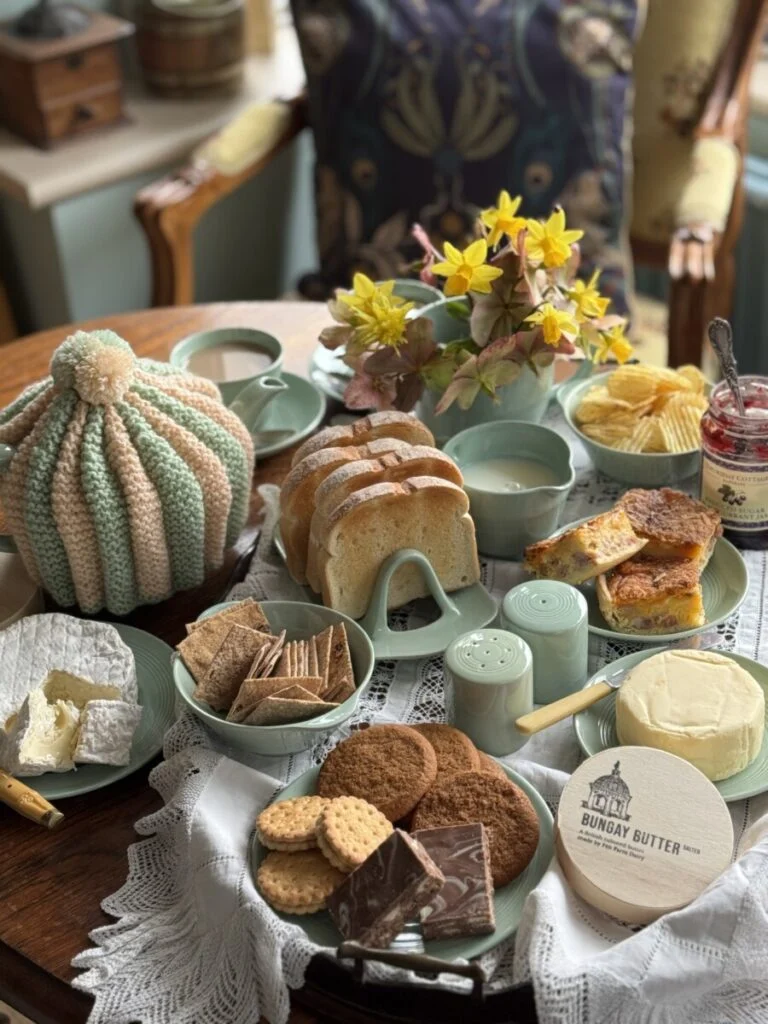
As April 23, 2026, approaches, England prepares to acknowledge St. George’s Day, a national observance that, despite its historical significance, remains notably understated compared to its Celtic counterparts. This year, acclaimed food writer and culinary historian Karen Burns-Booth of Lavender and Lovage is leading a spirited campaign to reignite interest in English heritage through the universal language of food, presenting a comprehensive collection of traditional English recipes designed to inspire national pride and culinary exploration. Her initiative underscores a broader cultural conversation about the preservation of unique English customs and gastronomic legacies.

The Overlooked National Holiday: A Call for Celebration

St. George’s Day stands as the patron saint’s day least observed across the United Kingdom, a stark contrast to the vibrant celebrations seen for St. Patrick’s Day in Ireland, St. Andrew’s Day in Scotland, or St. David’s Day in Wales. While pints of Guinness, drams of whisky, and Welsh cakes have become synonymous with their respective national days, St. George’s Day often passes with little fanfare beyond ceremonial events. This discrepancy raises questions about national identity and the role of cultural holidays in modern Britain. Historically, public holidays in the UK are determined by a complex interplay of tradition, government policy, and public sentiment. Unlike the bank holiday status afforded to some other national days, St. George’s Day has never consistently held this recognition, which many argue contributes to its diminished public profile. Burns-Booth’s effort is a direct response to this perceived cultural deficit, aiming to demonstrate that English heritage is rich with traditions worthy of widespread celebration, starting with its distinctive cuisine.

St. George: Legend, History, and the Dragon

To truly appreciate St. George’s Day, one must delve into the legend of its namesake. Saint George, far from being a purely English figure, was a Roman soldier of Greek origin from Cappadocia (modern-day Turkey) who was martyred in the early 4th century. His veneration spread throughout Christianity, reaching England via returning Crusaders in the Middle Ages. He was adopted as England’s patron saint in the 14th century by King Edward III, partly due to his perceived chivalry and courage, which resonated with the ideals of the Order of the Garter. The iconic tale of St. George slaying the dragon, though a later addition to his legend, became a powerful symbol of good triumphing over evil, embodying the virtues of heroism and protection. This narrative solidified his place in English folklore and national consciousness. English Heritage, a charitable organisation that manages historical sites, actively works to educate the public on St. George’s rich history, offering podcasts and resources that delve into the factual and mythical aspects of his story, ensuring that the legacy of this enduring figure is not lost to time.

A Bard’s Birthday and a Saint’s Day: Shakespeare’s Enduring Legacy

Adding another layer of cultural significance to April 23rd is its widely celebrated association with William Shakespeare’s birthday. Although the exact date of the Bard’s birth in 1564 remains unconfirmed by historical records, April 23rd was chosen due to his baptism being recorded on April 26, 1564, at Holy Trinity Church, Stratford-upon-Avon. As detailed by the Shakespeare Birthplace Trust, baptisms typically occurred within three days of birth, making April 23rd a plausible and subsequently adopted date for his birthday. This coincidence positions April 23rd as a dual celebration of English identity: commemorating both the legendary patron saint and the literary giant whose works have shaped the English language and universal human understanding. The enduring global appeal of Shakespeare’s plays and sonnets serves as a testament to the profound cultural impact originating from England, making the day a potent symbol of intellectual and historical richness.

The Heart of English Home Cooking: A Culinary Collection

Karen Burns-Booth’s curated collection of "Traditional English Recipes for St George’s Day" is more than just a list of dishes; it’s a culinary journey designed to reconnect individuals with the authentic flavours of England. Her vision is to demonstrate that celebrating St. George’s Day can be as simple and enjoyable as preparing a meal that evokes comfort, history, and a sense of place. The collection spans both savoury and sweet realms, ensuring there’s something to appeal to every palate and occasion. Beyond mere nostalgia, Burns-Booth emphasizes the incorporation of seasonal spring ingredients, such as tender asparagus, earthy Jersey Royal new potatoes, pungent wild garlic, and tart rhubarb. This focus not only celebrates the bounty of the English spring but also highlights the traditional practice of eating with the seasons, a cornerstone of historical English cuisine. Her efforts provide a tangible way for people to engage with and appreciate English culture, moving beyond symbolic flags to shared culinary experiences.

Savoury Delights: From Farmhouse to Feast

The savoury section of Burns-Booth’s collection is a testament to the robust and comforting nature of English cooking.

-
Salads: Moving beyond simple greens, the collection features intriguing historical options like the "Elizabethan English Herb and Flower Salad With Honey Dressing," offering a glimpse into Tudor dining. More contemporary yet classic choices include the "Old Fashioned Roses and an English Garden Salad with Cheese and Eggs" and the "English Apple and Walnut Salad," showcasing the fresh, wholesome ingredients readily available in the English countryside. These salads represent a lighter side of English fare, often overlooked.

-
Plate Pies: Pies are a cornerstone of British cuisine, and this collection offers a delightful array. From the nostalgic "1950’s Picnic Pie" to hearty "Cheese & Onion Plate Pie" and the economical "Corned Beef Potato Pie," these dishes speak to a tradition of resourceful and flavourful cooking. Plate pies, often served cold or at room temperature, were historically popular for packed lunches and picnics, reflecting a practical approach to meal preparation that remains relevant today.

-
Small Pies & Pasties: For individual servings or a lighter bite, the "Coronation Pork & Pickle Picnic Pies" offer a modern twist on a classic, while "Lincolnshire Sausage, Sage & Onion Pies" celebrate regional sausage varieties. The "Cheese, Onion and Potato Pasties" are a nod to traditional working-class fare, providing a wholesome and satisfying meal in a convenient handheld format. These smaller pastry items highlight the diverse and adaptable nature of English baking.

-
Stews and Casseroles: Emblematic of English comfort food, the stews and casseroles promise warmth and deep flavour. "Traditional Oxtail Stew" offers a rich, slow-cooked experience, while "Farmhouse Chicken & Vegetable Stew with Dumplings" provides a hearty and complete meal. The "Sausage, Apple and Cider Casserole" showcases a harmonious blend of sweet and savoury, utilizing local produce to create a truly English dish.

-
Beef Dishes: Beef, a staple of British dining, is well-represented with substantial options like the elegant "Beef Wellington," a dish often reserved for special occasions. For everyday appeal, "Peppered Steak and Chips" remains a firm favourite, and the "Suffolk Gold Double Cheese Burger" highlights the quality of regional English cheeses, elevating a global classic with local ingredients.

-
English Cheese Recipes: The versatility of English cheeses is celebrated in dishes such as "Wild Garlic & Three Cheese Tomato Tart," a vibrant spring offering, and "Sourdough Cheese & Wild Garlic Scones," perfect for a savoury twist on afternoon tea. These recipes champion the diverse and often underrated world of British cheesemaking.

Sweet Endings: A Journey Through British Baking

The sweet section of the collection illustrates the long-standing love affair the English have with baking and desserts.

-
Scones: Central to the British afternoon tea ritual, scones feature prominently. Recipes like "Buckingham Palace Fruit Scones" suggest a royal pedigree, while "Be-Ro Victoria Scones" hark back to classic cookbook traditions. "Small Batch Cream Tea Scones" cater to smaller households, emphasizing that these beloved treats are accessible to all. The scone, served with jam and clotted cream, is an undisputed icon of English hospitality.

-
Tea Loaves: Simple yet satisfying, tea loaves are perfect for accompanying a hot beverage. The "Sticky Marmalade Tea Loaf" and "Gingerbread Tea Loaf" offer comforting, spiced flavours, while the "Old-Fashioned Ovaltine Tea Loaf" evokes a sense of nostalgic warmth, reminiscent of childhood treats.

-
Fruit Cakes: Fruit cakes, often associated with celebrations and seasonal festivities, are presented with options like the "Fruit and Cherry Afternoon Tea Cake." The "Wartime Eggless Fruit Cake (Vinegar Cake)" provides a fascinating historical insight into baking during periods of rationing, demonstrating ingenuity in the face of scarcity. Another example simply titled "Fruit Cake" promises a timeless classic.

-
Victoria Sandwich & Sponge Cakes: The "Victoria Sandwich" is arguably England’s most iconic cake, celebrated here in its classic form and with a "Spring Posy Victoria Sandwich Cake with Lemon Curd" variation. The "Madeira Cake" offers a firm, buttery alternative, perfect for cutting and keeping. These light, airy sponges are a testament to refined British baking techniques.

-
Fairy Cakes, Buns & Small Cakes: These smaller, often decorated, treats are ideal for children’s parties or casual gatherings. "Vanilla Butterfly Cakes" are a whimsical classic, "Princess Elizabeth Cakes" offer a touch of royal elegance, and "Fantasy Fairy Cakes" suggest creative possibilities.

-
Fruit Pies & Tarts: Showcasing seasonal fruits, "Old-Fashioned Lemon Meringue Pie" provides a tangy and sweet contrast, while the "Bilberry Plate Pie" and "Northumberland Gooseberry Plate Pie" highlight regional fruit varieties, connecting food to specific landscapes and local traditions.

-
English Puddings: Hearty and often steamed, English puddings are the epitome of comforting desserts. "Railway Pudding" and "Traditional Spotted Dick Pudding" are classic examples, often served with custard, evoking a sense of heritage and traditional British fare.

-
Biscuits: From the seasonal "Traditional Easter Biscuits" to the regional "Betty’s Fat Rascals" (a rich scone-like biscuit from Yorkshire) and the decorative "Empire Biscuits," these baked goods are perfect for tea breaks and informal snacking.

-
Chocolate Recipes: Even chocolate, though not indigenous, has found its way into classic English baking. Recipes like "1960’s Evaporated Milk Chocolate Cake" and "Fry’s Condensed Milk Chocolate Cake" offer nostalgic twists, while "The Queen’s Chocolate Biscuit Cake" holds a special place, famously being a favourite of Queen Elizabeth II and served at royal events.

The Looming Threat: Preserving Culinary Heritage

Perhaps the most compelling aspect of Burns-Booth’s project is its underlying urgency. She highlights a recent study by Ninja Kitchen which shockingly listed several "traditional and classic British recipes" at risk of extinction within the next few years. This alarming list includes beloved items like Victoria sponge cake, rock cakes, scones, and jam tarts – staples that many would consider foundational to British culinary identity. The potential loss of these recipes signifies more than just a reduction in menu options; it represents an erosion of cultural memory and a detachment from historical practices.

The implications of such culinary extinction are far-reaching. Food traditions are intertwined with national identity, family heritage, and community bonding. Losing these recipes could mean losing stories, skills, and a tangible link to previous generations. Food blogs like Lavender and Lovage, along with the dedication of home cooks, play a crucial role in documenting, sharing, and revitalizing these threatened traditions. By making these recipes accessible and appealing, Burns-Booth is not just providing meal ideas; she is actively contributing to the safeguarding of England’s intangible cultural heritage. This effort aligns with broader movements to preserve local foodways and promote sustainable culinary practices against the backdrop of globalization and fast-food culture.

Conclusion

As England approaches St. George’s Day 2026, Karen Burns-Booth’s initiative serves as a powerful reminder of the deep connection between food, history, and national identity. Her comprehensive collection of traditional English recipes offers a delightful and accessible way for individuals to celebrate their heritage, whether they are English by birth or simply admirers of its rich culture. By championing classic dishes and seasonal ingredients, she not only provides culinary inspiration but also advocates for the preservation of a precious cultural legacy facing the threat of extinction. It is a call to action for all to embrace, cook, and share these cherished recipes, ensuring that St. George’s Day evolves into a more widely celebrated occasion, marked by the distinctive and delicious flavours of England.
