
A Taste of History: The Origins of Gentleman’s Relish

Patum Peperium, or Gentleman’s Relish, is far more than just a condiment; it is a tangible piece of British culinary history. Conceived in 1828 by John Osborn, an entrepreneur with a keen palate, the spread was initially a closely guarded secret, prepared in his London premises. Its unique blend of anchovies, butter, herbs, and exotic spices delivered a powerful umami punch, a flavour profile that quickly captivated the sophisticated tastes of the Victorian era. The name "Patum Peperium" itself, a mock-Latin phrase meaning "pepper paste," hints at its pungent character and the playful erudition often associated with its target demographic.
By 1849, the relish had garnered sufficient acclaim to be formally launched to the public at the prestigious Paris Food Show, cementing its status as a distinguished British export. Its appeal was particularly strong among the upper echelons of society and within the exclusive gentlemen’s clubs of London, where it was served on hot buttered toast—a traditional accompaniment that persists to this day. The spread embodied a certain masculine elegance and robust flavour, becoming synonymous with a particular stratum of British dining culture. Its long-standing presence in pantries across the UK and beyond underscored its enduring popularity, despite its intensely salty and distinctive taste that often divided opinion. For generations, it has been a staple, enjoyed sparingly on toast, stirred into scrambled eggs, or used to impart a rich, savoury depth to sauces, stews, and casseroles.

The Unpalatable News: AB World Foods’ Decision
The tranquility surrounding this culinary icon was shattered in early 2026 when AB World Foods, the company responsible for its production, announced its decision to cease manufacturing Gentleman’s Relish. The news sent ripples of dismay through its dedicated consumer base. The official statement from AB World Foods articulated the commercial rationale behind the difficult decision: "While we recognise that this Victorian relish has a niche and loyal following, it sadly does not have wider commercial appeal and, despite our best efforts, retailer distribution has dwindled." The company further explained, "With Gentleman’s Relish no longer commercially viable and unable to secure a buyer for the brand, we regrettably stopped production earlier this year."

This decision highlights the significant challenges faced by niche, heritage brands in an increasingly competitive and mass-market-driven retail landscape. Modern supermarket chains often prioritize high-volume, fast-moving consumer goods, leaving limited shelf space for products with a smaller, albeit devoted, customer base. The costs associated with production, distribution, and marketing for such items can become unsustainable when sales volumes do not meet commercial targets. The inability to find a buyer for the brand further underscored the perceived lack of broader market potential, leading to the unfortunate conclusion that production was no longer viable. The immediate aftermath saw online stocks of the relish deplete rapidly as consumers rushed to secure remaining jars, underscoring the sudden shock and deep-seated affection for the product.
A Culinary Cry: Public Outcry and Notable Reactions

The announcement of Gentleman’s Relish’s demise triggered an immediate and passionate response from its admirers. Social media platforms buzzed with lamentations, and petitions were swiftly launched, urging the manufacturer to reconsider or for another company to take up the mantle. This collective grief was not confined to everyday consumers; prominent figures within the culinary establishment also voiced their concern. Jeremy King, the celebrated restaurateur who recently reopened London’s iconic Simpson’s in the Strand, reportedly instructed his chefs to develop an in-house version of the anchovy condiment. This move by a figure of King’s stature not only underscored the cultural significance of Gentleman’s Relish but also highlighted the culinary community’s determination to preserve its essence, even if through artisanal recreation.
The sentiment expressed by many was one of loss for another "iconic and much-loved British brand" falling victim to commercial pressures. Comparisons were drawn to other traditional British products that have disappeared from shelves, such as the Bath Oliver biscuit, a favorite accompaniment for cheese for many years. This recurring pattern of heritage brands fading away often evokes a sense of nostalgia and a fear of losing a tangible link to cultural identity and culinary heritage. The emotional investment in such products extends beyond mere taste; it often encompasses memories, traditions, and a connection to a bygone era.

A Glimmer of Hope: The Brand’s Potential Revival
In response to the unprecedented volume of consumer feedback and public advocacy, AB World Foods released a subsequent statement that injected a much-needed ray of hope into the situation. A spokesman for the company acknowledged the overwhelming reaction: "We have been blown away by the response from Gentleman’s Relish fans since we confirmed our decision to stop production. We are grateful to everyone who has taken the time to get in touch." More significantly, the statement continued, "Given this strength of feeling, we are pleased to say that we are at the early stages of exploring options with several third parties who have expressed an interest in taking the brand forward."

This development suggests that the future of Gentleman’s Relish may not be as bleak as initially feared. The "strength of feeling" demonstrated by consumers appears to have prompted AB World Foods to reconsider its finality and engage in discussions that could lead to the brand being acquired and its production resumed. While these discussions are in their "early stages," the very possibility of a reversal underscores the power of consumer voice and the cultural value placed on such unique culinary products. It indicates that, even in a globalized market, there remains a significant appreciation for artisanal, historically rich food items that evoke a sense of tradition and belonging.
Reclaiming a Classic: The Rise of Homemade Alternatives

Amidst the uncertainty surrounding the commercial future of Gentleman’s Relish, many loyalists, including the author of the original article, have turned to a time-honoured solution: making it themselves. The author recounts a personal history with homemade Patum Peperium, having previously crafted the spread during their time in France when commercial versions were inaccessible. This proactive approach, including sharing a recipe on the platform RecipeZaar back in 2012, demonstrates a long-standing commitment to preserving the relish’s unique flavour.
The current discontinuation has revitalized interest in these homemade recipes. Faced with empty shelves and the prospect of never again enjoying their beloved spread, enthusiasts are embracing the challenge of recreation. The process of making Patum Peperium at home is surprisingly straightforward, offering a direct connection to traditional food preparation methods. It involves simple yet potent ingredients, allowing for a degree of customization while aiming to replicate the original’s distinctive taste. This shift towards DIY culinary projects is not merely a stopgap measure; it represents a broader trend of consumers seeking authenticity, control over ingredients, and the satisfaction of recreating cherished foods that are no longer commercially available. For many, it’s an act of culinary defiance, a way to keep a cherished tradition alive through personal effort.

Crafting Your Own Legacy: A Recipe for Patum Peperium
Recreating Patum Peperium at home offers a rewarding experience, allowing individuals to tailor the spread to their exact preference. The core ingredients typically include anchovies, butter, and a blend of spices. While the original recipe for Gentleman’s Relish has remained a proprietary secret since 1828, well-researched homemade versions aim to capture its essence.

Ingredients:
- Anchovies (typically salt-cured, oil-packed fillets)
- Unsalted butter, softened
- Breadcrumbs (fine)
- A selection of spices (e.g., cayenne pepper, white pepper, nutmeg, mace)
- Freshly ground black pepper
- Lemon juice (a splash for brightness)
- Optional: Capers (for added piquancy)
Instructions:

- Preparation: Begin by thoroughly draining the anchovy fillets if they are oil-packed. For salt-cured anchovies, they should be rinsed and patted dry.
- Pounding/Processing: Using a mortar and pestle, pound the anchovies, softened butter, and capers (if using) until a smooth, uniform paste is achieved. Alternatively, for a quicker method, a small food processor can be used to blend these ingredients until smooth. The goal is a finely emulsified mixture.
- Seasoning: Incorporate the fine breadcrumbs, selected spices (such as a pinch of cayenne for heat, a dash of nutmeg for warmth, and white pepper), freshly ground black pepper, and a small amount of lemon juice. The lemon juice helps to cut through the richness and brightness to the flavour.
- Mixing: Mix all ingredients thoroughly to ensure an even distribution of flavours.
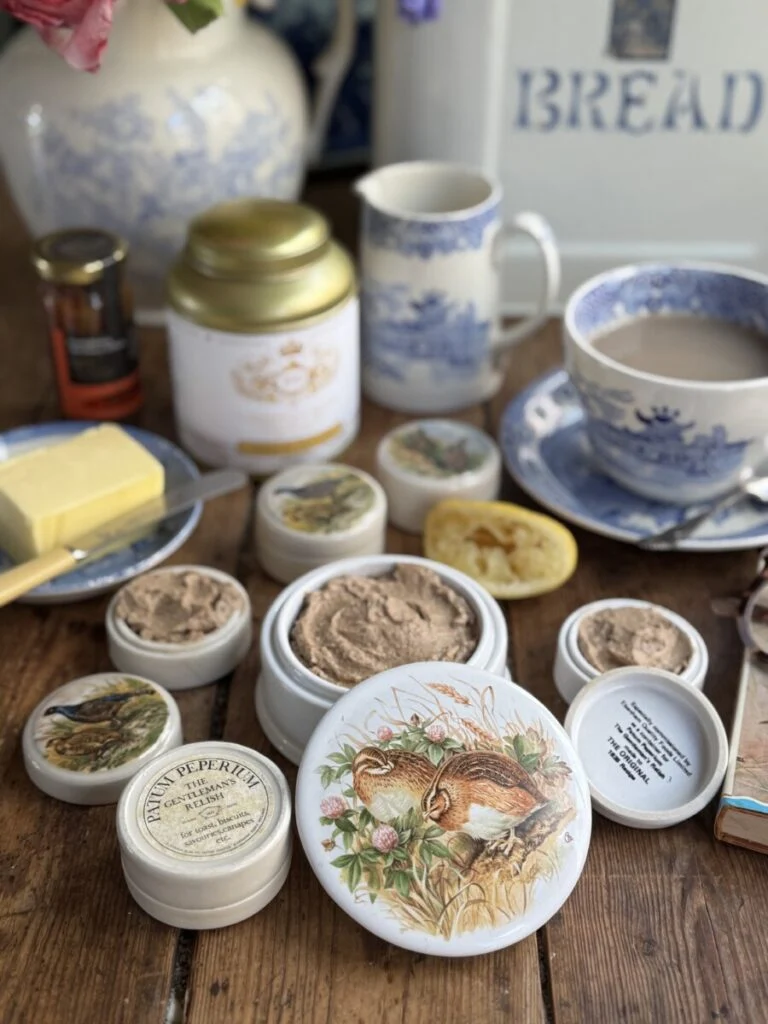
- Storage: Spoon the prepared paste into ramekins or small, airtight containers. For an authentic touch, vintage Gentleman’s Relish ceramic pots can be repurposed.
- Chilling: Cover the containers and chill the relish for several hours or overnight to allow the flavours to meld and the paste to firm up.
Serving Suggestions:
Homemade Patum Peperium is best served sparingly due to its potent flavour. It is sublime on hot, buttered toast (whether white or wholemeal bread). It can also be a transformative addition to scrambled eggs, lending a sophisticated, savoury depth. Furthermore, it serves as an excellent flavour enhancer for savoury sauces, stews, and casseroles, providing a "kick" and umami richness.
Note on Appearance:
Homemade versions typically appear paler than the commercially produced relish. This is likely because the original manufacturing process involved heating the mixture, which can deepen the colour. Despite the difference in hue, the homemade relish can perfectly capture the distinctive taste and aroma that aficionados cherish.

Beyond the Spread: Broader Implications for British Heritage Foods
The saga of Gentleman’s Relish is emblematic of a larger narrative playing out across the British food industry. The disappearance of iconic brands like Bath Olivers or the threat to products like Geo Watkins’ mushroom ketchup and anchovy sauce underscores the vulnerability of niche, traditional foods in a rapidly evolving market. Economic pressures, changing consumer tastes, and the consolidation of retail power often marginalize products that don’t appeal to a broad demographic or achieve high sales volumes.

However, the overwhelming response to the Gentleman’s Relish discontinuation also highlights a powerful counter-trend: the deep cultural value and emotional attachment consumers have to these heritage items. It demonstrates that while market forces are strong, consumer advocacy can exert significant influence, sometimes even prompting companies to reconsider commercial decisions. This incident serves as a crucial case study in the ongoing tension between tradition and modernity, reminding us that food is not merely sustenance but a repository of history, identity, and shared experience. The potential revival of Gentleman’s Relish would not just be a win for its fans but a symbolic victory for the preservation of British culinary heritage.
Nutritional Profile (Per 1 Serving):

- Yield: 16 servings
- Calories: 100
- Total Fat: 9g
- Saturated Fat: 5g
- Unsaturated Fat: 4g
- Cholesterol: 31mg
- Sodium: 555mg
- Carbohydrates: 1g
- Fiber: 0g
- Sugar: 0g
- Protein: 4g
In conclusion, the journey of Gentleman’s Relish—from its Victorian origins to its recent discontinuation and potential reprieve—encapsulates the delicate balance between commercial viability and cultural significance. The passionate response from its loyal following, and the subsequent exploration of options for its future, testify to the enduring power of heritage brands and the unwavering connection people have to the foods that define their culinary landscape. Whether through commercial production or the dedicated efforts of home cooks, the distinctive taste of Patum Peperium appears destined to remain a cherished part of British gastronomy.
