
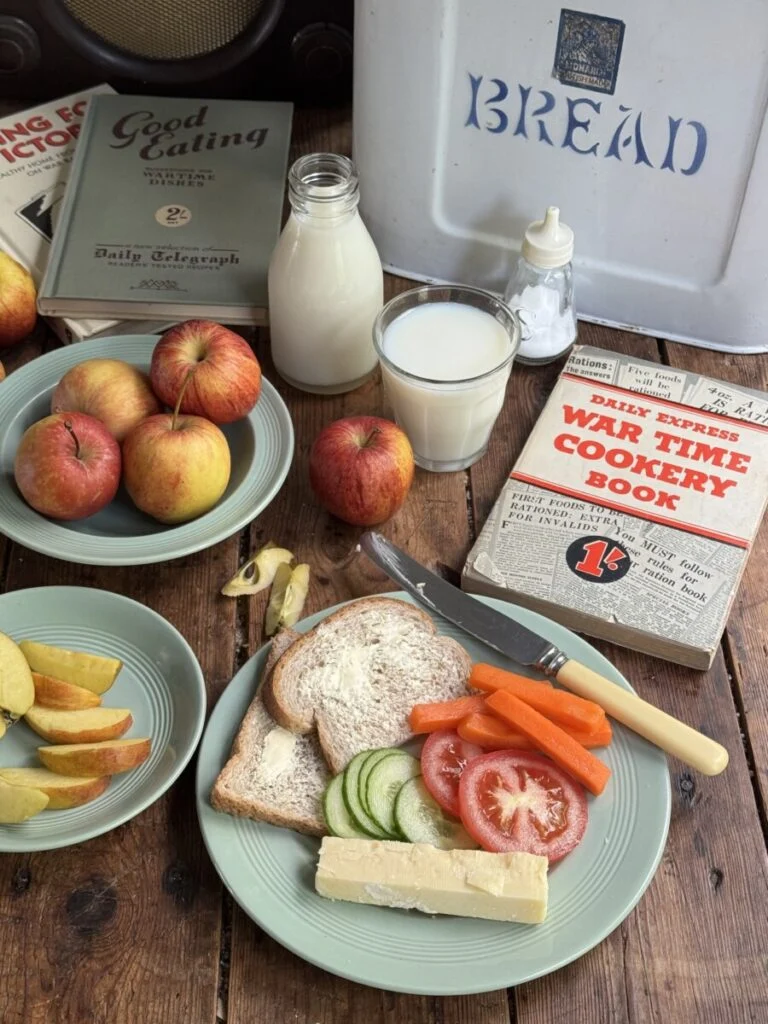
The "Oslo Meal," also known as the "Oslo Breakfast" or "Oslo Lunch," emerged as a pioneering nutritional intervention that profoundly impacted public health, particularly in the United Kingdom during and immediately after World War II. Conceived by Norwegian physician and health reformer Carl Schiøtz in 1932, this "no-cook" meal was designed to be a highly nutritious, easily distributed, and cost-effective solution to widespread malnutrition, especially among school children. Its adoption by the British Ministry of Food during wartime marked a pivotal moment in the history of public health and rationing, offering a vital source of sustenance and promoting a model of healthy eating that persisted into the early 1950s.

The Genesis of a Nutritional Revolution in Norway
The roots of the Oslo Meal trace back to the interwar period in Norway, a time when public health concerns, particularly regarding child nutrition, were gaining traction across Europe. Dr. Carl Schiøtz, then a professor at the University of Oslo, was a leading figure in preventive medicine. He observed alarming rates of dental decay, rickets, and general underdevelopment among Norwegian children, attributing these issues largely to inadequate diets. Schiøtz championed the idea of a simple, wholesome, and cold meal served in schools, believing that a cooked meal often stripped vital nutrients and was more resource-intensive to prepare.

His original concept, introduced in Oslo schools in 1932, was revolutionary for its time. It comprised wholemeal bread (often spread with margarine or butter), a portion of cheese or lean meat, raw vegetables (such as carrots, cabbage, or turnip), a piece of fruit (like an apple or orange), and a glass of milk. The emphasis was on raw, unprocessed foods rich in vitamins and minerals, specifically chosen to address common nutritional deficiencies. Schiøtz’s "Oslo Breakfast" was not merely a meal; it was an experiment in public health, aiming to demonstrate the direct link between diet and physical development, cognitive function, and overall well-being. Early results in Norway were compelling, showing significant improvements in children’s health, including increased weight and height, better dental health, and enhanced academic performance.
Wartime Britain: A Nation Under Ration

When World War II erupted in 1939, Britain faced an unprecedented food crisis. Dependent on imports for a significant portion of its food supply, the nation quickly implemented a stringent rationing system to ensure equitable distribution and prevent widespread starvation due to German U-boat blockades. The Ministry of Food, established to manage this enormous task, faced the dual challenge of providing sufficient calories and ensuring adequate nutrition for a population under immense strain. Foods like meat, sugar, butter, tea, and eventually cheese, eggs, and even bread (from 1946) were rationed. The average adult weekly ration, for instance, typically included 1 shilling and 2 pence worth of meat (about 225g), 4 ounces (113g) of bacon or ham, 2 ounces (57g) of butter, 2 ounces of cheese, and 1 ounce (28g) of tea. Fresh produce was less controlled but often scarce due to labor shortages and shipping disruptions.
In this climate of scarcity, ensuring the health of the nation’s children became a paramount concern. Malnutrition could have devastating long-term consequences for the next generation. The government recognized that school meals could play a critical role in supplementing home diets, which were often deficient in essential nutrients. It was against this backdrop that the Norwegian "Oslo Experiment" caught the attention of British public health officials.

The Oslo Experiment: Implementation and Impact in the UK
The Oslo Meal was first introduced in London schools as an experimental program in 1938, even before the full onset of the war. Its success was almost immediate and striking. Reports indicated that children participating in the program experienced remarkable improvements in their physical development, with many gaining between 40% and 100% in both weight and height. These findings provided irrefutable evidence of the meal’s efficacy in combating child malnutrition.

With the advent of wartime rationing, the Ministry of Food, under figures like Lord Woolton, actively promoted the Oslo Meal. Its "no-cook" nature was a significant advantage. In a country where fuel was rationed, kitchens were often understaffed, and elaborate cooking was impractical, the Oslo Meal offered a simple, hygienic, and resource-efficient way to provide a nutritious meal. This ease of preparation meant it could be widely adopted in primary schools across the UK, circumventing the need for extensive cooking facilities or highly skilled cooks.
The meal’s composition was strategically aligned with available rationed and unrationed foodstuffs. While meat was scarce, cheese and milk provided essential protein and calcium. Readily available vegetables and fruit delivered crucial vitamins, often sourced from Victory Gardens where families were encouraged to grow their own produce. The Ministry of Food, through its "Dig for Victory" campaign and public health leaflets, actively educated the populace on healthy eating under austerity, with the Oslo Meal becoming a practical embodiment of these guidelines.

Nutritional Pillars of the Oslo Meal
The brilliance of the Oslo Meal lay in its carefully selected components, each contributing vital nutrients crucial for growth and health, especially in an environment of food scarcity:

- Wholemeal Bread: Provided complex carbohydrates for energy, dietary fiber for digestion, and B vitamins often lacking in refined flours. The "National Loaf," a standard wholemeal bread introduced in Britain during the war, was specifically designed to be more nutritious.
- Butter or Margarine: Offered concentrated calories and fat-soluble vitamins (A and D, especially if margarine was fortified), essential for growth and energy in active children.
- Cheese: A cornerstone of the meal, cheese was prized for its high protein content, calcium for bone development, and fat for satiety. The Ministry of Food explicitly highlighted cheese as a main dish rather than an accompaniment, encouraging its use to supplement the meat ration. Children were allocated a double cheese ration (2 ounces per week) compared to adults (1 ounce), underscoring its recognized importance for their development.
- Fresh Lettuce and Other Salad Items (Carrots, Cucumber, Tomato): These raw vegetables were rich sources of vitamins (especially Vitamin C, often scarce in cooked diets), minerals, and fiber. Carrots, in particular, were lauded for their Vitamin A content, crucial for vision, and were heavily promoted by the Ministry of Food. Home-grown produce was encouraged, linking the meal directly to the "Dig for Victory" campaign.
- A Piece of Fruit (e.g., Apple): Provided natural sugars for quick energy, fiber, and additional vitamins. The simple apple became a precious commodity, a testament to the scarcity of fresh fruit. The anecdote of children lining up for discarded apple cores, referred to as "gook," vividly illustrates the extreme value placed on every scrap of food and the profound impact of scarcity on daily life.
- A Glass of Cold Milk: An indispensable source of calcium, protein, and Vitamin D, vital for bone health and overall growth. Milk was often subsidized for children during the war, highlighting its critical role in public health strategy.
Together, these components formed a balanced, energy-dense, and nutrient-rich meal that addressed many common deficiencies of a wartime diet.
Beyond the Classroom: Wider Adoption and Public Perception

While initially targeted at school children, the principles of the Oslo Meal quickly extended beyond the school gates. Its reputation for being "filling, nutritious, and easy to offer" resonated with adults struggling to provide healthy meals within the constraints of rationing. It became a popular choice for a quick, healthy lunch or snack among the general population, offering a practical model for how to maximize nutritional intake from limited resources.
The Ministry of Food played a crucial role in popularizing such diets through extensive public information campaigns. Cookery leaflets, radio broadcasts, and posters promoted resourceful eating and the value of simple, nutritious meals. The Oslo Meal fit perfectly into this narrative, embodying the spirit of ingenuity and resilience required on the home front. It was not just a meal; it was a symbol of collective effort to maintain health and morale during a national crisis.

Personal Echoes of Austerity
The personal memory shared by individuals who lived through this era often brings the historical facts to life. The poignant recollection of children in the school playground asking for apple cores, or "gook," from those fortunate enough to have an apple tree, speaks volumes about the scarcity of even the simplest fresh foods. This detail, like many others from the period, underscores how different food consumption habits were compared to modern times, where food waste is a significant concern. It highlights the profound shift in societal values surrounding food, moving from an era of absolute necessity and resourcefulness to one of relative abundance.

The Enduring Legacy and Modern Relevance
The Oslo Meal remained popular in UK primary schools and households up until the early 1950s, a testament to its effectiveness and the lingering effects of post-war austerity. Its impact stretched far beyond the immediate nutritional benefits.

- Foundation for School Meal Programs: The success of the Oslo Meal laid a critical foundation for the development of comprehensive school meal programs in the UK. It demonstrated the government’s responsibility in ensuring children’s nutrition and health, paving the way for policies that guaranteed free or subsidized meals for those in need. This was a significant step towards the welfare state model, where public health and social welfare were seen as intertwined.
- Influence on Dietary Guidelines: The meal’s emphasis on whole grains, fresh produce, dairy, and lean protein influenced subsequent national dietary guidelines. It underscored the importance of a balanced diet, even when resources were limited, and championed the benefits of raw, unprocessed foods.
- Adaptability and Resilience: The Oslo Meal serves as a powerful historical example of how simple, adaptable solutions can address complex public health challenges during times of crisis. Its "no-cook" nature and reliance on accessible ingredients made it a model of resilience and practical innovation.
- Relevance to Contemporary Nutrition: In an age where there is increasing focus on fresh, whole foods, mindful eating, and sustainable food systems, the principles of the Oslo Meal retain a surprising modern relevance. It offers lessons in maximizing nutrition from basic ingredients, minimizing food waste, and the profound societal benefits of collective nutritional interventions.
Culinary Notes and the Recipe for Resilience
The government’s original ingredient list for the Oslo Meal was less a strict recipe and more a flexible framework, emphasizing simplicity and accessibility:

Ingredients:
- 2 slices of bread (preferably wholemeal, like the National Loaf)
- A little butter or margarine
- A small block of cheese (sufficient for a substantial portion, reflecting the child’s double ration)
- Fresh lettuce leaves
- Salad items such as carrot, cucumber, or tomato (ideally home-grown)
- A glass of cold milk
Method:

- Thinly spread the butter or margarine on the bread.
- Slice the block of cheese into strips or cubes.
- Chop the lettuce and other salad items.
- Serve all components neatly on a plate with the glass of milk.
- Optional treat: Leave a tomato whole.
This straightforward approach ensured that even those with minimal cooking skills or kitchen equipment could prepare a nutritious meal. The flexibility in salad items encouraged the use of seasonal and readily available produce, further embedding the meal within the "Dig for Victory" ethos.
In conclusion, the Oslo Meal was far more than just a wartime ration. It was a groundbreaking public health initiative, a testament to scientific foresight, and a symbol of national resilience. It transformed the health of a generation of British children, shaped public health policy for decades, and continues to offer valuable insights into the power of simple, nutritious food in confronting societal challenges. Its legacy endures as a reminder of ingenuity in austerity and the enduring importance of wholesome nutrition.
