
The Evolution of the Pierogi and Cabbage Tradition
To understand the cultural weight of the Pierogi Cabbage Casserole, one must look to the historical foundations of Central and Eastern European cuisine. The pierogi, a dumpling of Central European origin, is most famously associated with Poland, where it has been a national dish since the 17th century. Historically, pierogies required hours of manual labor, involving the rolling of dough, the preparation of fillings—typically potato, cheese, sauerkraut, or meat—and the meticulous sealing of each individual pocket.
Cabbage, or kapusta, served as the nutritional backbone of these regions for centuries. Its ability to be stored through harsh winters and its high vitamin C content made it an indispensable crop. Traditionally, dishes like haluski (cabbage and noodles) and bigos (hunter’s stew) utilized the natural sugars of the cabbage, which caramelize when cooked slowly, providing a savory depth that requires minimal supplemental seasoning.
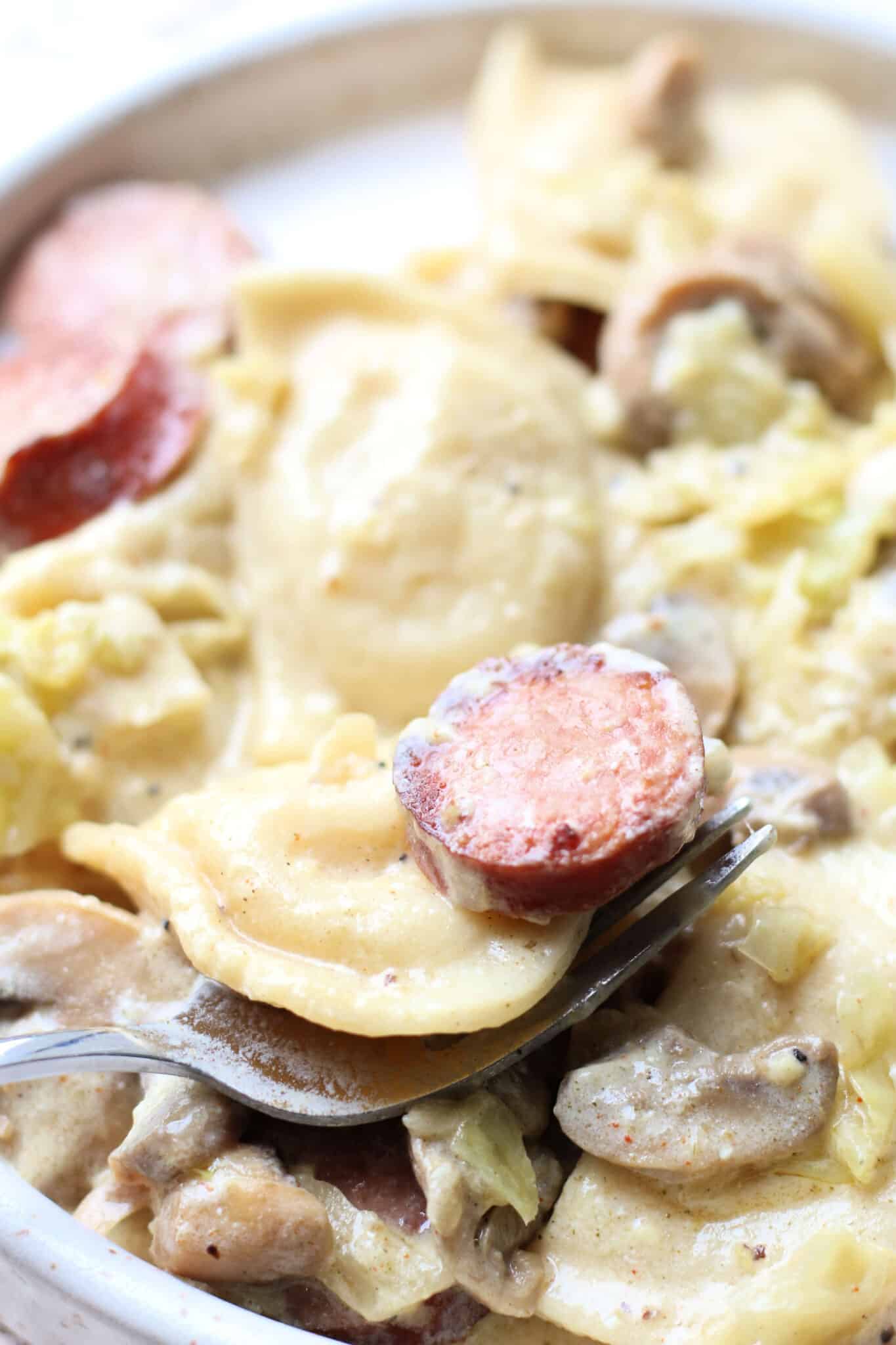
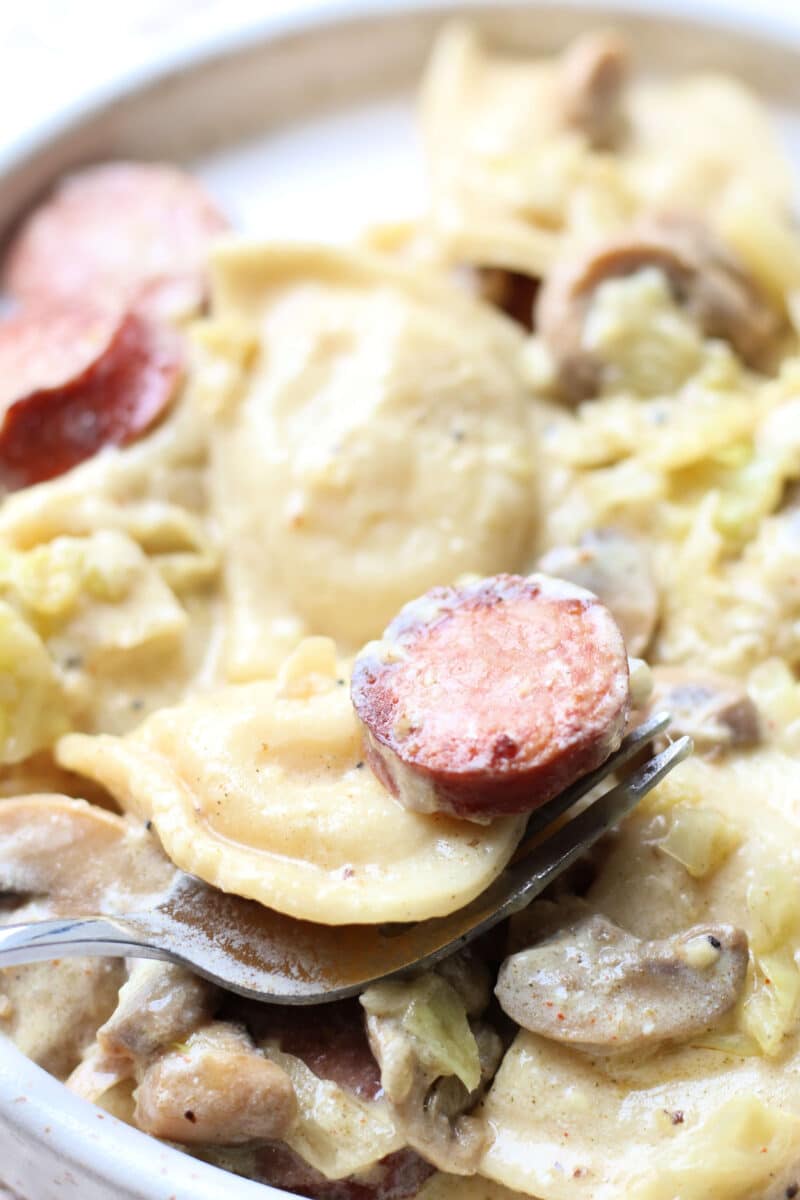
The modern casserole iteration removes the structural rigidity of these traditional dishes. By combining frozen pierogies with fresh cabbage and smoked sausage, the recipe creates a deconstructed version of a classic Polish feast. Culinary analysts suggest that this "deconstructed" trend is a direct result of the "efficiency movement" in home kitchens, where the flavor profile of a dish is prioritized over its traditional form.
Technical Specifications and Preparation Chronology
The transition of this recipe from a multi-stage stovetop process to a single-vessel operation is facilitated primarily by the advent of the electric pressure cooker. The following chronology outlines the logistical steps involved in the preparation of the Pierogi Cabbage Casserole, highlighting the technical reasons for each phase.
Phase I: The Maillard Reaction and Aromatics
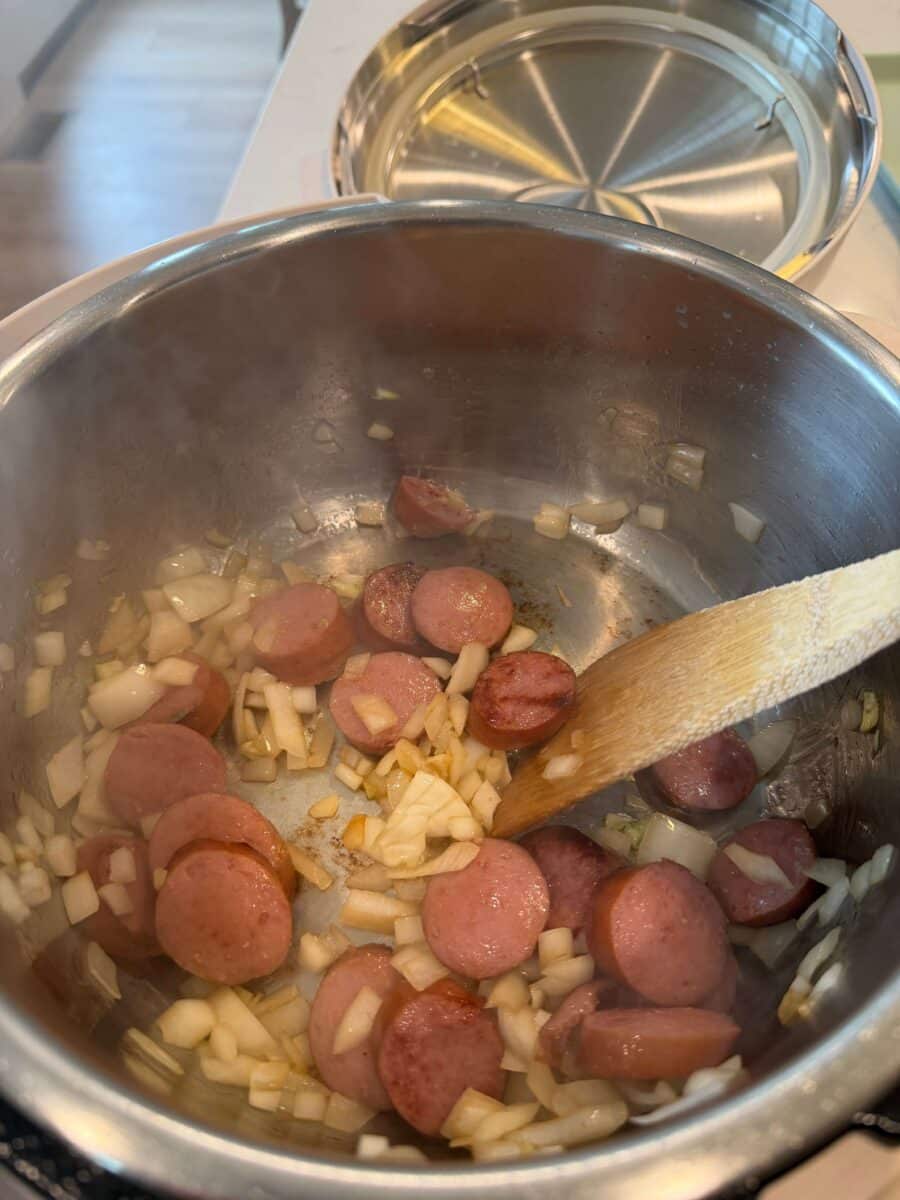
The process begins with the "Saute" function of the Instant Pot. This stage is critical for developing the base flavor of the casserole. By browning sliced smoked sausage in olive oil, the cook initiates the Maillard reaction—a chemical reaction between amino acids and reducing sugars that gives browned food its distinctive flavor. Once the sausage is seared, onions are introduced and cooked until translucent. This creates a foundational aromatic layer that permeates the fat rendered from the meat.
Phase II: Deglazing and Layering
Following the saute phase, the introduction of a liquid medium—typically chicken or vegetable broth—serves two purposes. First, it provides the necessary moisture for the machine to reach pressure. Second, it allows for "deglazing," the process of scraping the browned bits (fond) from the bottom of the pot. Failure to deglaze properly often results in the "Burn" notice common in high-heat pressure cooking.
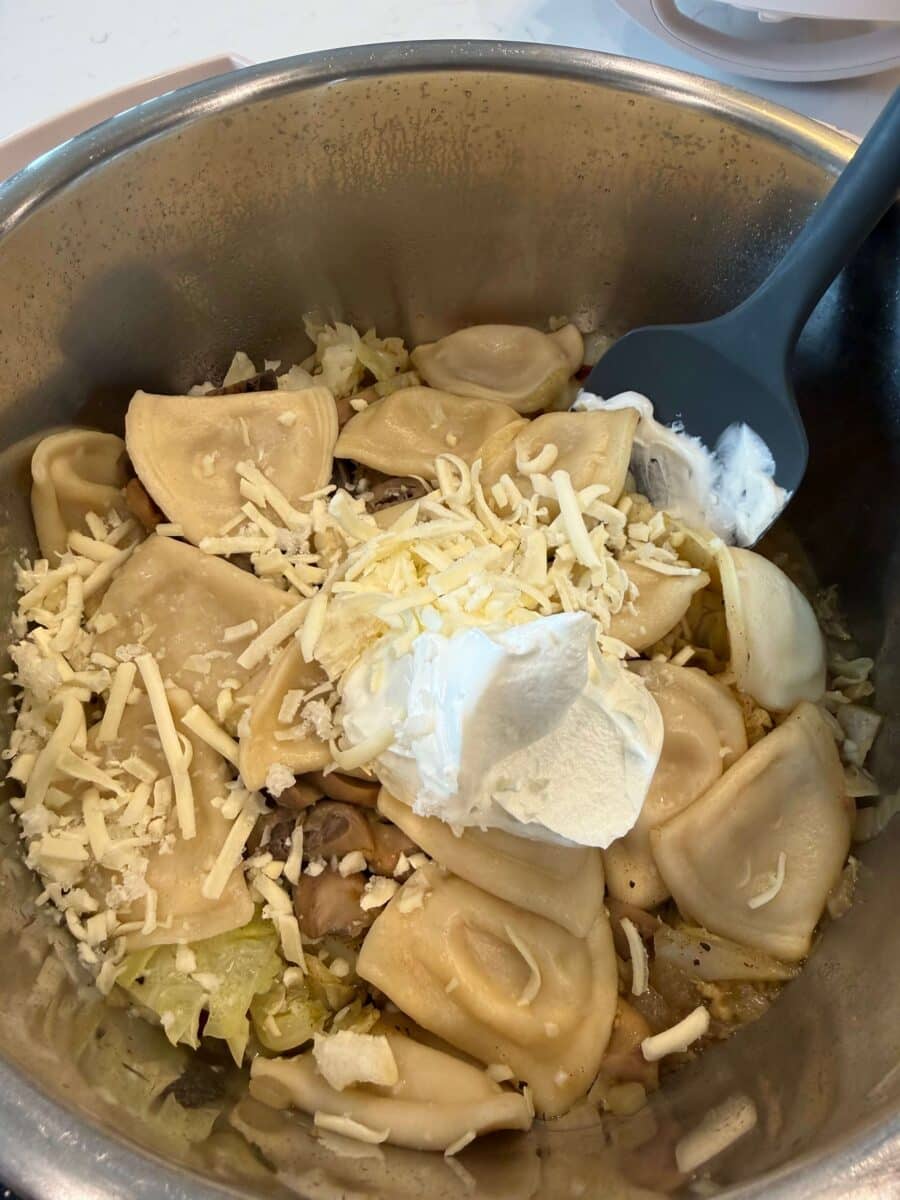
The subsequent layering is strategic. The cabbage, mushrooms, garlic, and a suite of spices (salt, pepper, thyme, and paprika) are added alongside the frozen pierogies. Crucially, the instructions dictate that the mixture should not be stirred. This prevents the starch in the pierogies from settling at the bottom, which could lead to scorching or uneven cooking.
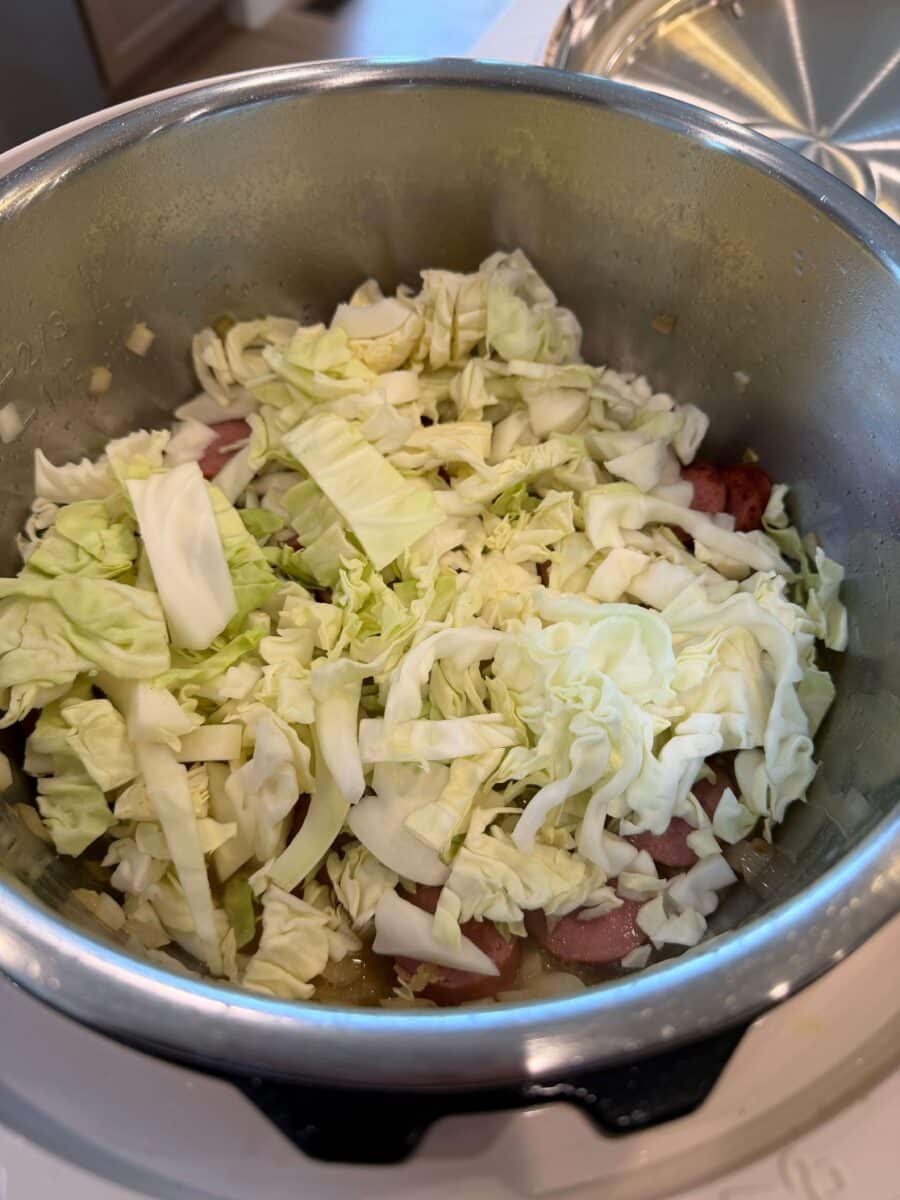
Phase III: High-Pressure Transformation
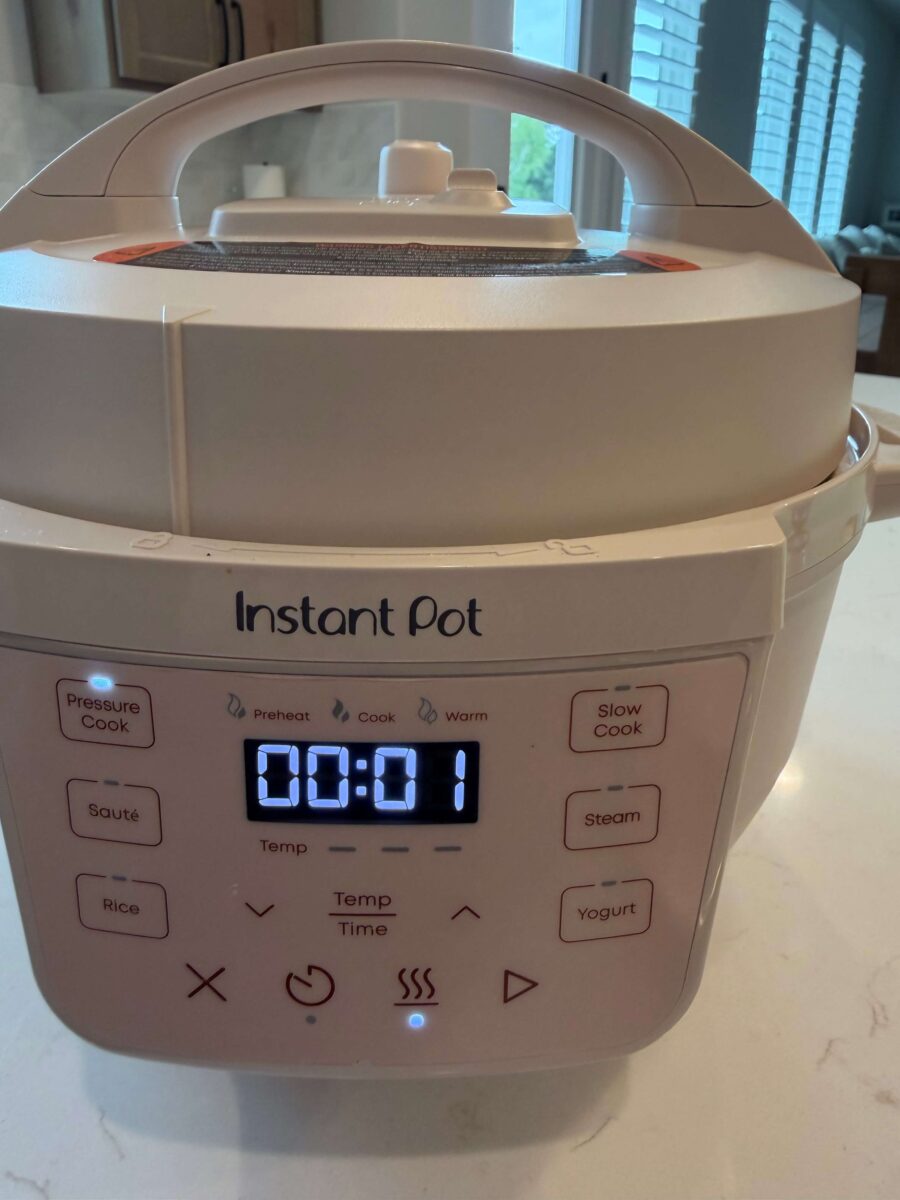
The technical brilliance of the 1-minute pressure cook time lies in the residual heat. While 60 seconds of high pressure sounds insufficient, the time it takes for the pot to come to pressure (often 10 to 15 minutes) and the subsequent 5-minute natural release period provide ample time for the cabbage to soften and the frozen pierogies to cook through. During this window, the cabbage undergoes a structural change, losing its fibrous crunch and adopting a texture frequently described as "noodle-like."
Phase IV: Emulsification and Finishing
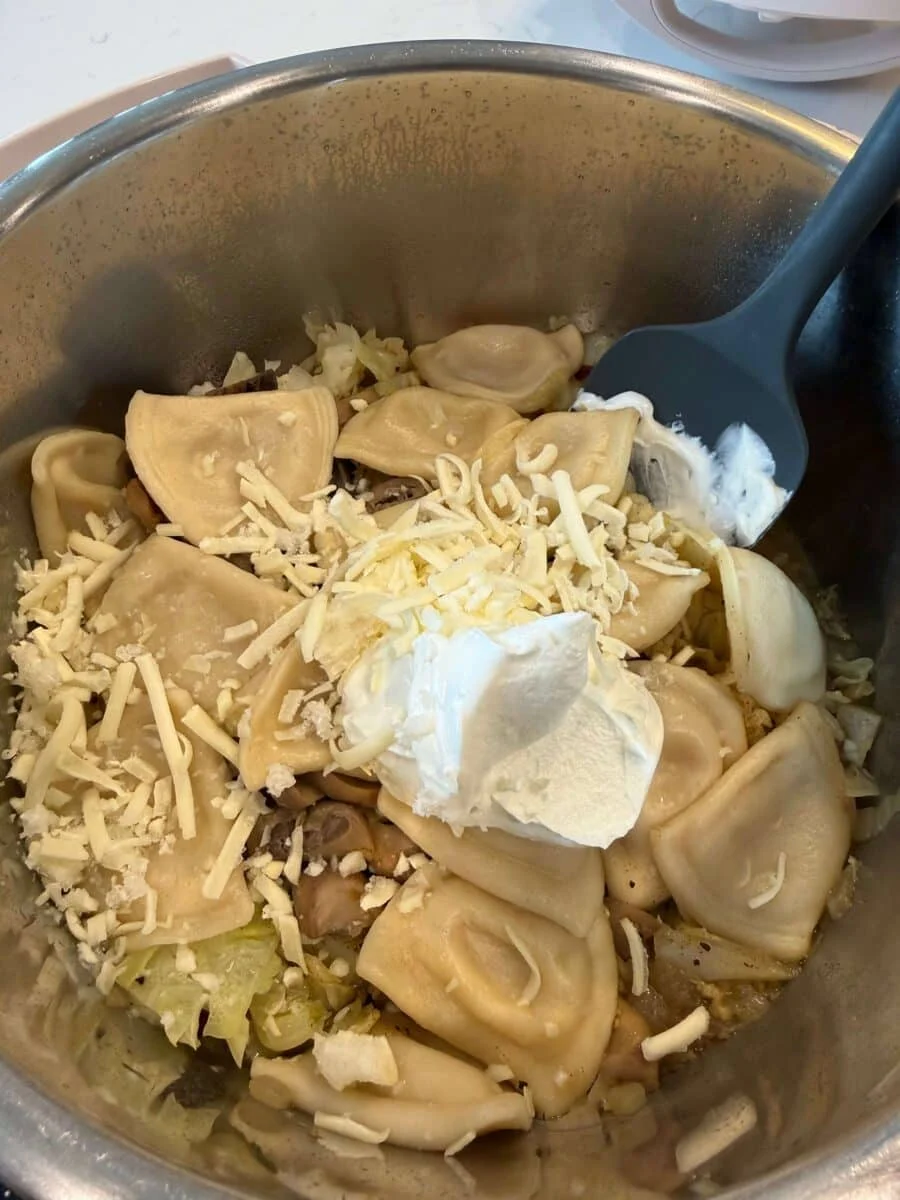
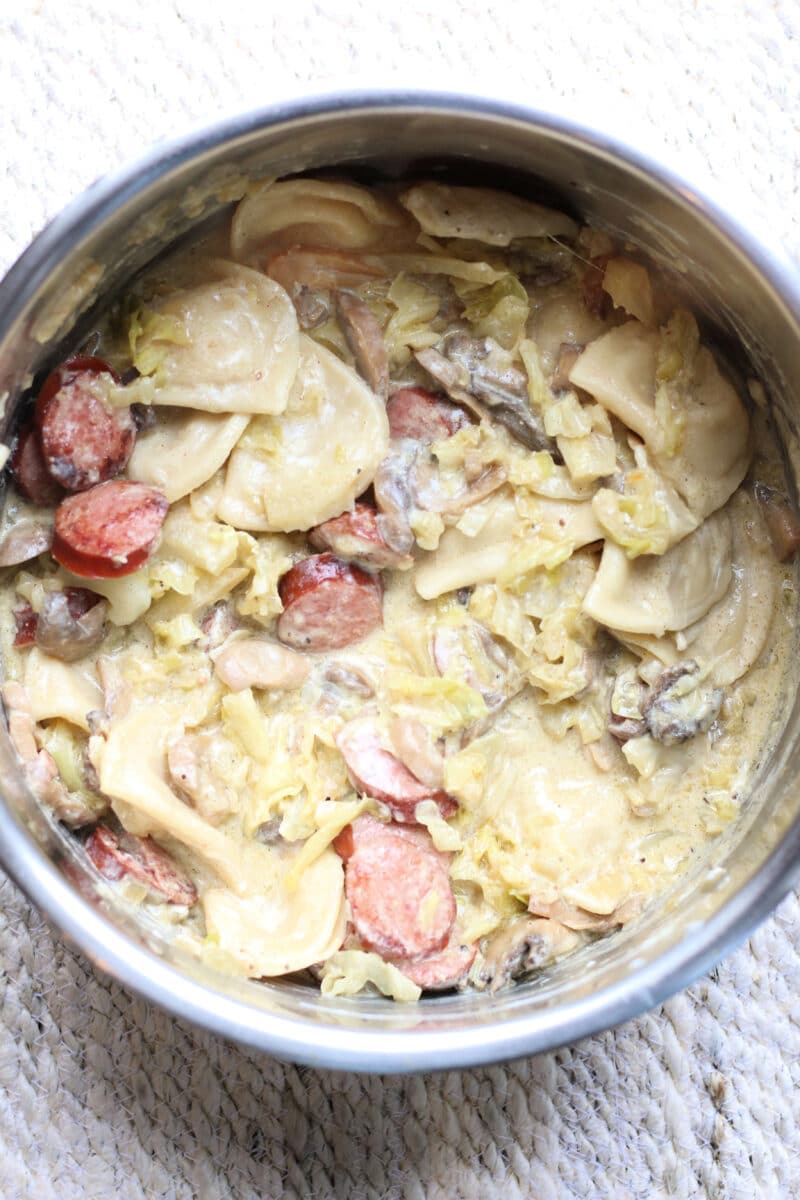
The final stage involves the integration of dairy components—sour cream, parmesan, and mozzarella. This step transforms the thin cooking liquid into a rich, cohesive sauce. The residual heat of the cooked vegetables and pasta is sufficient to melt the cheeses and temper the sour cream, ensuring a smooth finish without curdling.
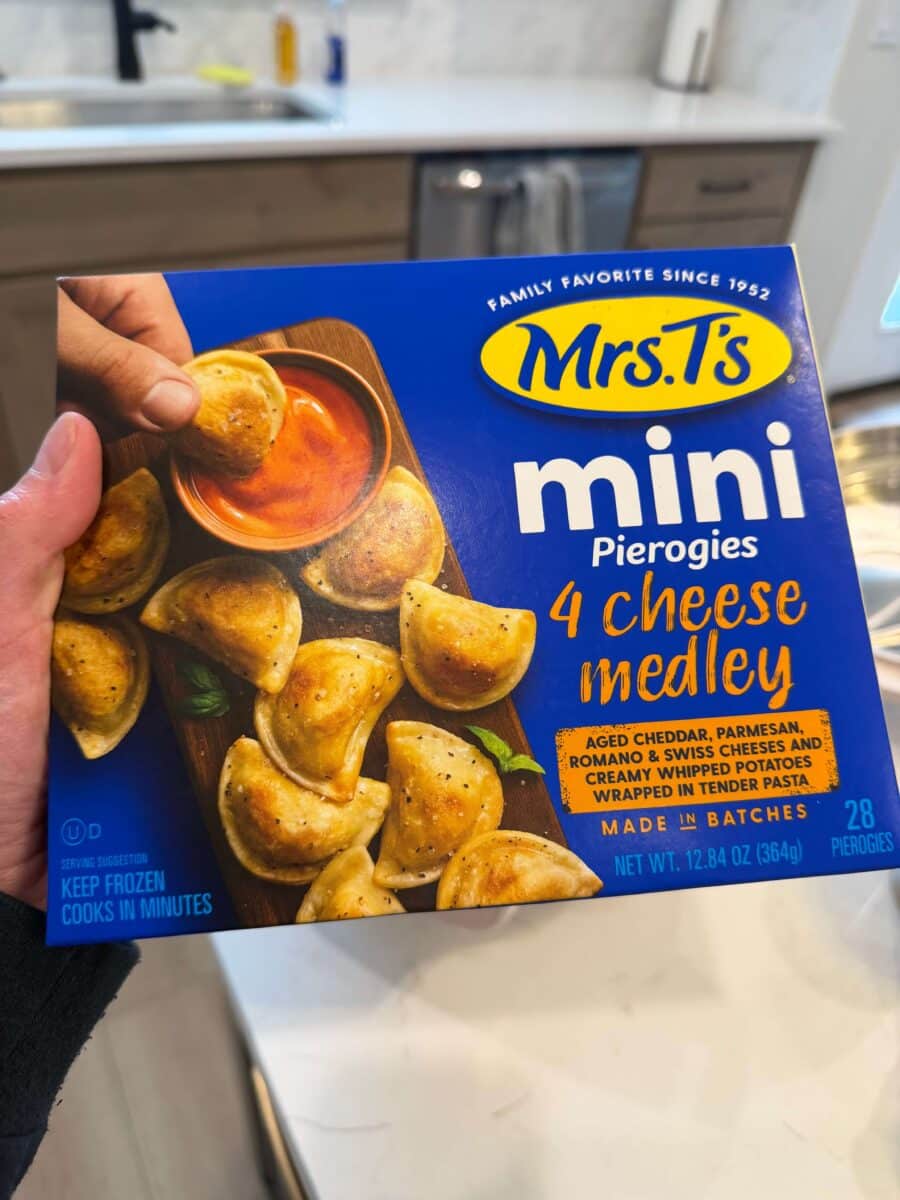
Supporting Data: The Rise of the Multi-Cooker Market
The popularity of recipes like the Pierogi Cabbage Casserole is supported by significant market data regarding kitchen appliance sales. According to market research reports, the global multi-cooker market was valued at approximately $720 million in 2020 and is projected to reach over $1.2 billion by 2026. This growth is driven by a 15.4% compound annual growth rate (CAGR) in the North American sector alone.
Data indicates that the primary demographic for these appliances consists of "time-poor" households—families where all adults work full-time but still desire home-cooked, nutrient-dense meals. The Pierogi Cabbage Casserole fits perfectly into this niche, offering a "full meal in one pot" that includes protein (sausage), vegetables (cabbage and mushrooms), and starch (pierogies).
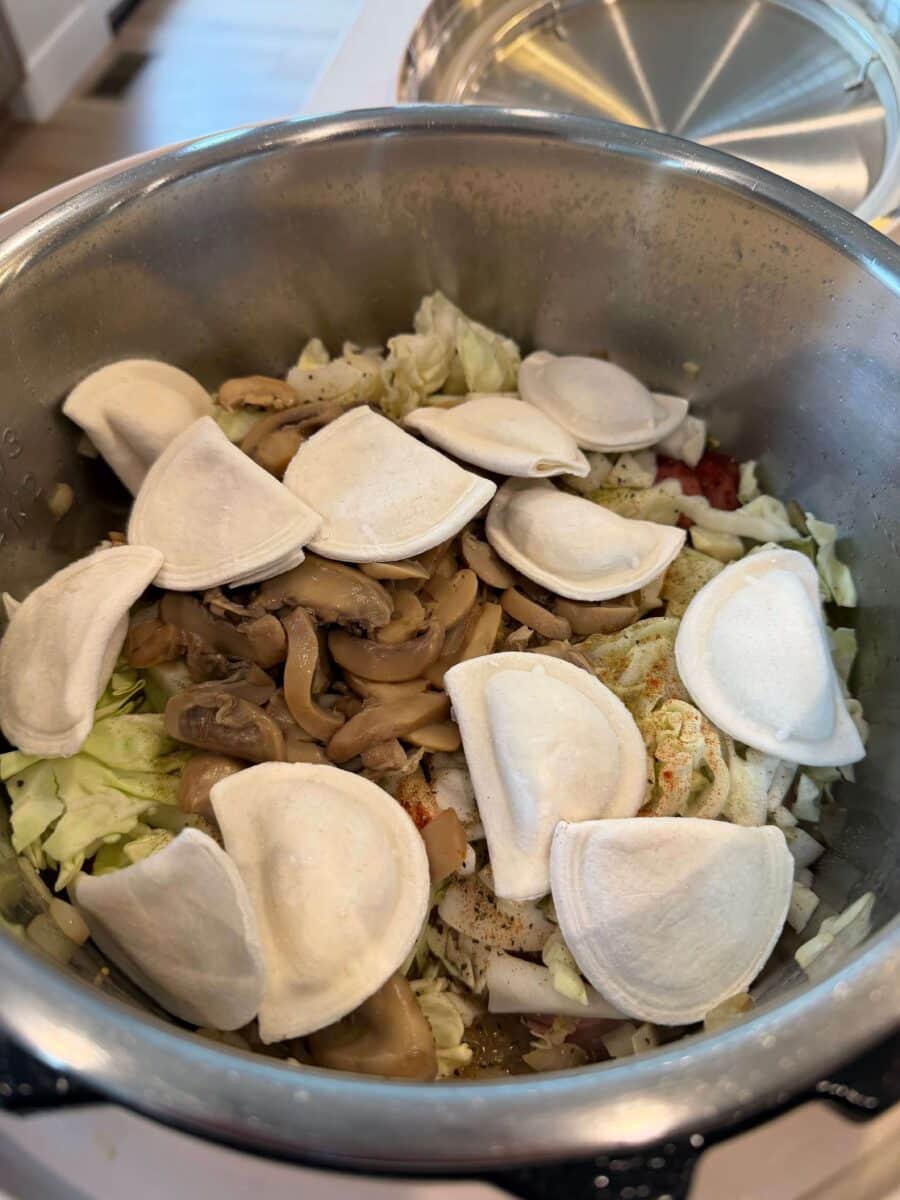
Furthermore, the use of frozen pierogies reflects a shift in consumer behavior toward "semi-homemade" cooking. Frozen food sales saw a 21% increase in 2020 and have remained elevated as consumers recognize the quality and convenience of flash-frozen staples. By using frozen pierogies as a component rather than a standalone dish, home cooks can achieve a gourmet result with significantly reduced prep time.
Nutritional Profile and Economic Impact
From a nutritional standpoint, the Pierogi Cabbage Casserole offers a balanced profile, though it is high in sodium due to the processed nature of smoked sausage and frozen dumplings. Cabbage, however, contributes significant amounts of Vitamin K and dietary fiber. One cup of cooked cabbage provides nearly 90% of the daily recommended intake of Vitamin K, which is essential for bone health and blood clotting.
Economically, the dish is highly cost-effective. Cabbage remains one of the most affordable vegetables per pound in the United States and Europe. When paired with frozen pierogies—which are often sold in bulk—and a single link of smoked sausage, the cost per serving is estimated to be between $1.50 and $2.25. This makes the casserole an attractive option for households facing inflationary pressures on grocery budgets.
Reactions from the Culinary Community
While purists may argue that a casserole devalues the artistry of the hand-folded pierogi, modern culinary influencers and home economics experts have largely embraced the concept. "The goal of modern home cooking isn’t always to replicate the labor of our ancestors, but to preserve their flavors in a way that fits our current lives," says one culinary analyst.
Feedback from home cooks who have integrated this recipe into their weekly rotations frequently cites the "noodle-like" quality of the cabbage as a highlight. Many report that children who typically avoid cabbage are more likely to consume it when it is presented in a cheesy, creamy context alongside familiar items like potatoes and sausage.
Broader Implications for Home Gastronomy
The emergence of the Pierogi Cabbage Casserole is a microcosm of the "New American Comfort" movement. This movement is characterized by:
- Technological Integration: The reliance on smart appliances to handle the "active" labor of cooking.
- Cultural Fusion: The blending of ethnic ingredients (kielbasa, pierogies) with American-style preparation methods (the casserole).
- Ingredient Substitution: The use of frozen or pre-prepped components to bypass traditional barriers to entry for complex cuisines.
As we look toward the future of domestic dining, it is likely that we will see more "dump and go" recipes that utilize high-pressure steam to mimic the results of long-simmered stews. The Pierogi Cabbage Casserole serves as a blueprint for this evolution, proving that heritage flavors can thrive in a high-speed world.
In conclusion, the Pierogi Cabbage Casserole is more than just a convenient dinner option; it is a testament to the resilience of Eastern European flavors and the ingenuity of the modern home cook. By leveraging the physics of pressure cooking and the cost-effectiveness of humble ingredients like cabbage, this dish provides a warm, nutritious, and economically viable solution for the contemporary family. Whether prepared in an Instant Pot for a quick weeknight meal or allowed to simmer in a slow cooker for a cozy Sunday dinner, it remains a quintessential example of 21st-century comfort food.
