
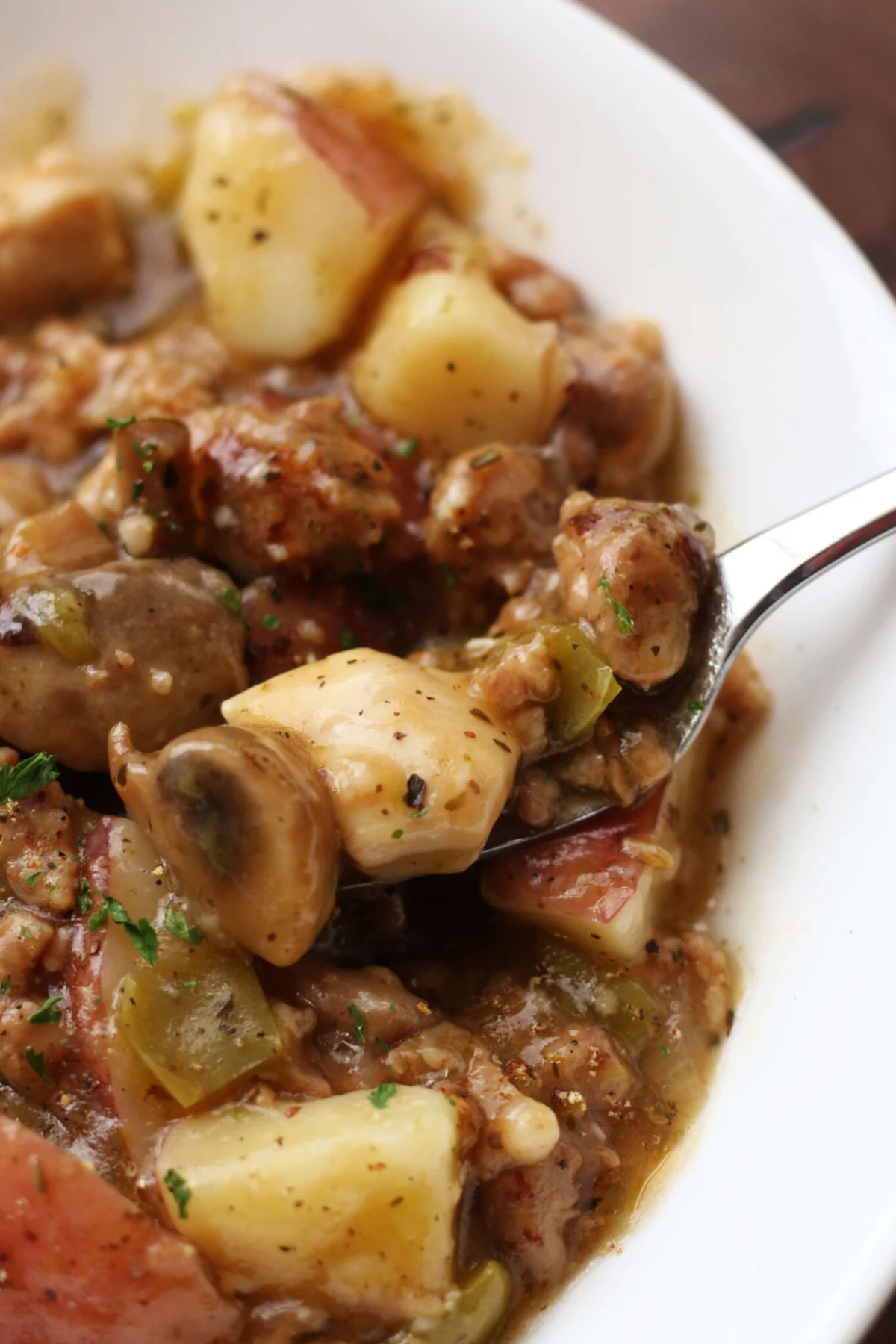
The Anatomy of Modern Slow Cooker Efficiency
The resurgence of slow cooking in the 21st century is largely driven by the demand for "one-pot" solutions. Diana’s Chicken Casserole adheres to this trend by eliminating the prerequisite steps of browning or sautéing, which are often cited as the primary barriers to entry for busy home cooks. By placing all ingredients—including raw poultry, starch, and vegetables—directly into the ceramic vessel, the cook reduces the environmental and temporal footprint of the meal.
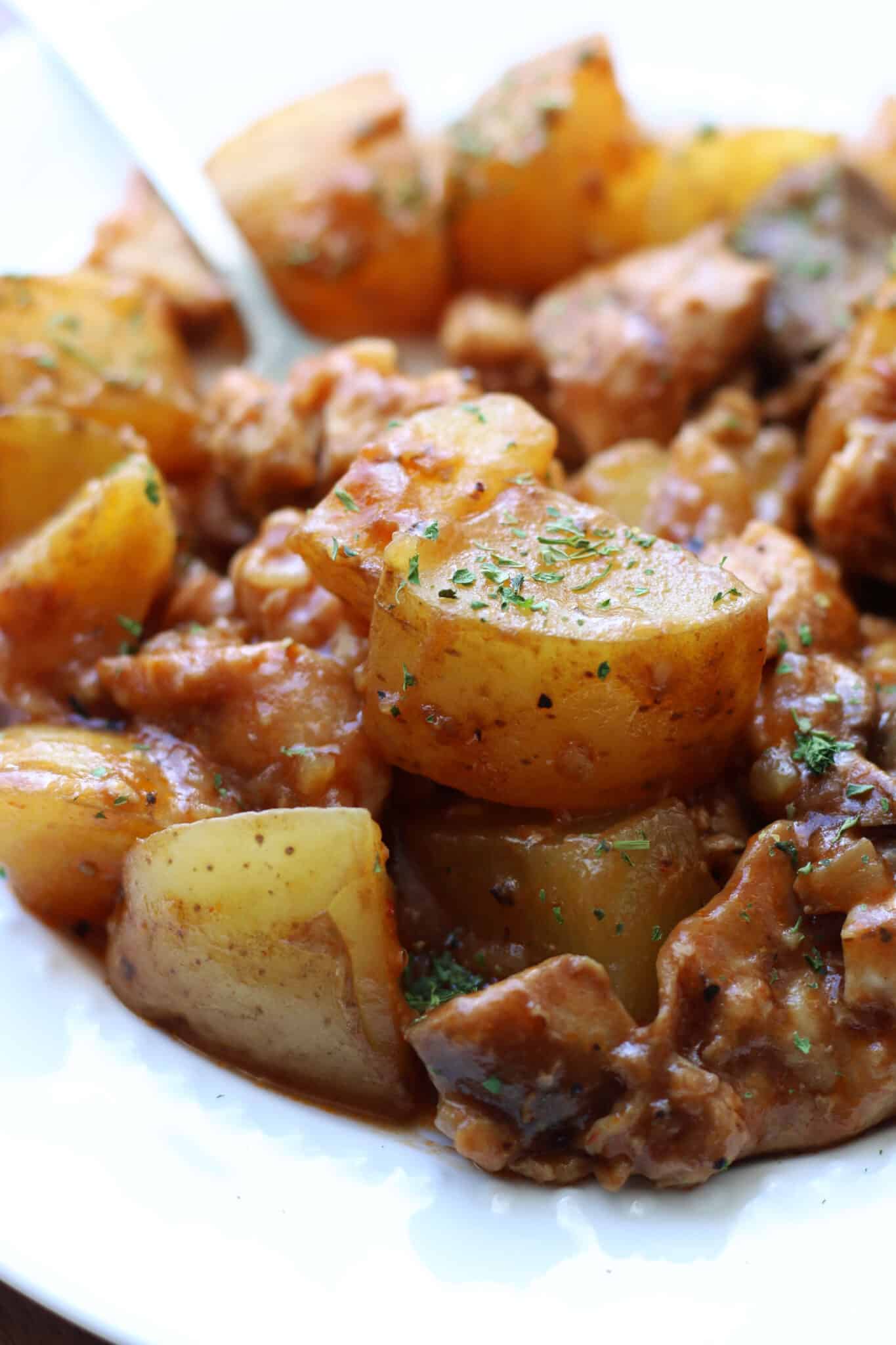
The choice of chicken thighs as the primary protein is a calculated decision based on the physics of slow heat. Unlike chicken breasts, which contain less connective tissue and are prone to desiccation during extended cooking cycles, chicken thighs are rich in myoglobin and collagen. Over the course of a three-hour low-heat cycle, this collagen breaks down into gelatin, providing a natural thickening agent for the sauce and ensuring the meat remains succulent. This technical advantage is a cornerstone of the recipe’s success, allowing for a "set it and forget it" approach that yields professional-grade results.
Historical Context and the Evolution of the Casserole
To understand the significance of Diana’s Chicken Casserole, one must examine the historical trajectory of the casserole and the slow cooker. The term "casserole" originally referred to the dish in which food was cooked, derived from the French word for "saucepan." In the mid-20th century, particularly in North America, casseroles became synonymous with convenience, often relying on canned "cream of" soups as a binding agent.

However, the modern iteration, as seen in this recipe, represents a "clean label" shift. Instead of processed canned goods, the flavor profile is built from pantry staples like tomato paste, garlic, and balsamic vinegar. The introduction of the Crock-Pot in 1971 by Rival Manufacturing revolutionized this space, but it is the contemporary refinement of ingredients—switching from generic white potatoes to waxy Yukon Golds—that marks the current era of slow cooking. Yukon Gold potatoes are specifically selected for their medium starch content, which allows them to maintain their structural integrity during the three-hour simmer, whereas russet potatoes would likely disintegrate into the sauce.
Chronology of Preparation: A Three-Hour Window
The preparation of Diana’s Chicken Casserole follows a strict chronological sequence designed to maximize flavor extraction while minimizing active labor.

- Phase One: Assembly (0 Minutes): The process begins with the integration of mushrooms, diced Yukon gold potatoes, and chicken thighs. These are seasoned with salt, pepper, and minced garlic. The addition of cornstarch at this stage is a critical technical step; it ensures that as the chicken and vegetables release their natural juices (liquors), the liquid is immediately stabilized into a cohesive sauce.
- Phase Two: Flavor Fortification (5 Minutes): The liquid base—comprising water, olive oil, tomato paste, Worcestershire sauce, balsamic vinegar, and "Better Than Bouillon" (a concentrated base)—is stirred in. This mixture creates a high-umami environment. The acidity of the balsamic vinegar acts as a tenderizer for the chicken fibers while balancing the richness of the tomato paste.
- Phase Three: Thermal Processing (3 Hours): The slow cooker is set to "low." During this period, the internal temperature of the vessel slowly rises, allowing for a gentle poaching of the chicken. This slow rise in temperature prevents the proteins from tightening too quickly, which is a common issue with high-heat stovetop cooking.
- Phase Four: Finishing and Emulsification (Final 5 Minutes): Upon completion of the cooking cycle, a heavy cream component is introduced. This final step transforms the broth into a velvety sauce. Optional inclusions, such as frozen peas, are added at this juncture to provide a textural contrast and a burst of color without overcooking the delicate legume.
Nutritional Data and Economic Impact
From an economic perspective, Diana’s Chicken Casserole is a high-yield, low-cost meal. Chicken thighs are consistently priced lower per pound than breasts or tenderloins, making the dish accessible to a broad demographic. Furthermore, the reliance on root vegetables like potatoes and mushrooms provides a high satiety index, reducing the need for expensive side dishes.
Nutritionally, the dish offers a balanced profile of macronutrients. The potatoes provide complex carbohydrates and potassium, while the chicken offers high-quality protein. The inclusion of mushrooms adds a source of Vitamin D and dietary fiber. By controlling the ingredients at home, cooks can also manage sodium levels, a common criticism of store-bought or restaurant-grade casseroles. Data from consumer food reports suggest that meals prepared in slow cookers can save an average family of four up to 30% on their monthly grocery bills compared to the consumption of pre-packaged convenience foods or takeout.

Technical Analysis of Flavor Profiles
The culinary success of this casserole lies in its use of "umami boosters." Umami, the fifth basic taste, is characterized by a savory, meaty flavor. The combination of mushrooms (naturally high in glutamates), tomato paste, and Worcestershire sauce creates a synergistic effect that enhances the natural flavor of the chicken.
The use of balsamic vinegar is particularly noteworthy. While often associated with Italian salads, when heated, the sugars in the vinegar caramelize, and the acetic acid mellows, providing a deep, resonant background note that cuts through the heaviness of the cream. This layering of flavors is what separates a "gourmet" slow cooker recipe from a standard domestic stew.

Expert Perspectives and Industry Response
Culinary experts often highlight the "one-pot" movement as a response to the "time poverty" experienced by modern professionals. According to industry analysts, the global slow cooker market was valued at approximately $1.8 billion in 2022 and is projected to continue growing as remote work persists.
"Recipes like Diana’s Chicken Casserole are essentially ‘software’ for the slow cooker ‘hardware,’" says a leading culinary trend analyst. "The value proposition isn’t just the food itself, but the three hours of reclaimed time it offers the consumer. We are seeing a significant shift toward recipes that utilize high-quality pantry staples—like balsamic vinegar and bouillon concentrates—to replicate the complexity of long-simmered French stews with a fraction of the effort."

Nutritionists have also reacted positively to the "dump-and-go" trend, noting that it encourages home cooking. "When the barrier to entry is low—meaning no pre-searing of meat—people are more likely to cook at home rather than ordering processed food," notes a registered dietitian. "This recipe, in particular, provides a template for a healthy, vegetable-forward meal that is both comforting and nutritionally dense."
Broader Implications for Domestic Efficiency
The rise of recipes like Diana’s Chicken Casserole has broader implications for domestic labor and home management. By simplifying the cooking process to a single stage of assembly, the "mental load" of meal preparation is significantly reduced. This efficiency allows for a more streamlined evening routine, particularly for families with children or demanding careers.

Furthermore, the "leftover potential" of the dish adds to its utility. Because the sauce is cream-based and the potatoes are waxy, the dish maintains its texture and flavor upon reheating, making it an ideal candidate for "meal prepping." This aligns with the growing trend of sustainability and food waste reduction, as the recipe utilizes entire portions of vegetables and meat without leaving scraps.
Conclusion
Diana’s Chicken Casserole is more than a simple home-cooked meal; it is a reflection of the current state of domestic gastronomy. It represents a move away from the highly processed convenience foods of the 20th century toward a more refined, ingredient-focused approach to efficiency. By leveraging the physics of the slow cooker and the chemistry of umami-rich ingredients, the recipe provides a blueprint for modern dining: high-quality, nutritionally balanced, and economically viable. As the "one-pot" trend continues to dominate the culinary landscape, the principles found in this dish—structural integrity of ingredients, flavor layering, and labor reduction—will likely remain the standard for home cooks worldwide.
