
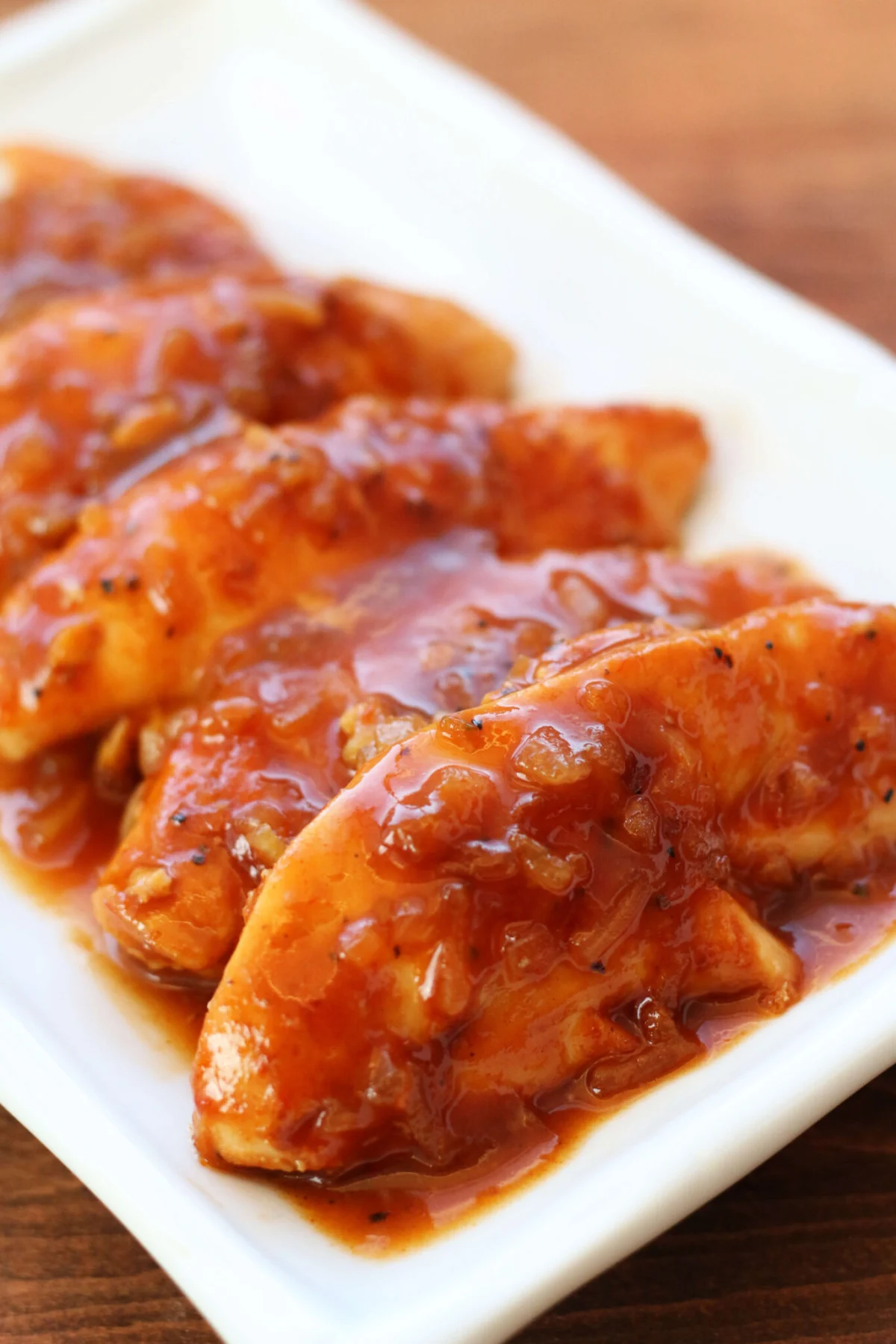
The culinary landscape of domestic meal preparation has undergone a significant transformation in the 21st century, moving away from labor-intensive traditional methods toward streamlined, efficiency-focused techniques that do not compromise on flavor profile. Central to this evolution is the "Chicken Madison," a dish that epitomizes the "dump and go" slow cooker movement. By utilizing a sophisticated combination of chicken thighs, mushrooms, whole garlic cloves, artichokes, and sun-dried tomato pesto, this recipe represents a departure from the mid-century reliance on condensed cream soups, opting instead for a profile rooted in Mediterranean-inspired aromatics and modern convenience.
The Structural Composition of Chicken Madison
The Chicken Madison is defined by its architectural simplicity and its reliance on high-impact ingredients that undergo chemical transformation during the slow-cooking process. The primary protein source, chicken thighs, is preferred by culinary experts for this method due to its higher fat content and connective tissue compared to breast meat. During a three-to-four-hour braising period on low heat, the collagen in the thighs breaks down, resulting in a tender texture that remains moist despite the extended exposure to heat.
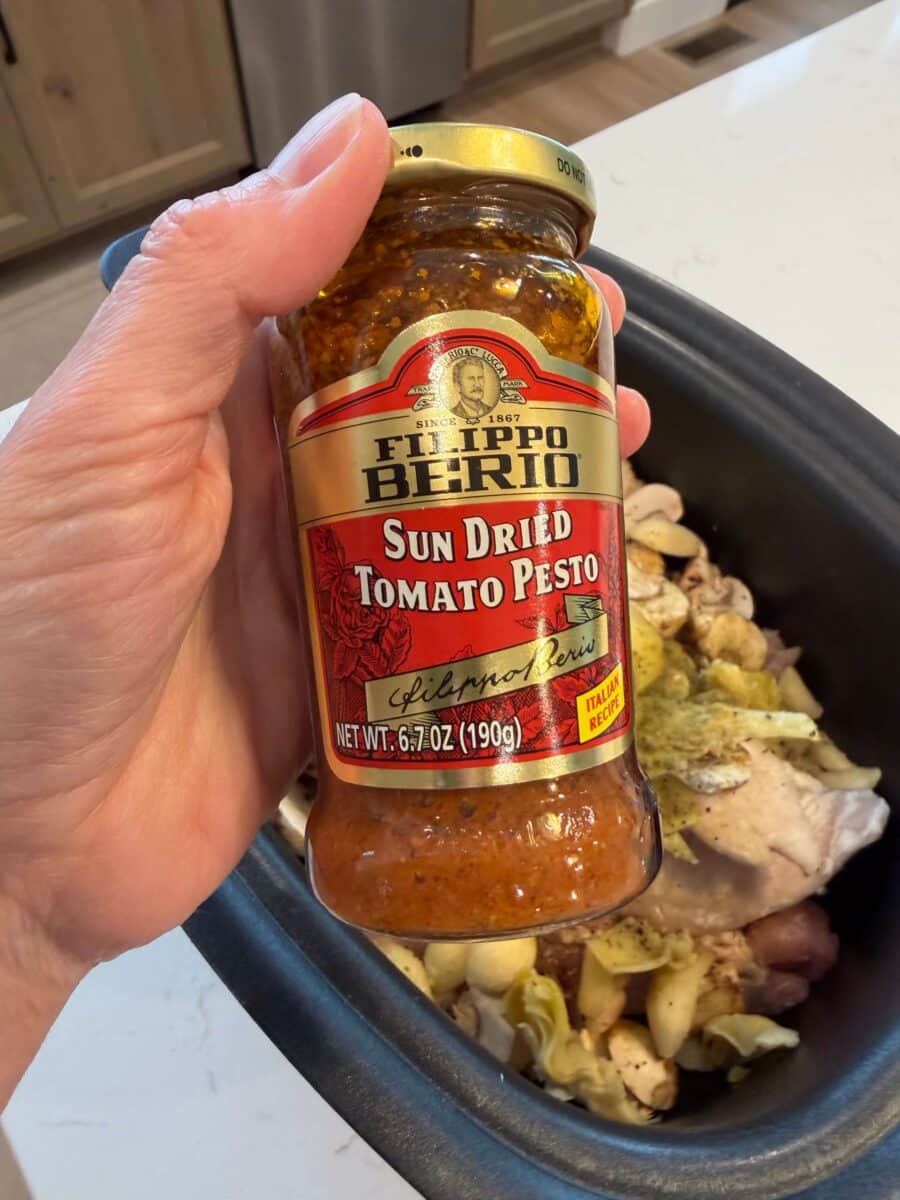
Complementing the protein are mushrooms and artichokes, which provide earthy undertones and textural contrast. However, the true "signature" of the dish lies in two specific components: whole peeled garlic cloves and sun-dried tomato pesto. In a traditional quick-sauteed dish, whole garlic cloves might remain pungent and sharp. In the slow cooker environment of the Chicken Madison, these cloves undergo a process similar to confit, where the harsh sulfurous compounds are tempered by the low, consistent heat, resulting in a mellow, sweet, and buttery consistency. The sun-dried tomato pesto acts as a concentrated flavor base, providing the necessary acidity, salt, and umami that would typically require hours of reduction in a standard kitchen setting.
The Evolution of "Dump and Go" Culinary Techniques
To understand the rise of dishes like Chicken Madison, one must examine the chronology of the slow cooker’s integration into the global household. The slow cooker, popularized under the brand name "Crock-Pot" in the early 1970s, was initially marketed to working women as a tool for economic and temporal liberation. Early iterations of slow cooker recipes often relied heavily on processed canned goods, such as "cream of mushroom" or "cream of chicken" soups, to provide the necessary moisture and thickening agents.
The modern "dump and go" era, of which Chicken Madison is a prime example, represents the third wave of this technology’s usage. The first wave focused on utility and basic stews; the second wave saw a rise in "slow-cooked" versions of classic comfort foods. The current third wave is characterized by "cleaner" ingredient lists and a "restaurant-style" finish. By removing canned thickeners and replacing them with vibrant condiments like pesto, home cooks are achieving a sophisticated depth of flavor that aligns with contemporary health and gourmet standards.
Chronology of Preparation and Service
The procedural timeline for Chicken Madison is designed to accommodate the schedules of modern professionals or families. The preparation phase is minimal, often taking less than ten minutes.
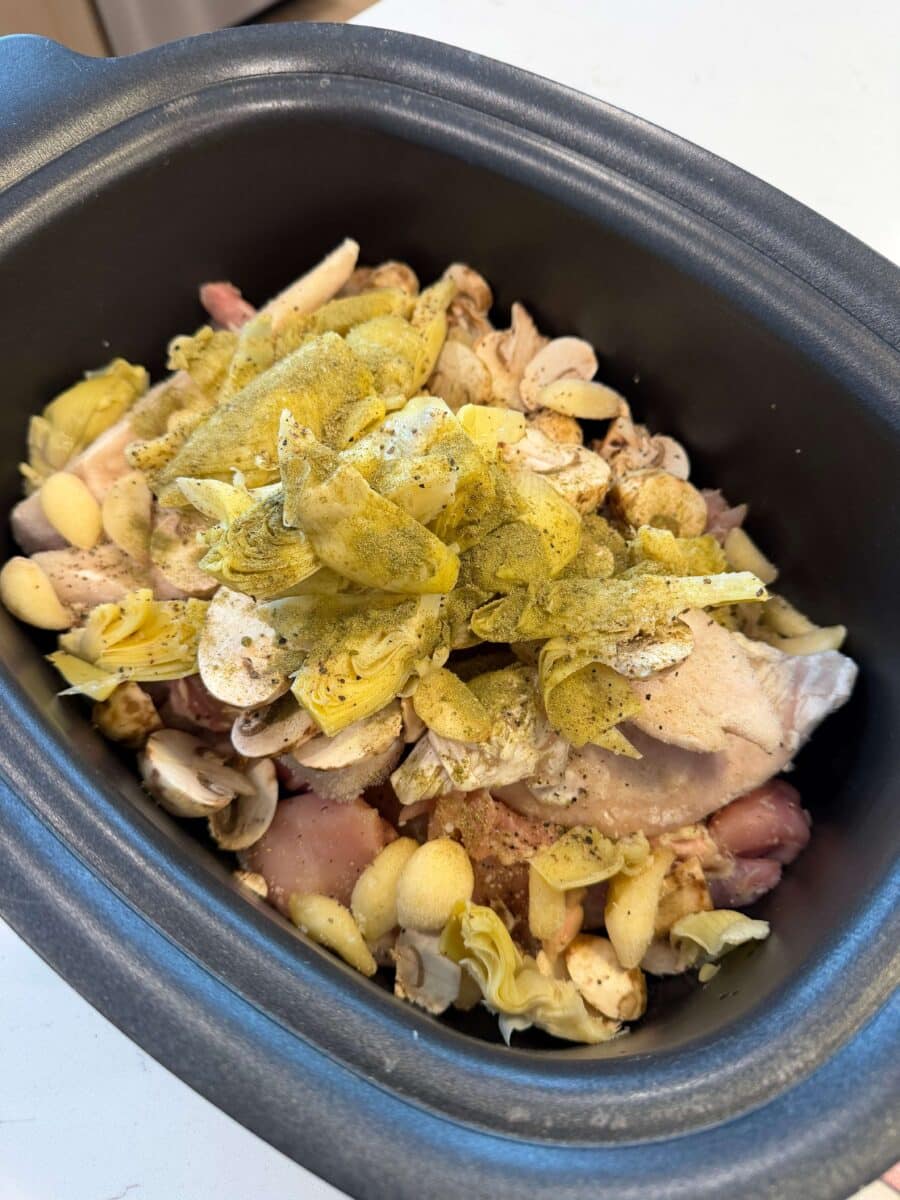
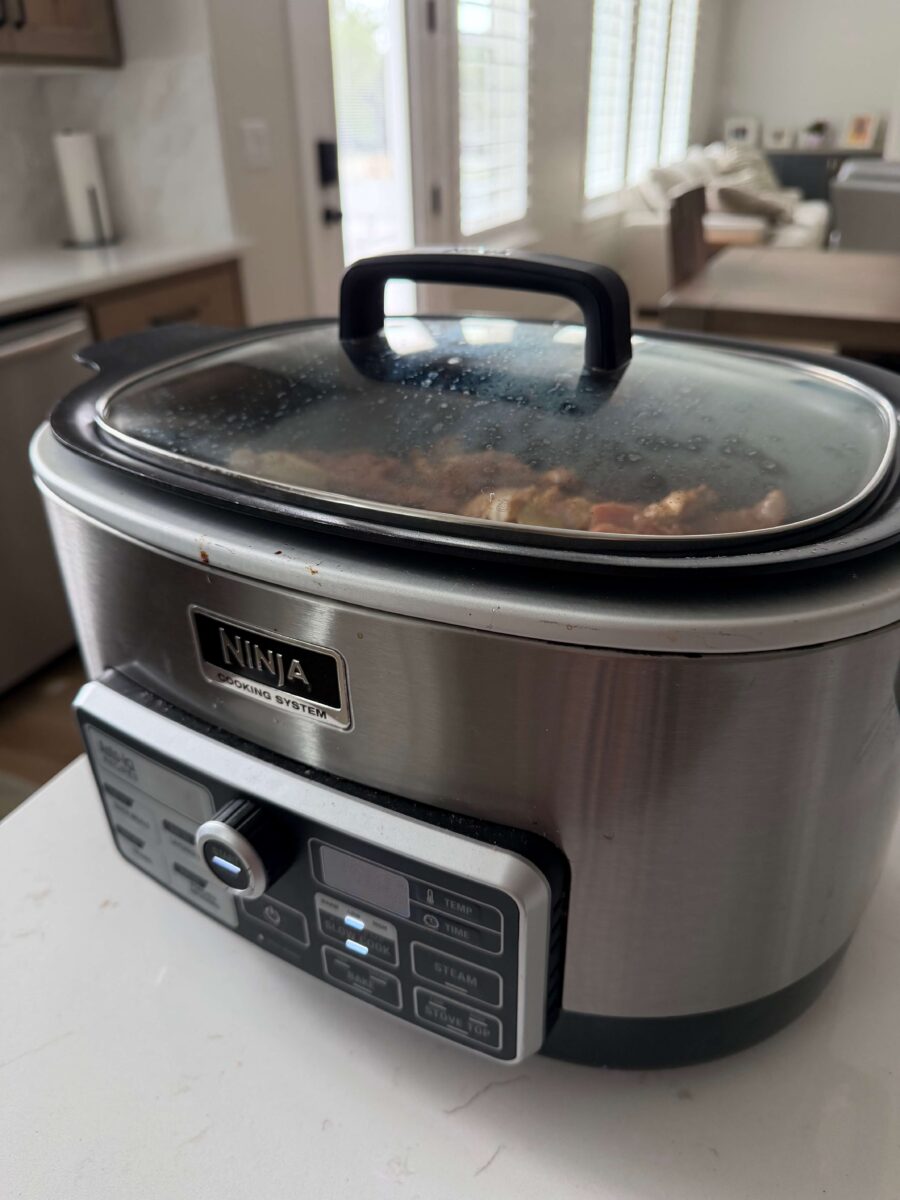
- Phase One: Preparation (0-10 Minutes): The cook utilizes kitchen shears to segment chicken thighs into uniform pieces, increasing the surface area for sauce absorption. These are placed directly into the ceramic basin of the slow cooker.
- Phase Two: Integration: The remaining ingredients—mushrooms, whole garlic cloves, artichokes, and the sun-dried tomato pesto—are added. Unlike traditional French braising, which requires searing the meat and deglazing the pan, the "dump and go" method bypasses these steps, relying on the long cooking window to develop complex flavors.
- Phase Three: The Thermal Cycle (3-4 Hours): The device is set to "low." During this period, the moisture from the mushrooms and the oils from the pesto create a self-basting environment. The internal temperature of the chicken stabilizes, ensuring food safety while maintaining cellular integrity.
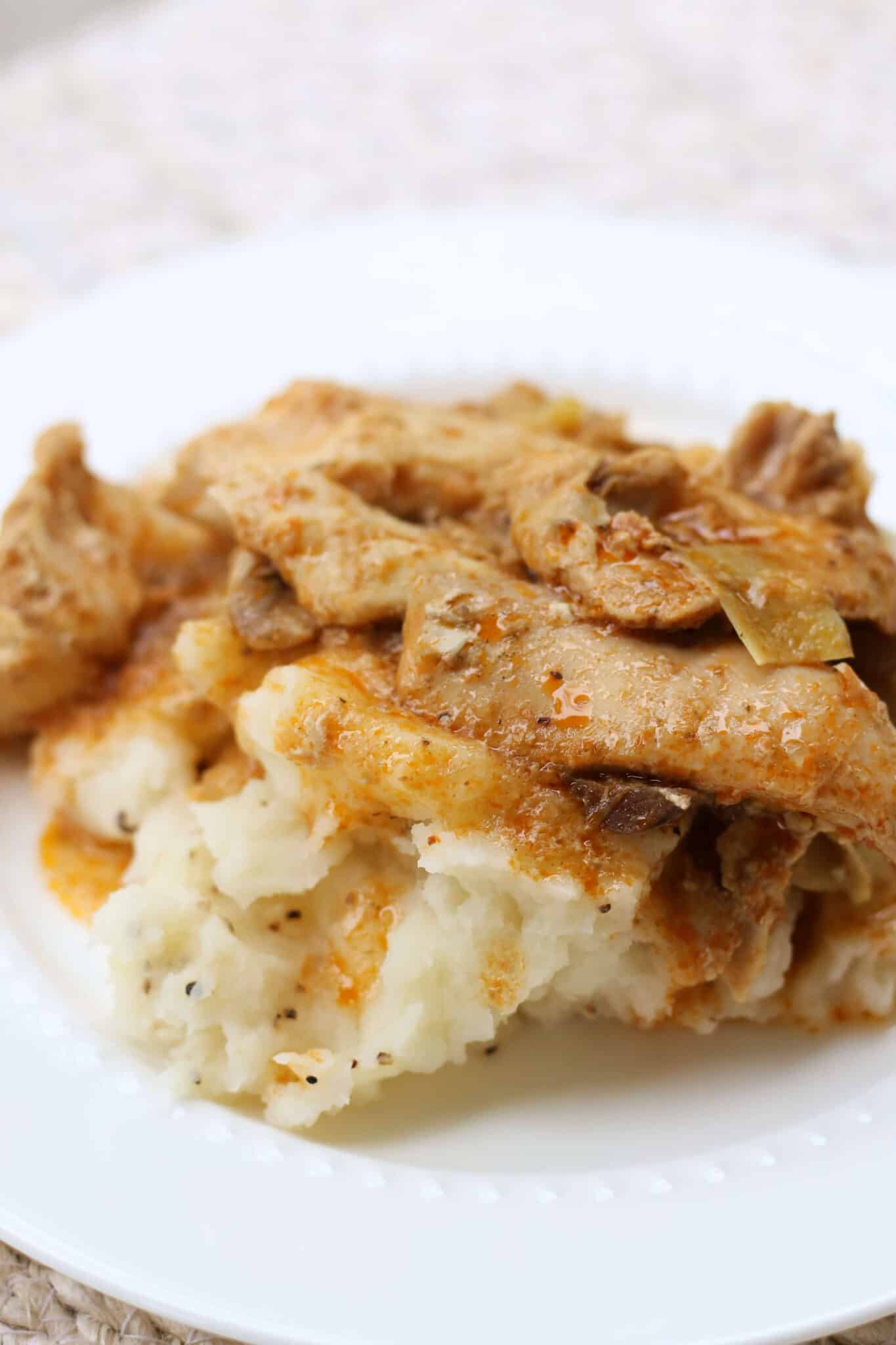
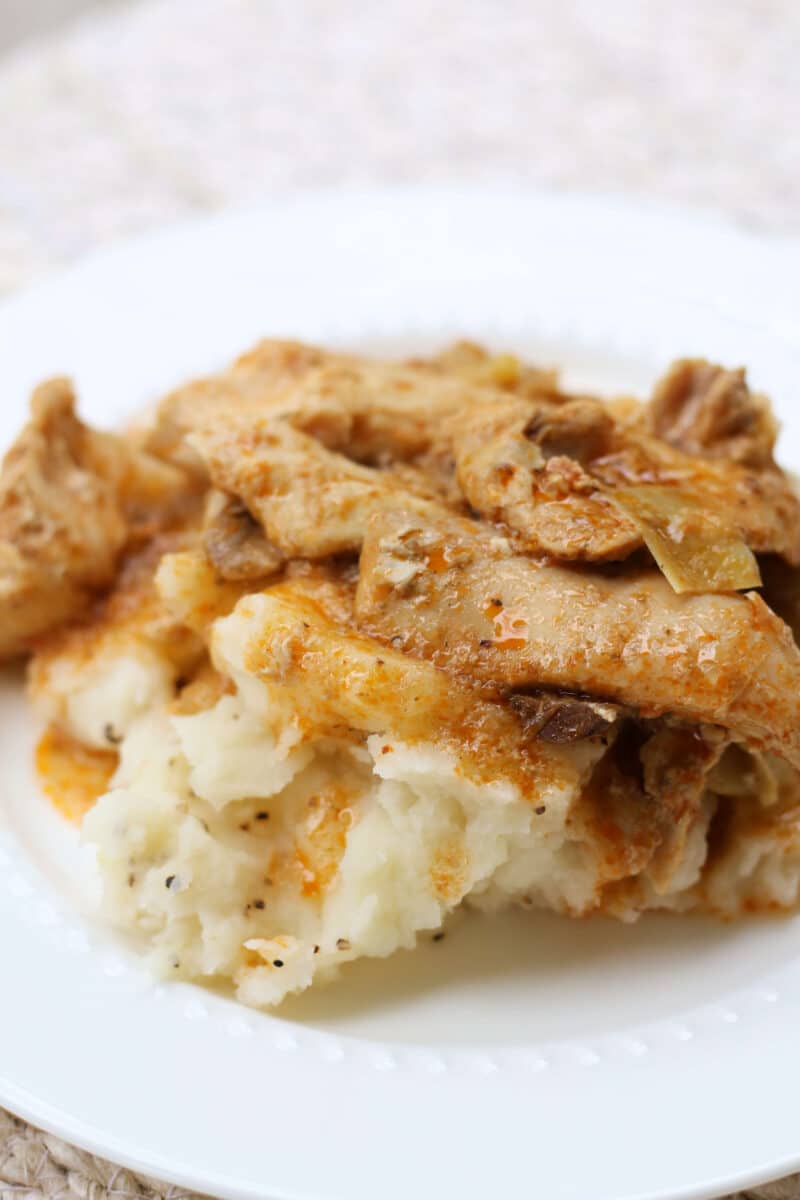
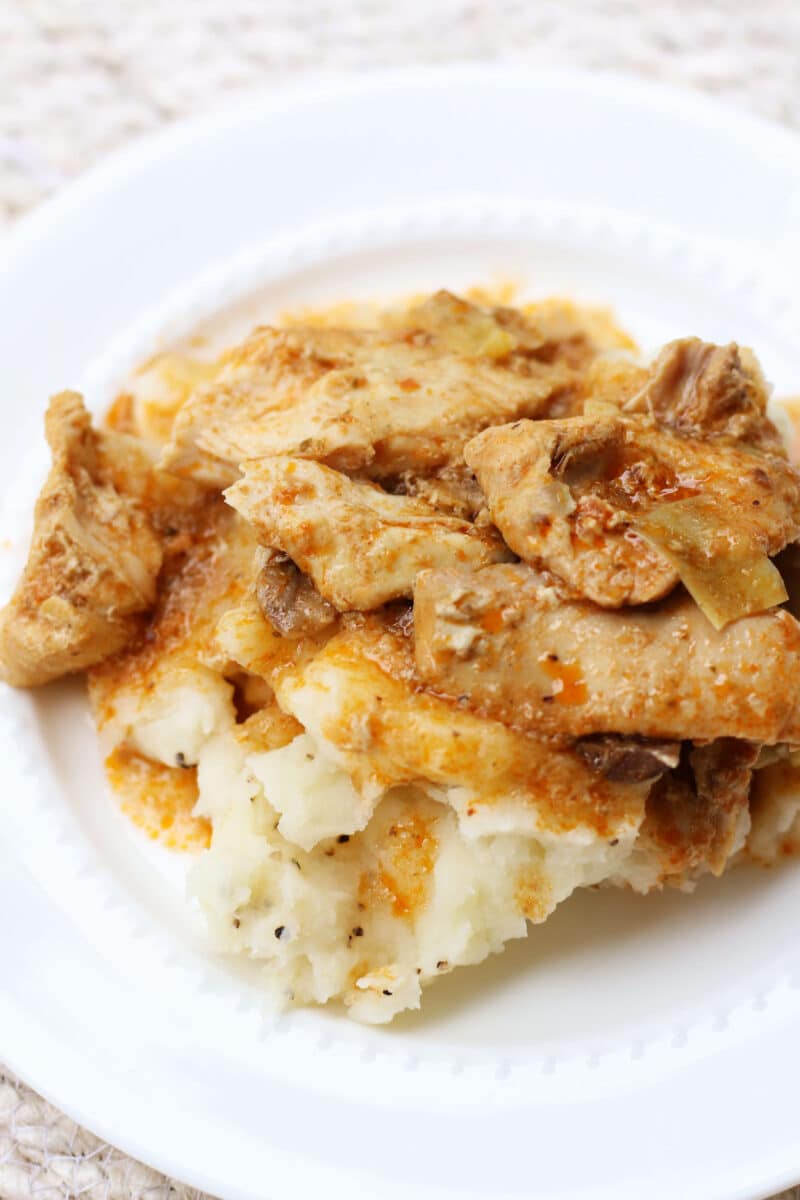
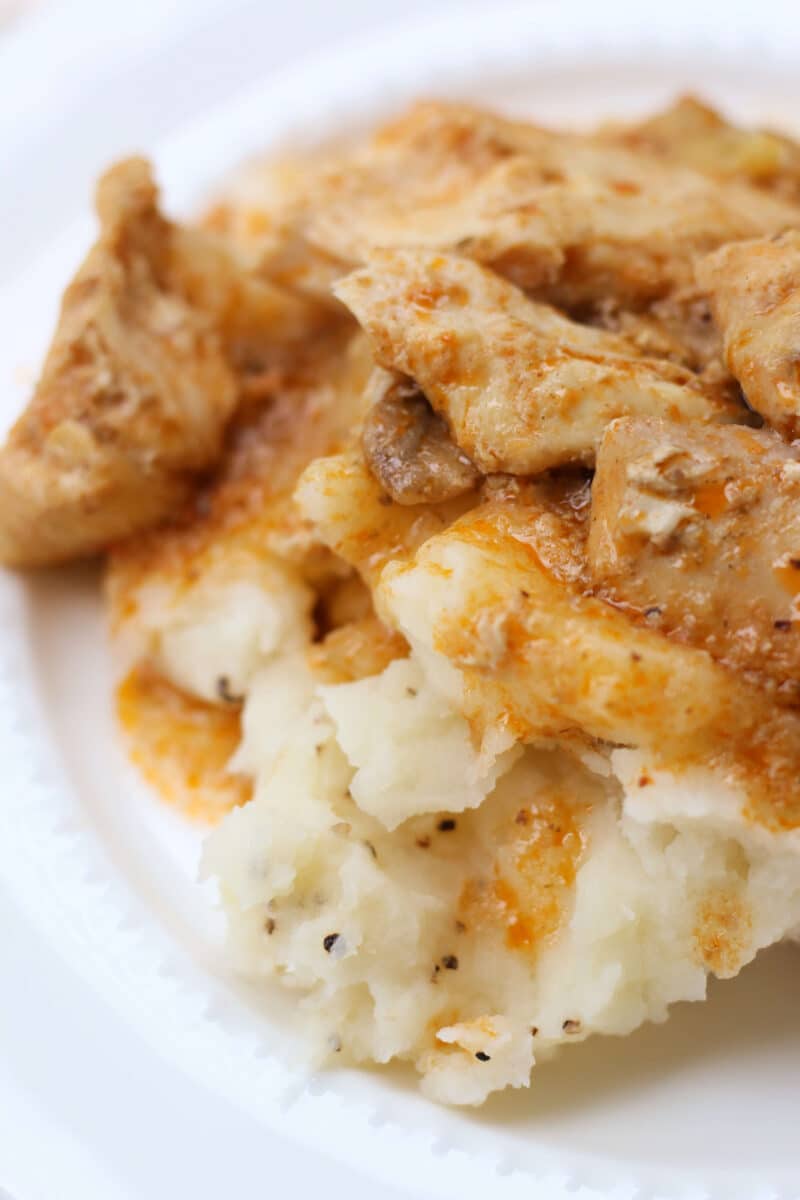
- Phase Four: Finalization and Service: Upon completion, the mixture is stirred to incorporate the softened garlic and pesto into a cohesive sauce. The dish is traditionally served over a base of mashed potatoes, which serves as an absorbent vessel for the savory, pesto-infused juices.
Supporting Data and Market Trends
The popularity of recipes such as Chicken Madison is supported by significant market data regarding the kitchen appliance industry and digital content consumption. According to market research reports, the global slow cooker market was valued at approximately $400 million in 2022 and is projected to continue growing as consumers seek cost-effective ways to prepare meals at home amid rising inflation.
Furthermore, the "digital recipe economy" has seen a surge in "one-pot" and "slow cooker" search queries. Data from major search engines indicates that during the autumn and winter months, searches for "easy slow cooker chicken recipes" increase by nearly 150% compared to summer months. This suggests that the Chicken Madison is part of a seasonal shift in consumer behavior where "comfort" and "convenience" are the primary drivers of meal selection.
The shift toward "cleaner" labels in slow cooking is also reflected in consumer buying habits. Sales of specialty pestos and jarred artichoke hearts have seen steady growth in the "premium pantry" segment of grocery stores, as home cooks look for ways to upgrade basic proteins without needing professional culinary training.
Official Responses and Expert Analysis
Culinary analysts suggest that the success of the Chicken Madison lies in its psychological appeal as much as its flavor. "There is a significant reduction in ‘decision fatigue’ when a recipe requires zero pre-cooking steps," says a leading food industry consultant. "When a consumer can move directly from the grocery bag to the slow cooker, the barrier to entry for home cooking is lowered, leading to a more consistent habit of eating at home rather than ordering out."
Nutritionists also note that the inclusion of whole garlic and artichokes adds a layer of micronutrients and prebiotic fiber that was often missing from the salt-heavy slow cooker recipes of the 1980s. The ability to control the quality of the chicken and the sodium content of the pesto allows for a more personalized approach to dietary health.
Broader Impact and Implications for Modern Dining
The Chicken Madison is more than just a meal; it is a symptom of a broader shift in how social gatherings are conducted. The creator of the recipe notes its utility for "Sunday dinner" scenarios, where hosts can attend social or religious services and return to a fully prepared meal. This "passive cooking" allows for a revival of the traditional dinner party, as the host is not confined to the kitchen while guests are present.
This dish also sits within a larger ecosystem of creatively named chicken recipes that have gained viral traction on digital platforms. Similar entries such as "Old Lady on a Bus Chicken," "Kentucky Wildcat Chicken," and "Dilly Dally Chicken" demonstrate a trend in the digital food space where whimsical naming conventions are used to build brand identity and improve search engine optimization (SEO). These titles create a sense of community and storytelling around mundane tasks like weeknight cooking.
The implications for the food industry are clear: there is a high demand for "semi-homemade" solutions that bridge the gap between a frozen meal and a three-hour stovetop session. Products that can serve as "flavor shortcuts"—such as the sun-dried tomato pesto used in this recipe—are becoming essential staples for the modern household.
Conclusion: The Future of the Domestic Kitchen
As household dynamics continue to evolve, the reliance on efficient, high-yield recipes like Chicken Madison is expected to increase. The fusion of global flavors (Mediterranean artichokes and Italian pesto) with American convenience (the Crock-Pot) represents a maturation of the domestic palate. In an era where time is a luxury, the ability to produce a "restaurant-style" meal with minimal manual labor is a significant achievement in home economics. The Chicken Madison serves as a blueprint for the future of the slow cooker: sophisticated, healthy, and accessible to all levels of culinary expertise.
