
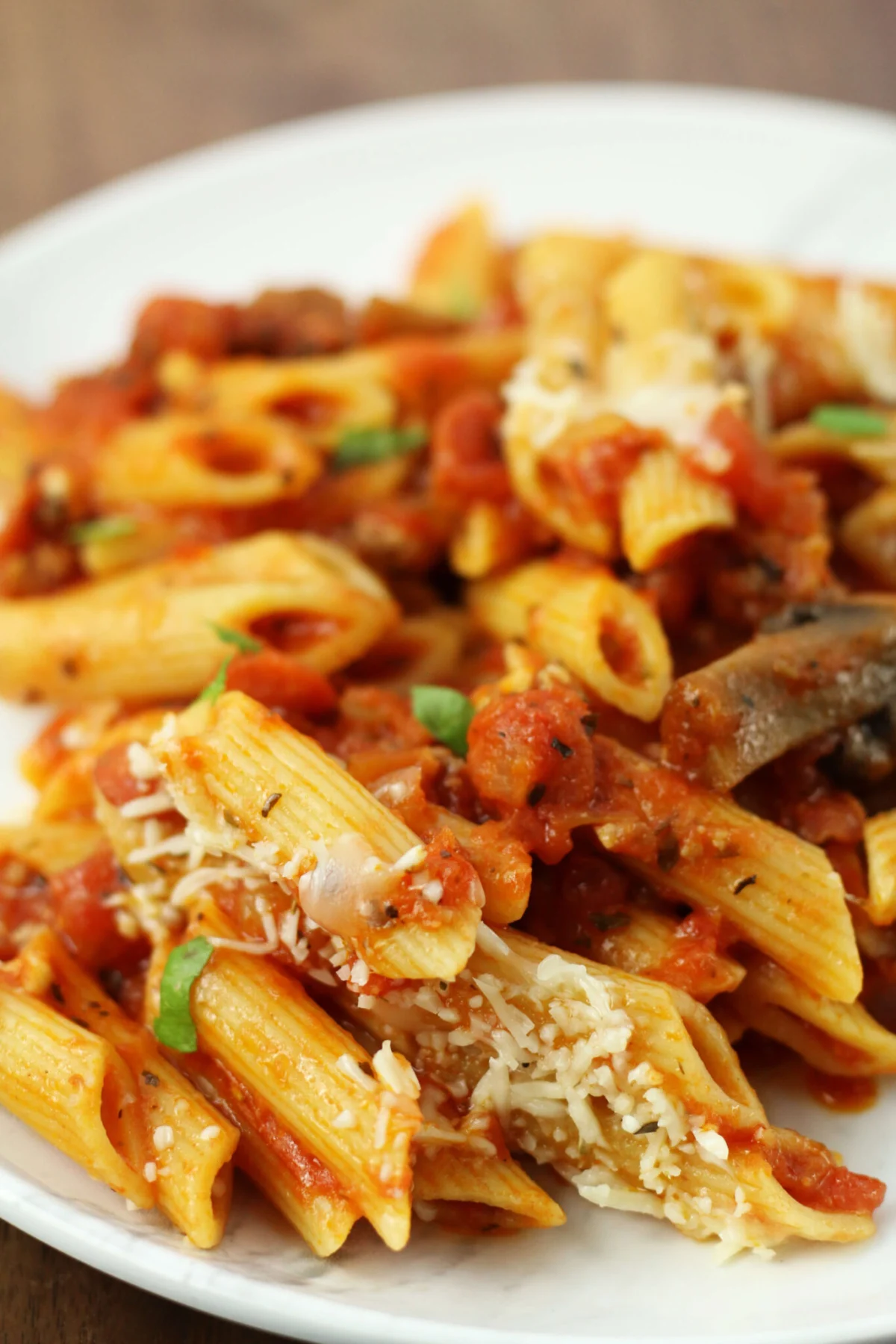
The Evolution of the Modern Casserole
The traditional American casserole has undergone several significant transformations since its rise to prominence in the mid-20th century. Originally popularized as a method for stretching expensive proteins during the Great Depression and World War II, the casserole became a staple of suburban life in the 1950s, often relying on canned "cream of" soups as a binding agent. In the 21st century, however, the genre has been revitalized by the advent of multi-cookers, most notably the Instant Pot, which allows for the consolidation of browning, simmering, and pressure cooking into a single vessel.
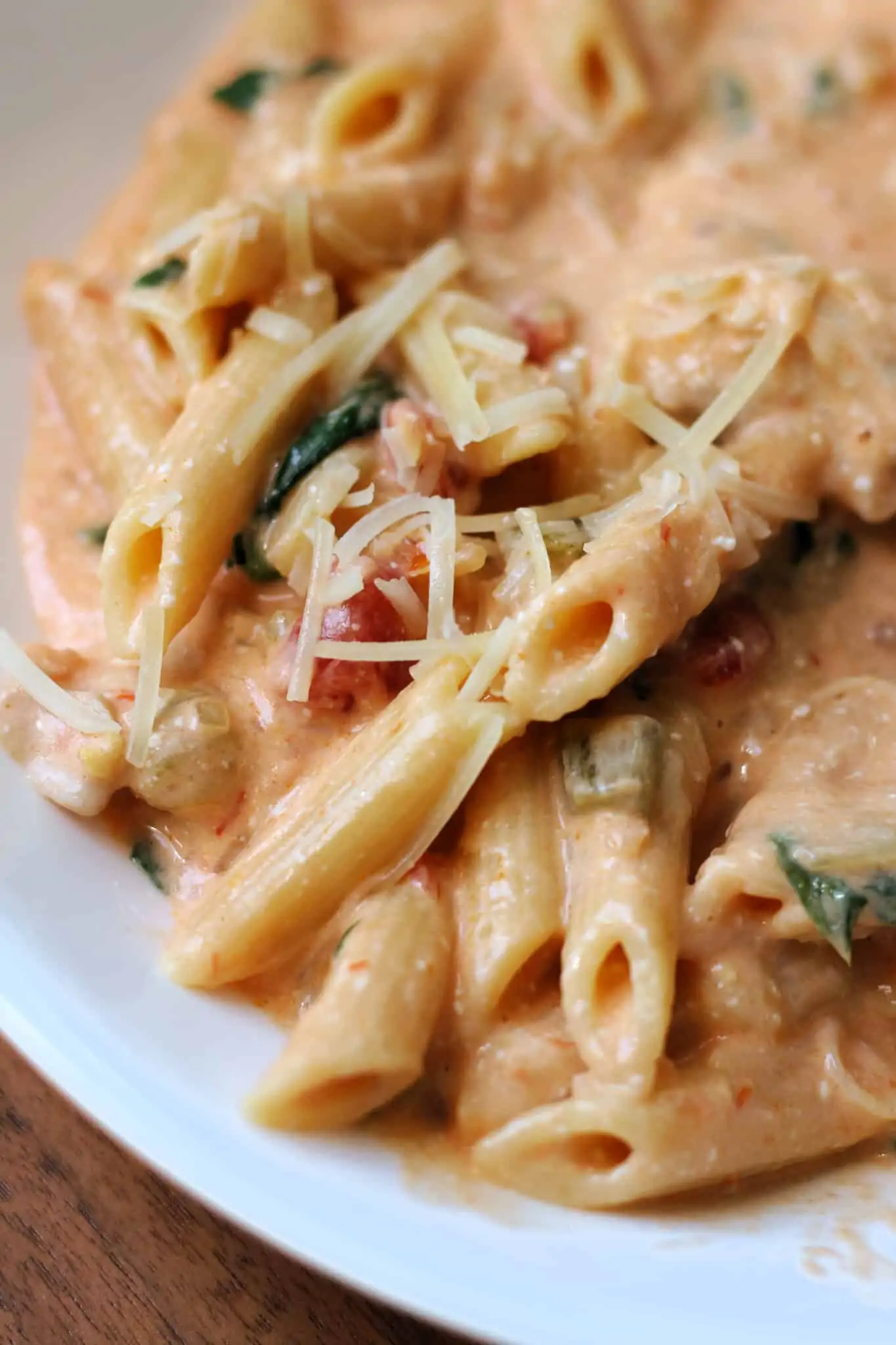
The Attention Span Casserole diverges from its predecessors by prioritizing psychological accessibility. The name itself serves as a meta-commentary on the "attention economy," where the domestic task of cooking must compete with digital distractions and professional exhaustion. By reducing the preparatory phase to a series of simple "dumps"—pouring ingredients into the pot without the need for preliminary sautéing or complex spice blending—the recipe lowers the barrier to entry for home cooks who might otherwise opt for processed convenience foods or delivery services.
Technical Specifications and Procedural Chronology
The success of the Attention Span Casserole relies on the precise physics of pressure cooking. Unlike stovetop boiling, which occurs at 212°F (100°C), an Instant Pot operating at high pressure reaches temperatures of approximately 239°F to 244°F. This environment accelerates the breakdown of connective tissues in the chicken while simultaneously hydrating the dried pasta.
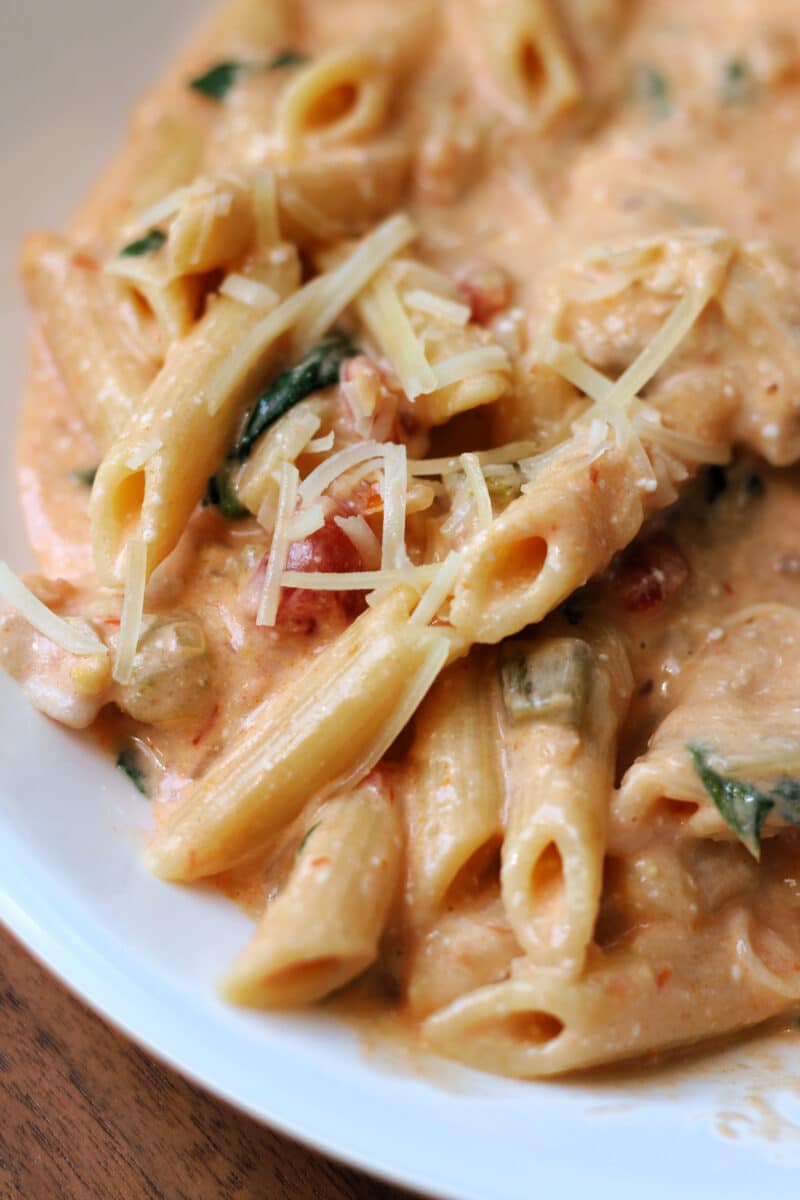
The procedural timeline for the dish is strictly defined to ensure structural integrity of the ingredients:
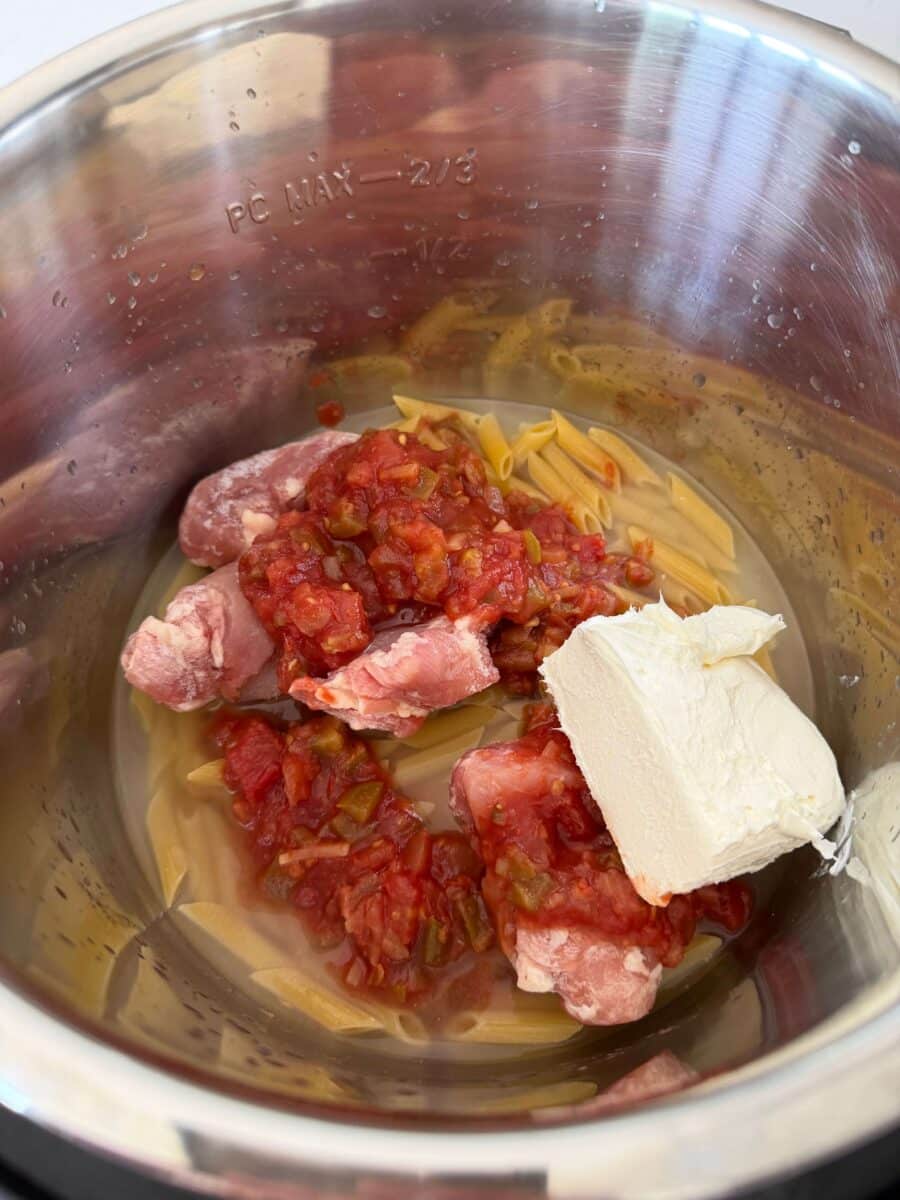
- Base Layering: The process begins with the introduction of chicken broth, which serves as the necessary liquid to create steam and prevent the "burn" notice on the cooker’s sensors.
- Starch Integration: Penne pasta is added next. Penne is strategically selected for this high-pressure environment because its ridged exterior (rigate) and hollow center allow it to maintain its shape better than thinner pasta varieties like spaghetti or angel hair.
- Protein and Flavor Application: Cubed chicken and salsa are layered over the pasta. The salsa acts as a comprehensive flavor profile, providing acidity from tomatoes, heat from peppers, and aromatic depth from onions and garlic, thereby eliminating the need for a separate spice rack inventory.
- The Creaming Agent: Cubes of cream cheese are placed on top. In pressure cooking, dairy is often added after the pressure cycle to prevent curdling; however, placing the cream cheese at the very top, away from the direct heat of the bottom element, allows it to soften during the cycle for easy integration during the final stir.
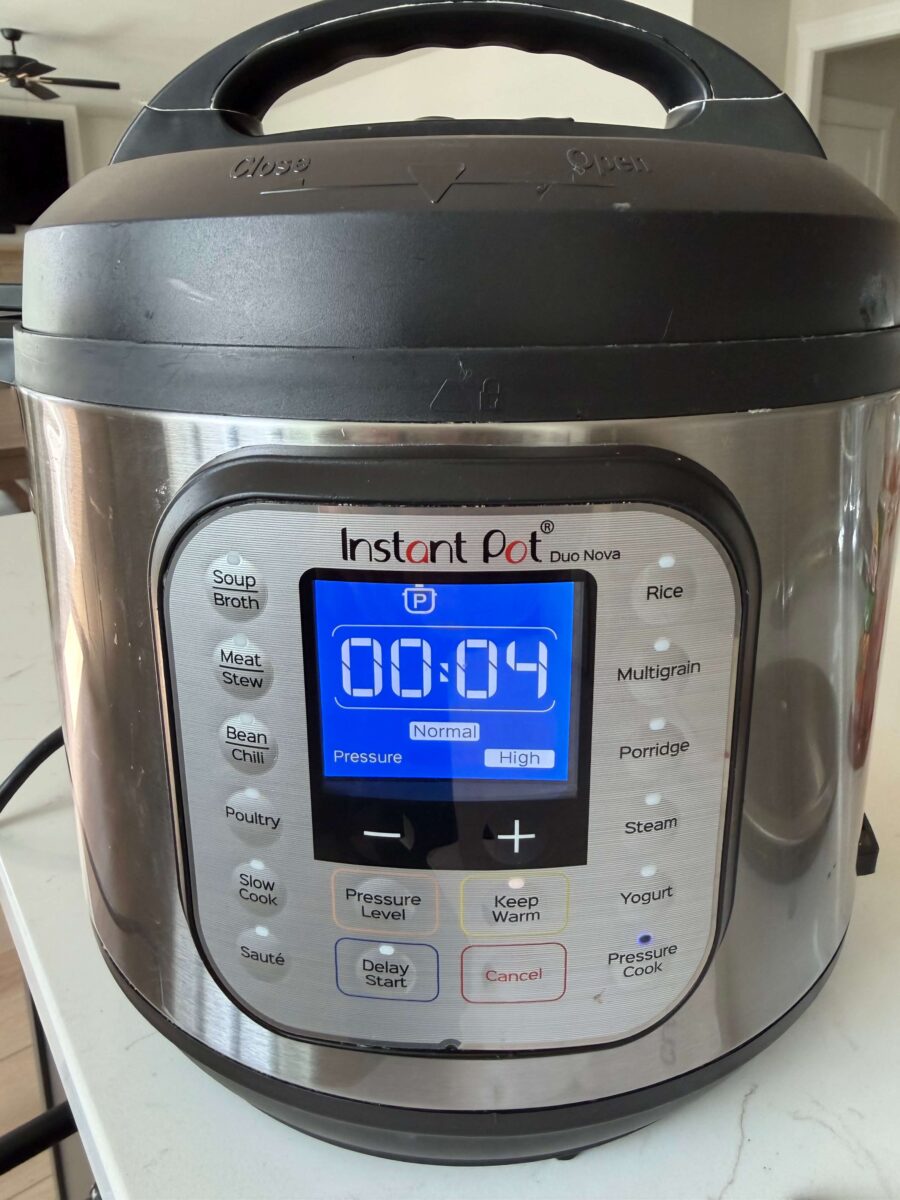
- Pressure Cycle: The device is set to "Manual" or "Pressure Cook" for exactly four minutes.
- The Natural Release Phase: Following the active cooking cycle, a 10-minute natural pressure release (NPR) is required. This phase is critical; it allows the internal temperature to drop gradually, preventing the chicken from toughening and ensuring the pasta absorbs the remaining liquid without becoming mushy.
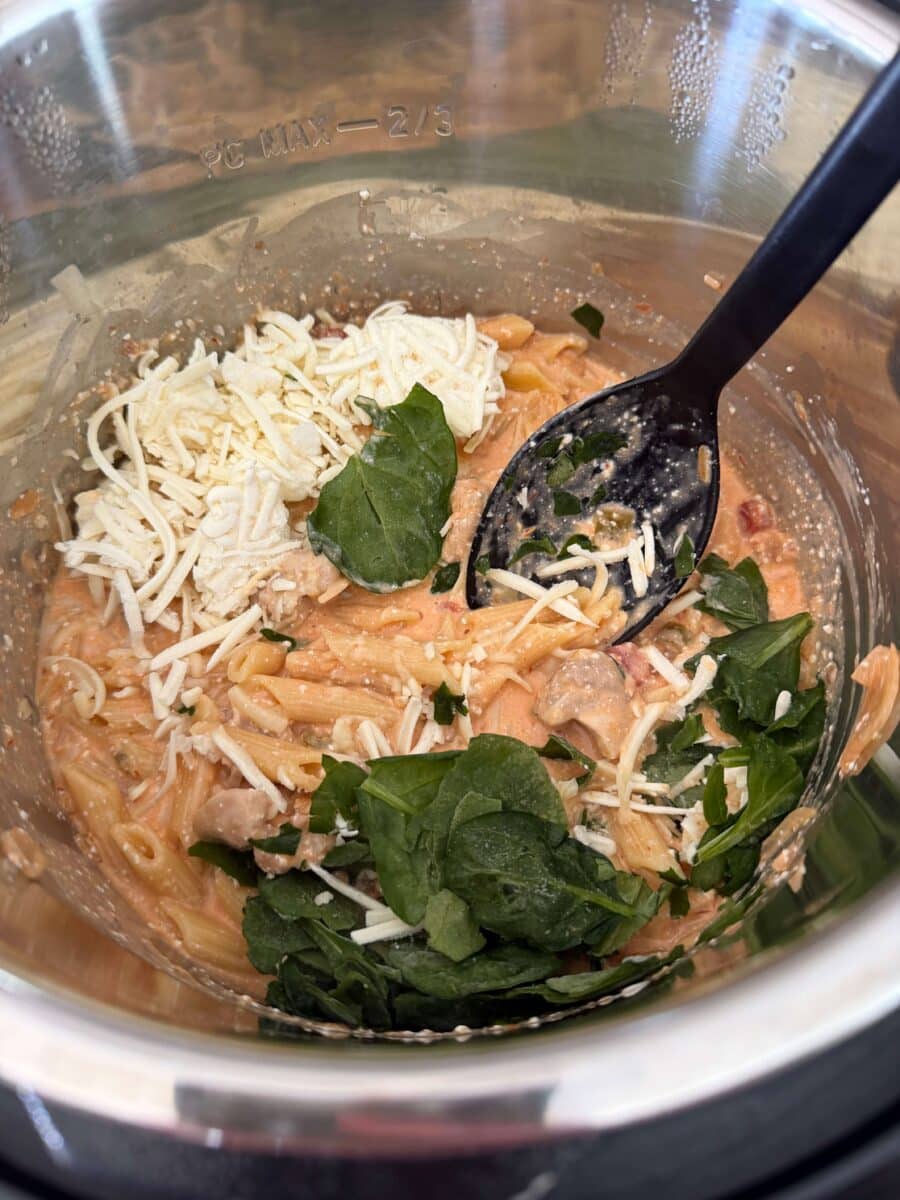
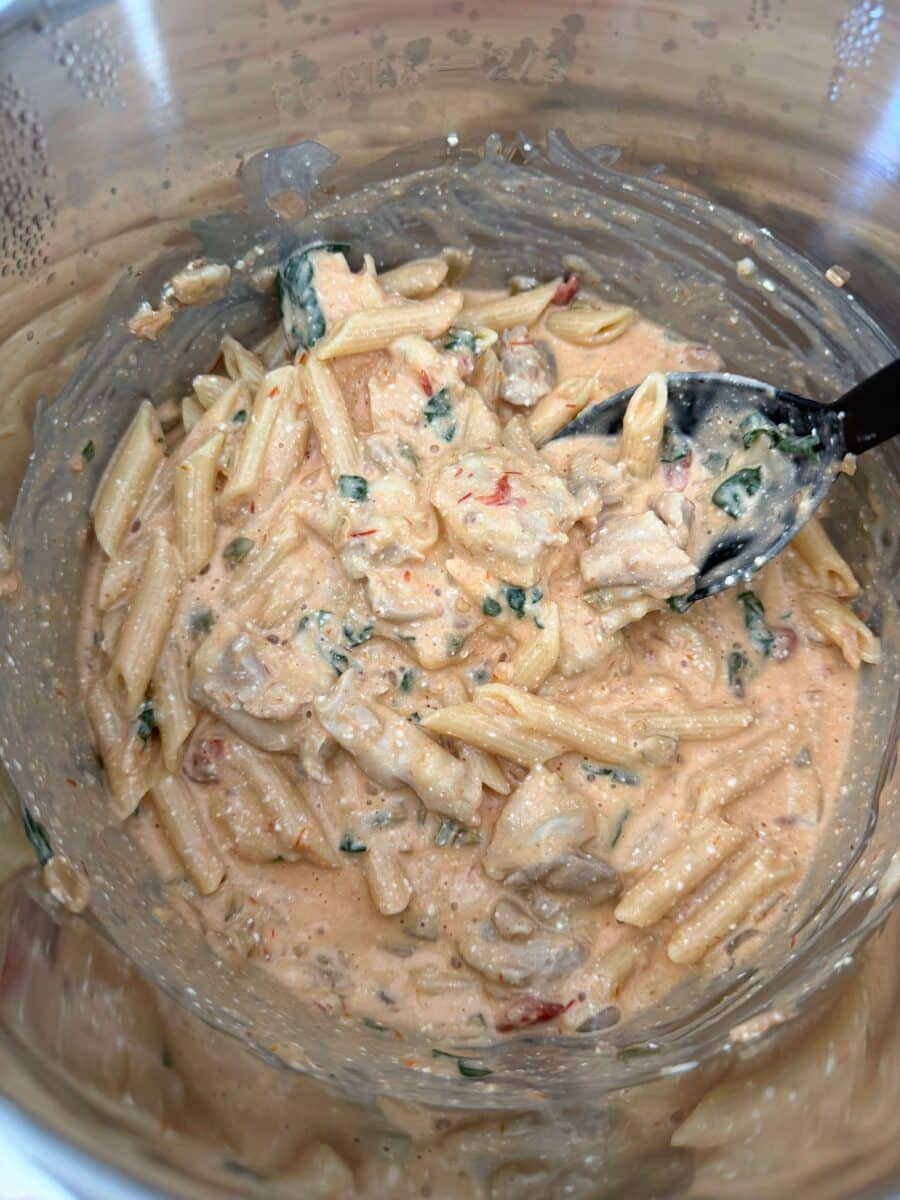
- Final Enrichment: The lid is removed, and fresh spinach and shredded mozzarella are folded into the hot mixture. The residual heat is sufficient to wilt the greens and melt the cheese, creating a cohesive, saucy emulsion.
Ingredient Analysis and Economic Context
The selection of ingredients in the Attention Span Casserole reflects current consumer trends toward "pantry-stable" versatility. According to market research data from the American Frozen Food Institute and various grocery tracking services, there has been a 15% increase in the purchase of multi-use ingredients like salsa and frozen or pre-cut chicken breasts over the last three years.
- Salsa as a Culinary Shortcut: From a food science perspective, salsa is a complex ingredient. It contains acetic acid (vinegar) and citric acid (tomatoes), which act as tenderizers for the chicken. By using salsa as the primary seasoning, the cook benefits from a pre-balanced ratio of salt, acid, and heat.
- Protein Efficiency: The use of chicken breast or thighs provides a lean protein source that is highly receptive to the moisture-rich environment of a pressure cooker. This prevents the dryness often associated with baked chicken casseroles.
- Nutritional Balancing: The inclusion of fresh spinach at the final stage adds Vitamin K, Vitamin A, and folate without requiring additional cooking time, addressing the common criticism that casseroles are nutritionally "heavy" or lacking in fresh produce.
The Psychological and Social Impact of "Dump-and-Go" Recipes
The Attention Span Casserole is part of a growing movement in the culinary world often referred to as "Executive Function Cooking." This approach recognizes that the "mental load" of following complex, multi-step recipes can be a significant deterrent to healthy eating.
Social media metrics from platforms like Pinterest and TikTok indicate that "dump-and-go" content consistently outperforms traditional gourmet tutorials in the "Weeknight Meal" category. For instance, the original pin for this recipe has seen significant engagement, reflecting a community of users who prioritize "reheatability" and "leftover quality." In an era of rising food inflation, the ability for a single 20-minute cooking session to provide four to six servings that maintain their texture upon reheating is a significant economic advantage for middle-income households.
Comparative Study: The Casserole Continuum
The Attention Span Casserole does not exist in a vacuum but is part of a broader lineage of "miracle" one-pot meals documented by Petersen. Other notable entries in this category include:
- The Minneapolis Miracle Casserole: A variation utilizing bacon, ranch seasoning, and chicken, which targets the "comfort food" demographic of the Upper Midwest.
- Susan’s Casserole: A pepperoni-infused pasta dish that mimics the flavor profile of a supreme pizza, designed specifically to appeal to households with children.
- Kentucky Casserole: A dish that incorporates turkey or chicken with bacon and tomatoes, demonstrating the adaptability of the penne-and-cream-cheese base to different regional flavor palettes.
These recipes share a common DNA: they utilize the Instant Pot’s ability to create a "sealed flavor chamber," where volatile aromatic compounds that would normally escape into the kitchen air are forced back into the food under pressure.
Broader Implications for the Food Industry
The popularity of recipes like the Attention Span Casserole has forced major food brands to reconsider their product lines. There is a documented increase in "slow cooker" and "pressure cooker" specific kits in the spice and canned goods aisles of major retailers. Furthermore, the rise of such recipes has contributed to the sustained market dominance of the multi-cooker category, which is projected to grow at a compound annual growth rate (CAGR) of approximately 7.2% through 2027.
Professional nutritionists have noted that while these recipes are high in convenience, they also offer a platform for "stealth health." By starting with a base like the Attention Span Casserole, home cooks can easily increase fiber by substituting whole-wheat penne or increase micronutrients by doubling the spinach or adding bell peppers.
Conclusion: The Future of Domestic Efficiency
The Attention Span Casserole is more than a simple chicken and pasta dish; it is a response to the logistical challenges of the 21st-century household. By leveraging the technological capabilities of the Instant Pot and the flavor density of pre-prepared staples like salsa, the recipe provides a blueprint for sustainable home cooking. It acknowledges the reality of limited "mental bandwidth" while refusing to sacrifice the quality of the final meal. As domestic patterns continue to evolve toward speed and simplicity, the "dump-and-go" philosophy exemplified by this casserole is likely to become the standard, rather than the exception, in the American kitchen.
