
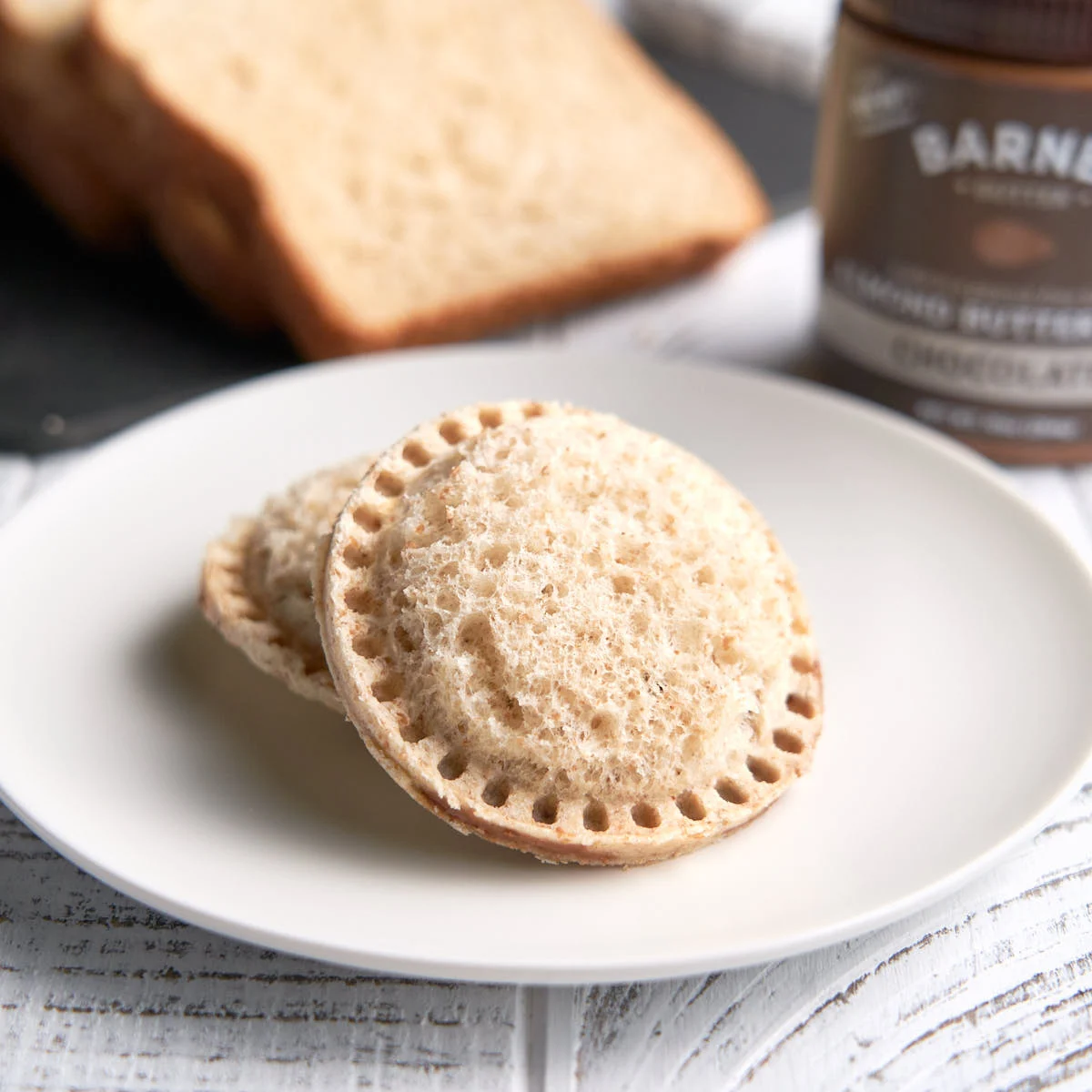
The concept of a convenient, sealed sandwich, often associated with childhood lunches, is now being reimagined for a broader audience seeking healthier and more satisfying breakfast options. A recent culinary trend highlights the creation of homemade "uncrustables," with a particular focus on chocolate-filled varieties. This movement is driven by a desire for control over ingredients, a reduction in processed sugars, and the simple joy of a customizable treat. The shift from pre-packaged convenience foods to homemade alternatives reflects a growing consumer awareness of nutritional content and a willingness to invest time in food preparation for perceived health and taste benefits.
The Evolution of the Convenient Sandwich

The original Smucker’s Uncrustables, introduced in the mid-1990s, revolutionized the lunchbox by offering a mess-free, pre-sealed sandwich. Their popularity stemmed from their portability and the elimination of crusts, a common point of contention for younger eaters. However, as nutritional science has advanced and public awareness of sugar content and processed ingredients has grown, consumers are increasingly scrutinizing the ingredients in these convenient staples. This has paved the way for a DIY approach, allowing individuals to replicate the beloved format while tailoring the fillings to their dietary needs and preferences.
The Appeal of Homemade Chocolate Uncrustables
The primary driver behind the homemade chocolate uncrustable trend is the ability to create a product that is both appealing and nutritious. Unlike store-bought versions, which can be laden with added sugars and preservatives, homemade iterations offer transparency and control. This is particularly relevant for breakfast, a meal that many aim to start with wholesome energy.

A key element in this trend is the choice of chocolate spread. While traditional store-bought uncrustables often utilize chocolate hazelnut spreads, a growing number of home cooks are opting for alternatives that boast a more favorable nutritional profile. One highly recommended option is Barney Butter’s Almond Butter with Chocolate. This spread stands out for its smooth texture and significantly lower added sugar content compared to conventional chocolate hazelnut spreads. For instance, a typical serving of Nutella contains approximately 21 grams of added sugar, whereas Barney Butter’s chocolate almond butter contains around 2 grams. This substantial difference makes it a more attractive choice for those prioritizing a healthier start to their day.
The Role of Sandwich Cutters and Sealers
The "uncrustable maker," or sandwich cutter and sealer, has become an indispensable tool for enthusiasts of this homemade treat. These devices typically consist of two parts: a circular cutter to remove the crusts and a press that seals the edges of the bread, creating the characteristic pocket. The appeal of these tools lies in their ability to mimic the professional finish of store-bought uncrustables, ensuring that the filling remains securely contained and preventing messy spills.
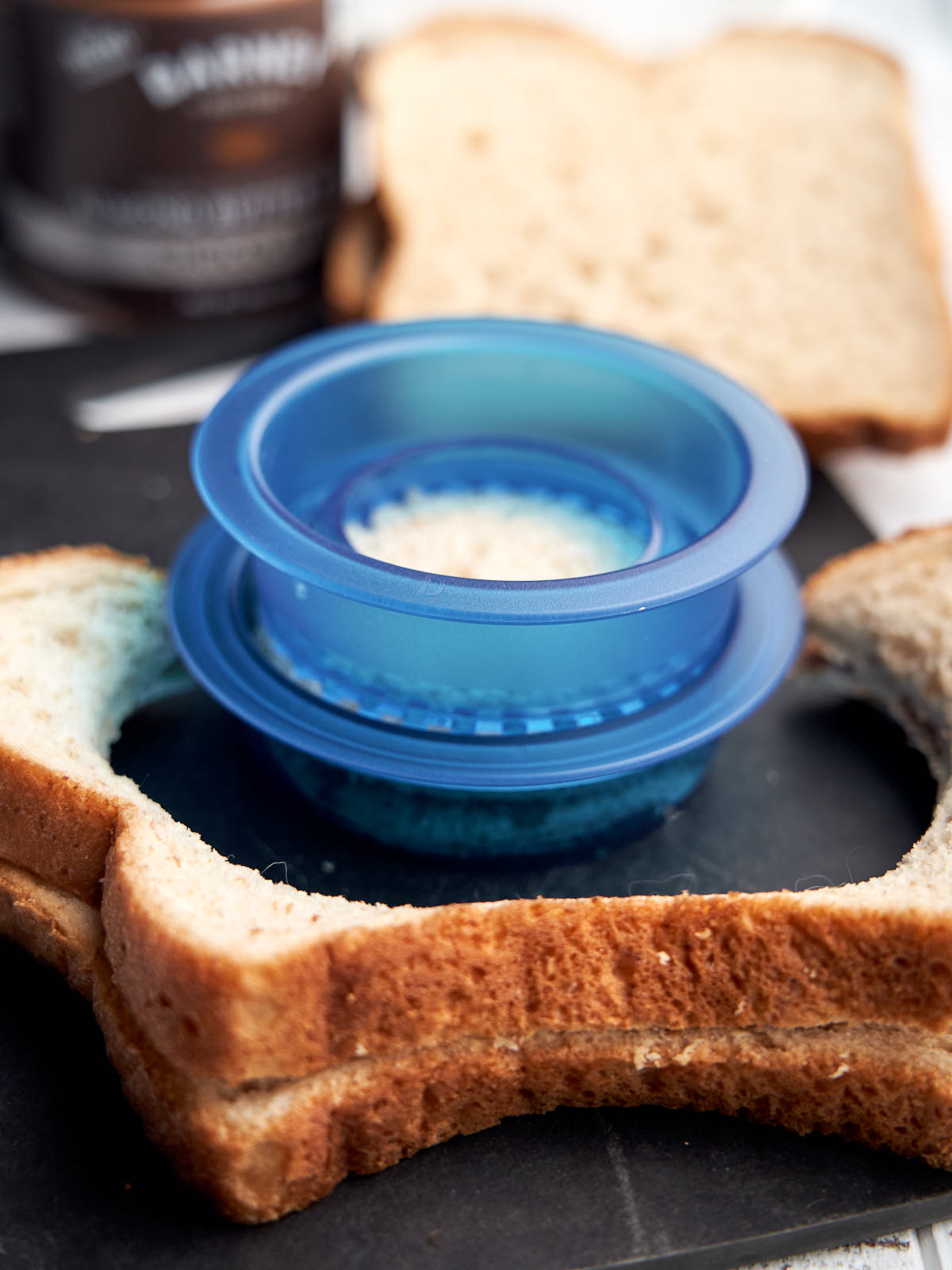
When selecting an uncrustable maker, consumers often look for specific features. One important consideration is the edge design. While some sealers create a decorative wavy edge, others produce a crimped edge that closely resembles the original Smucker’s product. For those aiming for an authentic look, a sealer that replicates the classic edge is often preferred. Many home cooks have found success with specific models available on online retail platforms, citing their ease of use and effectiveness in creating well-sealed sandwiches. The process is generally straightforward: place the filling between two slices of bread, use the cutter to remove the crusts, and then employ the sealer to press the edges together.
Tips for Crafting the Perfect Homemade Uncrustable
Achieving the ideal homemade uncrustable involves a few key considerations beyond the choice of spread and equipment.
Bread Selection
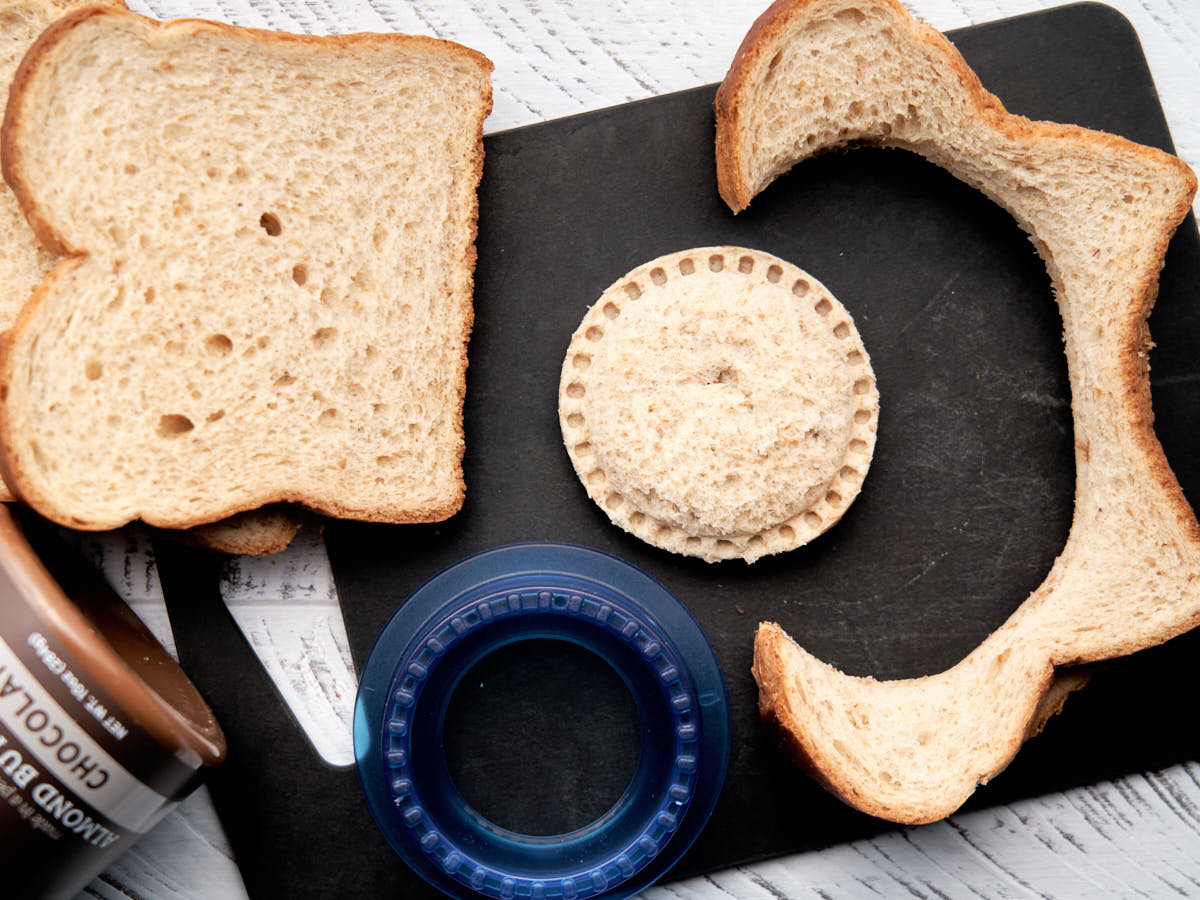
The type of bread used plays a crucial role in the success of the uncrustable. Soft, pliable breads are generally recommended, as they are less likely to crack or split when subjected to the cutting and sealing process. Popular choices include standard white sandwich bread or soft whole wheat varieties. Conversely, denser, artisanal breads or those with a very firm crust may not yield the same results, potentially leading to the sandwich breaking apart. The goal is to find a bread that holds its structure well while remaining flexible enough to be molded.
Filling Management
A common pitfall when making uncrustables is overfilling the sandwich. The sealing mechanism is designed to contain a moderate amount of spread, and excessive filling can easily be squeezed out, leading to a messy exterior and a less aesthetically pleasing product. It is advisable to spread the filling evenly but not too close to the edges of the bread. Keeping the majority of the filling concentrated in the center of the sandwich helps ensure that it stays contained within the sealed pocket.
Nutritional Considerations and Versatility
The beauty of the homemade uncrustable lies in its adaptability. While the chocolate almond butter version is a popular choice, the possibilities are nearly endless. Savory options, such as cream cheese and chives or hummus and cucumber, can also be effectively sealed. For those seeking to further enhance the nutritional value, consider incorporating ingredients like finely chopped fruits or seeds into the filling.
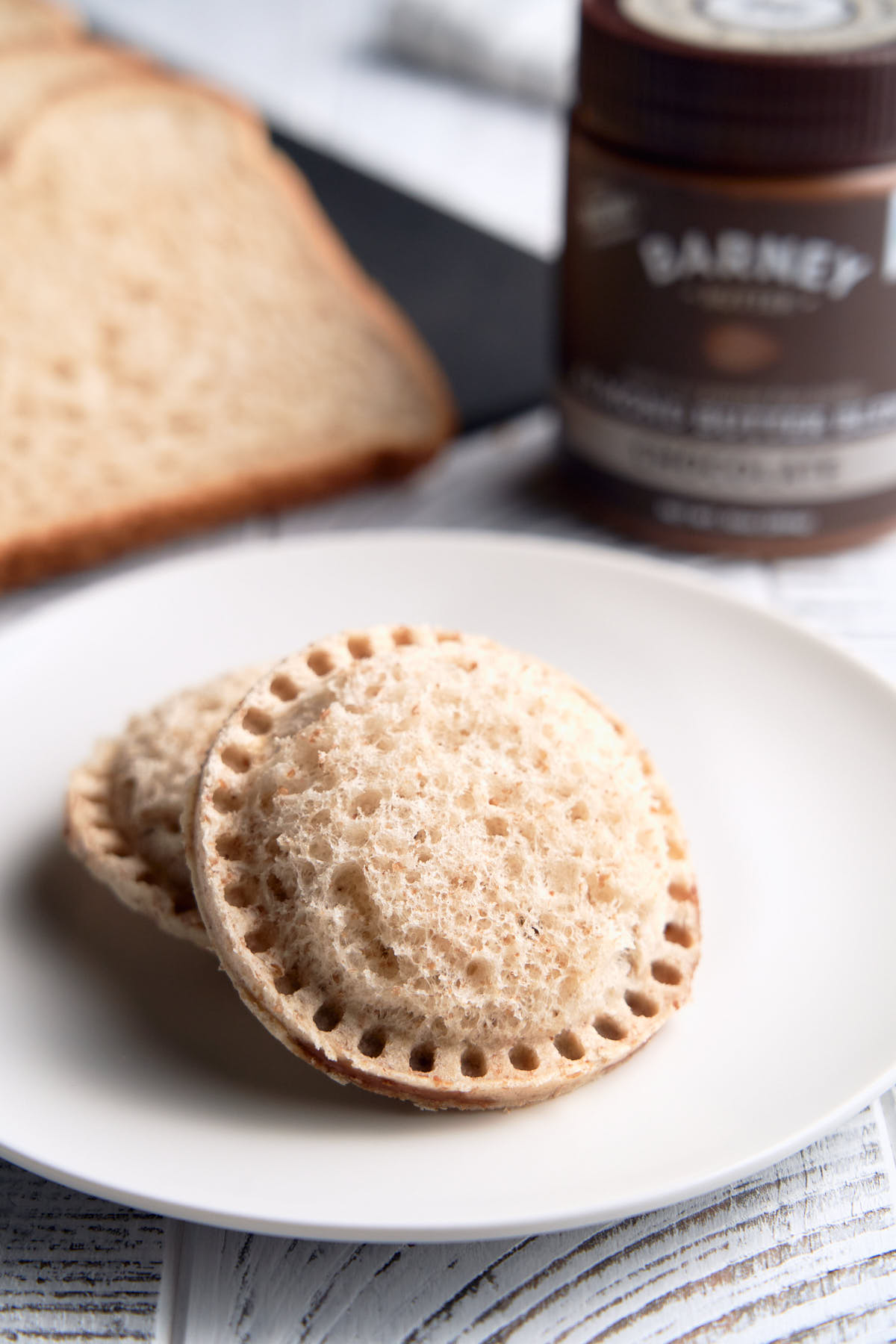
The broader implications of this culinary trend extend beyond simple convenience. It represents a shift towards mindful eating, where individuals are actively engaged in the process of creating their food. This not only allows for greater control over ingredients but also fosters a deeper appreciation for the effort involved in preparing wholesome meals. The rise of the homemade uncrustable signals a growing desire to replicate beloved comfort foods in a healthier, more personalized way, making it an ideal option for busy families and health-conscious individuals alike.
The recipe for these homemade chocolate uncrustables, using Barney Butter Almond Butter with Chocolate, is presented as a practical and delicious alternative to mass-produced snacks. The emphasis on using a high-quality, lower-sugar spread, combined with simple preparation techniques, empowers consumers to create a breakfast or snack that aligns with their wellness goals without sacrificing taste or enjoyment. This movement underscores a broader culinary philosophy: that convenience and health can coexist, and that even familiar treats can be elevated through thoughtful ingredient choices and a touch of homemade ingenuity.
The nutritional information provided for this recipe is an estimation, with approximately 163 calories per serving. This figure can vary based on the specific bread and amount of spread used. The recipe is also noted as being dairy-free, vegan, and vegetarian, further broadening its appeal to a diverse range of dietary needs. The author’s recommendation to use Barney Butter Almond Butter with Chocolate is a testament to the growing market for healthier spreads that cater to evolving consumer preferences. This trend is not merely about replicating a product but about reimagining it to fit a modern lifestyle that values both taste and well-being.
