
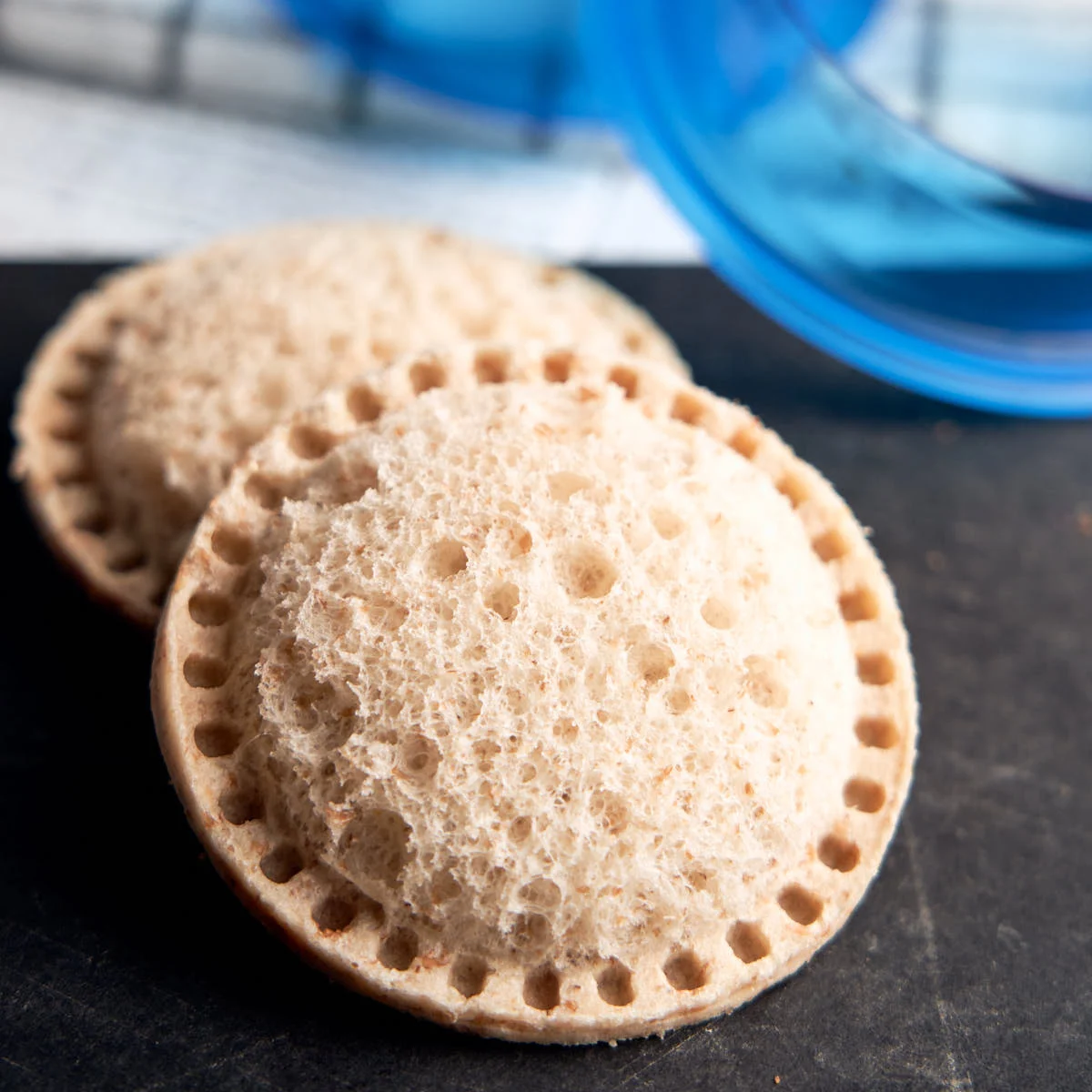
The classic peanut butter and honey sandwich, a staple in lunchboxes for generations, has seen a convenient, pre-packaged evolution in the form of Uncrustables. However, a growing movement among home cooks and parents advocates for a return to the basics, highlighting the significant advantages of preparing these sealed sandwiches from scratch. This approach not only offers a healthier and more cost-effective alternative but also provides an opportunity for increased control over ingredients and a reduction in plastic waste.
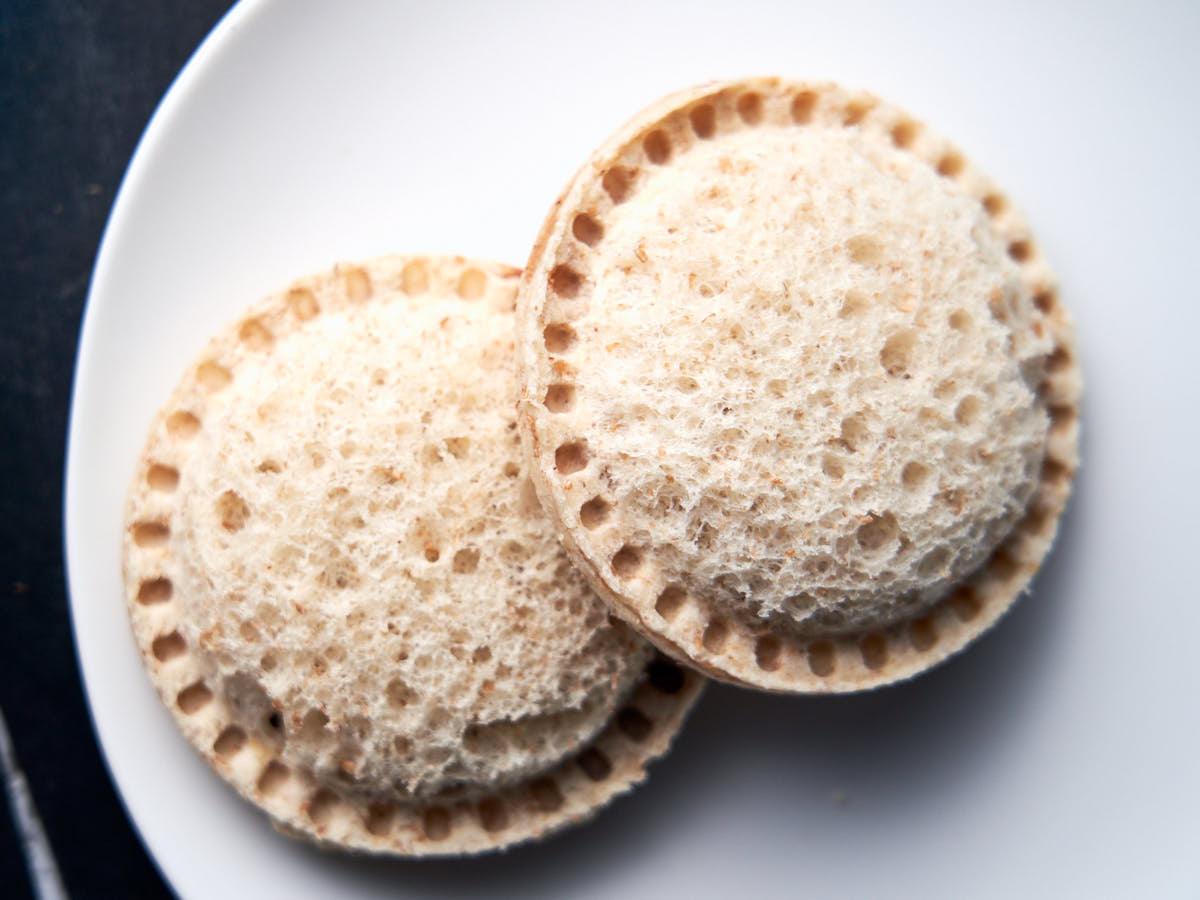
The appeal of the homemade Uncrustable lies in its simplicity, transforming a few basic ingredients into a fun and portable meal. The core components – bread, peanut butter, and honey – are readily available, making this a practical option for busy households. Unlike their commercially produced counterparts, homemade versions allow for the selection of specific ingredients, addressing concerns about added sugars and artificial additives often found in processed foods.
The Rise of Homemade Convenience Foods
The trend towards DIY versions of popular convenience foods is not new, but it has gained significant momentum in recent years. Driven by increasing awareness of health and wellness, concerns about food sourcing, and a desire for greater control over what families consume, consumers are actively seeking ways to replicate store-bought favorites at home. This phenomenon extends beyond simple sandwiches to include snacks, baked goods, and even beverages, reflecting a broader shift in consumer behavior towards greater transparency and customization in their diets.
Unpacking the Benefits: Health, Economy, and Sustainability
The arguments favoring homemade Uncrustables are multifaceted, encompassing nutritional, financial, and environmental considerations.
-
Nutritional Control: A key differentiator between homemade and store-bought Uncrustables is the ingredient list. Many commercially produced peanut butter and honey spreads contain added sugars, with sugar often listed as the primary ingredient. Similarly, the peanut butter itself may include additional sweeteners or oils. By making Uncrustables at home, individuals can opt for natural peanut butter with no added sugar and pure honey, significantly reducing the overall sugar content. This is particularly beneficial for parents looking to provide their children with healthier snack and lunch options, helping to mitigate the risks associated with excessive sugar intake, such as childhood obesity and dental issues. Data from the Centers for Disease Control and Prevention (CDC) consistently highlights the high consumption of added sugars among children, underscoring the importance of making informed ingredient choices.
-
Cost Savings: The economic advantage of preparing Uncrustables at home is substantial. While the initial investment in a sandwich cutter and sealer might be required, the long-term savings are considerable. The cost of individual pre-packaged Uncrustables can quickly add up, especially for families with multiple children. By purchasing bread, peanut butter, and honey in larger quantities, the per-sandwich cost of homemade versions is significantly lower. This economic benefit can be particularly impactful for families managing tight budgets, offering a way to provide nutritious and appealing meals without overspending.
-
Environmental Impact: The environmental footprint of processed and pre-packaged foods is a growing concern. Single-use plastics, used extensively in the packaging of convenience items like Uncrustables, contribute to landfill waste and pollution. By opting for homemade alternatives, consumers can drastically reduce their reliance on these disposable materials. Reusable sandwich containers and beeswax wraps can be used for transport, further minimizing waste. This commitment to sustainability aligns with a broader societal push towards reducing plastic consumption and adopting more eco-friendly practices.
The Essential Tool: The Uncrustable Maker
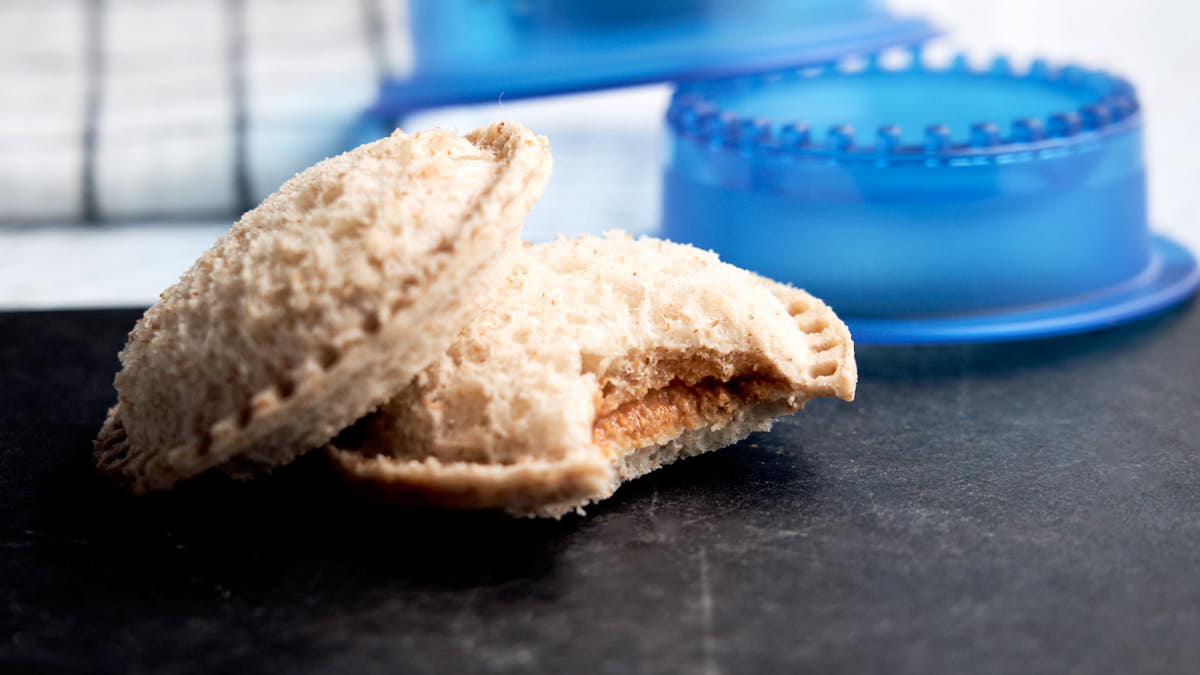
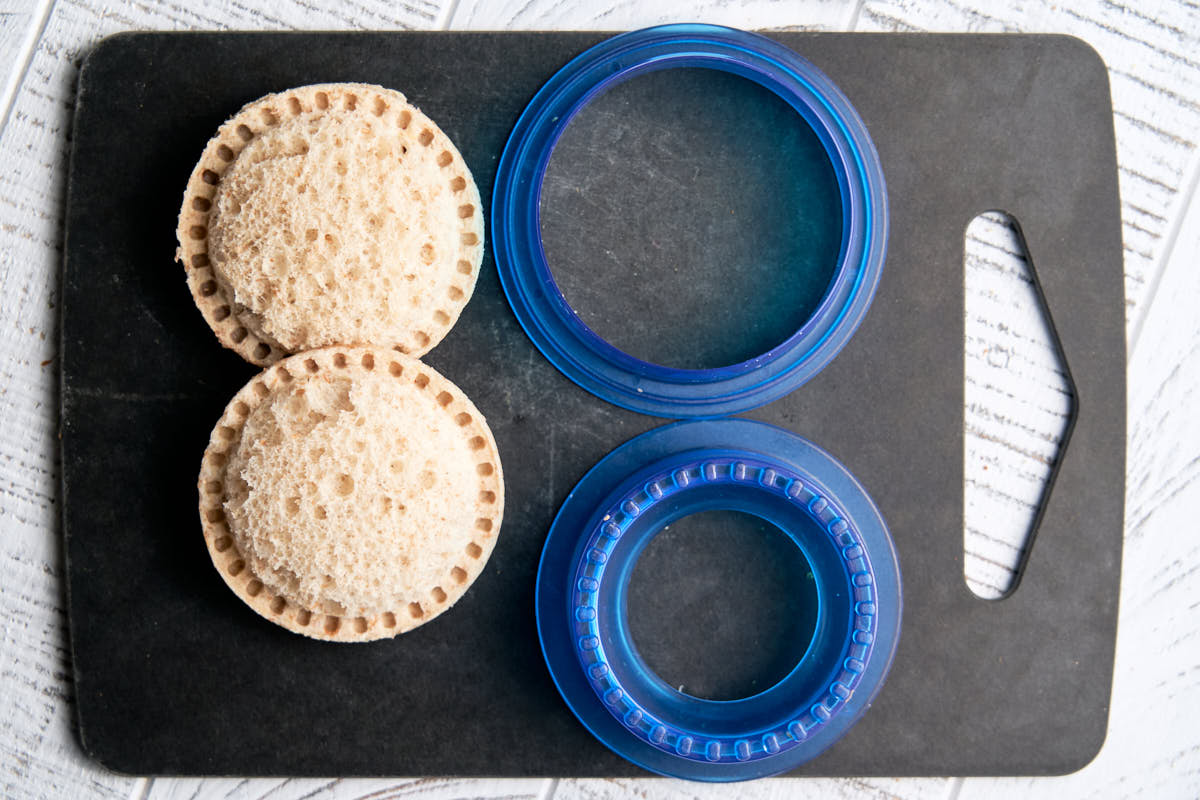
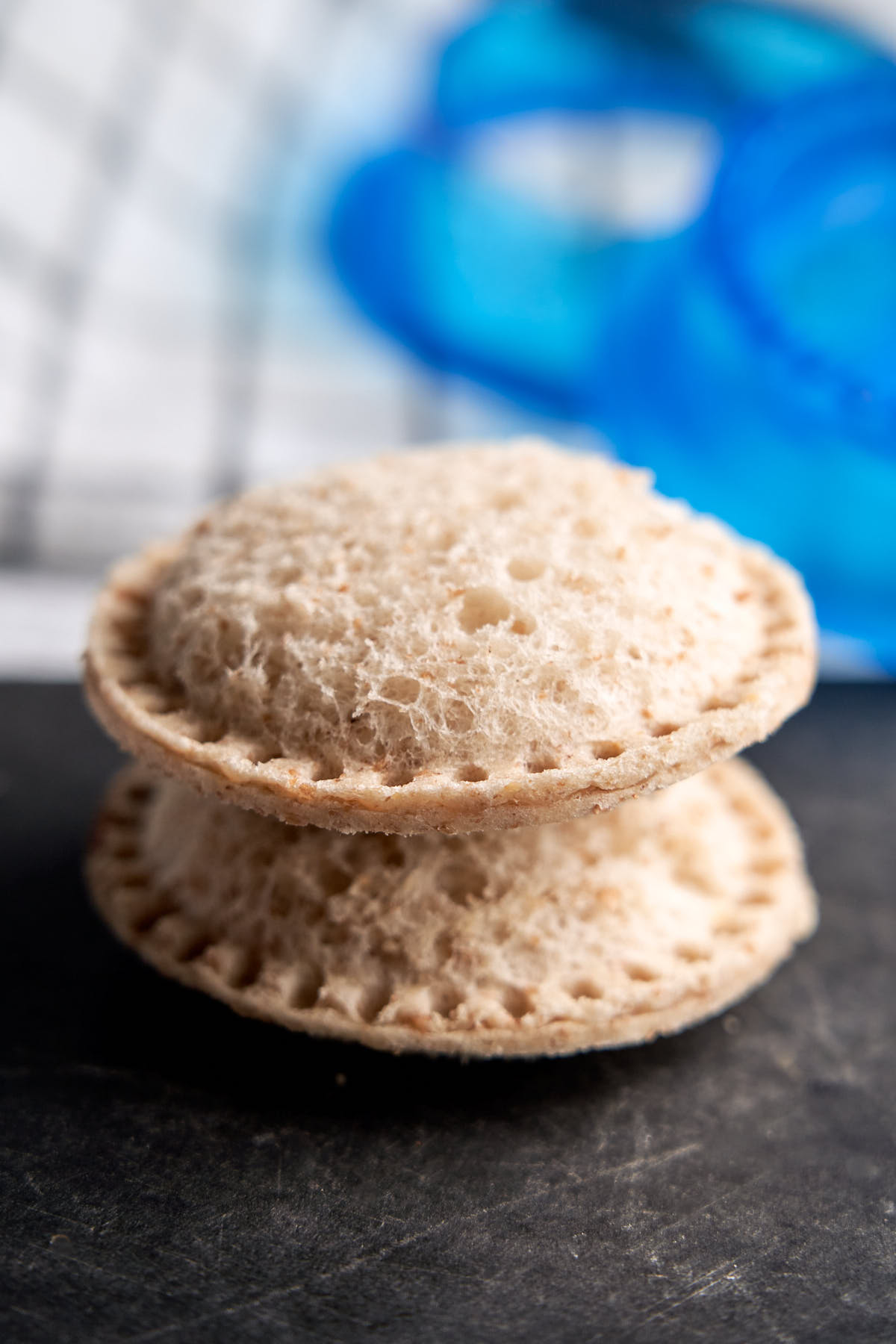
A specialized tool, often referred to as an "uncrustable maker" or sandwich cutter and sealer, plays a crucial role in the homemade Uncrustable process. These tools typically consist of a cutter that shapes the bread and a sealer that crimps the edges, effectively creating the iconic sealed pocket. While various designs are available, many enthusiasts recommend models that mimic the classic crimped edge of the original product, enhancing the nostalgic appeal. The availability of these tools on popular online retail platforms has made them accessible to a wide audience, further fueling the DIY trend.
Beyond the Basics: Creative Ingredient Swaps and Flavor Combinations
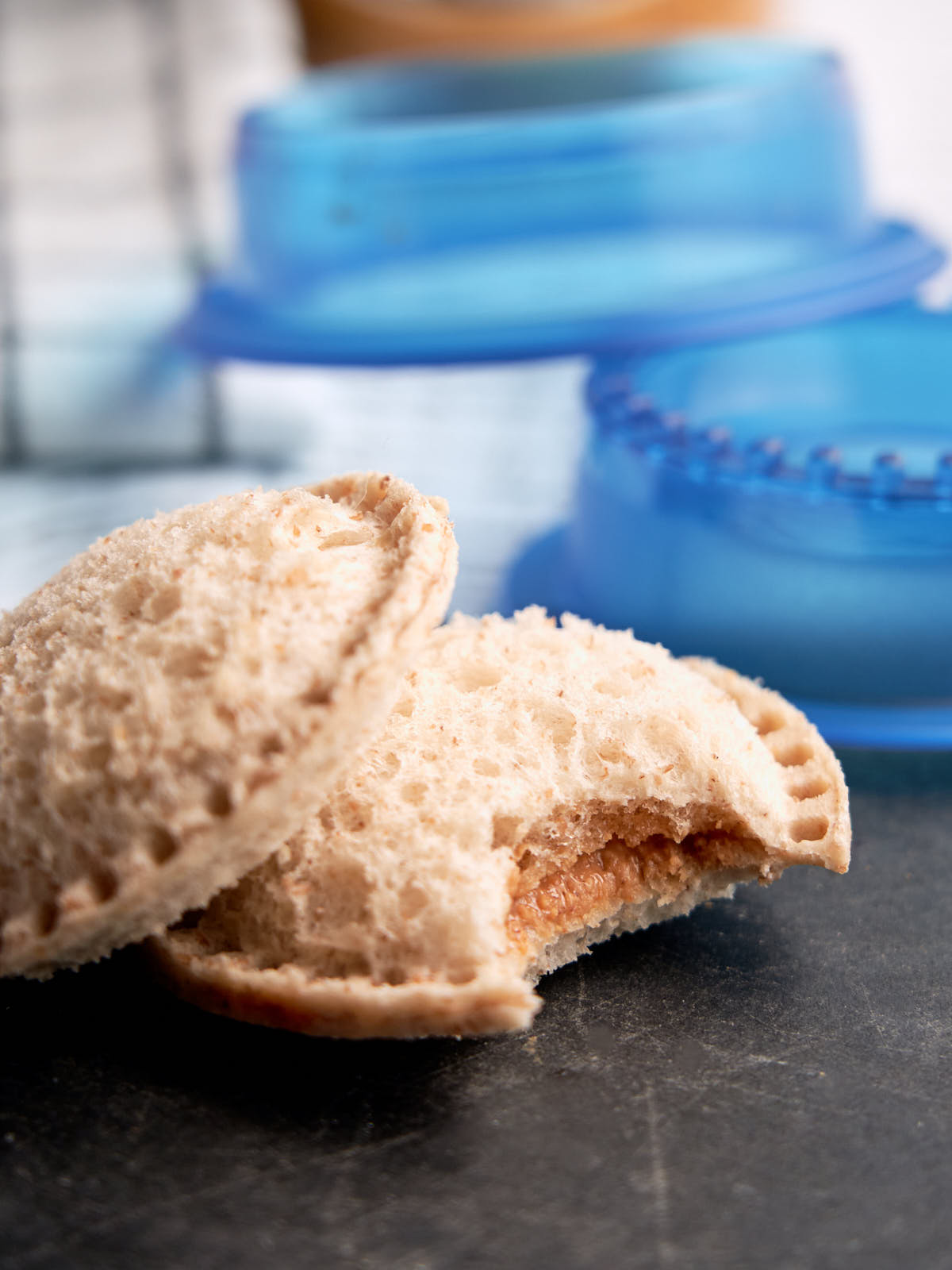
While peanut butter and honey form the classic duo, the versatility of the homemade Uncrustable extends to a wide array of filling possibilities. This adaptability allows for catering to diverse taste preferences and dietary needs.
-
Nut Butter Alternatives: For individuals with nut allergies or those seeking variety, alternative nut and seed butters can be used. Almond butter, cashew butter, sunflower seed butter, and tahini offer unique flavor profiles and nutritional benefits.
-
Sweeteners: Beyond honey, other natural sweeteners like maple syrup or agave nectar can be incorporated. For those seeking a less sweet option, a touch of cinnamon or vanilla extract can add depth of flavor.
-
Fruit and Other Additions: Small amounts of fruit preserves, sliced bananas, or even a sprinkle of cinnamon can elevate the flavor profile. For a more decadent treat, a thin layer of chocolate spread can be added, reminiscent of other popular homemade Uncrustable variations.
Maximizing Resources: Utilizing Leftover Bread Crusts
A common question arising from the homemade Uncrustable process is the fate of the discarded bread crusts. Far from being waste, these remnants offer a valuable opportunity for culinary creativity and resourcefulness.
-
Croutons: Bread crusts can be easily transformed into homemade croutons. Pan-frying them in olive oil or butter, seasoned with herbs like garlic powder, onion powder, or Italian seasoning, creates a flavorful and crunchy topping for salads or a satisfying snack. Cutting the crusts into strips can also make them ideal for dipping into hummus or other spreads.
-
Breadcrumbs: Another practical use for bread crusts is to create homemade breadcrumbs. Drying the crusts in a toaster oven on low heat and then pulsing them in a food processor or blender yields fine breadcrumbs that can be used in various recipes, from coating chicken to thickening sauces. For smaller quantities, crushing them with a fork is also an effective method.
-
Direct Consumption: For those who find the crusts perfectly palatable, they can simply be eaten as a part of the sandwich or as a standalone snack. This direct approach eliminates any potential for waste and ensures that every part of the bread is utilized.
Engaging Children in the Kitchen
The process of making homemade Uncrustables is also an excellent opportunity to involve children in food preparation. The simple steps of spreading ingredients and using the sandwich cutter and sealer can be managed by younger children with adult supervision, fostering a sense of accomplishment and encouraging healthier eating habits from an early age. This hands-on experience can demystify food preparation and cultivate a greater appreciation for wholesome ingredients.
Conclusion: A Sweet and Savvy Choice
The trend towards homemade Uncrustables underscores a growing consumer desire for transparency, health, and sustainability in their food choices. By embracing this simple yet effective approach, individuals and families can enjoy a beloved lunchtime treat that is not only delicious but also healthier, more economical, and environmentally conscious. The adaptability of the recipe, coupled with the resourcefulness of utilizing leftover ingredients, makes the homemade Uncrustable a truly smart and satisfying option for modern households. As consumers continue to seek out ways to make informed decisions about their diets and their impact on the planet, the humble homemade Uncrustable stands as a testament to the power of simple, conscious choices.
