
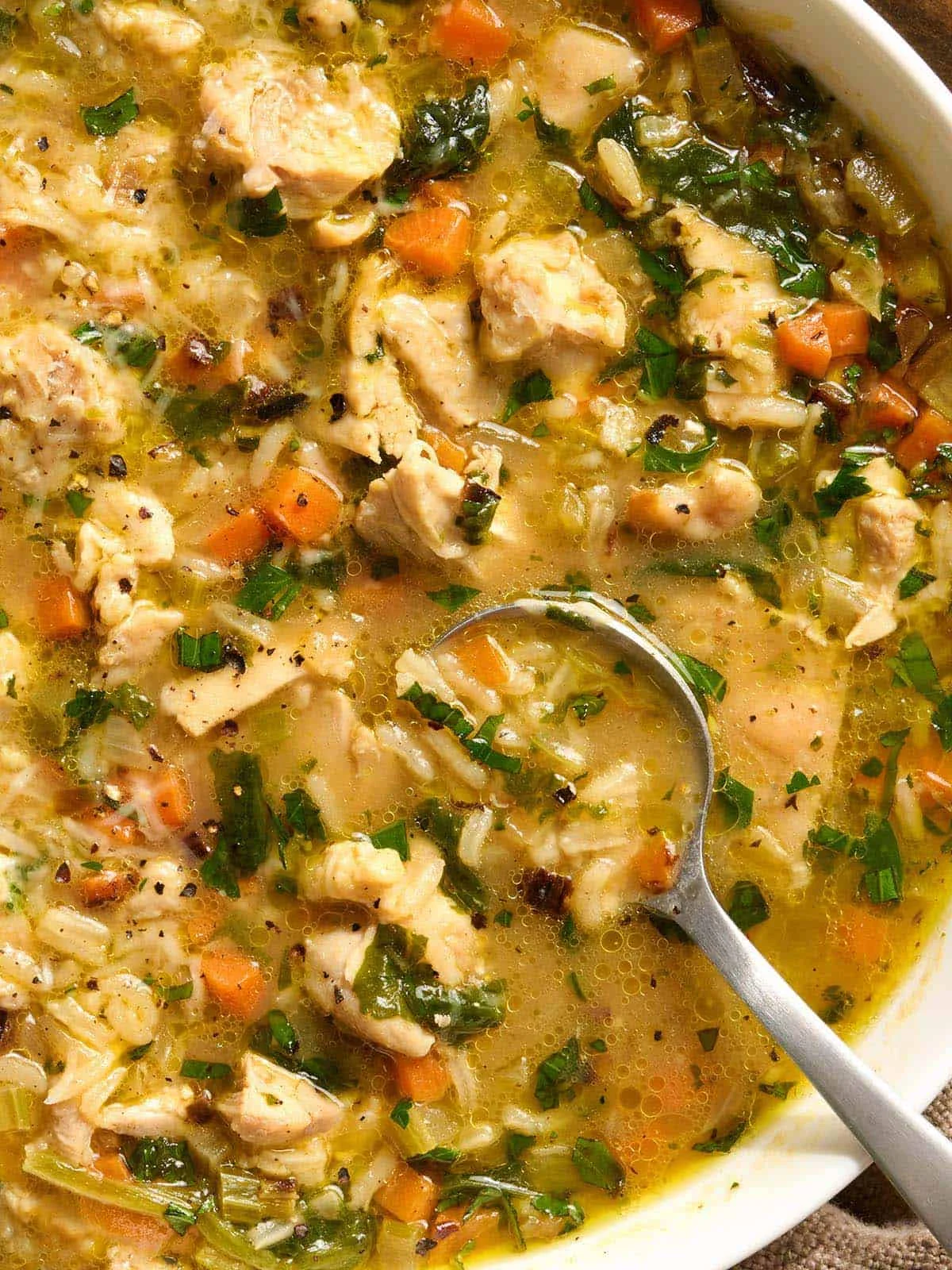
The emergence of the chicken broth bowl as a contemporary culinary staple represents a strategic intersection between traditional comfort food and modern nutritional trends. While the nomenclature suggests a departure from classic soup recipes, the dish fundamentally relies on time-tested techniques such as the mirepoix base and one-pot simmering to deliver a meal that is both economically efficient and nutritionally dense. According to data from the Nashville Test Kitchen, where the recipe was rigorously evaluated, the dish achieves a cost-to-value ratio that is increasingly relevant in an era of fluctuating grocery prices. At a total cost of $7.53 for the entire recipe—averaging approximately $1.89 per serving—this meal serves as a benchmark for affordable, high-protein home cooking.
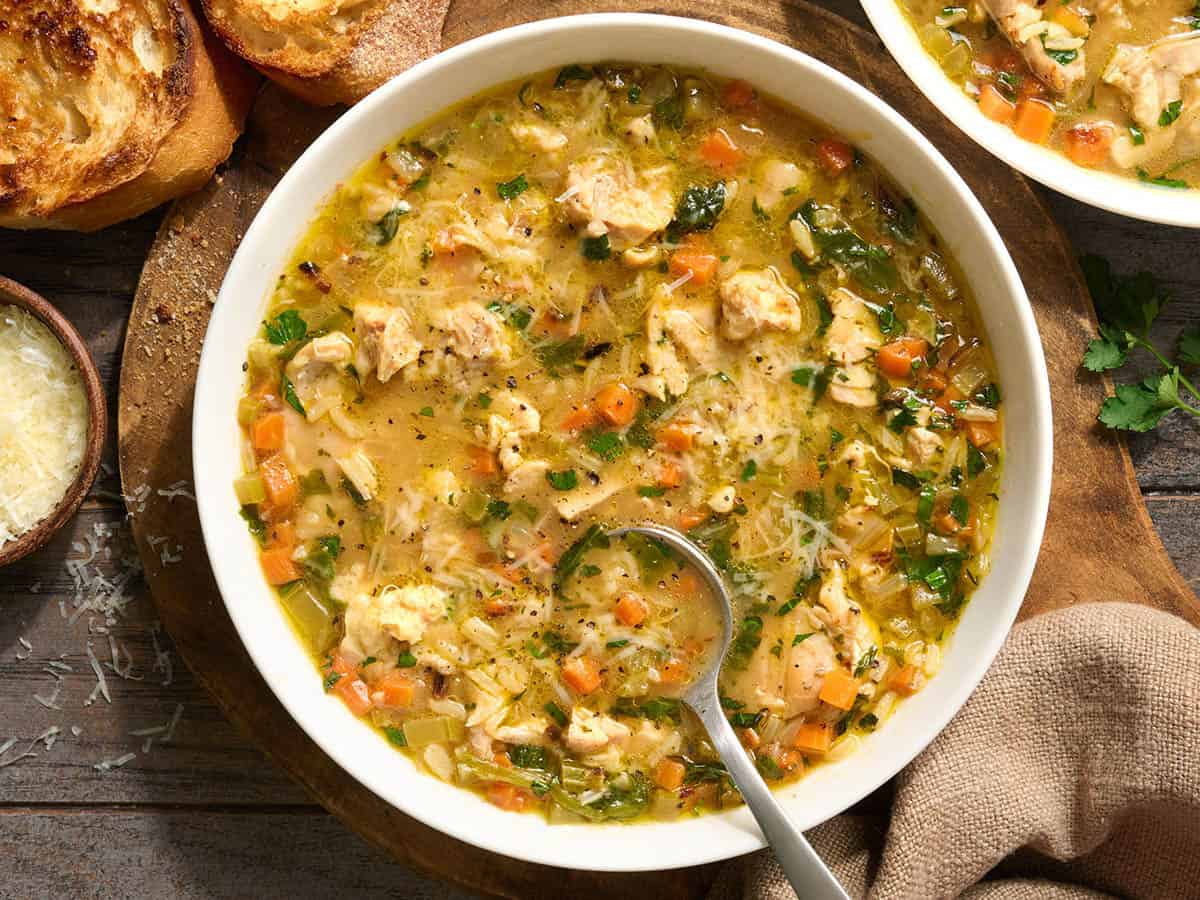
The Evolution and Trend of the Broth Bowl
The rise of the "broth bowl" in social media circles and health-conscious culinary outlets signifies a shift in consumer preference toward transparent, nutrient-forward meals. Unlike heavier stews or cream-based soups, the broth bowl emphasizes the clarity and quality of the liquid base, often enriched with fresh herbs and lean proteins. This trend mirrors the broader "bowl meal" movement, which prioritizes modularity and the inclusion of diverse food groups—grains, greens, and proteins—within a single vessel.
Culinary analysts suggest that the rebranding of soup as a broth bowl appeals to a demographic seeking "functional foods." The inclusion of bone-based or fortified broths is often associated with collagen intake and digestive health, though in this specific iteration, the focus remains on accessible pantry staples like long-grain white rice and frozen spinach. The transition from "soup" to "broth bowl" also reflects a change in texture; the rice in this recipe is cooked directly in the broth, allowing it to absorb the savory chicken essence and starch, resulting in a heartier consistency than traditional broths without the caloric density of heavy thickeners.
Economic Breakdown and Sourcing Strategy
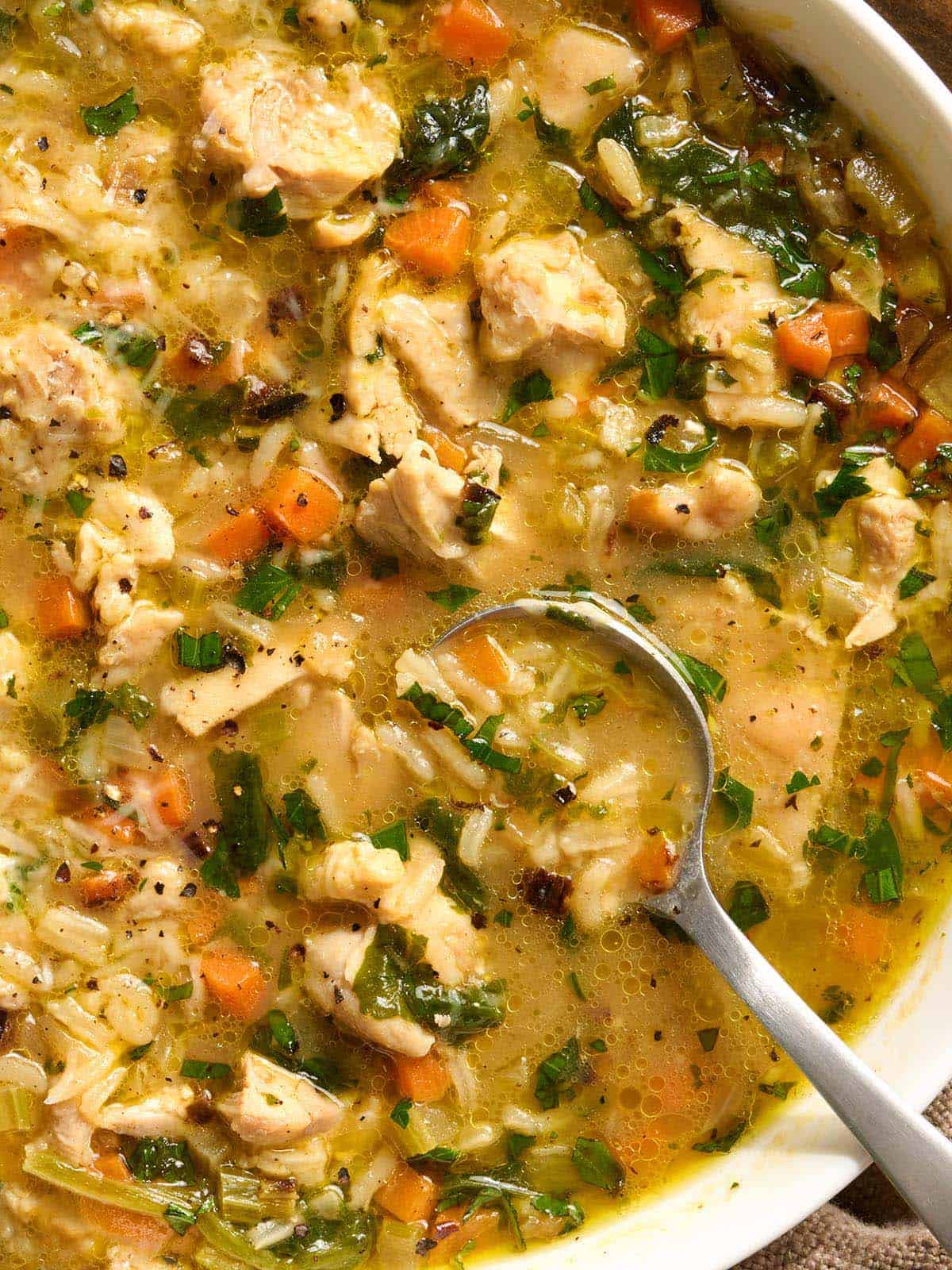
In the current economic climate, the affordability of home-cooked meals is a primary driver for consumer behavior. The Chicken Broth Bowl is specifically engineered to utilize low-cost, high-impact ingredients.
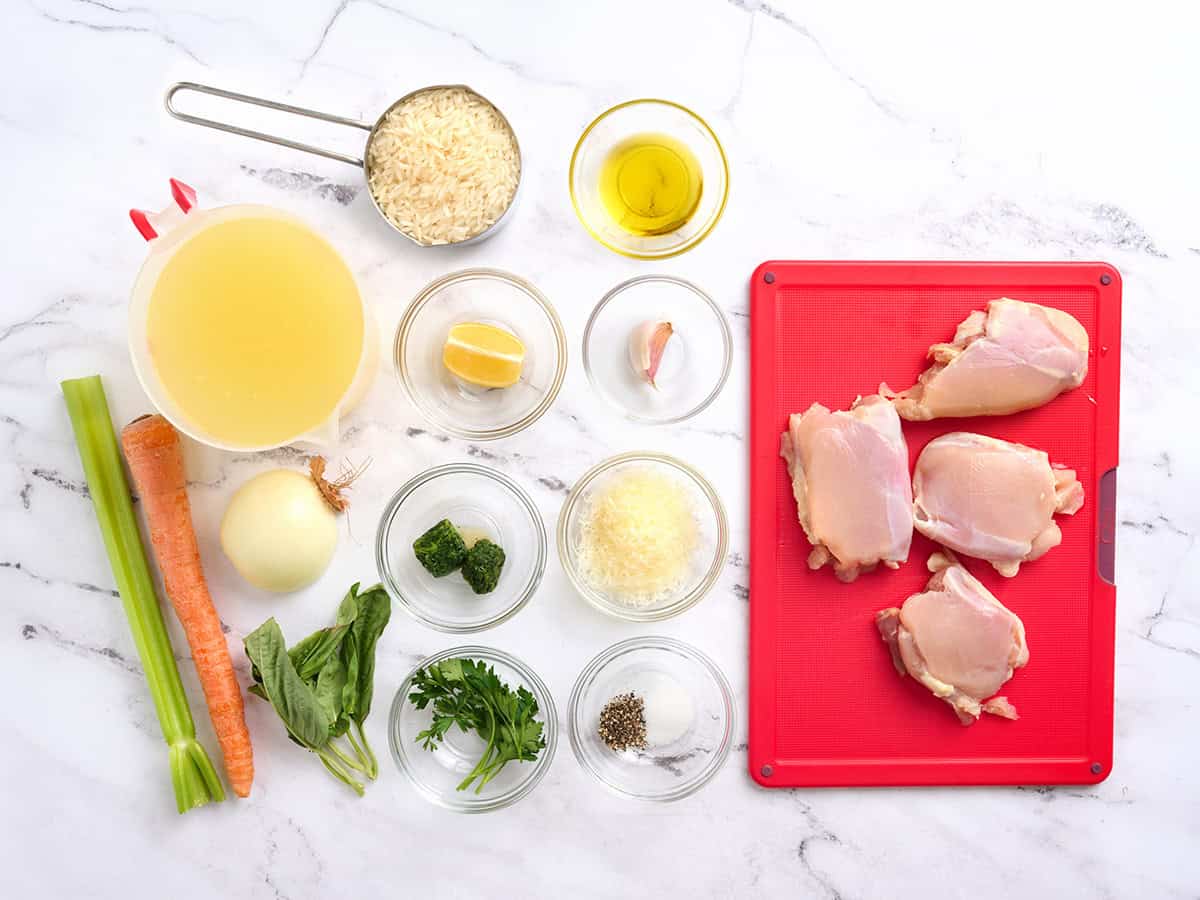
- Protein Selection: The recipe utilizes boneless chicken thighs, sourced at approximately $2.18 per pound. Thighs are preferred over breasts due to their higher fat content and connective tissue, which prevents the meat from drying out during the browning and simmering phases.
- The Mirepoix: A classic combination of carrots, celery, and yellow onions forms the aromatic foundation. These vegetables are among the most cost-effective items in the produce aisle and provide essential vitamins and fiber.
- Pantry Staples: Long-grain white rice serves as the primary carbohydrate. Its shelf stability and low cost per volume make it a "pantry hero" in budget cooking.
- Flavor Fortification: The use of concentrated bases, such as Better Than Bouillon, offers a more cost-effective alternative to pre-packaged cartons of broth. A single jar can produce several gallons of broth and remains stable in refrigeration for extended periods.
By leveraging these ingredients, the recipe manages to provide 27 grams of protein per serving while keeping the caloric intake at a modest 299 calories. This profile aligns with the needs of individuals seeking muscle maintenance and weight management on a restricted budget.
Chronology of Preparation: A Step-by-Step Technical Guide
The preparation of the Chicken Broth Bowl follows a logical progression designed to maximize flavor extraction through specific chemical reactions, notably the Maillard reaction and deglazing.
Phase I: Preparation and Aromatics
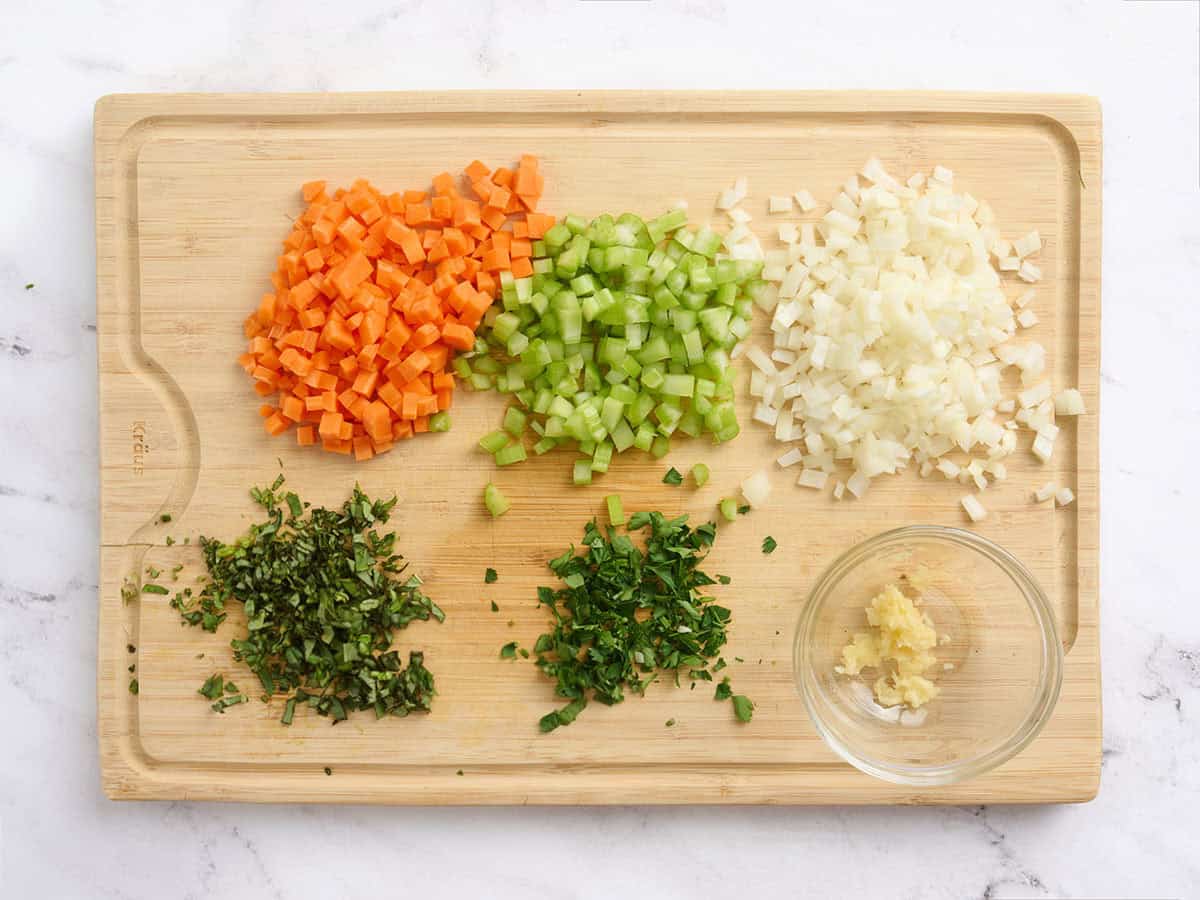
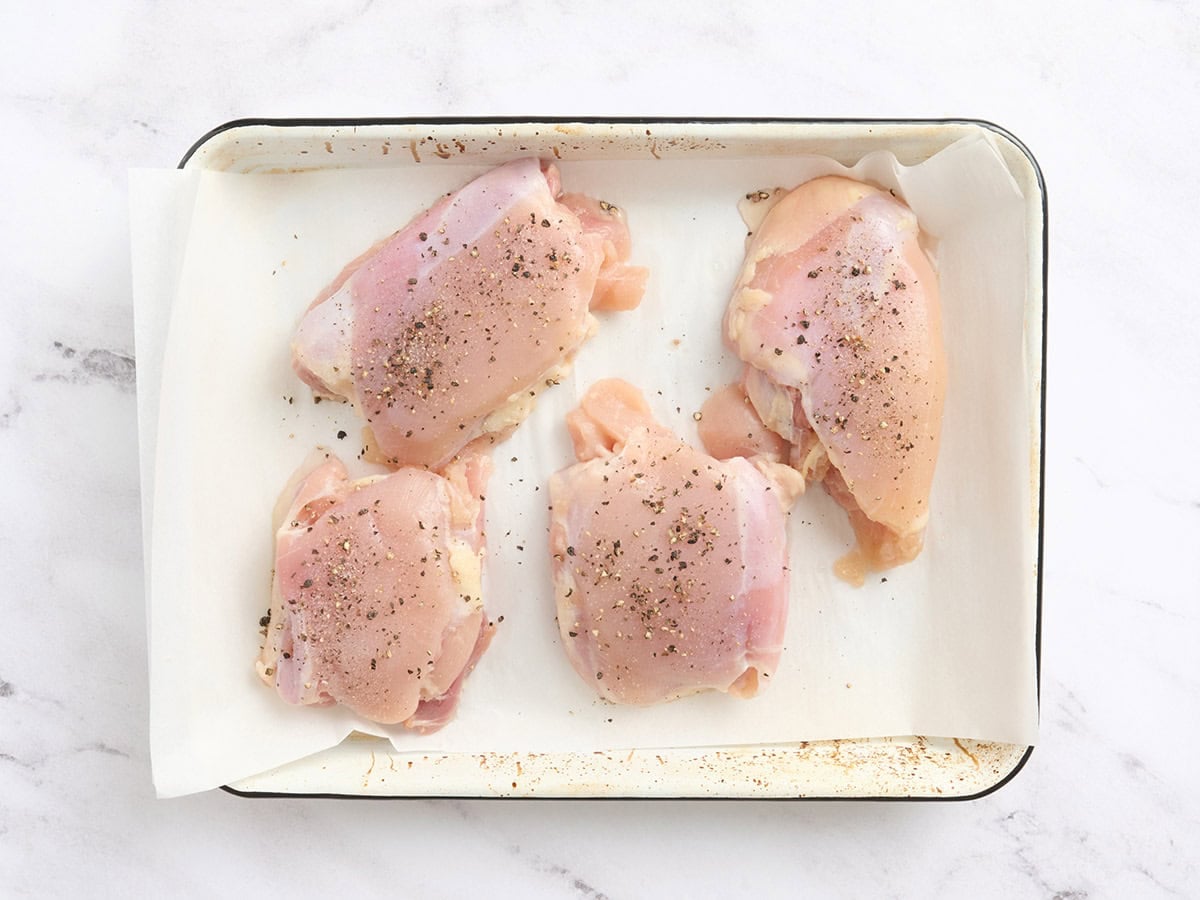
The process begins with the precision dicing of the mirepoix—one carrot, one rib of celery, and half a small yellow onion. Simultaneously, fresh herbs (basil and parsley) and garlic are minced to release their volatile oils. The chicken thighs are prepared by drizzling with olive oil and seasoning with a measured ratio of salt and pepper.
Phase II: The Sauté and Browning Process
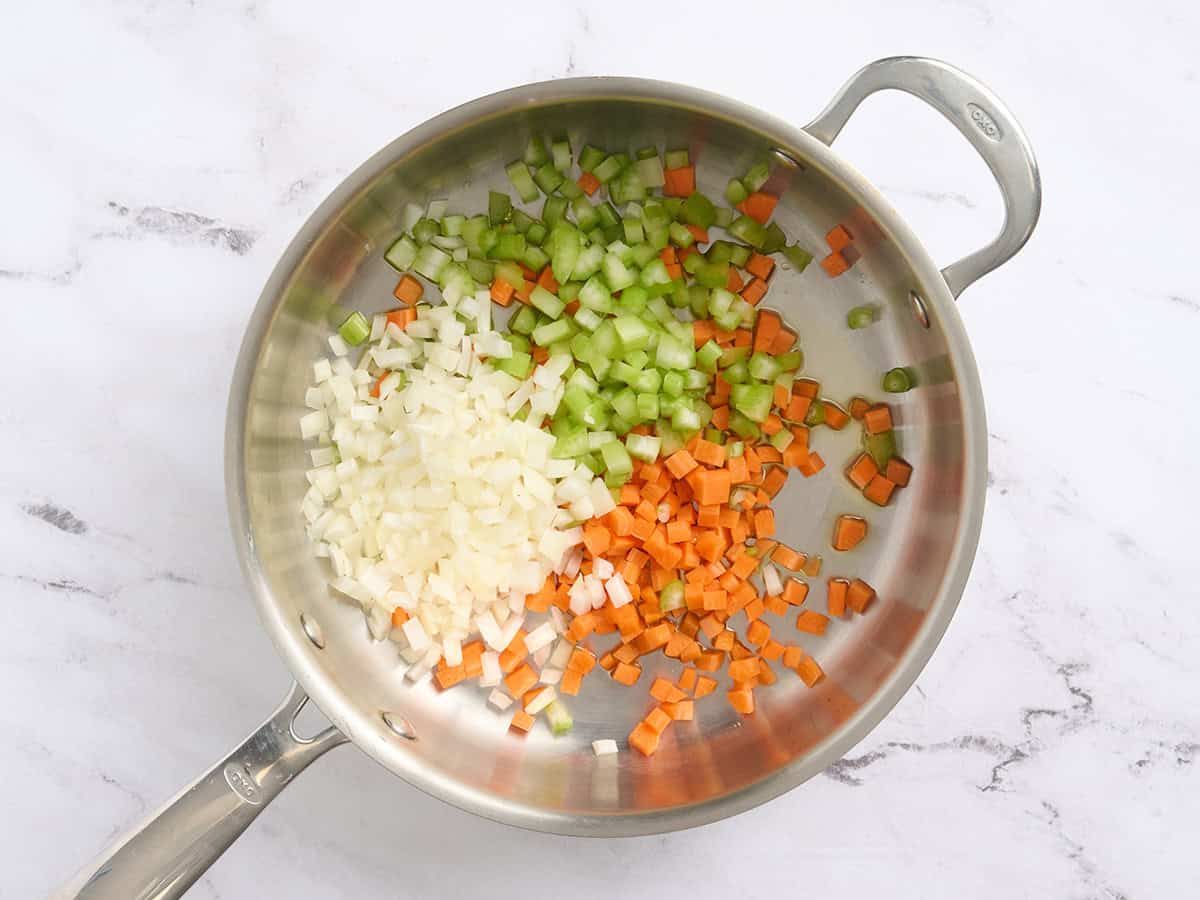
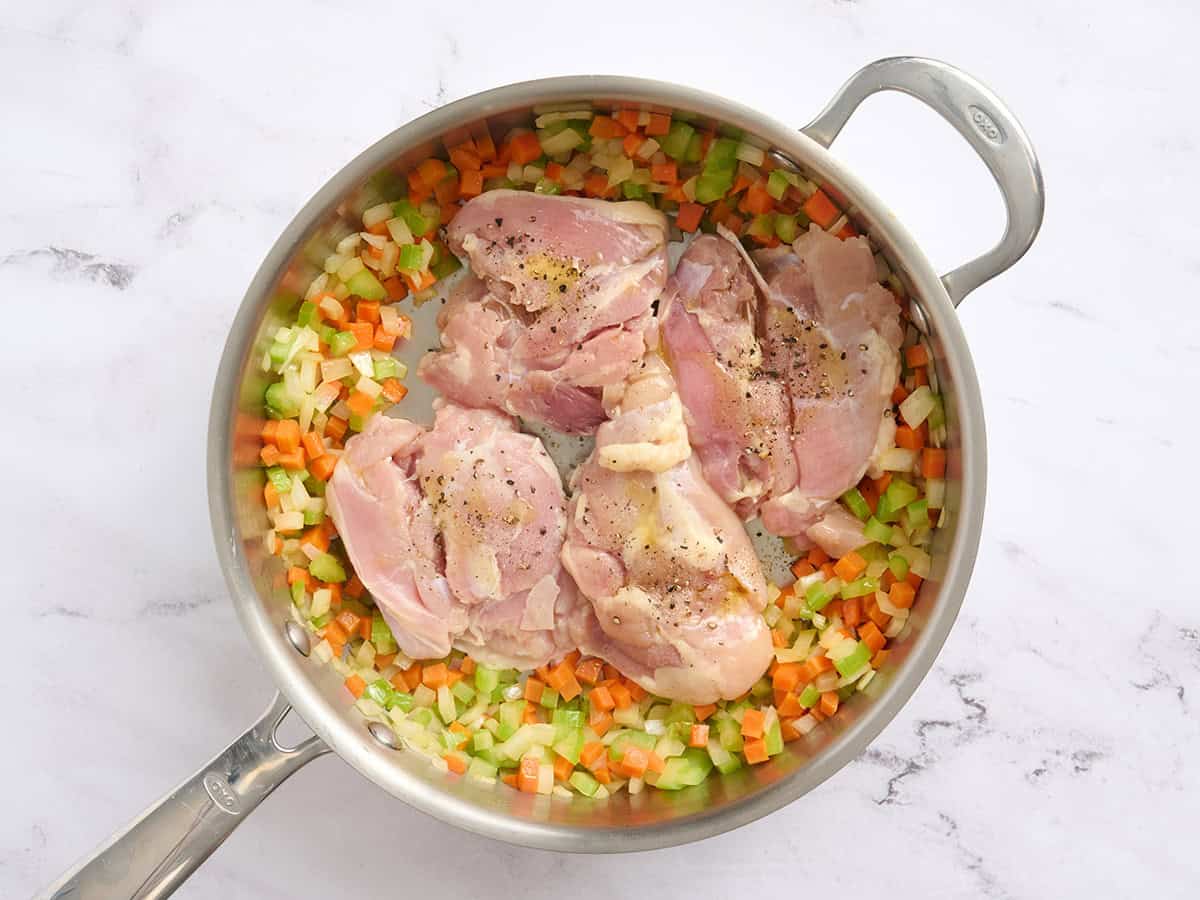
Vegetables are sautéed in olive oil over medium heat for approximately five minutes until softened. This step is crucial for the caramelization of natural sugars in the onions and carrots. The vegetables are then moved to the periphery of the skillet to allow the chicken thighs to sear in the center. Searing the chicken at medium-high heat for five minutes per side develops a "fond"—the browned bits at the bottom of the pan—which contains concentrated savory flavors.
Phase III: Thermal Resting and Deglazing
The chicken is removed when it reaches an internal temperature of 160°F. It is then covered and allowed to rest, utilizing residual heat to reach the USDA-recommended safe internal temperature of 165°F. During this rest period, the pan is deglazed with five cups of chicken broth. The act of deglazing involves scraping the fond into the liquid, effectively integrating the caramelized protein flavors back into the soup base.
Phase IV: Simmering and Integration
Long-grain white rice and frozen spinach are added to the simmering broth. The rice requires approximately 15 minutes of covered simmering to reach the desired "al dente" or tender texture. In the final stage, the rested chicken is sliced into bite-sized pieces and returned to the pot along with the fresh herbs. This ensures the chicken remains juicy and the herbs retain their bright, aromatic qualities.
Nutritional Profile and Health Implications
The nutritional density of the Chicken Broth Bowl is a significant factor in its appeal. The following table outlines the key nutritional metrics per 1.5-cup serving:
| Nutrient | Amount | Daily Value % |
|---|---|---|
| Calories | 299 kcal | 15% |
| Protein | 27g | 54% |
| Carbohydrates | 24g | 8% |
| Total Fat | 10g | 15% |
| Sodium | 1428mg | 62% |
| Dietary Fiber | 1g | 4% |
While the protein content is exceptionally high for a budget meal, the sodium levels are noteworthy. Using concentrated bouillon contributes significantly to the sodium count; however, this often eliminates the need for additional table salt. For individuals on sodium-restricted diets, culinary experts recommend substituting with low-sodium broth or homemade stocks. The inclusion of fresh lemon juice at the end of the cooking process provides an acidic "brightening" effect, which can enhance flavor perception and potentially reduce the reliance on salt for seasoning.
Culinary Variations and Adaptability
The modular nature of the broth bowl allows for significant customization based on dietary requirements or ingredient availability. The Nashville Test Kitchen suggests a "Protein + Green + Grain" formula for those looking to deviate from the standard recipe.
- Alternative Proteins: Ground turkey, sliced beef sirloin, or firm tofu can be substituted for chicken thighs.
- Grains and Starches: For a lower glycemic index, pearled barley or quinoa can be used, though cooking times must be adjusted accordingly.
- Vegetable Enhancements: Harder vegetables like kale or bok choy can replace spinach for added texture and micronutrients.
- Broth Diversity: Mushroom or vegetable broths can be used to create a vegetarian base, while bone broth can be utilized for those seeking higher collagen and mineral content.
Storage, Safety, and Reheating Protocols
Proper food safety management is essential for one-pot rice dishes. Rice can harbor Bacillus cereus spores, which may survive cooking. Therefore, leftovers must be cooled rapidly and stored in airtight containers in the refrigerator. The recipe maintains its quality for three to four days under refrigeration.
During storage, the rice will continue to undergo starch retrogradation and will absorb additional liquid from the broth. When reheating, it is recommended to add a small volume of water or additional broth to restore the original consistency. While the soup can be frozen for up to three months, the cellular structure of the rice may soften significantly upon thawing, resulting in a more porridge-like texture.
Broader Impact on Home Cooking Culture
The Chicken Broth Bowl serves as more than just a recipe; it is a manifestation of the "back to basics" movement in home gastronomy. By focusing on fundamental skills—chopping, searing, and simmering—the dish empowers home cooks to produce restaurant-quality nutrition at a fraction of the cost.
As inflation continues to impact the cost of dining out, the ability to create "soul food" that is both healthy and affordable is becoming a vital life skill. The success of such recipes in test kitchens and on social media platforms underscores a collective desire for simplicity and nourishment in a fast-paced, economically challenging environment. The integration of fresh herbs and citrus at the finish elevates the dish from a simple "pantry pull" to a sophisticated meal, proving that budget-friendly cooking does not require a sacrifice in culinary excellence.
