
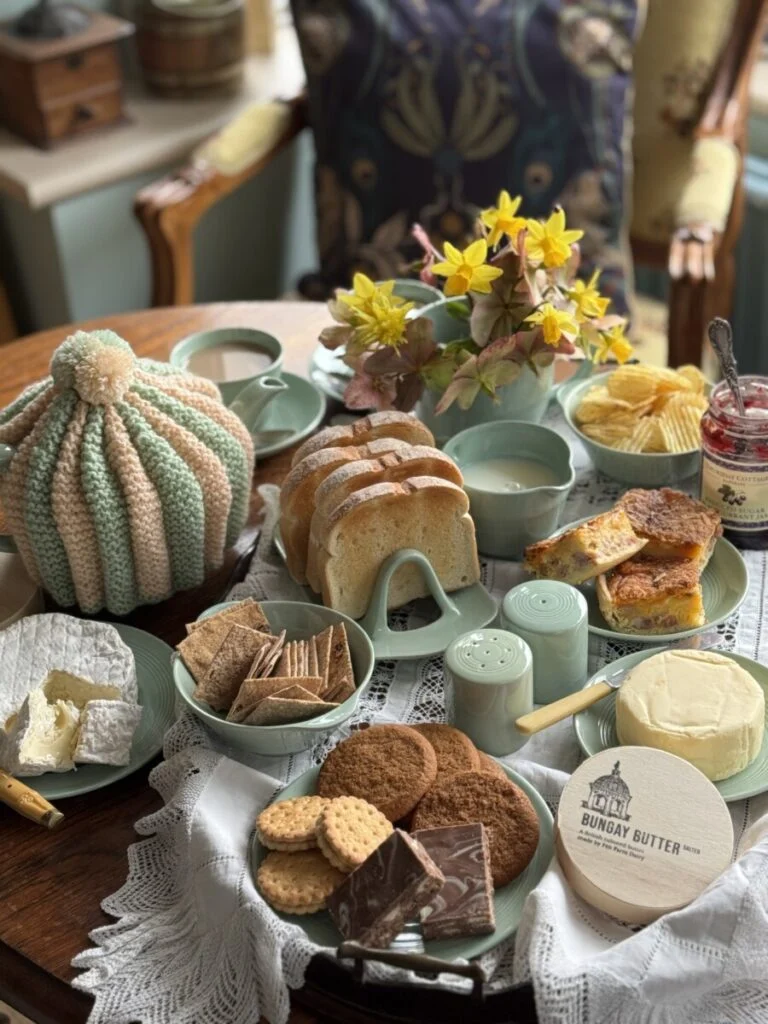
The annual observance of St. George’s Day, honouring England’s patron saint, is often noted as the least celebrated of the United Kingdom’s national saint’s days. Unlike the widespread revelry associated with St. Patrick’s Day, the proud Scottish celebrations on St. Andrew’s Day, or the daffodils and leeks adorning St. David’s Day in Wales, St. George’s Day tends to pass with less fanfare. This quiet observance is a source of regret for many who champion English traditions, including Burns-Booth, who advocates for a more robust recognition of the day through the universal language of food. The historical figure of St. George, a soldier in the Roman army martyred for his Christian faith, became England’s patron saint in the 14th century. His legendary slaying of a dragon, a symbol of good triumphing over evil, has long been a powerful emblem for the nation, yet its modern-day celebration often lacks the public holiday status or widespread cultural engagement seen in other parts of the UK.

Adding another layer of cultural significance to April 23rd is its widely accepted designation as William Shakespeare’s birthday. Though the exact date of the Bard’s birth in 1564 remains unconfirmed, historical records from Holy Trinity Church in Stratford-upon-Avon show his baptism on April 26, 1564. According to the Shakespeare Birthplace Trust, baptisms typically occurred within three days of birth, leading to the widely adopted celebration of his birthday on April 23rd. This dual significance underscores the date’s importance in English history and culture, making it an opportune moment to reflect on national identity, including its culinary expressions.

Karen Burns-Booth’s collection, featured on Lavender and Lovage, serves as a delicious antidote to the potential neglect of English traditions. Her curated list includes "some old and much-loved English recipes," ranging from hearty savoury dishes to comforting sweet treats. The initiative aims to encourage both seasoned cooks and culinary novices to engage with England’s food history. "You don’t have to be English to enjoy these recipes," Burns-Booth states, drawing parallels to the cross-cultural appreciation for Guinness on St. Patrick’s Day or Welsh Cakes on St. David’s Day.

The savoury section of the collection offers a robust selection designed to satisfy diverse palates. Traditional English salads, often incorporating herbs and seasonal produce, are highlighted, with examples such as Elizabethan English Herb and Flower Salad with Honey Dressing, Old Fashioned Roses and an English Garden Salad with Cheese and Eggs, and English Apple and Walnut Salad. These dishes reflect a historical connection to fresh, local ingredients. Pies, a cornerstone of British cuisine, are extensively featured. "Plate Pies" like the 1950’s Picnic Pie, Cheese & Onion Plate Pie, and Corned Beef Potato Pie offer substantial and comforting options, showcasing the versatility of pastry-encased meals. Smaller, portable options like Coronation Pork & Pickle Picnic Pies, Lincolnshire Sausage, Sage & Onion Pies, and Cheese, Onion and Potato Pasties exemplify the tradition of pasties and individual savoury pastries, perfect for picnics or on-the-go sustenance.

For those seeking more substantial fare, the "Stews and Casseroles" category includes classics such as Traditional Oxtail Stew, Farmhouse Chicken & Vegetable Stew with Dumplings, and Sausage, Apple and Cider Casserole, embodying the comforting and slow-cooked essence of English home cooking. Other main dishes like Beef Wellington, Peppered Steak and Chips, and the Suffolk Gold Double Cheese Burger underscore a broader range of English culinary preferences, from elegant roasts to robust pub fare. English cheese, a celebrated national product, also receives its due with recipes like Wild Garlic & Three Cheese Tomato Tart and Sourdough Cheese Wild Garlic Scones, demonstrating the integration of local dairy into everyday meals.

The sweet side of English cuisine is equally well-represented, inviting bakers to indulge in classic treats. Scones, a quintessential element of English afternoon tea, appear in various forms, including Buckingham Palace Fruit Scones, Be-Ro Victoria Scones, and Small Batch Cream Tea Scones. These recipes highlight the simple elegance of freshly baked goods. Tea loaves, perfect for an afternoon cuppa, feature prominently with Sticky Marmalade Tea Loaf, Gingerbread Tea Loaf, and Old-Fashioned Ovaltine Tea Loaf, offering moist and flavourful alternatives to traditional cakes. Fruit cakes, from Fruit and Cherry Afternoon Tea Cake to Wartime Eggless Fruit Cake (Vinegar Cake), illustrate enduring baking traditions, some born from necessity during periods of rationing.

Victoria Sandwich & Sponge Cakes, epitomizing British baking, are showcased with a classic Victoria Sandwich and a Spring Posy Victoria Sandwich Cake with Lemon Curd, alongside Madeira Cake, known for its firm yet delicate texture. Smaller, whimsical cakes like Vanilla Butterfly Cakes, Princess Elizabeth Cakes, and Fantasy Fairy Cakes add a touch of charm and nostalgia. Fruit pies and tarts, such as Old-Fashioned Lemon Meringue Pie, Bilberry Plate Pie, and Northumberland Gooseberry Plate Pie, celebrate seasonal fruits and traditional pastry skills. English puddings, from classic steamed varieties like Railway Pudding and Traditional Spotted Dick Pudding to more indulgent options, reflect a legacy of comforting desserts. Biscuits, including Traditional Easter Biscuits, Betty’s Fat Rascals, and Empire Biscuits, round out the sweet offerings, providing options for every occasion. Finally, English bread recipes, like Overnight Farmhouse Wholemeal Bread Loaf, Traditional Mothering Buns, and Farmhouse "Spit Tin" Crusty Loaf, underscore the foundational role of bread in English culinary history.

However, the celebratory atmosphere surrounding these recipes is tempered by a growing concern for the future of some of England’s most iconic dishes. A recent online report highlighted a "shocking" list of traditional British recipes deemed at risk of extinction within the next few years. Alarmingly, this list includes staples like Victoria sponge cake, rock cakes, scones, and jam tarts—dishes that many would consider cornerstones of British culinary identity. This revelation has prompted a broader analysis of the factors contributing to this decline and the implications for cultural heritage.

The potential extinction of these recipes can be attributed to several modern trends. Changing dietary habits, a greater inclination towards convenience foods, and the pervasive influence of global cuisines have collectively shifted public tastes away from traditional, often more time-consuming, preparations. There is also a discernible decline in traditional home cooking skills, with younger generations less frequently learning the art of baking and preparing classic dishes from scratch. The fast-paced nature of contemporary life often leaves little room for the leisurely preparation that many traditional recipes demand. Furthermore, the accessibility of a vast array of international foods means that local, historic dishes face stiff competition for a place on the modern dinner table.

The implications of losing these recipes extend far beyond the kitchen. Food is an intrinsic part of national identity, carrying stories of generations, regional specificities, and historical events. The disappearance of dishes like the Victoria sponge, named after Queen Victoria and a symbol of British afternoon tea, represents a loss of cultural memory and a weakening of culinary heritage. It diminishes the diversity of England’s gastronomic landscape and can lead to a disconnection from historical roots.

In response to these concerns, various parties are implicitly stepping up efforts to safeguard England’s gastronomic heritage. Culinary historians and food preservation societies are working to document and archive recipes, ensuring their availability for future generations. Chefs and restaurateurs are increasingly featuring traditional dishes on their menus, often with modern twists, to reintroduce them to a contemporary audience. Food bloggers and writers like Karen Burns-Booth play a vital role in popularising these recipes, making them accessible and appealing through online platforms. English Heritage, a charity that manages historical sites, also contributes by providing historical context to food traditions, as evidenced by their fascinating podcast on St. George and the Dragon. Their work collectively aims to foster appreciation and practical engagement with England’s culinary past.

The broader impact of these initiatives underscores the role of food as a cultural anchor. Reviving and celebrating traditional recipes is not merely about gastronomy; it is about reinforcing national identity, fostering community, and enabling intergenerational connections. Sharing a traditional English pie or a freshly baked scone can evoke nostalgia, create new memories, and transmit cultural values. As England looks forward to St. George’s Day 2026, the call to action is clear: embrace the culinary heritage, learn the recipes, and ensure that the flavours of England continue to thrive, not merely as historical footnotes but as vibrant, living traditions. The challenge remains to bridge the gap between historical significance and contemporary relevance, ensuring that these much-loved English dishes remain on our plates and in our collective consciousness for generations to come.
