
As the calendar turns and temperatures predictably begin their ascent, a significant culinary transition takes place across many regions, marking a departure from the hearty, warming fare of winter towards lighter, more vibrant, and often more nutritious spring and summer dishes. This annual shift is not merely a matter of preference but is deeply rooted in human physiology, agricultural cycles, and evolving health consciousness, prompting individuals and the food industry alike to adapt menus and cooking methods to align with the changing seasons. This guide delves into the rationale behind this culinary metamorphosis, offering insights into how to embrace flavour-packed, nutritious dishes that invigorate the body and spirit during the warmer months.
The Seasonal Imperative: A Historical and Physiological Context

The practice of seasonal eating is far from a modern trend; it is a tradition deeply embedded in human history, born out of necessity before the advent of global food supply chains. For centuries, diets were dictated by what the land yielded in each season, fostering a natural rhythm of consumption. Winter brought root vegetables, preserved meats, and grains, suitable for sustaining energy in colder climes. Spring, however, heralded a reawakening, with the first tender shoots and greens providing much-needed vitamins after leaner months. As the days lengthen and the mercury rises, the body’s metabolic needs subtly change. Heavier, calorie-dense meals, while comforting in colder weather, can feel sluggish and less appealing in the heat. Conversely, lighter, water-rich foods become more desirable, aiding hydration and promoting a sense of freshness. This inherent physiological response, coupled with the abundance of fresh produce, drives the widespread adoption of spring and summer menus.
Embracing Seasonal Produce: The Foundation of Spring/Summer Cuisine
Central to the warmer weather culinary shift is the enthusiastic embrace of seasonal produce, particularly through dishes like salads. The arrival of sunny days often triggers a fundamental change in consumer shopping habits and meal planning, with spring and summer becoming synonymous with light, fresh, and inherently nutritious meals. Salads, far from being mundane, emerge as versatile culinary canvases, offering endless possibilities for flavour and texture.

The versatility of salads is unparalleled. They can be elegantly composed for formal gatherings or quickly assembled for a casual lunch, requiring minimal preparation time while delivering a concentrated dose of nutrients. From a public health perspective, increasing vegetable and fruit intake is a consistent recommendation. According to the World Health Organization (WHO), inadequate intake of fruits and vegetables is estimated to cause around 1.7 million deaths worldwide annually. Seasonal salads offer a delicious pathway to meet these recommendations, rich in vitamins, minerals, and dietary fibre crucial for digestive health and overall well-being.
To truly "taste the rainbow" and maximize nutrient intake, culinary experts and nutritionists advocate for diversity in salad ingredients. Beyond traditional lettuce and tomato, the spring and summer months burst with a vibrant array of produce. Popular options include the crispness of asparagus, the peppery bite of radishes, sweet snap peas, and the earthy tones of new potatoes in spring. As summer progresses, the bounty expands to include succulent strawberries, raspberries, watermelon, kiwis, peaches, nectarines, and cherries, alongside vegetables like bell peppers, zucchini, corn, and eggplant. Each colour typically signifies a different set of phytochemicals and antioxidants, contributing to a broader spectrum of health benefits, from boosting immunity to reducing inflammation. For instance, red fruits like strawberries are rich in anthocyanins, while orange vegetables like bell peppers provide beta-carotene.
Beyond fresh greens, the potential for salad innovation extends to incorporating various protein sources, healthy fats, and complex carbohydrates. Adding grilled chicken, flaked salmon, chickpeas, lentils, or even tofu can transform a simple side salad into a complete, satisfying meal. Grains such as quinoa, farro, or brown rice can further enhance satiety and provide sustained energy. Dressings, too, offer an opportunity for creativity, moving beyond heavy creams to lighter vinaigrettes made with olive oil, citrus juices, and fresh herbs. The American Heart Association consistently highlights the benefits of a diet rich in fruits and vegetables for cardiovascular health, and seasonal salads are an exemplary way to achieve this.

Optimizing Protein: Lean Meats and Seafood for Lighter Meals
While colder months naturally draw consumers towards rich, robust dishes featuring red meats and slow-cooked preparations, the arrival of warmer weather precipitates a shift towards lighter protein sources. Stews, casseroles, and heavy curries give way to grilled preparations, stir-fries, and fresh seafood dishes. This transition, however, does not imply a reduction in protein intake; rather, it encourages a focus on leaner options that are easier to digest and complement the season’s lighter palate.
Lean meats such as chicken and turkey are ideal choices for spring and summer menus. Their versatility allows them to be incorporated into salads, kebabs, stir-fries, or light curries without the heaviness associated with fattier cuts. A 100-gram serving of skinless chicken breast, for example, provides approximately 31 grams of protein with minimal fat, making it an excellent building block for nutritious meals.

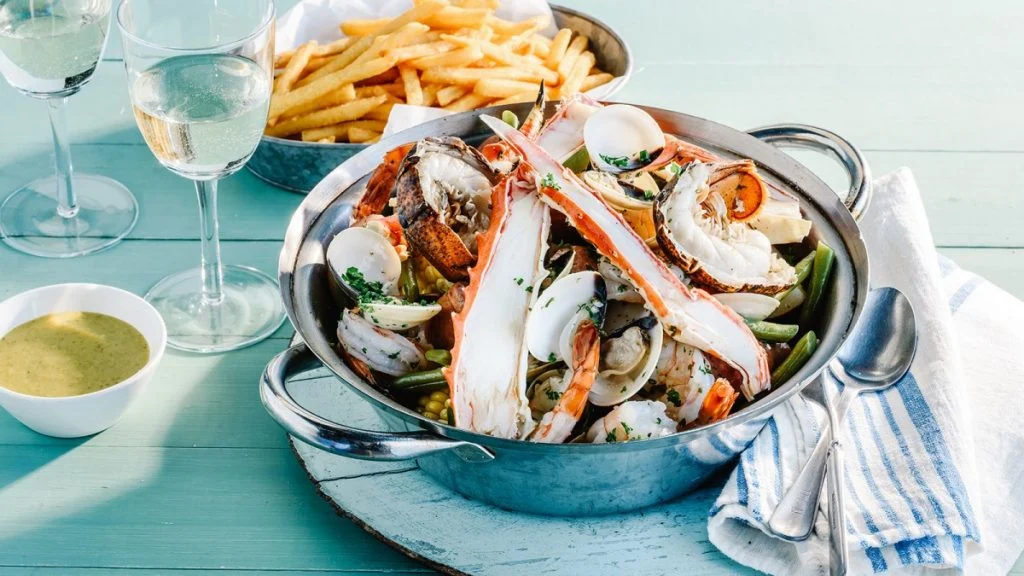
Seafood truly shines during the warmer months, offering an unparalleled array of choices that are both delicious and highly beneficial. Fish like salmon, cod, sea bass, and snapper are rich in omega-3 fatty acids, which are crucial for heart and brain health. Shellfish, including prawns, crab, and scallops, offer lean protein with a delicate flavour profile that pairs perfectly with fresh spring vegetables and light sauces. For instance, snow crab legs, served simply with a lemon-garlic aioli, can be a sophisticated yet light appetizer or a decadent main course. The National Oceanic and Atmospheric Administration (NOAA) consistently promotes the health benefits of seafood consumption, recommending at least two servings per week.
Furthermore, plant-based proteins play an increasingly prominent role in seasonal eating. Legumes such as chickpeas, lentils, and various beans are not only excellent sources of protein and fibre but also contribute to a sense of satiety and can be easily integrated into salads, wraps, and vegetable-based stews. Tofu and tempeh offer versatile meat alternatives for grilling or stir-frying, absorbing marinades beautifully and providing a complete protein profile. This diversification of protein sources ensures that dietary needs are met while maintaining the light and fresh culinary theme of the season.
Culinary Transformation: Adapting Cooking Methods for Al Fresco Dining

The shift in seasons invariably influences not just what we eat, but how we prepare it. The first glimpses of warm sun and longer evenings are a powerful catalyst for a transition in cooking methods, moving from oven-centric roasting and slow-cooking to techniques that emphasize speed, freshness, and often, outdoor enjoyment. This adaptation is key to creating healthier dishes that align with warmer weather sensibilities.
Grilling, in particular, emerges as a quintessential summer cooking method. Its appeal extends beyond the delicious charred flavour and appealing texture it imparts to food; it also offers significant health benefits. Grilling typically requires less added fat compared to pan-frying, and excess fats often drip away, contributing to a reduction in overall calorie and saturated fat intake. The outdoor setting of a barbecue also transforms cooking into a social event, fostering community and enjoyment around food.
While barbecues traditionally conjure images of sausages and burgers, the modern approach to grilling is far more expansive and inclusive. Culinary trends indicate a growing demand for diverse grilled options that cater to various dietary preferences and health goals. Vegetarians can enjoy grilled halloumi, portobello mushrooms, or colourful vegetable skewers featuring peppers, onions, and zucchini. Chicken, salmon, and tofu skewers are popular choices for those seeking lean protein, often marinated in vibrant, zesty sauces to enhance flavour. Charred corn on the cob, grilled asparagus, and even grilled fruits like pineapple or peaches for dessert demonstrate the vast potential of outdoor cooking.

Beyond grilling, other lighter cooking methods gain prominence. Steaming, poaching, and quick sautéing preserve the delicate flavours and nutritional integrity of fresh produce and lean proteins. These methods minimize the need for heavy oils and fats, allowing the natural essence of seasonal ingredients to shine. For example, steamed fish with lemon and herbs, or quickly sautéed greens with garlic, are simple yet profoundly flavourful dishes that embody the spirit of warmer weather dining. The emphasis shifts from long, slow cooking to rapid preparation that respects the freshness of ingredients.
The Broader Impact: Health, Economy, and Environment
The annual culinary shift towards spring and summer eating has far-reaching implications beyond individual palates, impacting public health, local economies, and environmental sustainability.

Health Implications: Adopting a diet rich in seasonal fruits, vegetables, and lean proteins offers substantial health benefits. Increased intake of fibre, vitamins, and antioxidants supports a robust immune system, improves cardiovascular health, and contributes to better weight management. The lighter nature of these meals can also aid digestion and reduce feelings of lethargy often associated with heavier foods. Public health organizations like the British Heart Foundation (BHF) regularly publish seasonal healthy eating guides, reinforcing the positive link between warm-weather diets and long-term health.
Economic Implications: The seasonal culinary transition provides a significant boost to local agricultural economies. Farmers’ markets experience a surge in activity, supporting local growers and producers. Restaurants and food businesses adapt their menus to feature seasonal specials, drawing in customers eager to experience fresh, local flavours. This creates a positive feedback loop, encouraging sustainable farming practices and fostering community engagement around food. According to market analysts, the demand for fresh produce typically sees a double-digit percentage increase during spring and summer months in many developed economies, translating into billions in revenue for the agricultural sector.
Environmental Implications: Choosing seasonal and locally sourced ingredients inherently reduces the environmental footprint of food consumption. Transporting produce across vast distances out of season incurs significant carbon emissions. By opting for what’s in season and grown nearby, consumers contribute to lower energy consumption, reduced packaging waste, and support more sustainable food systems. This aligns with broader global efforts to mitigate climate change and promote ecological balance. Organizations focused on sustainable food systems consistently highlight the environmental benefits of seasonal and local eating as a key component of responsible consumption.

Expert Perspectives and Consumer Trends
Nutritionists consistently advocate for seasonal eating, emphasizing its benefits for both health and enjoyment. Dr. Anya Sharma, a renowned nutritionist, states, "Eating seasonally ensures you’re consuming produce at its peak ripeness and nutritional value. It also encourages a broader dietary variety, which is fundamental for obtaining a full spectrum of micronutrients."
Culinary experts echo this sentiment, focusing on the sensory experience. Chef Julian Thorne notes, "Spring and summer ingredients practically beg for lighter touches. The natural sweetness of ripe berries, the crispness of fresh greens, or the delicate flavour of newly caught fish are best highlighted with minimal intervention, allowing their inherent quality to shine."

Consumer trends increasingly reflect a heightened awareness of these benefits. Data from food industry reports indicate a steady rise in consumer demand for "farm-to-table" experiences, organic produce, and plant-based options, particularly during the warmer months. Social media platforms are awash with vibrant, fresh meal ideas, further popularizing seasonal cooking and inspiring home cooks to experiment with new ingredients and techniques. This confluence of expert advice and evolving consumer preferences solidifies the seasonal culinary shift as a significant and sustained trend.
In conclusion, the changing seasons fundamentally reshape our approach to food. As winter’s chill recedes and the days lengthen, a natural inclination towards lighter, fresher, and more vibrant dishes emerges. By embracing salad season with creativity, incorporating lean proteins and diverse seafood, maximizing the colourful bounty of fruits and vegetables, and adapting cooking methods to favour grilling and other lighter techniques, individuals can not only put a literal "spring in their step" but also contribute to a healthier lifestyle, a thriving local economy, and a more sustainable planet. The journey through spring and summer cuisine is a celebration of freshness, flavour, and well-being.
