
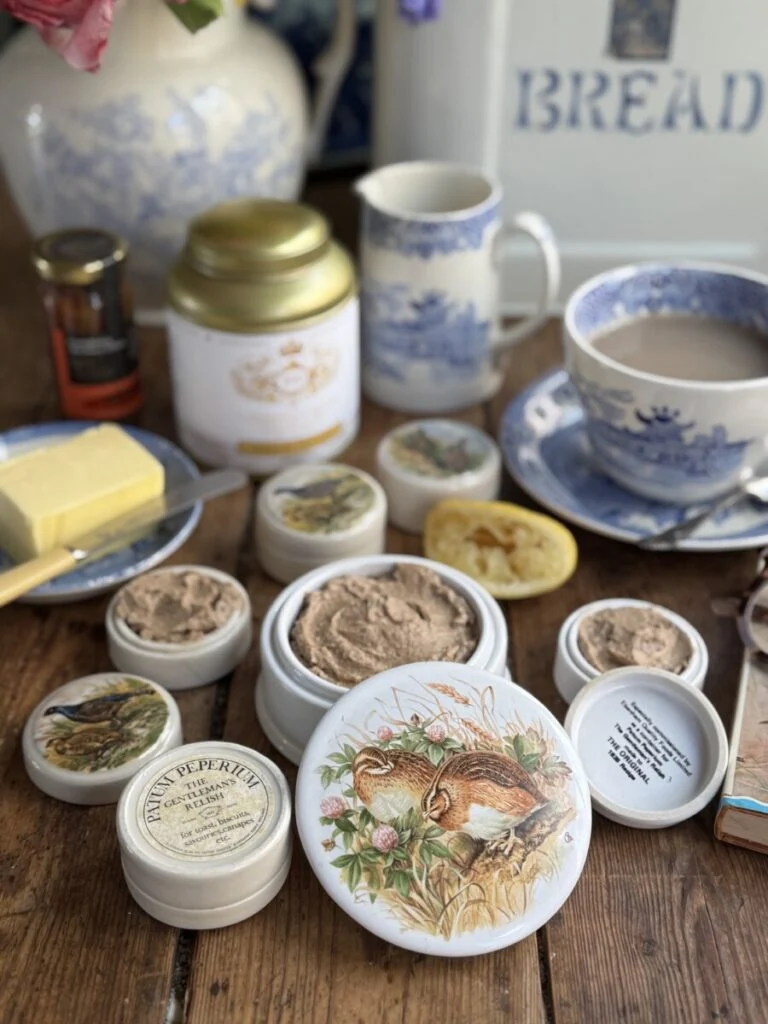
A beloved British culinary staple, Patum Peperium, more commonly known as Gentleman’s Relish, faced an uncertain future recently with its manufacturer, AB World Foods, announcing its discontinuation. This news sparked widespread disappointment among its devoted following, prompting a significant public outcry that has, surprisingly, led to preliminary discussions about the spread’s potential revival. The pungent, anchovy-based paste, a fixture on British tables for nearly two centuries, represents more than just a condiment; it embodies a piece of the nation’s gastronomic heritage, a connection to Victorian-era dining, and a taste cherished across generations.

A Legacy of Flavour: The History of Gentleman’s Relish
Patum Peperium, a name derived from mock-Latin meaning "pepper pâté," was first created in 1828 by John Osborn. This innovative blend of salted anchovies, butter, aromatic herbs, and secret spices quickly gained favour, particularly among the British gentry. Its distinctive, intensely savoury, and salty profile was perfectly suited to the culinary tastes of the 19th century, serving as a versatile spread for toast, a flavour enhancer for cooked dishes, and a sophisticated addition to canapés. The relish was officially introduced to the wider public in 1849 at the prestigious Paris Food Show, cementing its status as an iconic British export and a symbol of refined taste. For generations, it has been synonymous with simple pleasures like hot buttered toast, providing a robust, umami-rich kick that has endeared it to discerning palates. Its ceramic pot packaging further contributed to its classic, heritage appeal, making it instantly recognizable on pantry shelves.

The Announcement of Discontinuation: Commercial Realities
The news of Gentleman’s Relish being discontinued emerged a few weeks ago, sending ripples of dismay through its loyal consumer base. AB World Foods, the company responsible for its production, issued a statement clarifying their decision. "While we recognise that this Victorian relish has a niche and loyal following, it sadly does not have wider commercial appeal and, despite our best efforts, retailer distribution has dwindled," the company stated. Production of the relish ceased earlier this year, citing that it was "no longer commercially viable" and that they were "unable to secure a buyer for the brand." This decision reflects the harsh realities faced by many heritage food brands in an increasingly competitive and fast-evolving global food market. Niche products, even those with significant cultural cachet, often struggle to maintain shelf space and attract new consumers when pitted against mass-market alternatives or newer culinary trends. The cost of specialized ingredients, traditional manufacturing processes, and limited marketing budgets can make sustained commercial viability a significant challenge.

Public Reaction and Culinary Resilience
The immediate aftermath of the discontinuation announcement saw an outpouring of grief and a scramble to acquire remaining stock. Online retailers quickly sold out, demonstrating the depth of affection for the product. Many consumers expressed their sadness at losing a taste that often evoked fond memories of family meals and traditional British fare. The sentiment extended beyond casual consumers, reaching prominent figures in the culinary world. Jeremy King, the renowned restaurateur who recently reopened London’s historic Simpson’s in the Strand, reportedly instructed his chefs to develop their own version of the anchovy spread. This move underscored the relish’s importance within the British gastronomic landscape and the determination of chefs to preserve its legacy. The lament for Gentleman’s Relish echoed similar concerns over the disappearance of other beloved British brands, such as Bath Olivers biscuits, which also fell victim to commercial pressures. This pattern highlights a broader anxiety about the erosion of traditional British food culture in the face of modern market forces. The author of the original article, a long-time enthusiast whose late father also cherished the relish, quickly recalled a homemade recipe she had developed in 2012 when living in France, a time when the relish was unavailable locally. She had even shared this recipe on a platform called RecipeZaar (now Food.com), where it received positive reviews. This personal anecdote illustrates a broader trend: when commercial products vanish, home cooks often become the custodians of culinary heritage, recreating beloved tastes in their own kitchens.

The Art of Recreation: Crafting Homemade Gentleman’s Relish
The renewed interest in homemade versions of Patum Peperium provides a lifeline for those unwilling to bid farewell to its distinctive flavour. The process, as detailed in various historical and modern recipes, including the one rediscovered by the author, involves a careful blend of key ingredients. Anchovies, the undisputed star, are combined with butter, often softened to facilitate blending. While traditional methods might call for a mortar and pestle to achieve a smooth paste, modern adaptations frequently employ a small food processor for efficiency. To this base, additional components are introduced: breadcrumbs, a mix of spices (often cayenne pepper, nutmeg, and mace, though specific blends remain part of the "secret"), black pepper, and a touch of lemon juice for brightness. The author’s recipe also suggests the addition of capers for a more piquant taste, a creative modification that enhances the relish’s complexity.

One notable difference in homemade versions compared to the commercial product is often the colour; homemade relish tends to be paler. This is attributed by some to the commercial process involving heating the mixture before cooling, which can deepen its hue. Despite this visual distinction, home cooks confirm that the flavour profile remains remarkably similar to the original, delivering the desired pungent, salty, and spicy experience. The versatility of Gentleman’s Relish remains a key aspect of its appeal. It is traditionally savoured spread sparingly on hot, buttered toast – whether white or brown bread – due to its intense flavour. Beyond this classic preparation, it elevates scrambled eggs, adds depth to sandwiches, and can serve as a potent "kick" to savoury sauces, stews, and casseroles, imbuing them with an umami richness that is difficult to replicate.
A Glimmer of Hope: AB World Foods Reconsiders

In a significant turn of events, the strong public reaction to the discontinuation prompted AB World Foods to reconsider its decision. Following the widespread outcry, the company released a new statement, acknowledging the powerful consumer sentiment. "We have been blown away by the response from Gentleman’s Relish fans since we confirmed our decision to stop production. We are grateful to everyone who has taken the time to get in touch," a spokesperson for AB World Foods announced. More importantly, the statement revealed that "Given this strength of feeling, we are pleased to say that we are at the early stages of exploring options with several third parties who have expressed an interest in taking the brand forward."
This development offers a beacon of hope for fans of Patum Peperium. It underscores the increasing influence of consumer advocacy and the power of collective sentiment, particularly in the age of digital communication and social media, even for seemingly niche products. While "early discussions" do not guarantee a reversal, they signify a recognition by the manufacturer of the brand’s intangible value and cultural importance, extending beyond mere commercial metrics. The possibility of a new owner or licensee stepping in to continue production suggests that this historic spread may yet endure, preventing it from fading into culinary history.

Broader Implications for Food Heritage and Consumer Power
The saga of Gentleman’s Relish serves as a compelling case study on several fronts. Firstly, it highlights the precarious position of heritage food brands in modern retail environments. While beloved by a dedicated demographic, these products often struggle against the economies of scale enjoyed by larger, more contemporary brands. Factors such as evolving dietary preferences, increased competition for shelf space, and the high costs associated with traditional production methods can lead to their commercial demise. The challenge for these brands is to balance tradition with innovation, finding ways to appeal to new generations without alienating their loyal base.

Secondly, the incident powerfully demonstrates the growing influence of consumer voice. In an era where public opinion can be quickly mobilized, companies are increasingly responsive to customer feedback, especially when it is expressed with passion and unity. The "strength of feeling" from Gentleman’s Relish aficionados was potent enough to halt a corporate decision and initiate a search for alternative solutions, showcasing how consumer loyalty can translate into real-world impact. This phenomenon encourages brands to consider the emotional and cultural capital of their products, not just their quarterly sales figures.
Finally, the episode underscores the importance of preserving culinary heritage. Traditional recipes and unique food items are integral parts of a nation’s cultural identity. When they disappear, a piece of that heritage is lost. The dedication of home cooks, chefs, and organizations committed to food preservation becomes critical in such circumstances, ensuring that these tastes and traditions are not forgotten, even if they must be recreated from scratch.

Nutritional Profile
For those who indulge in Gentleman’s Relish, whether homemade or commercially produced, understanding its nutritional aspects is relevant. A typical serving (based on the provided data for a homemade version yielding 16 servings) contains approximately 100 calories. It is relatively high in fat, with 9g total fat, comprising 5g saturated fat and 4g unsaturated fat. Cholesterol stands at 31mg, and sodium content is notably high at 555mg, reflecting the anchovy base. Carbohydrates are minimal at 1g, with 0g fibre and 0g sugar, and it provides 4g of protein. These figures reinforce the understanding that Gentleman’s Relish is a potent, flavour-rich condiment intended for sparing use, adding intense taste rather than serving as a primary nutritional component of a meal.

Conclusion: A Future for the Gentleman’s Relish?
The journey of Patum Peperium from an iconic Victorian delicacy to a discontinued product and now potentially back from the brink, encapsulates the dynamics of modern food industry and consumer culture. While the future of Gentleman’s Relish remains in "early discussions," the fact that AB World Foods is actively seeking a third party to take the brand forward is a testament to the enduring power of tradition and the unwavering loyalty of its fans. The hope is that this beloved anchovy spread, a symbol of British culinary history, will continue to grace breakfast tables and add its unique piquancy to dishes for many years to come, ensuring that its legacy endures beyond the current generation.
