
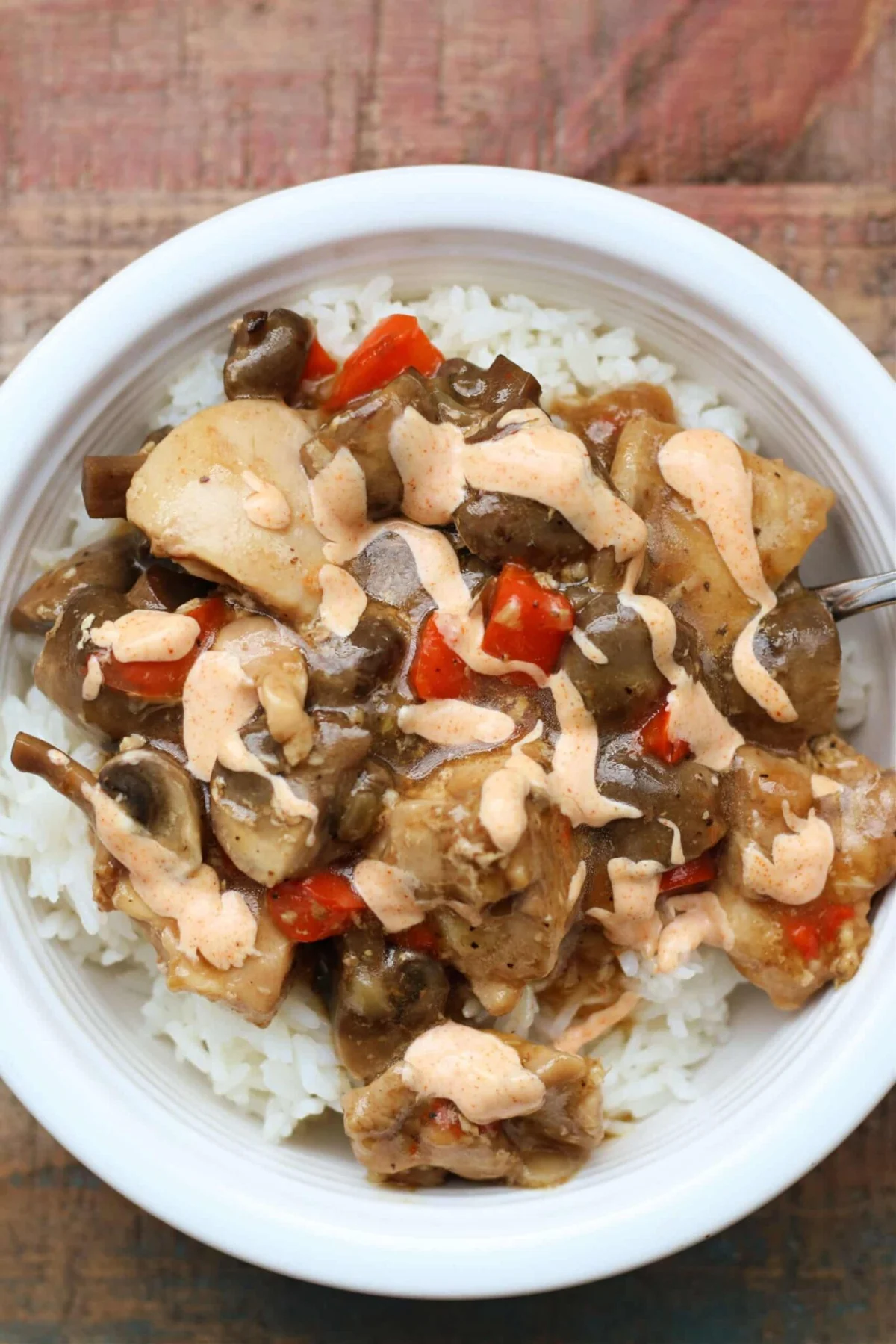
The emergence of the Slow Cooker Ponzu Chicken recipe represents a significant intersection between traditional Japanese flavor profiles and contemporary Western convenience cooking, offering a nutritional and cost-effective alternative to commercial takeout. This culinary preparation, characterized by its "dump and go" methodology, utilizes a sophisticated balance of citrus, umami, and saccharine elements to replicate the complex flavors found in high-volume Asian-American eateries such as Teriyaki Stix. By integrating accessible pantry staples—including orange juice, soy sauce, honey, and sesame oil—the recipe provides a framework for home cooks to achieve restaurant-quality results with minimal active labor.
The Technical Framework of Ponzu Chicken Preparation
The preparation of Ponzu Chicken in a slow cooker environment relies on the slow breakdown of connective tissues in poultry, specifically chicken thighs, which are favored for their higher fat content and resilience under prolonged heat. The process begins with the placement of the protein at the base of the slow cooker. A slurry is then constructed, consisting of soy sauce for salt and umami, orange juice and rice vinegar for acidity, and honey for viscosity and sweetness. The addition of cornstarch acts as a thickening agent, ensuring that as the chicken releases its natural juices, the surrounding liquid transforms into a glaze rather than a thin broth.
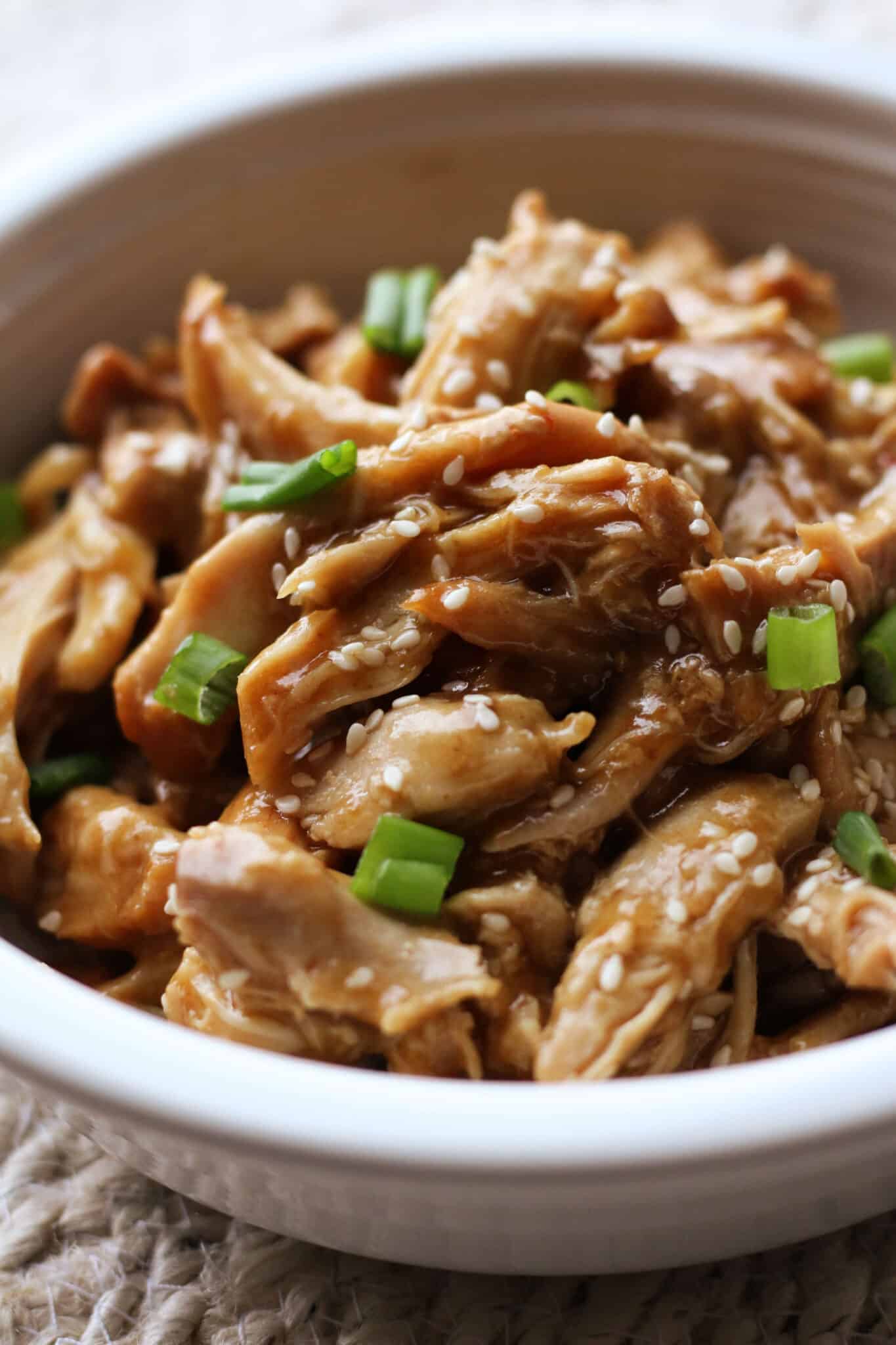
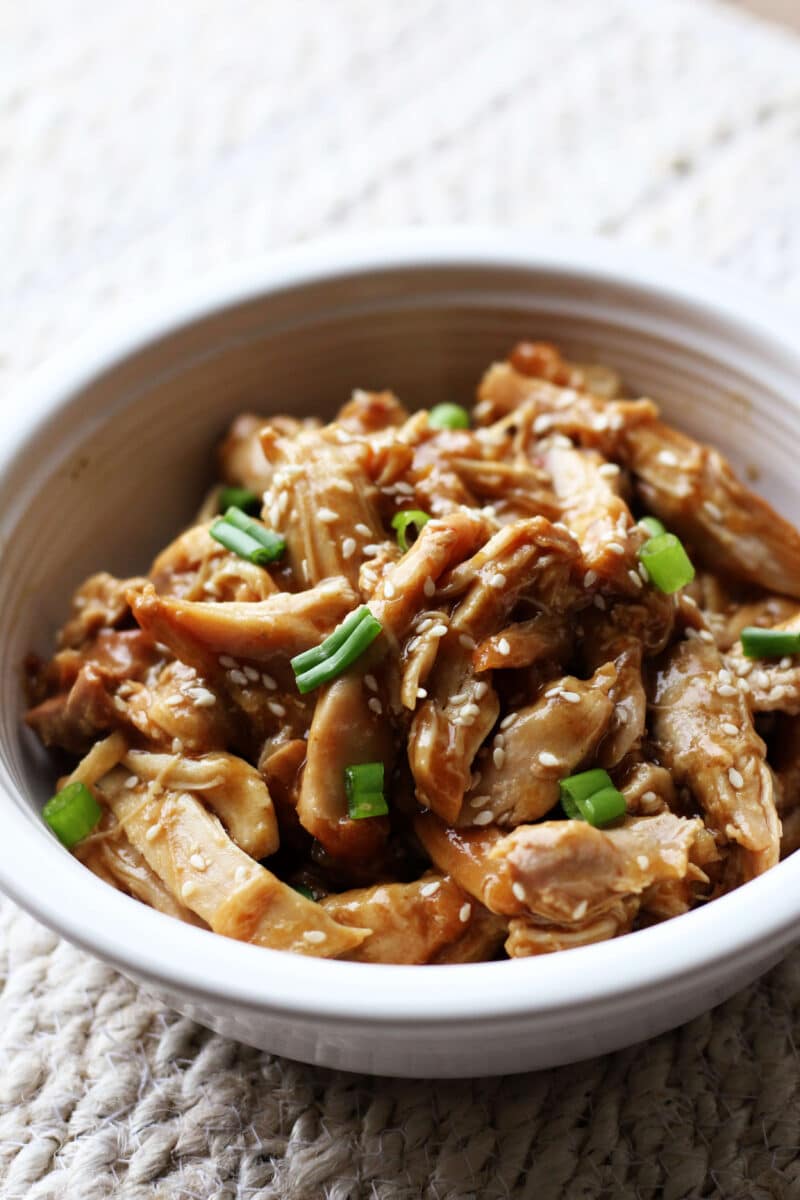
The chronology of the cooking process is typically divided into a two-to-four-hour window on a low-heat setting. This timeframe is variable, dictated by the specific heat calibration of the appliance and the initial state of the meat. A notable feature of this specific recipe is its adaptability to frozen ingredients; the thermal retention of modern slow cookers allows for the safe processing of frozen chicken thighs, provided the internal temperature reaches the USDA-recommended 165 degrees Fahrenheit. Once the cooking cycle is complete, the chicken is shredded and reintegrated into the sauce, maximizing surface area for flavor absorption before being served over a bed of rice.

Historical and Culinary Context of Ponzu Sauce
To understand the appeal of Ponzu Chicken, one must examine the origins of its namesake. Ponzu is a traditional Japanese citrus-based sauce that is tart, thin, and aqueous. Historically, it is made by simmering mirin, rice vinegar, katsuobushi (bonito flakes), and kombu (seaweed) over medium heat. Once cooled, the liquid is strained and infused with the juice of Japanese citrus fruits such as yuzu, sudachi, daidai, or kabosu.
The version utilized in modern slow cooker recipes is an "Asian-fusion" adaptation. By substituting traditional Japanese citrus with orange juice and omitting the labor-intensive bonito and kombu infusion, the recipe becomes accessible to a global audience while maintaining the essential "sweet and sour" profile. This evolution mirrors the broader history of Asian-American cuisine, where chefs have historically adapted traditional recipes to suit the availability of local ingredients and the palate of the North American consumer.

Market Trends and the Rise of the Slow Cooker
The popularity of recipes like Ponzu Chicken is supported by significant data regarding consumer behavior in the post-pandemic era. According to market research, the global slow cooker market was valued at approximately $1.5 billion in 2022 and is projected to grow steadily through 2030. This growth is driven by a "return to the kitchen" among working professionals who seek to mitigate the rising costs of food inflation and restaurant service fees.
Data suggests that "dump and go" recipes—those requiring no pre-searing or complex intermediate steps—see 40% higher engagement rates on digital recipe platforms compared to traditional multi-step methods. The Ponzu Chicken recipe fits perfectly into this "convenience-first" category. Furthermore, the ability to double or triple the recipe for meal-prepping purposes aligns with the growing trend of "batch cooking," which reduces weekly food waste and optimizes household energy consumption.

Nutritional Analysis and Ingredient Substitutions
From a nutritional standpoint, the use of chicken thighs provides a source of essential amino acids, iron, and zinc. While chicken breasts are often marketed for their lower caloric density, thighs are increasingly recommended for slow cooking because they do not dry out as easily, reducing the need for additional fats or heavy cream-based sauces.
The recipe’s reliance on honey as a sweetener offers a slightly lower glycemic index compared to refined white sugar, while the inclusion of ginger and red chili flakes provides anti-inflammatory benefits and a metabolic boost. For consumers with specific dietary requirements, the recipe is highly modular. Soy sauce can be replaced with tamari or liquid aminos for a gluten-free version, and the honey can be substituted with agave or maple syrup for those monitoring specific sugar intakes.

Safety Protocols and Best Practices
A critical point of discussion within the culinary community involves the safety of cooking frozen meat in a slow cooker. While some food safety advocates suggest thawing meat completely to avoid the "danger zone" (temperatures between 40°F and 140°F where bacteria thrive), modern slow cooker manufacturers often state that their devices heat rapidly enough to mitigate this risk. The Ponzu Chicken protocol suggests that if using frozen thighs, the cook time should be adjusted toward the higher end of the four-hour spectrum to ensure total thermal penetration.
Furthermore, the role of acidity in this recipe cannot be overstated. The orange juice and vinegar do more than provide flavor; the acid acts as a chemical tenderizer, breaking down the muscle fibers of the chicken during the low-heat cycle. This results in a "melt-in-your-mouth" texture that is difficult to achieve through high-heat frying or roasting.

The Economic Impact of Home-Based Asian Fusion
The shift toward preparing "takeout vibes" meals at home has a measurable economic impact. The average cost of a chicken-based entree at a mid-tier Asian-fusion restaurant currently ranges from $15 to $22 per serving. In contrast, the per-serving cost of home-prepared Ponzu Chicken is estimated at $3.50 to $5.00, depending on the source of the poultry and the use of bulk-purchased pantry staples.
This economic incentive, combined with the ability to control sodium levels and ingredient quality, has led to a surge in the popularity of digital influencers who specialize in slow cooker content. Karen Petersen, a prominent figure in this space and creator of the "365 Days of Crockpot" platform, has noted that recipes mimicking popular restaurant chains—such as those reminiscent of Teriyaki Stix—consistently rank among the most searched and "pinned" content on social media.
Broader Implications for Modern Culinary Education
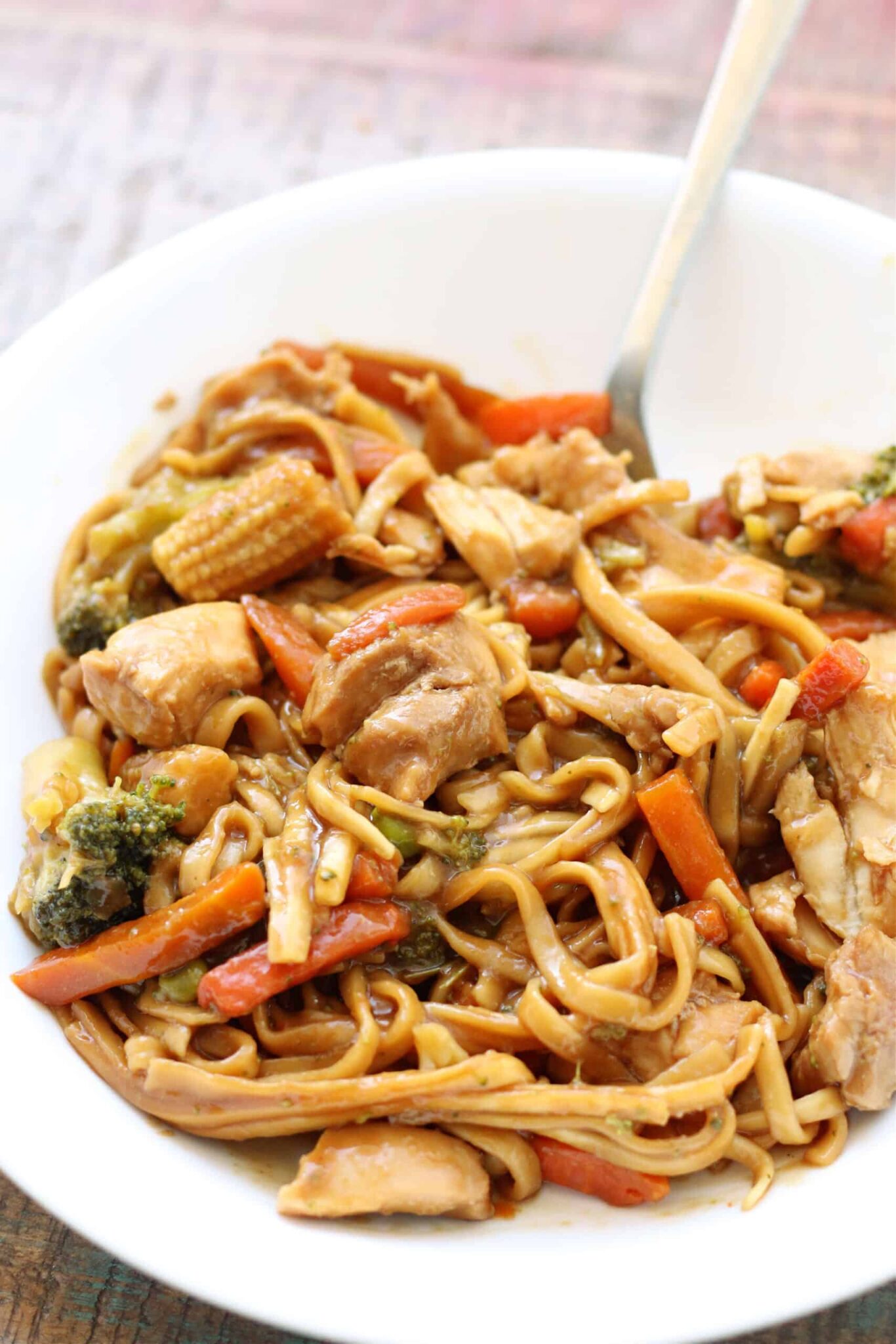
The dissemination of the Ponzu Chicken recipe is part of a larger movement toward democratizing culinary skills. By simplifying complex flavor profiles into a set of repeatable steps, these recipes empower individuals who may have previously relied on processed frozen meals or expensive delivery services. The inclusion of "More Asian inspired recipes" such as Chicken Lo Mein, Hibachi Chicken, and Garlic Noodles in the same ecosystem suggests a comprehensive curriculum for the home cook to master an entire genre of cuisine using a single appliance.
These recipes also serve as a gateway to cultural appreciation. While a slow cooker version of Ponzu Chicken is not "authentic" in the traditional sense, it introduces the home cook to the concept of umami and the importance of balancing acidity with sweetness, potentially leading them to explore more traditional Japanese cooking methods in the future.
Conclusion and Future Outlook
Slow Cooker Ponzu Chicken stands as a testament to the evolving nature of the domestic kitchen. It is a recipe born of the need for efficiency, but it does not sacrifice the depth of flavor that defines Asian-inspired cuisine. As households continue to navigate the balance between busy professional schedules and the desire for high-quality, nutritious meals, the reliance on the slow cooker is expected to intensify.
The future of this culinary trend likely involves further integration of international flavors—ranging from Thai curries to Indian dals—all adapted for the "dump and go" format. For now, Ponzu Chicken remains a staple of the modern repertoire, proving that with a few simple ingredients and a basic kitchen appliance, the "takeout experience" can be successfully and healthily replicated within the home.
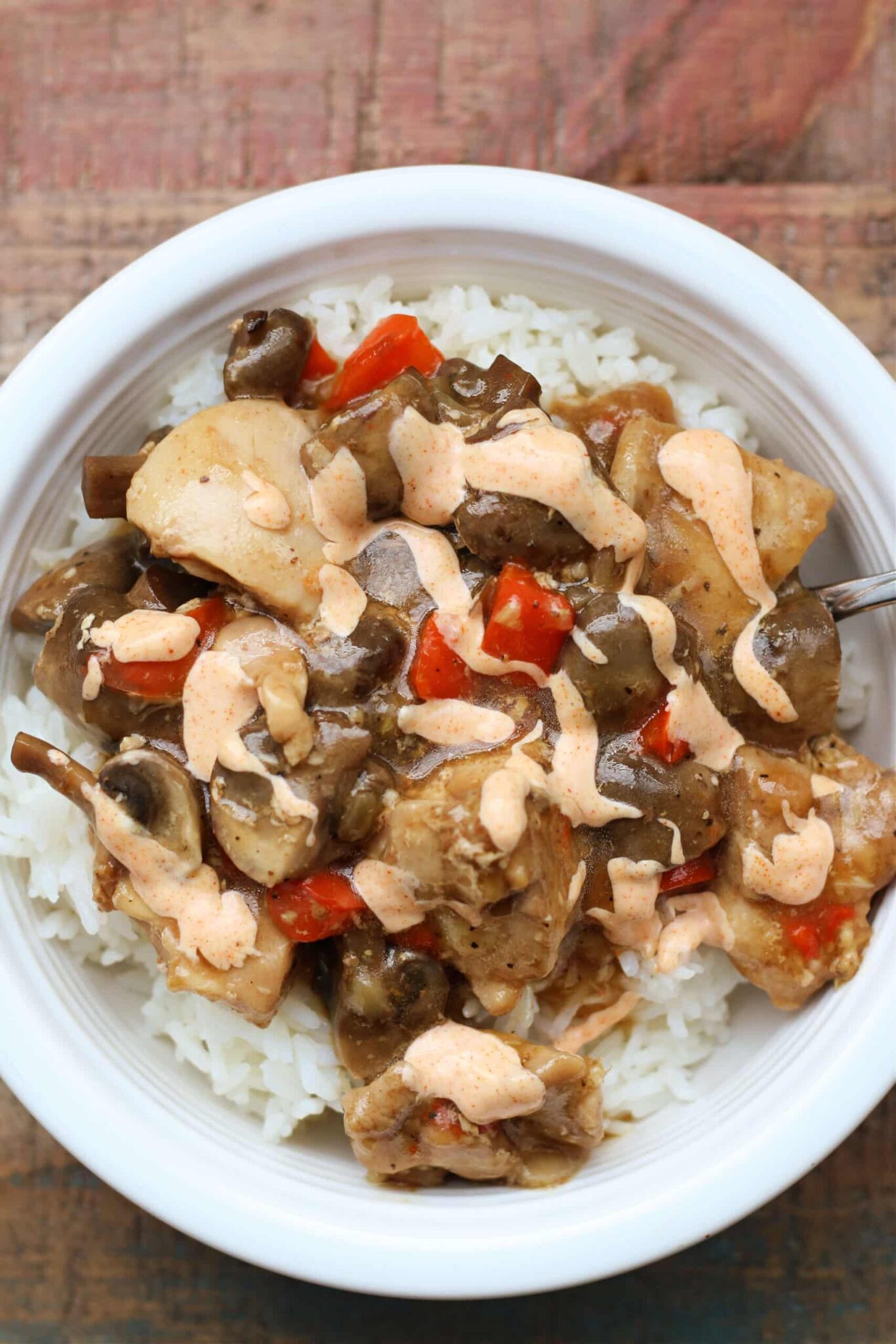
Summary of Recipe Mechanics
For those seeking to implement this recipe, the following summary outlines the essential steps and considerations:
- Protein Selection: 1.5 to 2 lbs of chicken thighs (bone-in or boneless, fresh or frozen).
- The Slurry: A whisked mixture of 1/2 cup soy sauce, 1/2 cup orange juice, 1/4 cup honey, 1/4 cup water, 2 tablespoons rice vinegar, 1 tablespoon sesame oil, and 2 tablespoons cornstarch.
- Heat Management: Low setting for 2-4 hours. High setting is generally discouraged as it can toughen the protein and cause the honey in the sauce to scorch.
- Finishing Touches: Shredding the meat allows the thickened sauce to coat every fiber. Garnishing with sesame seeds and green onions adds essential texture and freshness, cutting through the richness of the glaze.
By following this factual and structured approach, home cooks can ensure a consistent, flavorful, and safe dining experience that bridges the gap between traditional Japanese inspiration and modern Western convenience.
