
The Culinary Heritage of the Dixie Stampede
The origins of this specific soup are inextricably linked to the history of Dolly Parton’s Dixie Stampede, which first opened its doors in Pigeon Forge, Tennessee, in 1987. The attraction was designed to combine professional equestrian feats, pyrotechnics, and music with a four-course traditional Southern feast. A unique aspect of the Stampede dining experience is the tradition of eating primarily with one’s hands, a nod to the rustic, frontier-style atmosphere the show aims to cultivate. However, the creamy vegetable soup—served as the opening course—is the notable exception, typically served in a handle-less mug that allows guests to sip the warm, blended broth.
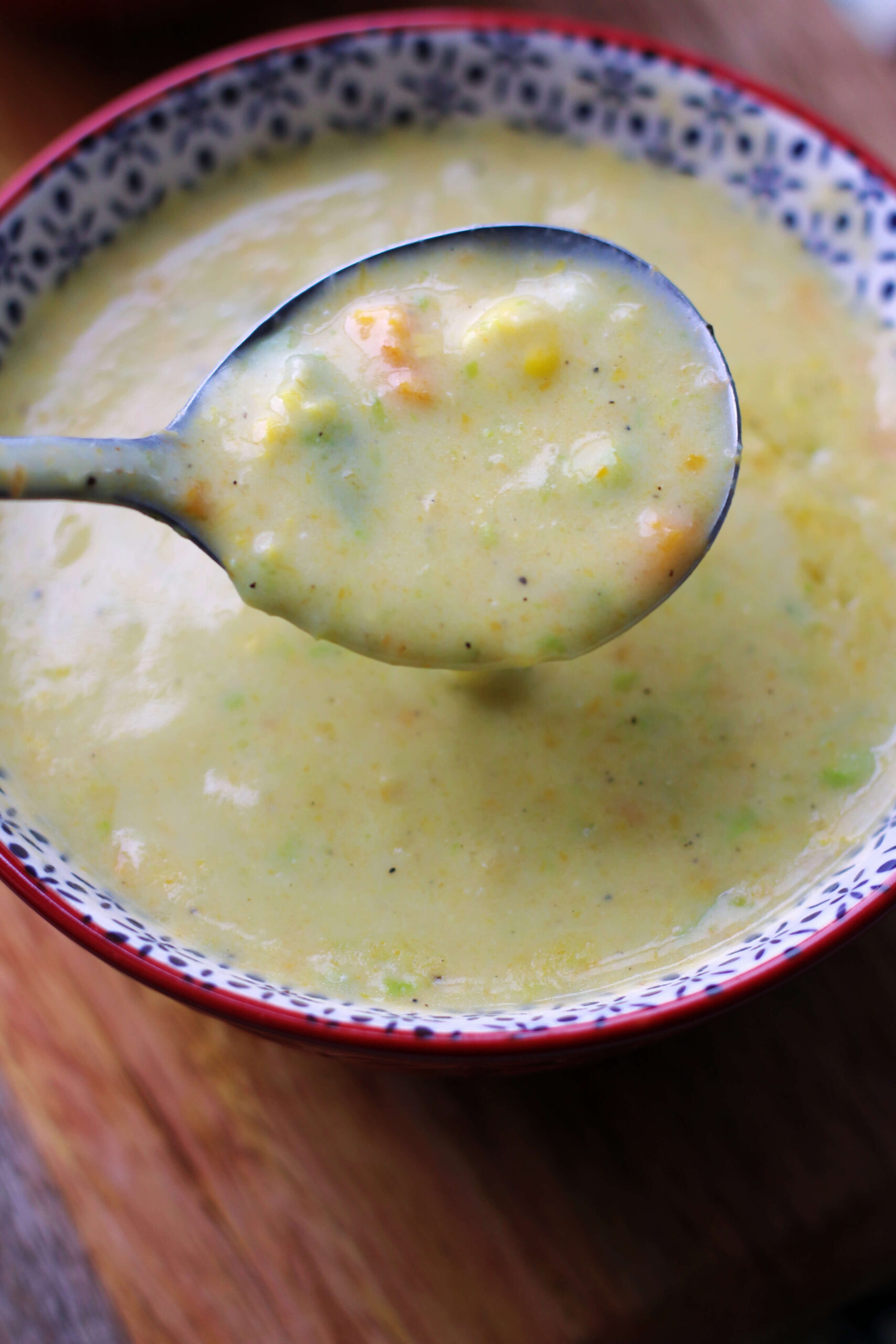
Over the last thirty-five years, the soup has become so popular that the attraction began selling a dry "soup mix" at its gift shops and online stores to satisfy consumer demand. The move to create "from-scratch" home versions arose from a desire among culinary enthusiasts to avoid processed preservatives and to utilize the precision of modern pressure cookers. This transition reflects a broader trend in American home cooking where "copycat recipes" serve as a bridge between vacation memories and everyday meal preparation.
Technical Preparation and Chronology of the Recipe
Recreating the Stampede’s signature flavor profile requires a specific sequence of steps designed to build depth and ensure a smooth consistency. The process is divided into two primary phases: the vegetable infusion and the dairy enrichment.
Phase One: The Pressure Cooking or Slow Cooking Cycle
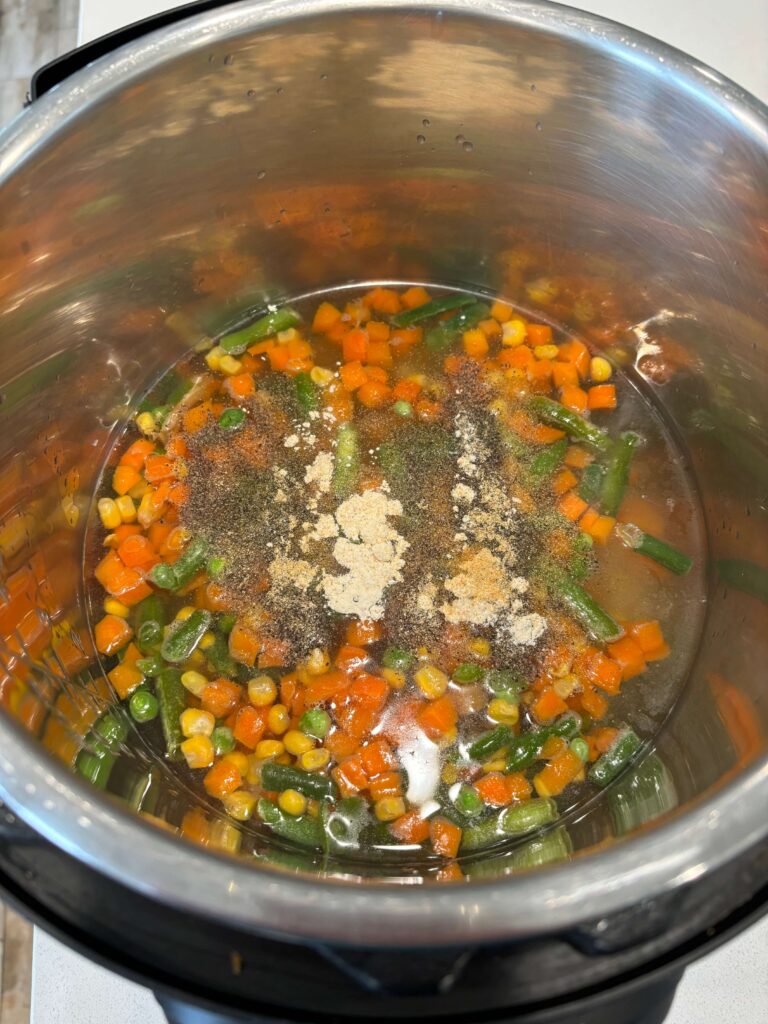
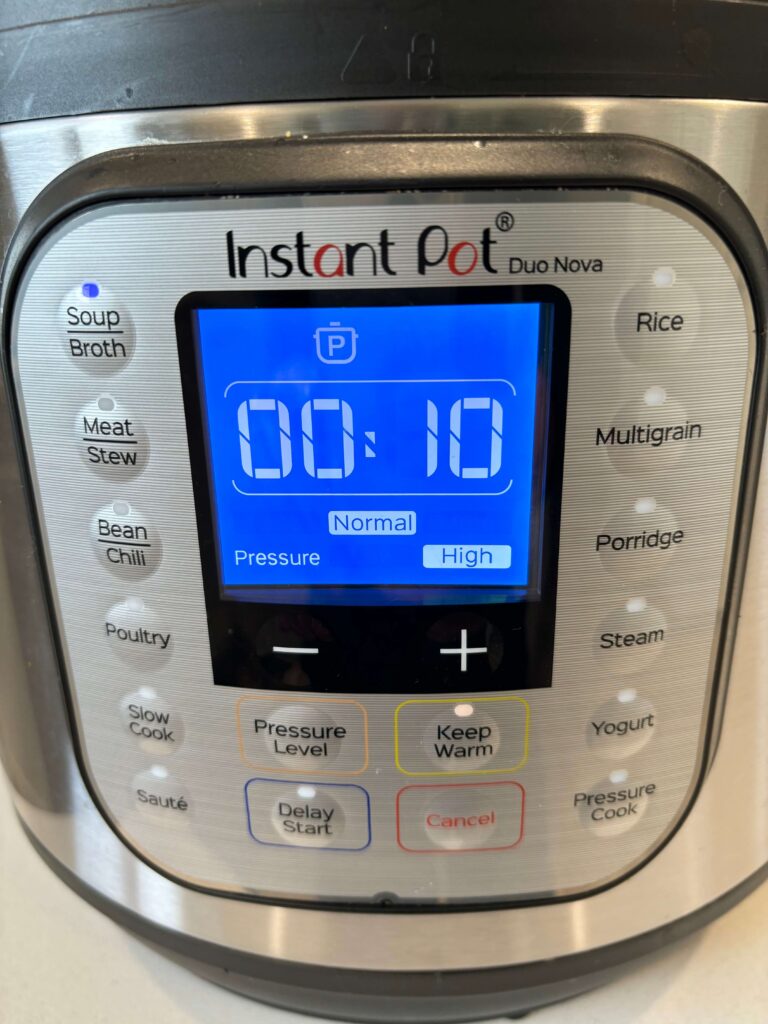
The foundation of the soup relies on a blend of frozen vegetables—typically a mix of peas, carrots, corn, and green beans—submerged in a high-quality chicken or vegetable broth. In an Instant Pot, this mixture is seasoned with garlic powder, onion powder, salt, and pepper before being subjected to high-pressure cooking for approximately ten minutes. This rapid pressurized environment breaks down the cellular structure of the vegetables far more quickly than traditional boiling, ensuring they are soft enough for the subsequent blending phase.
For those utilizing a slow cooker, the timeline extends to four hours on a "high" setting or six to eight hours on "low." This extended duration allows the flavors of the dried aromatics to fully permeate the broth, resulting in a more traditional "stewed" flavor profile before the soup is transformed into its final creamy state.
Phase Two: Blending and the Roux-Based Thickening
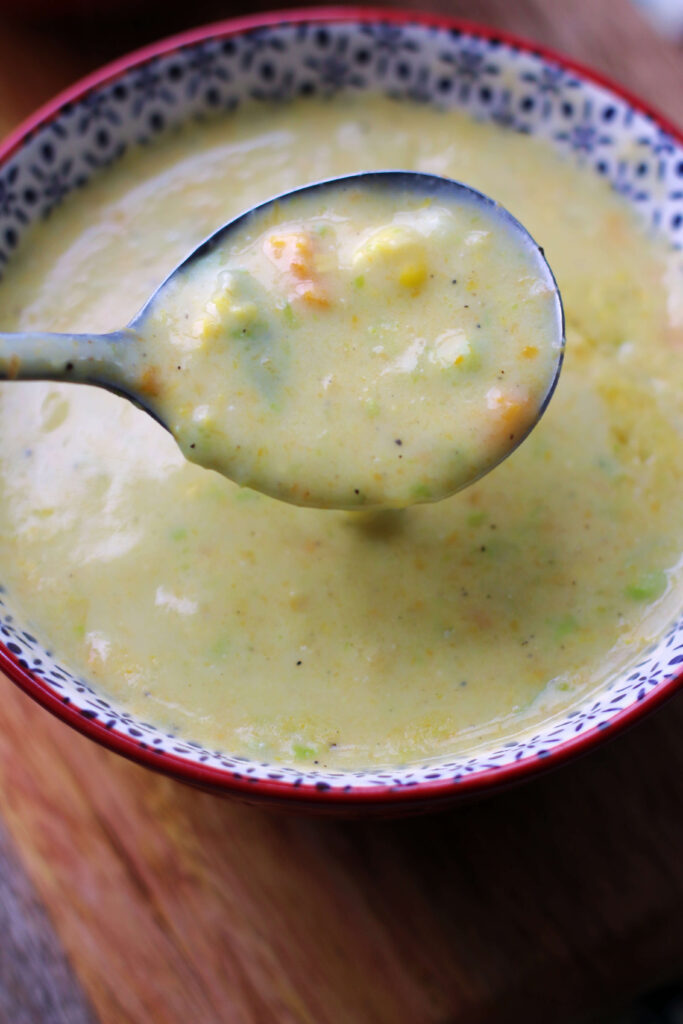
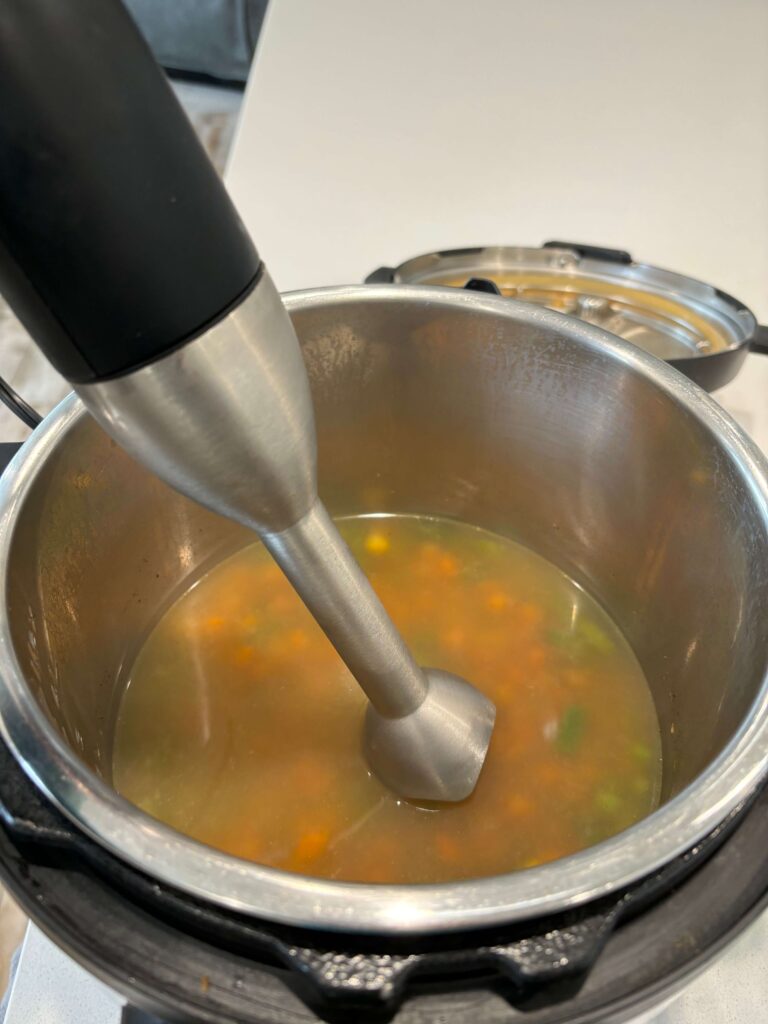
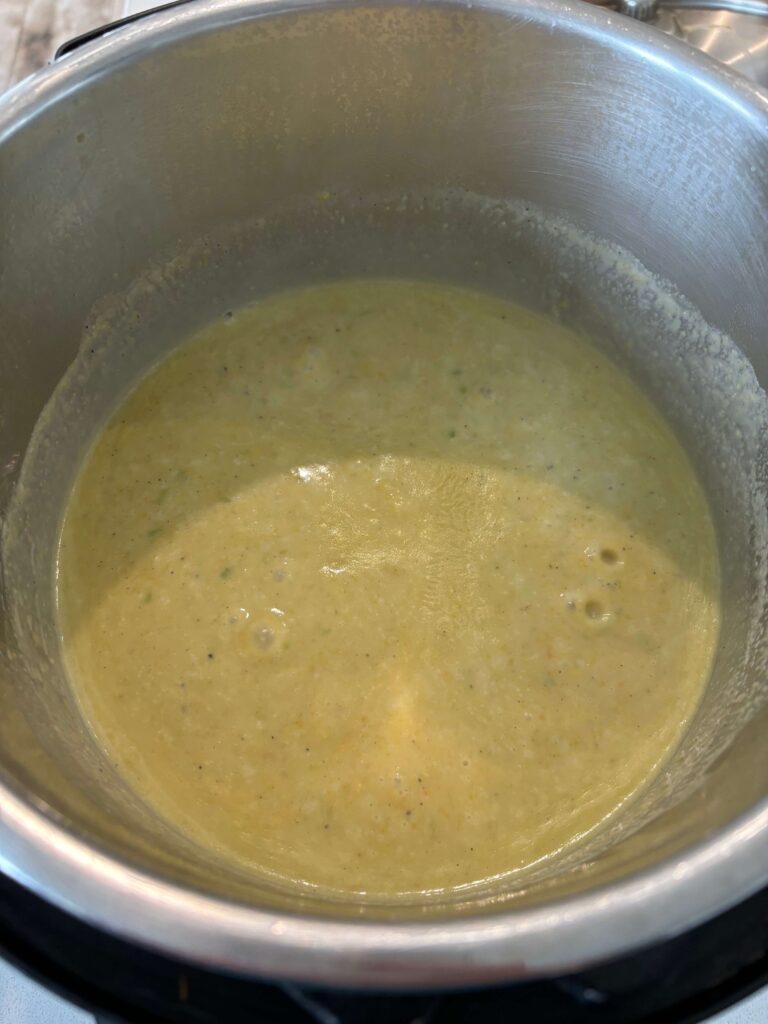
The defining characteristic of the Dolly Parton Stampede soup is its "mostly smooth" texture. Once the cooking cycle is complete, an immersion blender is used to puree the vegetables directly in the pot. Journalistic accounts from diners suggest that the original soup contains very fine fragments of vegetables, providing a subtle mouthfeel without the bulk of a traditional vegetable stew.
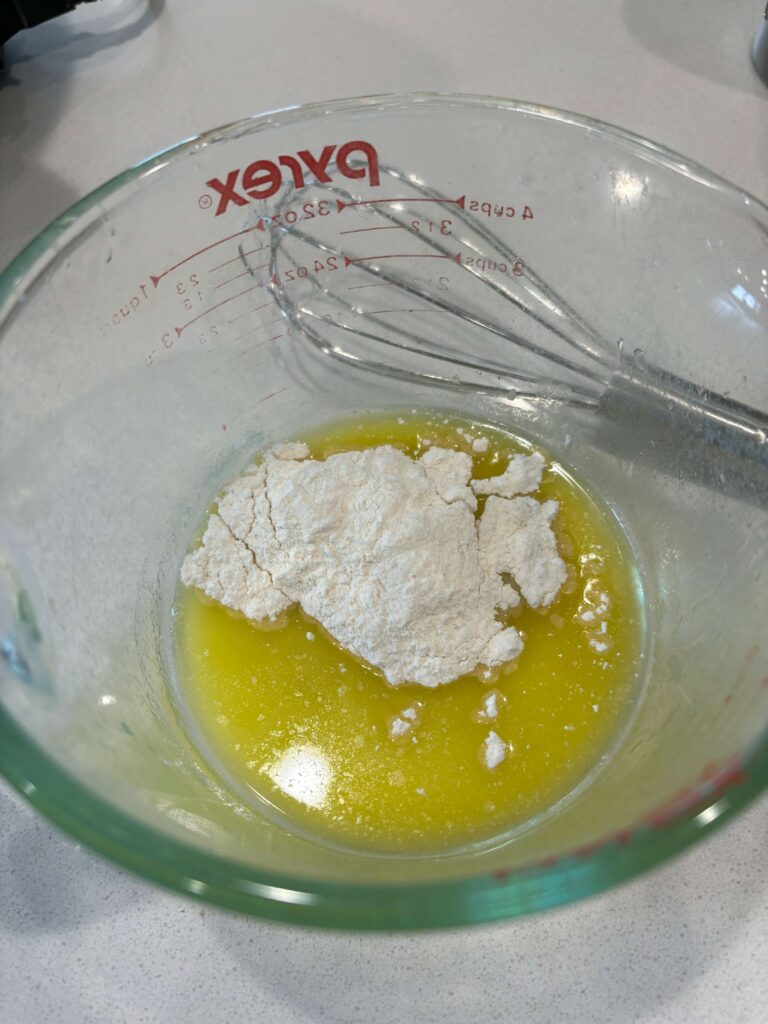
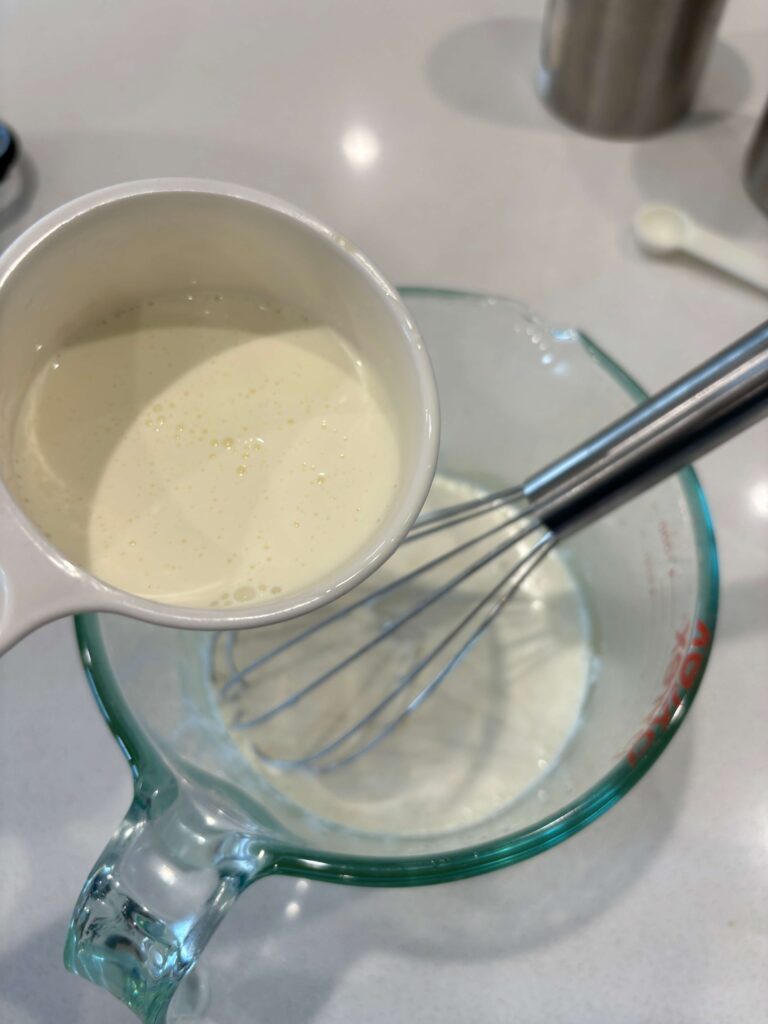
The final enrichment involves a classic French culinary technique: the roux. Butter is melted and whisked with all-purpose flour to create a thickening agent. This is then combined with half-and-half. To prevent the dairy from curdling when it hits the hot soup—a common pitfall in home cooking—the recipe employs "tempering." This involves whisking a small amount of the hot broth into the cold dairy mixture to gradually raise its temperature before incorporating it into the main pot. A final simmer on the "Sauté" setting allows the flour to cook out and the soup to reach its signature heavy-cream consistency.
Economic and Cultural Impact of the Parton Brand
The enduring popularity of a simple vegetable soup is a testament to the massive economic footprint of Dolly Parton’s business empire. According to tourism data from the Tennessee Department of Tourist Development, the Pigeon Forge area sees millions of visitors annually, with Dollywood and the Stampede serving as primary anchors for regional revenue. The "Dolly brand" is built on a foundation of Southern hospitality, and the food served at her venues is a critical component of that brand identity.
Market analysis suggests that the "copycat recipe" phenomenon contributes significantly to digital food media. Recipes associated with celebrity brands often see a 30% higher engagement rate on social media platforms compared to generic versions. By offering a homemade alternative to the Stampede soup, digital creators tap into a pre-existing emotional connection that consumers have with the artist and her Appalachian roots.
Furthermore, this recipe is part of a broader "Dolly Parton Culinary Universe." Other popular recipes associated with the entertainer include her "Five-Layer Dinner"—a rugged, stackable casserole—and her "Stone Soup," which she famously references in relation to her childhood and her philanthropic work with the Imagination Library. Each of these dishes reinforces a narrative of resourcefulness and comfort that aligns with Parton’s public persona.
Nutritional Analysis and Dietary Variations
From a nutritional standpoint, the Stampede soup is a dense source of calories, primarily derived from its dairy and butter content. A standard serving contains approximately 250 to 350 calories, depending on the ratio of half-and-half used. While the inclusion of blended vegetables provides essential vitamins such as Vitamin A (from carrots) and Vitamin C, the soup is categorized as "comfort food" rather than a light health dish.
However, the home-cooked version allows for several dietary modifications that are not available at the dinner show:
- Vegetarian/Vegan Options: By substituting chicken broth with vegetable stock and using plant-based heavy cream and vegan butter, the dish can be adapted for vegan diets without losing the essential "creamy" profile.
- Sodium Control: Commercial soup mixes are often high in sodium for preservation. The homemade version allows cooks to use low-sodium broths and control the salt input, making it a more viable option for those with cardiovascular concerns.
- Gluten-Free Adjustments: The flour-based roux can be replaced with a cornstarch slurry or gluten-free flour blends to accommodate those with Celiac disease or gluten sensitivities.
Broader Implications: The Evolution of Southern Comfort Food
The transition of the Stampede soup from a theatrical prop to a household staple reflects the evolving nature of Southern cuisine in the 21st century. Traditionally, Southern cooking was defined by long hours over a stove and the use of fresh, seasonal produce. The modern copycat recipe, however, embraces the convenience of frozen vegetables and the speed of the Instant Pot, reflecting the time constraints of contemporary families while maintaining the flavor profiles of the past.
The soup also serves as a cultural touchstone. In an era of increasingly complex and globalized fusion cuisine, there remains a robust market for "uncomplicated" food. The Stampede soup’s reliance on basic seasonings like garlic and onion powder, rather than exotic spices, speaks to a desire for culinary nostalgia. It is a dish that evokes a specific place and time—the misty mornings of the Tennessee mountains—regardless of where it is actually consumed.
Conclusion and Serving Suggestions
To achieve the authentic Stampede experience at home, culinary experts recommend serving the soup with oyster crackers, saltines, or crusty breadsticks. The soup’s rich profile also makes it an ideal candidate for meal prepping, as the flavors often deepen after 24 hours in refrigeration.
As Dolly Parton continues to expand her influence through new cookbooks and food partnerships, such as her recent collaborations with Duncan Hines, the interest in her "signature" recipes is expected to grow. The Dolly Parton Stampede Soup remains the flagship of this collection—a simple, creamy testament to the power of celebrity, tradition, and the enduring appeal of Southern hospitality. Whether prepared in a high-tech pressure cooker or a slow-burning Crockpot, the dish continues to provide a warm, edible connection to the "Queen of Country’s" storied heritage.
