
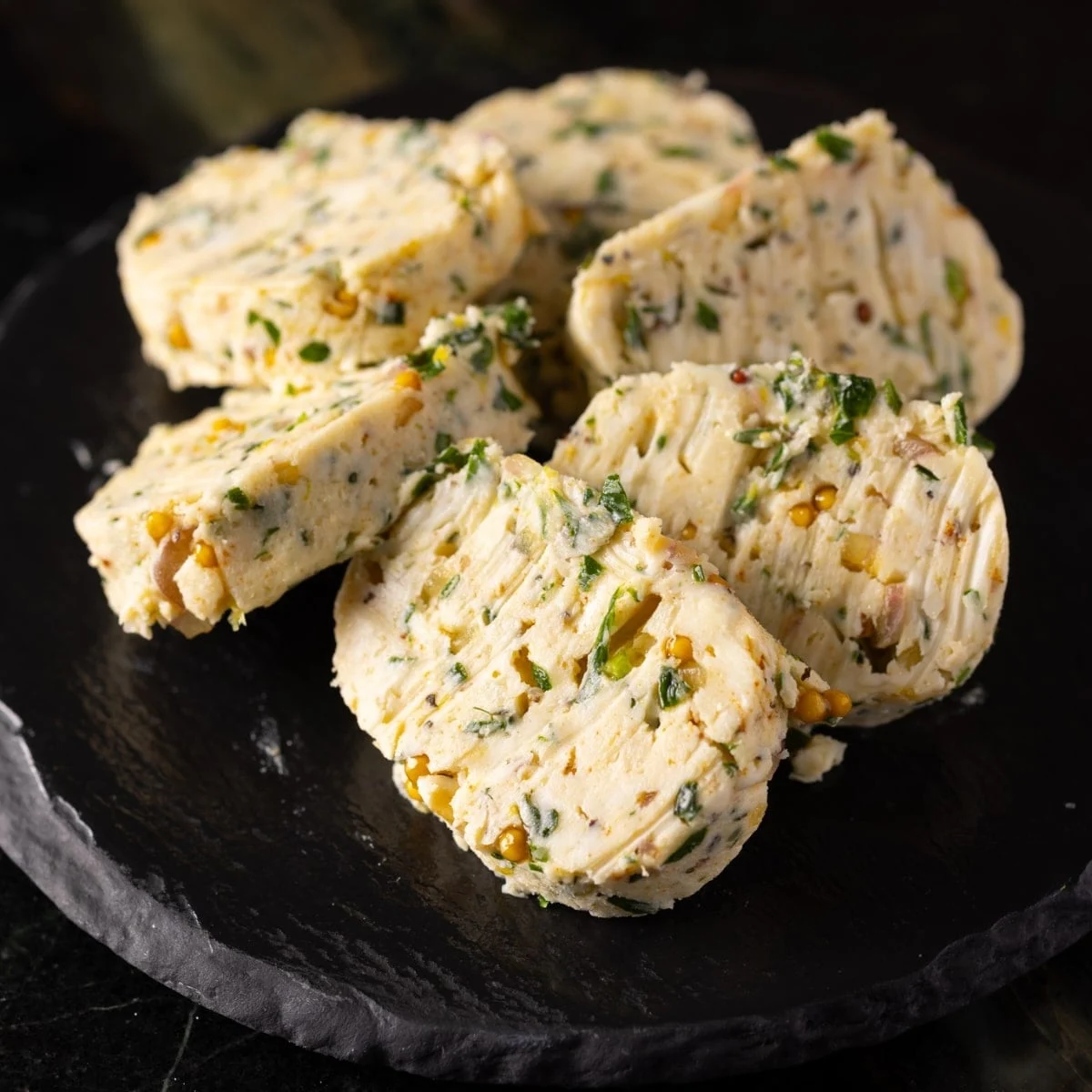
The culinary landscape of outdoor cooking has undergone a significant transformation over the last decade, shifting from basic seasoning techniques to the sophisticated application of lipid-based finishing agents. At the forefront of this movement is the emergence of Cowboy Butter, a specialized compound butter that integrates fresh aromatics, citrus elements, and a variety of herbs to enhance the flavor profile of grilled proteins and vegetables. This condiment, characterized by its inclusion of shallots, chives, parsley, thyme, and lemon, represents a modern evolution of the traditional French beurre composé, adapted for the robust flavors associated with American barbecue and high-heat grilling.
The Evolution and Chronology of Compound Butters
The history of compound butter, or beurre composé, traces its origins back to classical French cuisine, where it was utilized as a primary finishing technique in professional kitchens. Historically, these preparations were designed to provide a rich, velvety texture and a concentrated burst of flavor to sautéed meats and fish. The most notable predecessor to the modern Cowboy Butter is the Beurre Maître d’Hôtel, a simple mixture of butter, parsley, and lemon juice.

Throughout the 20th century, the technique migrated from the rigid structures of haute cuisine into the more experimental realms of American steakhouse culture. By the 1950s and 1960s, premium dining establishments across the United States began incorporating garlic, blue cheese, and various peppercorns into their butter service. The specific "Cowboy" moniker emerged as a stylistic descriptor, signifying a more rustic and aggressive flavor profile than its European ancestors. In the contemporary era, the democratization of culinary knowledge via digital platforms has allowed figures like Susie Bulloch, the founder of Hey Grill Hey, to standardize these recipes for a global audience of home cooks. Bulloch, a recognized authority in the barbecue community who has appeared on the Food Network and holds multiple Guinness World Records, has played a pivotal role in transitioning Cowboy Butter from a professional secret to a staple of domestic grilling.
Technical Analysis of Ingredients and Flavor Profiles
The efficacy of Cowboy Butter as a culinary enhancer is rooted in the strategic selection of its constituent parts. Each ingredient is chosen not only for its individual flavor but for its synergistic relationship with fat.
- The Allium Base: The use of fresh shallots provides a subtle, sweet pungency that is less abrasive than raw garlic but more complex than standard onions. When suspended in butter, the essential oils of the shallot permeate the fat, creating a consistent flavor delivery across the palate.
- The Herbaceous Matrix: Parsley, chives, and thyme offer a multi-layered aromatic experience. Parsley acts as a bittering agent that cuts through the richness of the butter, while chives provide a bright, onion-like top note. Thyme introduces an earthy, woody undertone that complements the smoky characteristics of grilled meats.
- The Acidic Component: Lemon juice and zest are critical for balancing the high lipid content of the preparation. The citric acid acts as a palate cleanser, preventing the fat from coating the tongue too heavily and allowing the nuances of the primary protein to remain discernible.
- The Lipid Vehicle: Butter serves as the primary carrier for these flavors. Chemically, many aromatic compounds are fat-soluble, meaning they dissolve and stabilize more effectively in lipids than in water. This allows the flavors of the herbs and spices to be released gradually as the butter melts over a hot steak or vegetable.
Supporting Data and Nutritional Composition
From a nutritional and chemical standpoint, Cowboy Butter is a calorie-dense condiment designed for moderate consumption as a flavor enhancer. A standard serving, approximately one tablespoon, contains roughly 207 calories. The fat content is significant, at approximately 23 grams per serving, with 15 grams consisting of saturated fats. This profile is consistent with high-quality dairy-based finishing sauces.

However, the inclusion of fresh herbs and citrus introduces trace micronutrients into the preparation. Data indicates that a single serving provides approximately 881 IU of Vitamin A and small amounts of Vitamin C, calcium, and iron. While these do not constitute a primary source of nutrition, the presence of these vitamins highlights the shift toward using fresh, whole-food ingredients in condiments rather than processed, shelf-stable alternatives.
In terms of market trends, the "premium condiment" sector has seen a 12% year-over-year growth as of 2023, according to industry analysts. Consumers are increasingly seeking DIY solutions for gourmet experiences at home, a trend that Cowboy Butter perfectly encapsulates. The ability to create a high-end steakhouse experience with approximately 10 minutes of preparation and no specialized equipment has made compound butters a focal point of the "at-home chef" movement.
Industrial Impact and Official Perspectives
The rise of specialized condiments like Cowboy Butter reflects a broader shift in the barbecue and grilling industry. Leading figures in the field, including Susie Bulloch, have emphasized that the modern griller is no longer satisfied with salt and pepper alone. In statements regarding her recipe development, Bulloch has noted that the goal is to create "versatility in the kitchen," allowing a single preparation to serve multiple roles—from a steak topping to a spread for artisanal breads or a finishing glaze for seafood.

Industry experts suggest that the popularity of such recipes is also driven by the "clean label" movement. By making Cowboy Butter at home, consumers avoid the preservatives, high-fructose corn syrup, and artificial stabilizers found in many commercial barbecue sauces. This transition toward fresh-ingredient condiments is reshaping how brands approach the market, with an increasing number of retailers offering "finishing kits" and high-end European-style butters to cater to this specific demand.
Strategic Applications in Modern Gastronomy
The utility of Cowboy Butter extends beyond the traditional ribeye steak. Professional chefs and home enthusiasts alike have identified several key applications that maximize the condiment’s impact:
- Vegetable Enhancement: The butter is particularly effective on charred or grilled asparagus and cruciferous vegetables like broccoli. The fat helps to soften the fibrous texture of these greens while the lemon and herbs brighten their natural earthiness.
- Seafood Integration: When used with shrimp or white fish, the butter mimics the profile of a scampi sauce but with a more concentrated flavor. The quick-melting nature of the butter ensures that delicate seafood is not overcooked during the saucing process.
- Breakfast and Brunch: The incorporation of Cowboy Butter into scrambled eggs or spread onto warm, toasted sourdough represents a high-concept approach to traditional breakfast items, utilizing the chives and shallots to elevate standard savory profiles.
Broader Implications for the BBQ Community
The proliferation of Cowboy Butter is indicative of a more sophisticated "grilling culture" that prioritizes technique and ingredient quality over sheer volume. The Hey Grill Hey platform, which provides these resources via digital apps and social media, has fostered a community where the exchange of such recipes contributes to a collective increase in culinary literacy.

As the outdoor cooking industry continues to evolve, the emphasis is expected to remain on "finishing" techniques. The Maillard reaction—the chemical process that gives grilled meat its savory crust—is further enhanced by the addition of compound butters, which provide the necessary moisture and fat to carry those browned flavors deeper into the meat.
In conclusion, Cowboy Butter is more than a simple recipe; it is a manifestation of the current state of home gastronomy. It bridges the gap between the rustic traditions of the American West and the refined techniques of French culinary history. By leveraging simple, high-quality ingredients and the science of flavor solubility, it has become an essential tool for anyone looking to master the art of the grill. As the market for artisanal and homemade condiments continues to expand, preparations like Cowboy Butter will likely remain at the center of the conversation, defining the standards for flavor, quality, and versatility in modern cooking.
