
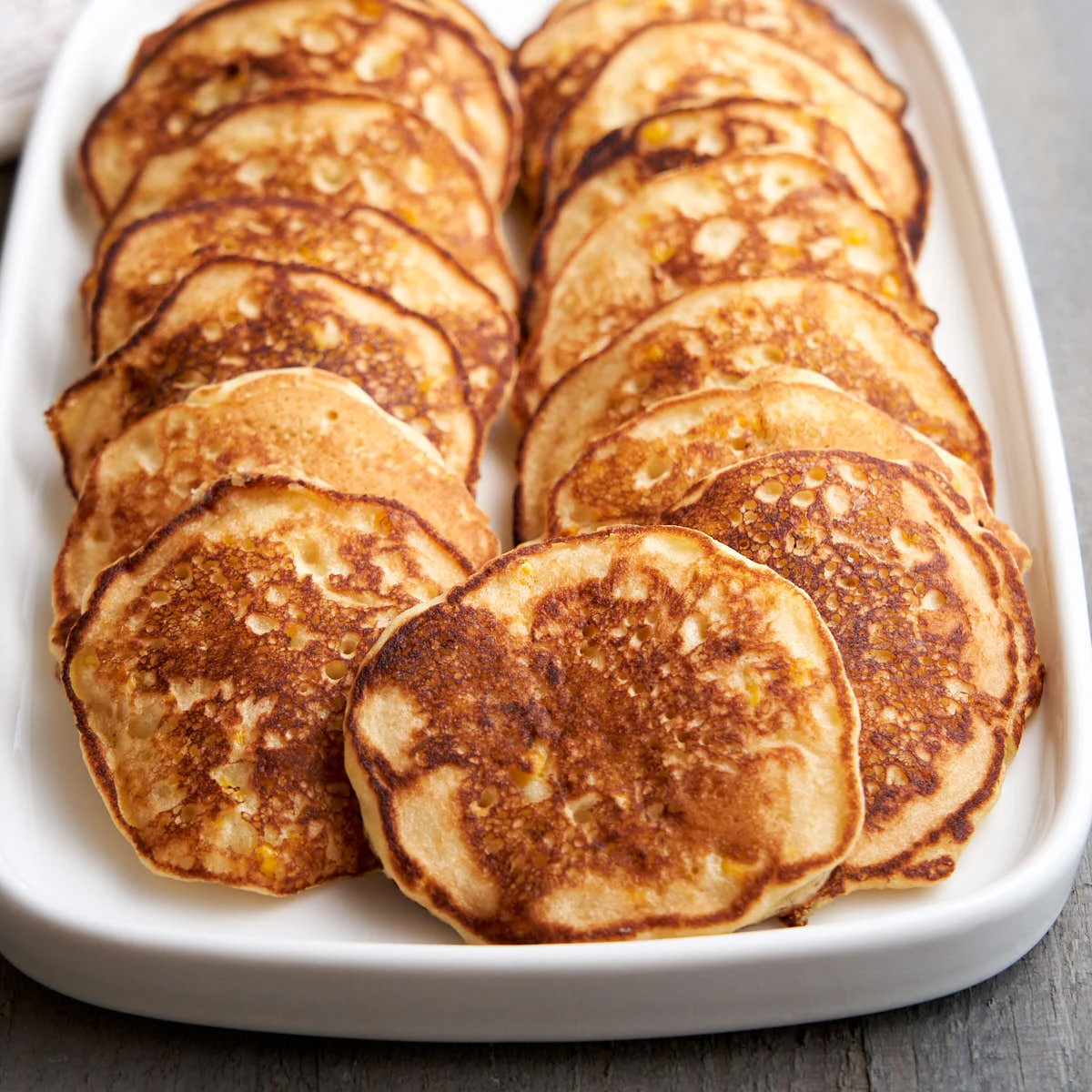
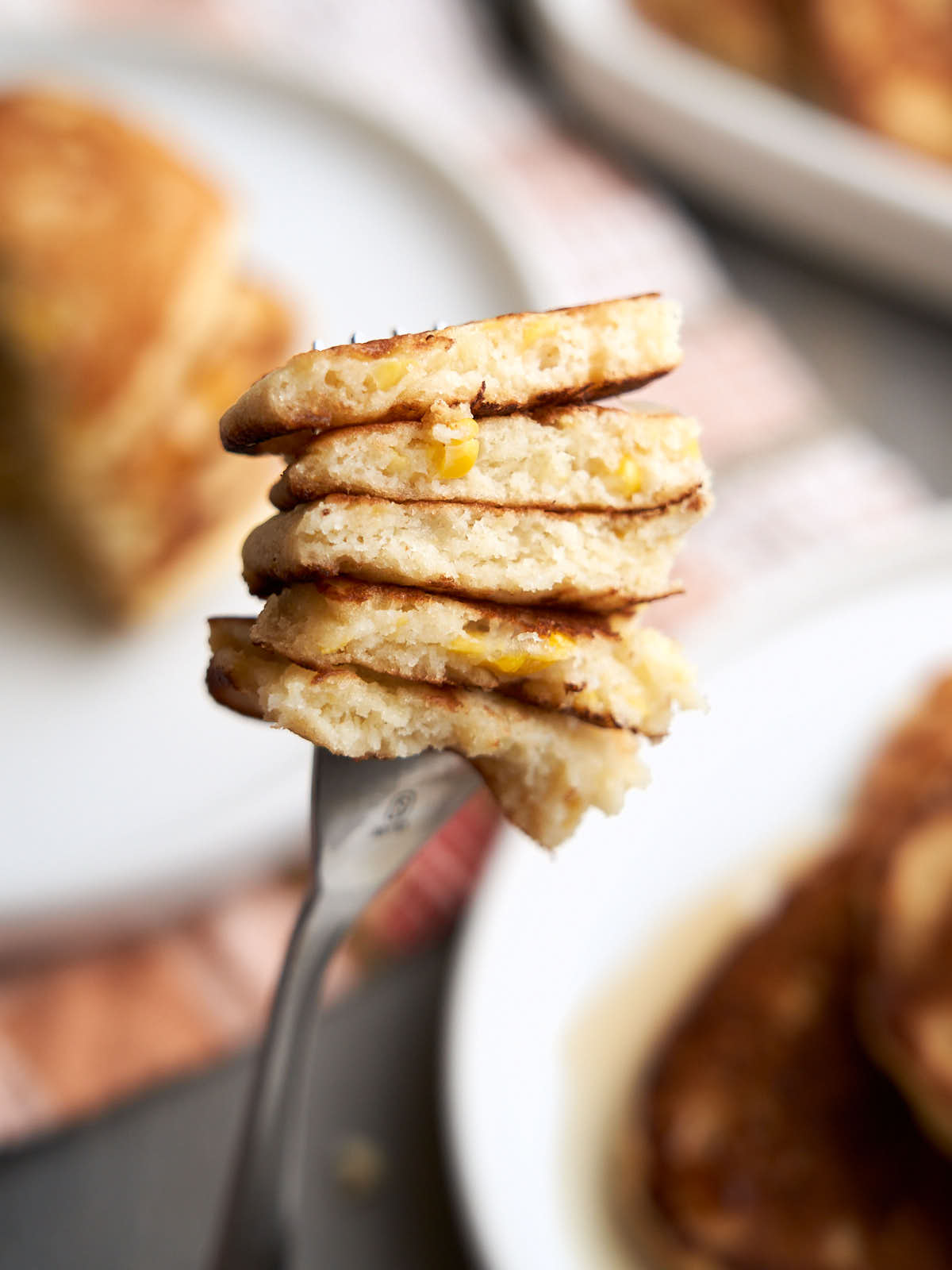
A delightful twist on a breakfast classic, these corn pancakes offer a unique textural experience, reminiscent of a creamy corn pudding, yet presented in the familiar, comforting form of a pancake. The recipe, originating from The Worktop, highlights the innovative use of canned cream-style corn to achieve an exceptionally soft, custard-like interior, a departure from the standard fluffy pancake. This culinary creation promises a delicious and easy breakfast or brunch option, appealing to those seeking novel yet accessible flavors.
The Genesis of a Unique Breakfast Staple
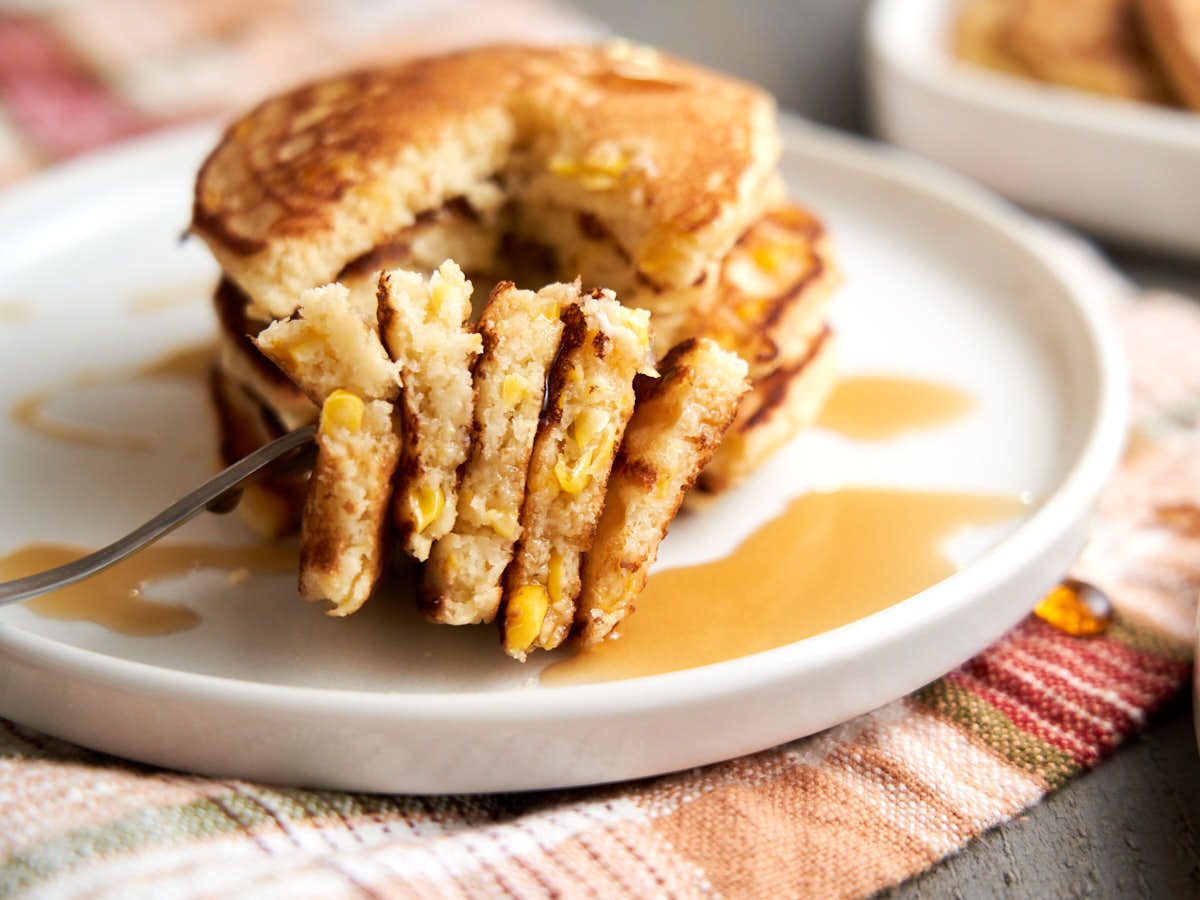
The inspiration behind these corn pancakes stems from a desire to elevate the humble pancake with an unexpected ingredient. While corn is a common component in many savory dishes, its integration into a sweet breakfast item, particularly in a "pudding-like" texture, presents an intriguing culinary proposition. The recipe leverages the inherent creaminess and subtle sweetness of canned cream-style corn, transforming it into a pancake batter that delivers a surprisingly delicate and moist crumb. This approach not only simplifies the preparation process by utilizing a readily available pantry staple but also ensures a consistent and delightful outcome. The result is a pancake that offers bursts of corn kernels within its tender framework, creating a nuanced texture that distinguishes it from its traditional counterparts.
A Deep Dive into the Ingredients
The beauty of this corn pancake recipe lies in its straightforward ingredient list, featuring common household staples that are easily accessible at any grocery store. The cornerstone of this recipe is, unequivocally, the canned cream-style sweet corn. This ingredient is pivotal in imparting the signature custard-like texture and a gentle sweetness that defines these pancakes. Unlike whole kernel corn, which might offer a firmer bite, cream-style corn breaks down during the cooking process, blending seamlessly into the batter to create a smooth, almost pudding-like consistency.
Beyond the star ingredient, the recipe calls for standard dry pancake ingredients such as flour, sugar, baking powder, and salt, which provide the structural base and leavening. Wet ingredients typically include eggs, milk, and melted butter, all contributing to the richness and moisture of the batter. The careful balance of these components ensures that the pancakes are not only flavorful but also possess the desired tender and slightly dense texture.
The Art of Crafting Creamy Corn Pancakes
The preparation of these corn pancakes is designed to be as accessible as their ingredient list. The process typically follows a classic two-bowl method, a familiar technique for pancake enthusiasts.
The Two-Bowl Method: A Foundation for Success
The initial step involves combining the dry ingredients – flour, sugar, baking powder, and salt – in one bowl. This ensures that the leavening agents are evenly distributed, promoting consistent rise and texture in the final product. In a separate bowl, the wet ingredients are whisked together. This typically includes milk, eggs, and the crucial canned cream-style corn. The corn’s natural moisture and starch contribute significantly to the batter’s unique consistency.
Once the wet and dry ingredients are thoroughly mixed, they are combined. It is crucial to avoid overmixing the batter at this stage. A few lumps are acceptable, as overworking the gluten in the flour can lead to tough pancakes. The final addition to the batter is often melted butter, which not only adds richness but also aids in achieving a tender crumb.
Mastering the Griddle: Cooking Techniques for Perfection
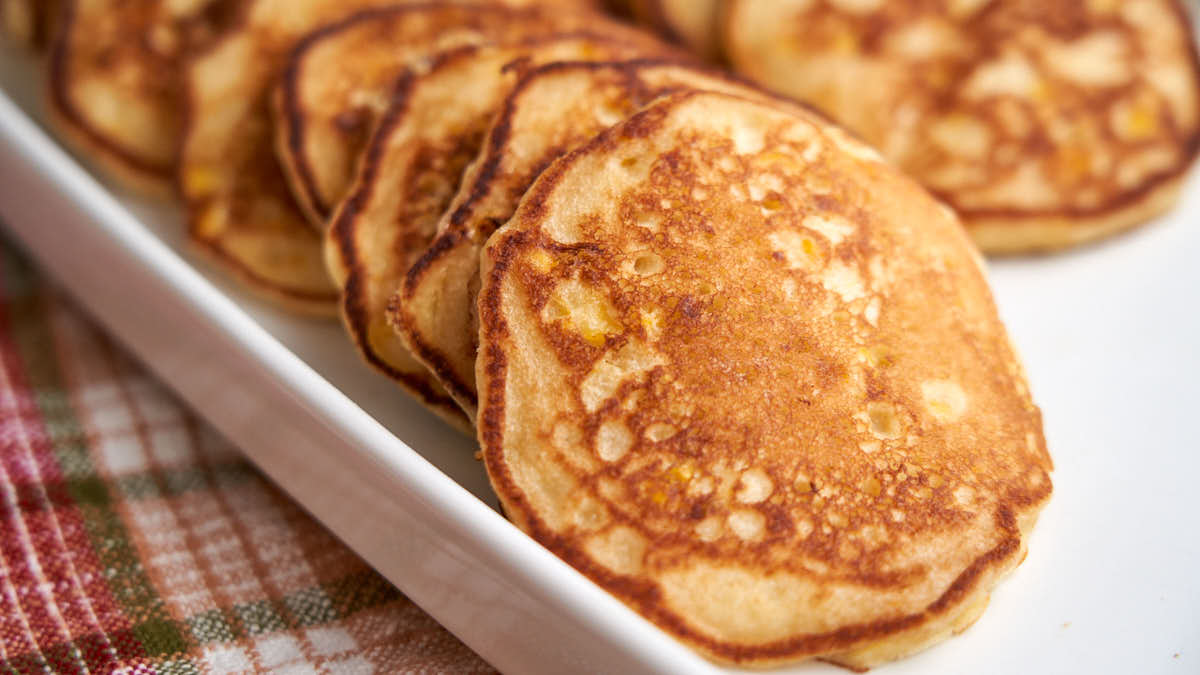
The cooking phase is where the magic truly happens, transforming the batter into golden-brown delights. The recipe suggests cooking these pancakes in butter, a choice that enhances their rich flavor profile and contributes to a beautiful golden hue. For an added aesthetic touch, the use of a silicone brush to spread melted butter on the griddle is recommended. This technique can create a delicate, lacy appearance on the pancakes, elevating their visual appeal. While the provided images may not showcase this specific technique, it is a valuable tip for achieving a more refined presentation, similar to that seen in thin pancake recipes.
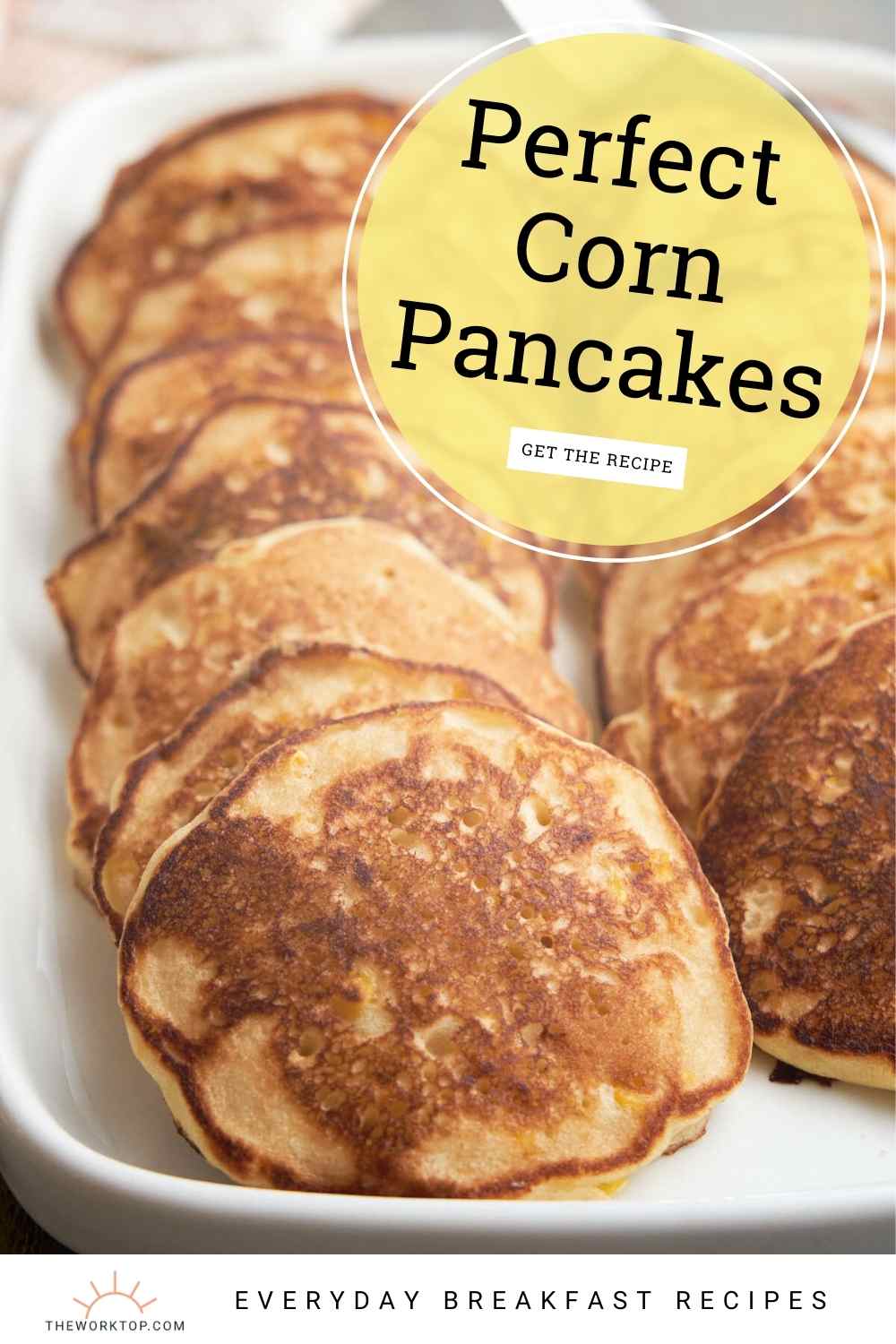
The heat of the griddle is a critical factor. The recipe advises cooking on medium heat, but acknowledges that stove and pan variations may necessitate adjustments. For instance, a cast-iron griddle might require lower heat to prevent the pancakes from browning too quickly before they are cooked through. The key is to achieve an even, light golden-brown color on both sides.
Signs of Readiness: When to Flip
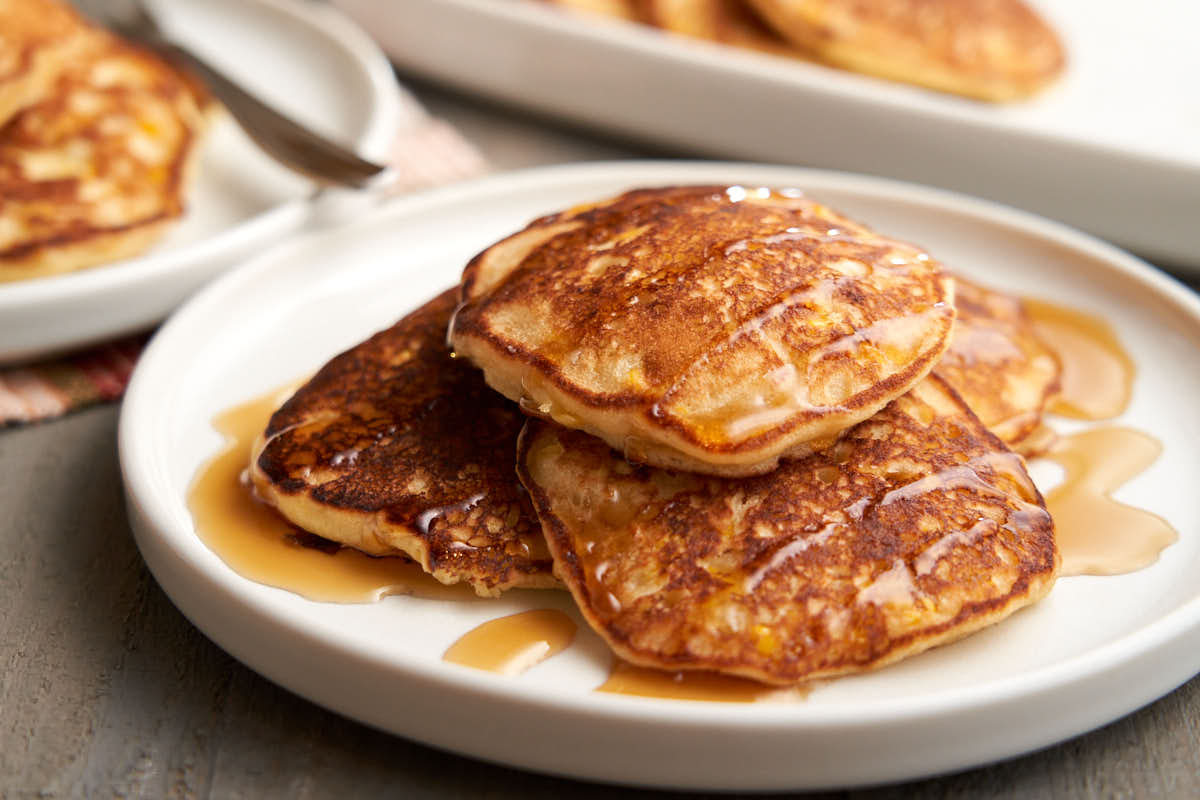
Determining the opportune moment to flip a pancake is an art form that this recipe helps to demystify. When the edges of the pancakes begin to appear dry and small bubbles form on the surface, it signals that the underside is ready to be flipped. A peek underneath should reveal a light golden-brown color. After flipping, the pancakes typically require an additional couple of minutes on the other side to cook through completely, ensuring a moist interior and a perfectly browned exterior.
Complementary Toppings and Pairings
While these corn pancakes stand proudly on their own, their subtle sweetness makes them a versatile canvas for a variety of toppings. The article suggests that a simple drizzle of maple syrup or honey is often sufficient to complement their unique flavor profile, eschewing the need for more elaborate additions like whipped cream or berries.

However, the adaptability of these pancakes extends beyond sweet pairings. Their inherent corn flavor allows them to function beautifully as a side dish to savory meals. A smear of salted butter, for instance, can provide a delightful contrast, highlighting the pancake’s natural sweetness and corn essence. This versatility makes them suitable for a range of dining occasions, from a casual breakfast to a more elaborate brunch spread.
Broader Culinary Context and Potential Implications
The innovation demonstrated in this corn pancake recipe speaks to a broader trend in culinary exploration: the reinterpretation of traditional dishes through unexpected ingredient pairings and textural manipulations. The success of this recipe suggests a growing consumer appetite for novel yet comforting food experiences. By drawing inspiration from dishes like corn pudding and adapting them into a more universally recognized format like pancakes, the recipe taps into both familiarity and novelty.
The implications of such culinary creativity are manifold. For home cooks, it offers accessible avenues to experiment with flavors and textures, potentially inspiring further experimentation with other common ingredients. For the food industry, it underscores the ongoing demand for unique product offerings that cater to evolving consumer tastes. As food bloggers and recipe developers continue to push the boundaries of conventional cooking, we can anticipate a continued influx of innovative dishes that redefine our understanding of classic comfort foods. This particular recipe serves as a charming example of how a simple pantry staple can be transformed into a culinary revelation, proving that even the most familiar ingredients can hold surprising potential.
A Culinary Nod to Tradition and Innovation
In conclusion, the corn pancakes with creamed corn recipe from The Worktop represents a delightful fusion of tradition and innovation. By ingeniously incorporating canned cream-style corn, the recipe achieves a unique custard-like texture that sets it apart from conventional pancakes. The straightforward preparation and readily available ingredients make it an appealing option for home cooks seeking a novel yet comforting breakfast or brunch experience. Its versatility in terms of toppings and pairings further solidifies its place as a noteworthy addition to the breakfast repertoire, demonstrating the enduring power of culinary creativity to transform the ordinary into the extraordinary.
