
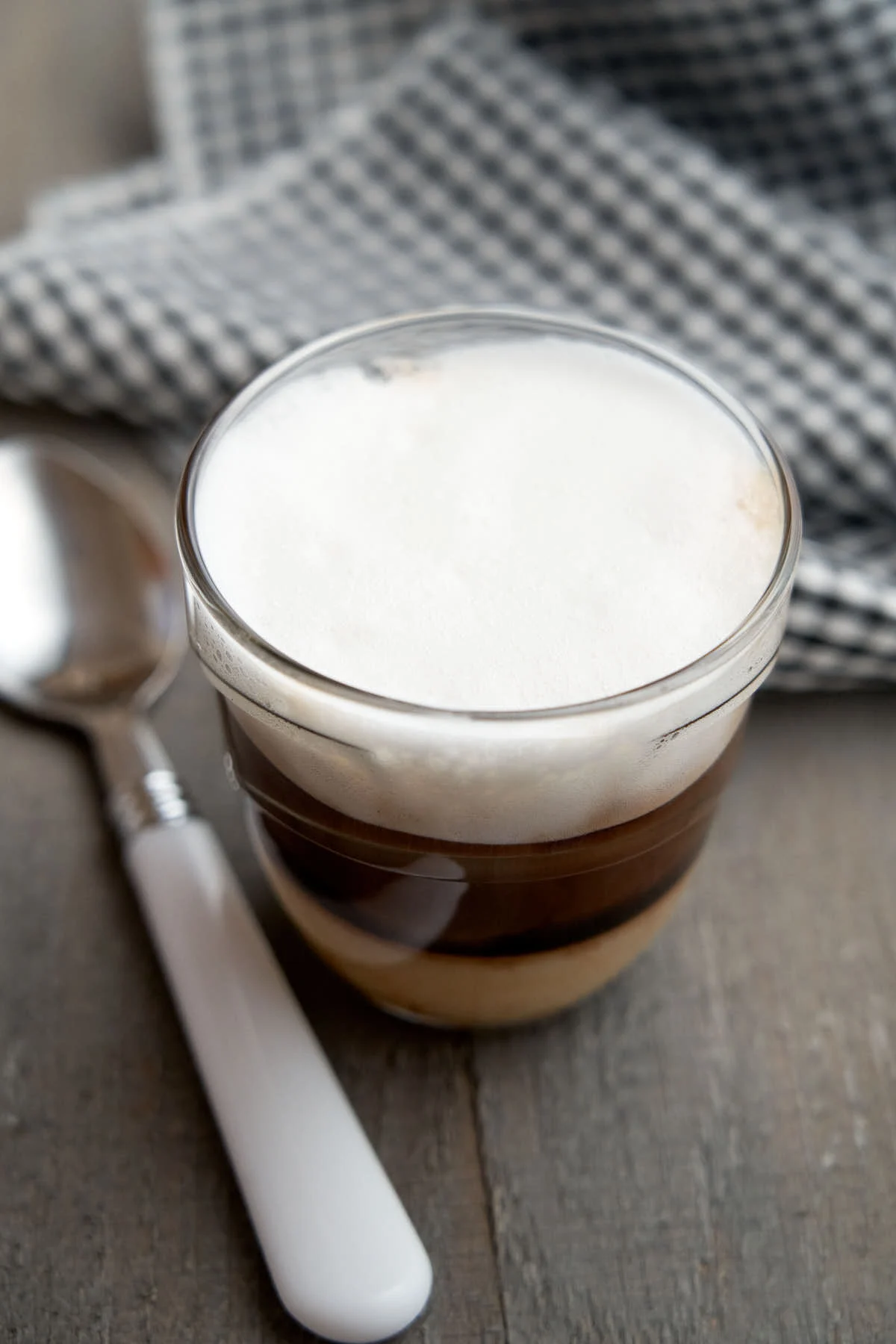
Cafe Bombon, a deceptively simple yet exquisitely satisfying coffee beverage, is gaining traction beyond its Spanish origins, captivating palates with its elegant simplicity and rich flavor profile. This sweet espresso concoction, popular in Spain and increasingly appearing on coffee shop menus worldwide, offers a visually striking and palate-pleasing experience that goes beyond the ordinary cup of coffee. At its core, Cafe Bombon is a testament to the power of contrasting elements – the bold intensity of espresso harmoniously balanced by the creamy sweetness of condensed milk.
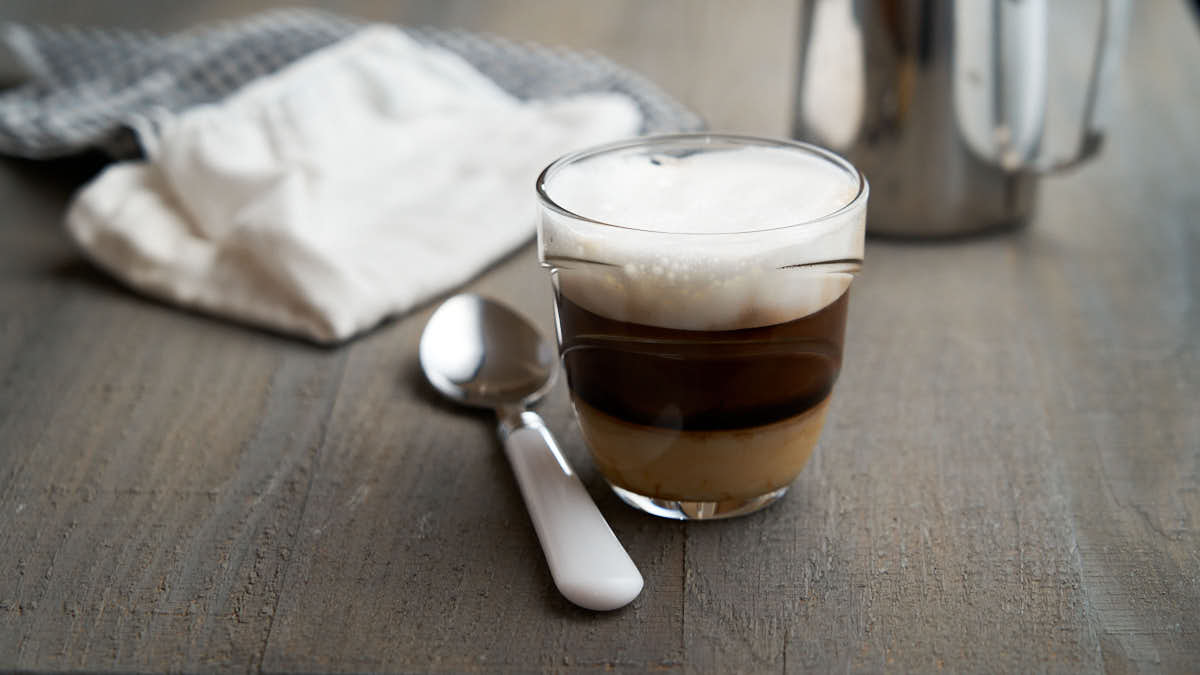
The visual appeal of Cafe Bombon is as crucial to its charm as its taste. Typically served in a clear glass, the drink showcases a dramatic stratification of colors: the deep, dark hue of the espresso sits atop a creamy, opaque layer of sweetened condensed milk. This striking visual contrast is not merely aesthetic; it serves as a prelude to the sensory journey that awaits. Before consumption, the layers are gently stirred, allowing the rich espresso to mingle with the sweet milk, creating a lusciously smooth and nuanced beverage. Some establishments even opt to serve the condensed milk separately, empowering the patron to control the sweetness and the precise moment of amalgamation, further enhancing the interactive and personalized nature of the drink.
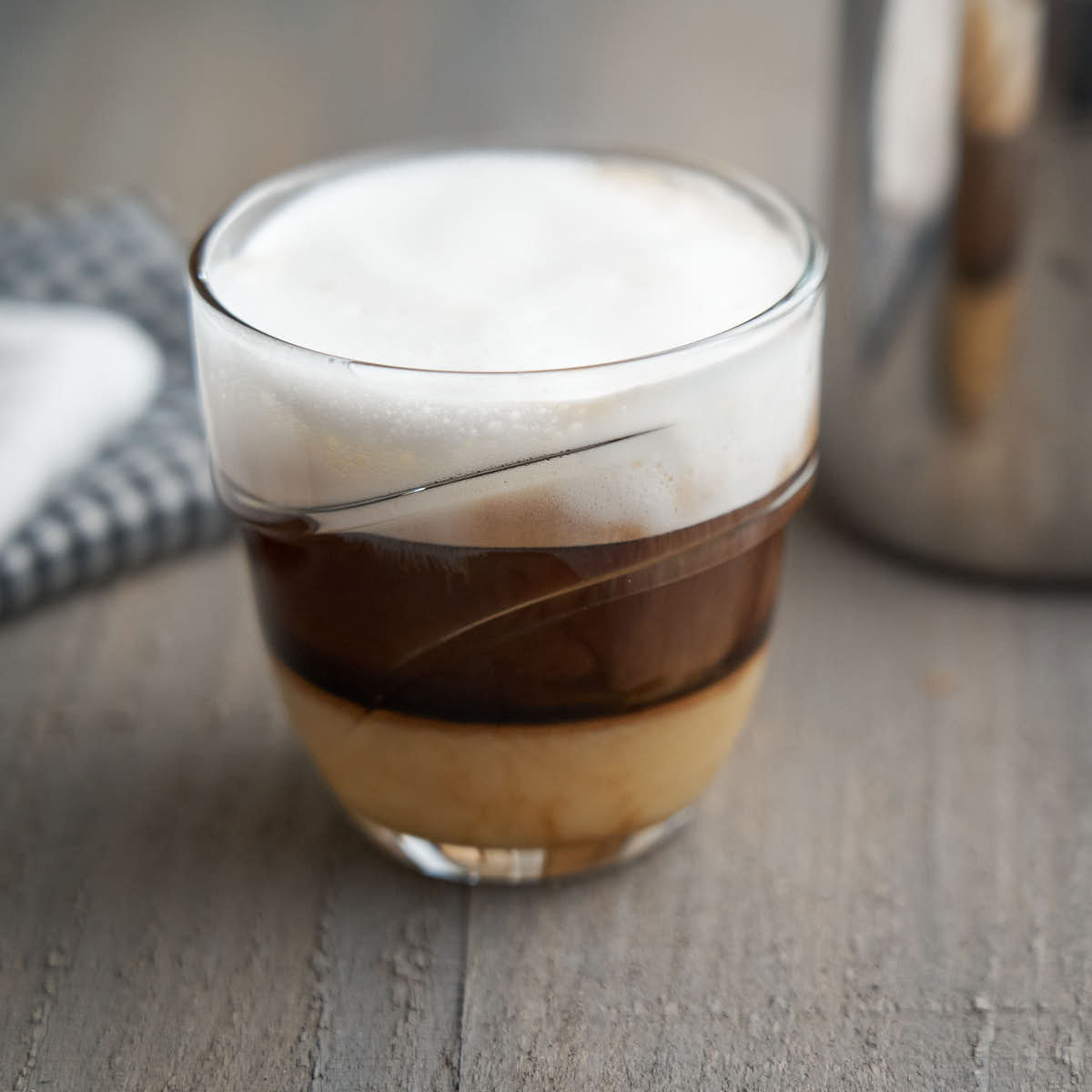
While its popularity in Spain is well-established, the gradual emergence of Cafe Bombon on international coffee scenes highlights a growing appreciation for diverse coffee cultures. This expansion can be attributed to several factors, including increased global travel, the interconnectedness fostered by social media platforms showcasing culinary trends, and a general desire among consumers for unique and artisanal coffee experiences. As coffee culture evolves, drinks like Cafe Bombon, which offer a departure from traditional black coffee or milk-based beverages, are finding a receptive audience.
The Genesis of a Sweet Classic
The precise historical origins of Cafe Bombon are somewhat elusive, as is often the case with beloved culinary traditions. However, its popularity is strongly associated with the vibrant café culture of Spain, particularly in regions like Valencia, where it is a staple. The beverage’s simplicity suggests it likely arose organically as a way to sweeten and mellow the intensity of strong coffee, a common practice in many coffee-drinking cultures. The use of sweetened condensed milk, a readily available and shelf-stable ingredient, would have made it an accessible and practical choice for both home preparation and commercial establishments.
The rise of espresso as a brewing method in the 20th century likely played a significant role in the refinement of Cafe Bombon. The concentrated nature of espresso provides the perfect base for this layered drink, offering a robust flavor that can stand up to the sweetness of condensed milk without being overpowered. The practice of serving drinks in glassware to highlight their visual appeal is also a common thread in European café traditions, further contributing to the elegant presentation of Cafe Bombon.
Crafting the Perfect Cafe Bombon at Home
The preparation of Cafe Bombon is remarkably straightforward, making it an accessible delight for home baristas. The key lies in achieving and maintaining the distinct layers, a feat that requires a nuanced understanding of ingredient density.
The Layering Technique:
The most effective method for creating the signature visual appeal of Cafe Bombon involves a specific layering sequence.
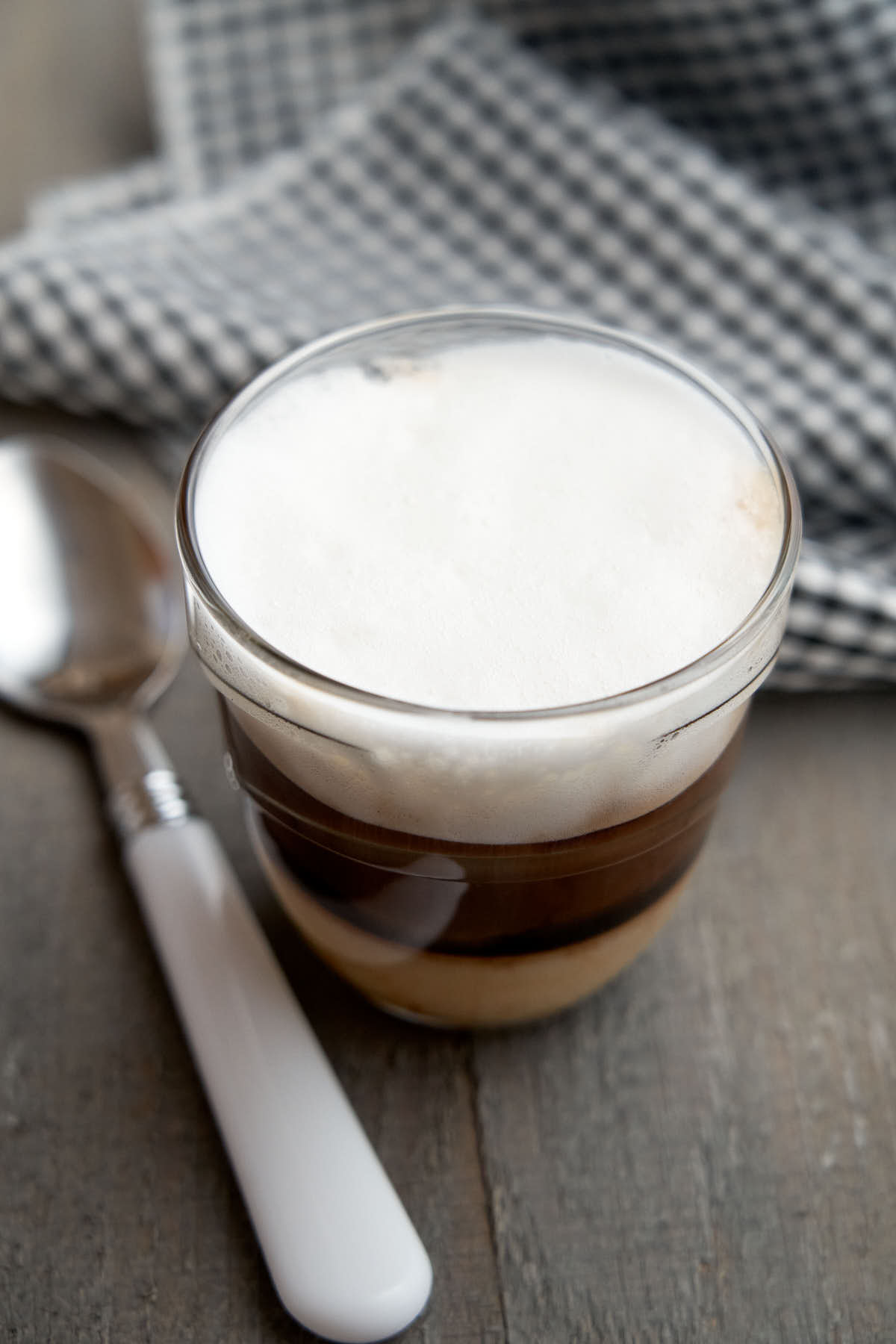
- The Espresso Foundation: The process begins with a freshly brewed, strong shot of espresso. The rich, dark liquid forms the base layer.
- The Sweet Drizzle: Sweetened condensed milk is then slowly drizzled into the glass. Due to its higher density, the condensed milk will naturally settle beneath the espresso, creating the characteristic two-tiered appearance. It is often recommended to pour the condensed milk down the side of the glass or over the back of a spoon to ensure a gentle introduction and prevent premature mixing.
An alternative, though often less successful, approach involves pouring the condensed milk first, followed by the espresso. However, this method can lead to the espresso "denting" the condensed milk layer, compromising the sharp visual distinction.
The Optional Froth Enhancement:
For an added touch of elegance and textural complexity, a layer of milk froth can be introduced as a third component. This requires careful execution to maintain the visual integrity of the drink.
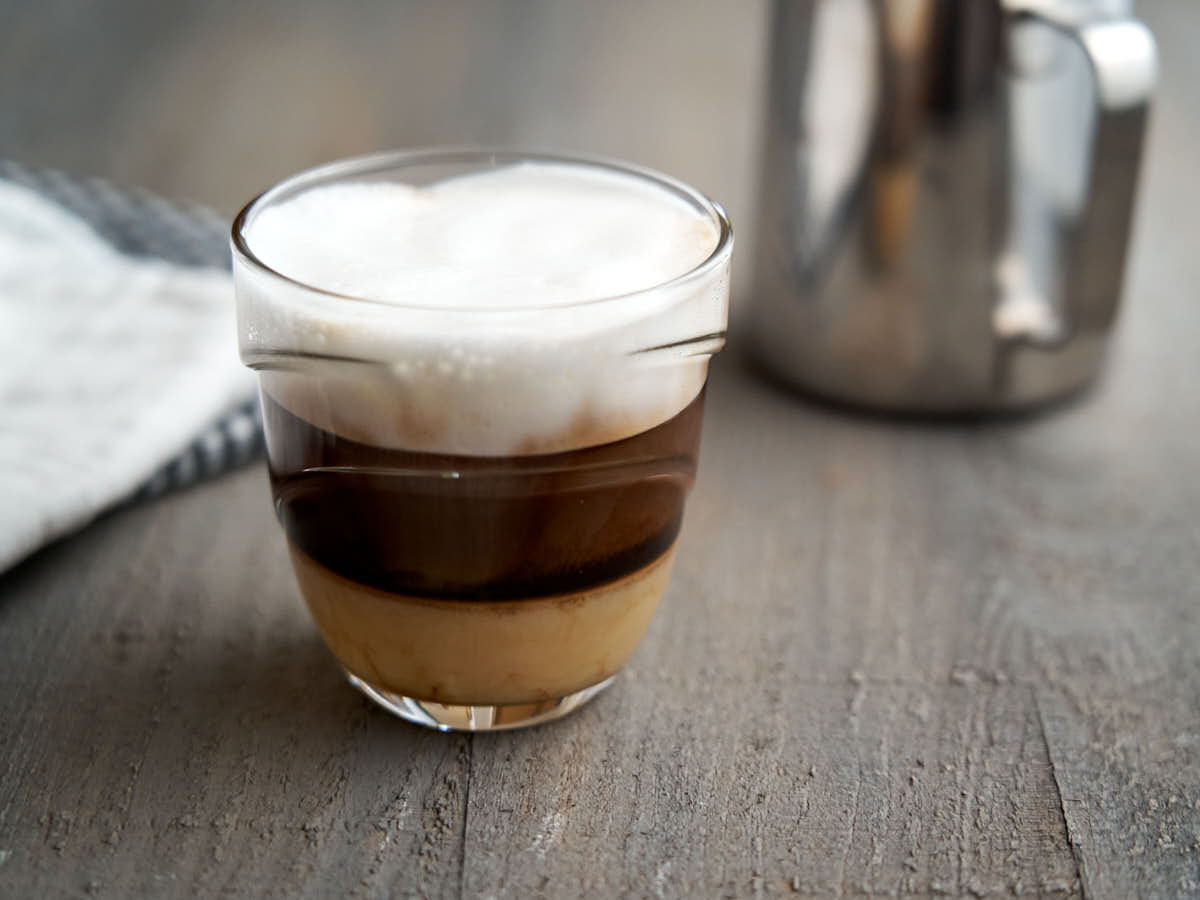
- Frothing Technique: Using a milk steamer wand with an emphasis on incorporating extra air can produce a light, airy froth. Alternatively, a handheld milk frother can achieve similar results.
- Strategic Placement: Crucially, the froth should be scooped onto the top of the drink, rather than poured. This prevents the delicate foam from immediately integrating with the espresso layer. The aim is to capture only the lightest, most stable foam from the milk pitcher, avoiding any liquid milk that could dilute the visual separation.
The original article notes that while the froth is optional, it contributes to a lighter mouthfeel and an enhanced visual presentation. For those without a built-in espresso machine steamer, a portable milk frothing wand is a practical and affordable alternative, as highlighted by the author’s personal experience.
Adapting for Every Coffee Enthusiast: Espresso Alternatives
Recognizing that not everyone possesses an espresso machine, the preparation of Cafe Bombon has been thoughtfully adapted to accommodate various brewing methods. The core principle remains: a concentrated, intensely flavored coffee base is required.
Cold Brew Concentrate as an Espresso Substitute:

A highly effective alternative to espresso is cold brew coffee concentrate. This method involves steeping coffee grounds in cold water for an extended period, resulting in a smooth, low-acidity, and highly concentrated coffee liquid.
- Homemade Cold Brew: The article directs readers to a guide on making cold brew concentrate at home. This process typically involves a high coffee-to-water ratio and a long steeping time (12-24 hours).
- Commercial Cold Brew Concentrate: Pre-made cold brew concentrate is widely available in grocery stores and from coffee shops. A recommended brand is noted for its accessibility.
It is essential to gently warm the cold brew concentrate before using it in Cafe Bombon, as the beverage is traditionally served hot. Microwave heating is a simple and effective method for achieving this.
The availability of these alternatives ensures that the enjoyment of Cafe Bombon is not limited by specialized equipment, making it a truly inclusive coffee experience.

Broader Implications and Consumer Trends
The growing popularity of Cafe Bombon reflects several broader trends within the modern coffee industry and consumer preferences.
- The Rise of Artisanal and Specialty Coffee: Consumers are increasingly seeking out unique coffee experiences that go beyond mass-produced options. Drinks that offer visual appeal, interesting flavor combinations, and a sense of origin or tradition are highly valued.
- The "Instagrammable" Coffee: Social media platforms have played a significant role in popularizing visually appealing food and beverages. The distinct layers and elegant presentation of Cafe Bombon make it an ideal candidate for sharing online, further driving its visibility and demand.
- A Taste for Global Flavors: As the world becomes more interconnected, consumers are more open to exploring and embracing flavors and traditions from different cultures. Cafe Bombon, with its Spanish roots, taps into this global culinary curiosity.
- The Home Coffee Revolution: The increased investment in home brewing equipment, spurred by factors such as convenience and a desire for personalized coffee experiences, has led to a greater interest in recreating café-style beverages at home. Recipes like Cafe Bombon, which can be adapted to different brewing methods, cater directly to this trend.
The appreciation for Cafe Bombon is not merely about a sweet coffee drink; it represents a broader shift in how consumers engage with their coffee. It’s about the ritual, the visual artistry, the cultural connection, and the personal customization that transforms a simple beverage into an experience. As coffee culture continues to evolve, drinks that offer this multifaceted appeal are likely to find enduring popularity. The elegant simplicity and delightful sweetness of Cafe Bombon stand as a testament to the enduring power of well-crafted coffee traditions to capture the modern imagination.
