
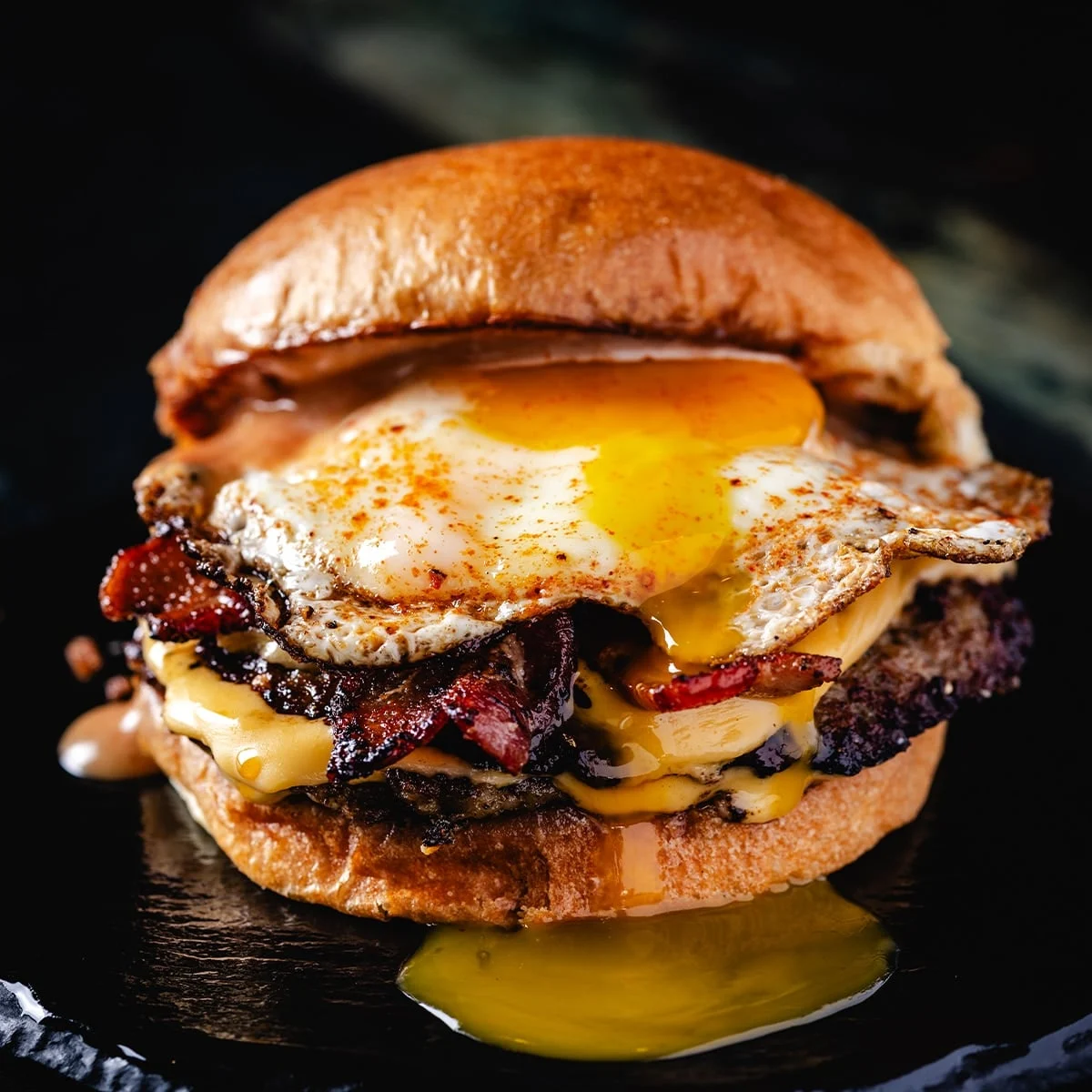
The modern culinary landscape is witnessing a significant shift as high-end, restaurant-quality techniques transition from commercial kitchens to the residential backyard. Central to this movement is the emergence of the Breakfast Smash Burger, a sophisticated hybrid of the classic American smash burger and traditional breakfast components. This dish represents a departure from standard morning fare, utilizing high-heat griddling, the Maillard reaction, and a curated balance of sweet and savory profiles to redefine the capabilities of outdoor cooking. Originally popularized by outdoor cooking authority Susie Bulloch of the Hey Grill Hey platform, the breakfast smash burger has become a focal point for enthusiasts seeking to replicate the "diner-style" crust and texture that was once exclusive to professional flat-top grills.
The Anatomy of a Modern Breakfast Staple
The Breakfast Smash Burger is characterized by its multi-layered construction, which prioritizes texture and flavor contrast. At its core are two smashed sausage patties, which serve as the primary protein. Unlike traditional thick-formed patties, the "smash" technique involves applying significant pressure to a ball of ground sausage as soon as it hits a scorching hot griddle. This maximize the surface area in contact with the heat, leading to rapid caramelization and the development of a "lace" edge—a crispy, browned perimeter that is highly prized for its concentrated flavor.

Complementing the sausage are several key components: candied bacon, melted American cheese, and a fried egg with a liquid yolk. The choice of American cheese is deliberate; in the context of smash burgers, its low melting point and emulsifying properties create a cohesive bond between the meat and the bun. The dish is finished with a proprietary maple mayo burger sauce, which provides a creamy, acidic, and slightly sweet counterpoint to the salt-forward proteins. The entire assembly is housed within a toasted brioche bun, chosen for its high fat content and structural integrity, which allows it to absorb the egg yolk and sauce without disintegrating.
Historical Context and the Rise of Griddle Culture
The popularity of the breakfast smash burger is inextricably linked to the "Griddle Revolution" of the early 2020s. Historically, backyard cooking was dominated by traditional charcoal and gas grills designed for indirect heat or open-flame searing. However, the rise of outdoor flat-top griddles, led by brands such as Blackstone and Camp Chef, has altered consumer behavior. According to industry market reports, the outdoor griddle segment has seen a compound annual growth rate (CAGR) of over 7% as consumers seek the versatility to cook high-volume breakfasts, stir-frys, and smash burgers.
This technological shift allowed home cooks to explore recipes that require a solid cooking surface rather than a grate. The smash burger, which originated in the mid-20th century in American diners (with some historians pointing to Iron Street in Kentucky as a possible birthplace of the technique), was the natural beneficiary of this trend. By adapting this technique to breakfast sausage, culinary influencers like Susie Bulloch have expanded the utility of the outdoor kitchen, moving it beyond the dinner hour and into the early morning routine.

Technical Specifications and Preparation Protocol
The creation of a Breakfast Smash Burger requires adherence to specific thermal and mechanical protocols to ensure the desired outcome. The process begins with the preparation of the "Breakfast Burger Sauce," a mixture of mayonnaise, maple syrup, and a specialized BBQ rub (typically the "Hey Grill Hey Beef Rub" or a similar savory-sweet blend). This sauce acts as the foundational moisture barrier for the bun.
Chronology of the Cook
- Thermal Priming: The griddle is preheated to medium-high heat, typically between 375°F and 400°F. This temperature is critical; if the surface is too cool, the meat will steam rather than sear; if too hot, the sausage fat will burn before the crust develops.
- Protein Processing: Bacon is the first element introduced to the surface. For the candied variation, it is seasoned with a BBQ rub and cooked until the fat renders and the sugars in the rub caramelize into a glaze.
- The Smash: Two-ounce balls of breakfast sausage are placed on the griddle. They are immediately flattened using a heavy-duty burger press or a spatula weighted with a second tool. A square of parchment paper is often placed between the press and the meat to prevent sticking—a common technical hurdle in high-fat sausage preparation.
- Maillard Optimization: The patties are seasoned and left undisturbed for approximately two minutes. Once a dark, mahogany crust has formed, they are flipped. Cheese is applied immediately to facilitate melting via the residual heat of the patty.
- The Egg and Bun: Simultaneously, eggs are fried "sunny-side up" or "over-easy" on a cooler section of the griddle. Brioche buns are toasted in the rendered bacon fat or butter to create a crisp interior surface.
- Final Assembly: The bottom bun is dressed with sauce, followed by the double-stacked patties, bacon, and the egg. The runny yolk serves as a secondary sauce that permeates the layers upon the first bite.
Supporting Data and Nutritional Analysis
From a nutritional perspective, the Breakfast Smash Burger is a high-calorie, high-protein meal designed for indulgence or "brunch-style" dining. According to data provided by the recipe’s developer, a single serving contains approximately 1,209 calories. The macronutrient breakdown is significant, featuring 41 grams of protein and 95 grams of fat.
The high sodium content (4,639 mg) and cholesterol (344 mg) reflect the use of processed meats like sausage and bacon, as well as American cheese. While these figures place the dish outside the realm of daily health-conscious dietary staples, they align with the "cheat meal" or weekend luxury category that has fueled the growth of the gourmet burger industry. In the United States, the gourmet burger market is projected to reach a valuation of several billion dollars by 2028, driven by a consumer preference for premium ingredients and "Instagrammable" food presentations.

Socio-Economic Impact and Industry Response
The transition of the breakfast burger from a fast-food convenience item to a home-cooked gourmet event has broader implications for the food and beverage industry. Traditional breakfast franchises are facing increased competition from the "prosumer" home cook who can now achieve superior results at a lower per-unit cost.
Industry analysts suggest that the "Hey Grill Hey" model—whereby a creator provides free high-quality recipes while selling the necessary rubs, sauces, and tools—has democratized culinary expertise. Susie Bulloch, the founder of the platform, has leveraged this trend to build an ecosystem that includes a mobile app, a YouTube channel, and a line of retail products. Her success, including appearances on the Food Network and two Guinness World Records, underscores the power of digital media in shaping modern eating habits.
Retailers have responded by stocking more specialized outdoor cooking equipment. Big-box stores that previously only sold standard charcoal grills now dedicate significant floor space to griddles, burger presses, and high-quality brioche buns. This shift is a direct response to the "smash burger" phenomenon, which has proven to be more than a passing fad, instead becoming a permanent fixture of the American outdoor cooking repertoire.

Implications for Future Culinary Trends
The success of the Breakfast Smash Burger suggests a continuing trend toward "fusion" breakfast items that borrow heavily from lunch and dinner techniques. As consumers become more proficient with high-heat cooking surfaces, the boundary between meal times continues to blur. The emphasis on "the experience of the cook"—the sound of the sizzle, the physical act of smashing the burger, and the visual appeal of the assembly—indicates that for many, outdoor cooking is as much a form of entertainment as it is a method of food preparation.
In conclusion, the Breakfast Smash Burger is more than just a recipe; it is a manifestation of the current intersection between technology, social media influence, and a cultural desire for elevated comfort food. By utilizing professional-grade techniques like the Maillard-driven smash and the integration of complex flavor profiles like maple-infused mayonnaise, home cooks are effectively challenging the dominance of commercial breakfast providers, one patty at a time. As griddle technology continues to evolve and the community of outdoor cooks grows, the breakfast smash burger is likely to remain a benchmark for backyard culinary excellence.
