
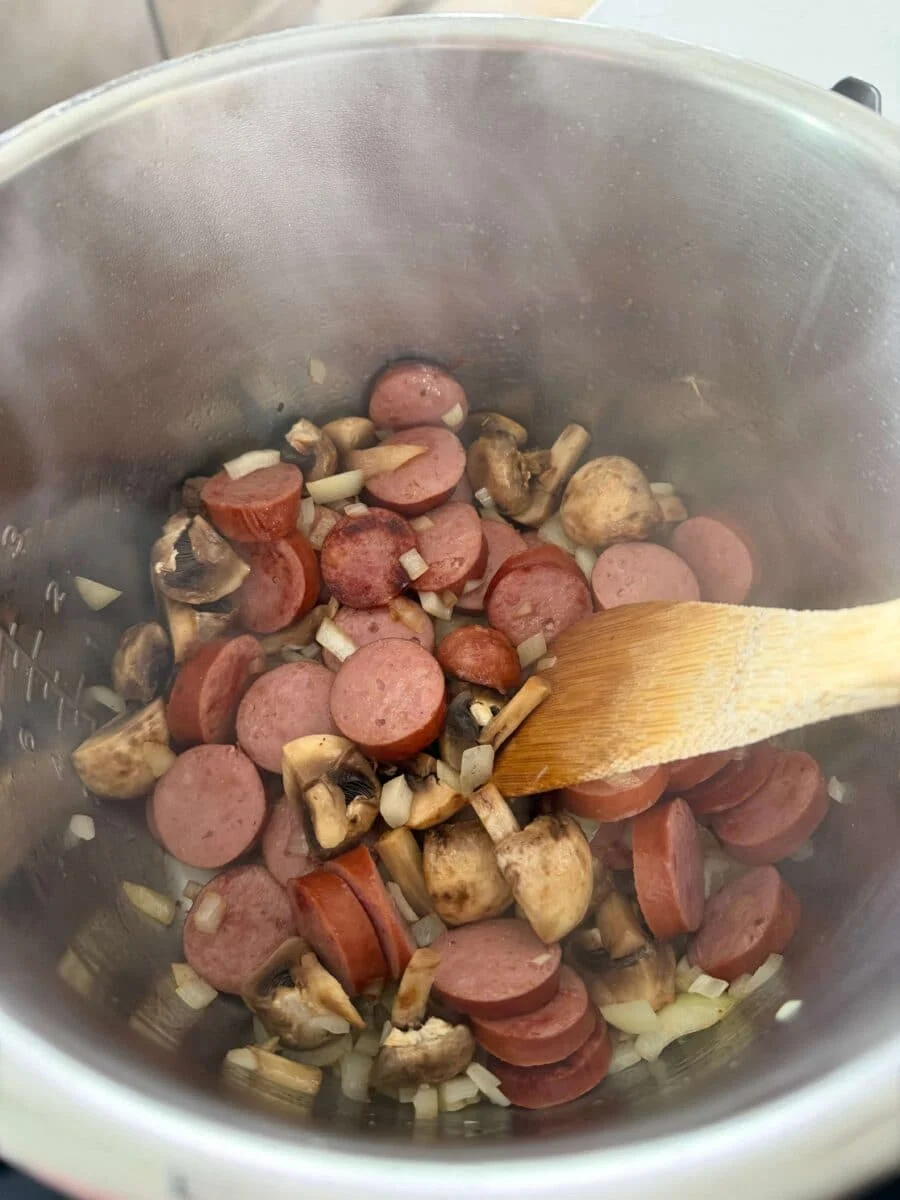
The Great Smoky Mountain Casserole has emerged as a prominent example of the modern "one-pot" culinary movement, offering a streamlined approach to home-cooked nutrition by utilizing the technical capabilities of the Instant Pot. This dish, which integrates beef smoked sausage, potatoes, cabbage, and carrots within a complex, smoke-infused tomato base, represents a shift in domestic meal preparation toward high-efficiency, flavor-dense solutions that cater to the time constraints of the contemporary workforce. By reducing the preparation and cooking window to under 30 minutes, the recipe addresses a growing consumer demand for home-cooked meals that do not require the extensive cleanup traditionally associated with multi-course dinners.
The Evolution of One-Pot Pressure Cooking
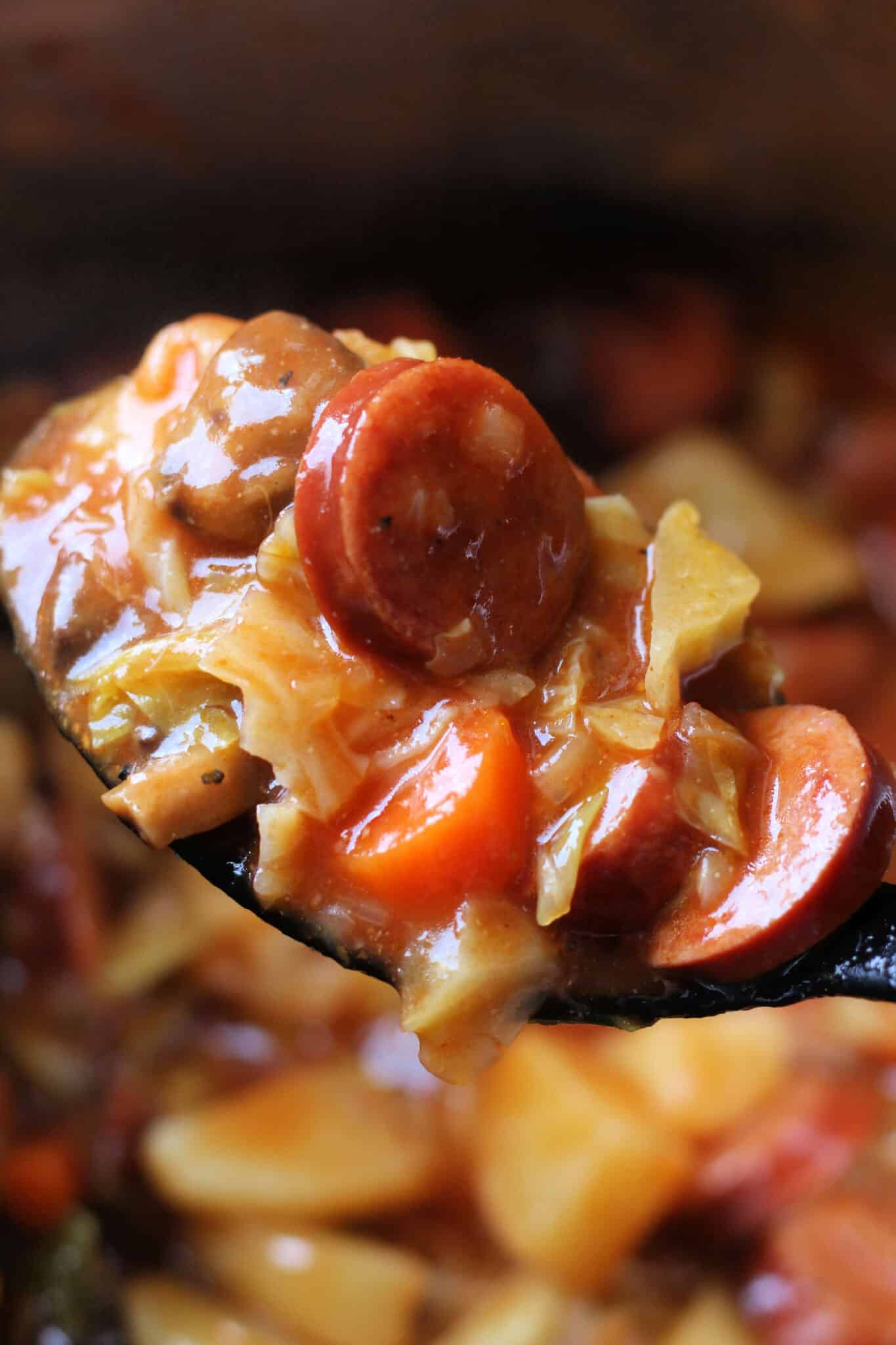
The rise of the multicooker, led by brands like Instant Pot, has fundamentally altered the landscape of the American kitchen over the last decade. Historically, pressure cooking was often viewed with trepidation due to the mechanical complexities and perceived safety risks of stovetop models. However, the introduction of digital, automated pressure cookers has democratized this technology, allowing for the rapid breakdown of fibrous vegetables like cabbage and the infusion of flavors into dense starches like potatoes in a fraction of the time required by traditional braising or roasting methods.
The Great Smoky Mountain Casserole leverages these mechanical advantages to create a dish that mimics the results of a slow-cooked barbecue or a long-simmered stew. The use of high-pressure steam allows the flavors of the smoked paprika and liquid smoke to penetrate the cellular structure of the potatoes and carrots, ensuring a consistent flavor profile throughout the meal. This technical efficiency is a primary driver behind the recipe’s popularity among home cooks seeking to replicate professional-grade flavor profiles in a domestic setting.
Culinary Science and the Smoky Flavor Profile
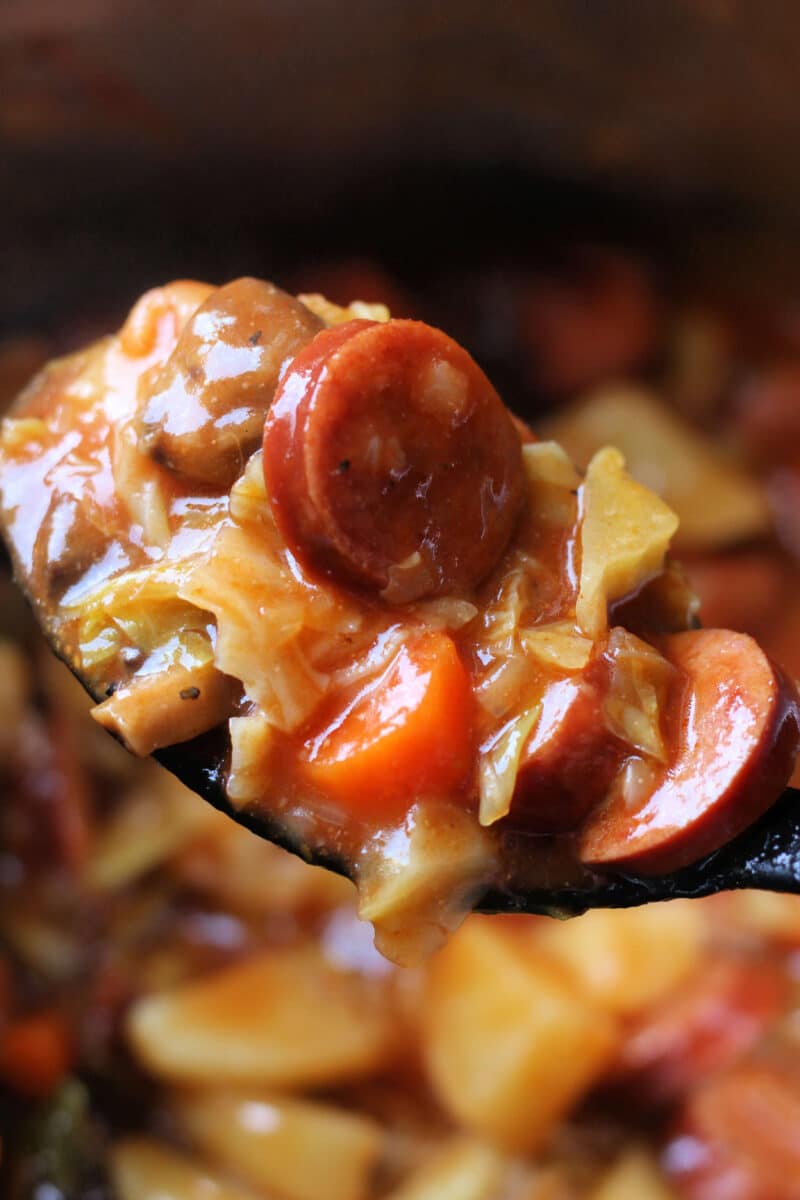
The defining characteristic of the Great Smoky Mountain Casserole is its deep, resonant smokiness, achieved through a tiered application of flavoring agents. The recipe utilizes beef smoked sausage as both a protein source and a foundational fat, which is rendered during the initial sauté phase. This is augmented by the addition of smoked paprika—a spice derived from peppers that are dried and smoked over oak fires—and liquid smoke, a concentrated aqueous solution of smoke flavor.
Culinary analysts note that the "smoky" profile is a significant trend in the current food landscape, as it evokes traditional outdoor cooking and artisanal smoking techniques. The inclusion of these ingredients allows the home cook to bypass the hours-long process of wood-smoking meats while still achieving the desired olfactory and gustatory results. Furthermore, the use of a cornstarch slurry at the conclusion of the cooking process provides a "shiny finish" to the tomato-based sauce, a technique known as "glazing" in professional kitchens, which enhances both the visual appeal and the mouthfeel of the dish.

A Chronological Breakdown of the Preparation Process
The preparation of the Great Smoky Mountain Casserole follows a precise technical sequence designed to maximize flavor development while minimizing active labor. The process is divided into three distinct phases: the searing phase, the pressure phase, and the thickening phase.
Phase One: Searing and Flavor Foundation
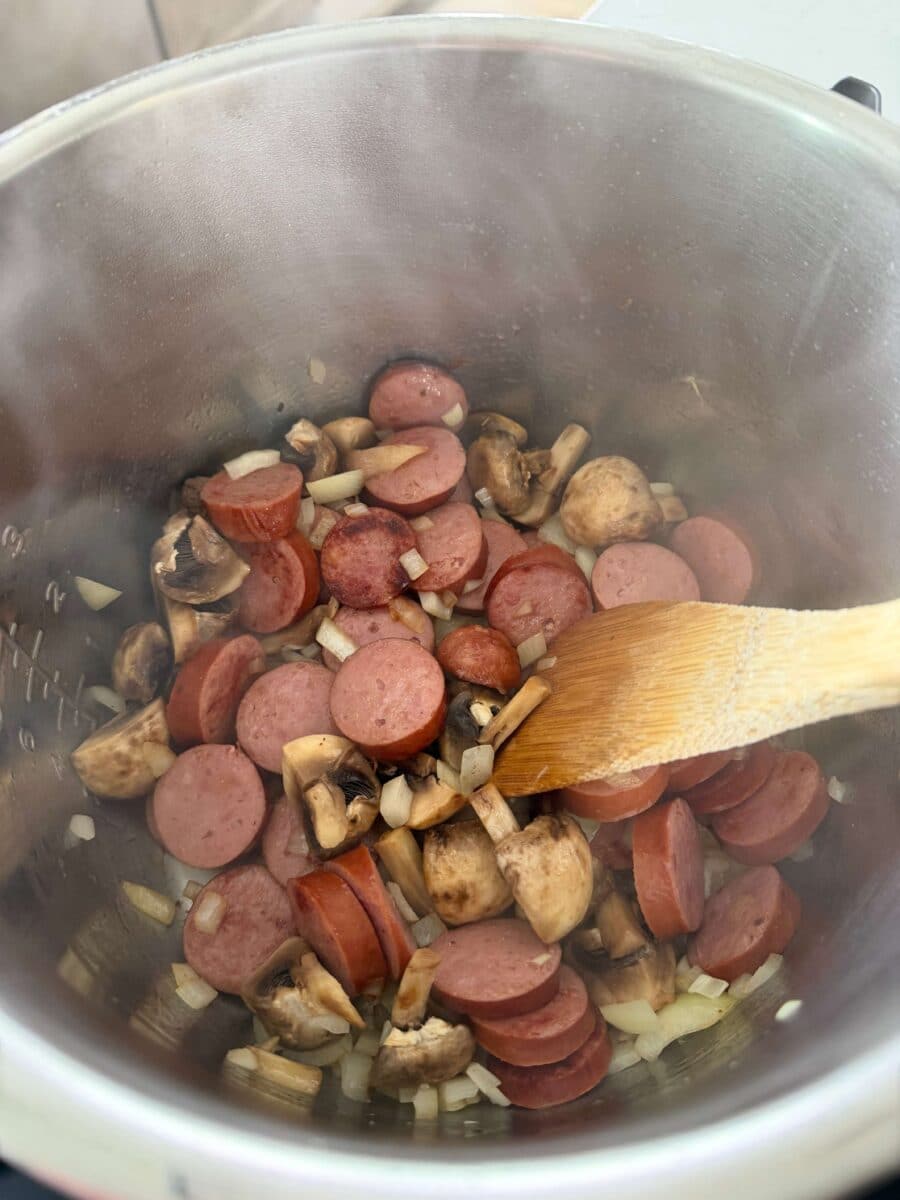
The process begins with the Instant Pot set to the "Sauté" function. Once the vessel reaches the "HOT" designation, oil is introduced to prevent adhesion. The beef smoked sausage is added and browned for approximately four minutes. This step is critical for the Maillard reaction—a chemical reaction between amino acids and reducing sugars that gives browned food its distinctive flavor. Following the browning of the meat, onions and mushrooms are introduced and sautéed for an additional two minutes, allowing the vegetables to soften and release their aromatic compounds.
Phase Two: High-Pressure Infusion
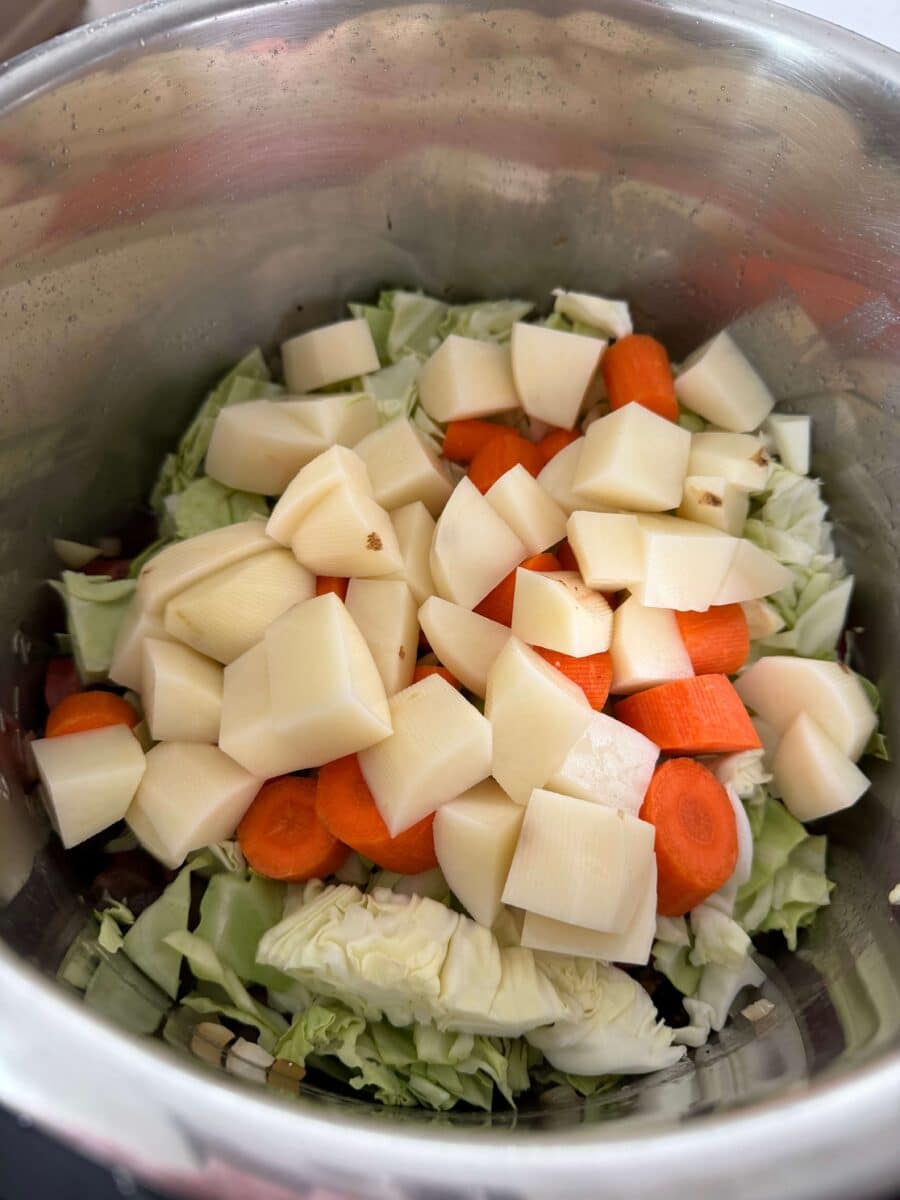
Before transitioning to the pressure phase, the cook must deglaze the pot by pouring in beef broth and scraping the bottom of the vessel to remove any "fond"—the browned bits of meat and vegetables that contain concentrated flavor. This step is also essential to prevent the "burn" warning on the digital interface. The cabbage, potatoes, and carrots are then layered on top of the base.
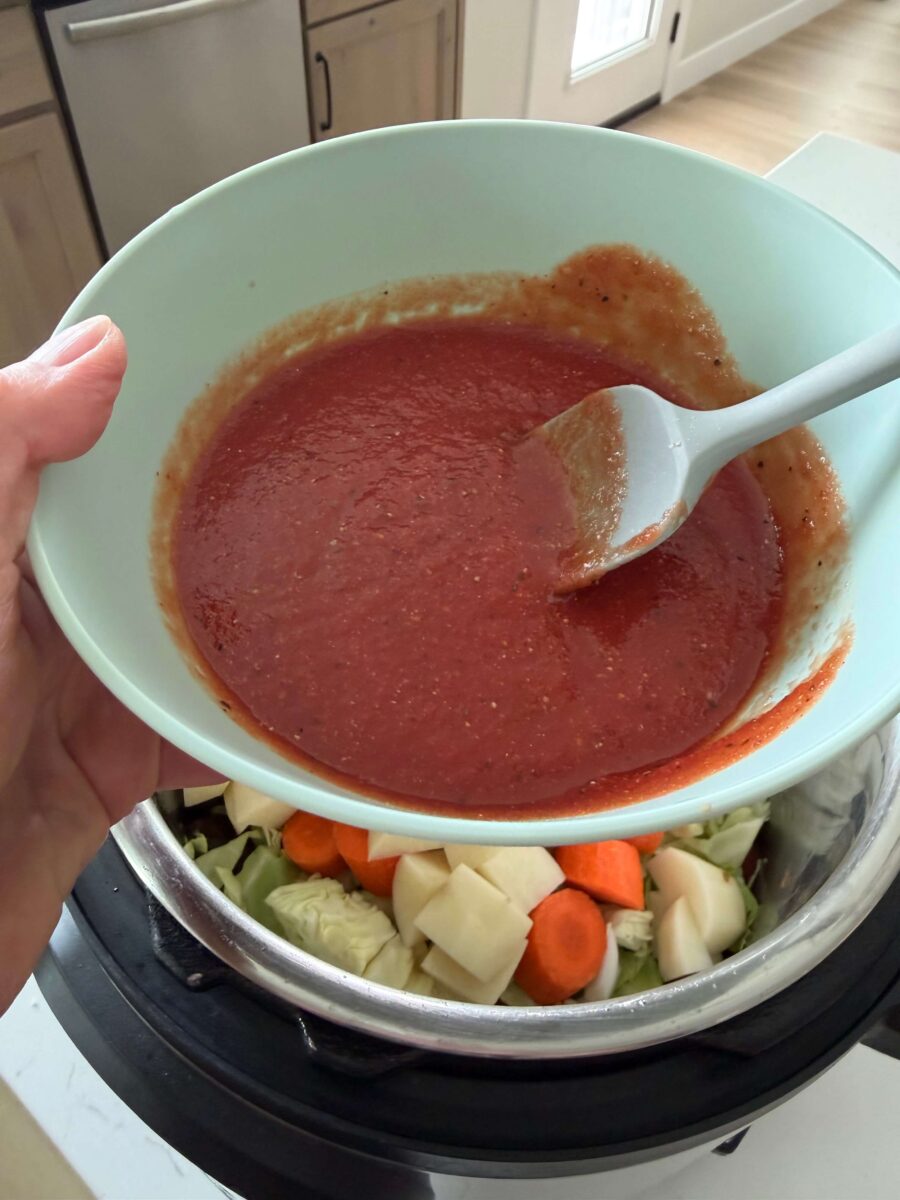
Crucially, a mixture of tomato sauce, liquid smoke, smoked paprika, salt, pepper, and garlic powder is poured over the vegetables but is not stirred. This layering technique prevents the thicker tomato sauce from settling at the bottom and scorching during the high-heat pressure cycle. The device is then sealed and set to manual pressure for three minutes.
Phase Three: Depressurization and Finishing
Once the timer expires, the unit undergoes a five-minute natural pressure release, followed by a manual venting of the remaining steam. This gradual reduction in pressure prevents the delicate cabbage from becoming overly mushy. The final step involves the "Sauté" function once more, where a cornstarch slurry (a mixture of cornstarch and cold water) is stirred into the pot. This rapidly thickens the sauce, binding the disparate ingredients into a cohesive casserole.
Nutritional Profile and Ingredient Analysis
The Great Smoky Mountain Casserole offers a balanced nutritional profile, combining lean proteins with high-fiber vegetables. Cabbage and carrots are significant sources of Vitamin C, Vitamin K, and beta-carotene, while potatoes provide essential carbohydrates and potassium.
From a dietary standpoint, the recipe is inherently flexible. Analysts point out that the use of beef smoked sausage can be substituted with turkey sausage or plant-based alternatives to accommodate different caloric or ethical requirements. The inclusion of mushrooms adds a source of umami, which complements the smoky notes of the sauce and adds a "meaty" texture without additional animal fat.
| Ingredient | Primary Nutritional Contribution | Functional Role in Recipe |
|---|---|---|
| Smoked Sausage | Protein, Fat | Flavor base, primary protein |
| Potatoes | Carbohydrates, Potassium | Structural heartiness, starch |
| Cabbage | Fiber, Vitamin K | Bulk, moisture, texture |
| Carrots | Beta-carotene, Vitamin A | Sweetness, color |
| Mushrooms | Umami, B Vitamins | Flavor depth, texture |
| Tomato Sauce | Lycopene, Acidity | Liquid base, sauce body |
Economic Context and Market Trends
The popularity of recipes like the Great Smoky Mountain Casserole can be viewed through the lens of current economic trends. As inflation impacts the cost of dining out, more households are returning to home cooking. However, the "time poverty" experienced by modern families necessitates recipes that are both cost-effective and time-efficient.

The ingredients for this casserole—cabbage, potatoes, and carrots—are among the most affordable items in the produce aisle, often referred to as "storage crops" due to their long shelf life. By combining these inexpensive staples with a flavorful protein like smoked sausage, the dish provides a high-volume, low-cost meal solution. Furthermore, the "one-pot" nature of the dish reduces water and energy consumption associated with dishwashing and multi-burner cooking, further contributing to its economic appeal.
Broader Implications for the Home Cooking Industry
The success of the Great Smoky Mountain Casserole highlights a broader shift in the digital food media landscape. Content creators are increasingly moving away from complex, multi-step gourmet recipes in favor of "approachable" and "reliable" meals. The integration of technology, such as the Instant Pot, has created a new standard for what constitutes a "weeknight dinner."

Market researchers suggest that the "Crockpot" and "Instant Pot" niches remain some of the most resilient segments of the food blogging industry. By providing filtered search options—such as low-carb, gluten-free, or specific meat types—platforms like "365 Days of Crockpot" are catering to a highly fragmented audience with diverse dietary needs. The Great Smoky Mountain Casserole serves as a flagship for this movement, proving that high-quality, flavorful food can be produced within the constraints of a busy modern lifestyle.
In conclusion, the Great Smoky Mountain Casserole is more than a simple recipe; it is a synthesis of culinary science, mechanical efficiency, and economic pragmatism. As home cooks continue to navigate the challenges of the 21st-century kitchen, the demand for such "one-pot" wonders is expected to grow, further cementing the role of the multicooker as an indispensable tool in the global domestic arsenal.
