
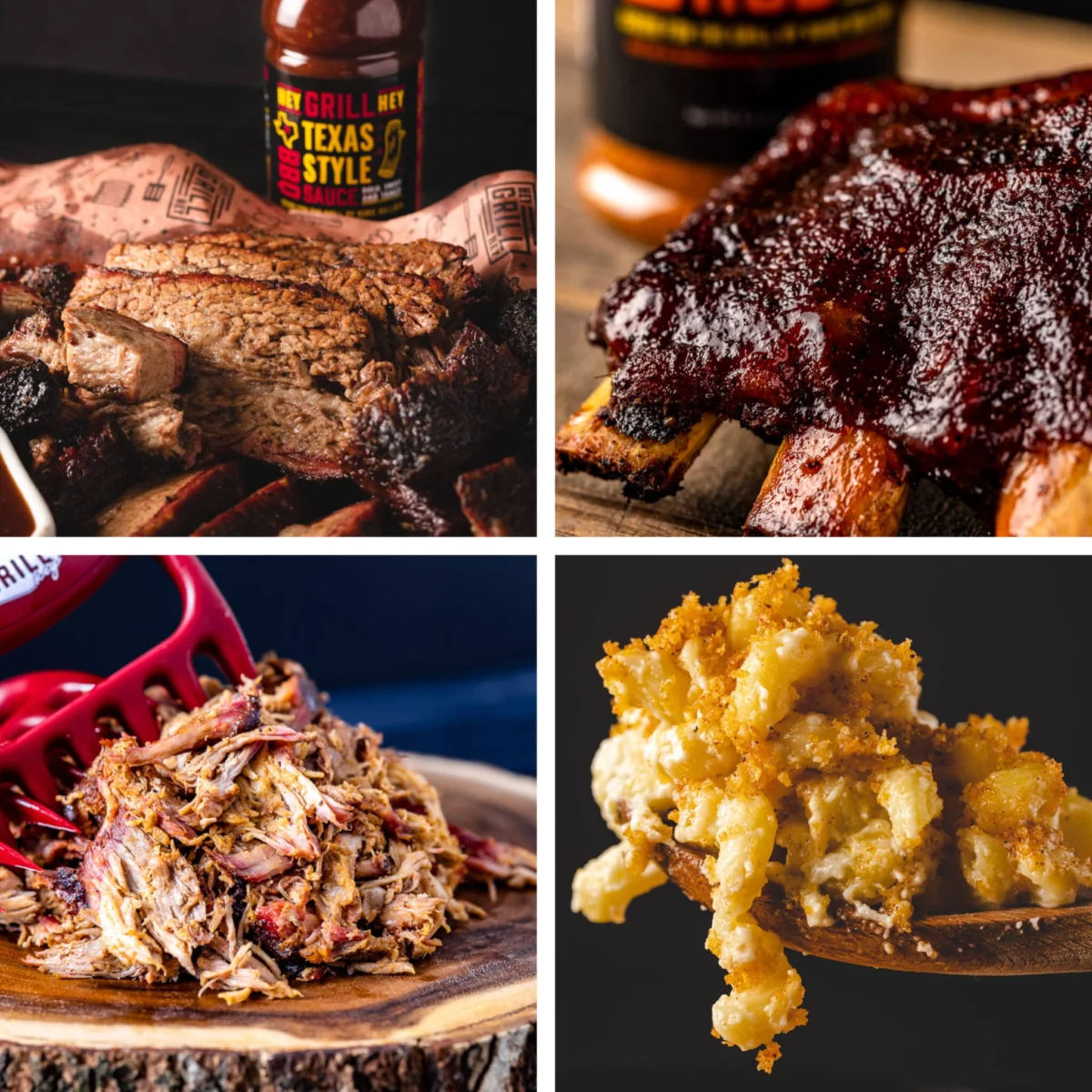
The digital landscape of American barbecue has undergone a significant transformation over the last decade, transitioning from a guarded world of competition secrets to an accessible, community-driven culinary movement. At the forefront of this shift is Susie Bulloch, founder of the Hey Grill Hey platform, which recently marked its eleventh year of operation. Internal metrics released by the organization indicate that its top culinary guides have been utilized by home cooks—referred to as "Backyard BBQ Heroes"—over 50 million times. This milestone serves as a benchmark for the growing influence of digital-first pitmasters in shaping domestic cooking habits across the United States.

The emergence of Hey Grill Hey as a dominant force in the outdoor cooking industry coincides with the broader "barbecue boom" of the 2010s. This era saw the proliferation of high-tech pellet grills, the rise of food-centric social media, and a renewed consumer interest in artisanal, slow-cooked meats. Bulloch’s professional journey, which includes appearances on the Food Network and the establishment of Guinness World Records, reflects a broader trend of professionalization within the hobbyist grilling community. By synthesizing professional pitmaster techniques into repeatable home recipes, the platform has played a critical role in democratizing the art of low-and-slow cooking.
Chronology of a Culinary Brand: From Backyard to Industry Influence
The trajectory of Hey Grill Hey began over a decade ago when Bulloch transitioned from a home cook to a professional recipe developer. The early years of the platform were defined by the testing of fundamental barbecue principles: heat management, smoke profiles, and the chemistry of dry rubs. As the brand grew, it expanded from a simple recipe blog into a comprehensive ecosystem including a digital "Grill Squad" training academy, a signature line of sauces and seasonings, and a massive social media presence.

In the mid-2010s, the platform gained national traction as the "3-2-1 method" for ribs and Texas-style brisket tutorials became viral sensations. These techniques, once reserved for the competitive circuit or legendary smokehouses in Central Texas, were adapted for the average backyard enthusiast. By 2019, the platform had solidified its position as a primary resource for holiday-specific grilling, particularly with its smoked turkey and prime rib guides, which challenged the traditional dominance of the indoor oven during the Thanksgiving and Christmas seasons.
The 50-million-use milestone reported this year is not merely a measure of website traffic but a reflection of a fundamental shift in how the American public consumes barbecue. Rather than relying solely on local restaurants, a growing demographic of consumers is investing in high-quality raw proteins and professional-grade equipment to replicate restaurant-quality results at home.

Technical Analysis of the Top 11 Barbecue Recipes
The "Top 11" list curated by Bulloch represents a cross-section of American barbecue staples, categorized by protein type, technique, and seasoning profiles. These recipes serve as the foundational pillars of the platform’s success.
1. The Science of Seasoning: Best Dry Rub for Ribs
Ranking as the most popular resource on the site, the "Best Dry Rub for Ribs" highlights the importance of the Maillard reaction and bark formation. Barbecue rubs are essentially chemical agents designed to balance flavor while drawing out moisture to create a crust. The popularity of this specific blend—balancing sweetness with smoky and savory notes—suggests a consumer preference for the "Kansas City style" profile, which emphasizes a complex, multi-layered seasoning.
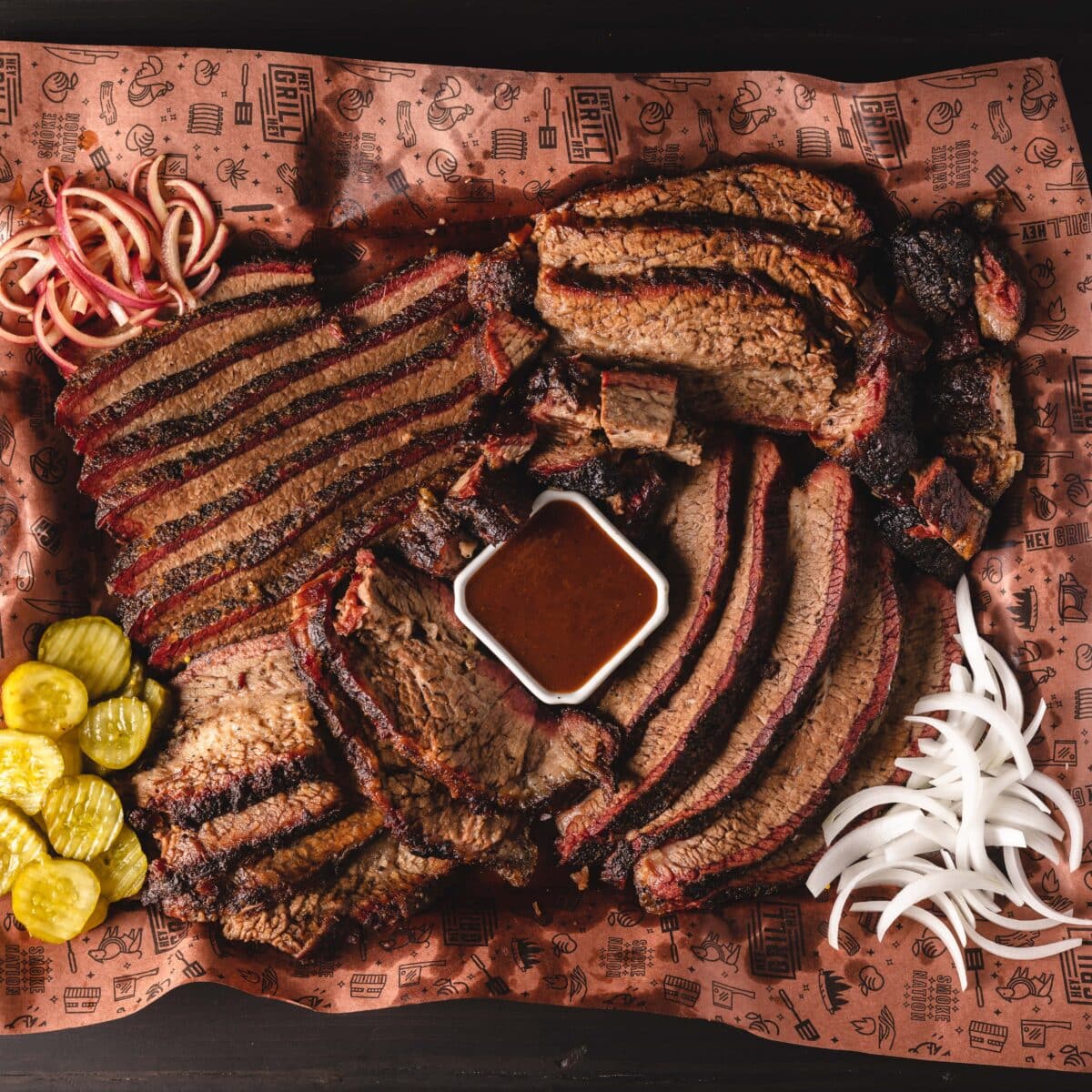
2. The Texas-Style Smoked Beef Brisket
The inclusion of Texas-style brisket as a top-tier recipe underscores the "Central Texas" influence on global barbecue trends. This method relies on minimalism—often just salt, pepper, and smoke—and focuses on the technical mastery of the "stall" and internal fat rendering. As brisket prices have fluctuated significantly over the last decade, the high engagement with this guide indicates that consumers are seeking expert instruction to minimize the risk of ruining an expensive cut of meat.
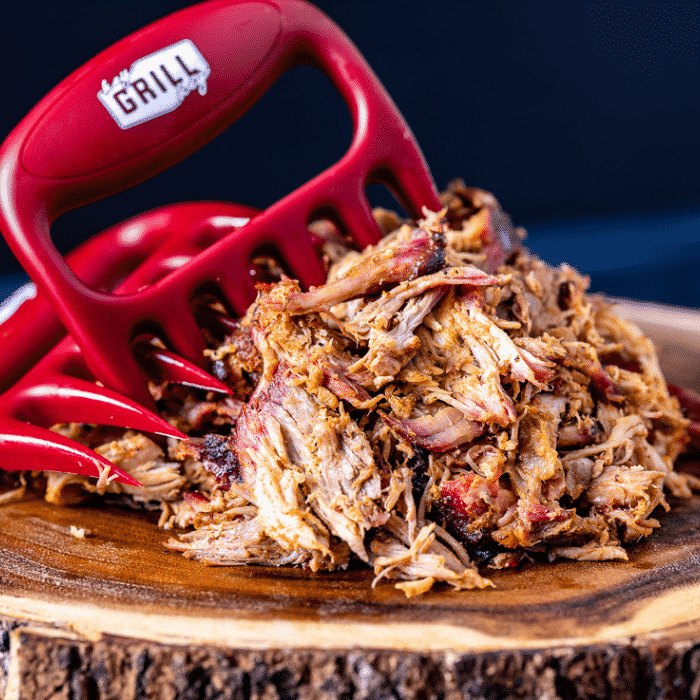
3. The 3-2-1 Rib Method
Perhaps the most controversial yet popular technique in the collection, the 3-2-1 method (three hours of smoke, two hours wrapped, one hour sauced) is designed for "fall-off-the-bone" tenderness. While purists often argue for a firmer "bite-through" texture, the data shows that the general public overwhelmingly prefers the braised, tender consistency achieved through the wrapping process.
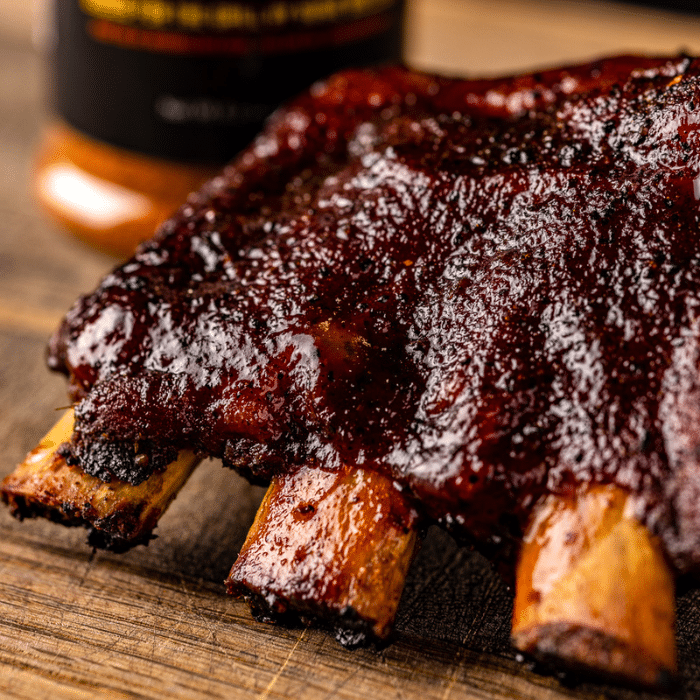
4. Accessibility in Barbecue: Simple Smoked Pulled Pork
Pulled pork remains the entry point for most novice pitmasters due to the forgiving nature of the pork shoulder (butt). Bulloch’s three-ingredient approach emphasizes the accessibility of the craft, proving that high-quality results do not always require complex ingredient lists.
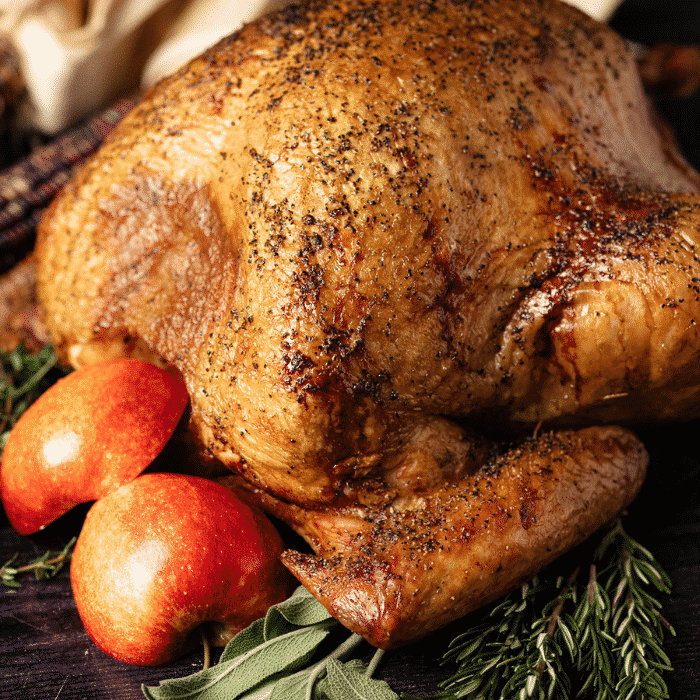
5. Seasonal Shifts: The Smoked Turkey
The smoked turkey recipe represents a significant encroachment of outdoor cooking into traditional indoor holiday spaces. This shift has been supported by the poultry industry, as consumers seek ways to avoid the common pitfall of dry, overcooked meat associated with traditional roasting.
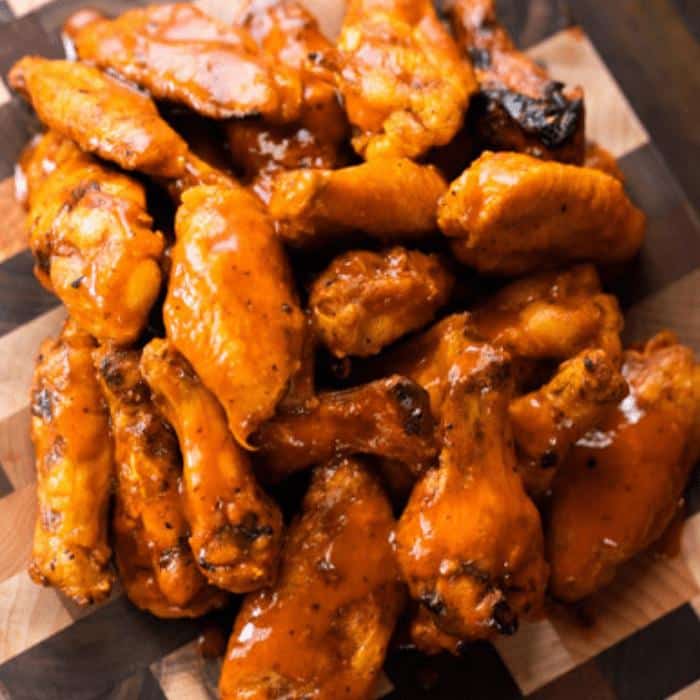
6. Texture and Technique: Crispy Smoked Chicken Wings
Smoked wings often suffer from "rubbery" skin due to low-temperature cooking. The popularity of this guide indicates a high demand for hybrid techniques that combine the flavor of wood smoke with high-heat finishing methods to achieve skin crispness.
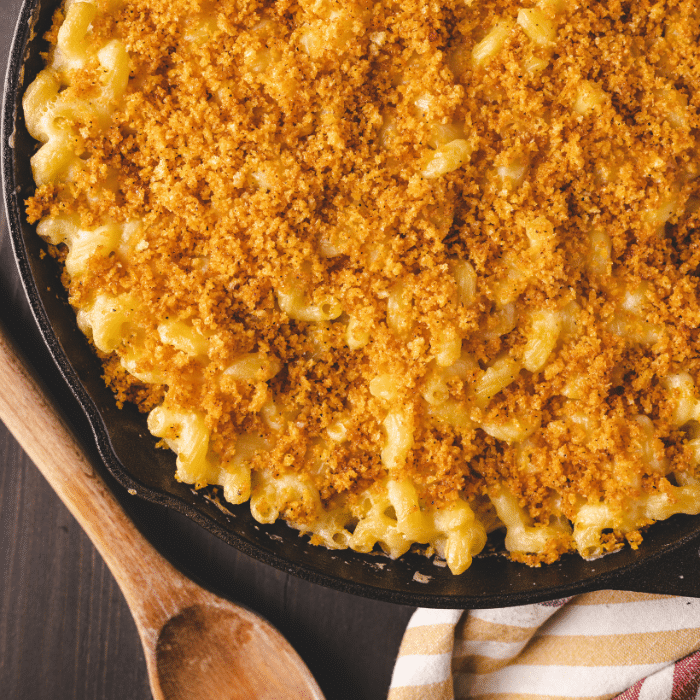
7. The Rise of Smoked Side Dishes: Mac and Cheese
The inclusion of a side dish in the top 11 reflects the holistic approach of modern backyard cooking. Smoked Mac and Cheese, utilizing a three-cheese blend and panko topping, demonstrates how the smoker is increasingly used as a secondary oven for entire meal components.
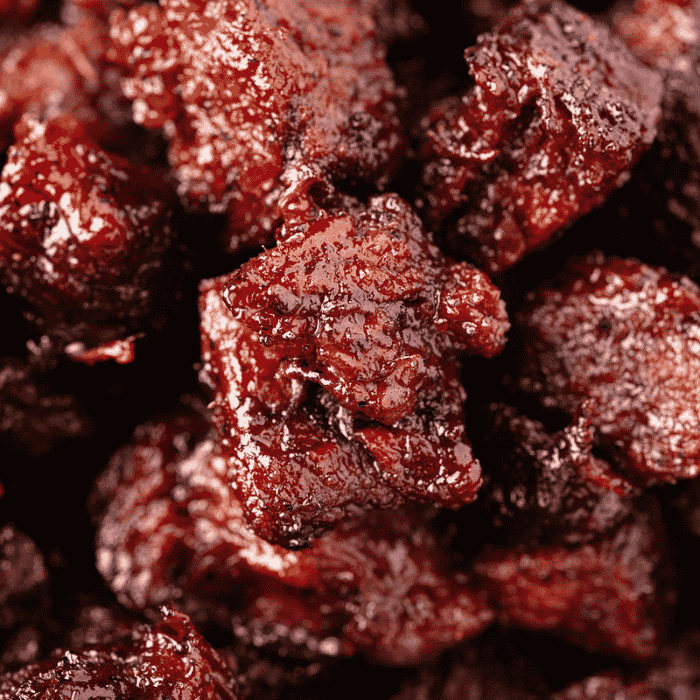
8. Economic Adaptation: Poor Man’s Burnt Ends
One of the most interesting data points in the list is the popularity of "Poor Man’s Burnt Ends." Traditionally made from the "point" of a brisket, burnt ends are a delicacy. By substituting chuck roast—a more affordable and smaller cut—this recipe addresses the economic realities of rising beef prices while satisfying the consumer’s desire for the caramelized, "meat candy" texture of traditional burnt ends.
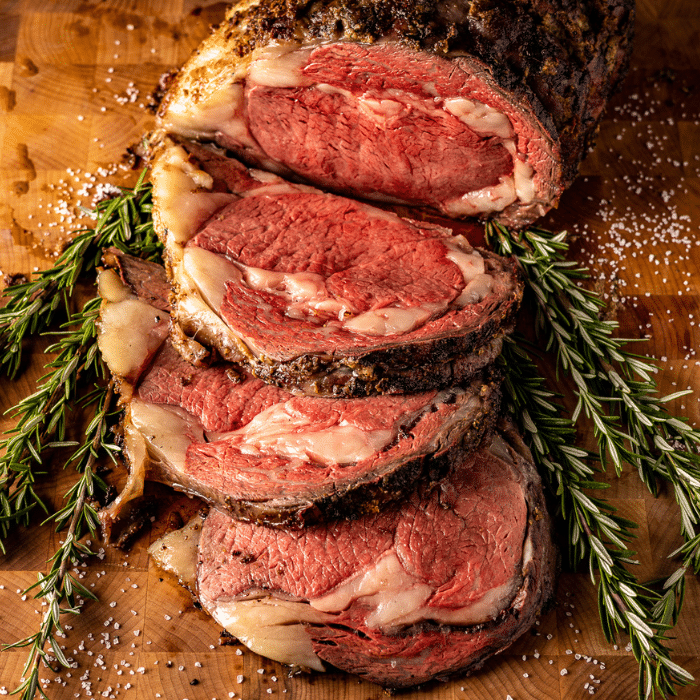
9. High-Stakes Grilling: Smoked Prime Rib Roast
Like the smoked turkey, the prime rib guide targets special occasions. The "reverse sear" or "flash-roast" technique mentioned in the guide is a hallmark of modern professional cooking, ensuring an even edge-to-edge pink interior that is difficult to achieve in a standard oven.
10. Foundational Flavors: Homemade Sweet Rub
The "Sweet Rub" serves as the platform’s versatile "house seasoning." With a base of dark brown sugar and smoked paprika, its popularity across pork, chicken, and vegetables highlights the consumer’s need for a "utility player" in their spice cabinet.
11. Regional Specialties: Smoked Tri-Tip
Rounding out the list is the Smoked Tri-Tip, a cut historically associated with the Santa Maria Valley in California. Its rise to national popularity via digital platforms like Hey Grill Hey illustrates how regional American barbecue styles are being shared and adopted across geographic boundaries.
Community Feedback and Consumer Sentiment
The success of these recipes is corroborated by extensive community feedback. User testimonials, such as those from individuals identified as Rosanne L. and James W., suggest that the primary value of these guides lies in their reliability and simplicity. Comments frequently mention the "fail-proof" nature of the instructions, which is a critical factor for home cooks who may only use their smokers on weekends or for special events.
Furthermore, the "Backyard BBQ Hero" branding has fostered a sense of identity among followers. This psychological element—transforming a chore (cooking) into a craft (pitmastery)—has been a key driver of the platform’s 50 million recipe uses. Industry analysts suggest that this "empowerment marketing" is a major factor in the continued growth of the outdoor living sector.
Broader Impact and Industry Implications
The data from Hey Grill Hey’s first decade reflects broader economic and cultural trends. The outdoor cooking industry has seen multi-billion dollar growth over the last ten years. Companies like Traeger, Weber, and Big Green Egg have benefited from the educational content provided by influencers like Bulloch, which lowers the barrier to entry for new grill owners.
The shift toward "digital pitmastery" also has implications for the meat industry. Increased consumer knowledge regarding specific cuts like tri-tip, chuck roast, and pork butt affects market demand. Furthermore, the emphasis on "from-scratch" rubs and sauces has created a secondary market for specialty spices and barbecue accessories.
Looking forward, the transition of Hey Grill Hey into its second decade likely involves further integration of technology and education. The "Grill Squad" classes represent a move toward structured, tiered learning, suggesting that the backyard cook is no longer satisfied with mere recipes but is seeking a deeper understanding of the thermodynamics and biochemistry of wood-fired cooking.
Conclusion
As Susie Bulloch and the Hey Grill Hey team celebrate eleven years of professional barbecue, the 50 million recipe uses stand as a testament to the power of digital education in the culinary arts. By focusing on accessibility, technical accuracy, and community engagement, the platform has helped redefine American barbecue for the 21st century. The "Top 11" recipes are more than just a list of popular dishes; they are a roadmap of how a regional, specialized craft became a mainstream American pastime. Whether through the economic ingenuity of "Poor Man’s Burnt Ends" or the technical precision of a "Texas-Style Brisket," the influence of this decade of fire and smoke will likely be felt in backyards for generations to come.
