
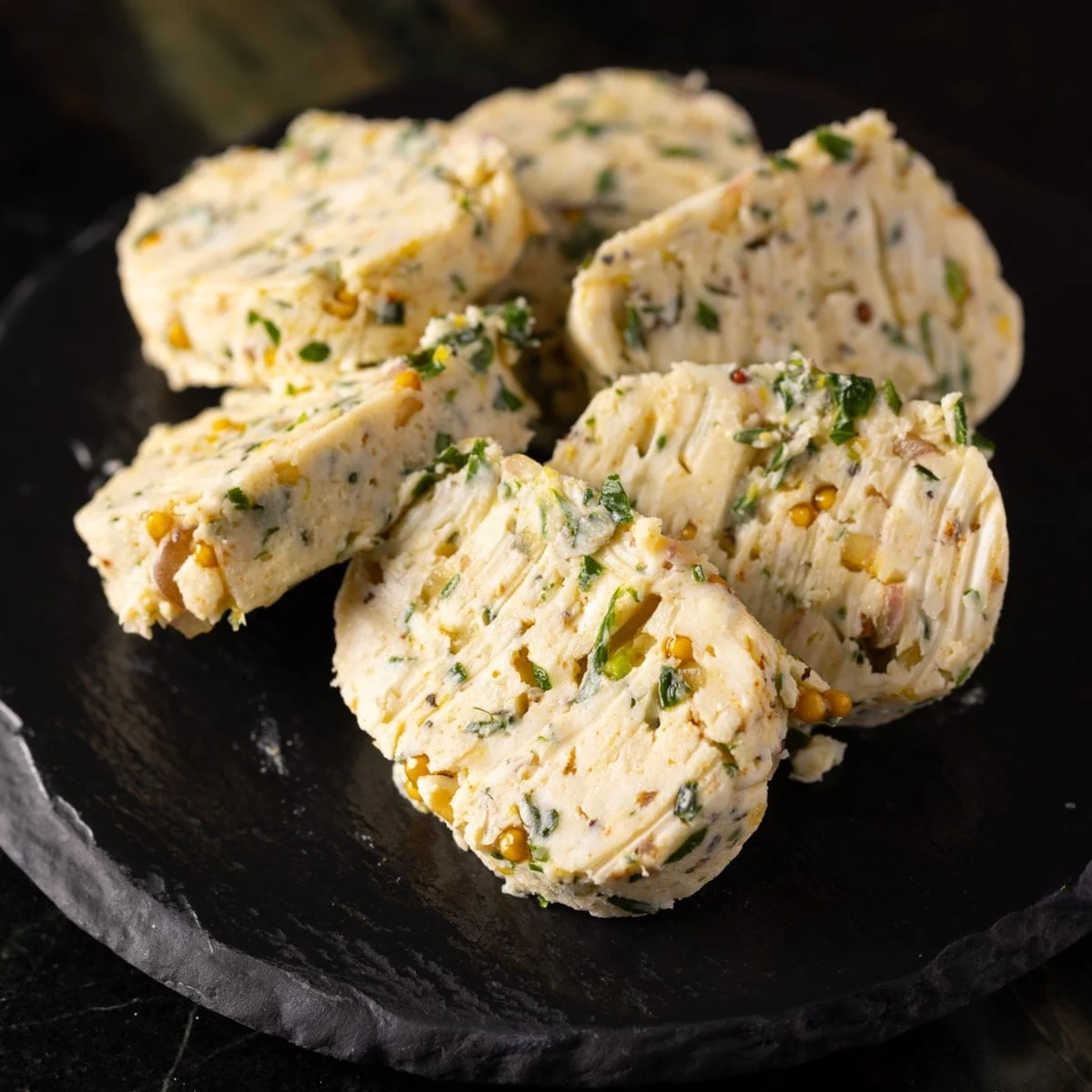
The culinary landscape of outdoor cooking and home gastronomy has seen a significant shift toward the utilization of artisanal condiments, with the recent emergence of Cowboy Butter as a staple for enthusiasts of grilled proteins and vegetables. This specific iteration of compound butter, developed by culinary expert and Hey Grill Hey founder Susie Bulloch, integrates a complex profile of fresh shallots, chives, parsley, and thyme, balanced by the acidity of fresh lemon. As home cooking continues to evolve into a more sophisticated pursuit, the adoption of such high-intensity flavor enhancers marks a departure from traditional, singular-ingredient seasoning toward a more multi-layered approach to umami and acidity.
The Composition and Culinary Science of Cowboy Butter
At its core, Cowboy Butter is a variation of the classic French beurre composé, or compound butter. While traditional French versions often focus on a singular herb like parsley—as seen in the iconic Beurre Maître d’Hôtel—the "Cowboy" variant is characterized by its robust, multi-ingredient profile. The recipe calls for two sticks of butter as a carrier for a dense array of aromatics.
The selection of ingredients serves specific chemical and sensory functions. Shallots provide a subtle, onion-like pungency without the harshness of white or red onions. Chives and parsley offer "green" notes that provide a visual and flavor contrast to the richness of the animal fats. Thyme introduces an earthy, woodsy undertone that complements the char of grilled meats. Perhaps most critical is the inclusion of lemon juice and zest; the citric acid acts as a degreaser on the palate, cutting through the heavy lipid profile of both the butter and the marbled fats found in premium cuts of beef, such as ribeye.

Historical Context and the Evolution of Compound Butters
The lineage of flavored butter can be traced back several centuries to European professional kitchens, where chefs utilized the fat-soluble nature of herbs to preserve flavors and create instant sauces for hot meats. In the American context, the term "Cowboy" prepended to culinary items usually signifies a more rustic, bold, and spice-forward profile compared to its continental counterparts.
The modern "Cowboy Butter" trend gained significant momentum in the early 2020s, fueled by the intersection of the "keto" dietary movement—which prioritizes high-fat intake—and the rise of short-form culinary media on platforms like Instagram and TikTok. What was once a niche preparation found in high-end steakhouses has transitioned into a viral home-cooking phenomenon. The version popularized by Susie Bulloch emphasizes a "no-cook" methodology, requiring only a bowl and a spatula, which aligns with the contemporary consumer demand for "gourmet-level" results with minimal equipment overhead.
Technical Preparation and Procedural Efficiency
The production of Cowboy Butter is noted for its efficiency, typically requiring approximately ten minutes of active preparation time. Unlike traditional sauces that require reduction or emulsification over heat, this compound butter relies on a "cold-mix" technique.
- Softening: The butter must be brought to room temperature to achieve a pliable consistency without reaching the melting point, which would cause the solids and fats to separate.
- Aromatic Integration: Fresh herbs must be finely minced to ensure even distribution. The surface area of the herbs is critical; the smaller the cut, the more essential oils are released into the butter matrix.
- Emulsification of Acids: Incorporating lemon juice into solid fat requires thorough whisking or folding to ensure the liquid is suspended within the fat, preventing "weeping" when the butter is chilled.
- Chilling and Storage: Once mixed, the butter is often rolled into a parchment paper cylinder—a technique known as a "torchon"—and chilled until firm. This allows for clean "pats" or slices to be placed atop hot steaks, where they melt gradually to create a self-basting sauce.
Nutritional Analysis and Dietary Considerations
According to data provided by the recipe’s nutritional calculator, a single serving of Cowboy Butter (calculated for eight servings from the base recipe) contains approximately 207 calories. The macro-nutrient profile is heavily weighted toward fats, with 23 grams of total fat per serving, 15 grams of which are saturated.

From a health perspective, the condiment is a significant source of Vitamin A (881 IU) and contains trace amounts of Vitamin C and Calcium. The sodium content stands at 311 mg, which accounts for the seasoning required to balance the fat. For those on calorie-restricted diets, the high energy density of the butter necessitates careful portion control. However, for those adhering to ketogenic or low-carbohydrate protocols, the 1 gram of carbohydrates makes it an ideal flavor delivery system.
Market Trends: The Rise of the Homemade Condiment Sector
The popularity of recipes like Cowboy Butter reflects a broader economic trend within the global food industry. The global seasonings and condiments market was valued at approximately $26 billion in 2021 and is projected to grow at a compound annual growth rate (CAGR) of 4.8% through 2028.
A significant driver of this growth is "premiumization"—the consumer willingness to pay more for, or spend more time creating, high-quality additions to basic meals. Industry analysts suggest that as inflation impacts the cost of dining out, consumers are increasingly looking for ways to replicate the "steakhouse experience" at home. Compound butters represent a cost-effective way to elevate a standard grocery-store protein to a premium tier.
Professional Perspectives and Culinary Applications
Culinary experts note that the versatility of Cowboy Butter extends beyond the traditional steak pairing. In professional test kitchens, this specific herb-citrus-fat matrix has been applied to several different food groups:

- Vegetables: The butter is used to finish grilled asparagus or roasted root vegetables, where the lemon zest highlights the natural sugars of the produce.
- Seafood: When tossed with warm shrimp or draped over grilled salmon, the chive and lemon components mimic a simplified Beurre Blanc.
- Breakfast: The inclusion of shallots and thyme makes the butter a savory addition to soft-scrambled eggs or as a spread for toasted sourdough.
Susie Bulloch, the creator of this specific formulation, has built a brand—Hey Grill Hey—that capitalizes on this desire for accessible expertise. With a background that includes appearances on the Food Network and two Guinness World Records, Bulloch represents a new class of "culinary influencers" who bridge the gap between professional chef techniques and the home backyard griller.
Broader Implications for Home Grilling Culture
The democratization of high-level culinary techniques via the internet has fundamentally changed the "backyard BBQ" identity. Previously, grilling was often associated with simple salt-and-pepper seasoning or bottled barbecue sauces. The shift toward making "Homemade Cowboy Butter" signifies a deeper engagement with the chemistry of cooking.
Furthermore, the "social" aspect of these recipes cannot be understated. The visual appeal of a melting pat of herb-flecked butter over a seared ribeye is highly "shareable," contributing to the recipe’s viral nature. This has created a feedback loop where home cooks are encouraged to experiment with fresh herbs and high-quality fats, subsequently driving demand for fresh produce and premium dairy products in retail environments.
Conclusion: The Future of the Compound Butter Trend
As the culinary world moves further into the 2020s, the emphasis on "from-scratch" condiments like Cowboy Butter is expected to persist. The recipe serves as a bridge between convenience and gourmet quality, offering a high return on a minimal time investment. By utilizing common pantry items—butter, lemon, and garden herbs—and applying a structured, albeit simple, technique, home cooks are able to exert greater control over the flavor profiles of their meals.

The success of Susie Bulloch’s Cowboy Butter highlights a clear consumer mandate: flavor complexity, ease of preparation, and the ability to elevate everyday ingredients. Whether utilized in a high-stakes dinner party or a simple Tuesday night meal, this compound butter has secured its place in the modern griller’s repertoire, proving that sometimes the most significant culinary impacts come in the smallest, most buttery packages.
