
The Evolution of Midwestern Comfort Food
The origins of the Indiana Chowder Casserole are rooted in the "dump-and-go" philosophy that has dominated the American heartland’s culinary landscape for decades. Traditionally, Midwestern casseroles—often referred to as "hot dishes" in neighboring states—relied on canned soups and starches to provide caloric density for farming communities. The Indiana Chowder Casserole diverges from this by utilizing a base of ground beef and egg noodles, flavored with the acidic and spicy profile of Rotel (diced tomatoes and green chilies).
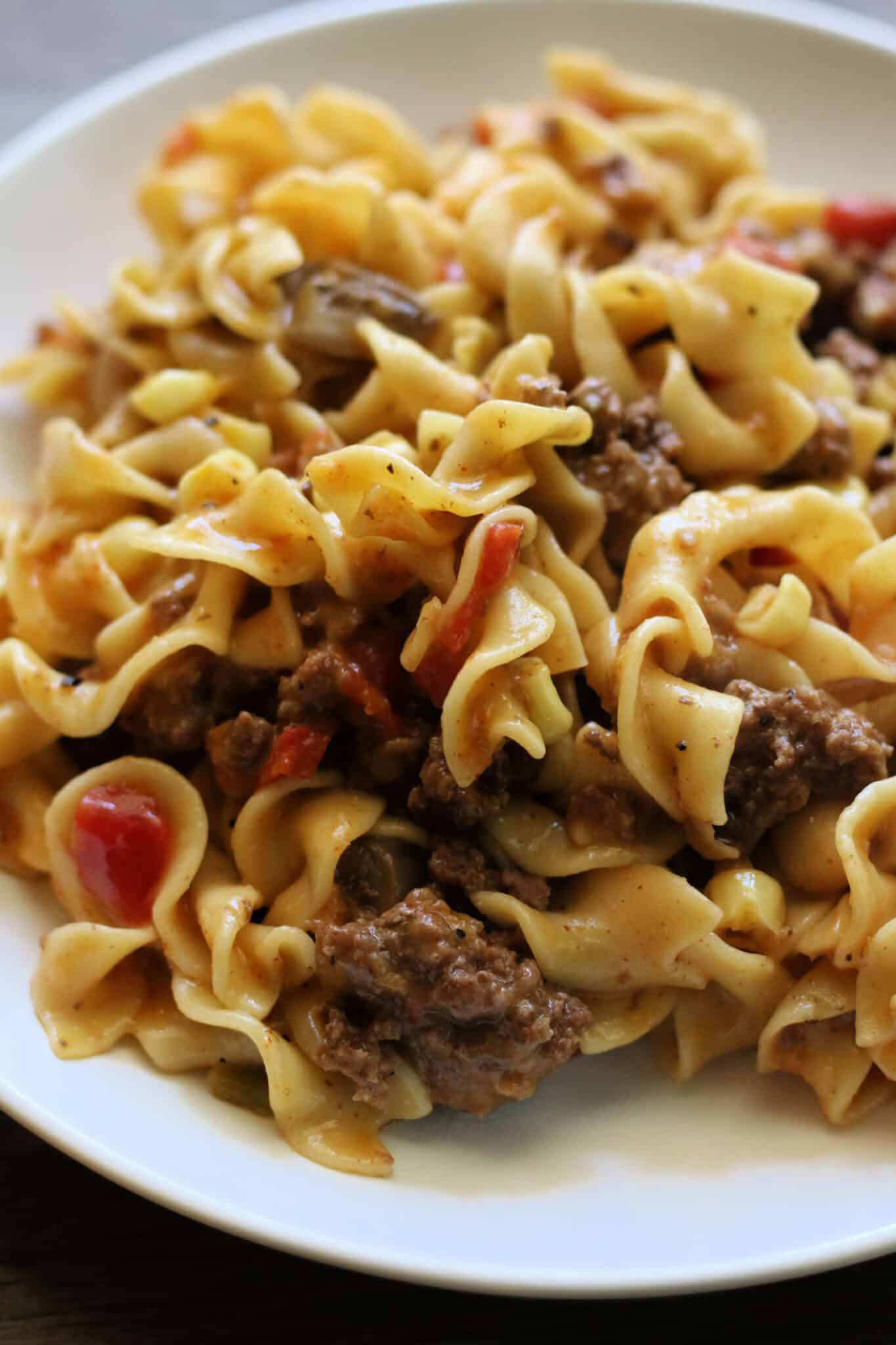
Culinary historians note that the adaptation of such recipes often follows the availability of specific commercial products. The inclusion of Rotel, for instance, marks a mid-20th-century shift where regional Southern ingredients began to permeate Northern pantries, adding a mild "kick" to otherwise savory profiles. The version currently gaining traction among digital recipe curators is an evolution of a stovetop recipe originally popularized by home-cooking platforms like Crystal and Comp. While the earlier versions emphasized manual temperature control and separate boiling of pasta, the modern adaptation leverages the Maillard reaction via the Instant Pot’s sauté function before transitioning to high-pressure steaming.
Technological Impact: The Instant Pot Revolution
The resurgence of interest in the Indiana Chowder Casserole can be attributed directly to the rise of the multi-functional pressure cooker. Since the Instant Pot’s debut in 2010, the market for small kitchen appliances has seen a significant shift toward devices that promise to reduce active cooking time by up to 70%. For a dish like the Indiana Chowder, which involves browning meat and hydrating starches, the Instant Pot offers a streamlined workflow that eliminates the need for multiple pans.
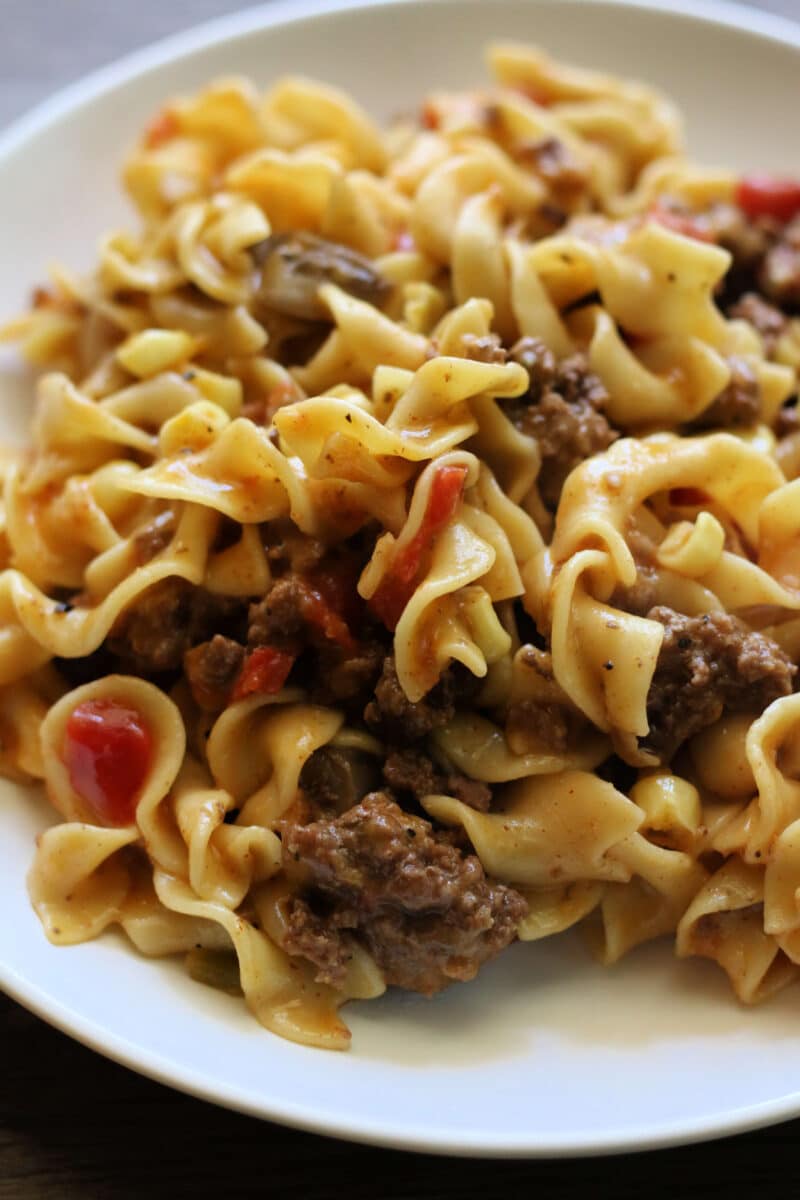
Market data suggests that the "one-pot" category is one of the most searched terms on recipe-sharing platforms like Pinterest and Yummly. Home cooking advocates argue that these devices have democratized the preparation of "slow-cooked" flavors for the working class. The Indiana Chowder Casserole serves as a primary case study for this phenomenon: it takes raw ground beef, dry noodles, and canned vegetables and transforms them into a cohesive meal in a pressurized environment in under 30 minutes, including the time required for the vessel to reach pressure.
Detailed Chronology of Preparation
The preparation of the Indiana Chowder Casserole follows a precise technical sequence designed to maximize flavor extraction while maintaining the structural integrity of the delicate egg noodles.
Phase I: The Sauté and Flavor Base
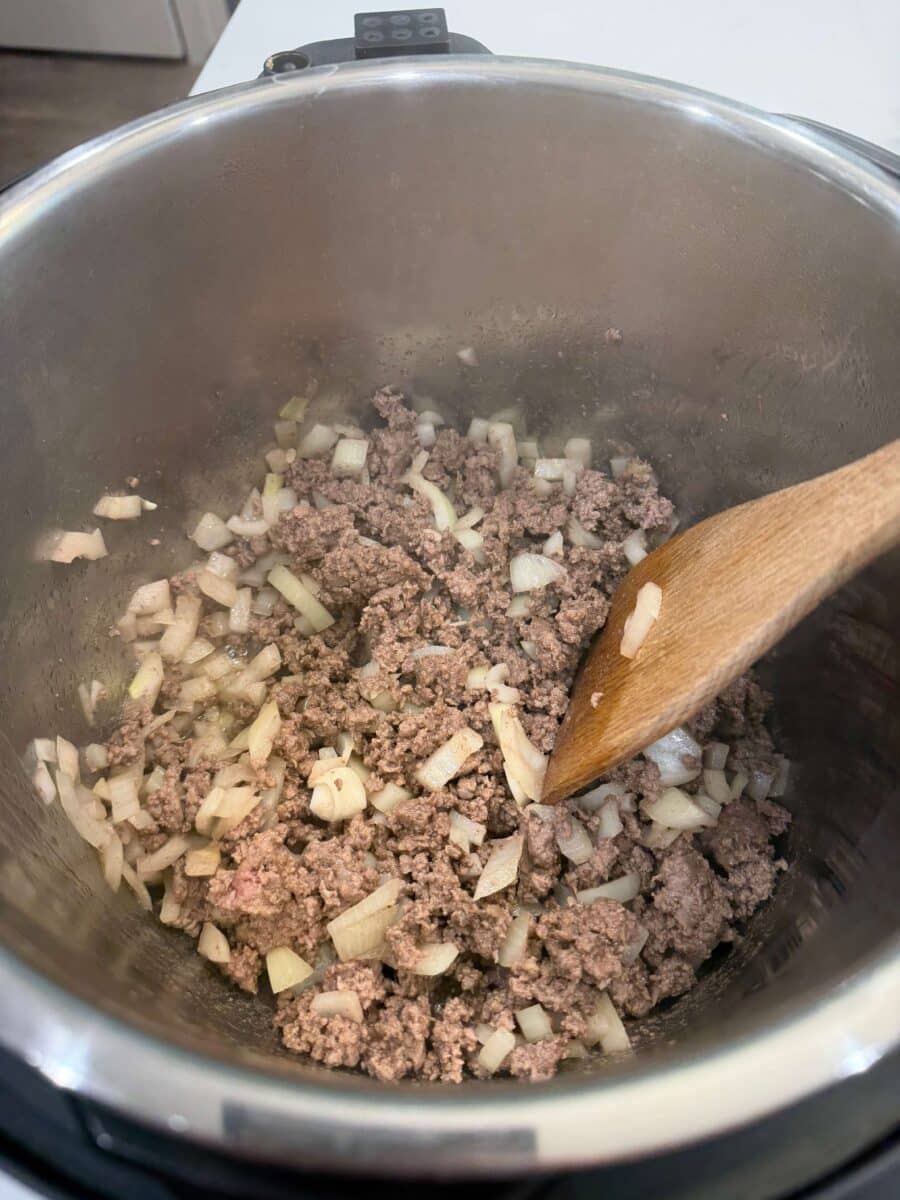
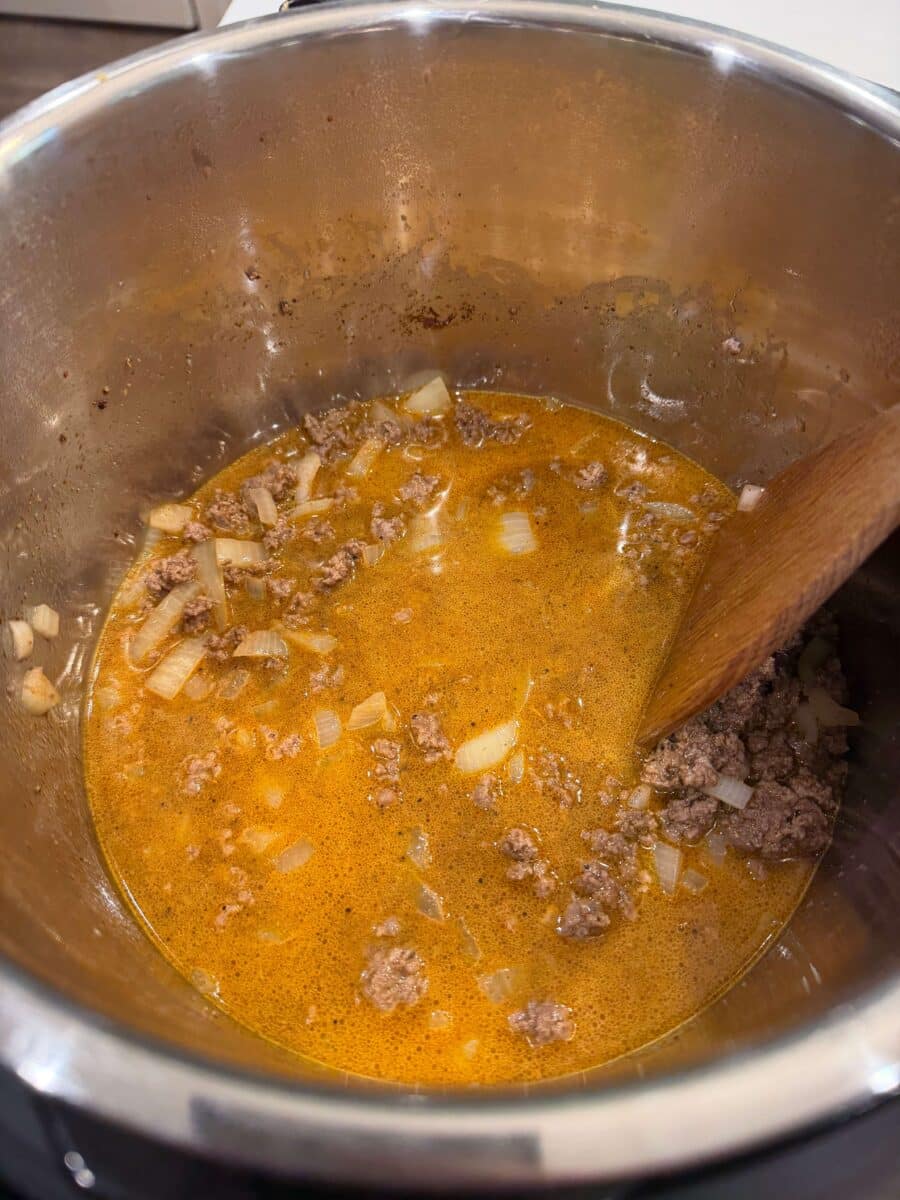
The process begins with the "Sauté" function of the pressure cooker. This phase is critical for the development of deep savory notes. Ground beef is browned alongside diced onions for approximately five minutes. This step is not merely about cooking the meat but about achieving a sear that leaves behind "fond"—the caramelized protein bits on the bottom of the pot. Once the meat is browned, excess lipids are drained to ensure the final dish is not overly greasy. The seasoning profile—comprising salt, pepper, garlic powder, and chili powder—is introduced at this stage to allow the spices to bloom in the remaining heat.
Phase II: Deglazing and Layering
Following the sauté, the introduction of beef broth serves a dual purpose: it provides the liquid necessary for steam generation and deglazes the pot. Deglazing is a vital safety step in pressure cooking; if the fond is not scraped from the bottom, the device’s sensors may trigger a "burn" notice, halting the cooking process.
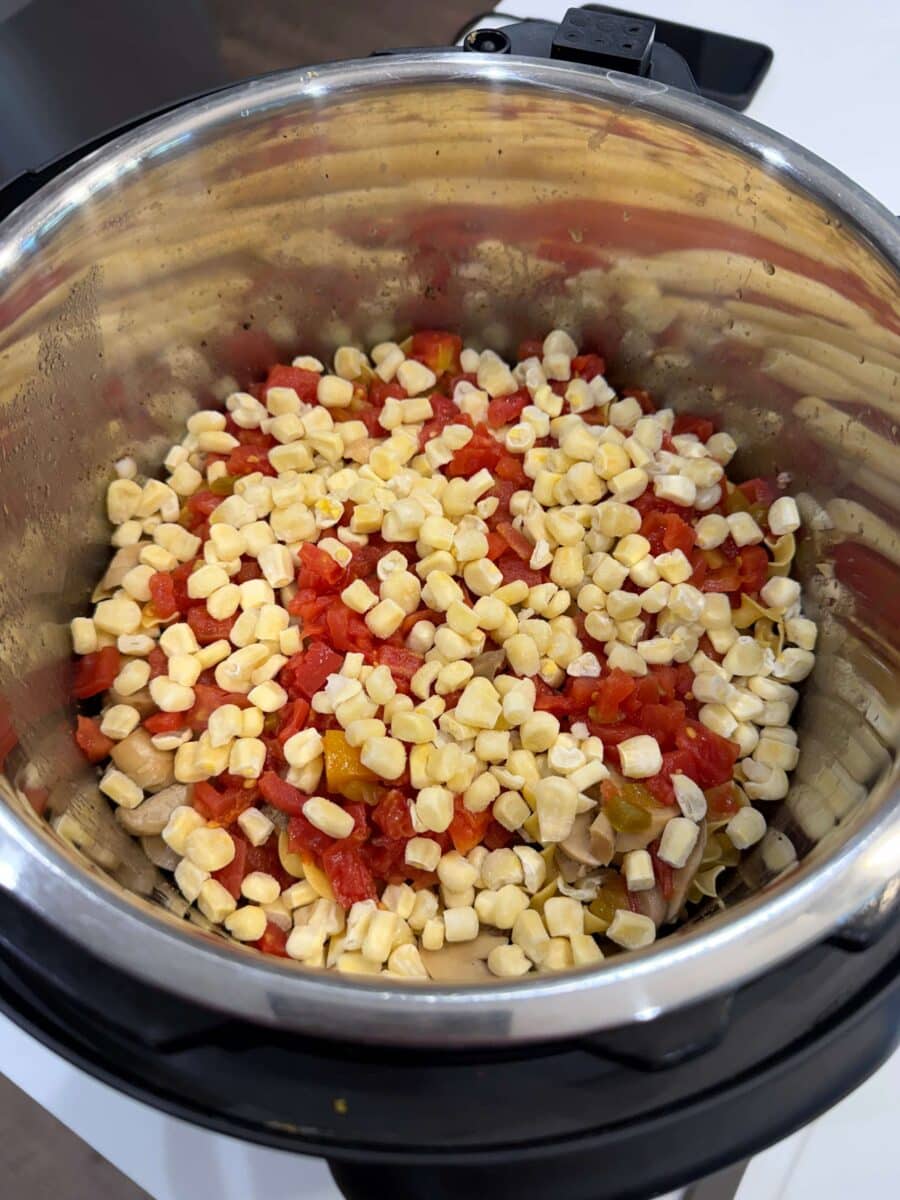
A specific layering technique is then employed. Egg noodles are sprinkled over the broth, followed by a layer of Rotel, corn, and mushrooms. Crucially, culinary experts advise against stirring the ingredients at this stage. By keeping the tomatoes (which contain sugars and thickeners) on top, the risk of them sinking to the bottom and burning is mitigated, while the noodles are allowed to par-boil in the broth below.
Phase III: Pressurization and Release
The device is sealed and set to high pressure for a remarkably short duration—often just one minute. However, the "one-minute" label is deceptive to the uninitiated, as the total cycle includes the time to reach pressure (approx. 10 minutes) and the subsequent "natural release" period (5 to 10 minutes). The natural release is essential for pasta dishes; a sudden "quick release" of pressure can cause the liquid to foam and spray through the valve, and it can also result in tough, unevenly cooked noodles.
Phase IV: Finishing and Emulsification
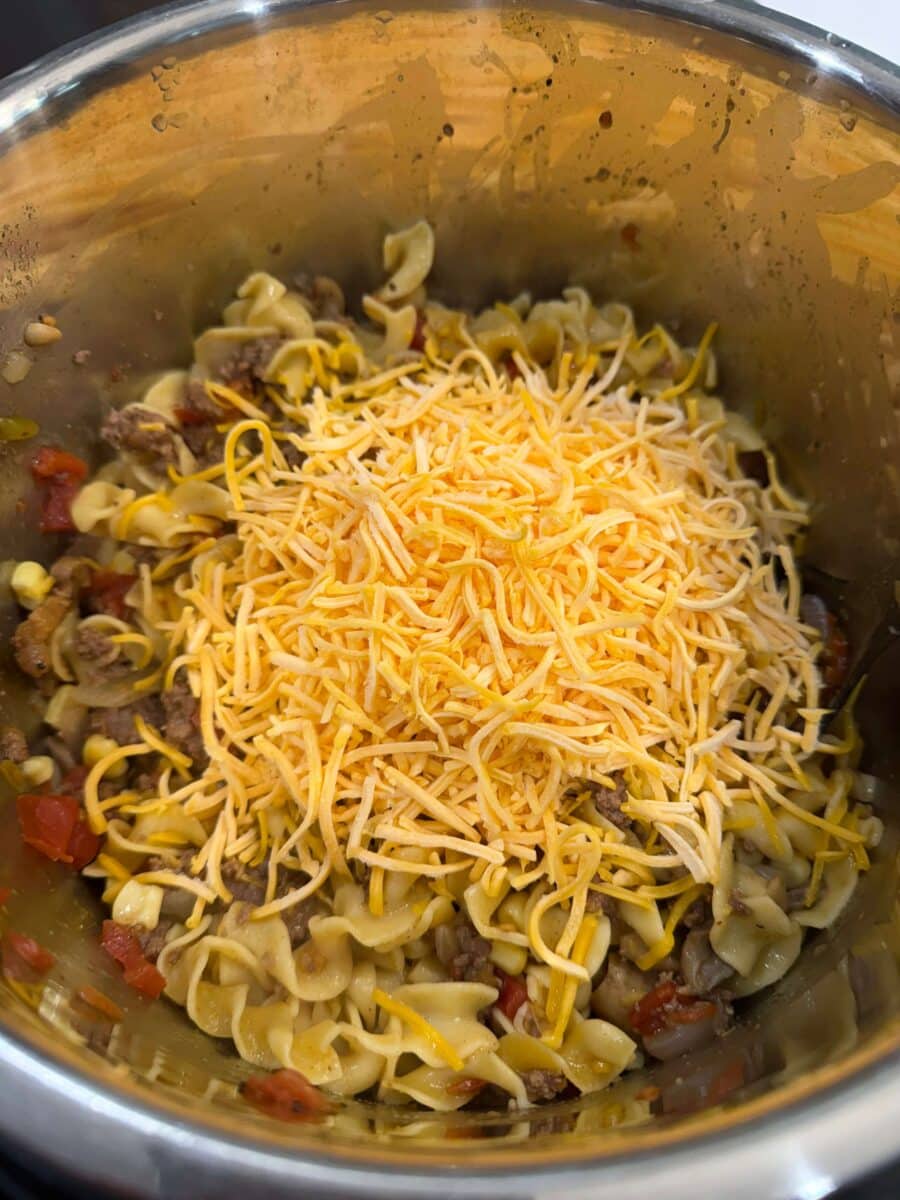
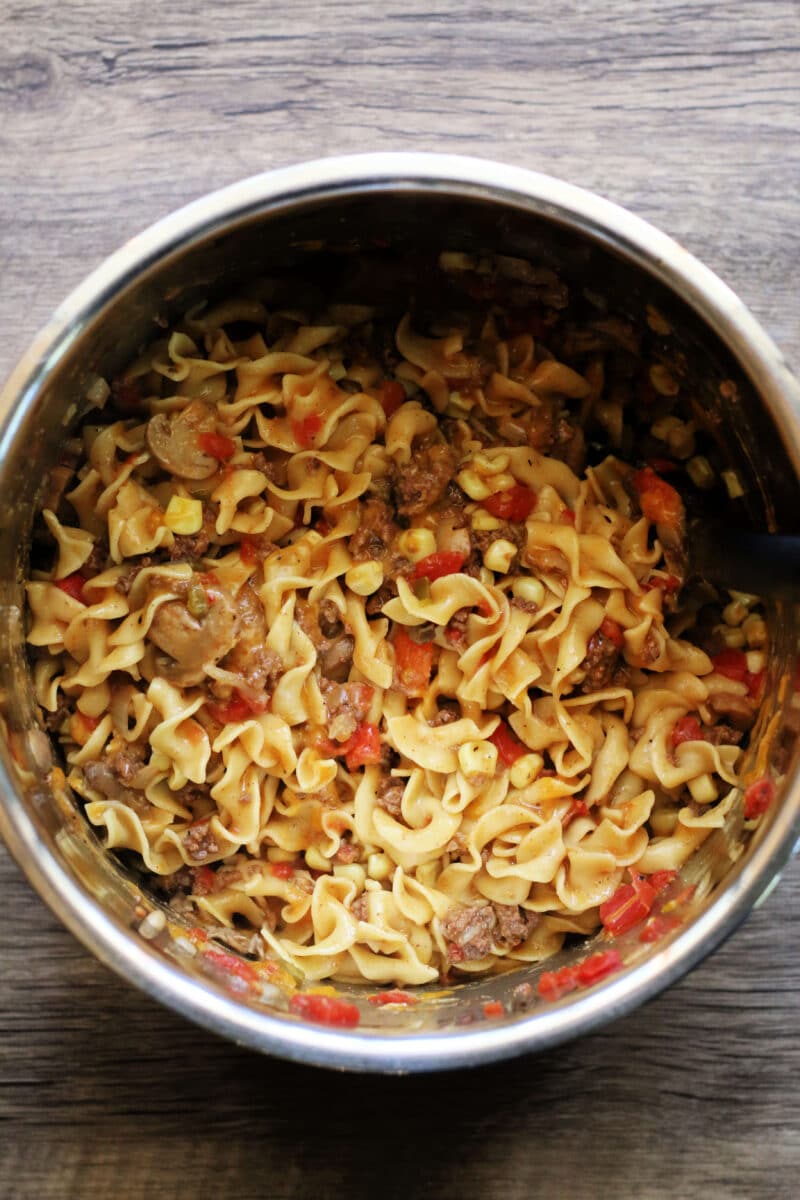
The final stage occurs after the lid is removed. The residual heat is used to melt shredded cheddar cheese into the mixture. This creates a creamy emulsion that binds the beef, vegetables, and noodles together, transforming the separate components into a unified "chowder" texture.
Economic and Nutritional Analysis
The Indiana Chowder Casserole is a high-efficiency meal from an economic standpoint. Ground beef, often the most expensive component, is extended by the use of affordable egg noodles and canned vegetables. In the context of rising food inflation, such recipes provide a high volume of servings (typically 6 to 8) for a relatively low per-portion cost.
Nutritiously, the dish offers a balance of macronutrients, though it is high in sodium and carbohydrates. The inclusion of mushrooms and corn provides essential fiber and B vitamins, while the beef provides iron and protein. Culinary analysts suggest that the recipe is highly adaptable for health-conscious consumers; for instance, ground turkey can be substituted for beef, and low-sodium broth can be utilized to reduce the salt profile. The addition of a can of tomato sauce, as suggested by some developers, can increase the lycopene content and add a "saucier" mouthfeel without significantly increasing the caloric load.
Regional Identity and Social Implications
The naming of the dish "Indiana Chowder" is a point of interest for sociologists studying American regionalism. It reflects a desire to ground quick-service meals in a sense of "place." By associating a modern, high-tech recipe with a specific state, creators tap into a sense of nostalgia and traditional values. It represents the "New Midwest"—a region that maintains its love for hearty, communal meals but has fully embraced the convenience of the digital age.
Furthermore, the popularity of this recipe on social media platforms indicates a shift in how culinary knowledge is transmitted. Rather than through family cookbooks, recipes like the Indiana Chowder Casserole are shared through "viral" cycles. This has led to a standardization of American home cooking, where a family in Oregon might regularly consume an "Indiana" dish because it fits the specific parameters of their Instant Pot.
Broader Impact on the Food Industry
The success of one-pot casseroles has forced major food manufacturers to rethink their product lines. The consistent use of specific brands like Rotel in these recipes has created a symbiotic relationship between independent food bloggers and large corporations. When a recipe like the Indiana Chowder Casserole goes viral, it can lead to localized shortages of specific canned goods or pasta types.
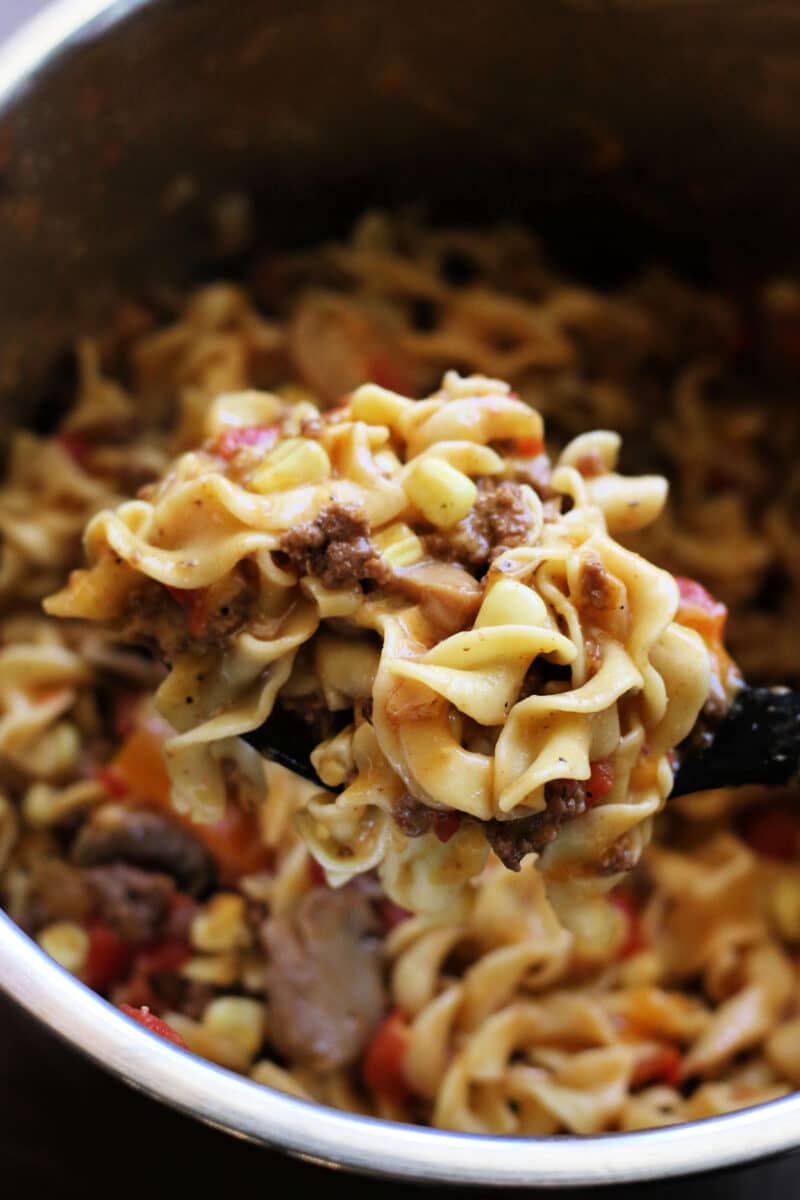
Additionally, the appliance industry continues to iterate on the multi-cooker concept, with newer models offering "smart" features that can sense the moisture level of noodles to prevent overcooking. The Indiana Chowder Casserole remains a benchmark recipe for testing these devices because it requires a delicate balance of sautéing, pressure, and moisture management.
Conclusion and Future Outlook
The Indiana Chowder Casserole is more than a simple dinner solution; it is a reflection of the modern American kitchen’s priorities: speed, economy, and comfort. As household dynamics continue to evolve, the reliance on multi-functional appliances and "all-in-one" recipes is expected to grow. The transition of this dish from a stovetop "chowder" to a high-pressure "casserole" exemplifies the fluidity of regional recipes in the 21st century.

Looking forward, the trend of "digital comfort food" will likely continue to expand, with developers looking for ways to incorporate more fresh produce and diverse protein sources into the one-pot format. For now, the Indiana Chowder Casserole stands as a testament to the enduring appeal of a warm, cheesy, and beef-heavy meal, modernized for an era where time is the most precious ingredient. Through its simple preparation and robust flavor profile, it has secured its place in the pantheon of contemporary Midwestern cuisine, proving that even in a fast-paced world, there is always room for the communal experience of a hearty casserole.
