
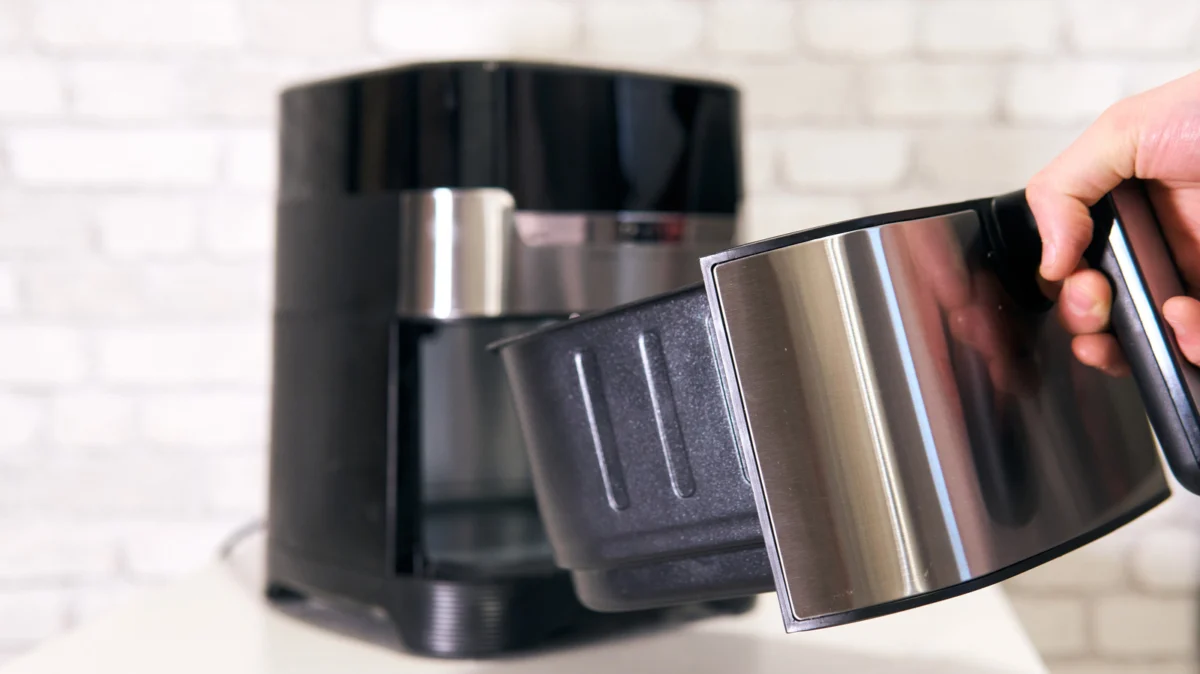
The versatility of the modern air fryer has revolutionized home cooking, offering a convenient and often healthier alternative to traditional frying methods. From perfectly crispy vegetables and golden-brown cookies to succulent steaks and even delicate chocolate soufflés, this kitchen appliance has proven its mettle in a vast array of culinary applications. However, with such diverse cooking capabilities comes a common, yet often frustrating, side effect: lingering odors. The potent aromas of air fryer salmon or the distinct smell of cooked eggs can, over time, permeate the appliance, leaving a less-than-desirable scent. Fortunately, a simple and remarkably effective solution, requiring only a few minutes of your time, exists to combat these persistent smells.
The Science of Scent Neutralization: A Citrus Solution
Air fryers, like any cooking appliance that utilizes heat to transform food, can trap residual scents within their components. These odors are often a complex mix of fats, proteins, and volatile organic compounds released during the cooking process. While regular cleaning is paramount, certain deeply embedded smells can prove stubborn. The key to tackling these olfactory challenges often lies in harnessing the natural deodorizing properties of common household ingredients.
Tasting Table consulted with Becky Abbott and Jen West, accomplished authors of "Air Fryer Foodie" and the recent publication "Air Fryer All Day." These culinary experts, who have dedicated extensive research to optimizing air fryer usage and maintenance, shared a particularly effective technique for neutralizing unwanted odors. Their recommendation centers on the humble yet potent lemon.
"Take a little ramekin and put some vinegar or lemon juice in there," Abbott and West explained. "And then, air fry it with water for about two minutes. Just leave the air fryer closed for about half an hour, and it’ll absorb the smells, especially when they’re new."
The efficacy of this method is rooted in basic chemistry. Lemons, rich in citric acid, possess powerful natural deodorizing capabilities. Citric acid is particularly adept at neutralizing alkaline odors, which are commonly associated with foods like fish, eggs, and fermented products. Similarly, vinegar, high in acetic acid, offers comparable deodorizing benefits. Beyond their scent-neutralizing properties, both lemon and vinegar are effective at breaking down bacteria, contributing to a cleaner and fresher appliance. This dual action makes them ideal for tackling not only fridge odors but also those persistent smells that can develop in an air fryer.
Understanding the Odor Profile of Air-Fried Foods
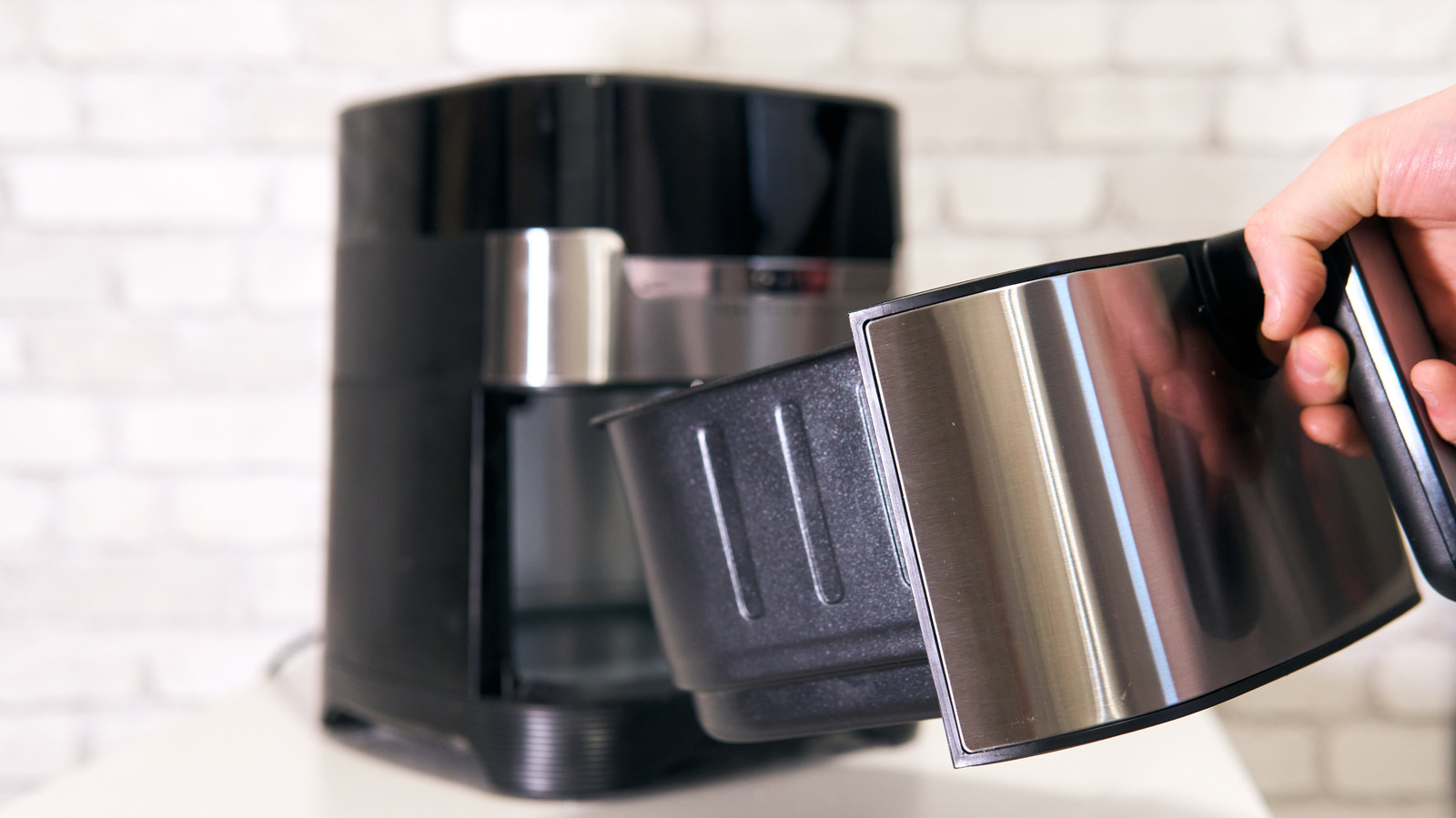
The types of food cooked in an air fryer directly influence the nature and intensity of any residual odors.
- Fish and Seafood: The distinct aroma of fish, particularly fatty varieties like salmon, is a common culprit for lingering smells. This is due to the presence of trimethylamine oxide (TMAO), which breaks down into trimethylamine (TMA) upon cooking, a compound with a strong, fishy odor.
- Eggs: While air-fried eggs can be a convenient breakfast option, their sulfurous compounds, particularly when cooked at high temperatures, can also leave a noticeable scent.
- Meats: Roasted or fried meats, especially those with higher fat content, can leave behind greasy residues and aromatic compounds that cling to the appliance.
- Spicy or Heavily Seasoned Foods: The intense spices and seasonings used in dishes like buffalo wings or curries can also contribute to strong and persistent odors.
- Sweet Baked Goods: While seemingly less likely, even sweet items can leave subtle scents, particularly if they contain ingredients like vanilla or spices, which can become concentrated with repeated use.
The cumulative effect of cooking a variety of these items over time can lead to a complex and sometimes unpleasant olfactory environment within the air fryer.
The Lemon and Vinegar Deodorizing Process: A Step-by-Step Guide
The expert-recommended method is remarkably straightforward, designed for maximum impact with minimal effort:
- Preparation: Select a small, heat-safe ramekin or a similar small dish that can be safely placed inside the air fryer basket.
- The Solution: Fill the ramekin with either lemon juice or white vinegar. For an extra boost, a combination of both can be used. Some users also add a small amount of water to the ramekin, creating a steam-infusion effect.
- The "Air Fry" Cycle: Place the ramekin with the liquid into the air fryer basket. Set the air fryer to a moderate temperature (around 300-350°F or 150-175°C) and run it for approximately two minutes. This short cycle heats the liquid, allowing the acidic vapors to circulate throughout the appliance.
- The Soaking Period: Crucially, after the two-minute "air fry" cycle, do not immediately remove the ramekin or open the air fryer. Instead, leave the appliance closed for at least 30 minutes, or even longer if the odors are particularly strong. During this time, the steam infused with lemon or vinegar will continue to work, absorbing and neutralizing the lingering smells.
This technique is particularly effective for newer air fryers that may still have manufacturing odors or for appliances that have recently cooked particularly pungent foods. The gentle steaming process helps to break down odor-causing molecules without the need for harsh chemicals.
Limitations and the Importance of a Deep Clean
While the lemon and vinegar trick is an excellent first line of defense against common air fryer odors, Abbott and West emphasize that it is not a substitute for regular and thorough cleaning. "Lemon and vinegar don’t work on every type of odor and nothing can replace a proper cleaning schedule," they caution.
The frequency and depth of cleaning required will depend on usage patterns and the types of food prepared. However, a consistent cleaning routine is essential for maintaining both the performance and longevity of the air fryer.
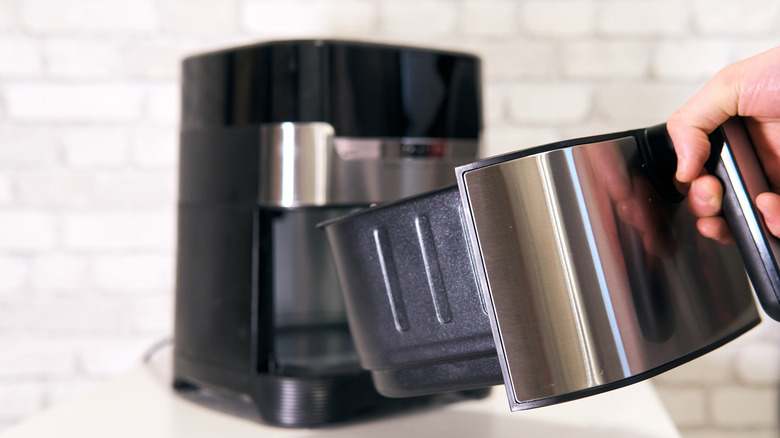
Best Practices for Air Fryer Maintenance:
- Post-Cooking Wipe-Down: Immediately after each use, once the appliance has cooled sufficiently, wipe down the air fryer basket and any removable components with a damp sponge or cloth. This is especially important after cooking foods with sticky sauces or strong aromas. Even a quick wipe can prevent food particles and grease from hardening and becoming more difficult to remove later.
- Deep Cleaning the Basket: For more stubborn residue or persistent smells, a deeper cleaning of the basket is necessary. This typically involves washing with warm water, dish soap, and a non-abrasive sponge. For baked-on grime, consider soaking the basket in hot, soapy water for a period before scrubbing.
- Addressing the Chamber: The main chamber of the air fryer can also accumulate grease splatters and food particles. For burnt-on grime, a paste of baking soda and vinegar can be applied to the affected areas. Allow the paste to sit for a few minutes to work on the grime, then wipe clean.
- The Steam Clean Option (with caution): Some manufacturers suggest a steam-cleaning cycle. This often involves filling the basket with water and a bit of dish soap or lemon juice and running the air fryer for a short period. However, Abbott and West advise consulting the manufacturer’s instructions before attempting this method, as it may not be suitable for all models and could potentially damage certain components if done incorrectly.
- Don’t Forget the Vent: The air fryer’s vent system can be a hidden reservoir for grease and food particles, contributing significantly to odors. Regularly inspect the vent for any blockages or buildup. For stubborn grime, a skewer or a toothbrush can be used to gently dislodge debris.
Deep Cleaning the Heating Element: A Crucial Step
A critical, yet often overlooked, aspect of deep cleaning an air fryer involves the heating element. This component is directly responsible for circulating hot air and can accumulate grease and food residue.
Abbott and West provide a clear directive: "Making sure that it’s unplugged, flip the air fryer upside down and take a toothbrush and some soap and warm water to help clean the heating element." This careful, manual cleaning ensures that the element is free from obstructions, allowing for optimal air circulation and heat distribution, which in turn can help prevent future odor buildup.
Analyzing the Implications of a Clean Air Fryer
The benefits of maintaining a clean and odor-free air fryer extend beyond mere pleasantries.
- Enhanced Food Quality: A clean appliance ensures that the flavors of your food are not compromised by residual odors from previous meals. This leads to a more enjoyable and authentic taste experience.
- Improved Appliance Performance: Buildup of grease and food particles can hinder the efficient operation of the air fryer, potentially leading to uneven cooking and reduced performance. Regular cleaning ensures optimal airflow and consistent heating.
- Extended Appliance Lifespan: Proper maintenance, including regular cleaning, helps to prevent corrosion and damage to the air fryer’s components, thereby extending its overall lifespan.
- Healthier Cooking Environment: By removing grease and food debris, you create a more hygienic cooking environment, reducing the risk of bacterial growth and potential health hazards.
- Increased User Confidence: Knowing that your air fryer is clean and functioning optimally can boost user confidence and encourage more frequent and diverse culinary experimentation.
In conclusion, while the air fryer has opened up a world of culinary possibilities, the issue of lingering odors is a common concern. The simple yet effective lemon or vinegar steaming trick, as recommended by culinary experts, offers a readily accessible solution for neutralizing unpleasant smells. However, it is crucial to remember that this technique is a complementary measure to a consistent and thorough cleaning regimen. By integrating regular wipe-downs, deep cleans, and attention to often-neglected components like the heating element, users can ensure their air fryer remains a reliable, efficient, and odor-free tool for countless delicious meals. The investment of a few minutes in cleaning can yield significant returns in terms of food quality, appliance longevity, and overall kitchen enjoyment.
