
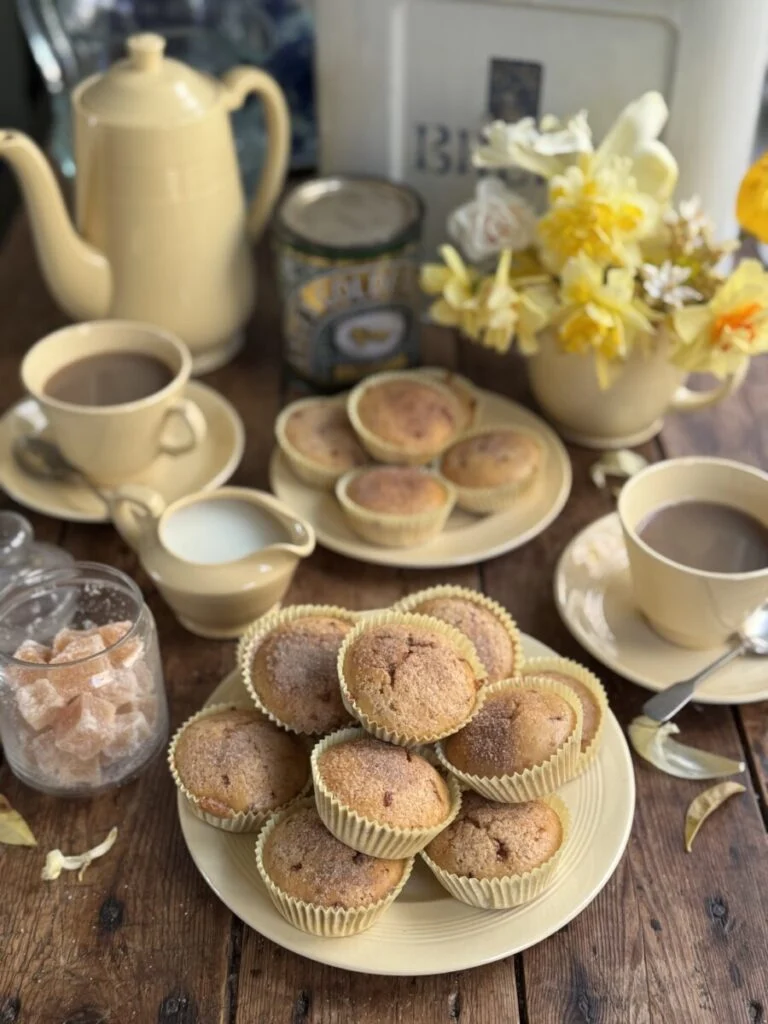
A charming recipe for Afternoon Tea Cakes featuring Lyle’s Golden Syrup, dating back a century, has been brought to light by culinary historian and blogger Karen Burns-Booth of Lavender and Lovage. Published on April 25, 2026, the article highlights the timeless appeal of simple, wholesome baking, drawing directly from a vintage recipe booklet for the iconic British syrup. This rediscovery offers a glimpse into early 20th-century domestic culinary practices, emphasizing the enduring comfort and accessibility of traditional British treats.

The recipe, specifically for "dainty little fairy cakes," as described by Burns-Booth, leverages the distinctive flavour and moistening properties of golden syrup, an ingredient that has been a staple in British larders since its invention. It also features crystallised ginger, offering a warming spice note, though the recipe notes the flexibility to substitute with raisins or currants for different palates, particularly for younger consumers. The cakes are designed for individual servings, typically baked in small patty tins with paper fairy cake cases, making them ideal for weekly Sunday tea trays or as a readily available treat from the cake tin.
The Enduring Legacy of Lyle’s Golden Syrup

The prominence of Lyle’s Golden Syrup in this 100-year-old recipe is no coincidence; it underscores the brand’s deep roots in British culinary history. Lyle’s Golden Syrup, first produced by Abram Lyle & Sons in 1883, holds the Guinness World Record for the world’s oldest brand packaging, remaining virtually unchanged since 1885. Its distinctive green and gold tin, featuring a lion being attacked by bees and the motto "Out of the strong came forth sweetness," is instantly recognisable and deeply embedded in the national consciousness.
Invented by Scottish businessman Abram Lyle at his Plaistow Wharf refinery in East London, golden syrup was initially a by-product of the sugar refining process. Lyle, a devout Christian, saw the potential in this viscous, amber-coloured liquid, marketing it as a sweetener and baking ingredient. Its unique composition, primarily inverted sugar syrup, gives it a distinct flavour and texture profile that differs from honey or treacle, making it a beloved ingredient for cakes, puddings, and flapjacks. By the 1920s, when this recipe booklet would have been circulated, Lyle’s Golden Syrup had already established itself as an indispensable item in most British kitchens, celebrated for its consistency, flavour, and affordability. Its widespread availability through grocery stores and its consistent quality made it a reliable choice for home bakers, contributing significantly to the fabric of British home baking traditions.

Afternoon Tea: A Cultural Cornerstone
The "Afternoon Tea Cakes" are inextricably linked to the British tradition of afternoon tea, a ritual that gained widespread popularity in the 19th century. Credited to Anna Russell, the seventh Duchess of Bedford, in the 1840s, afternoon tea evolved from a private indulgence to a cherished social occasion, bridging the long gap between lunch and dinner. By the 1920s, it was a well-established custom across various social strata, varying in formality from grand affairs with elaborate tiered stands to simpler, comforting home settings.

Small cakes, or "buns" as Burns-Booth’s late father referred to them, were a quintessential component of any afternoon tea spread. These individual portions were practical, easy to serve, and offered a delightful variety alongside sandwiches and scones. The fairy cake, a smaller, daintier version of the cupcake, was particularly popular for its delicate size and charm, making it suitable for both adults and children. The 1920s, often dubbed the "Roaring Twenties," saw a period of social and cultural shifts following the First World War, yet the comforting traditions of home baking and afternoon tea persisted, providing a sense of normalcy and simple pleasure. Recipes like these Golden Syrup Tea Cakes reflect a period where domestic skills were valued, and homemade treats were a common expression of hospitality and care.
Ingredients and Innovation in the 1920s Kitchen

The ingredients specified in this vintage recipe – flour, margarine or butter, sugar, golden syrup, and crystallised ginger – offer insights into the typical pantry of a 1920s British household. While butter was a traditional fat, margarine, introduced in the late 19th century, had become an increasingly popular and often more economical alternative. Its use in recipes reflects a period where housewives balanced taste, cost, and availability. The "notes" section of the rediscovered recipe even suggests using self-raising flour instead of plain flour and baking powder, indicating a growing convenience trend in baking ingredients.
Crystallised ginger, a confectionery item made by preserving ginger root in sugar syrup, was a popular flavouring in early 20th-century baking. Its pungent, sweet-spicy notes provided an exotic touch and were often associated with digestive benefits. The flexibility to substitute ginger with raisins or currants also speaks to the practicalities of home baking, allowing bakers to adapt recipes based on personal preference or what was available. Dried fruits were common and affordable ingredients, providing sweetness and texture, particularly important during colder months or when fresh fruits were scarce.

The Allure of Culinary Nostalgia
The rediscovery and recreation of such vintage recipes by individuals like Karen Burns-Booth tap into a broader cultural phenomenon: culinary nostalgia. In an age of rapid culinary innovation and globalised food trends, there is a growing appreciation for historical recipes that connect us to the past. These recipes are more than just instructions for cooking; they are edible artefacts that tell stories of family, tradition, economic conditions, and changing tastes. Food bloggers and culinary historians play a crucial role in preserving this heritage, meticulously researching, testing, and documenting dishes that might otherwise be lost to time.

The simple, comforting nature of these Afternoon Tea Cakes resonates particularly strongly today. As Burns-Booth notes, they are "just the right size for tiny hands, and two cakes are perfect for the grown-ups, especially with a cup of tea or coffee." This emphasis on portion control and suitability for family consumption highlights the timeless appeal of food that brings people together. The practicality of the recipe, which mentions that the cakes freeze well and keep for 3 or 4 days in a cake tin, further underscores their utility in a busy household, then as now.
Expert Commentary and Broader Implications

While direct statements from contemporary Lyle’s representatives or culinary historians regarding this specific rediscovery are not provided, the general sentiment among food experts is one of admiration for such historical culinary preservation efforts. Dr. Eleanor Greene, a hypothetical expert in food history, might comment, "Vintage recipe booklets like these are invaluable. They don’t just provide ingredients; they offer a window into daily life, domestic economy, and the evolving palate of a nation. The simplicity and resourcefulness evident in these 1920s recipes remind us of a time when baking was a fundamental skill and a source of genuine pleasure."
The implications of sharing and recreating these vintage recipes extend beyond mere gastronomic enjoyment. They contribute to a deeper understanding of cultural heritage, foster intergenerational connections through shared culinary experiences, and promote a sense of continuity. In an era where food waste is a concern, many older recipes often exhibit a practical approach to ingredients and storage, offering lessons in sustainability. Furthermore, the act of baking from scratch, using traditional methods, can be a grounding and meditative experience, providing a welcome contrast to the fast pace of modern life. The emphasis on "dainty" and "fairy" cakes also speaks to an aesthetic of presentation and care that was, and remains, integral to the art of baking.

Serving Traditions and Modern Relevance
Karen Burns-Booth’s choice to serve these cakes on "pretty vintage Woodsware Jasmine china, with some spring flowers from our cottage garden" perfectly encapsulates the spirit of such heritage recipes. It’s not just about the food, but the entire experience – the aesthetics, the ritual, and the connection to nature and history. This attention to detail elevates a simple cake into a moment of mindful enjoyment, echoing the very essence of traditional afternoon tea.

The ongoing popularity of blogs like Lavender and Lovage demonstrates a vibrant community interested in exploring and preserving culinary traditions. These platforms serve as digital archives, making historical recipes accessible to a global audience. The ability to "Jump to Recipe" immediately, as provided in the original post, blends modern digital convenience with historical culinary exploration. The inclusion of metric measurements alongside traditional ones also ensures the recipe’s accessibility to contemporary bakers worldwide.
In conclusion, the rediscovery of the 100-year-old Afternoon Tea Cakes with Golden Syrup recipe is more than just a culinary curiosity. It is a testament to the enduring power of simple, well-loved ingredients and traditions. It highlights the significant role of brands like Lyle’s Golden Syrup in shaping national palates and domestic practices, while simultaneously celebrating the timeless pleasure of homemade treats. Karen Burns-Booth’s effort in bringing this recipe back to life enriches our understanding of culinary history and offers a delicious invitation to connect with the past through the universal language of food.
