
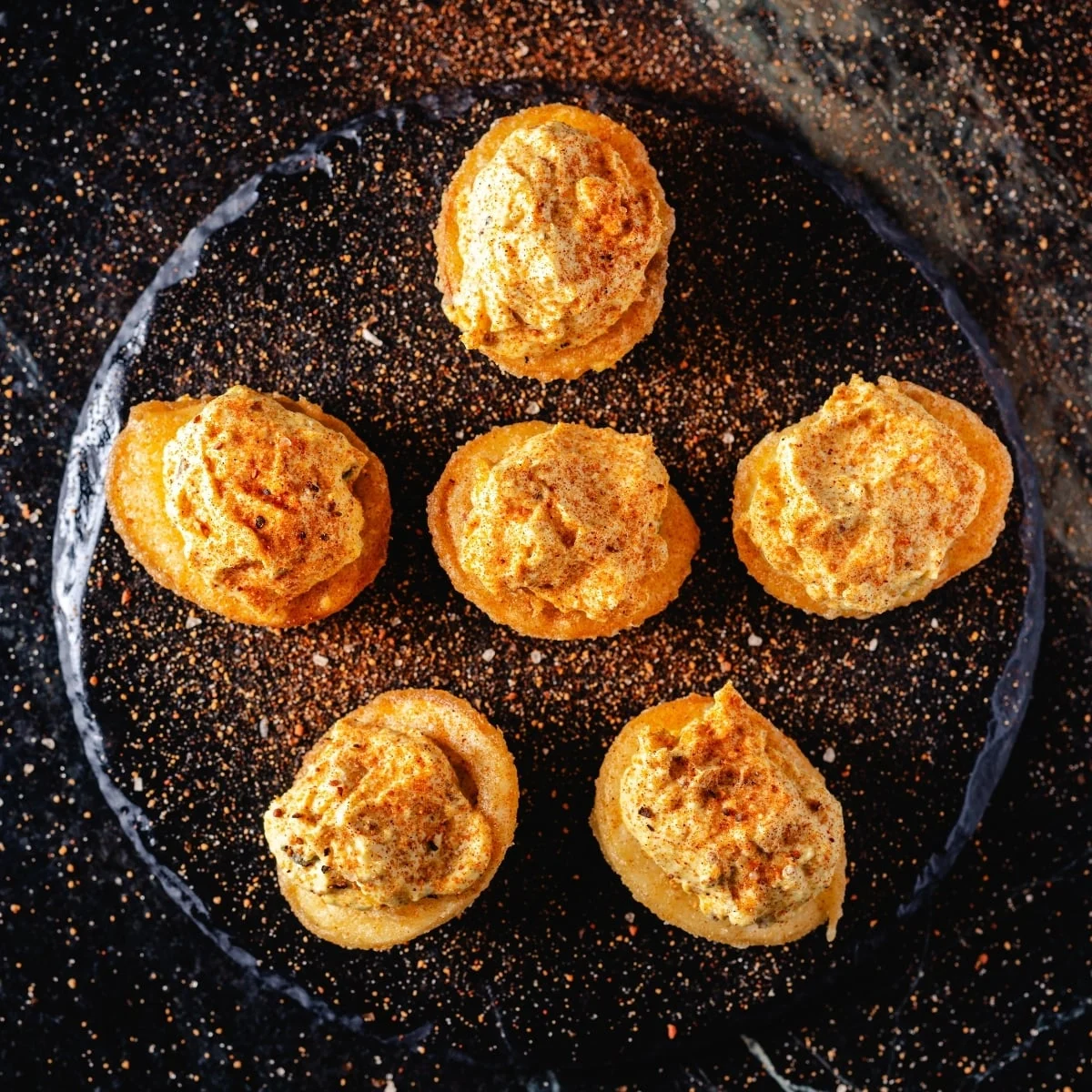
The culinary landscape of traditional American gatherings is undergoing a sophisticated transformation as pitmasters and home chefs seek to reinvent staple side dishes through advanced BBQ techniques. One of the most notable innovations in this sector is the emergence of the smoke-fried deviled egg, a dish that combines the ancestral preservation method of smoking with the textural complexity of deep-frying. This preparation represents a significant departure from the standard hard-boiled egg appetizer, which has remained largely unchanged in the Western culinary canon for decades. By integrating wood-fired smoke profiles and a crispy exterior batter, the dish addresses a growing consumer demand for "elevated comfort food" that bridges the gap between casual backyard cooking and high-end gastropub fare.
The Historical Trajectory of the Deviled Egg
To understand the impact of the smoke-fried variant, one must examine the long-standing history of the deviled egg. Culinary historians trace the origins of stuffed eggs back to ancient Rome, where boiled eggs were often seasoned with spicy sauces and served as the first course of a meal. The term "deviling" emerged in the 18th century, specifically in 1786, to describe foods prepared with potent seasonings, mustard, or pepper, suggesting a "fiery" or "wicked" heat.
By the 19th century, deviled eggs became a fixture of picnics and social reunions in the United States. However, the mid-20th century saw the dish become somewhat stagnant, characterized by a predictable mixture of mayonnaise, mustard, and a light dusting of paprika. The modern BBQ movement, led by figures such as Susie Bulloch of Hey Grill Hey, has challenged this stagnation. The introduction of smoke-fried eggs signals a new era where the "deviled" aspect is not just about the spice in the yolk, but about the multi-sensory experience of the entire egg structure.

Chronology of the Smoke-Frying Process
The production of a smoke-fried deviled egg is a multi-stage process that requires precision in temperature control and timing. Unlike standard recipes that can be completed in under thirty minutes, this advanced version requires a strategic timeline to ensure food safety and optimal flavor infusion.
Phase I: Preparation and Smoking
The process begins with the hard-boiling of large eggs. Once cooled and peeled, the whole eggs are subjected to a "low and slow" smoking environment. Culinary experts recommend a temperature of approximately 225°F (107°C). During this phase, which typically lasts between 30 to 45 minutes, the egg whites act as a canvas for the smoke particles. The porous nature of the cooked protein allows for the absorption of wood aromatics—often fruitwoods like apple or cherry for a subtle sweetness, or hickory for a bolder profile.
Phase II: The Filling Construction
After the smoking period, the eggs are halved, and the yolks are removed to create the filling base. The contemporary approach to the filling incorporates a zesty gold BBQ sauce—a mustard-based sauce popular in South Carolina traditions—alongside mayonnaise, apple cider vinegar, and finely diced jalapeños. This combination provides a complex acidity that cuts through the richness of the yolk and the subsequent frying oil.
Phase III: The Frying Stage
The most distinctive technical step is the frying of the egg whites. The smoked whites are dredged in a specialized batter—often a variant of crispy chicken wing batter—and submerged in hot oil. This creates a golden, structural shell that contrasts with the tender, smoky interior. This step must be executed rapidly to prevent the egg white from becoming rubbery or overcooked.

Phase IV: Final Assembly
The final stage involves piping the chilled yolk mixture into the warm, crispy shells. A final application of a sweet rub—a blend of sugar, salt, and spices—is used to provide a "kiss" of flavor that rounds out the heat of the jalapeños and the tang of the BBQ sauce.
Culinary Science and Flavor Dynamics
The success of the smoke-fried deviled egg relies on several chemical reactions and sensory principles. The smoking process utilizes the Maillard reaction to a limited degree on the surface of the egg, but primarily focuses on the deposition of smoke phenols. When these phenols interact with the fats in the yolk filling, they create a lingering aftertaste that is highly sought after in BBQ competitions.
The frying component introduces the element of texture, which is often lacking in traditional deviled eggs. The "crunch" factor activates different sensory receptors, making the dish more satiating. Furthermore, the use of apple cider vinegar in the filling is not merely for flavor; the acid serves to denature proteins slightly, maintaining a creamy consistency in the yolk mixture even when exposed to the ambient heat of the fried shell.
Market Trends and the Rise of "Backyard BBQ Heroes"
The popularity of such complex recipes is reflective of a broader trend in the outdoor cooking industry. According to data from the Hearth, Patio & Barbecue Association (HPBA), the "barbecue lifestyle" has seen a surge in participation over the last five years. Consumers are no longer satisfied with simple grilling; there is a documented shift toward "craft BBQ," where home cooks invest in smokers, high-quality rubs, and specialized accessories.

This shift is fueled by the "creator economy" in the food space. Brands like Hey Grill Hey have transformed from simple recipe blogs into comprehensive lifestyle brands that provide the specific tools—such as the Zesty Gold BBQ Sauce and Sweet Rub mentioned in the recipe—required to achieve professional results at home. This vertical integration allows enthusiasts to replicate competition-style appetizers with a high degree of success, contributing to the "Backyard BBQ Hero" phenomenon.
Nutritional Profile and Dietary Considerations
As an indulgent appetizer, the smoke-fried deviled egg carries a different nutritional weight than its boiled counterpart. A standard serving (approximately one egg or two halves) contains:
- Calories: 131 kcal
- Total Fat: 7g (including 2g of Saturated Fat)
- Cholesterol: 132mg
- Carbohydrates: 11g
- Protein: 5g
- Sodium: 129mg
The inclusion of the batter and the frying process increases the caloric density and carbohydrate count compared to a traditional deviled egg. However, the dish remains a significant source of high-quality protein and Vitamin A (228 IU per serving). For those monitoring sodium intake, the use of specialized rubs and BBQ sauces requires careful measurement, as these components are the primary drivers of salt content in the dish.
Broader Implications for the Culinary Industry
The transition of the deviled egg from a simple side dish to a complex, smoke-fried delicacy has implications for the restaurant industry as well. Many high-end American bistros and BBQ joints are adding "fried deviled eggs" to their small-plate menus. The ability to charge a premium for a traditionally low-cost ingredient (the egg) through labor-intensive techniques like smoking and frying represents a high-margin opportunity for food service providers.

Furthermore, the dish serves as a bridge for seasonal cooking. While deviled eggs are traditionally associated with spring holidays like Easter, the addition of smoke and BBQ flavors makes them relevant for summer cookouts, autumn tailgating, and winter holiday parties. This versatility ensures that the dish remains a year-round staple rather than a seasonal novelty.
Expert Perspectives and Community Reception
Industry experts note that the success of the smoke-fried egg lies in its "photogenic" nature. In the age of social media, the visual contrast between the golden-brown fried shell and the bright, creamy yellow filling makes it highly shareable on platforms like Instagram and Facebook. Susie Bulloch, the founder of Hey Grill Hey and a prominent figure in the BBQ community, has emphasized that the goal of such recipes is to "blow minds and taste buds" without necessarily "breaking the bank."
The reception among BBQ enthusiasts has been overwhelmingly positive, with many citing the dish as a "showstopper" at gatherings. The inferred reaction from the culinary community suggests that while the smoking step is optional for those short on time, the "kiss of smoke" is what truly defines the modern iteration of the dish.
Conclusion: The Future of the Appetizer
As the boundaries between professional BBQ and home cooking continue to blur, recipes like Smoke-Fried Deviled Eggs will likely become the new standard for social hosting. The combination of historical tradition, culinary science, and modern BBQ techniques creates a product that is both nostalgic and innovative. By following a rigorous chronology of smoking, battering, and frying, home cooks can transform a humble egg into a sophisticated culinary statement, solidifying their status as masters of the grill and the kitchen alike. The evolution of the deviled egg is a testament to the enduring creativity of the American palate and the ongoing refinement of outdoor cooking traditions.
