
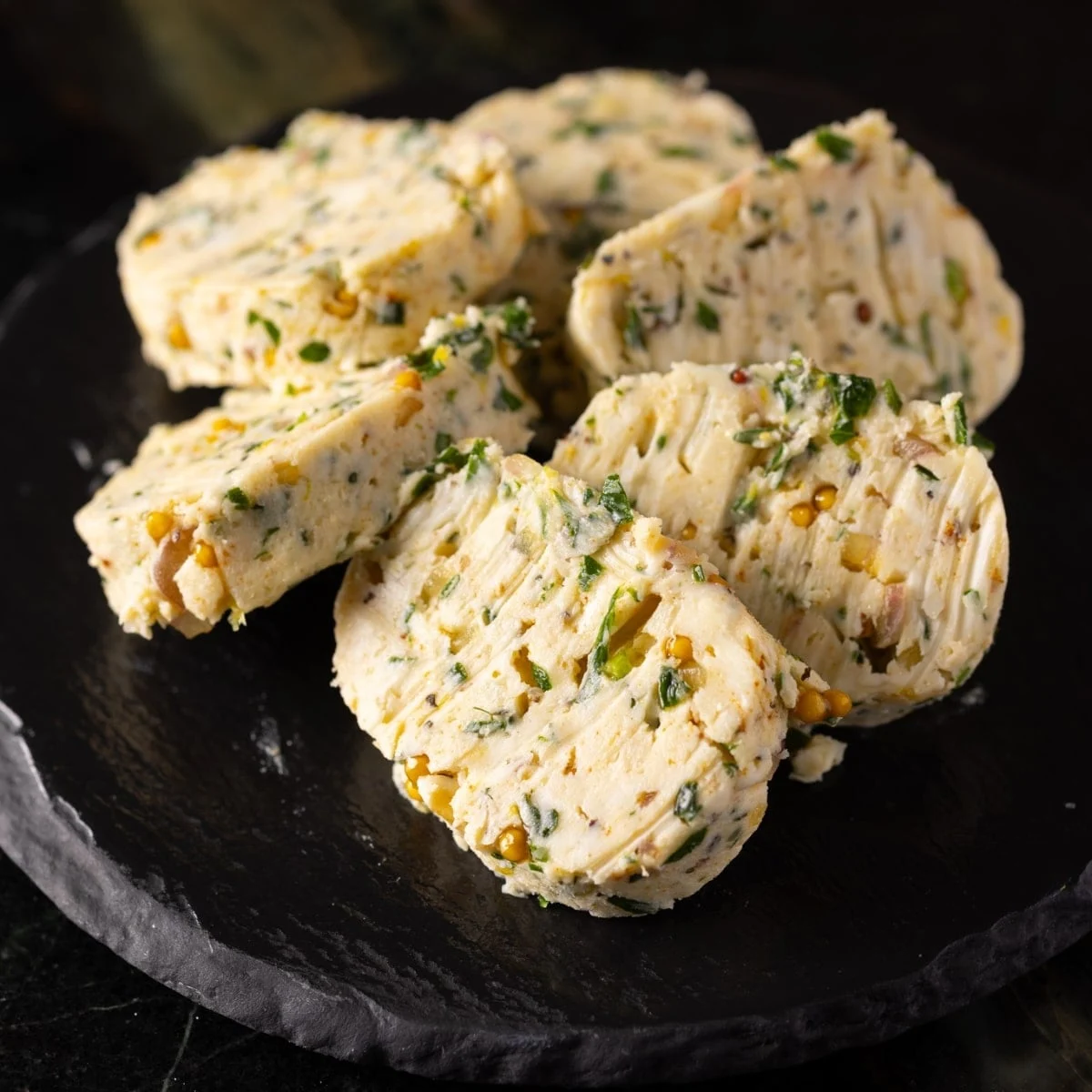
The Composition and Nutritional Profile of Cowboy Butter
The efficacy of Cowboy Butter lies in its complex ingredient profile, which balances heavy lipids with bright acidity and herbaceous notes. The primary base consists of high-quality unsalted butter, which acts as a delivery vehicle for fat-soluble flavor compounds found in the added aromatics. According to technical specifications provided by culinary developers at Hey Grill Hey, a standard serving of this preparation contains approximately 207 calories, with a macronutrient breakdown heavily skewed toward fats.
Each serving includes 23 grams of total fat, of which 15 grams are saturated. While high in caloric density, the mixture provides essential micronutrients, including 881 IU of Vitamin A and small amounts of Vitamin C, calcium, and iron, largely derived from the fresh herb content. The inclusion of lemon juice and zest provides a necessary hit of citric acid, which serves to emulsify the fat on the palate and brighten the overall flavor profile of the dish it accompanies.
Historical Context and the Evolution of Compound Butters
To understand the rise of Cowboy Butter, one must examine the lineage of flavored butters in Western gastronomy. The most famous predecessor is Beurre Maître d’Hôtel, a classic French mixture of butter, parsley, lemon juice, salt, and pepper. In the late 19th and early 20th centuries, these preparations were used primarily in professional kitchens to finish grilled fish and steaks.

The transition to the "Cowboy" style involves the integration of more aggressive aromatics common in American "chuckwagon" cooking history. By adding shallots, which offer a more delicate sweetness than standard onions, and a robust blend of thyme and chives, the recipe adapts to the smokier, more charred flavors produced by wood-fired grills and smokers. This evolution reflects a democratization of gourmet techniques, moving from the white-tablecloth environments of Paris to the backyard patios of modern home cooks.
Technical Preparation and Methodology
The production of Cowboy Butter is noted for its accessibility, requiring no specialized machinery or thermal processing. The methodology focuses on the "softened state" of the lipid base, which allows for the mechanical integration of solid aromatics.
- Aromatic Preparation: Fresh shallots, chives, parsley, and thyme are finely minced to ensure even distribution. The surface area of the herbs is critical; finer cuts allow for a more immediate release of essential oils into the butter.
- Emulsification and Incorporation: Using a spatula or whisk, the softened butter is folded together with the herbs, lemon zest, and lemon juice. This stage requires careful manipulation to ensure the citrus juice—an aqueous liquid—is properly suspended within the fat matrix.
- Stabilization: Once mixed, the butter is often rolled into a parchment paper log (a technique known as a ballotine) and refrigerated. This allows the flavors to meld through a process of cold infusion and restores the butter’s structural integrity for clean slicing.
Market Trends and the Condiment Revolution
The popularity of recipes like Cowboy Butter is reflective of a larger trend in the global food industry. Market research indicates that the global condiments market is projected to grow significantly through 2030, driven by a consumer preference for "clean label" products and home-made alternatives to processed sauces.
Susie Bulloch, a prominent figure in the barbecue industry and founder of Hey Grill Hey, has noted that the demand for DIY condiment recipes has surged as consumers seek to replicate restaurant-quality experiences at home. "Cowboy butter is one of those things that, once you try it, you’ll have it on hand all the time," Bulloch stated, highlighting the "infinite possibilities" of the preparation, from finishing steaks to enhancing morning eggs or grilled seafood. This sentiment is echoed by the rise of "butter boards" and other fat-forward culinary trends on social media platforms, where visual appeal and flavor complexity drive engagement.

Culinary Applications and Versatility
While the nomenclature suggests a specific pairing with beef, the utility of Cowboy Butter extends across various food groups. In the context of professional food service, the butter serves as a "finishing sauce," applied to proteins during the resting phase. As the heat from the meat melts the butter, it creates a self-basting effect that prevents moisture loss and adds a glossy sheen to the final presentation.
- Proteins: Beyond ribeye and strip steaks, the butter is increasingly used in "shrimp scampi" style preparations and as a stuffing for poultry breasts.
- Vegetables: The bright lemon notes make it a preferred pairing for charred asparagus, roasted root vegetables, and grilled corn.
- Starches: It serves as a premium spread for artisanal breads and a flavoring agent for smashed potatoes or pasta.
Nutritional and Dietary Considerations
In an era of diverse dietary requirements, Cowboy Butter fits within several specialized frameworks. For followers of the Ketogenic (Keto) and Carnivore diets, the high-fat, low-carbohydrate profile (1 gram of carbohydrates per serving) makes it an ideal caloric supplement. However, health professionals often advise moderation due to the high saturated fat content, which remains a point of discussion in cardiovascular health research.
The sodium content, measured at 311mg per serving, is another factor for health-conscious consumers. By preparing the butter at home, cooks can control the salinity, opting for low-sodium salts or increasing the ratio of fresh herbs to compensate for reduced salt levels.
The Role of Freshness in Flavor Extraction
A critical analysis of the Cowboy Butter recipe reveals that the quality of the final product is disproportionately dependent on the freshness of the botanicals. Dried herbs lack the volatile oils and moisture content necessary to achieve the desired "bright" flavor profile. Shallots, in particular, provide a sulfurous depth that cannot be replicated by onion powder. The use of fresh lemon zest provides limonene, a terpene that offers a floral aroma that balances the heavy, earthy notes of the thyme and the richness of the butter.

Broader Impact on Home Grilling Culture
The rise of Cowboy Butter signifies a maturation of the home grilling community. No longer satisfied with store-bought barbecue sauces high in high-fructose corn syrup, enthusiasts are turning toward classical techniques to enhance their cooking. This "condiment-first" approach allows for greater customization and a more sophisticated palate.
The digital distribution of such recipes, facilitated by platforms like the Hey Grill Hey App and social media channels, has created a global community of "outdoor chefs" who trade tips on herb ratios and fat sourcing. This peer-to-peer knowledge exchange has accelerated the adoption of compound butters, moving them from a niche professional secret to a household staple.
Conclusion and Future Outlook
As the culinary landscape continues to evolve, Cowboy Butter stands as a testament to the enduring appeal of simple, high-quality ingredients processed with minimal intervention. Its success is rooted in the fundamental principles of gastronomy: the balance of fat, acid, and salt.
Looking forward, the trend toward artisanal compound butters is expected to expand, with variations incorporating smoked salts, fermented chilies, or local honey. For the home cook, the Cowboy Butter recipe remains a foundational skill—a 10-minute investment that yields a professional-grade enhancement for a wide array of dishes. As Susie Bulloch concludes, the goal of such recipes is to "share something delicious with the people you love," a sentiment that continues to drive the innovation and passion found in the modern barbecue and grilling community.
