
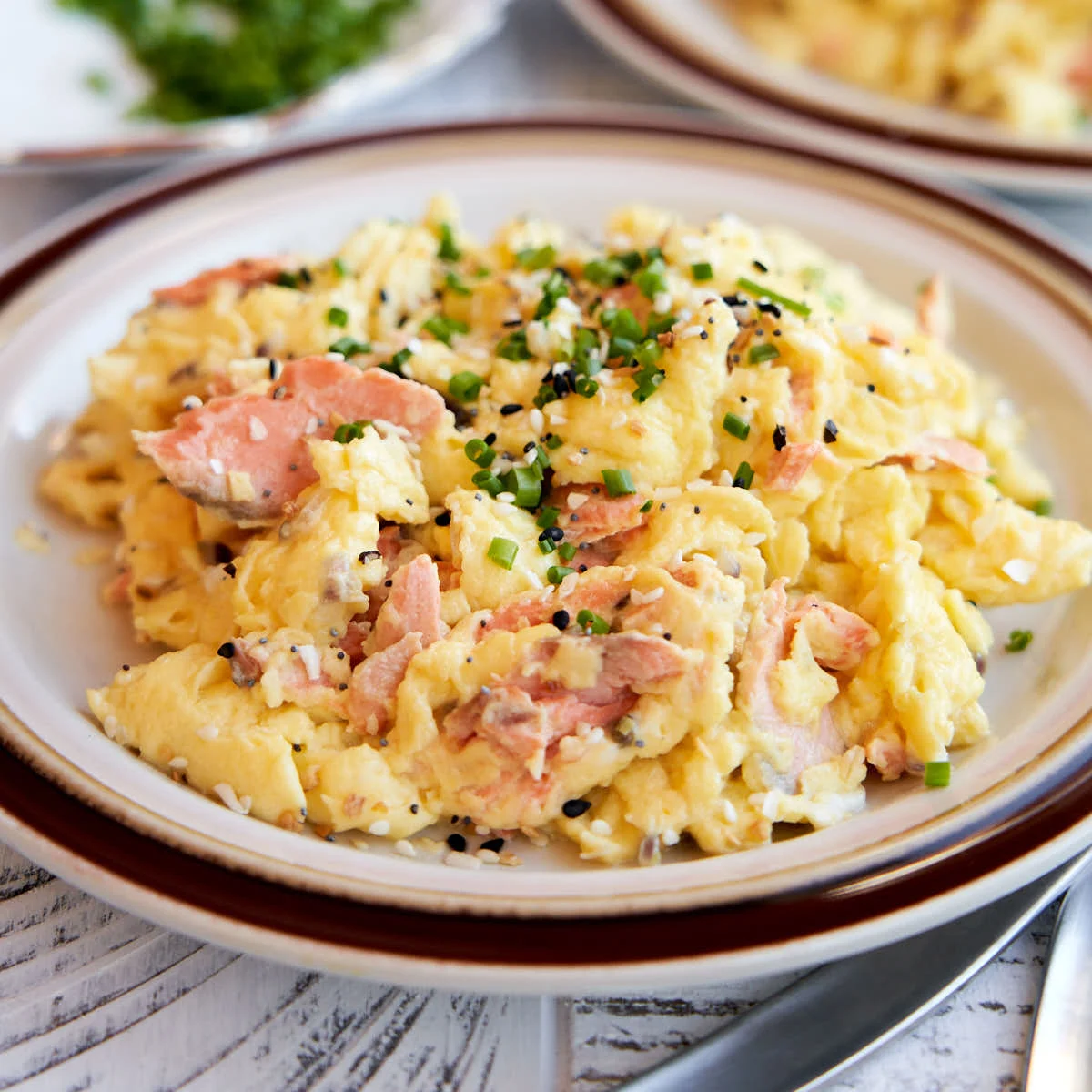
The humble breakfast table is a canvas for culinary creativity, and few dishes embody the elegant fusion of simplicity and surprising flavor as well as salmon and eggs. Far from being a mere utilitarian morning meal, this combination offers a gateway to utilizing leftover ingredients, transforming them into a dish that is both quick to prepare and remarkably satisfying. This exploration delves into the nuances of crafting this delightful breakfast, examining its origins, preparation, and the nutritional benefits it offers, positioning it as a versatile option for weekday efficiency and weekend indulgence alike.
The genesis of the salmon and eggs breakfast likely stems from the resourceful practice of repurposing cooked fish. Historically, communities with access to seafood would have sought to minimize waste, and incorporating leftover salmon into breakfast dishes would have been a natural progression. The pairing of fish with eggs is a time-honored tradition across many cultures, often found in coastal regions where fresh catches are abundant. This particular iteration, however, elevates the concept by focusing on a straightforward preparation that maximizes flavor and texture, making it an accessible option for home cooks.
The Art of Crafting Perfect Salmon and Eggs
At its core, the preparation of salmon and eggs is remarkably straightforward, yet several key techniques elevate it from a simple scramble to a culinary delight. The foundation of a superior scrambled egg lies in the quality of the ingredients and the meticulousness of the preparation.
The Creamy Egg Base: The Role of Half-and-Half
A critical element for achieving luxuriously creamy scrambled eggs is the inclusion of half-and-half. This dairy product, a blend of milk and cream, introduces essential fats that prevent the eggs from becoming rubbery and contribute to a melt-in-your-mouth texture. While whole milk can be used as a substitute in a pinch, it will not impart the same level of richness and silken mouthfeel. The fat content in half-and-half is instrumental in creating a tender egg structure, a principle supported by culinary science which dictates that fat inhibits protein coagulation, thus preventing the eggs from overcooking and becoming tough.
The Power of Thorough Beating
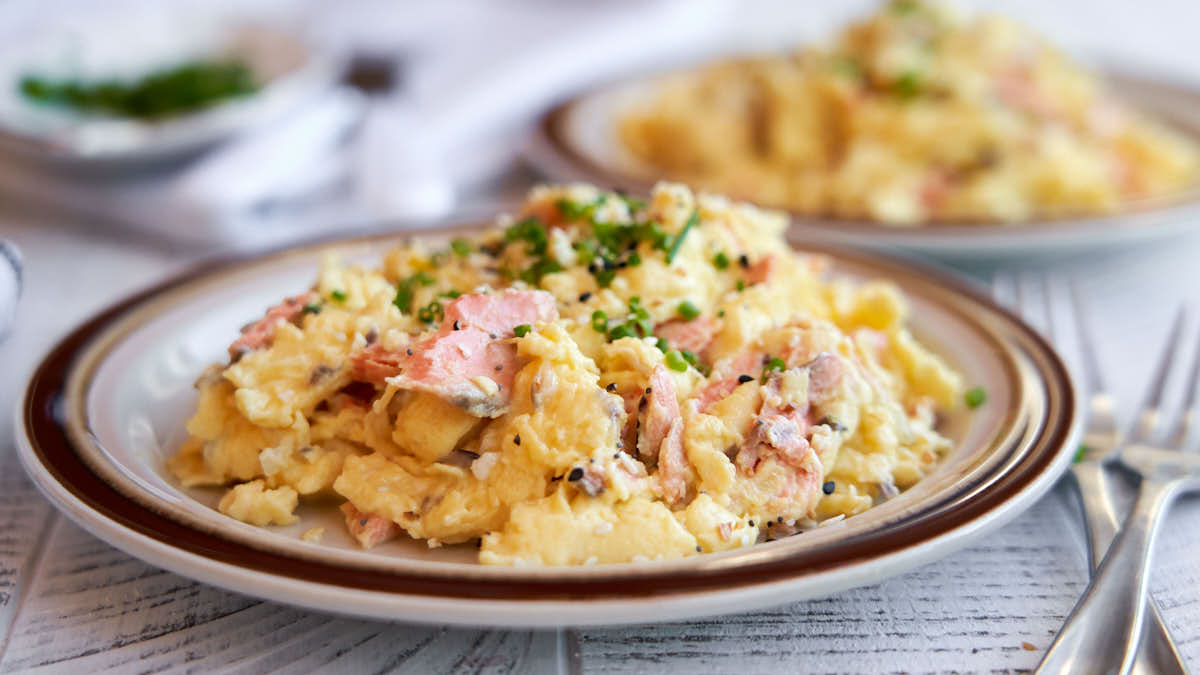
The process of beating the eggs is not merely a preliminary step; it is fundamental to the final outcome. Whisking vigorously, or even using a fork with diligence, serves two primary purposes. Firstly, it ensures the complete amalgamation of egg whites and yolks, eliminating streaks and creating a uniformly colored mixture. This thorough blending prevents unsightly pockets of uncooked white or yolk and results in a visually appealing, homogenous scramble. Secondly, and perhaps more importantly, vigorous beating incorporates air into the egg mixture. These microscopic air pockets expand during the cooking process, contributing to the characteristic fluffiness of well-made scrambled eggs. Culinary professionals often emphasize beating until no streaks are visible, a sign that the proteins are fully dispersed and ready for optimal cooking.
Integrating the Salmon: Timing is Everything
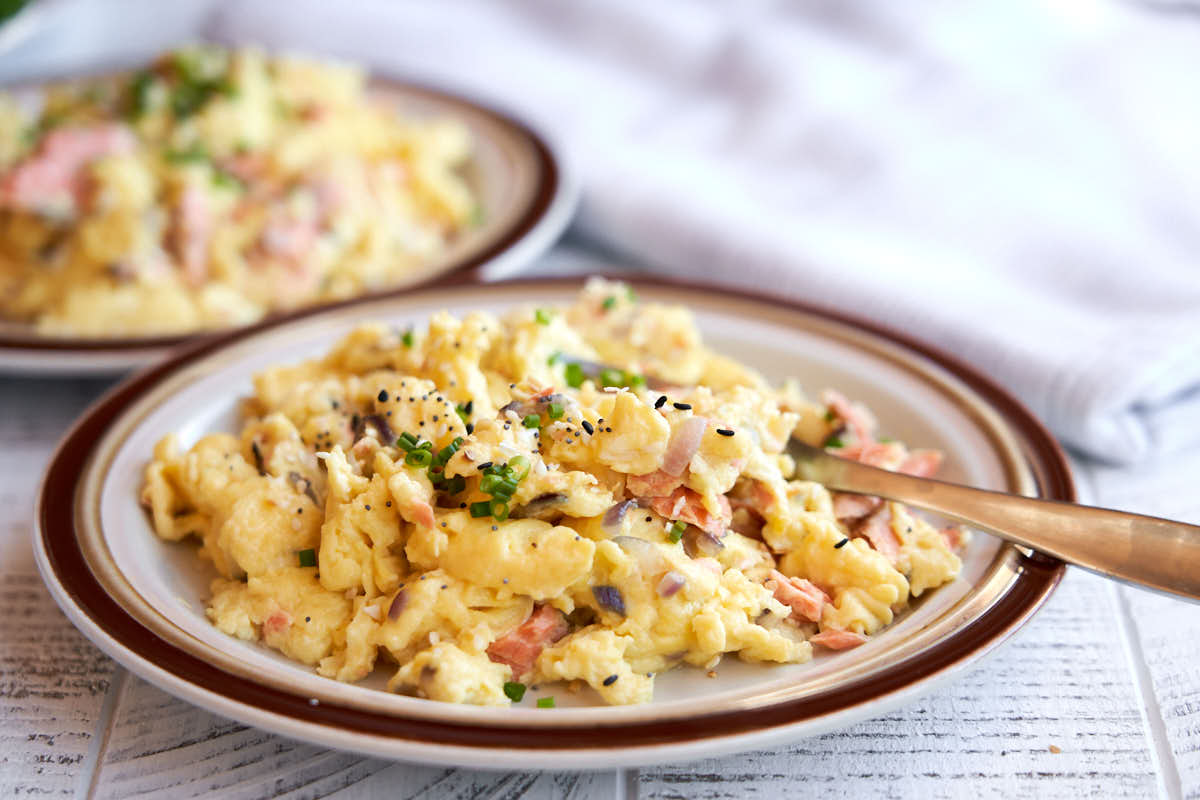
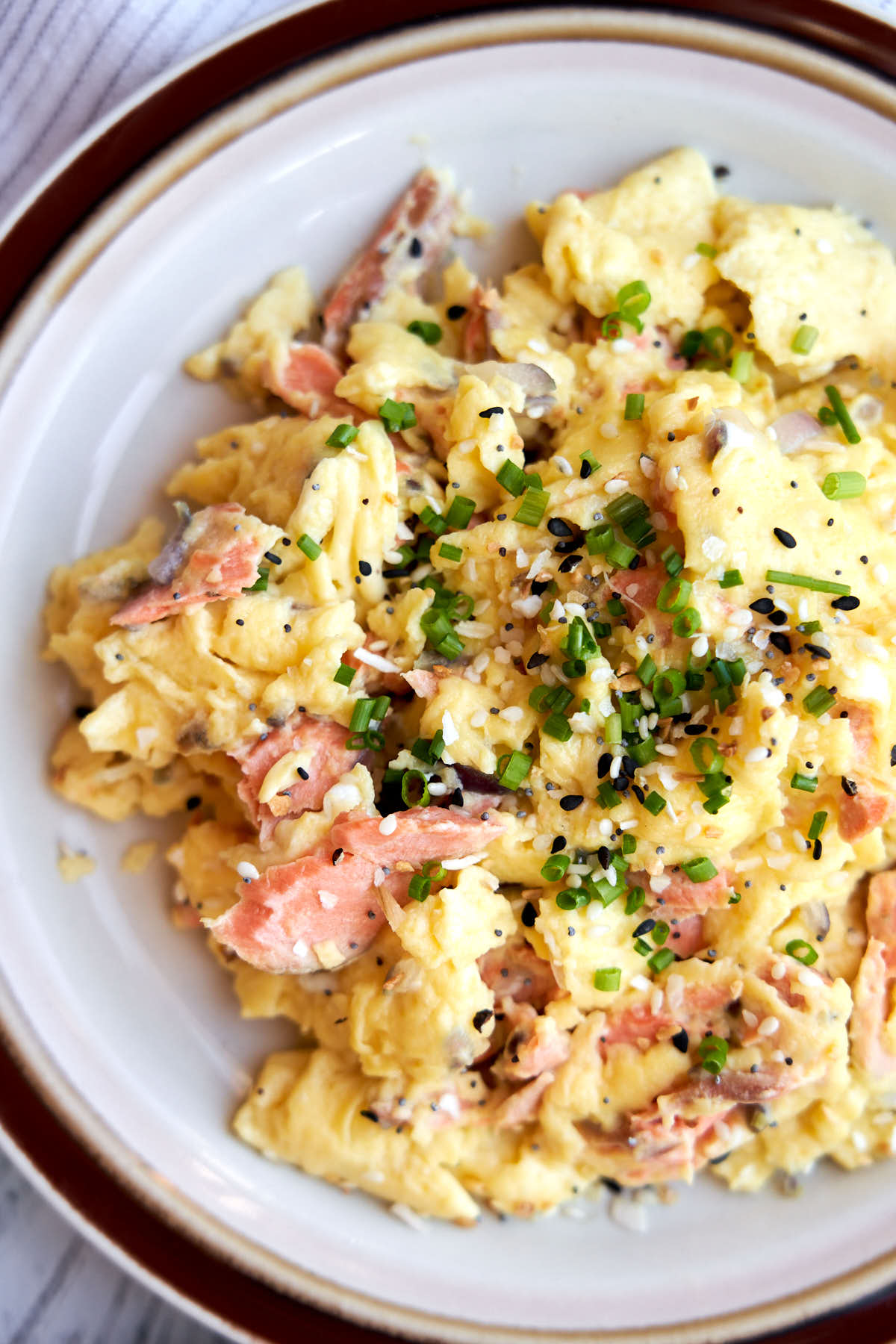
The successful incorporation of leftover salmon requires careful consideration of temperature and texture. Ideally, the cooked salmon should be allowed to reach room temperature before being added to the eggs. Introducing cold salmon directly into the hot pan can prematurely cool the eggs, disrupting the cooking process and potentially leading to unevenly cooked eggs. Furthermore, the salmon should be added towards the end of the egg cooking cycle. A common guideline is to introduce the salmon when the eggs are still wet but beginning to form curds. This allows the fish sufficient time to warm through without overcooking, while the residual moisture of the eggs helps to bind the flakes of salmon, creating a cohesive and flavorful scramble. It is crucial to note that this recipe is designed for pre-cooked, flaked salmon, not smoked salmon. Smoked salmon, due to its high salt content and distinct texture, would not perform well in this preparation, potentially becoming overly salty and dry when heated.
The Finishing Touches: Enhancing Flavor and Presentation
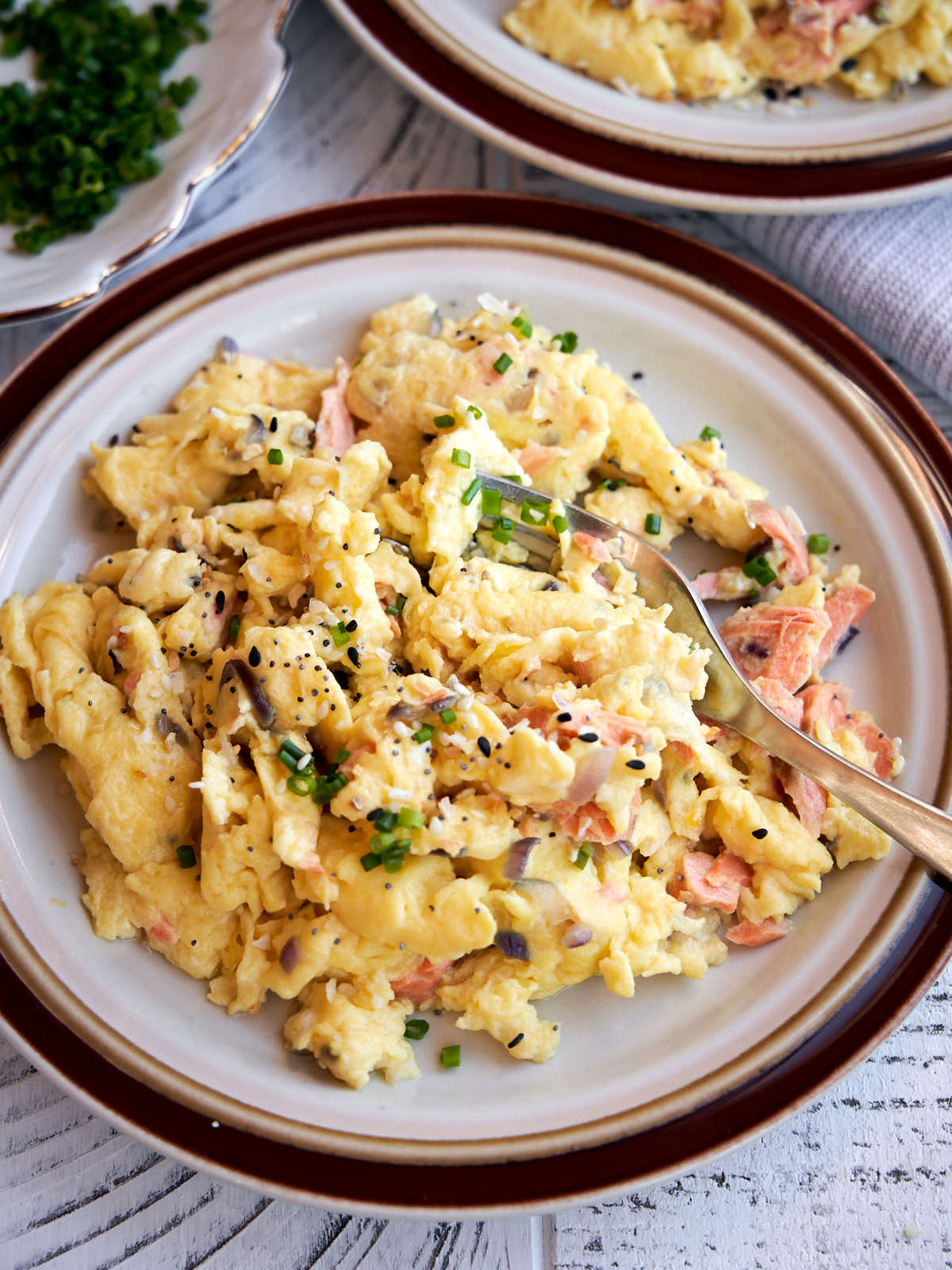
The final presentation and flavor profile of the salmon and eggs can be significantly enhanced with thoughtful additions. "Everything but the Bagel" seasoning has become a popular choice for its complex blend of sesame seeds, poppy seeds, dried garlic, dried onion, and sea salt, offering a savory counterpoint to the richness of the salmon and eggs. For a burst of freshness and color, finely chopped chives are an excellent accompaniment. For those who may not regularly stock fresh chives, freeze-dried chives offer a convenient and long-lasting alternative, retaining much of their flavor and aroma.
Nutritional Considerations and Versatility
Beyond its gustatory appeal, the salmon and eggs breakfast offers a robust nutritional profile. Salmon is renowned for its high content of omega-3 fatty acids, which are vital for cardiovascular health, brain function, and reducing inflammation. It is also an excellent source of high-quality protein, essential for muscle repair and satiety, and provides important vitamins such as D and B12. Eggs, of course, are a complete protein source, rich in choline, selenium, and vitamins A and E. Combining these two powerhouses creates a breakfast that is not only delicious but also contributes significantly to daily nutrient intake.
The inherent adaptability of this dish makes it suitable for a variety of occasions. Its speed of preparation positions it as an ideal weekday breakfast, offering a substantial and flavorful start to a busy day. Simultaneously, its elegant simplicity and satisfying nature make it a compelling choice for a weekend brunch, easily scalable to accommodate multiple guests. The ability to use leftover salmon adds an element of sustainability, transforming what might otherwise be discarded into a gourmet meal.
Broader Context and Culinary Trends
The rise in popularity of dishes like salmon and eggs can be seen as part of a broader culinary trend that emphasizes both health-consciousness and the creative utilization of ingredients. As consumers become more aware of the nutritional benefits of foods like salmon and seek out ways to incorporate them into their diets, recipes that offer simple and delicious preparation methods gain traction. Furthermore, the growing emphasis on reducing food waste aligns with the resourceful nature of this breakfast, appealing to a more environmentally conscious consumer base. The "no-waste" movement in cooking encourages home cooks to find innovative uses for leftovers, and salmon and eggs serves as a prime example of this philosophy in action.
The culinary landscape is constantly evolving, with influences from global cuisines and a renewed appreciation for traditional techniques shaping how we approach everyday meals. The salmon and eggs breakfast, in its refined yet unpretentious form, stands as a testament to the enduring appeal of well-executed, ingredient-driven cooking. It represents a point where culinary sophistication meets everyday practicality, proving that a truly satisfying meal can be both simple to create and profoundly rewarding. As home cooks continue to explore new and exciting ways to utilize fresh ingredients, the salmon and eggs breakfast is poised to remain a cherished and frequently revisited option on menus worldwide.
