
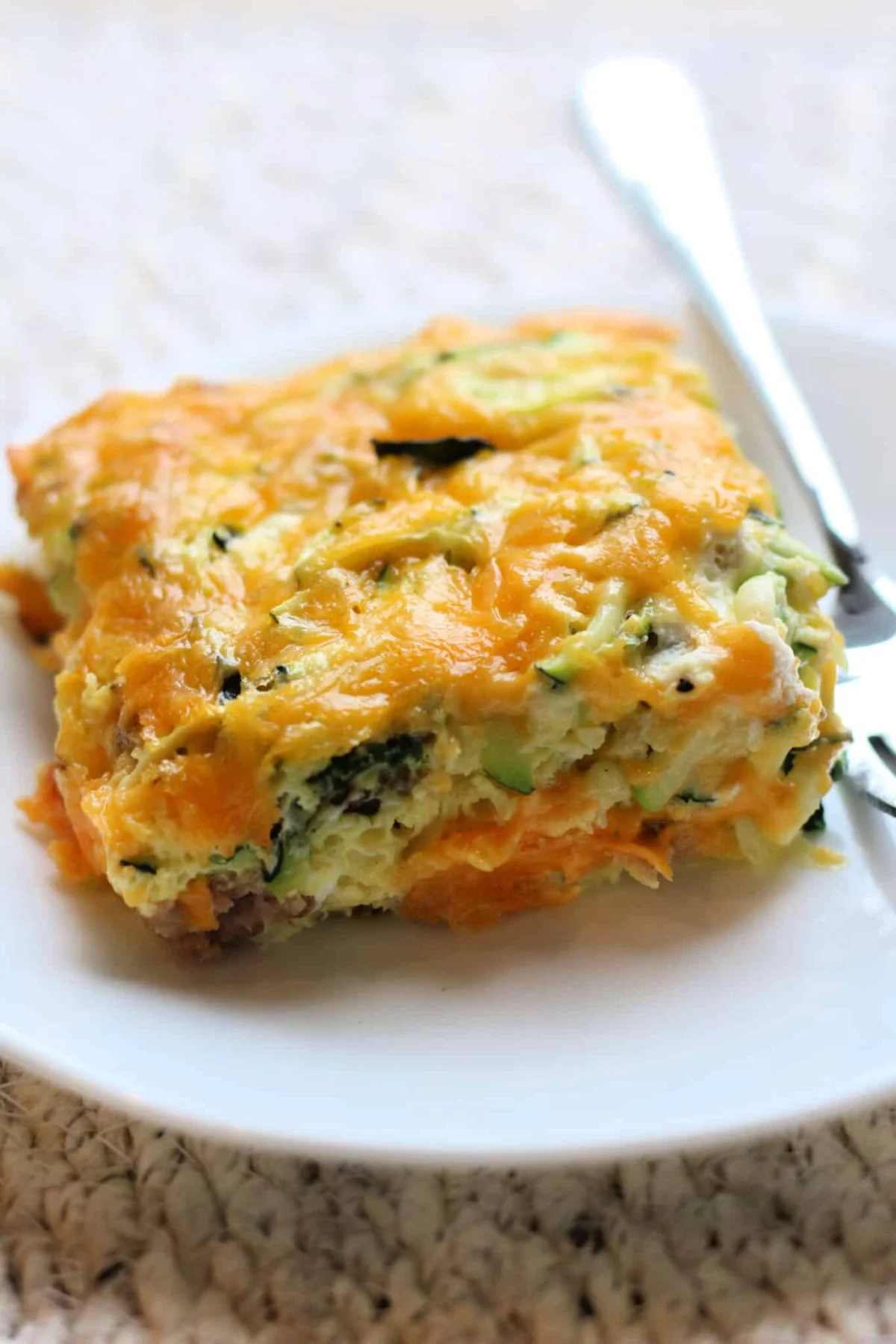
The Nutritional Evolution of the Casserole
Historically, the American casserole served as a mid-century staple designed to stretch expensive proteins using affordable fillers, such as rice, noodles, or canned cream soups. However, the modern Low Carb Casserole serves a different socio-economic and biological function. In a landscape where the Centers for Disease Control and Prevention (CDC) reports that approximately 38% of American adults have prediabetes, the transition toward "low-carb" and "keto-friendly" dishes is no longer a niche lifestyle choice but a significant public health adaptation.
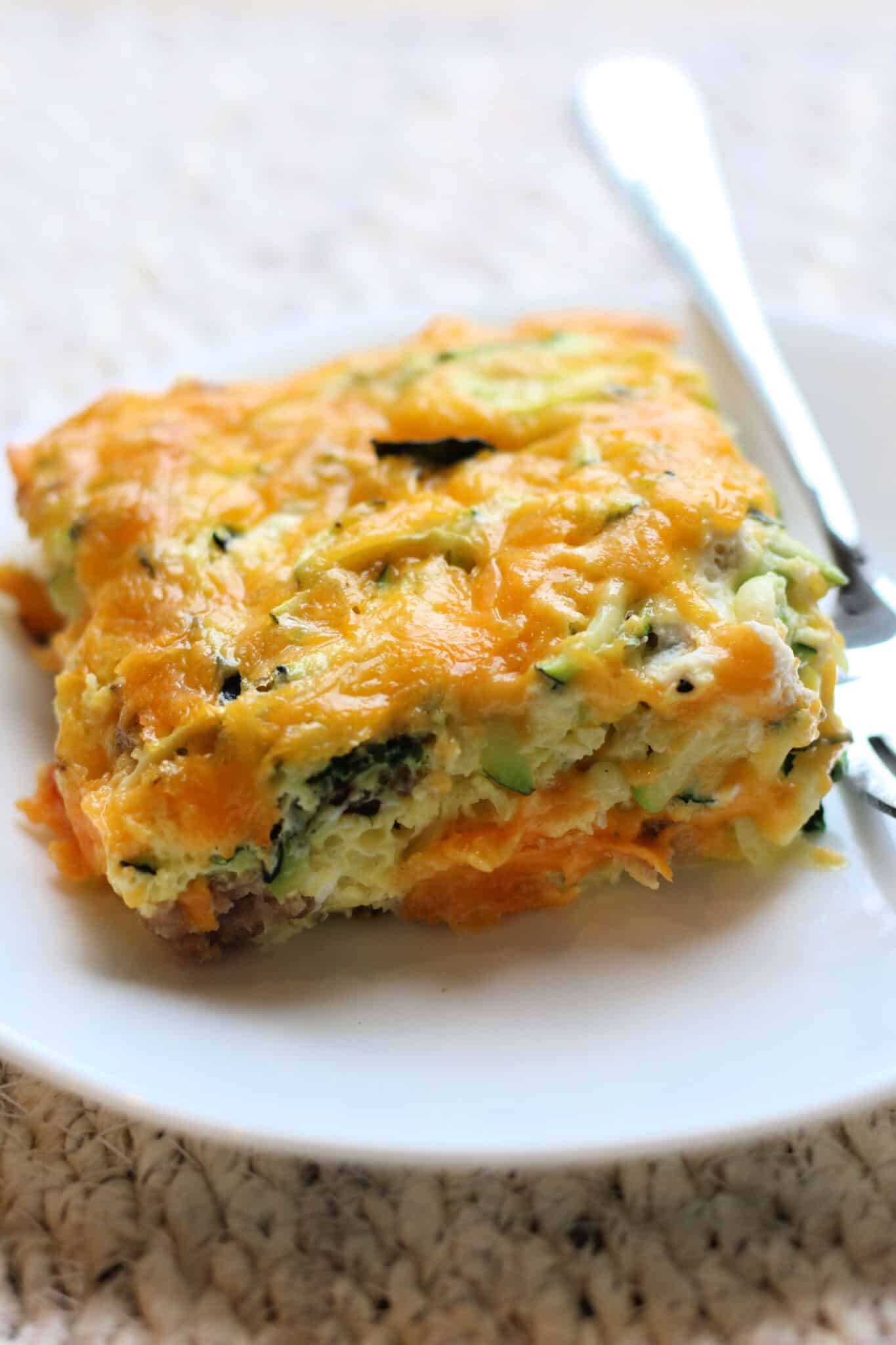
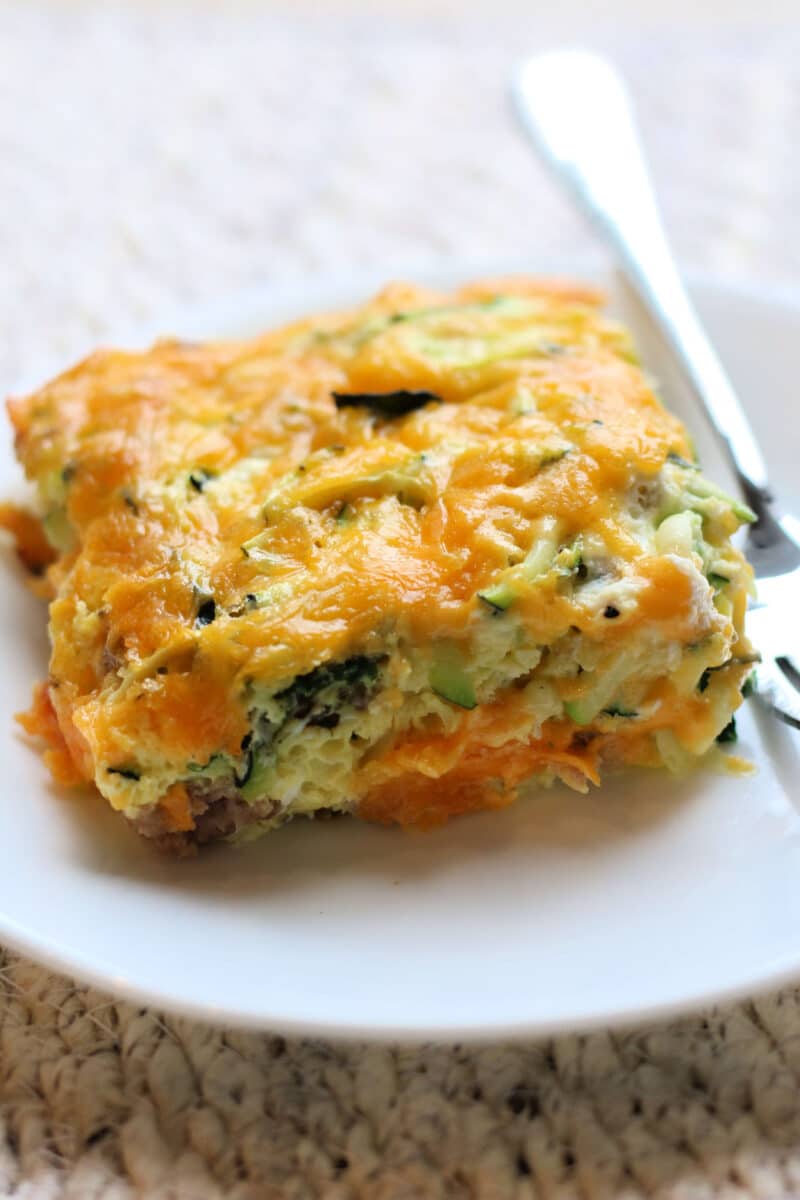
By removing traditional binders like flour or breadcrumbs, this recipe relies on the structural integrity of eggs and the moisture-regulating properties of vegetables. The inclusion of zucchini, a member of the Cucurbitaceae family, provides essential micronutrients such as Vitamin A and potassium while maintaining a low glycemic index. This shift reflects a sophisticated understanding of "volume eating," where high-water-content vegetables allow for larger portion sizes with lower caloric density.
Chronology of Preparation and Culinary Technique
The execution of a high-quality Low Carb Casserole follows a specific chronological order designed to maximize flavor extraction and ensure the correct final texture. Unlike traditional casseroles where ingredients are often mixed raw, the professional approach requires a multi-stage process to manage moisture—the primary challenge in low-carb vegetable baking.
Phase I: Protein Searing and Aromatics
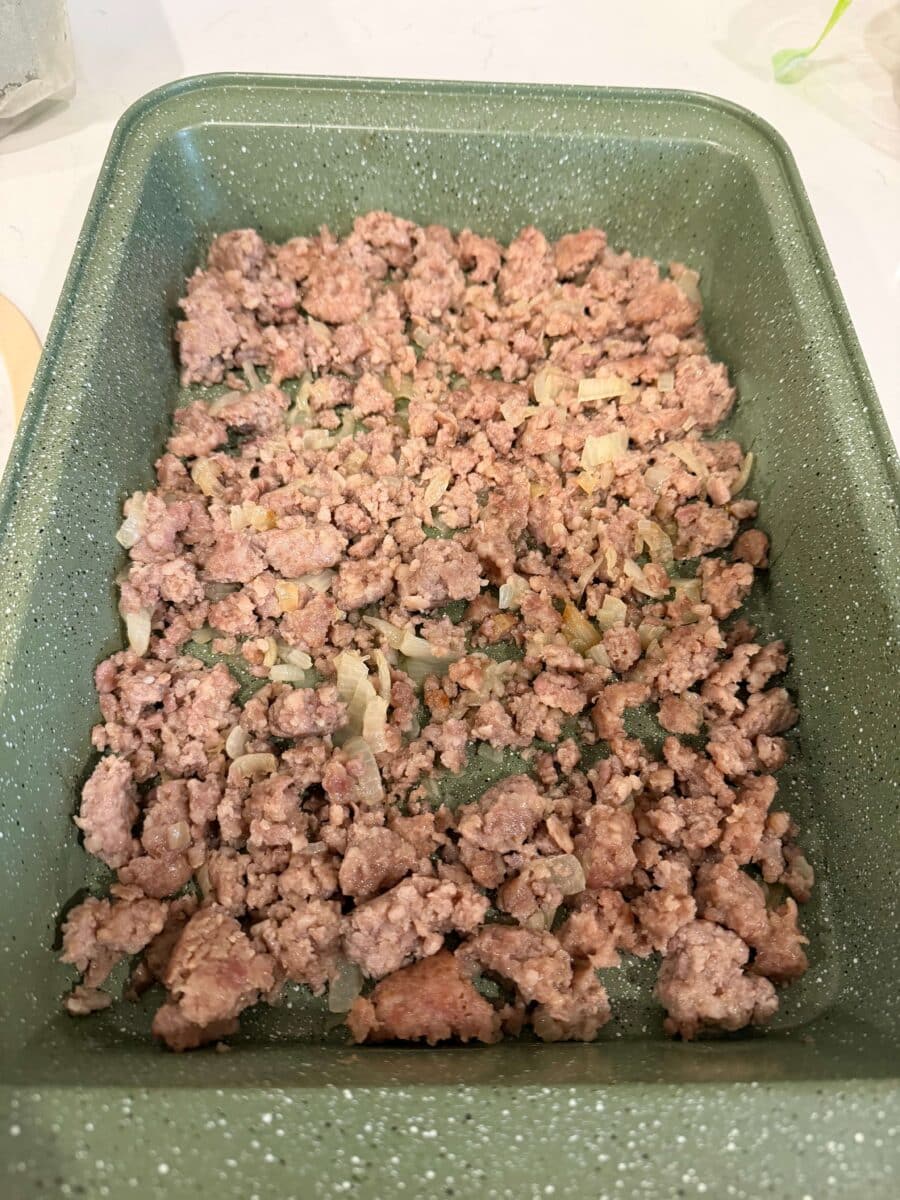
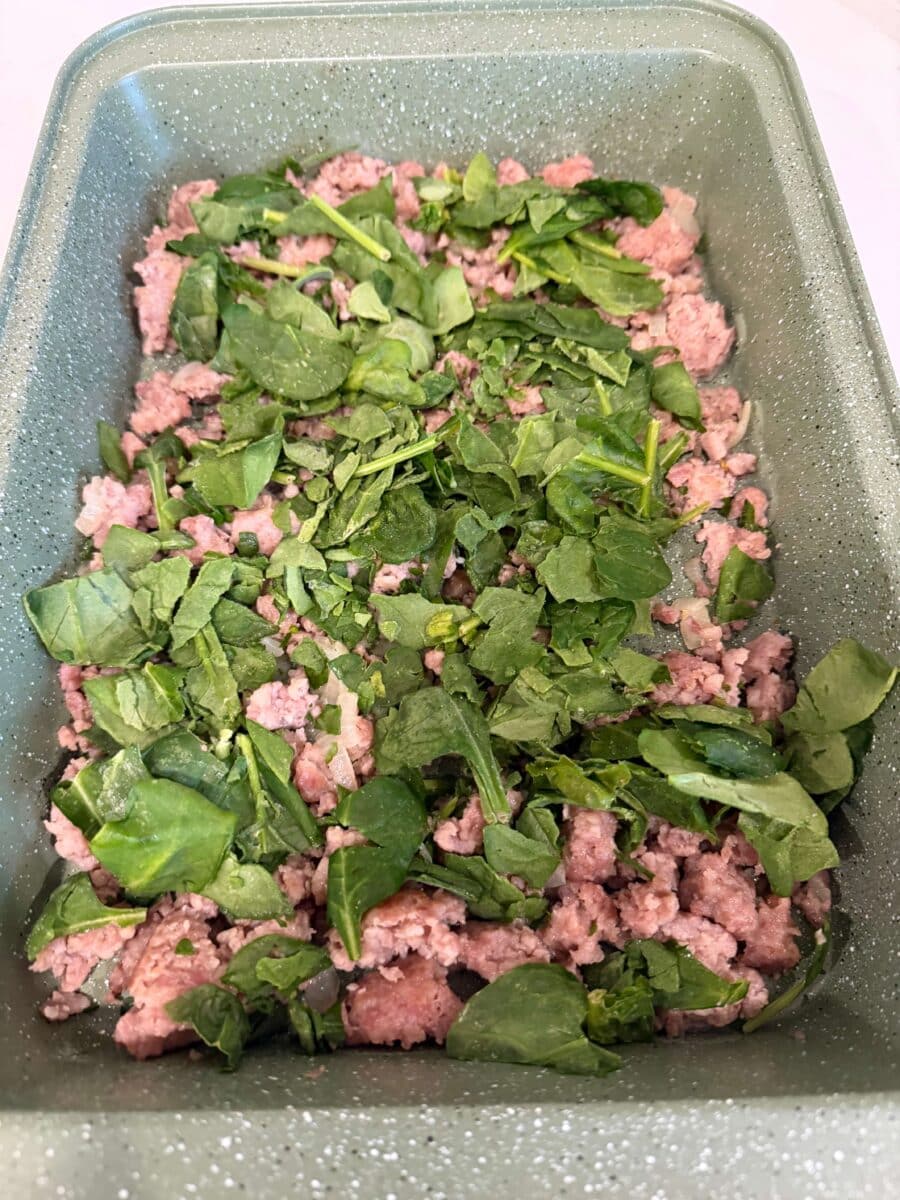
The process begins with the browning of the sausage over medium-high heat. This step is critical for the development of the Maillard reaction, a chemical reaction between amino acids and reducing sugars that gives browned food its distinctive flavor. The addition of diced onions during the final four minutes of browning allows the aromatics to soften in the rendered fat of the sausage, creating a savory base layer. Journalistic observations of home cooking trends suggest that draining excess grease at this stage is a standard health-conscious intervention, reducing the final saturated fat content without sacrificing the depth of flavor.
Phase II: Vegetable Layering
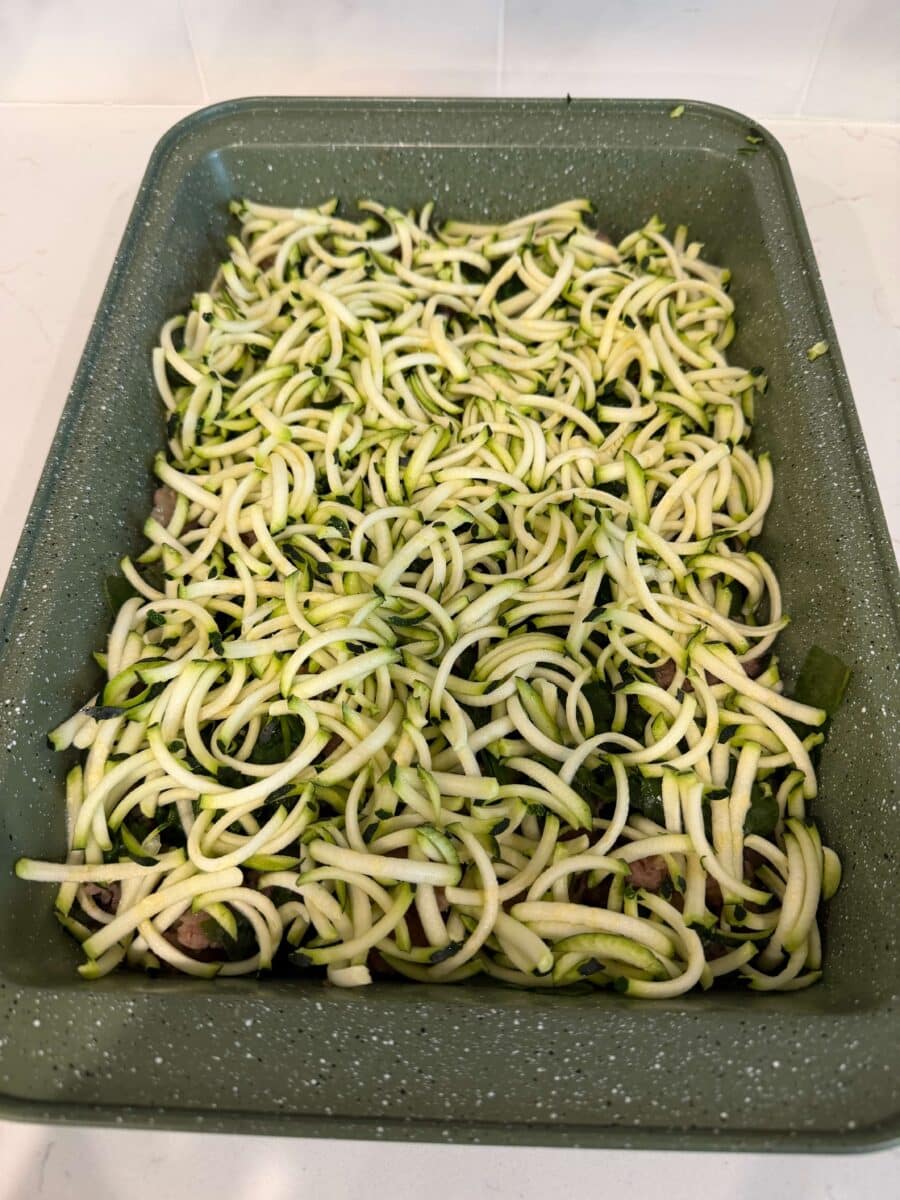
Once the sausage and onions are spread into a 9×13-inch baking dish, the introduction of fresh spinach and zucchini occurs. These vegetables are layered raw over the warm meat. This technique allows the vegetables to steam slightly during the baking process, preserving their nutrient profile more effectively than prolonged boiling or frying. The use of zucchini in this context is particularly noteworthy; as it bakes, it releases moisture that is then absorbed by the egg mixture, preventing the casserole from becoming overly dry.
Phase III: The Emulsification and Binding
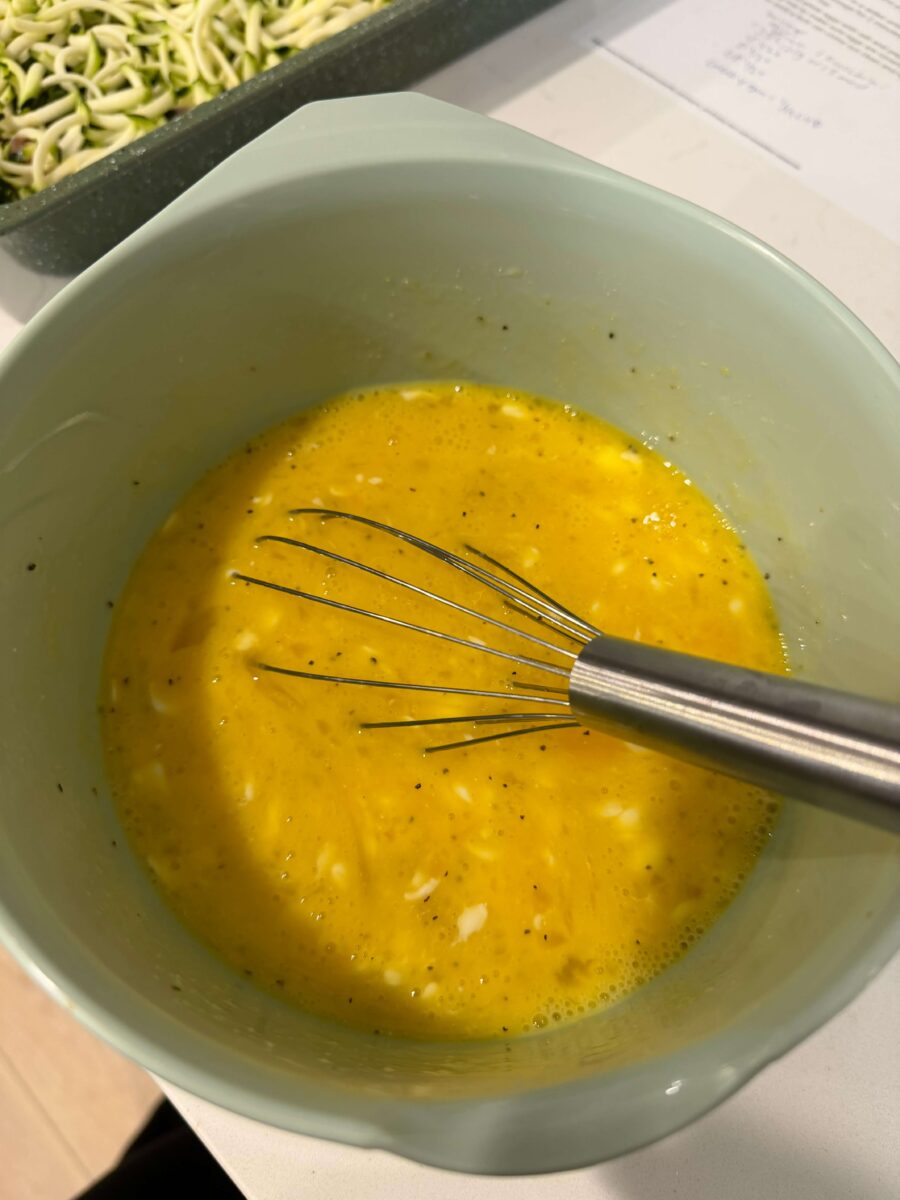
The binding agent consists of a whisked mixture of eggs, salt, pepper, garlic powder, and Greek yogurt. The use of Greek yogurt is a modern culinary pivot, replacing heavy cream or whole milk. This substitution increases the protein-to-fat ratio and introduces a subtle acidity that cuts through the richness of the sausage and cheddar cheese. Once whisked until smooth, this liquid is poured over the vegetable and meat layers, seeping into the crevices to create a cohesive structure.
Phase IV: The Gratin and Bake
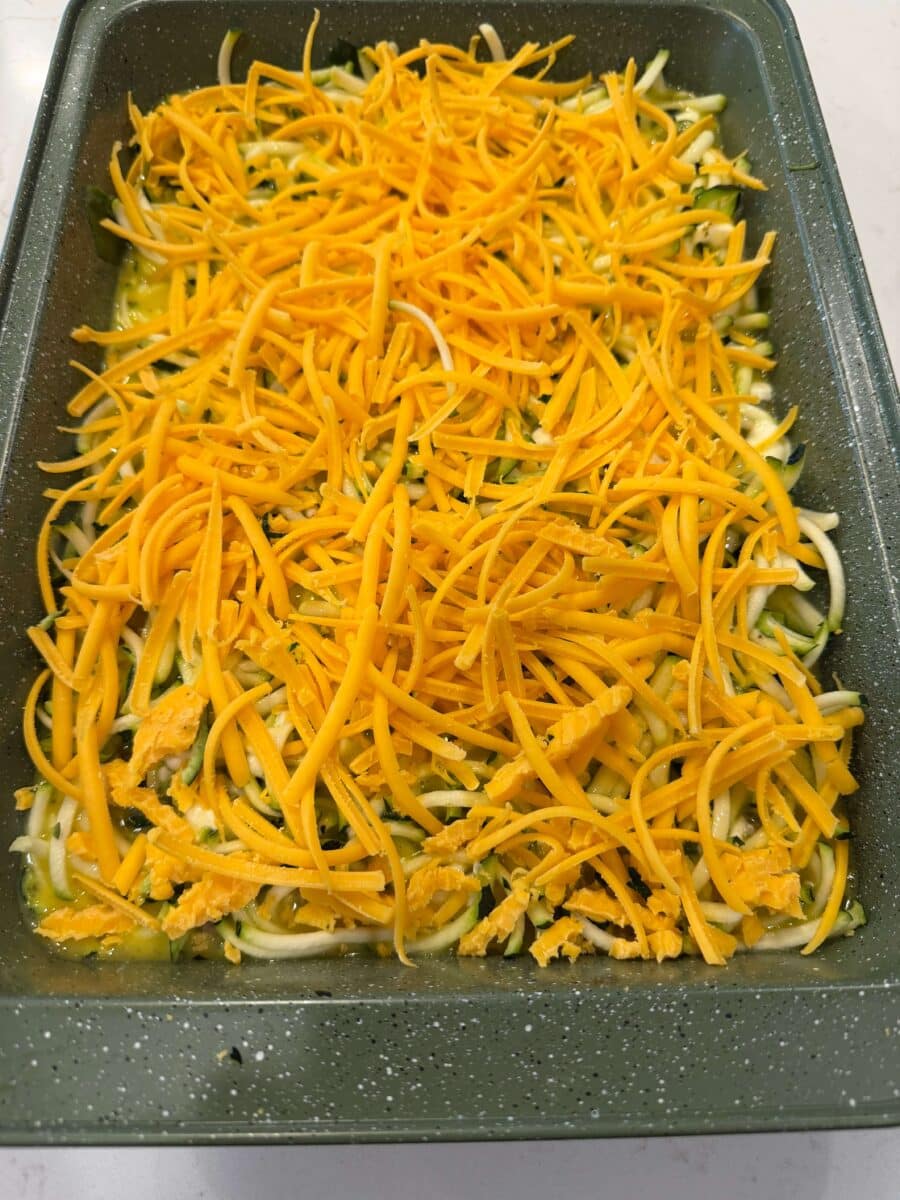
The final step involves the application of a cheddar cheese topping and a 45-minute bake at 350°F. This duration is calculated to allow the eggs to set fully while the cheese undergoes a controlled melt and slight crisping, providing a textural contrast to the soft interior.
Supporting Data: The Impact of High-Protein Breakfasts
Data from various clinical trials suggest that the composition of the first meal of the day—or a nutrient-dense dinner—can have profound effects on "second-meal" glucose responses. A study published in the American Journal of Clinical Nutrition found that high-protein breakfasts led to increased satiety and reduced evening snacking compared to high-carbohydrate alternatives.
The Low Carb Casserole fits perfectly into this data-driven dietary model. With eggs providing high-quality protein and choline, and spinach offering non-heme iron and folate, the dish offers a high nutrient-to-calorie ratio. Furthermore, the ability to "meal prep" this dish—slicing it into individual portions for microwave reheating—addresses the "time-poverty" reported by 60% of working professionals as the primary barrier to healthy eating.
Market Context and Consumer Reactions
The rise of recipes like the Low Carb Casserole is also a response to the "Hidden Veggie" movement, which aims to increase vegetable consumption by integrating them into familiar formats. Market analysts have noted a 15% year-over-year increase in searches for "low carb breakfast ideas" as consumers move away from processed cereals and sugary pastries.
While official statements from dietary associations like the Academy of Nutrition and Dietetics emphasize balance, there is a clear consensus that increasing vegetable variety and reducing refined sugar intake—both central to this casserole’s design—are beneficial for the general population. Inferred reactions from the "meal prep" community suggest that the versatility of the dish is its greatest asset; the ability to substitute different proteins (such as ground turkey or plant-based sausage) or different vegetables (such as bell peppers or mushrooms) allows it to remain a staple in diverse households.
Expert Analysis of Ingredient Functionality
Food scientists often point to the "matrix" of a casserole as a study in food stability. In a Low Carb Casserole, the egg proteins act as the "cement," while the zucchini and spinach provide the "rebar" or structural reinforcement.
- Zucchini: Its high water content can be a liability if not managed. By layering it raw and using Greek yogurt in the egg mixture, the recipe balances hydration and coagulation.
- Greek Yogurt: The lactic acid in the yogurt reacts with the egg proteins to create a more tender "crumb" or texture, preventing the rubbery consistency sometimes found in overbaked egg dishes.
- Spinach: When heated, spinach loses significant volume. Its placement between the heavy sausage and the egg liquid ensures it is distributed evenly rather than clumping at the bottom.
Broader Impact and Public Health Implications
The move toward "one-pot" low-carb meals has implications beyond the kitchen. It represents a democratization of nutritional science, where complex concepts like insulin sensitivity and macronutrient ratios are distilled into accessible, everyday cooking. By providing a template that is "naturally low carb without any extra effort," as noted by culinary experts like Karen Petersen, these recipes lower the barrier to entry for individuals attempting to manage their weight or blood sugar.
Furthermore, the economic efficiency of the Low Carb Casserole cannot be overlooked. By utilizing seasonal vegetables and bulk-buy eggs and sausage, the cost-per-serving remains significantly lower than pre-packaged "health foods" or restaurant meals. This makes the dish an essential tool for food security, proving that high-quality nutrition does not necessarily require a high-income budget.
Conclusion and Future Outlook
As we look toward the future of home dining, the Low Carb Casserole stands as a testament to the marriage of convenience and health. It is a dish that acknowledges the realities of modern life—the need for speed, the desire for flavor, and the necessity of health maintenance. As more families adopt the "low carb" lifestyle, either by medical necessity or personal preference, the evolution of these recipes will likely continue, perhaps incorporating more diverse global spices or alternative protein sources like silken tofu or fermented soy.
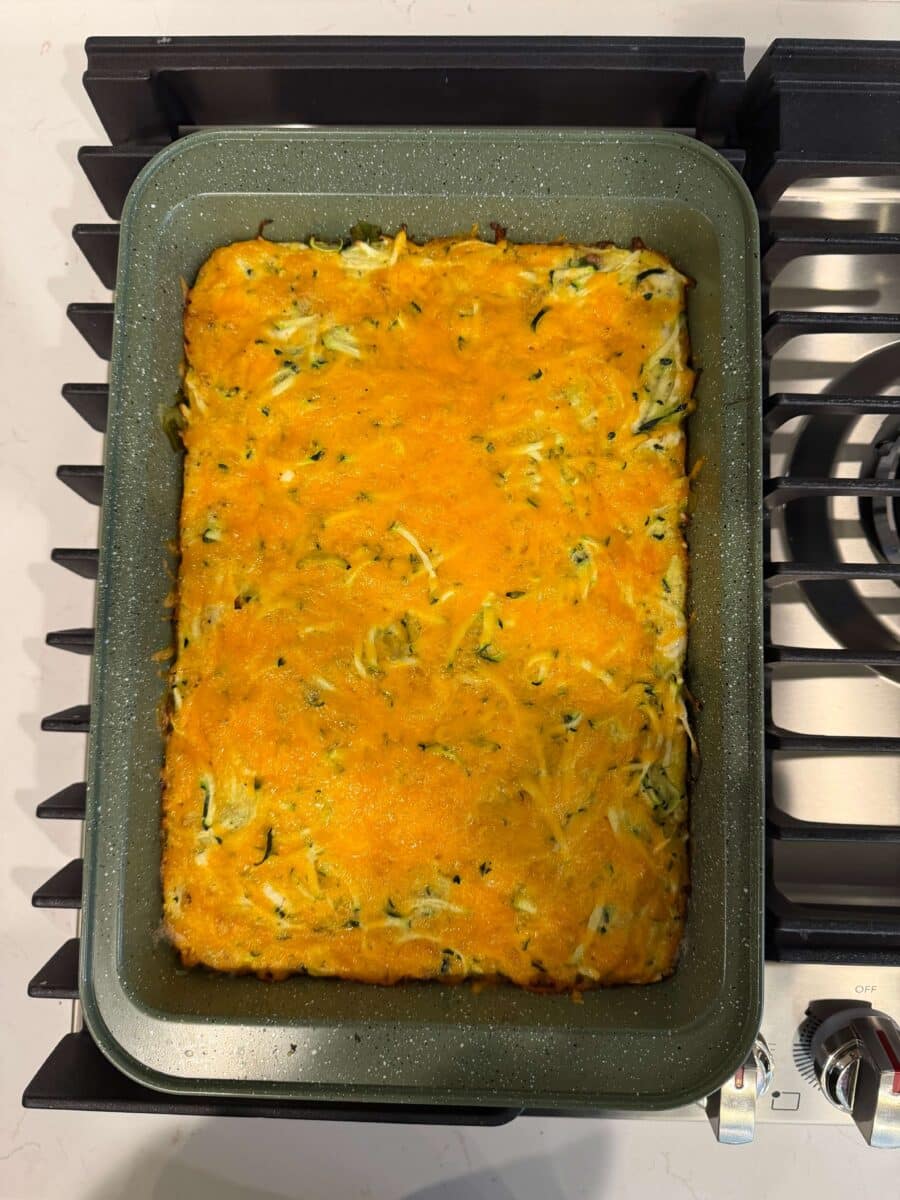
Ultimately, the success of this dish lies in its simplicity and its refusal to compromise on the sensory experience of a warm, cheesy, savory meal. It serves as a reminder that the path to better health often leads through the kitchen, one well-balanced casserole at a time. Through careful preparation, mindful ingredient selection, and an understanding of nutritional principles, the Low Carb Casserole remains a cornerstone of the modern, health-conscious pantry.
