
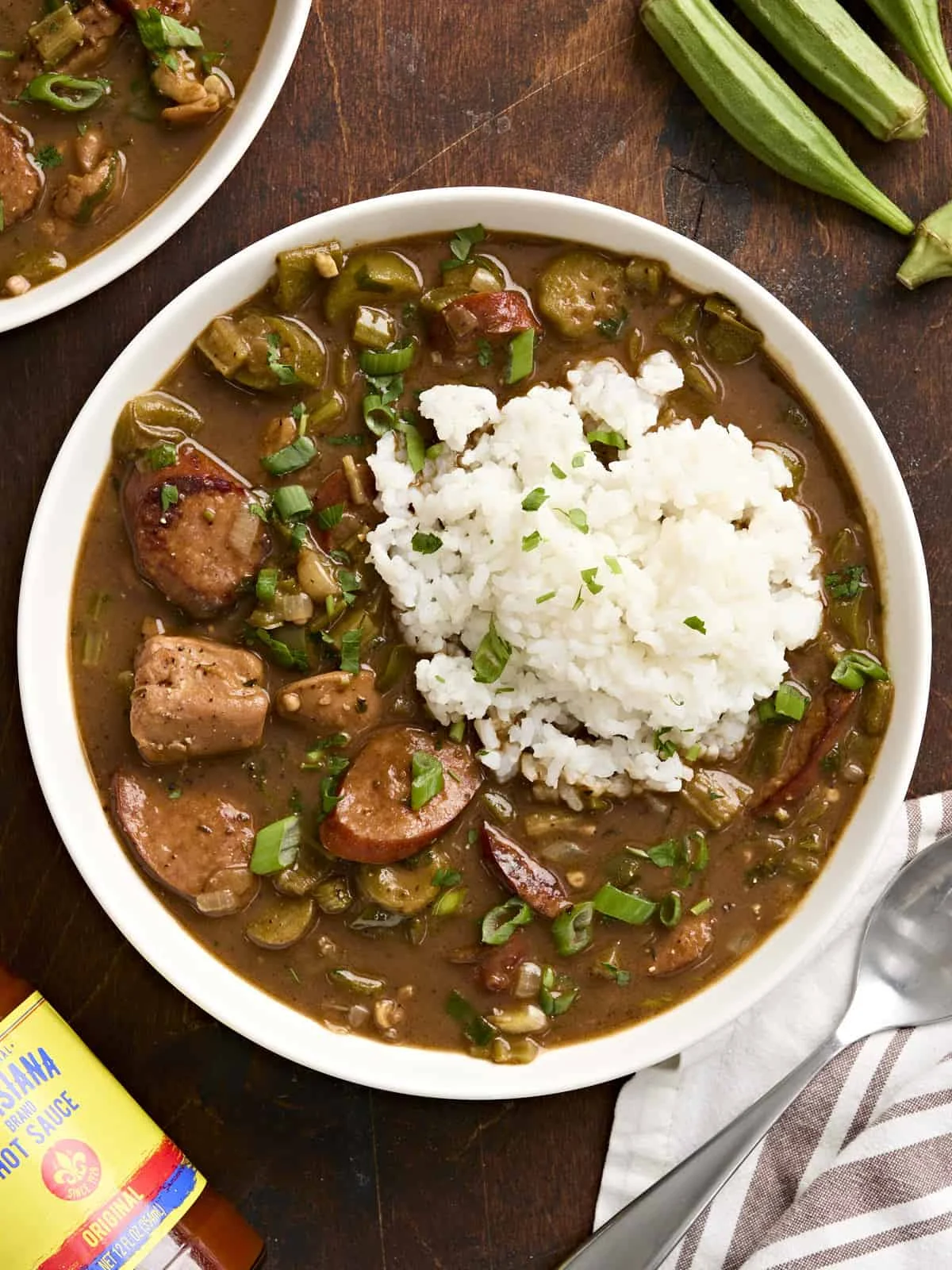
Gumbo stands as a definitive pillar of Louisiana’s culinary identity, representing a complex synthesis of West African, French, Spanish, and Native American influences. As a dish, it is often described as a "labor of love," requiring significant temporal investment and technical precision, particularly regarding the development of the roux. Recent data from culinary test kitchens, including the Nashville-based Budget Bytes facility, indicates that while the dish is historically associated with long-simmering weekend meals, it remains one of the most cost-effective ways to feed a large group, with a total recipe cost estimated at $15.06, or approximately $1.88 per serving. This economic efficiency, paired with a high nutritional profile, reinforces gumbo’s status as a staple of both cultural heritage and practical home economics.
The Cultural and Historical Foundations of Gumbo
The origins of gumbo are as layered as its flavor profile. The name itself is derived from the West African word for okra, kingombo, while the alternative thickening agent often used in the region—filé powder—originates from the Choctaw Indians. Historically, the dish evolved in the 18th century as a means of utilizing available local proteins and vegetables, stretching expensive meats with a thick, flavorful gravy and plentiful rice.
In contemporary culinary discourse, a distinction is frequently made between Cajun and Creole gumbo. Cajun gumbo, typical of the rural southwestern regions of Louisiana, generally utilizes a dark roux and avoids the use of tomatoes. Creole gumbo, centered in New Orleans, often incorporates tomatoes and may feature a slightly lighter roux. The recipe developed by the Nashville Test Kitchen aligns with the Cajun tradition, prioritizing a deep, smoky flavor profile built upon a foundation of andouille sausage and chicken thighs.
Technical Execution: The Role of the Roux
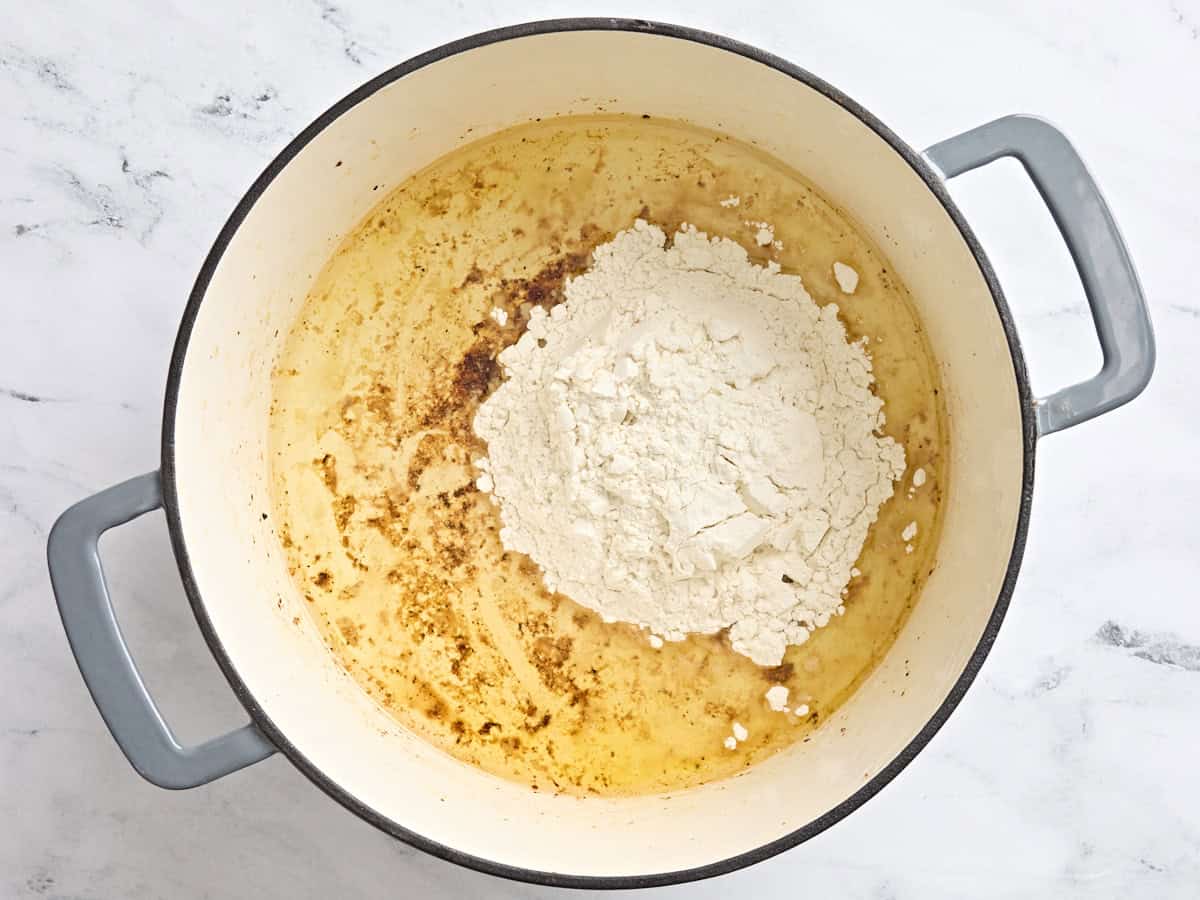
The most critical component of a successful gumbo is the roux, a mixture of fat and flour cooked to varying degrees of darkness. In this specific preparation, the roux is composed of 3/4 cup vegetable oil and 1 cup all-purpose flour. Unlike a standard French blonde roux, which takes minutes to prepare, a Cajun dark roux requires a cooking time of approximately two hours over medium-low heat.
The chemical process involves the Maillard reaction, where the proteins and sugars in the flour are transformed by heat, resulting in a complex, nutty flavor and a dark chocolate color. However, as the roux darkens, its thickening power decreases, which is why gumbo often requires secondary thickeners such as okra. The technical challenge lies in the constant agitation of the mixture; if the flour reaches its smoking point and burns, it develops a bitter taste that cannot be masked, necessitating a complete restart of the process.
Ingredient Profile and the "Holy Trinity"
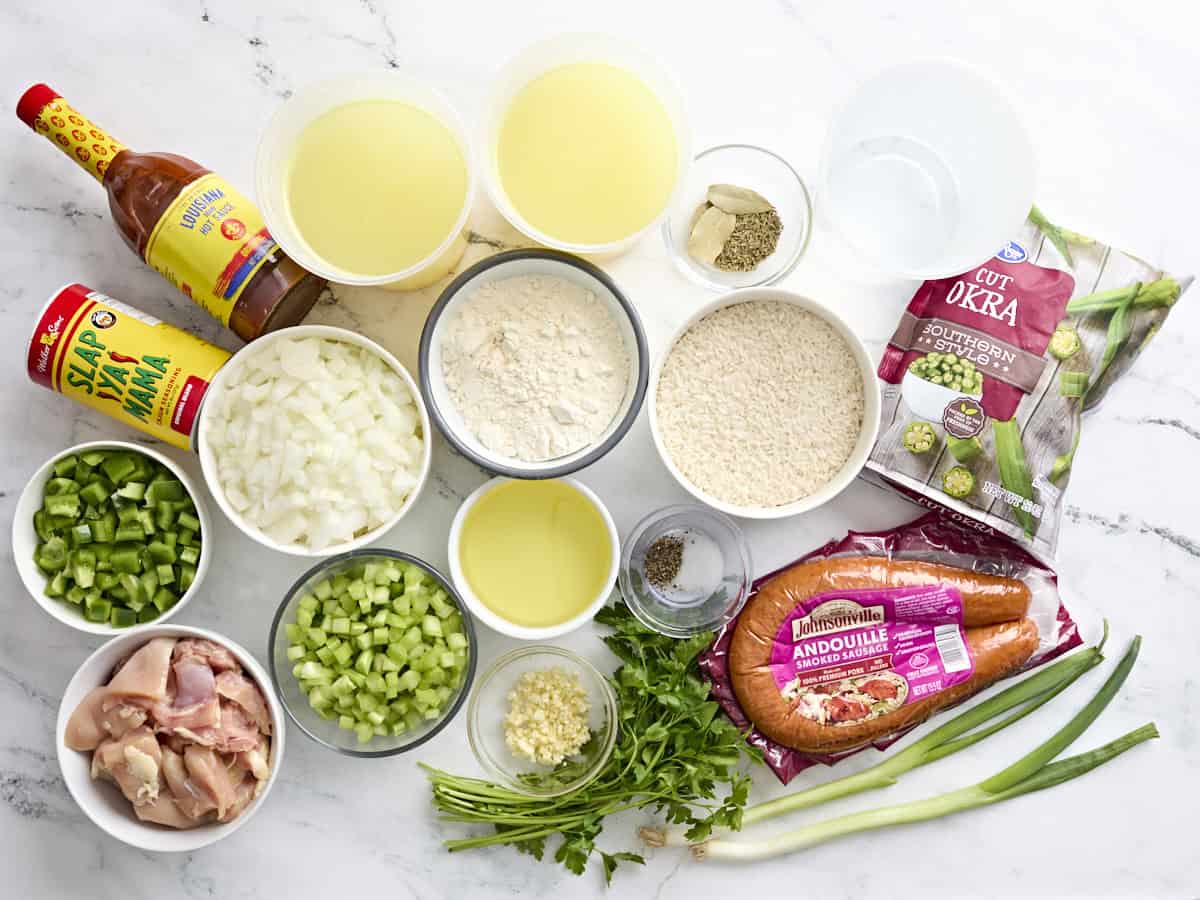
Beyond the roux, the flavor of the dish is predicated on the "Cajun Holy Trinity"—a regional variation of the French mirepoix. While the French version uses onions, carrots, and celery, the Louisiana version replaces carrots with green bell peppers, reflecting the ingredients traditionally available in the Gulf Coast region.
- Proteins: The use of andouille sausage—a smoked, spicy pork sausage of French origin—is essential for providing a base layer of smokiness. Chicken thighs are preferred over breasts due to their higher fat content and ability to remain tender during the simmering process.
- Vegetables: In addition to the Holy Trinity (one onion, one green pepper, and three ribs of celery), the recipe calls for 12 ounces of okra. Okra serves a dual purpose: providing a distinct earthy flavor and acting as a natural mucilaginous thickening agent.
- Seasoning: The flavor is further enhanced by 2 tablespoons of Cajun or Creole seasoning, dried thyme, bay leaves, and fresh garlic. The addition of hot sauce—specifically Louisiana-style vinegar-based sauces—provides the necessary acidity to cut through the richness of the roux and fats.
Economic Analysis of Home-Prepared Gumbo
In an era of fluctuating food prices, the Nashville Test Kitchen’s analysis highlights the affordability of traditional stews. By utilizing chicken thighs (a budget-friendly protein) and frozen okra (which reduces waste and cost compared to fresh alternatives), the dish achieves a per-serving cost of under two dollars.
| Ingredient Category | Estimated Cost |
|---|---|
| Proteins (Andouille & Chicken) | $7.50 |
| Vegetables (Trinity & Okra) | $3.50 |
| Pantry Staples (Oil, Flour, Spices) | $2.00 |
| Broth and Rice | $2.06 |
| Total Recipe Cost | $15.06 |
This cost-benefit analysis suggests that gumbo is a viable solution for food-insecure households or those looking to maximize their grocery budget without sacrificing nutritional density. Each serving provides 27 grams of protein and 673 calories, making it a complete and substantial meal.
Chronological Preparation and Methodology
The preparation of gumbo follows a specific sequence designed to layer flavors and manage textures.
Phase I: Protein Searing
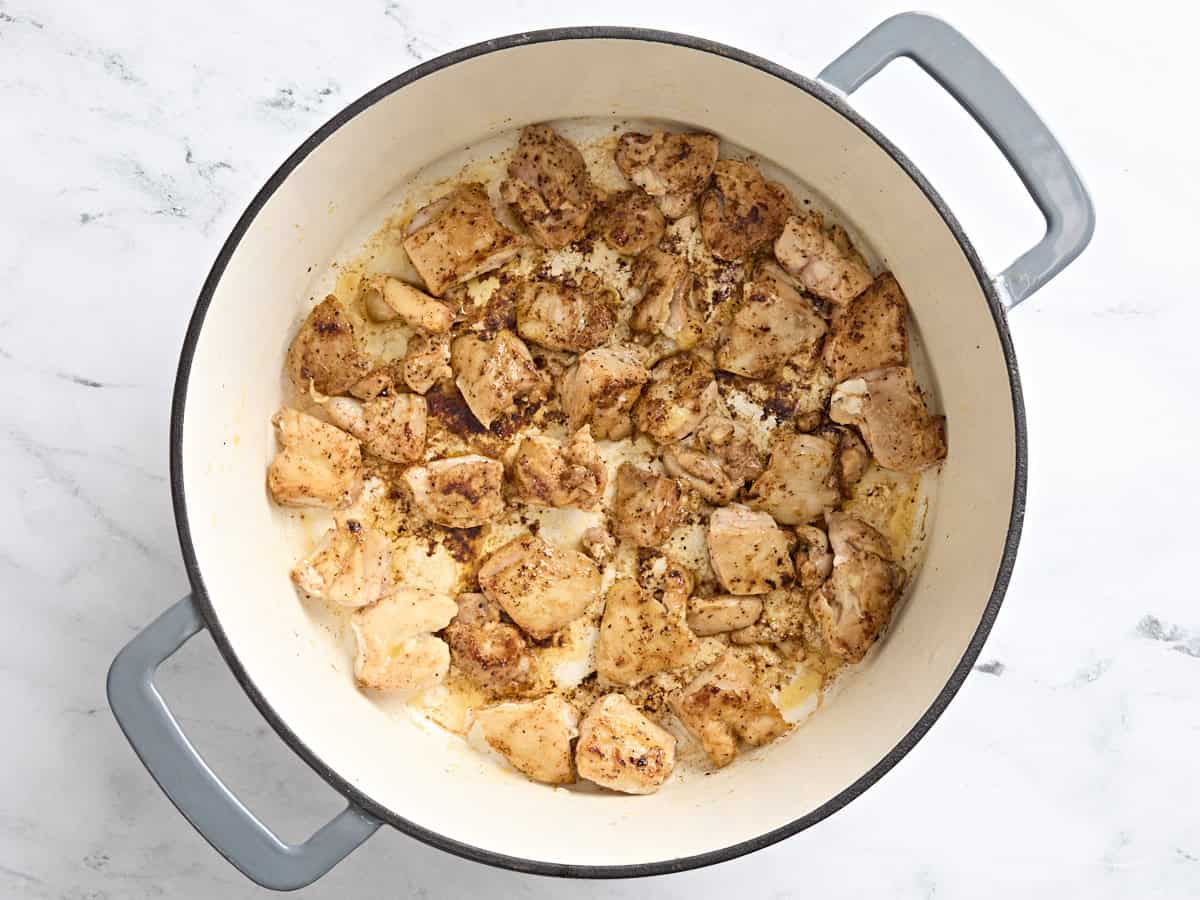
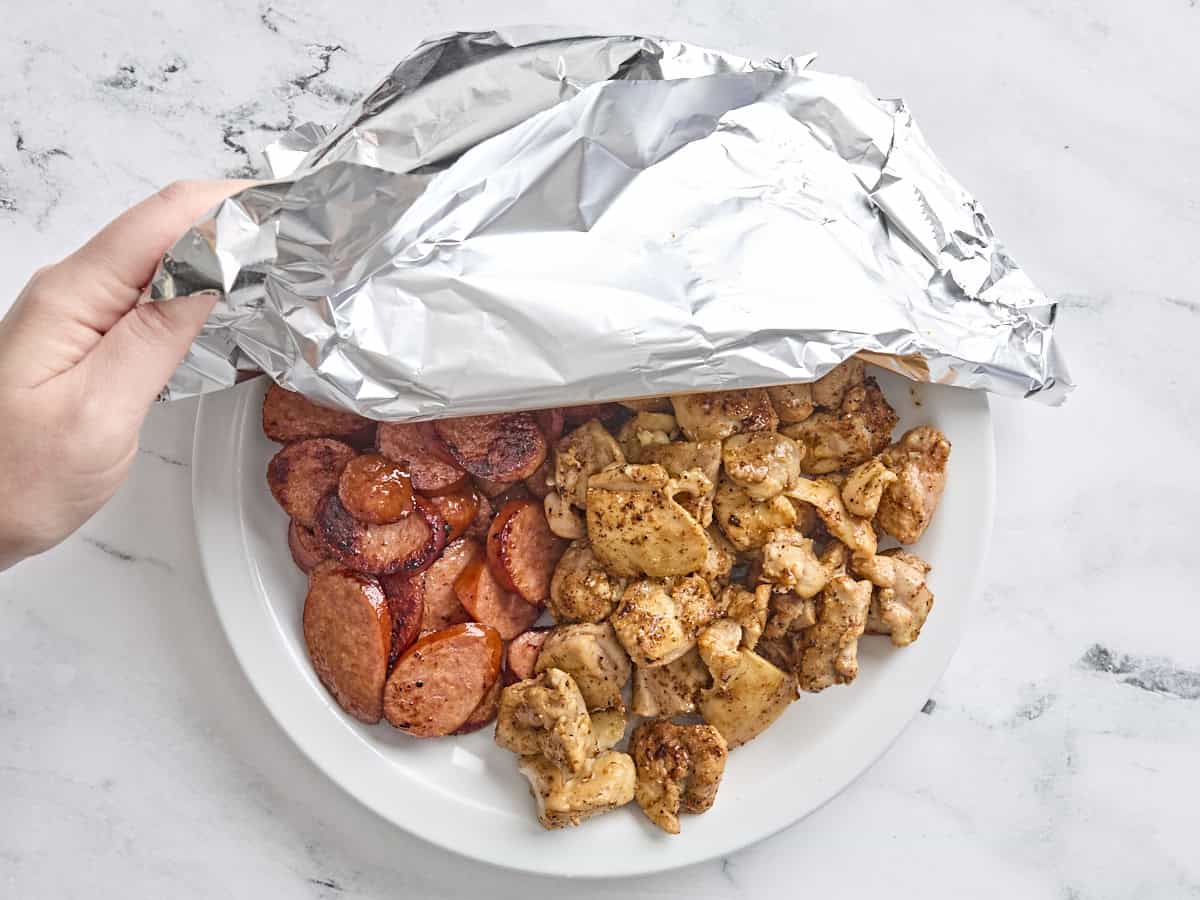
The process begins with the browning of the sliced andouille sausage in a large skillet. This step is not merely for cooking the meat but for rendering the fat and creating a "fond"—the caramelized bits at the bottom of the pan that contribute to the final broth. The chicken thighs, seasoned with Cajun spices, are then seared in the same oil. Once browned, the meats are removed and set aside, ensuring they do not overcook during the long roux-making process.
Phase II: The Slow Roux
The heat is reduced, and the remaining oil and flour are combined. For the next 120 minutes, the cook must stir the mixture continuously. The transition from a "blonde" roux to a "peanut butter" roux and finally to a "dark chocolate" roux is the most time-consuming portion of the recipe. Experts suggest that the roux is finished when it reaches a color similar to an old copper penny or dark cocoa.
Phase III: Vegetable Integration and Simmering
Once the roux is perfected, the Holy Trinity is added directly to the hot flour-and-oil mixture. The moisture in the vegetables stops the cooking process of the roux, preventing it from burning. After the vegetables soften, the meats are returned to the pot along with the okra, garlic, spices, and chicken broth.
Phase IV: Final Maturation
The stew is brought to a boil and then reduced to a simmer for 30 minutes. This period allows the flavors to meld and the okra to release its thickening properties. In the final five minutes, fresh parsley, green onions, and hot sauce are added to provide a "bright" finish to the deep, heavy flavors of the stew.
Nutritional Data and Dietary Considerations
According to the nutritional breakdown provided by the Budget Bytes testing team, a single serving of gumbo with rice contains the following:
- Calories: 673 kcal
- Protein: 27g (54% of Daily Value)
- Total Fat: 37g (57% of DV)
- Carbohydrates: 58g (19% of DV)
- Sodium: 1280mg (56% of DV)
- Fiber: 4g (17% of DV)
While the dish is high in protein and provides significant energy, the sodium content is notable, largely due to the processed nature of andouille sausage and commercial broths. Analysts suggest that home cooks can mitigate sodium levels by using low-sodium chicken bouillon or homemade stock.
Storage and Sustainability
Gumbo is recognized by culinary professionals as a dish that often improves in flavor the following day, as the various aromatic compounds have more time to infuse. For optimal safety and quality, the dish should be cooled to room temperature before being placed in airtight containers. It can be refrigerated for three to four days or frozen for up to three months.
The ability to freeze gumbo makes it an excellent candidate for "batch cooking," a practice increasingly adopted by consumers to reduce energy consumption and manage time more efficiently. When reheating, it is recommended to do so on a stovetop to maintain the consistency of the roux-based sauce.
Broader Implications for the Culinary Industry
The continued popularity of labor-intensive dishes like gumbo in the modern era suggests a counter-trend to the "fast-casual" and "ultra-processed" food movements. Despite the two-hour commitment required for the roux, the dish’s cultural resonance and flavor depth continue to attract a new generation of home cooks.
Furthermore, the emphasis on Nashville Test Kitchen’s "rigorous testing" reflects a growing consumer demand for "fail-proof" recipes. As grocery prices remain a point of concern for many families, the assurance that a three-hour cooking process will result in a successful, delicious, and affordable meal is paramount. Gumbo, therefore, serves as both a culinary challenge and a testament to the enduring value of traditional cooking methods in a modern economy.
