
The Architectural Foundation of the Hotdish
The term "hotdish" is linguistically specific to the Midwest, used to describe a one-pan meal that traditionally includes a starch, a protein, a vegetable, and a creamy binder. The Mandatory Midwest Casserole adheres strictly to this structural integrity but introduces a significant culinary upgrade: the elimination of condensed canned soups.
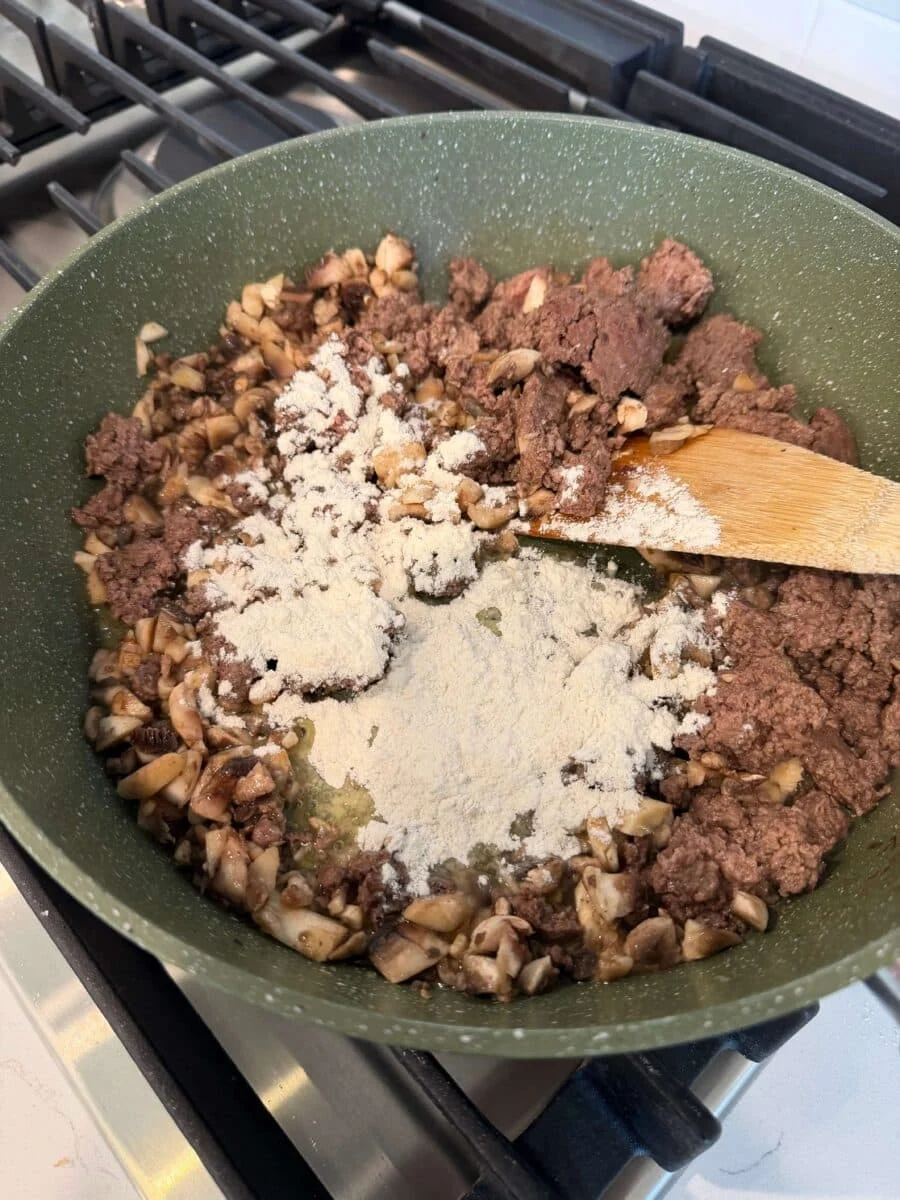
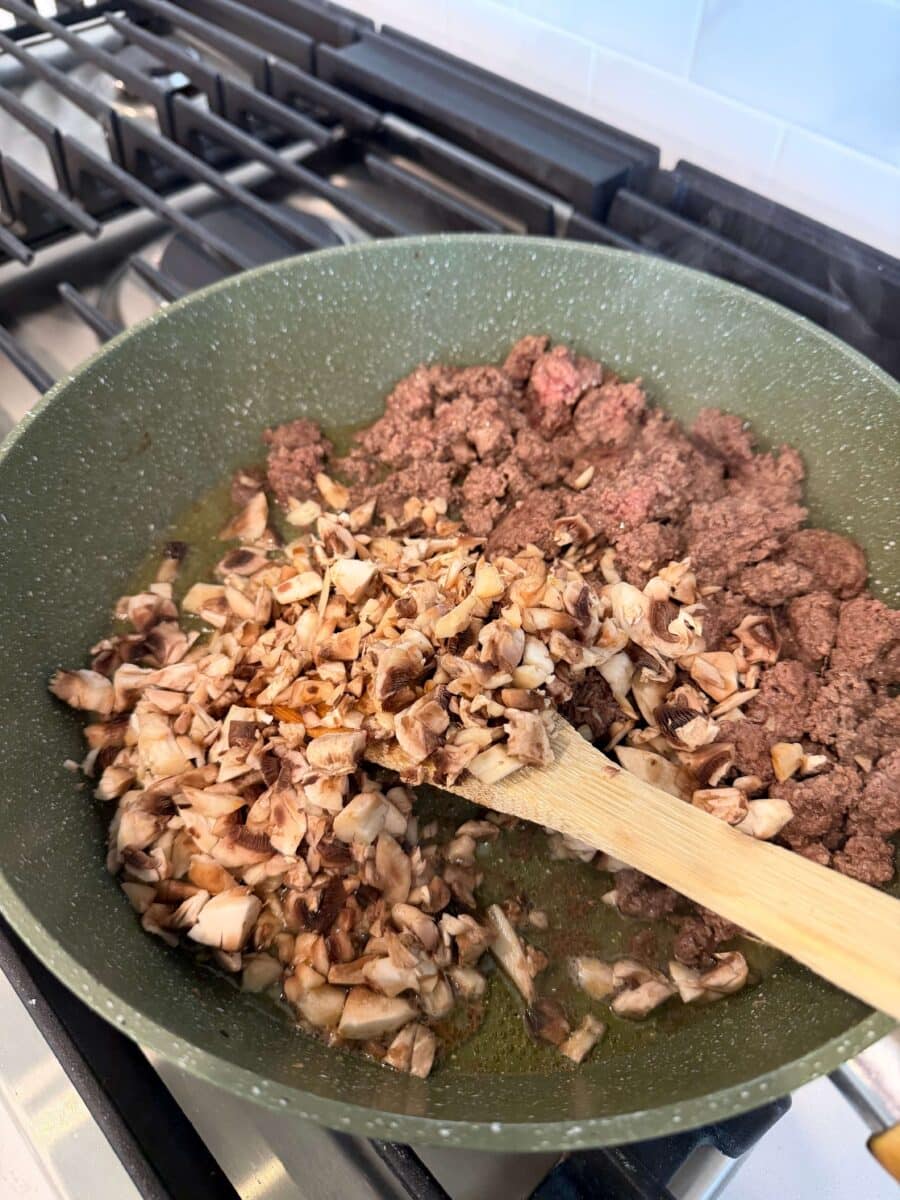
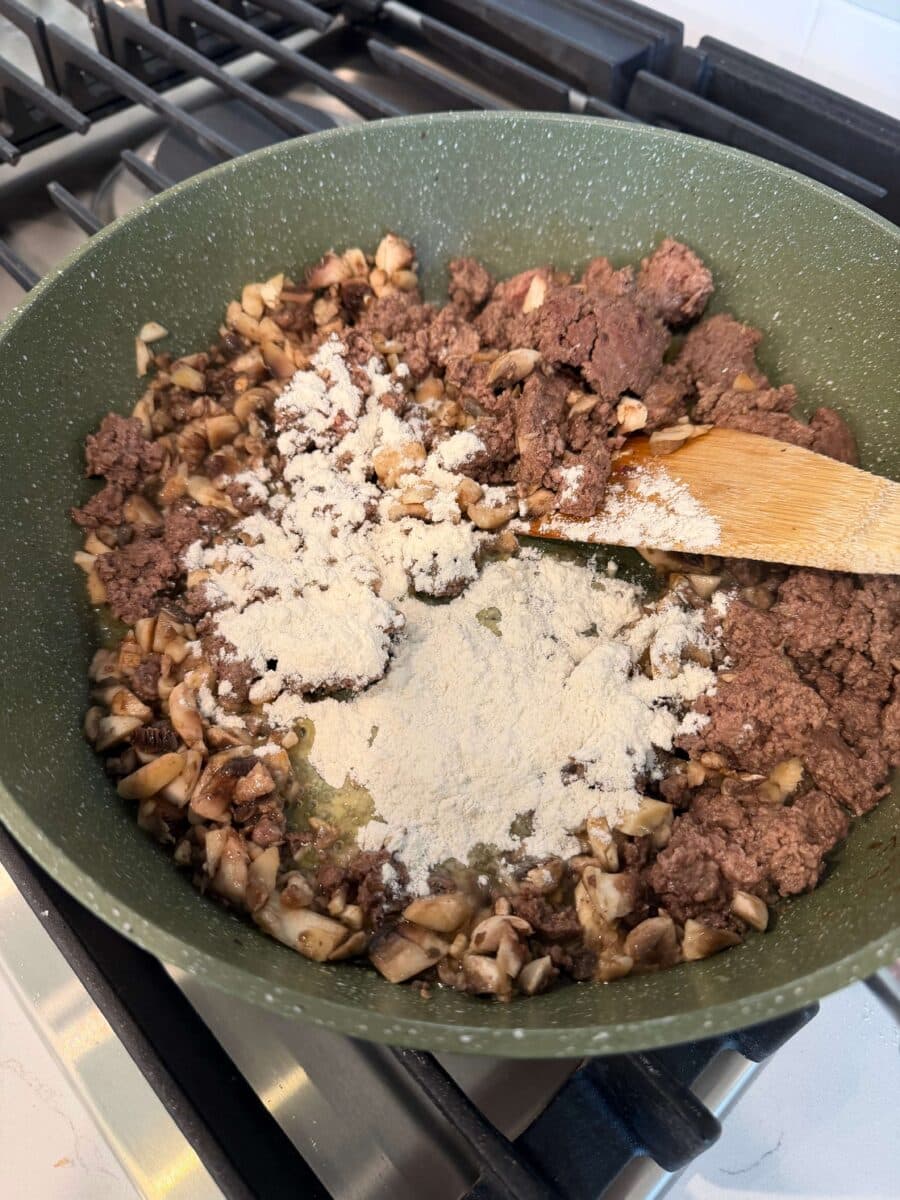
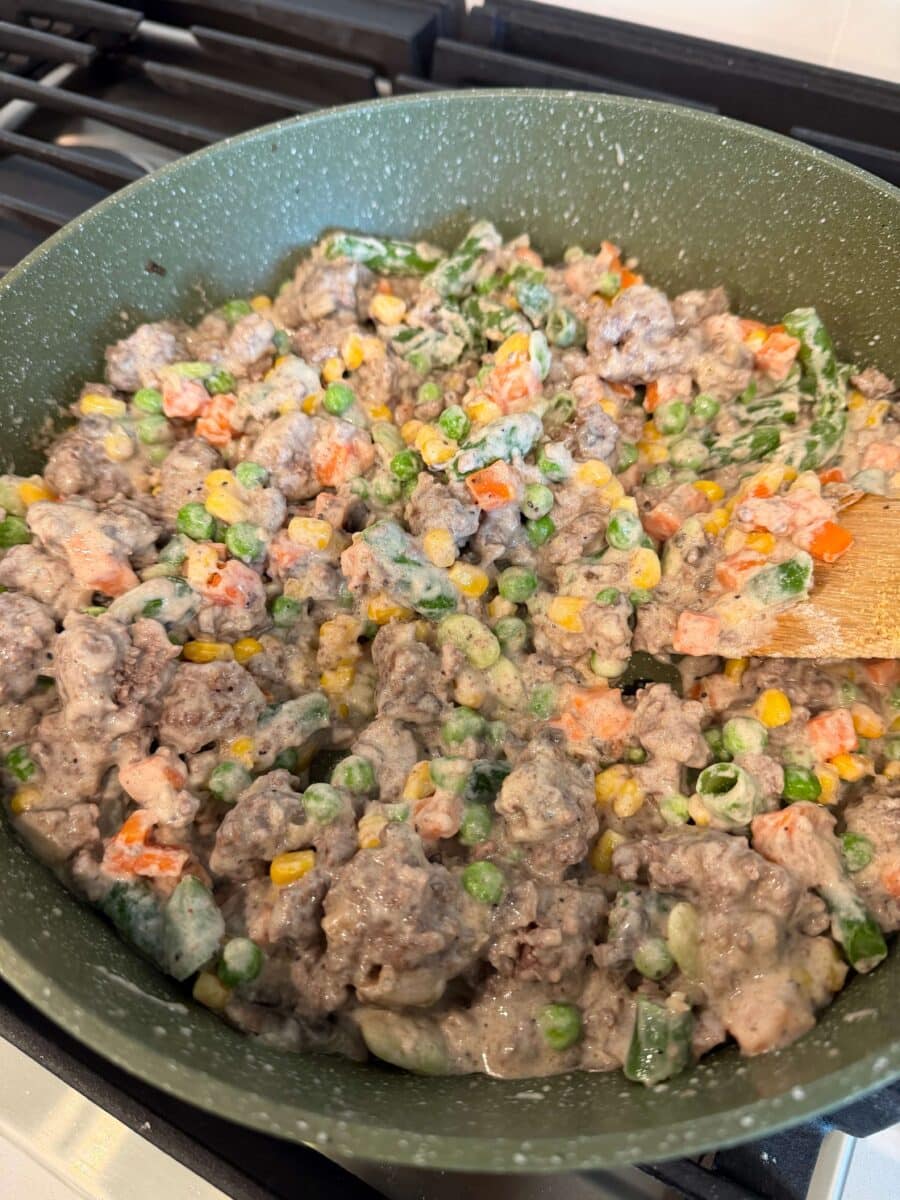
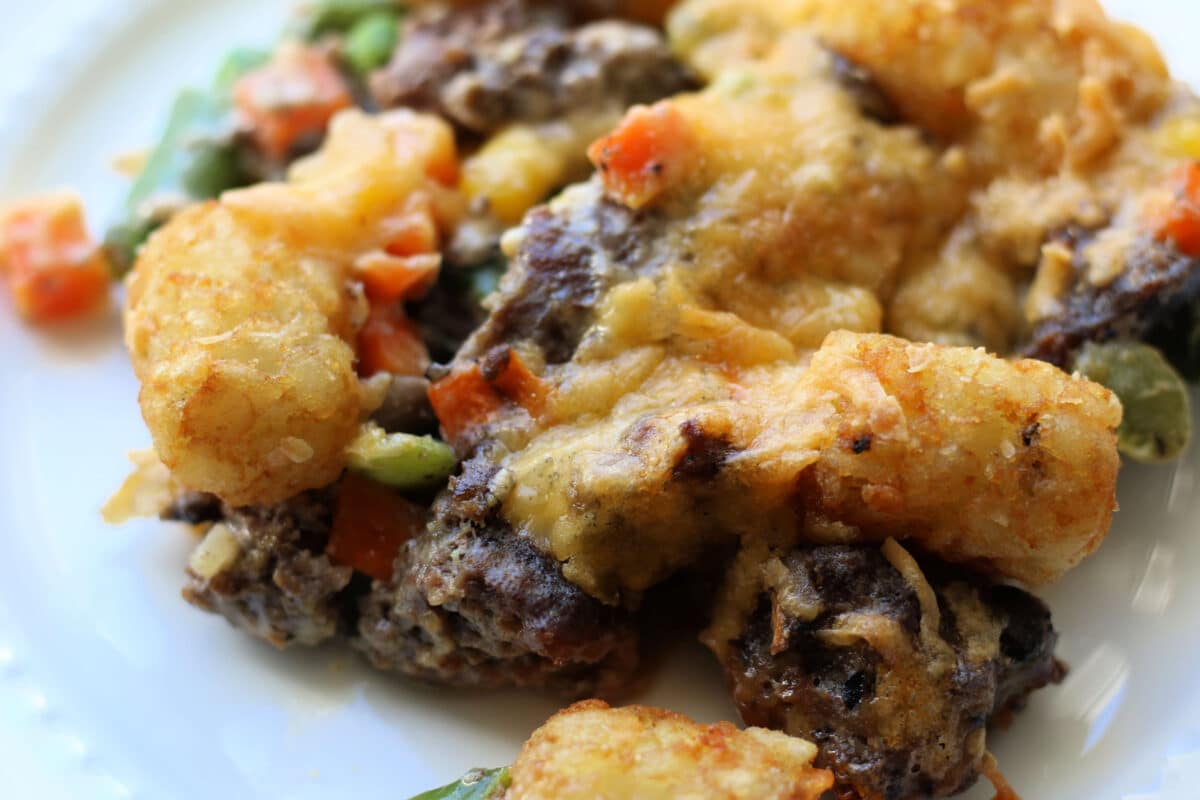
In this modernized iteration, the binder is created using a classic roux technique. By browning ground beef with mushrooms and onions, and then incorporating flour and half-and-half, the cook creates a béchamel-style sauce that coats the ingredients without the high sodium content and preservatives often found in commercial canned products. The inclusion of Worcestershire sauce provides an umami depth that complements the beef, while garlic powder, salt, and pepper offer a balanced seasoning profile. The vegetable component, often a mix of peas, carrots, or corn, provides both textural contrast and nutritional balance.
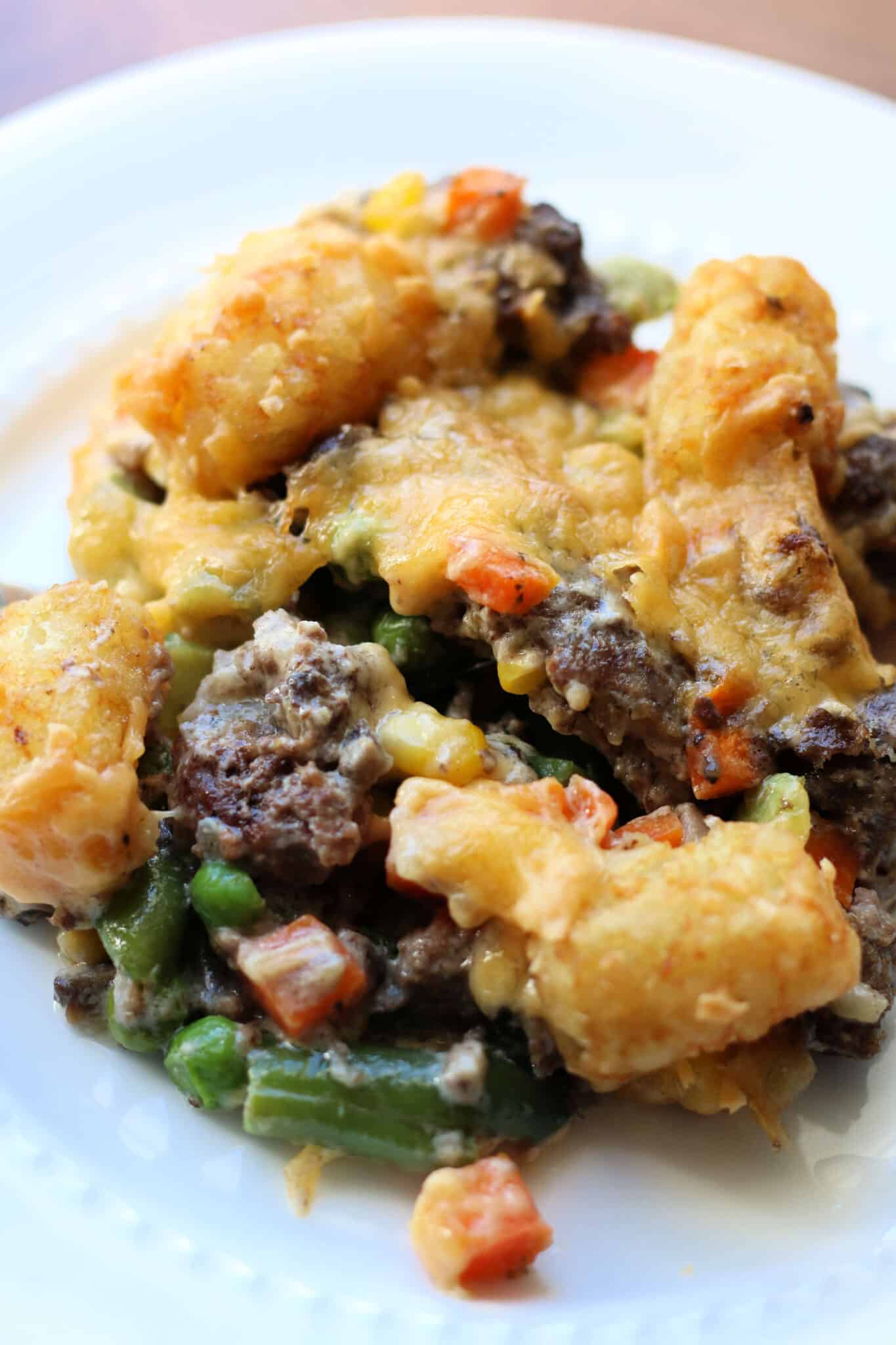
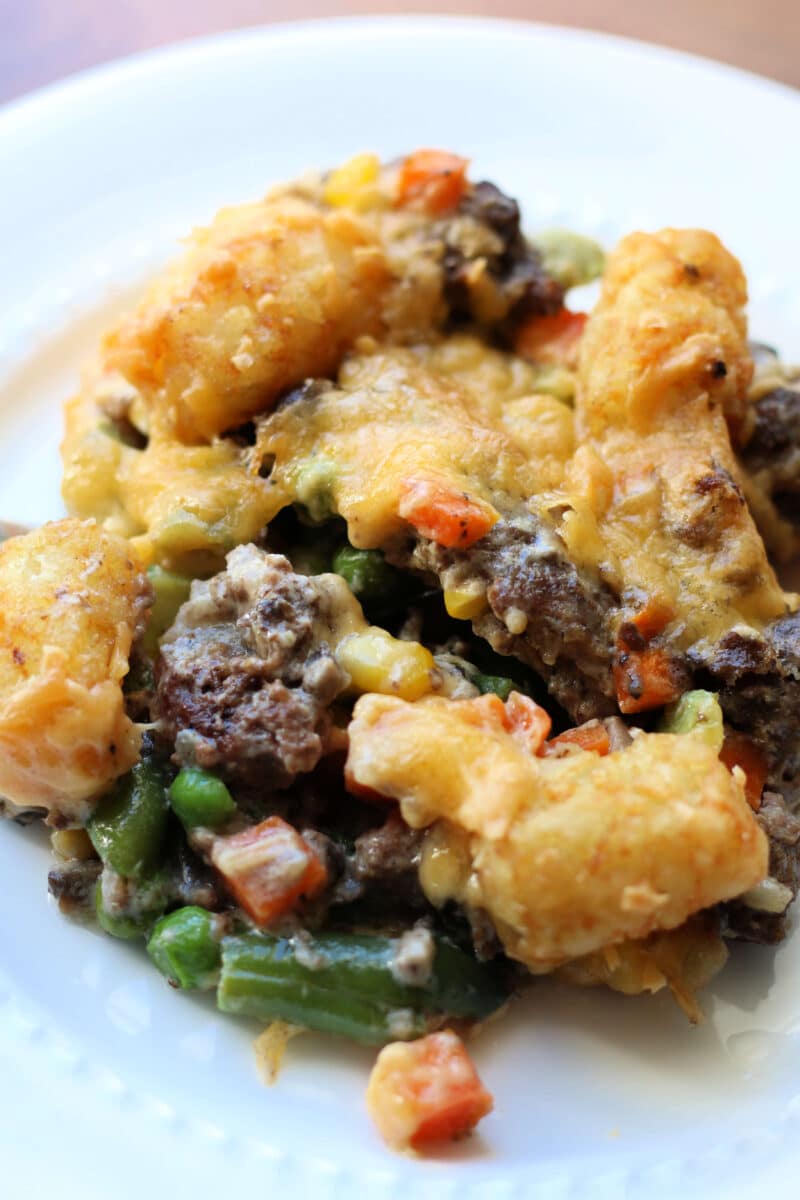
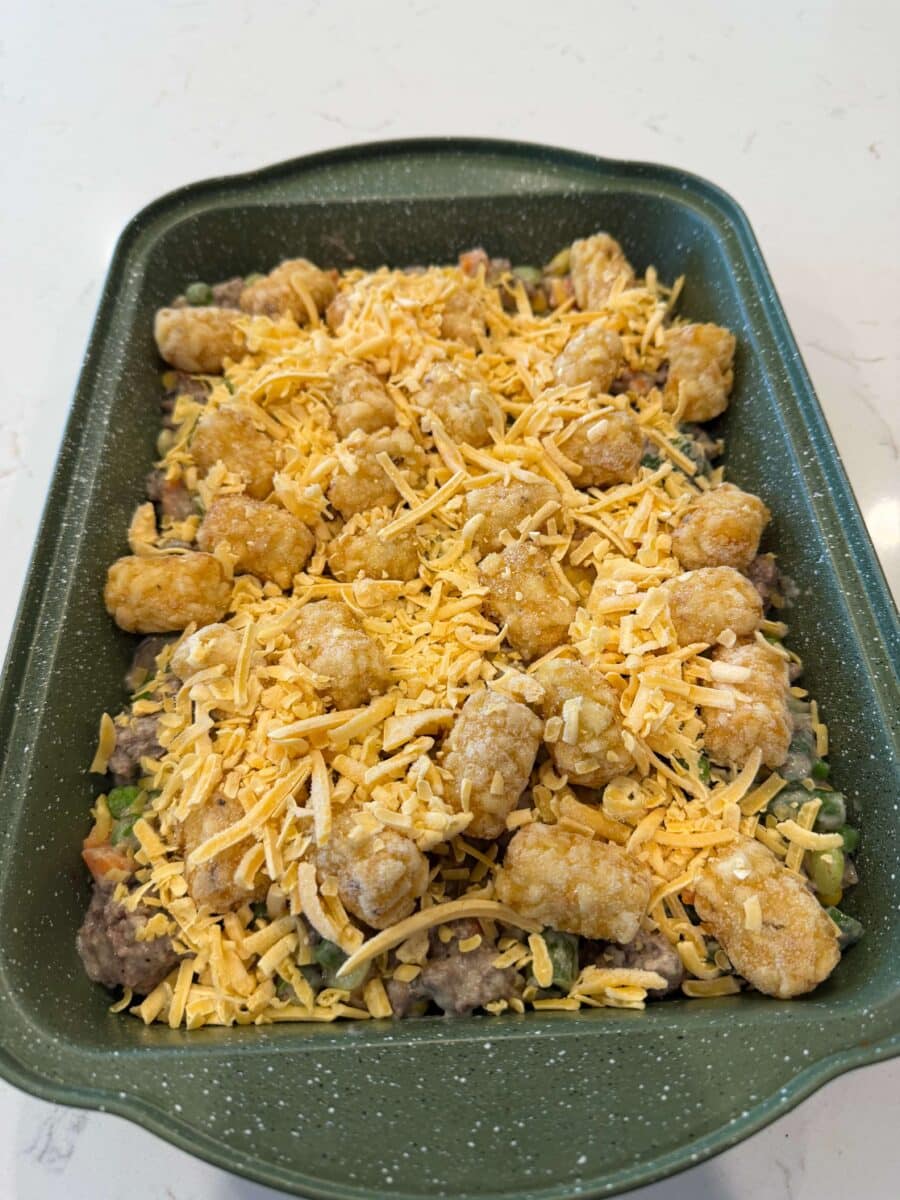
The crowning achievement of the dish is the layer of tater tots. Unlike mashed potato toppings found in Shepherd’s Pie or the pastry crusts of pot pies, the tater tot offers a unique combination of a fluffy interior and a high-surface-area exterior that crisps significantly during the 45-to-50-minute baking cycle at 375°F. The final addition of shredded cheddar cheese acts as a sealant, further unifying the components into a cohesive, sliceable meal.
A Chronology of the Casserole: From Survival to Comfort
The evolution of the Mandatory Midwest Casserole can be traced through several distinct eras of American history. Understanding this timeline is essential to grasping why the dish remains "mandatory" in its home region.
The Era of Necessity (1930s–1940s)
During the Great Depression, the casserole emerged as a vital tool for food conservation. "Stretching" expensive proteins like ground beef with cheaper fillers—such as potatoes, rice, or macaroni—allowed families to survive on limited budgets. During World War II, the dish became a patriotic staple as it utilized ration-friendly ingredients and could be prepared quickly by women entering the workforce.
The Golden Age of Convenience (1950s–1960s)
The modern identity of the Tater Tot Casserole was solidified in 1953, the year Ore-Ida founders F. Nephi Grigg and Golden Grigg invented the tater tot. Seeking a way to utilize leftover slivers of cut potatoes from French fry production, they seasoned the scraps, extruded them through holes, and fried them. Simultaneously, the proliferation of Campbell’s "Cream of Mushroom" soup provided a shelf-stable, effortless binder, leading to the "Can-Opener Cookery" era.
The Gourmet Revival (2010s–Present)
In the last decade, a "New Nordic" and "Elevated Comfort" movement has swept through the Midwest. High-end restaurants in Minneapolis and Chicago began putting deconstructed hotdishes on their menus, using Wagyu beef, locally sourced mushrooms, and house-made potato croquettes. The Mandatory Midwest Casserole represents the home-cook version of this trend—reclaiming the dish from its "processed" reputation by returning to from-scratch techniques.
Supporting Data: The Economics and Logistics of the One-Pan Meal
The enduring popularity of the Midwest casserole is supported by significant economic data regarding food consumption and household management. According to retail market research, the frozen potato market, which includes tater tots, has remained resilient even during periods of high inflation. In 2023, the global tater tot market was valued at approximately $1.2 billion, with a significant portion of domestic sales concentrated in the North Central United States.
From a nutritional and budgetary standpoint, the Mandatory Midwest Casserole offers a high "satiety-to-cost" ratio. A single 9×13-inch pan typically yields eight to ten servings. When calculated using average 2024 grocery prices, the cost per serving of a scratch-made hotdish remains under $2.50, even when using higher-quality half-and-half and fresh mushrooms. This makes it a primary choice for large families and "potluck" culture, which remains a social staple in Midwestern religious and community centers.
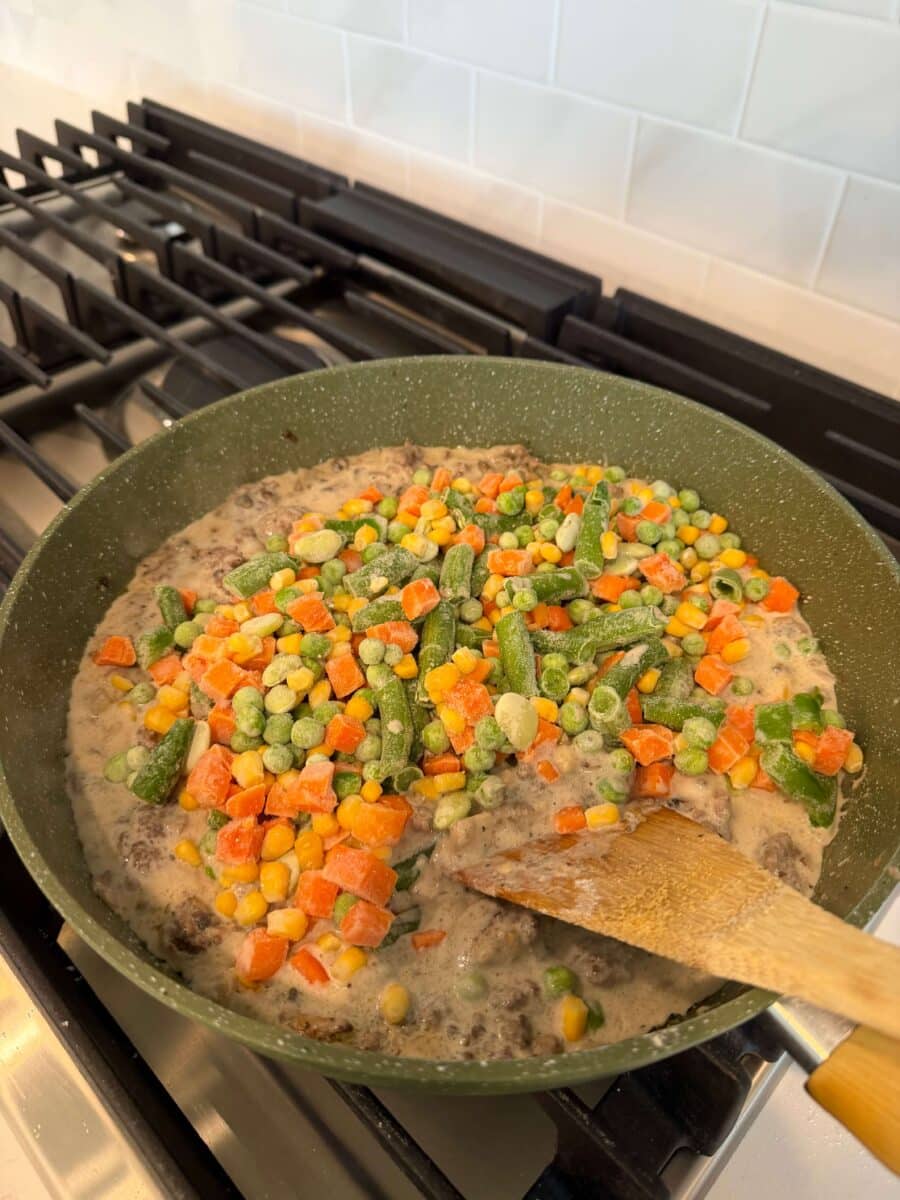
Furthermore, the "one-pan" nature of the dish addresses modern time-poverty. While the from-scratch version requires approximately 15 minutes of active stovetop prep time, the subsequent 50-minute bake time is passive, allowing for multitasking in the household.
Official Responses and Cultural Significance
The cultural weight of the hotdish is so significant that it has entered the halls of government. Since 2011, members of the Minnesota Congressional Delegation have participated in an annual "Hotdish Off," a bipartisan competition where representatives and senators submit their best versions of the dish.
Senator Amy Klobuchar, a frequent participant, has noted that the hotdish is a "common language" in the region. In official statements regarding the competition, participants often highlight how the dish represents "Midwestern values": humility, practicality, and the importance of community. The "Mandatory" nature of the casserole, as referenced in the title, suggests that to live in or identify with the Midwest is to have a personal relationship with this specific culinary form.
Culinary historians have also weighed in on the "from-scratch" movement within the region. Dr. Lucy Long, a scholar of foodways, suggests that by removing the "cream of" soups, cooks are asserting a form of culinary independence. "It’s a way of saying, ‘We value our traditions enough to make them better,’" Long notes in her research on regional American food identities.
Health Implications and Modern Adaptations
The shift toward the Mandatory Midwest Casserole’s scratch-made format also carries health implications. Traditional versions using canned soups can contain upwards of 800mg of sodium per serving, nearly 35% of the FDA’s recommended daily intake. By controlling the salt content in the roux and using fresh vegetables, the scratch-made version allows for a significant reduction in sodium and the elimination of MSG and modified corn starch.
The recipe also demonstrates high levels of adaptability for modern dietary restrictions. Data from food allergy advocacy groups suggests an increasing demand for gluten-free and dairy-free comfort foods. The "from-scratch" method facilitates these changes:

- Gluten-Free: Utilizing a 1:1 gluten-free flour blend in the roux.
- Low-Carb: Replacing tater tots with roasted cauliflower florets (though purists argue this removes it from the "hotdish" category).
- Plant-Based: Substituting ground beef with lentil crumbles or plant-based meat alternatives.
Broader Impact: The Digital Renaissance of Regional Cooking
The Mandatory Midwest Casserole is currently benefiting from a digital renaissance. On platforms such as TikTok and Pinterest, "Midwest Gothic" and "Regional Aesthetic" trends have brought traditional recipes to Gen Z and Millennial audiences. The visual appeal of symmetrical tater tot rows topped with melted cheese is highly "Instagrammable," contributing to the viral nature of the recipe.
This digital visibility has a tangible impact on the agricultural sector. Increased interest in home-made casseroles drives demand for domestic beef and potato production. Minnesota and North Dakota, as top producers of sugar beets, potatoes, and cattle, see a direct economic link between the popularity of these regional dishes and the health of their local agricultural economies.
Conclusion: The Enduring Legacy of the Hotdish
The Mandatory Midwest Casserole is more than a relic of 1950s Americana; it is an evolving, living recipe that adapts to the needs of the modern consumer. By balancing the nostalgia of the tater tot with the culinary integrity of a from-scratch cream sauce, the dish bridges the gap between the past and the future.
As the American culinary landscape becomes increasingly globalized, the fierce protection and elevation of regional staples like the Midwest hotdish serve as a reminder of the power of place-based cooking. Whether served in a church basement in rural Minnesota or a modern kitchen in a suburban development, the Mandatory Midwest Casserole remains a definitive symbol of hospitality, efficiency, and the enduring appeal of the American heartland. It is a meal designed to sustain, not just the body, but the social fabric of the communities that continue to bake it, layer by layer.
