
The culinary landscape of casual dining is constantly evolving, with home cooks and professional chefs alike seeking innovative ways to elevate familiar favorites. For decades, the burger has reigned supreme as the quintessential handheld meal, a symbol of backyard barbecues and quick, satisfying lunches. However, a growing interest in healthier eating habits, coupled with a desire for more diverse flavor profiles, is prompting a shift. Among the most promising alternatives to the traditional beef patty is grilled salmon, a versatile and nutritious ingredient that offers a sophisticated yet approachable twist on the beloved slider format. This exploration delves into the compelling reasons why salmon sliders are poised to become a staple, examining their nutritional advantages, textural appeal, and the boundless possibilities for customization that make them an exciting departure from conventional burgers.
The Nutritional Powerhouse: Why Salmon is a Smart Swap
The appeal of salmon sliders extends far beyond mere novelty; it’s rooted in a foundation of significant health benefits. Red meat, while a source of essential nutrients, is often associated with higher saturated fat content. In contrast, salmon stands out as a champion of lean protein, crucial for muscle repair and satiety. According to the U.S. Department of Agriculture (USDA), a 3-ounce serving of cooked salmon provides approximately 22-25 grams of protein, a comparable amount to many beef patties.
Furthermore, salmon is renowned for its rich omega-3 fatty acid content, specifically EPA (eicosapentaenoic acid) and DHA (docosahexaenoic acid). These polyunsaturated fats are not only vital for cardiovascular health, helping to reduce blood pressure and triglyceride levels, but also play a critical role in brain function and reducing inflammation throughout the body. The National Institutes of Health (NIH) highlights that regular consumption of fatty fish like salmon is linked to a lower risk of heart disease, stroke, and even certain types of cancer.
Beyond protein and omega-3s, salmon is a good source of essential vitamins and minerals, including Vitamin D, Vitamin B12, selenium, and iodine. Vitamin D is crucial for bone health and immune function, while B12 is vital for nerve function and the formation of red blood cells. Selenium acts as a powerful antioxidant, protecting cells from damage, and iodine is essential for thyroid hormone production. Incorporating grilled salmon into sliders thus transforms a typically indulgent meal into a nutrient-dense option, aligning with the modern consumer’s demand for both taste and well-being.
A Textural Revelation: Beyond the Beef Patty
The textural experience of a slider is a key component of its appeal, and grilled salmon offers a unique and compelling dimension that sets it apart from beef. While a well-cooked beef patty can be juicy and tender, salmon provides a more nuanced textural landscape. When grilled to perfection, salmon develops a delightfully crispy skin that offers a satisfying crunch, a contrast to the buttery, flaky flesh beneath. This duality of textures adds an element of sophistication to each bite, providing a more complex mouthfeel than the uniform consistency of ground meat.
The inherent flavor of salmon is also more delicate and nuanced than that of beef. This subtlety allows it to pair exceptionally well with a wide array of complementary ingredients, from bright citrus notes to fresh herbs and creamy sauces. Unlike the robust, often dominant flavor of beef, salmon’s milder profile acts as a canvas, readily absorbing and enhancing the flavors of its accompaniments. This makes salmon sliders an ideal vehicle for exploring diverse culinary inspirations, from zesty Mediterranean-inspired toppings to Asian-infused condiments. The ability to achieve both crispness and tenderness in salmon, combined with its adaptable flavor, makes it a truly exciting ingredient for reinventing the slider experience.
Crafting the Perfect Salmon Slider: A Recipe for Success
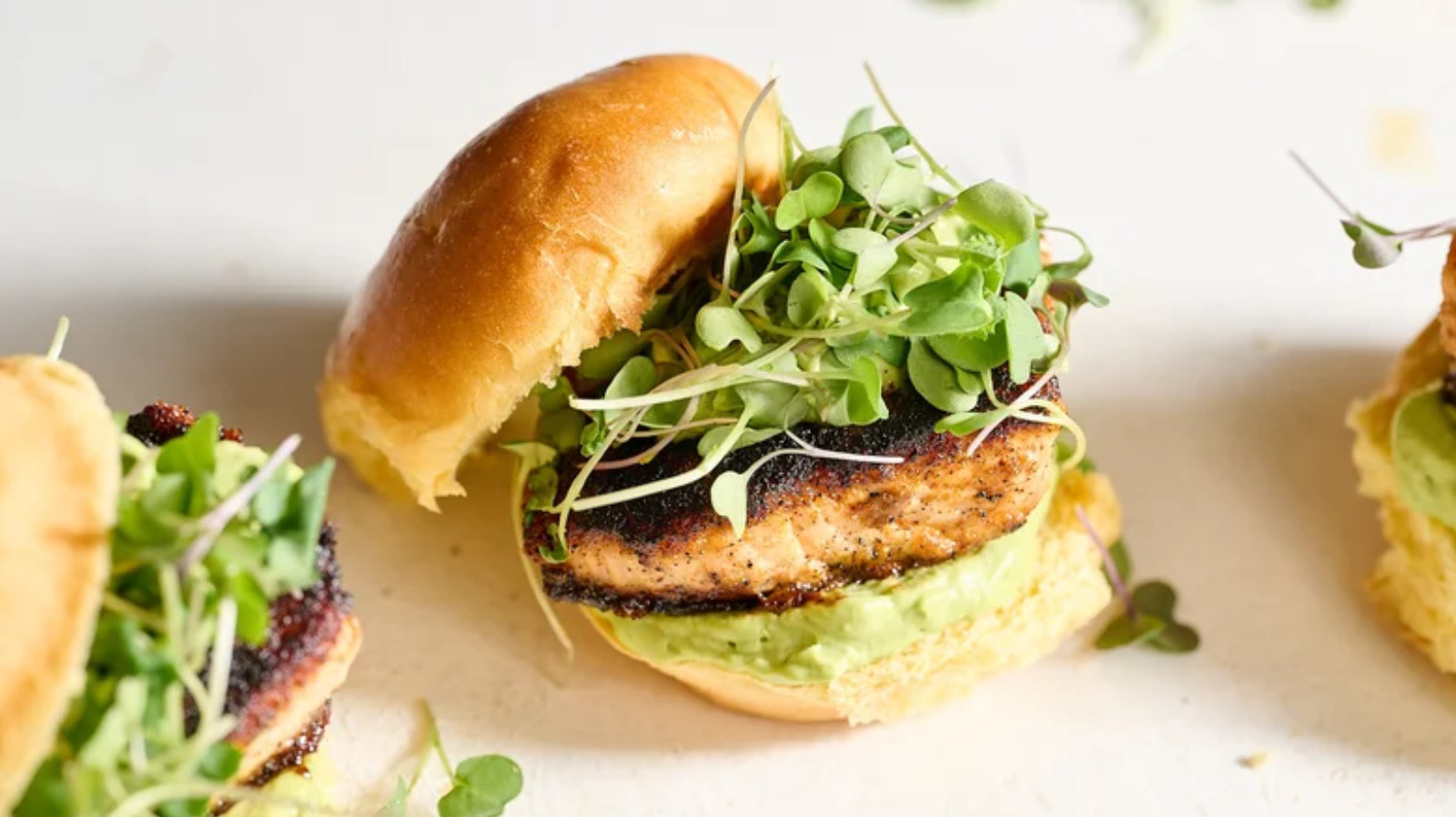
The process of creating exceptional salmon sliders begins with a well-seasoned protein and a thoughtful assembly. A common approach involves preparing a flavorful spice blend to generously coat the salmon fillets before grilling. This rub can be customized to personal preference, but often includes ingredients like paprika, garlic powder, onion powder, salt, and pepper, with the option to add a touch of cayenne for subtle heat. The salmon is then seared in a hot skillet with a bit of oil, cooked to the desired level of doneness—whether medium-rare for a melt-in-your-mouth experience or more thoroughly cooked for a firmer texture.
Complementing the rich salmon is an equally delightful sauce. An avocado crema, as suggested in popular recipes, offers a cool and creamy counterpoint to the grilled fish. This crema is typically made by blending ripe avocado with sour cream or Greek yogurt, a touch of garlic, salt, and a squeeze of fresh lime juice. The tanginess of the lime and the richness of the avocado create a harmonious balance that enhances the overall flavor profile.
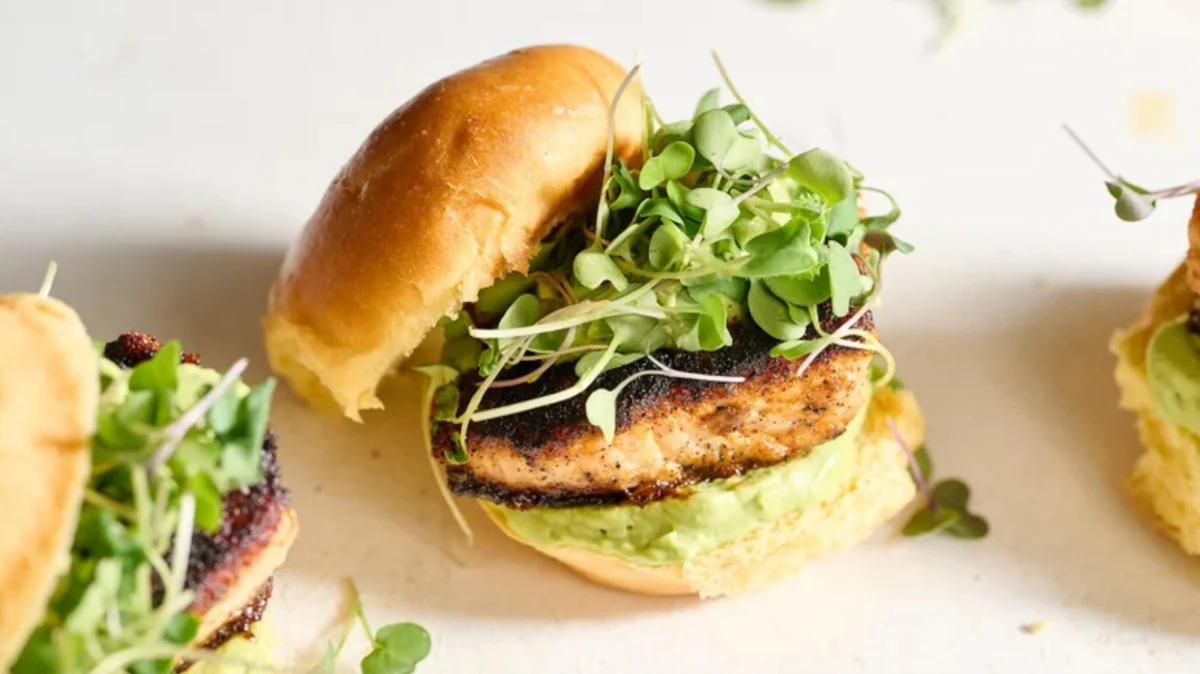
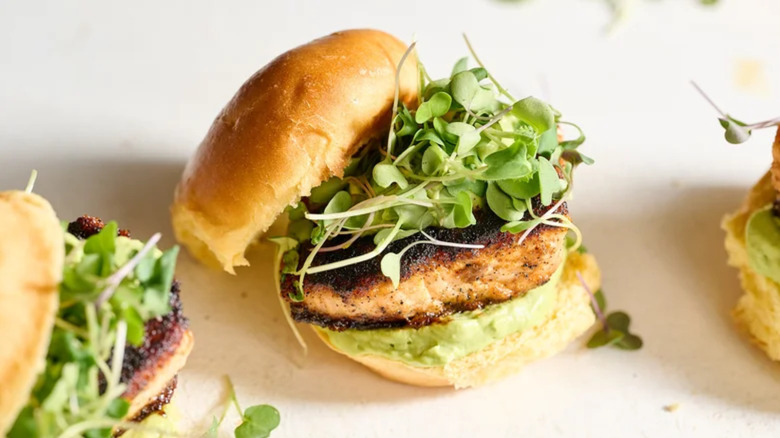
The final assembly takes place on soft, slightly sweet brioche buns, though other preferred rolls like potato buns or whole wheat options can also be used. The grilled salmon fillet, dressed with the avocado crema, is nestled within the bun. While microgreens offer a delicate, peppery finish and a vibrant visual appeal, the beauty of salmon sliders lies in their adaptability. This foundational recipe provides a delicious starting point, but the true magic unfolds in the personalization and creative topping choices that can be explored.
Elevating the Experience: A World of Topping Possibilities
The inherent simplicity of salmon sliders, particularly when compared to the often laborious process of making homemade salmon burgers from scratch, frees up time and culinary energy to focus on the finishing touches. This makes them an ideal weeknight meal and a fantastic option for entertaining, allowing hosts to cater to a variety of tastes.
For those who find avocado crema too mild or simply prefer a different creamy element, a homemade garlic aioli presents a robust and flavorful alternative. The classic pairing of garlic and salmon is timeless, and an aioli, typically made with egg yolks, oil, garlic, and lemon juice, provides a rich and emulsified sauce. The addition of a hint of lemon juice, as found in many aioli recipes, introduces a welcome acidity that cuts through the richness of the fish and the sauce.
Spice enthusiasts can introduce a kick to their sliders with a sprinkle of chipotle powder in the spice rub or by incorporating a smoky chipotle aioli. For those who appreciate herbaceous notes, finely chopped fresh dill or parsley can be mixed into the crema or aioli, or sprinkled directly onto the salmon. Dill, in particular, is a classic pairing with salmon, offering a fresh, slightly anise-like flavor.
Beyond sauces and herbs, traditional burger accoutrements can also be thoughtfully integrated. A crisp leaf of lettuce and a juicy slice of tomato offer a familiar burger-like crunch and freshness. Pickled red onions provide a vibrant splash of color and a delightful tangy contrast that cuts through the richness of the salmon. For a more complex and refreshing topping, an Asian-inspired coleslaw, with its bright, tangy dressing and crunchy vegetables like shredded cabbage and carrots, can offer a vibrant counterpoint to the salmon’s inherent richness. The possibilities are virtually endless, encouraging a personalized approach to slider creation that ensures every bite is a delicious discovery.
A Culinary Shift: The Broader Impact of Salmon Sliders
The rise of salmon sliders signifies more than just a fleeting food trend; it reflects a broader shift in consumer preferences and culinary innovation. As awareness of health and wellness continues to grow, individuals are actively seeking ways to incorporate more nutritious options into their diets without sacrificing flavor or enjoyment. Salmon sliders perfectly encapsulate this movement, offering a guilt-free indulgence that is both satisfying and beneficial.
The adaptability of the salmon slider also speaks to a growing appreciation for versatile ingredients and customizable meals. In an era where personalized experiences are highly valued, the ability to tailor a dish to individual tastes and dietary needs is a significant advantage. Salmon sliders, with their open-ended topping possibilities, empower consumers to become active participants in their culinary journey, transforming a simple meal into a creative expression.
Furthermore, the ease of preparation associated with salmon sliders makes them an accessible option for home cooks of all skill levels. The straightforward cooking process and the minimal number of core ingredients mean that delicious, restaurant-quality sliders can be prepared in a fraction of the time it might take to craft traditional beef burgers from scratch. This convenience factor, coupled with the health and flavor benefits, positions salmon sliders as a compelling alternative that could indeed lead to a permanent shift in weekly meal planning, potentially replacing traditional burger nights with more frequent, flavorful, and nutritious salmon slider occasions. The culinary world is embracing this lighter, brighter, and more health-conscious take on a beloved classic, and the salmon slider is undoubtedly leading the charge.
