
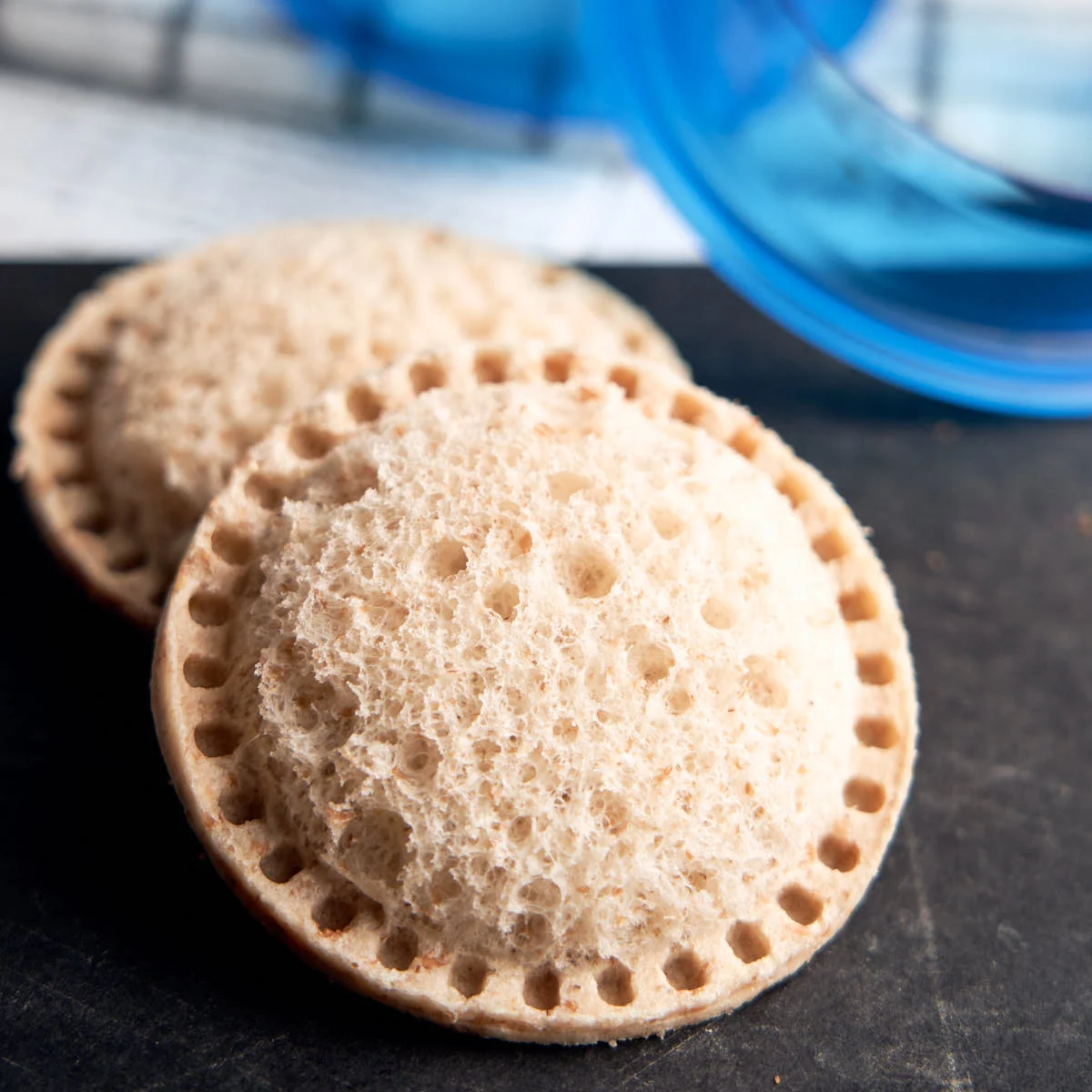
The familiar, pre-packaged convenience of Uncrustables sandwiches has been a staple in lunchboxes for years. However, a growing movement toward homemade alternatives is highlighting the significant benefits of creating these beloved treats in one’s own kitchen. This trend is driven by a desire for healthier ingredients, reduced environmental impact, and considerable cost savings, making the homemade peanut butter and honey Uncrustable a popular choice for families.
The appeal of the homemade Uncrustable extends beyond mere nostalgia. While the original store-bought version offers a quick and easy solution, a closer examination of its nutritional profile often reveals a less desirable ingredient list. Commercial "honey spreads," for instance, frequently list sugar as their primary component, and the peanut butter itself may contain added sugars and other preservatives. By contrast, crafting Uncrustables at home empowers consumers to meticulously select their ingredients. This allows for the use of natural peanut butter with no added sugar and pure honey, a simple yet impactful shift towards a healthier diet. This conscious ingredient selection is a cornerstone of the homemade food movement, emphasizing transparency and control over what enters the body.
The Economic Advantage of DIY Lunches
Beyond the nutritional improvements, the financial implications of making Uncrustables at home are substantial. The cost of pre-packaged sandwiches can accumulate rapidly, especially for households with multiple children. Producing these treats in bulk at home significantly reduces the per-unit cost. While the initial investment in a sandwich cutter and sealer might seem like an additional expense, it quickly pays for itself through the savings on individual sandwich purchases. For example, a family purchasing a multi-pack of store-bought Uncrustables weekly could see their annual spending on this item decrease by hundreds of dollars by opting for a homemade approach. This economic benefit is particularly relevant in current economic climates where household budgets are under increasing scrutiny.
Environmental Considerations: Reducing Plastic Waste
The environmental impact of single-use packaging is a growing concern for consumers worldwide. Store-bought Uncrustables typically come individually wrapped in plastic, contributing to landfill waste. The homemade alternative offers a tangible solution to this problem. By utilizing reusable containers or beeswax wraps for storage, families can drastically reduce their plastic footprint. This conscious choice aligns with a broader societal shift towards sustainability and a more mindful consumption of resources. The ability to make a batch of sandwiches at the beginning of the week, store them efficiently, and avoid the constant cycle of disposable packaging presents a clear environmental advantage.
The Role of Kitchen Gadgets in Empowering Home Cooks
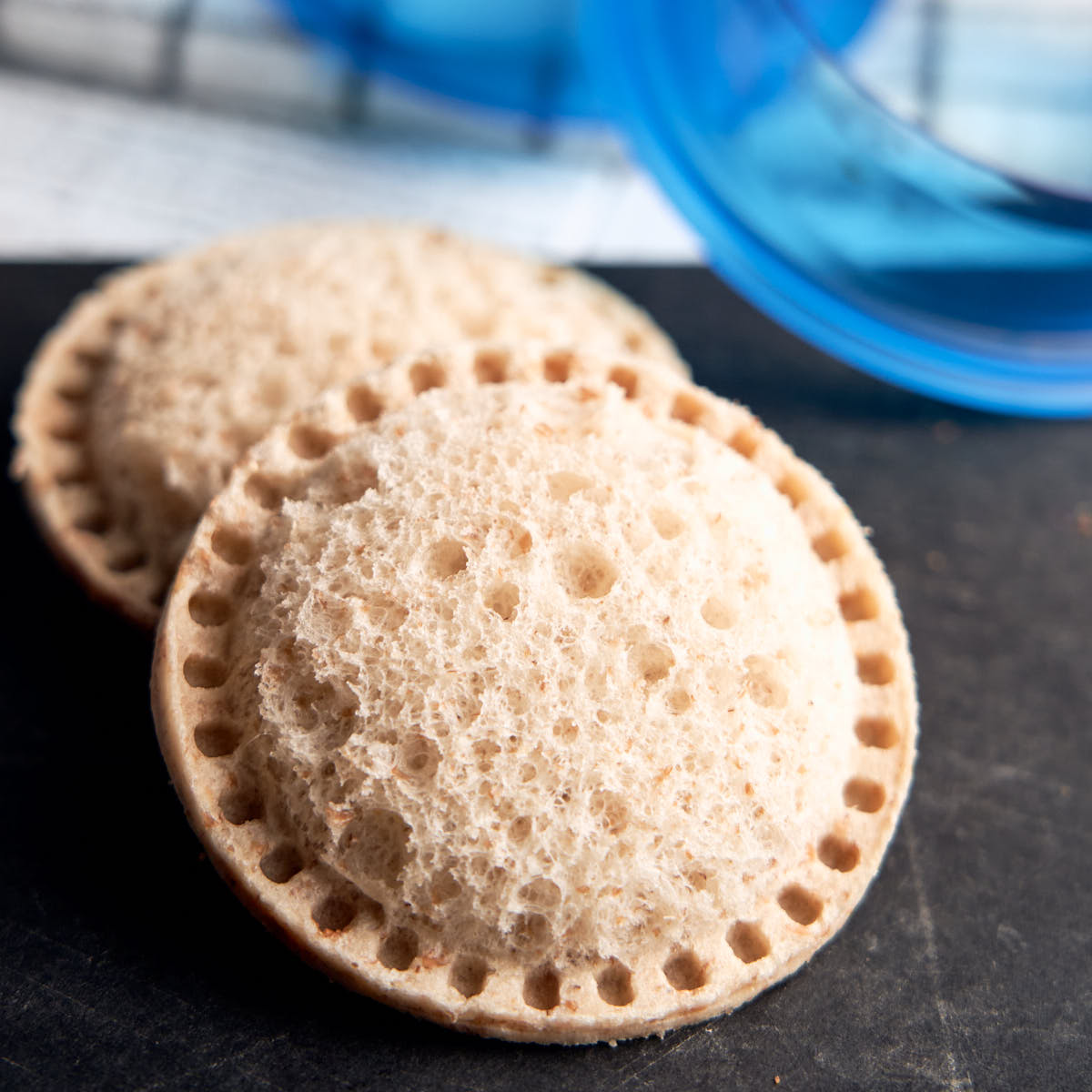
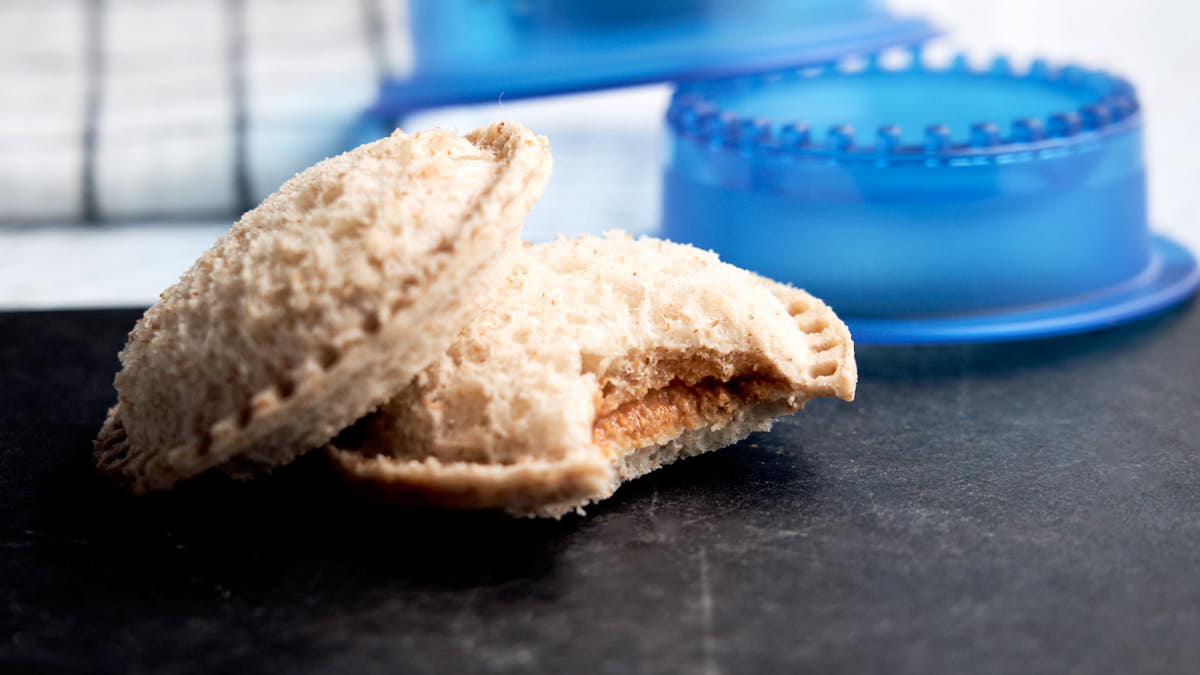
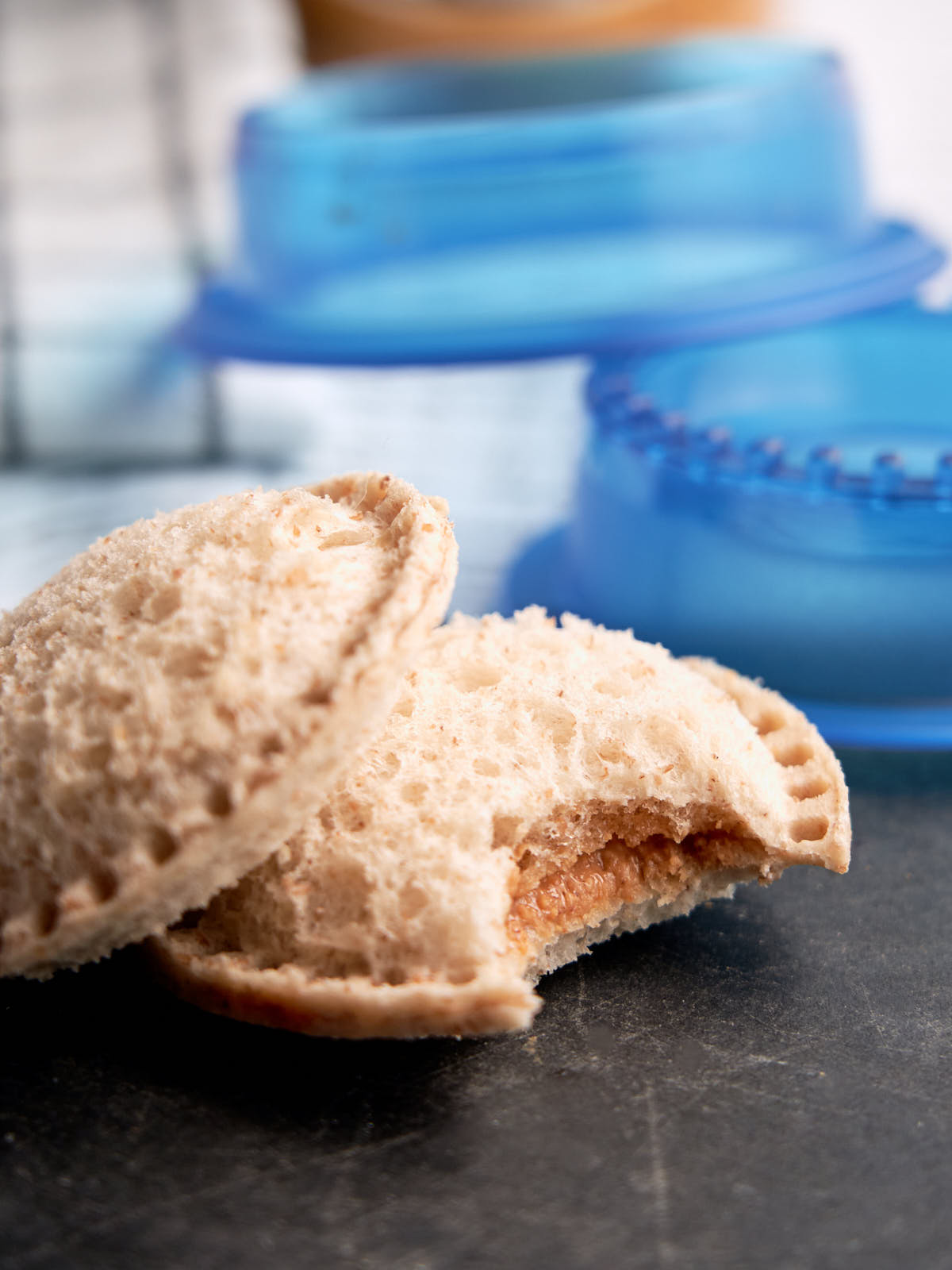
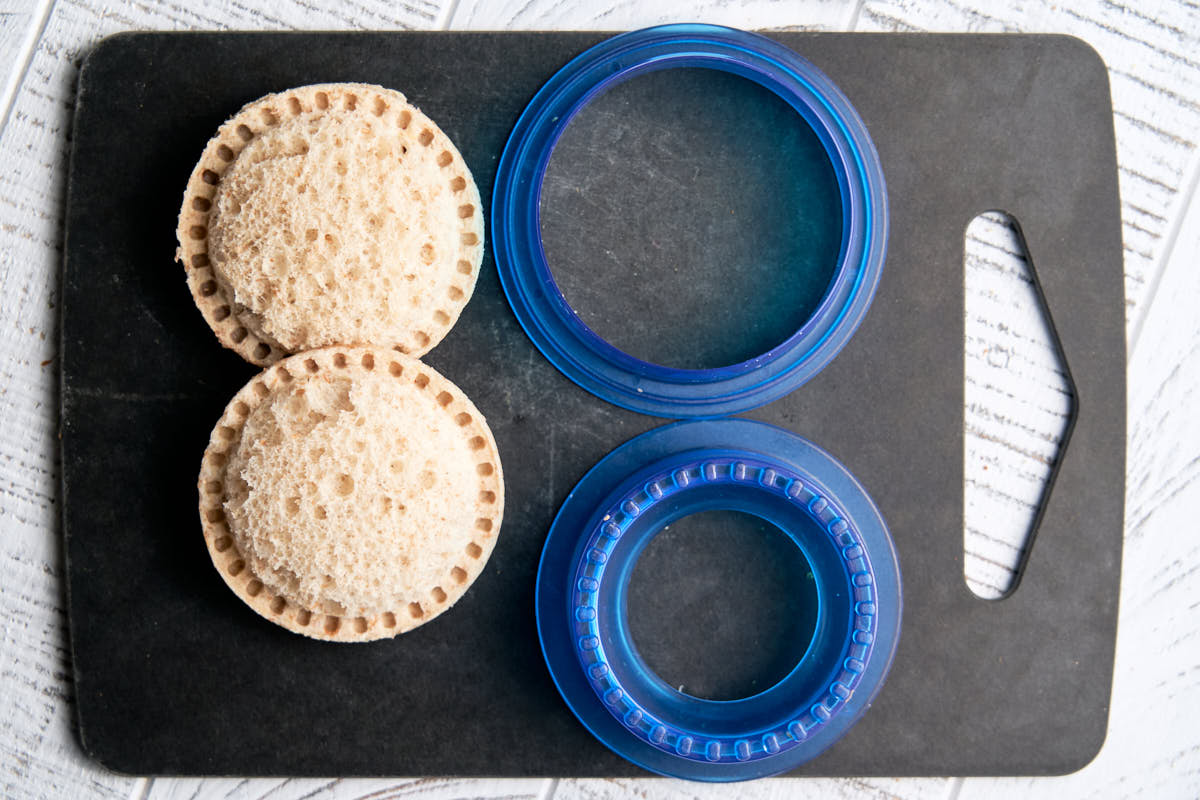
The rise of specialized kitchen tools has played a pivotal role in making homemade food preparation more accessible and enjoyable. The "Uncrustable maker," a simple yet effective tool that cuts and seals the edges of a sandwich, has become a key player in this trend. These devices, readily available on online marketplaces, transform ordinary bread, peanut butter, and honey into the iconic crustless sandwich. The ease of use associated with these tools makes them ideal for involving children in the cooking process, fostering a sense of accomplishment and encouraging healthier eating habits from a young age. The process itself can be an educational experience, teaching children about ingredients, food preparation, and the satisfaction of creating something themselves.
Maximizing Resources: Addressing Leftover Bread Crusts
A common question that arises with the use of sandwich cutters is the fate of the leftover bread crusts. Rather than discarding this edible portion, creative home cooks have found numerous ways to repurpose them. This zero-waste approach further enhances the cost-effectiveness and sustainability of the homemade Uncrustable. Some popular methods include transforming the crusts into homemade croutons, seasoned with herbs and spices for a flavorful snack or salad topper. Alternatively, they can be dried and blended into breadcrumbs, useful for a variety of culinary applications. In simpler instances, individuals might consume the crusts themselves, especially if only making a single sandwich, thereby eliminating any potential food waste. This resourceful utilization of all edible parts of the bread underscores a more conscientious approach to food consumption.
The "Uncrustable Maker" Phenomenon
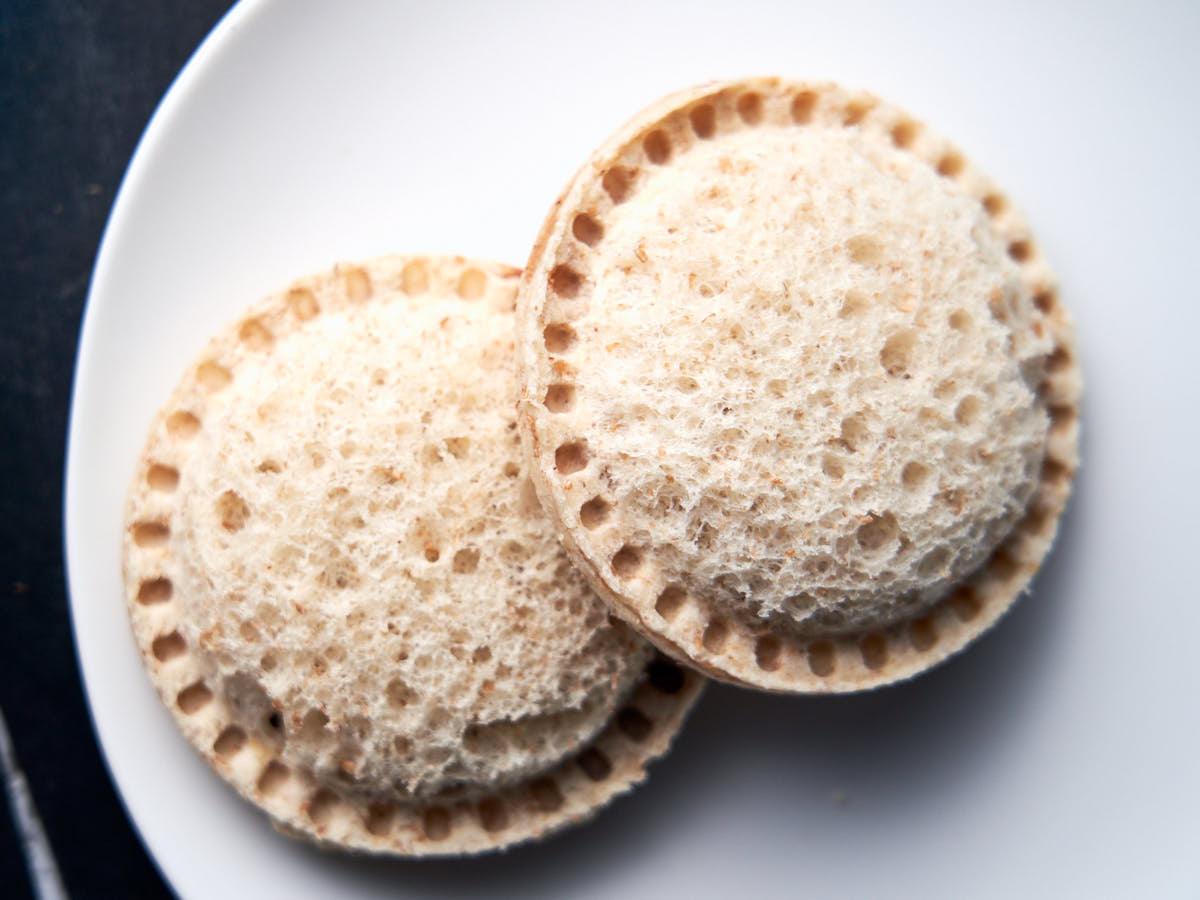
The market for sandwich sealers and cutters has seen a surge in popularity, with numerous options available to consumers. These tools vary in design, with some mimicking the classic crimped edge of the commercial Uncrustables, while others offer more decorative, wavy edges. Consumers often seek out these tools based on their perceived durability, ease of cleaning, and the specific aesthetic they achieve. Online reviews and product comparisons frequently highlight the effectiveness of certain models in creating a secure seal, preventing fillings from leaking. This availability and variety of tools democratize the process, allowing individuals to choose a product that best suits their needs and preferences.
A Look at Ingredient Quality and Nutritional Transparency
The divergence in ingredient quality between store-bought and homemade Uncrustables is a critical point of discussion. Commercial products often prioritize shelf-stability and mass production, which can lead to the inclusion of ingredients like high-fructose corn syrup, hydrogenated oils, and artificial flavorings. For example, a comparative analysis of ingredient lists might reveal that a popular brand’s "peanut butter spread" contains significantly more sugar and fewer actual peanuts than a natural peanut butter. Similarly, the "honey spread" in many pre-packaged sandwiches is primarily a mixture of sugars and thickeners, with minimal actual honey. By contrast, the homemade approach allows for the selection of ingredients that align with dietary goals, whether that be reducing sugar intake, avoiding allergens, or simply opting for more natural and less processed foods. This level of ingredient control is a primary driver for families seeking to make more informed dietary choices for their children.
The Broader Implications for Food Consumption
The trend of making homemade Uncrustables is indicative of a larger cultural shift towards mindful eating and a greater appreciation for home-prepared foods. As consumers become more aware of the ingredients in their food and the environmental impact of their choices, the appeal of DIY alternatives grows. This movement extends beyond simple convenience foods and encompasses a broader desire for transparency, health, and sustainability in our diets. The ability to replicate popular store-bought items at home empowers individuals to take control of their nutrition and their household budget, while also contributing to a more environmentally conscious lifestyle. As more families embrace this approach, the demand for wholesome, accessible recipes and tools that facilitate home cooking is likely to continue its upward trajectory. The humble peanut butter and honey Uncrustable, once a symbol of convenient processed food, is now re-emerging as a champion of wholesome, economical, and sustainable home cooking.
