
Historical Context of the Midwestern Casserole Tradition
To understand the significance of Grandma Grace’s Casserole, one must examine the broader sociological context of the American Midwest’s "hot dish" culture. For decades, potato-based casseroles—often colloquially referred to as "funeral potatoes" or "party potatoes"—have served as the backbone of communal dining in states such as Iowa, Illinois, and Minnesota. Historically, these dishes relied heavily on canned "cream of" soups as a binding agent, a reflection of the mid-20th-century shift toward convenience processing.
However, the specific iteration known as Grandma Grace’s Casserole distinguishes itself by utilizing a more refined, scratch-made cheese sauce. Culinary historians note that this transition from canned shortcuts to a roux-based Mornay sauce represents a period of "culinary refinement" within domestic spheres. The dish has traditionally been associated with specific seasonal observances, most notably Easter, where its creamy profile acts as a strategic pairing for the salt-forward profile of cured hams. The endurance of this recipe through multiple generations suggests a deep-seated cultural attachment to high-calorie comfort foods that facilitate social bonding.
Technical Innovation: The Integration of Multi-Cooker Technology
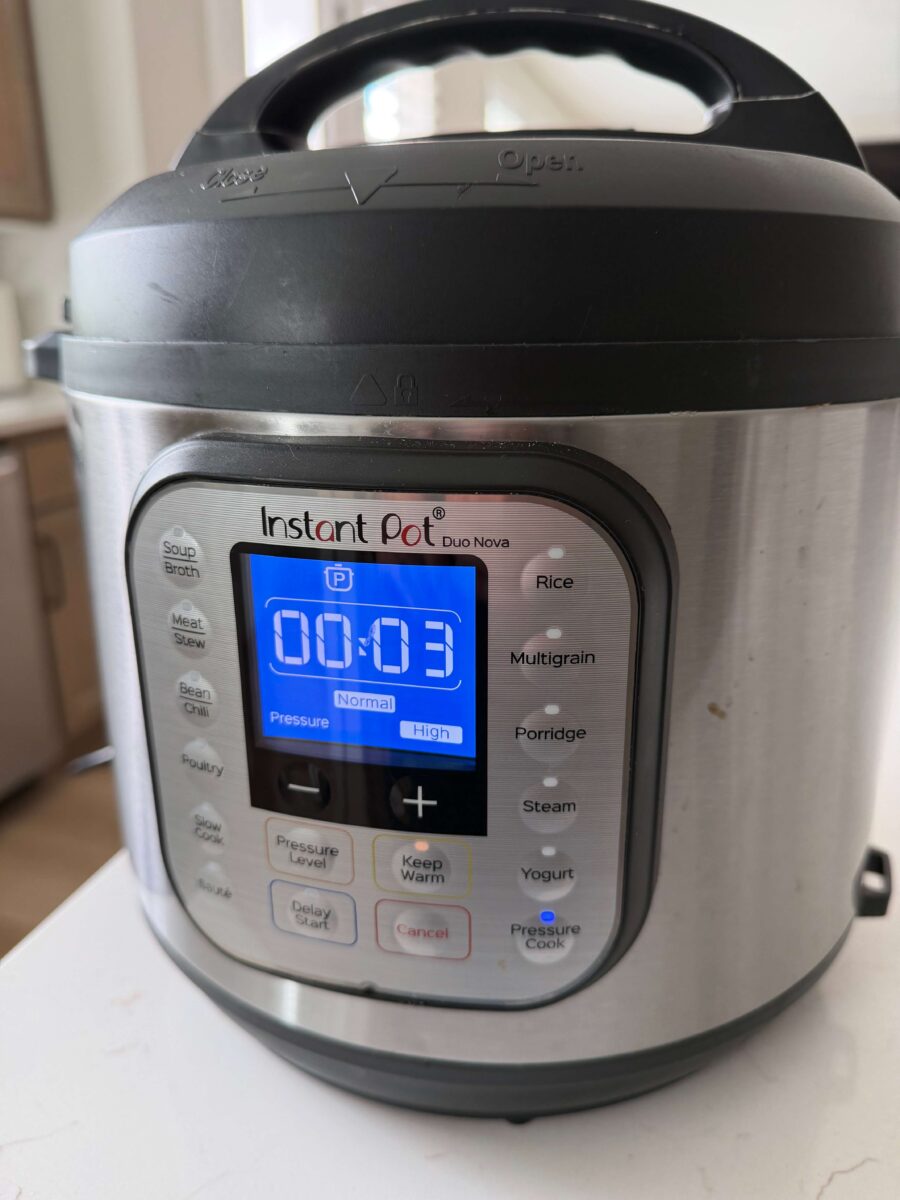
The most recent development in the history of this casserole is its adaptation for the Instant Pot and other electric pressure cookers. This technological shift addresses one of the primary challenges of traditional potato casseroles: the uneven cooking times associated with raw potato cubes in a dense sauce. By implementing a two-stage cooking process—initial pressure steaming followed by a secondary oven bake—home chefs are now able to achieve a consistency that was previously difficult to replicate in high volumes.
Data from the kitchen appliance industry indicates that the rise of the multi-cooker has fundamentally changed how heritage recipes are managed. By reducing the potato-softening phase to a mere three minutes of active pressure, the total preparation time is reduced by approximately 30 to 40 percent. This modernization is seen by industry analysts as a vital step in ensuring that labor-intensive traditional dishes remain viable for modern, time-constrained households.
Chronological Preparation and Assembly Phases
The execution of Grandma Grace’s Casserole follows a strict chronological sequence designed to optimize texture and flavor development. This process is divided into three distinct phases: the pre-processing of the starch, the synthesis of the dairy-based binder, and the final high-heat finishing.
Phase I: Starch Stabilization
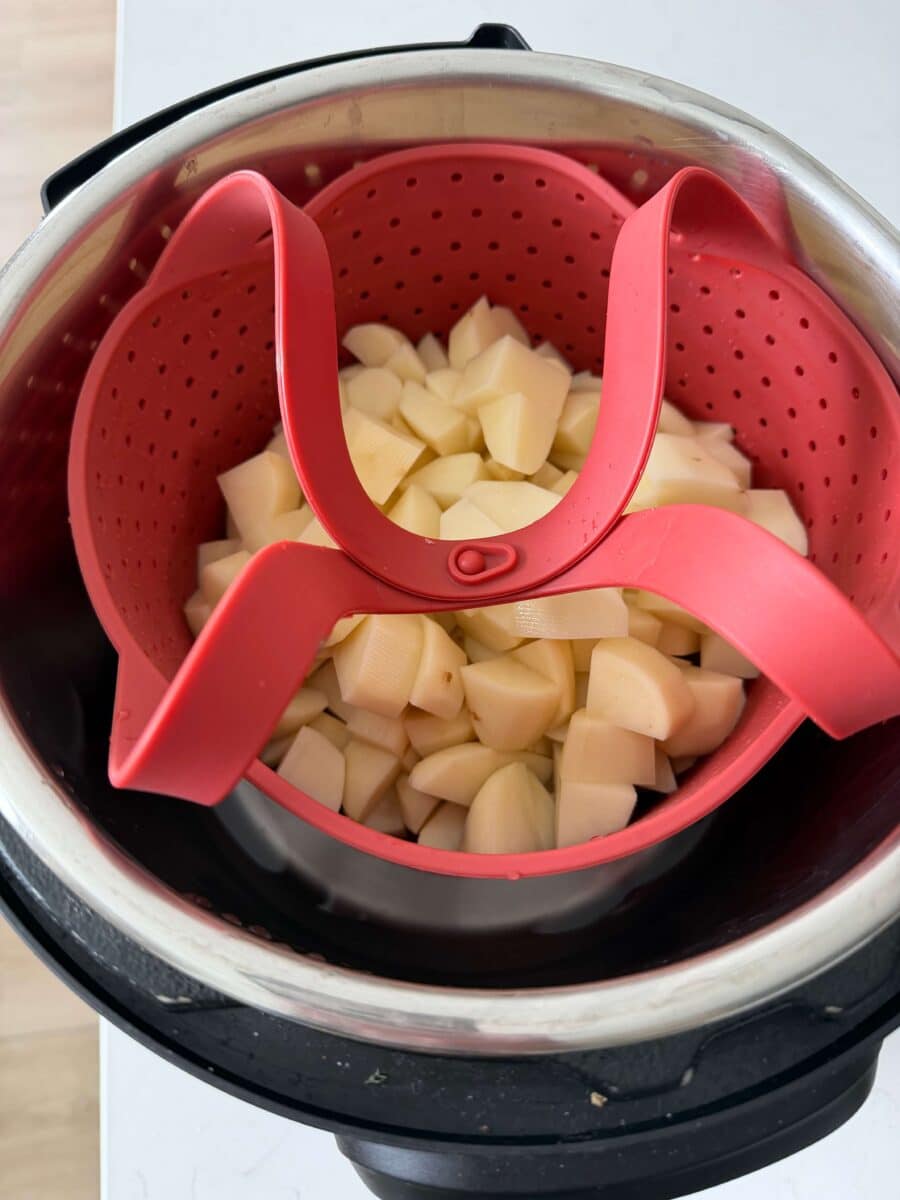
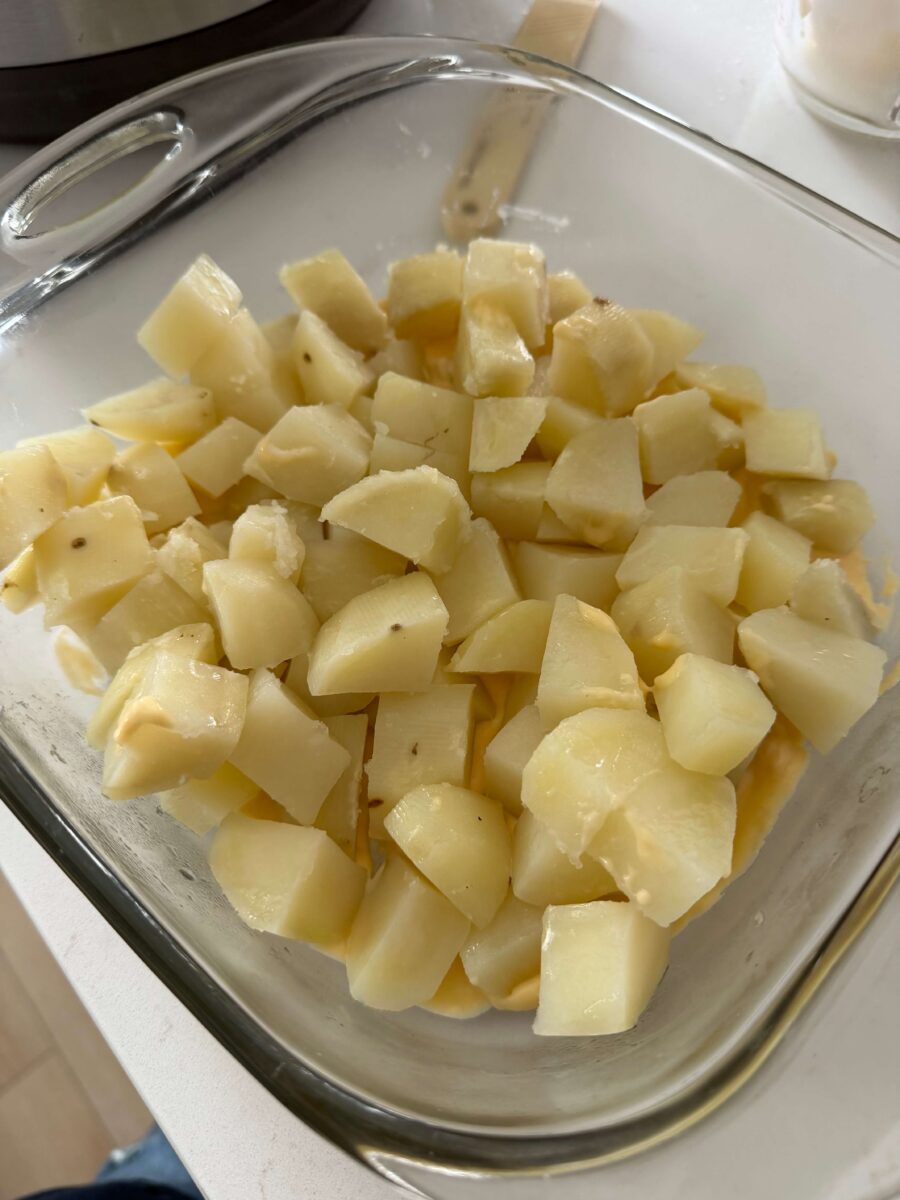
The process begins with the cubing of potatoes, which are then subjected to high-pressure steam for three minutes within an Instant Pot environment. This method is preferred over traditional boiling as it minimizes water absorption, thereby preventing the potatoes from becoming mushy during the subsequent baking phase. The use of a steamer basket ensures that the potatoes remain elevated above the liquid, preserving their structural integrity.
Phase II: Roux Synthesis and Emulsification
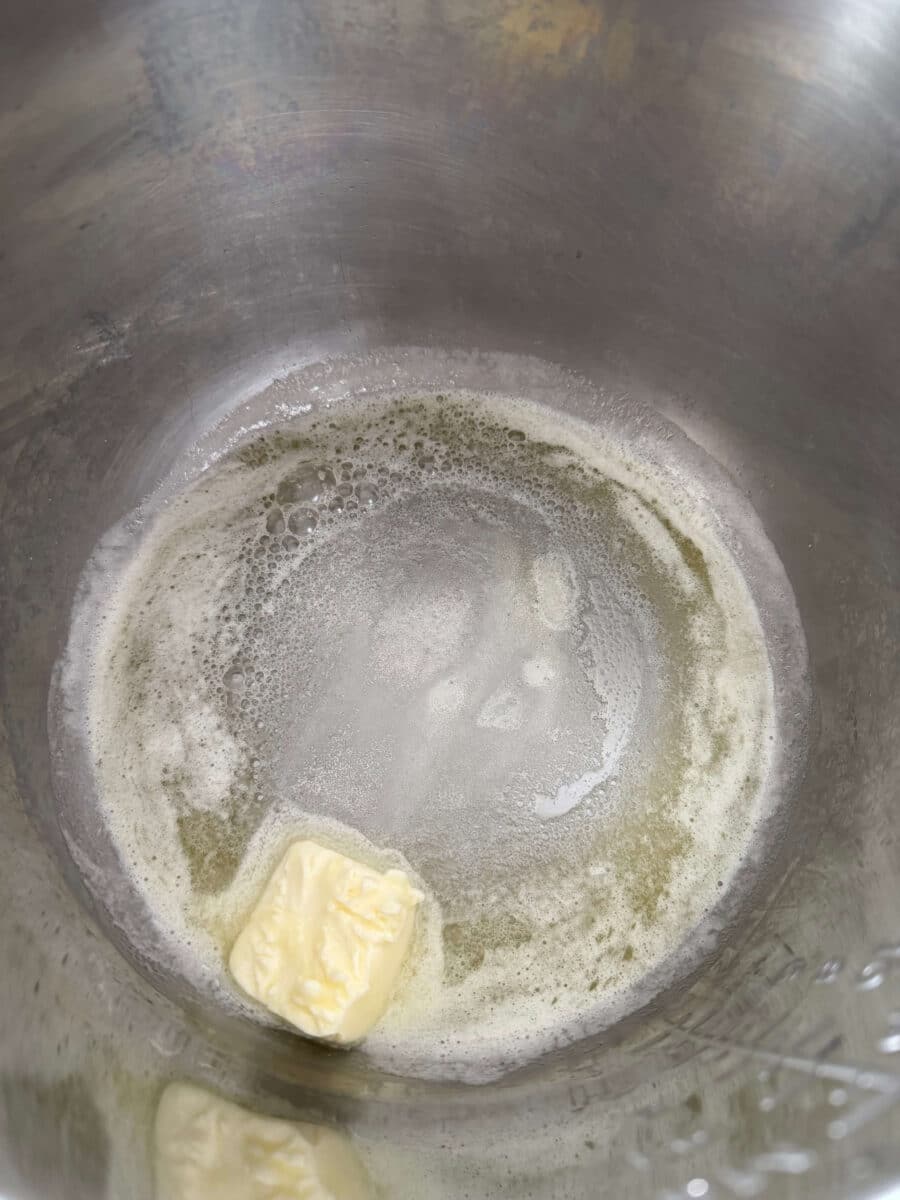
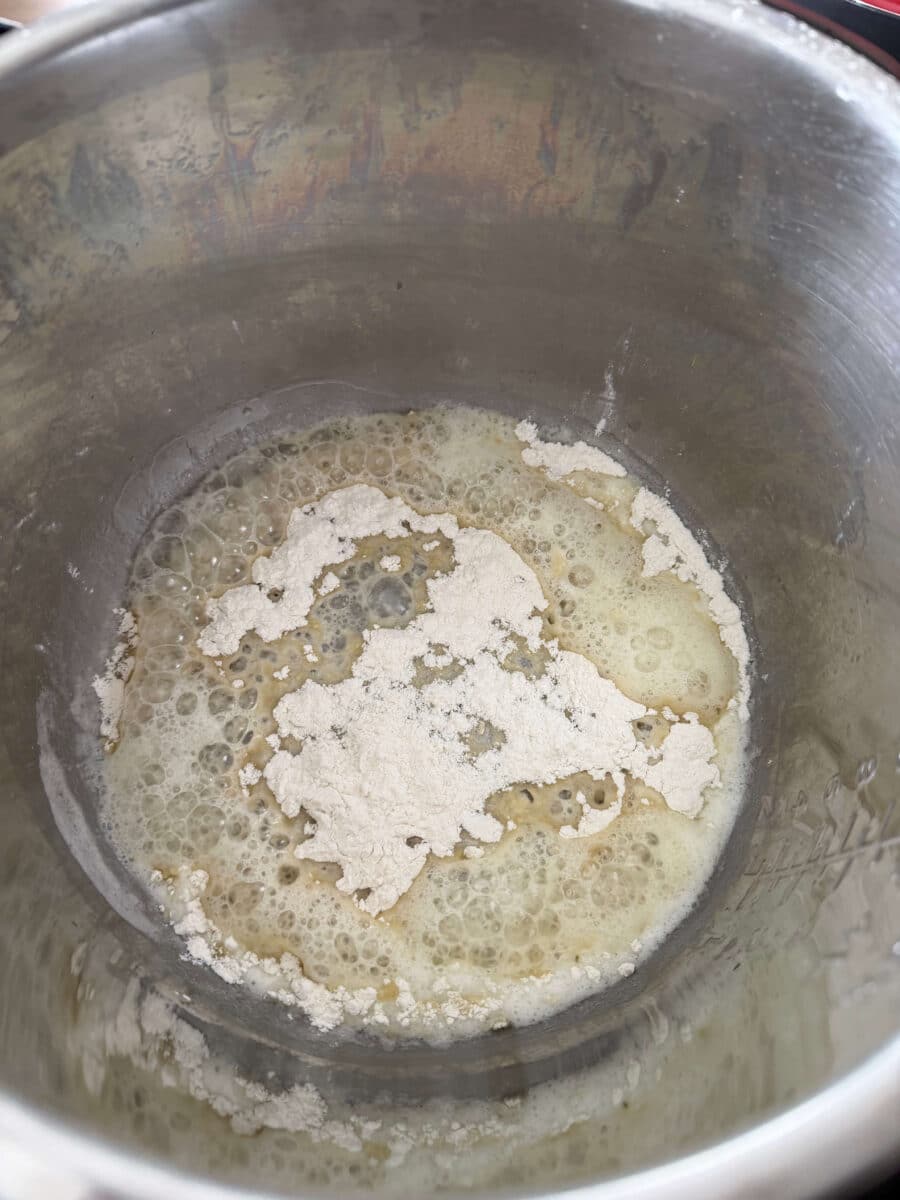
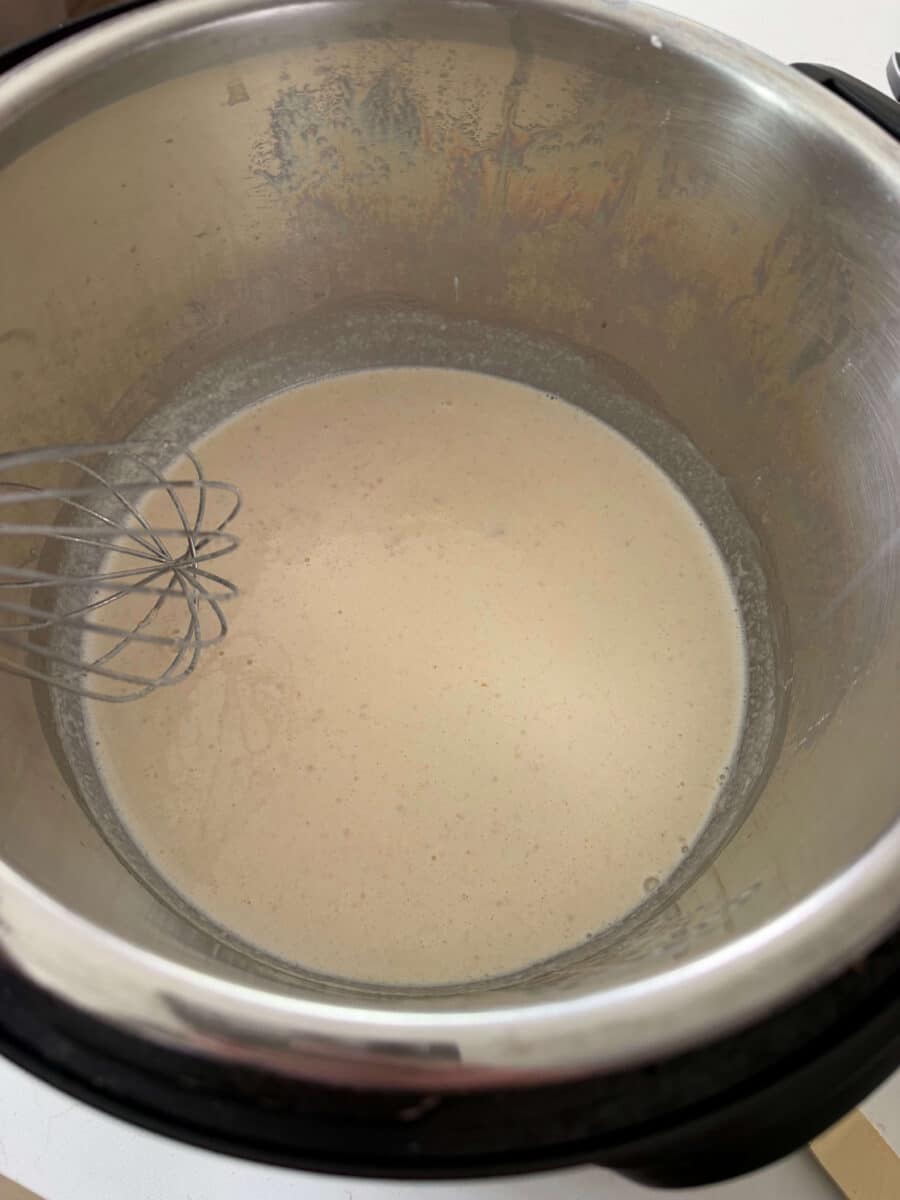
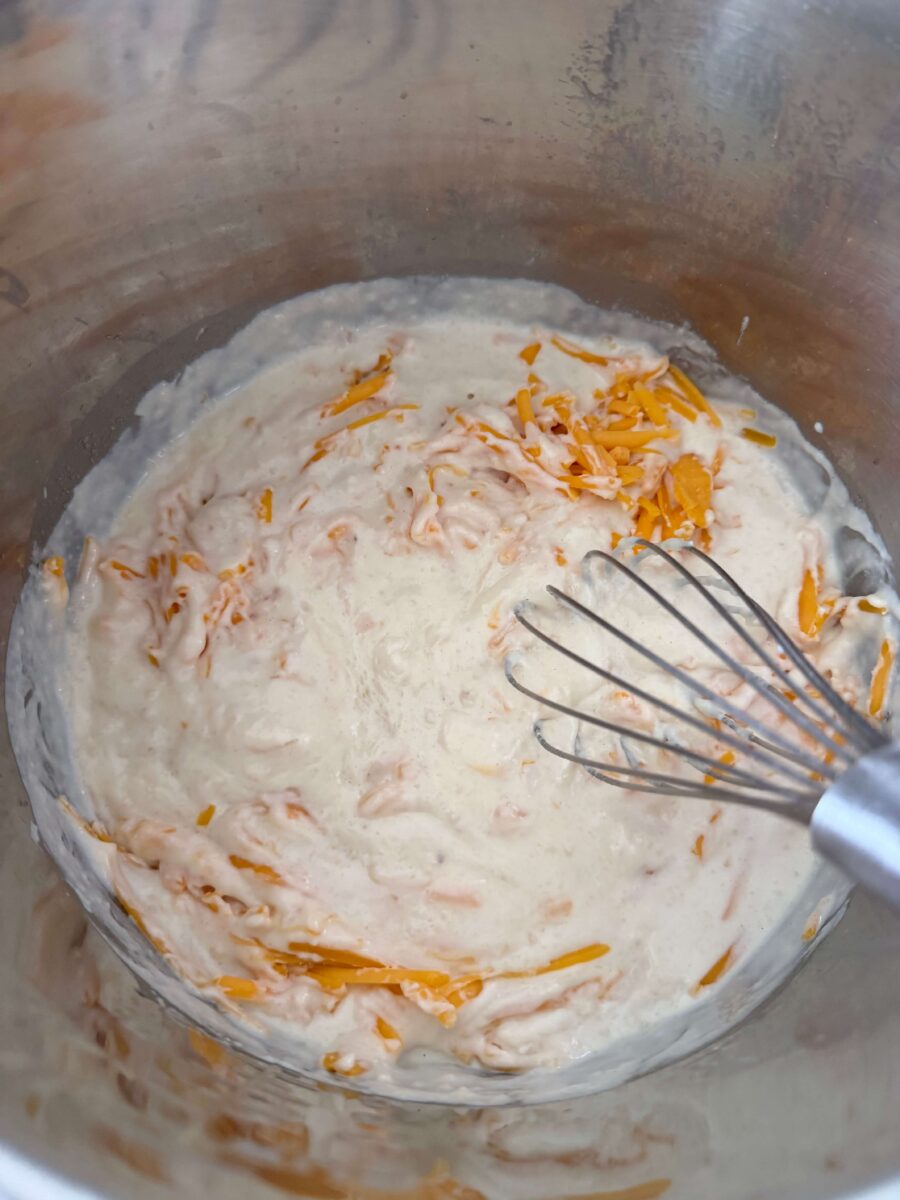
Following the starch preparation, the multi-cooker is transitioned to a sauté function to facilitate the creation of a roux. This involves the precise combination of butter and flour, whisked until a light tan color is achieved. This step is critical for neutralizing the raw flour taste and establishing a stable thickener. Half-and-half is then incrementally introduced to create a velvet-like consistency, followed by the incorporation of sharp cheddar cheese. Unlike many industrial recipes, this version avoids processed cheese products in favor of natural cheddar, which provides a more complex flavor profile.
Phase III: Layering and Thermal Finishing
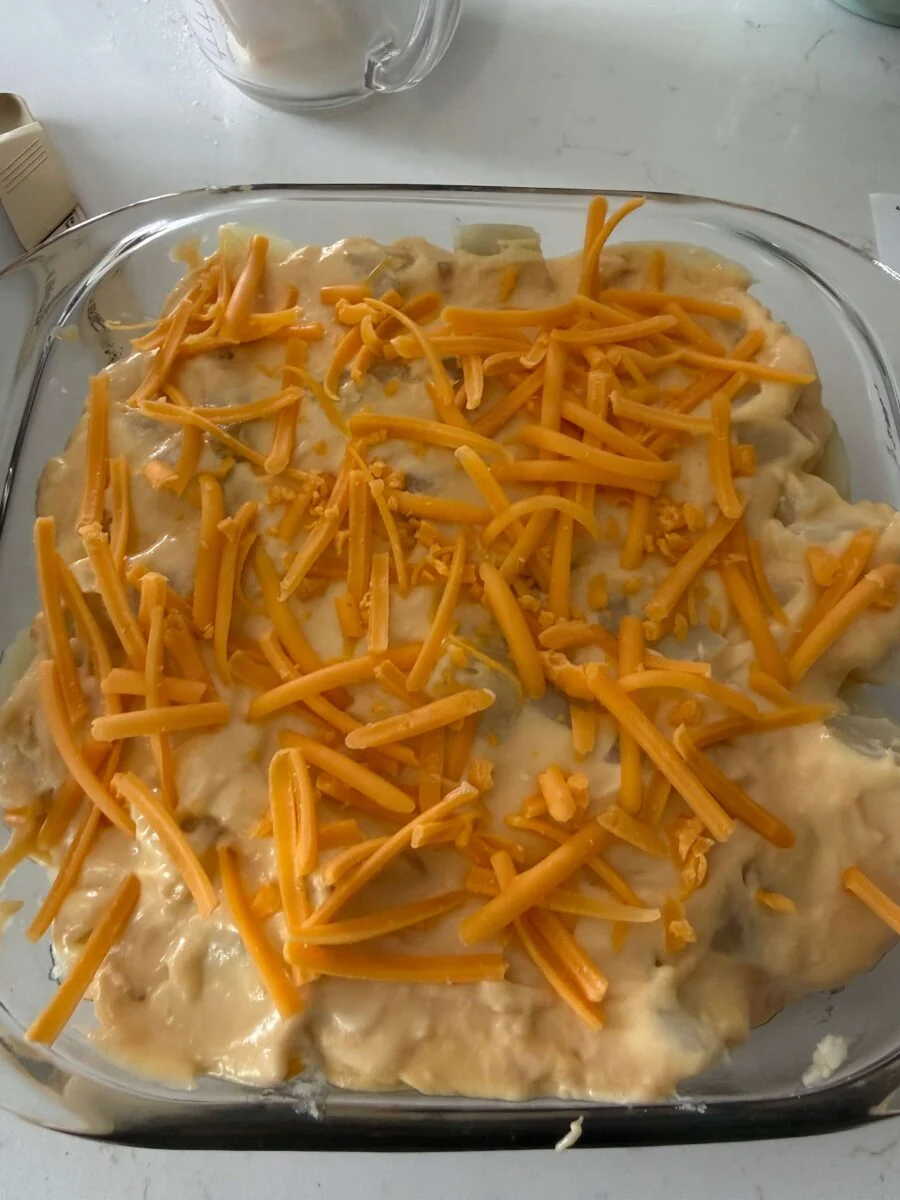
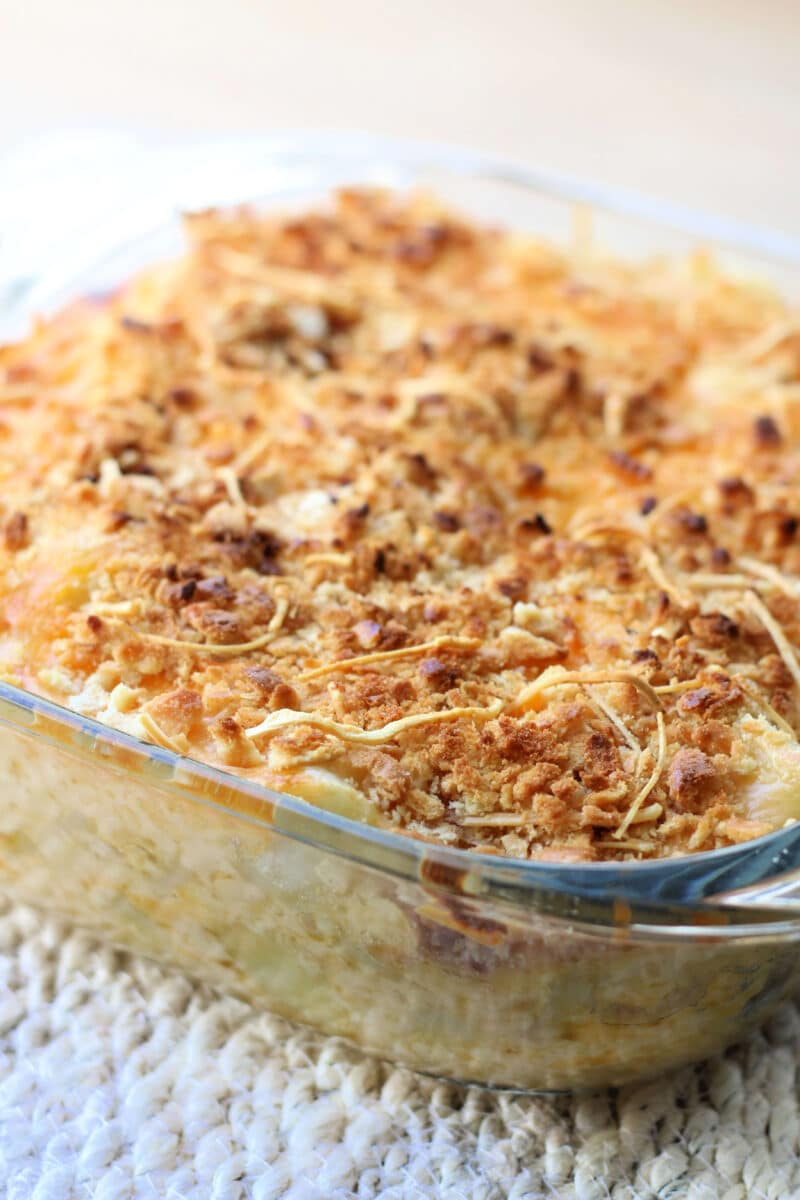
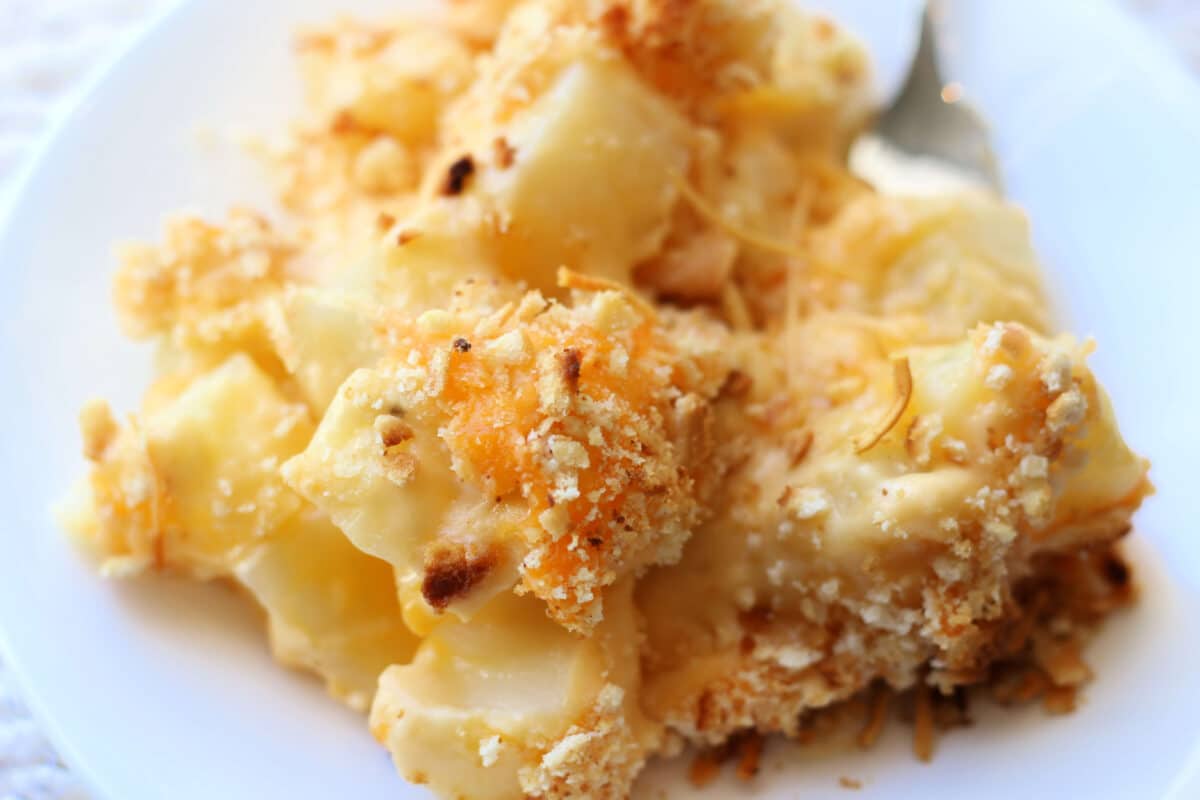
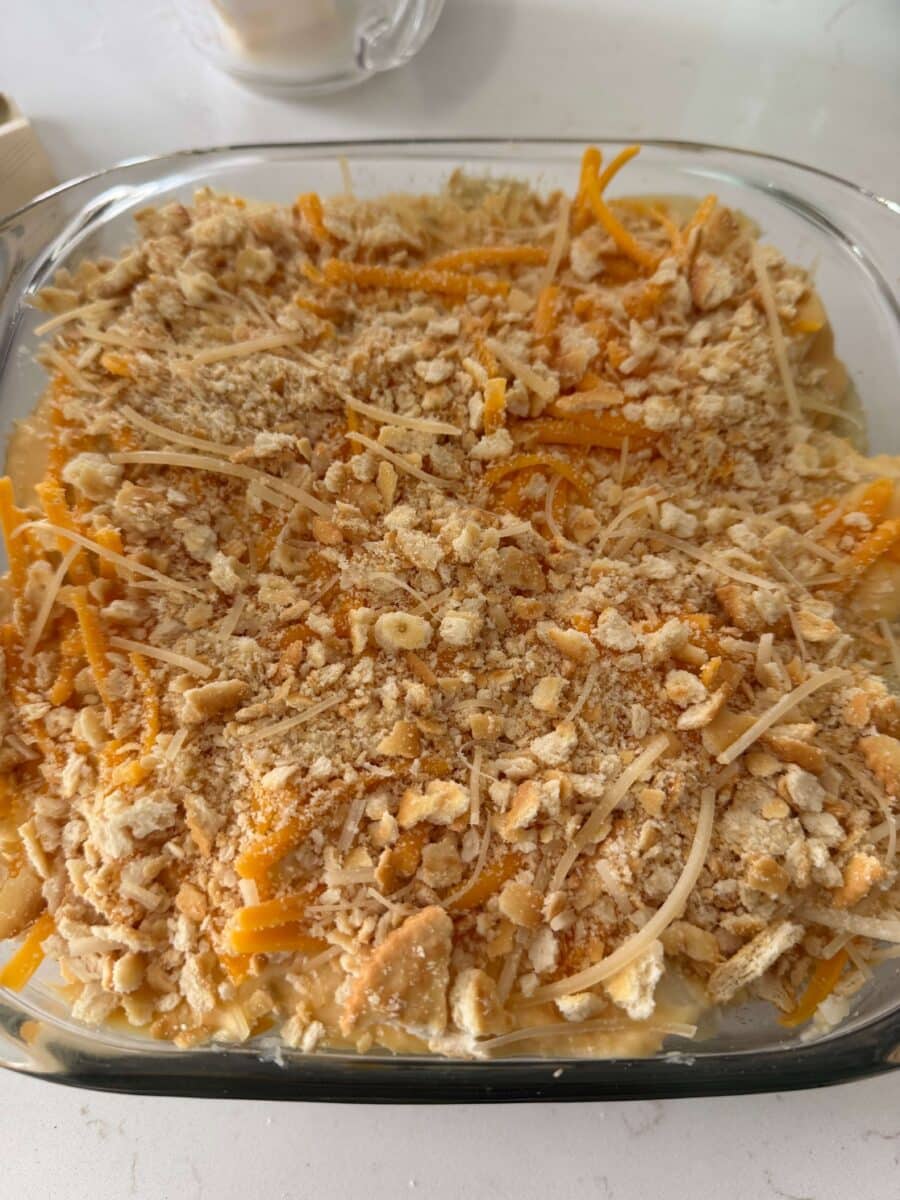
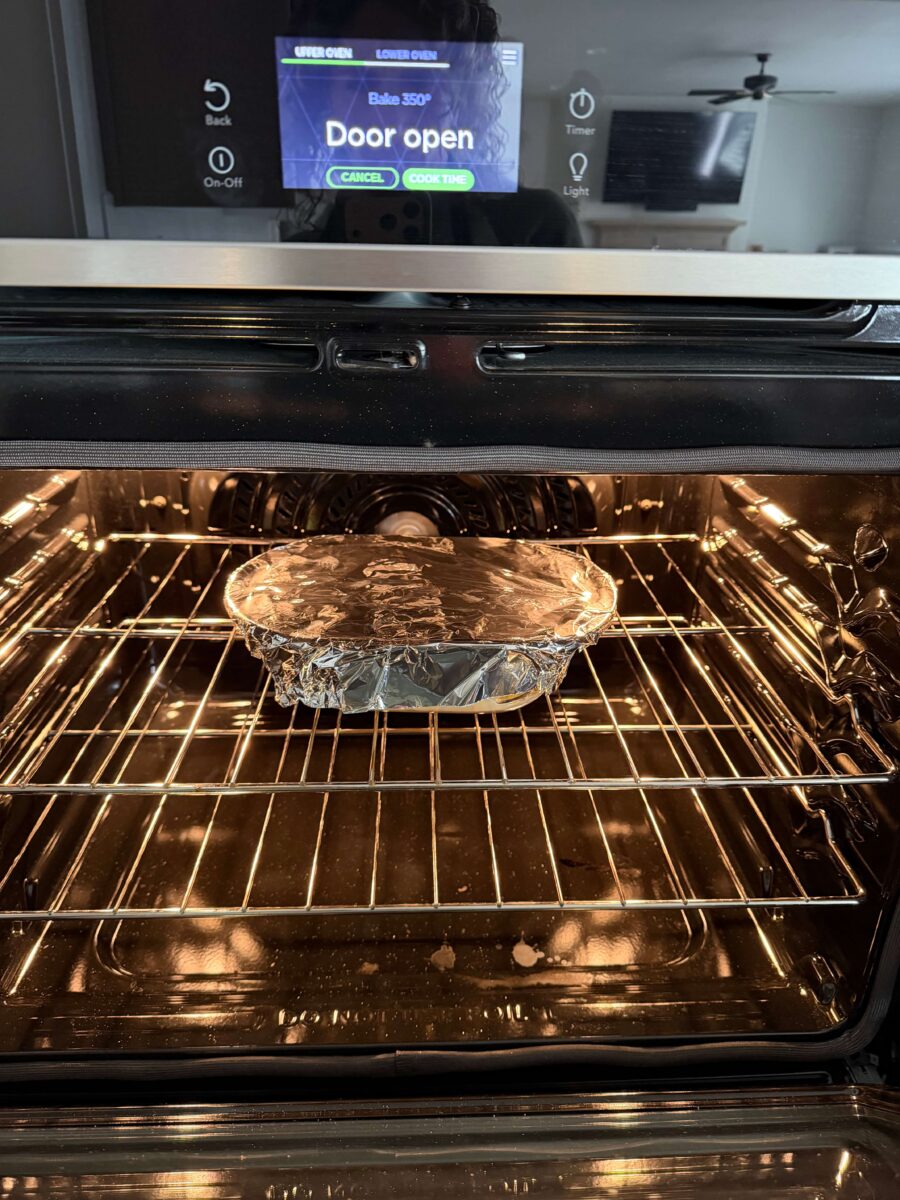
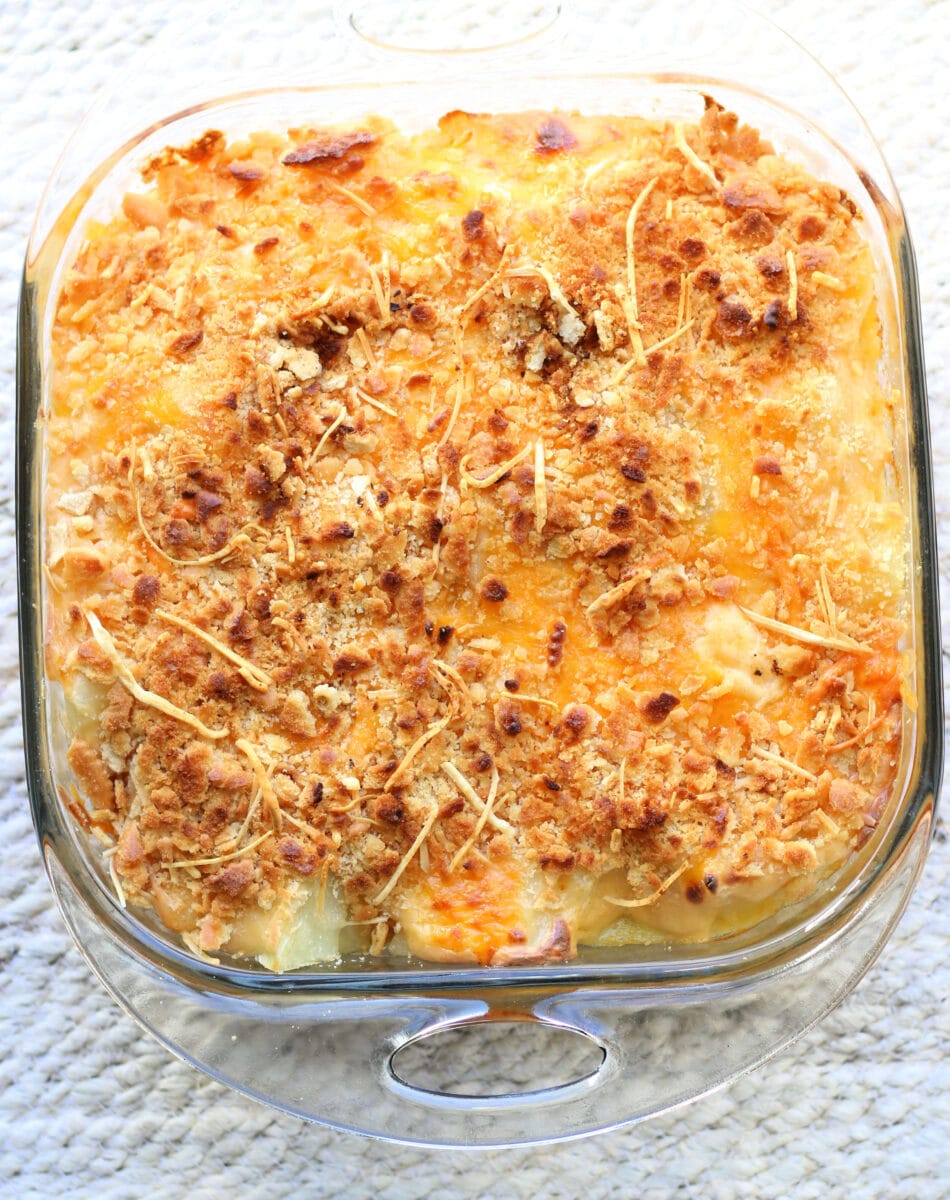
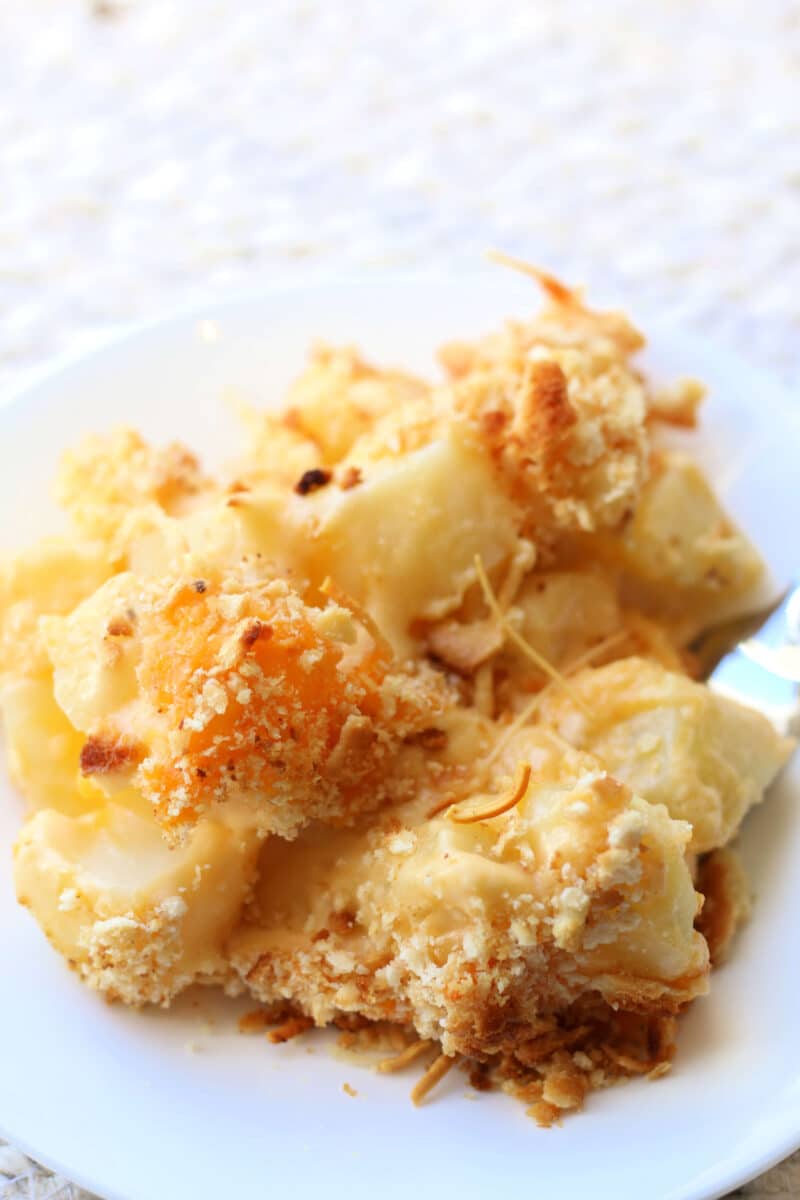
The final stage involves the assembly of the dish in a 9×9 inch baking vessel. The architecture of the casserole is deliberate, involving multiple layers of potatoes, sauce, and additional cheese to ensure even distribution. The dish is topped with a mixture of crushed Ritz crackers and parmesan cheese—a signature Midwestern touch that provides a necessary textural contrast to the soft interior. The thermal finishing involves a 50-minute bake at 350°F, with the first 30 minutes conducted under foil to prevent premature browning of the cracker crust.
Ingredient Analysis and Sourcing
The selection of ingredients for Grandma Grace’s Casserole reflects a balance between artisanal quality and accessible pantry staples. The choice of the "Ritz" brand cracker, in particular, is a point of interest for food scientists. Developed by Nabisco in 1934 during the Great Depression, these crackers were marketed as an "affordable luxury." Their high fat content and distinct salt profile make them an ideal candidate for casserole toppings, as they maintain a crisp texture even when exposed to the steam of a baking dairy sauce.
The dairy components—butter, half-and-half, and cheddar—constitute the caloric density of the dish. Market research suggests that while there is a growing trend toward plant-based alternatives, the demand for "full-fat" traditional dairy in holiday side dishes remains robust. The inclusion of parmesan cheese in the crust serves as a modern enhancement, introducing umami notes and aiding in the browning process through the Maillard reaction.

Nutritional and Economic Implications
From a nutritional standpoint, Grandma Grace’s Casserole is categorized as a high-density side dish. A standard serving provides a significant amount of carbohydrates and fats, making it a preferred choice for "carbo-loading" scenarios. This was evidenced by reports of the dish being served to high-performance athletes, such as cross-country teams, where the rapid replenishment of glycogen stores is a priority.
Economically, the dish remains highly cost-effective. Potatoes continue to be one of the most affordable staple crops in the United States, with the USDA reporting steady production levels despite fluctuating climate conditions. The ability to feed a large group (10-12 individuals) with a relatively low investment in raw ingredients reinforces the casserole’s status as a staple of "budget-friendly" communal dining.
Official Responses and Expert Perspectives
Culinary experts have noted that the success of the "Grandma Grace" variant lies in its rejection of "shortcuts" that compromise quality. A representative from The Kitchn, the original source of the adaptation, remarked that the "refined" nature of the sauce is what elevates the dish above the standard potluck fare.
Furthermore, observers of domestic trends have highlighted the importance of "Skyler’s cross-country friends" mentioned in initial reports as a microcosm of the dish’s broader appeal. The fact that the casserole was consumed until completion by a group of young adults indicates that traditional comfort food continues to hold significant appeal for Gen Z and Millennial demographics, provided it meets certain taste and texture standards.
Broader Impact and the Preservation of Heritage
The ongoing popularity of Grandma Grace’s Casserole serves as a case study in the preservation of American culinary heritage. As the culinary landscape becomes increasingly globalized, the survival of regional Midwestern dishes depends on their ability to adapt to new kitchen technologies. The transition of this recipe to the Instant Pot format represents a successful "bridge" between the ancestral past and the digital present.
In conclusion, Grandma Grace’s Casserole is more than a mere side dish; it is a cultural artifact that reflects the changing habits of the American home cook. By maintaining the integrity of its scratch-made components while embracing the speed of modern appliances, the recipe ensures its place on holiday tables for future generations. As households continue to seek out "comfort food to the max," the strategic combination of tender potatoes, creamy Mornay sauce, and a buttery cracker crust remains an undefeated formula in the competitive arena of American domestic cooking.
