
The annual transition from the colder, darker months to the longer, brighter days of spring and summer invariably ushers in a significant shift in culinary preferences and dietary habits across many regions. As temperatures rise and daylight hours extend, there is a natural inclination for individuals to gravitate towards lighter, fresher, and more vibrant meal options, moving away from the hearty, comforting fare characteristic of autumn and winter. This comprehensive guide explores practical strategies and culinary inspirations for crafting flavour-packed, nutritious dishes that align with the season’s bounty, aiming to invigorate both the palate and overall well-being.
The Rationale Behind Seasonal Culinary Shifts

The phenomenon of adapting one’s diet to the changing seasons is deeply rooted in both historical necessity and human physiology. For centuries, before the advent of global food supply chains, communities relied almost exclusively on what was locally available and in season. This natural cycle dictated not only what people ate but also how they preserved and prepared food. Today, while modern logistics allow for year-round access to a vast array of produce, the innate human desire for seasonal eating persists, driven by several factors.
Physiologically, our bodies often crave different types of sustenance as the climate shifts. In colder months, calorie-dense foods provide essential energy and warmth, prompting a preference for stews, roasted meats, and root vegetables. Conversely, warmer weather encourages a lighter intake, favouring foods that are hydrating, cooling, and less taxing on the digestive system. This explains the widespread appeal of fresh salads, succulent fruits, and lean proteins during spring and summer. Studies in nutritional science indicate that metabolic rates and energy expenditure can subtly shift with ambient temperatures, influencing our perceived need for different food types.
Beyond physiology, there is a significant cultural component. The arrival of spring, often marked by festivals and outdoor gatherings, inspires a culinary celebration of new growth and abundance. The vibrancy of spring produce, from tender asparagus to crisp radishes, and the sweet succulence of summer berries, naturally lends itself to lighter preparations that highlight their inherent freshness. This seasonal culinary evolution is not merely a trend but a reflection of a deeper connection to nature’s rhythms and the benefits they offer for health and enjoyment. Nutrition experts, for instance, frequently advocate for seasonal eating, citing enhanced flavour profiles, superior nutritional content, and reduced environmental impact as key advantages. Produce harvested at its peak ripeness typically boasts higher levels of vitamins, minerals, and antioxidants compared to items picked prematurely for long-distance transport. The "farm-to-table" movement, gaining traction globally, further underscores this appreciation for fresh, locally sourced, seasonal ingredients.

Embracing Spring’s Bounty: The Resurgence of Salad Season
With the first whispers of warmer air and lengthening days, many households instinctively "flip a switch" on their shopping lists and dinner routines, signaling the unofficial commencement of "salad season." Salads, far from being a monotonous side dish, emerge as versatile, nutrient-dense main courses or vibrant accompaniments perfectly suited for spring and summer dining. Their appeal lies in their inherent flexibility, speed of preparation, and undeniable health benefits.
The versatility of salads is perhaps their greatest strength. They can be elegantly sophisticated for a garden party or casually comforting for a weeknight meal. A simple base of mixed greens can be transformed into an epicurean delight with the addition of grilled halloumi, roasted beetroot, toasted nuts, and a balsamic glaze, as showcased in many gourmet eateries. Alternatively, a robust steak salad, featuring pan-seared strips of sirloin atop a bed of peppery rocket with cherry tomatoes and a creamy horseradish dressing, offers a hearty yet fresh alternative to traditional meat-and-potatoes fare. The key is to move beyond the rudimentary lettuce-and-tomato combination and explore a broader spectrum of ingredients.

Modern culinary trends emphasize creative combinations and global influences in salad preparation. For example, a Mediterranean-inspired quinoa salad, replete with cucumbers, bell peppers, Kalamata olives, feta cheese, and a lemon-herb vinaigrette, provides a complete protein and fibre-rich meal. Asian-inspired noodle salads featuring edamame, shredded carrots, bell peppers, and a peanut dressing offer another flavour dimension. The addition of exotic fruits like mango or pomegranate seeds can introduce a delightful sweetness and textural contrast, while various cheeses—from crumbled goat cheese to shaved Parmesan—add depth and umami. Incorporating grains such as brown rice, farro, or couscous can also enhance satiety and nutritional value, transforming a simple salad into a complete meal.
Beyond mere taste, salads are nutritional powerhouses. Packed with vitamins, minerals, fibre, and antioxidants, they contribute significantly to daily nutrient intake. The fibre content aids digestion and promotes satiety, which can be beneficial for weight management. Data from public health surveys often correlates increased salad consumption with healthier dietary patterns and lower instances of obesity. Furthermore, the high water content of many salad ingredients contributes to hydration, a crucial aspect during warmer months.
For those seeking inspiration, resources are abundant. Online recipe platforms, food blogs like Lavender & Lovage, social media channels, and dedicated culinary shows offer an endless stream of innovative salad ideas. Dining out can also serve as a muse; a particularly memorable salad from a restaurant or a local farmer’s market stand can spark creativity for home-based experimentation. The underlying message is clear: salads offer a boundless canvas for culinary expression, encouraging adventurous exploration of flavours and textures while delivering substantial nutritional benefits.

Powering Up with Lean Proteins and Seafood
The colder months naturally steer dietary choices towards richer, more substantial protein sources—think slow-cooked beef, lamb stews, and pork roasts—that provide sustained energy and a sense of warmth. However, as the mercury rises, there’s a discernible shift towards lighter protein options that complement the warmer climate and lighter overall meals without compromising nutritional value. Lean meats and diverse seafood emerge as prime candidates for spring and summer menus, offering excellent sources of protein, essential amino acids, and vital nutrients.
Lean meats such as chicken and turkey are highly adaptable and can be seamlessly integrated into a myriad of spring dishes. Grilled chicken breasts, for instance, serve as a superb addition to vibrant salads or as the centrepiece of a light spring dinner alongside roasted seasonal vegetables. Turkey mince can replace heavier beef in dishes like lean meatballs or light stir-fries, offering a significant protein boost with less saturated fat. The versatility of these proteins extends to marinades and seasonings, allowing for a wide range of flavour profiles, from zesty lemon-herb to subtly smoky paprika. Nutritional data confirms that chicken and turkey breast are among the lowest-fat animal protein sources, making them ideal for health-conscious diets.

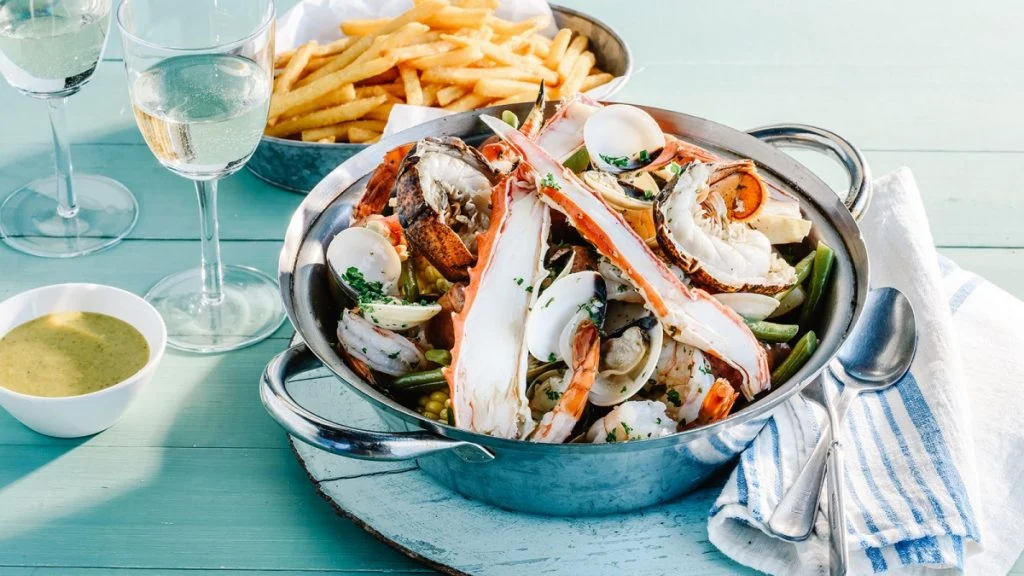
Seafood, in particular, comes into its own during the warmer seasons. Its inherent lightness and quick cooking times make it ideal for fast, nutritious meals. Options range from delicate white fish like cod, haddock, or sea bass, which can be baked, grilled, or pan-fried with minimal oil, to more robust salmon, rich in Omega-3 fatty acids. Salmon, whether grilled as a fillet or flaked into a summery pasta dish, provides not only protein but also heart-healthy fats, which are crucial for cardiovascular health. Shellfish, including prawns, shrimp, mussels, and crab, offer a luxurious yet light touch to spring and summer dining. Succulent snow crab legs, served simply with a lemon-garlic aioli, make for an elegant appetizer or a decadent main course. Prawns are incredibly versatile, featuring prominently in light curries, pasta dishes, or as skewers for the grill. The high protein content and relatively low-calorie count of most seafood make them excellent choices for maintaining muscle mass and promoting satiety.
Beyond animal proteins, plant-based alternatives also play a crucial role in a balanced spring and summer diet. Legumes such as chickpeas, lentils, and various beans are packed with protein and dietary fibre, making them excellent additions to salads, vibrant vegetable bowls, or even as the base for lighter, plant-forward burgers. Tofu and tempeh, known for their ability to absorb flavours, can be marinated and grilled or stir-fried, providing a satisfying texture and protein content for vegetarian and vegan diets. The emphasis remains on choices that are both satisfying and conducive to the season’s lighter culinary mood, ensuring sustained energy and muscle maintenance without the heaviness associated with winter fare.
A Kaleidoscope of Nutrition: Tasting the Rainbow

The transition to spring and summer presents a golden opportunity to "taste the rainbow" in the truest sense, filling plates with a diverse array of colourful fruits and vegetables. This period is a peak time for fresh produce, making it significantly easier to meet and exceed the recommended daily intake of five portions of fruit and vegetables, a target that can sometimes feel challenging during other seasons. The vibrant spectrum of colours on offer is not merely aesthetically pleasing; it is a visual indicator of a wide range of essential vitamins, minerals, fibre, and powerful antioxidants, each contributing uniquely to overall health and vitality.
Incorporating a broad palette of produce is a straightforward yet highly effective strategy for maximizing nutrient intake. As culinary experts and health organizations like the British Heart Foundation frequently highlight, choosing a variety of colours ensures a wider spectrum of beneficial compounds. Spring heralds the arrival of tender asparagus, crisp radishes, and leafy greens like spinach and rocket. As summer fully blossoms, the selection expands dramatically to include juicy strawberries, raspberries, and blueberries; hydrating watermelon and peaches; tangy kiwis and nectarines; and a profusion of vegetables such as bell peppers, sweet potatoes, ripe tomatoes, crunchy lettuce, versatile courgettes (zucchini), new potatoes, robust aubergine (eggplant), and sweetcorn. Each colour group offers distinct health benefits: reds (tomatoes, strawberries) are rich in lycopene; oranges/yellows (peppers, peaches) provide beta-carotene; greens (spinach, asparagus) are packed with folate and vitamin K; and blues/purples (berries, aubergine) contain anthocyanins.
Practical integration of these seasonal gems into daily meals is surprisingly simple. For breakfast, berries can be scattered over natural Greek yoghurt with a drizzle of honey, or blended into invigorating smoothies with spinach or kale. Mid-morning or afternoon snacks can consist of whole fruits like an apple, a handful of cherries, or a peach. Lunchtime offers ample scope for incorporating vegetables, whether through a substantial mixed salad, adding sliced cucumbers and tomatoes to sandwiches, or including a side of steamed green beans. Dinner can feature roasted courgettes and peppers alongside grilled fish, or a vibrant medley of stir-fried vegetables with lean protein.

Beyond direct consumption, fruits and vegetables can be creatively transformed. Homemade sauces and pestos, such as a fresh tomato sauce bursting with garden-ripe flavour or a vibrant pesto made from wild garlic, offer healthier alternatives to store-bought versions. Juicing and blending allow for concentrated nutrient intake, providing an easy way to consume multiple portions in a single serving. The emphasis is on making fruits and vegetables not just a side thought, but integral, flavour-contributing components of every meal, transforming routine eating into a joyous celebration of seasonal abundance and well-being.
Transforming Culinary Methods: The Art of Grilling and Lighter Cooking
The sight of the first sustained sunshine often ignites a collective yearning for outdoor living and, crucially, for barbecue season. This seasonal shift extends beyond ingredient choices to encompass cooking methods, offering a prime opportunity to embrace healthier preparations and inject new flavours into spring and summer dining. Grilling, in particular, stands out as a quintessential warm-weather cooking technique, revered not only for the distinct smoky flavour it imparts but also for its health benefits.

Grilling is an excellent method for reducing calorie and saturated fat intake. It allows excess fats to drip away from food, making it a leaner cooking option compared to frying. The high heat of a grill quickly sears the exterior of foods, locking in juices and creating appealing textures without the need for additional oils or fats that often accompany pan-frying. This makes it an ideal choice for health-conscious cooks looking to maximize flavour while minimizing unhealthy additives. Research in food science often highlights grilling as a method that can reduce the caloric density of meals.
While the term "barbecue" often conjures images of sausages and burgers, the versatility of an outdoor grill extends far beyond traditional meat patties. Modern grilling encompasses a vast array of foods, catering to diverse dietary preferences, including vegetarian, pescatarian, and those seeking lighter bites or increased vegetable consumption.
For vegetarians, halloumi kebabs threaded with colourful bell peppers, red onions, zucchini, and mushrooms offer a delightful combination of textures and flavours. The halloumi becomes wonderfully charred and slightly crispy on the outside, soft and salty within. Tofu and tempeh, when marinated appropriately, transform beautifully on the grill, developing a satisfying smoky crust.

Seafood truly shines on the grill. Salmon fillets, mackerel, or even whole sea bass can be grilled to perfection, retaining their moisture and developing a delicate char. Skewers featuring prawns, scallops, or chunks of firm white fish interspersed with cherry tomatoes and lemon wedges are not only delicious but also visually appealing.
Vegetables, often overlooked as grilling stars, take on new dimensions when exposed to open flames. Charred corn on the cob, brushed with a little butter or olive oil and seasoned, becomes incredibly sweet and smoky. Sliced aubergine, courgette, asparagus spears, and even romaine lettuce halves can be grilled to tender-crisp perfection, developing complex flavours that raw or boiled vegetables simply cannot offer. These grilled vegetables make excellent side dishes or can be incorporated into warm salads.
Beyond grilling, other lighter cooking methods are equally suitable for warmer weather. Steaming retains maximum nutrients and vibrant colours in vegetables. Stir-frying, when done quickly with minimal oil and a focus on fresh ingredients, offers a rapid and nutritious meal solution. Baking and roasting, particularly with lighter cuts of meat or fish and an abundance of vegetables, can also be adapted for spring and summer by focusing on herbs, citrus, and lighter dressings. The overarching theme is to move away from heavy, fat-laden preparations and embrace techniques that highlight the natural freshness and flavour of seasonal ingredients, fostering a healthier and more enjoyable culinary experience.

Expert Perspectives on Seasonal Eating
The culinary shift towards lighter, seasonal fare during spring and summer is widely endorsed by nutritionists, dietitians, and leading chefs alike. "Embracing seasonal produce isn’t just about flavour; it’s a powerful way to boost your nutrient intake naturally," explains Dr. Anya Sharma, a renowned dietitian specialising in public health. "When fruits and vegetables are consumed at their peak, they typically contain higher concentrations of vitamins, minerals, and phytonutrients. This means better health outcomes for individuals and a more satisfying eating experience." This perspective is echoed in numerous academic journals and dietary guidelines.
Chefs, too, champion the seasonality of ingredients. Chef Julian Davies, celebrated for his farm-to-table philosophy, states, "The best dishes begin with the best ingredients, and that means respecting the seasons. A perfectly ripe tomato in August needs very little intervention to taste incredible. Trying to force out-of-season produce into a dish often results in a compromise on taste and texture." This sentiment underscores the idea that seasonal eating enhances both the nutritional value and the gastronomic pleasure of meals, aligning with a growing consumer preference for authentic, high-quality ingredients.

Furthermore, health organizations frequently publish guidelines promoting seasonal eating. The World Health Organization (WHO) and national dietary bodies consistently highlight the importance of a diverse diet rich in fruits, vegetables, and lean proteins, principles that are inherently supported by seasonal culinary adjustments. They emphasize that such dietary patterns are linked to reduced risks of chronic diseases, improved energy levels, and better weight management.
The focus on grilling and lighter cooking methods also garners expert approval. "Reducing reliance on heavy fats and oils through methods like grilling, baking, and steaming is a simple yet effective strategy for improving cardiovascular health," notes Dr. Emily Chen, a cardiologist. "These methods allow the natural flavours of food to shine, encouraging healthier eating habits without sacrificing enjoyment." This collective endorsement from health professionals and culinary artists reinforces the profound benefits of aligning our eating habits with the rhythms of nature.
Broader Implications: Health, Economy, and Sustainability

The conscious decision to adapt dietary habits to the spring and summer seasons carries significant implications that extend far beyond individual plates, impacting personal health, local economies, and environmental sustainability.
From a health perspective, the shift to lighter, fresher, and more varied meals rich in seasonal fruits and vegetables, lean proteins, and diverse grains offers a multitude of benefits. Increased consumption of fibre aids digestive health and helps regulate blood sugar levels. The abundance of vitamins and antioxidants supports immune function and combats oxidative stress. Lighter cooking methods, such as grilling and steaming, reduce the intake of unhealthy fats and calories, contributing to better weight management and a lower risk of chronic diseases like heart disease, type 2 diabetes, and certain cancers. The emphasis on hydration through water-rich foods also supports overall bodily function, particularly important during warmer weather. Statistics from national health surveys often
