
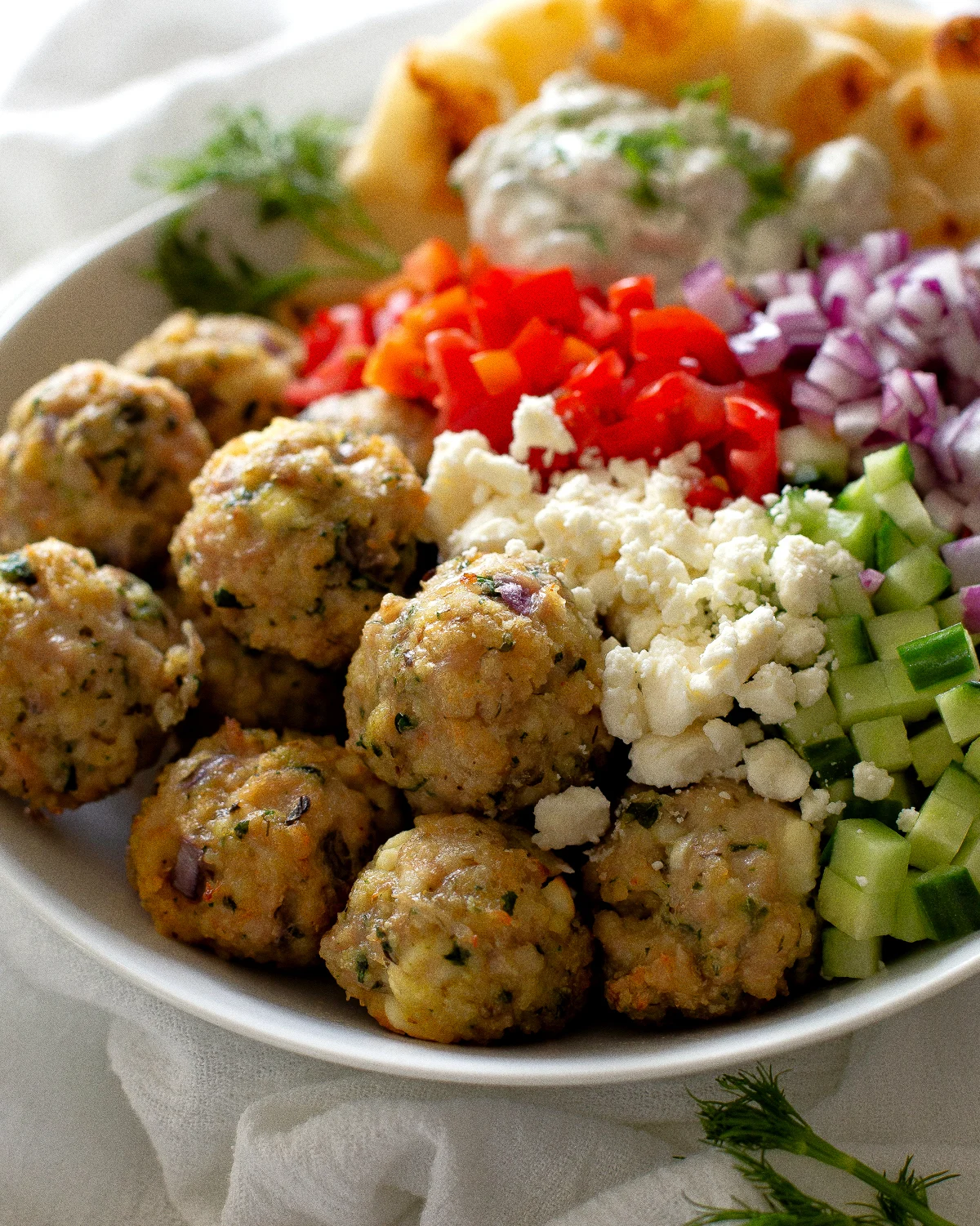
Greek chicken meatballs present a contemporary and health-conscious adaptation of the beloved Mediterranean keftedes, offering a robust flavor profile ideal for an easy and satisfying dinner. These meatballs, crafted from lean ground chicken and infused with aromatic herbs, provide a lighter alternative to traditional beef or lamb versions while retaining the authentic zest of Greek cuisine. Their versatility allows them to be enjoyed as a standalone dish, served over rice or orzo, or as part of a larger mezze spread.
The foundation of these Greek chicken meatballs lies in their fresh ingredients and traditional flavorings. Unlike their heavier counterparts, they are typically made with ground chicken, which significantly reduces the fat content while maintaining a tender and juicy texture. The culinary essence is derived from a harmonious blend of fresh parsley, pungent garlic, finely diced onion, and fragrant oregano, all classic elements of Greek cooking that impart a distinctive Mediterranean character. This herbaceous and savory mix creates meatballs that are both comforting and invigorating, appealing to a wide range of palates.
A Culinary Evolution: From Keftedes to Greek Chicken Meatballs
The concept of meatballs, or keftedes as they are known in Greece, has a long and storied history within Mediterranean culinary traditions. Historically, keftedes were often prepared using ground lamb or beef, sometimes a mixture of both, combined with breadcrumbs, onions, and a generous amount of herbs. These meatballs were a staple in households, often prepared in large batches and enjoyed in various ways, from being simmered in tomato sauce to being served as appetizers.
The emergence of Greek chicken meatballs can be seen as a natural evolution in response to evolving dietary preferences and an increased focus on leaner protein options. As nutritional awareness has grown, home cooks and chefs alike have sought ways to adapt classic dishes to align with healthier eating habits. Ground chicken, being a naturally lean meat, became a popular substitute, allowing for the creation of meatballs that are both delicious and more heart-healthy. This adaptation doesn’t compromise on flavor; instead, it highlights the fresh herbs and aromatics, allowing them to shine through more prominently.
The appeal of these Greek chicken meatballs extends beyond their health benefits. Their preparation is generally straightforward, making them an excellent option for weeknight dinners or for those seeking uncomplicated yet impressive meals. The simple act of mixing ground chicken with finely chopped herbs, onions, garlic, and a binder like breadcrumbs or an egg, followed by forming them into balls, is a process accessible to cooks of all skill levels.
Enhancing Juiciness and Flavor: Key Culinary Techniques
Achieving perfectly juicy and flavorful chicken meatballs requires attention to a few key details. The primary concern when working with lean ground chicken is to prevent the meatballs from becoming dry and crumbly. Several techniques can be employed to ensure optimal moisture and taste:
- Moisture Content of the Chicken: Opting for ground chicken that is not excessively lean, such as using a blend of breast and thigh meat, can contribute to a more succulent final product. If using only breast meat, incorporating a small amount of olive oil or even a tablespoon or two of plain yogurt or sour cream into the mixture can help retain moisture during cooking.
- Binder Selection: While breadcrumbs are a common binder, their type can influence texture. Panko breadcrumbs, known for their light and airy texture, can create a more delicate meatball, while regular breadcrumbs offer a slightly firmer bite. Soaking the breadcrumbs in milk or water before adding them to the mixture can also enhance moisture.
- Don’t Overmix: A common pitfall in meatball preparation is overmixing the ingredients. This can develop the proteins in the meat, leading to tough meatballs. Gently combining the ingredients until they are just incorporated is crucial for maintaining a tender texture.
- Aromatics and Herbs: The liberal use of finely chopped fresh herbs such as parsley, mint, and dill, along with minced garlic and onion, is paramount to infusing the meatballs with authentic Greek flavor. Some recipes also incorporate a pinch of dried oregano or mint for an extra layer of complexity. Lemon zest can also be added for a bright, citrusy note.
- Egg as a Binder: An egg acts as an excellent binder, helping to hold the ingredients together. Ensure the egg is well-beaten before adding it to the mixture.
- Resting the Mixture: Allowing the meatball mixture to rest in the refrigerator for at least 30 minutes before shaping and cooking can help the flavors meld and the mixture firm up, making it easier to handle and less likely to fall apart during cooking.
A Symphony of Flavors: Serving Suggestions for Greek Chicken Meatballs
The inherent versatility of Greek chicken meatballs makes them a celebrated component of diverse meals. Their bright, herbaceous profile pairs exceptionally well with a range of accompaniments that echo the fresh, vibrant flavors of the Mediterranean.
- Standalone Delight: Simply served on their own, these meatballs are a flavorful appetizer or a light main course. Their rich aroma and satisfying texture make them a compelling choice for casual gatherings or a quick, healthy meal.
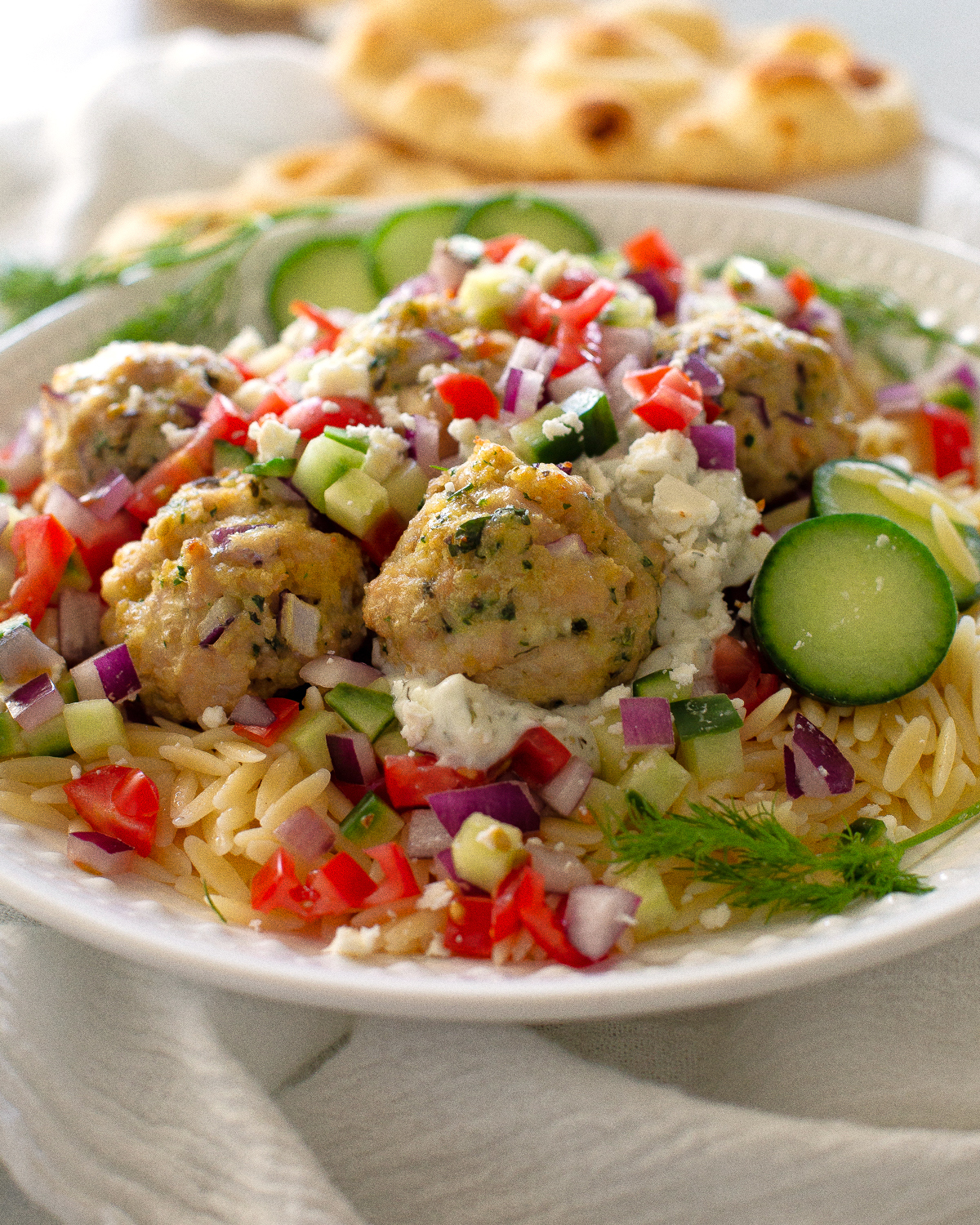
- Over Grains: For a more substantial meal, Greek chicken meatballs are superb served over a bed of fluffy rice, particularly basmati or jasmine, which absorb the savory juices beautifully. Alternatively, orzo pasta, with its small, rice-like shape, offers a delightful texture that complements the meatballs, creating a dish reminiscent of a pilaf.
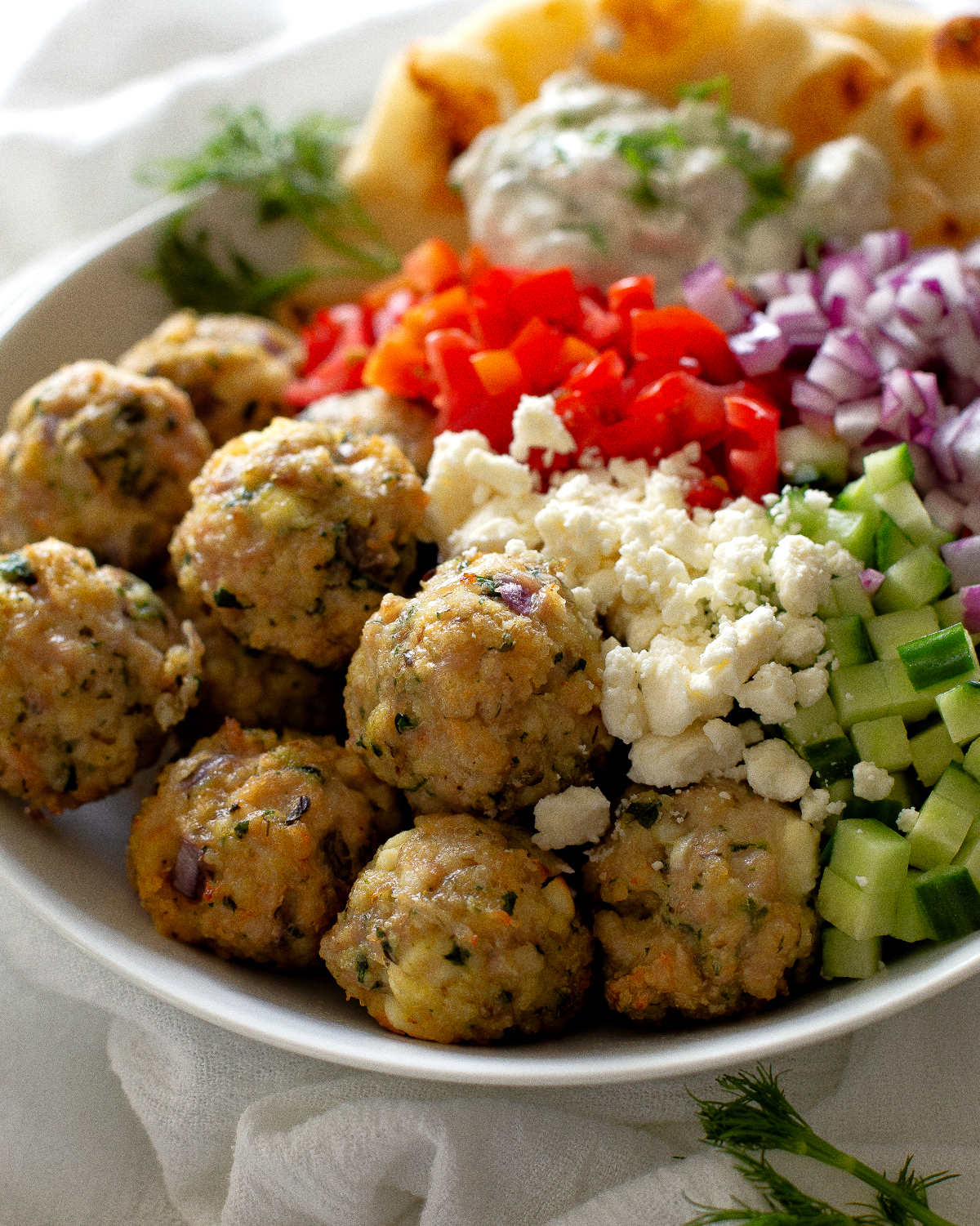
- The Classic Greek Platter: The most authentic and arguably the most delightful way to enjoy these meatballs is as part of a traditional Greek-inspired platter. This typically involves serving them alongside fresh, crisp vegetables such as diced tomatoes, sliced cucumbers, and thinly sliced red onion. A generous dollop of creamy, cool tzatziki sauce – a yogurt-based dip flavored with garlic, cucumber, and dill – provides a refreshing counterpoint. Crumbled feta cheese adds a salty, tangy finish, tying all the elements together.
- Salad Enhancements: Incorporating these meatballs into a Greek salad elevates it from a side dish to a complete meal. Their warmth and savory notes complement the crisp greens, olives, and vinaigrette.
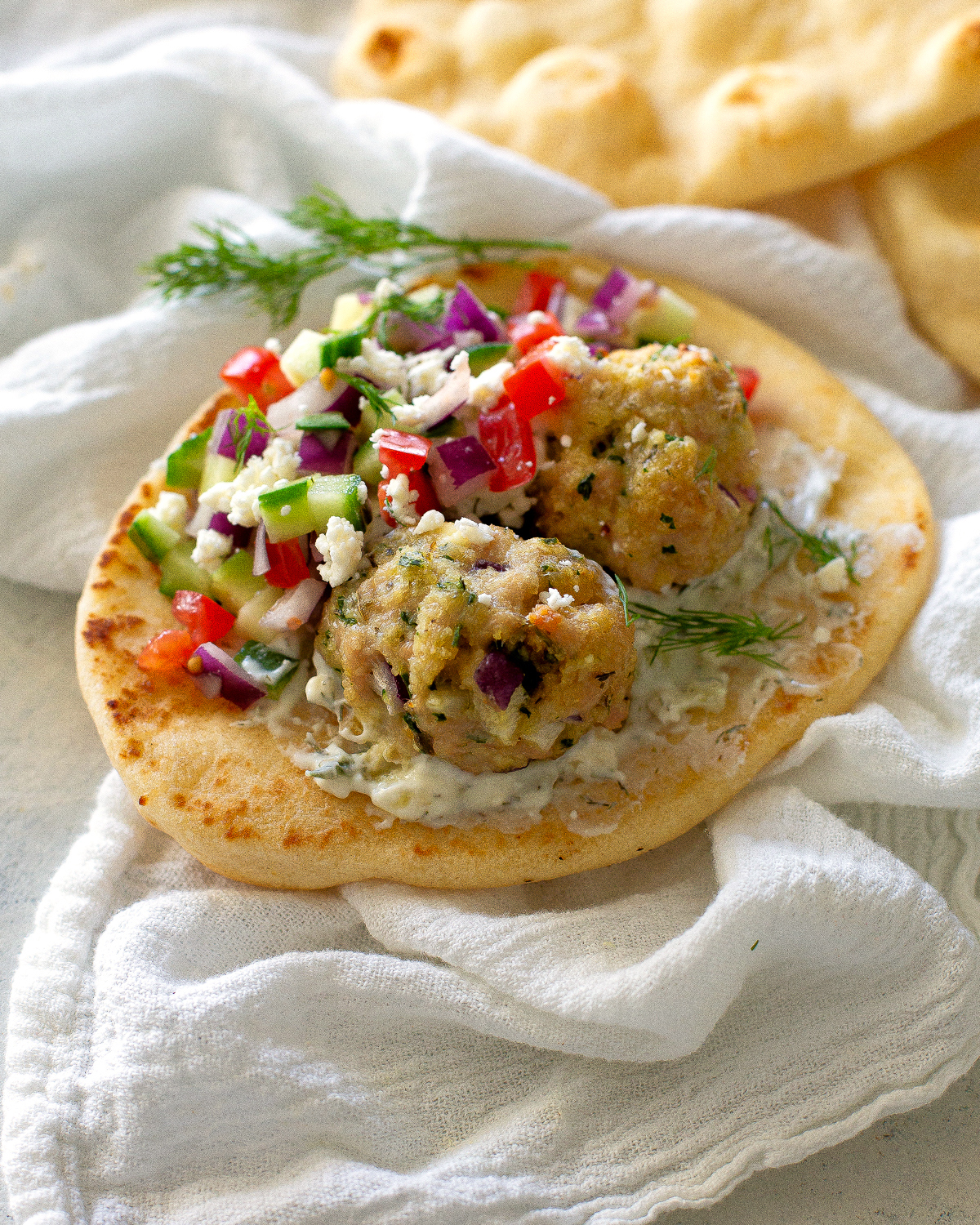
- Pita Pockets: Stuffing warm pita bread with the meatballs, along with the aforementioned toppings like tzatziki, tomatoes, and feta, creates a delicious and portable gyro-style sandwich.
Nutritional Profile: A Healthier Choice
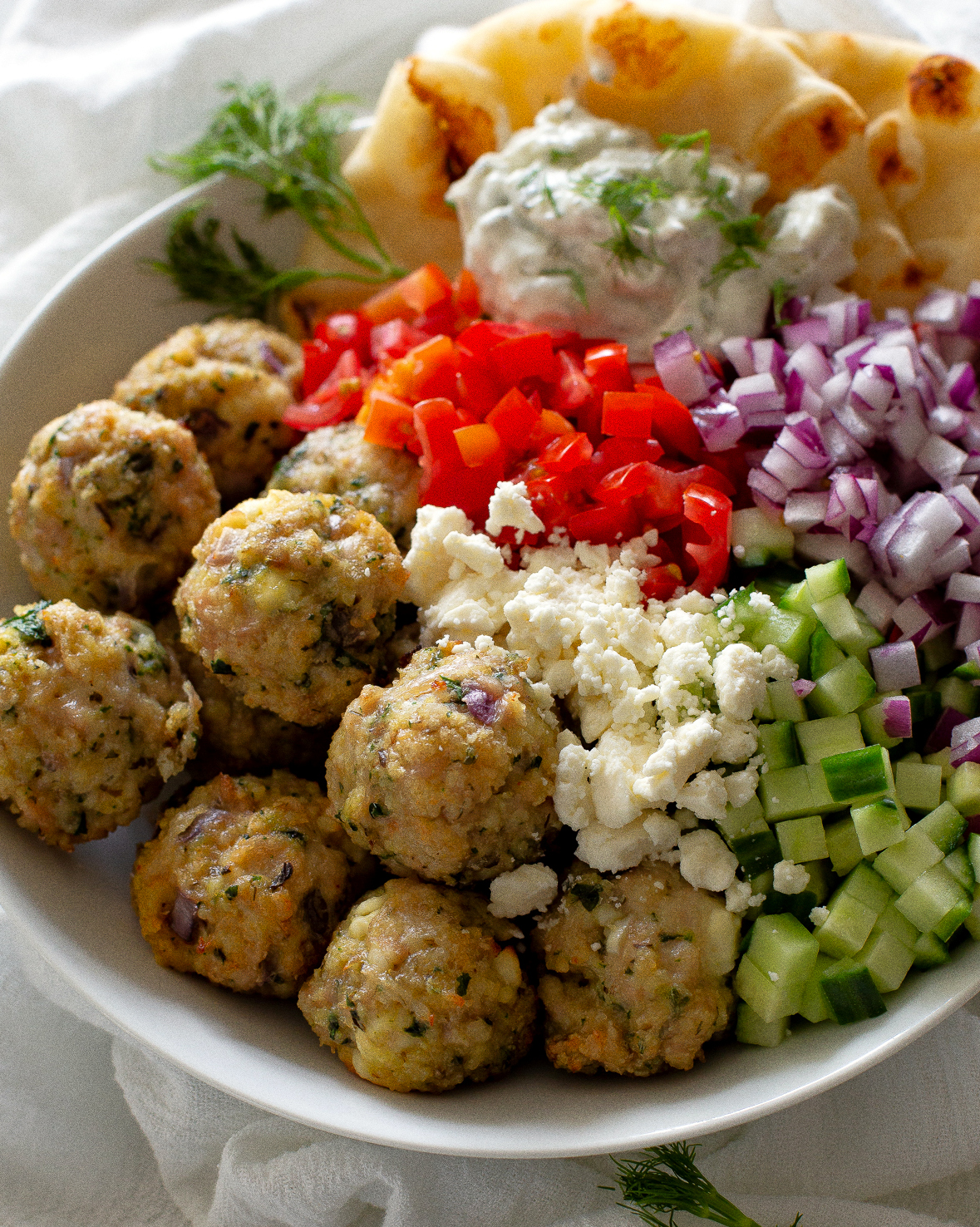
The shift to ground chicken in these meatballs significantly impacts their nutritional profile, making them a more health-conscious option compared to traditional beef or lamb meatballs. A typical serving of one Greek chicken meatball (approximately 2 ounces) contains around 51 calories. This is largely attributed to the lean protein source.
- Protein Content: Each meatball provides a respectable amount of protein, around 4 grams, which is essential for muscle repair, satiety, and overall bodily function. This makes them an excellent choice for those looking to increase their protein intake without consuming excessive calories.
- Fat Content: The fat content is remarkably low, with approximately 3 grams per serving, and importantly, only about 1 gram of saturated fat. This is a substantial reduction compared to meatballs made with fattier meats, aligning with recommendations for a heart-healthy diet.
- Carbohydrates and Sugar: The carbohydrate content is minimal, typically around 1 gram per meatball, with negligible amounts of sugar. This makes them suitable for individuals managing carbohydrate intake, such as those following low-carb or ketogenic diets.
- Micronutrients: While not a primary source of all vitamins and minerals, these meatballs do contribute small amounts of essential nutrients. They contain trace amounts of iron, calcium, and vitamin A. The fresh herbs and vegetables used in serving also add further nutritional value, contributing vitamins and antioxidants.
- Sodium and Cholesterol: The sodium and cholesterol levels are also generally moderate, especially when prepared with controlled amounts of added salt and when using lean chicken.
This favorable nutritional breakdown positions Greek chicken meatballs as a versatile and guilt-free addition to a balanced diet, suitable for a wide audience, including those mindful of their caloric and fat intake.
Broader Impact and Culinary Trends
The popularity of Greek chicken meatballs reflects a broader trend in the culinary world towards healthier adaptations of classic comfort foods. As consumers become more discerning about their dietary choices, the demand for dishes that offer both flavor and nutritional benefits continues to grow. This trend is evident across various cuisines, with chefs and home cooks alike experimenting with lean proteins, whole grains, and fresh, vibrant ingredients to reimagine traditional recipes.
The accessibility and adaptability of Greek chicken meatballs make them an ideal candidate for this culinary evolution. They are not only a healthier alternative but also a gateway to exploring the rich and diverse flavors of Greek cuisine. The ease of preparation further contributes to their widespread appeal, fitting seamlessly into busy modern lifestyles without compromising on taste or quality.
The implications of this culinary shift are far-reaching. It encourages a more mindful approach to eating, where health and enjoyment are not mutually exclusive. By offering nutritious yet delicious options, the food industry and home cooks can collectively contribute to promoting healthier eating habits and a greater appreciation for global culinary traditions. The Greek chicken meatball, in its simple yet profound transformation, stands as a testament to this positive and ongoing culinary metamorphosis.
