
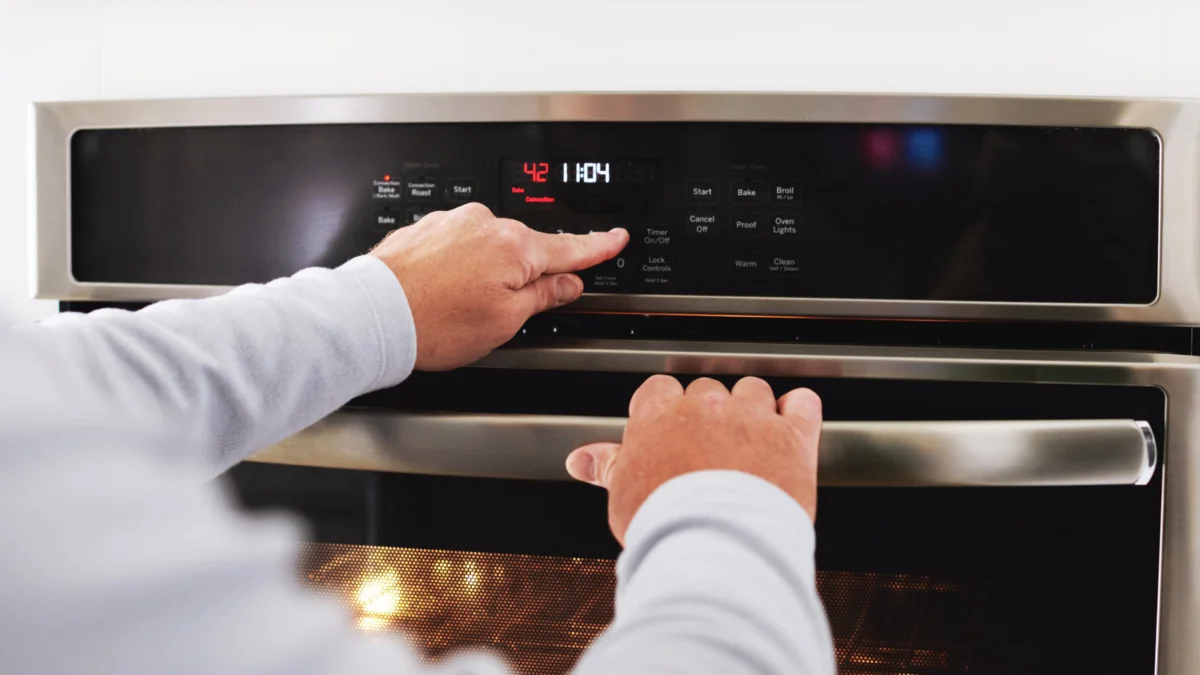
The integration of air fryer functionality into modern ovens represents a significant evolution in home cooking technology, offering consumers a versatile tool to achieve crispy, delicious results without the need for excessive oil or a separate countertop appliance. This innovative feature leverages a powerful, high-speed convection fan in conjunction with specialized heating elements to create an environment where hot air circulates with exceptional efficiency. The result is the ability to mimic the crisping capabilities of traditional deep frying, making it an attractive option for a wide array of dishes, from breaded favorites to roasted vegetables and perfectly cooked poultry and fish. However, the larger capacity of an oven compared to a dedicated countertop air fryer necessitates a nuanced approach to cooking, often requiring adjustments to standard recipes and a greater understanding of how to optimize the appliance’s performance.
Understanding the Oven’s Air Fryer Technology
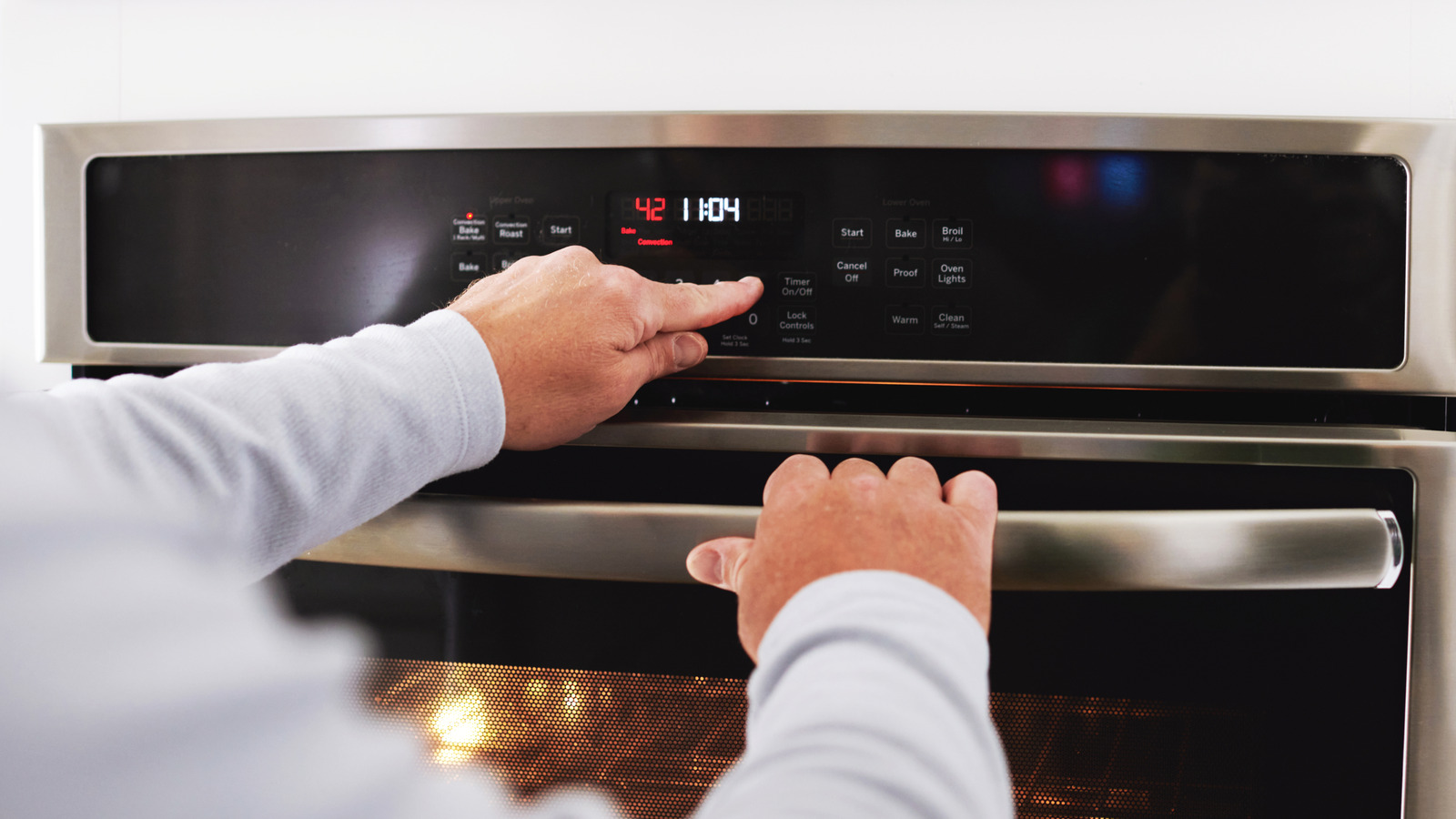
At its core, an oven’s air fryer setting operates on the principle of intensified convection. Unlike standard convection ovens that utilize a single fan to circulate air, air fryer functions often incorporate a more robust fan system, sometimes paired with additional heating elements positioned strategically within the oven cavity. This combination creates a dynamic airflow pattern that envelops food, driving moisture away from the surface and promoting rapid browning and crisping. The efficiency of this process can significantly reduce cooking times for certain items and enhance their texture, offering a healthier alternative to deep frying.
The primary advantage of using an oven’s built-in air fryer lies in its ability to consolidate kitchen appliances. For many households, the decision to purchase a separate countertop air fryer is driven by the desire for these specific cooking results. By offering this functionality within the existing oven, manufacturers provide a cost-effective and space-saving solution. Furthermore, the increased distance between the food and the heating elements in a full-sized oven, compared to a compact countertop unit, can mitigate the risk of burning the tops or edges of food, a common challenge with smaller appliances where food is placed in close proximity to the heat source. This can lead to more uniformly cooked and appealing results.
Optimizing Cooking Times and Temperatures
A crucial aspect of mastering the oven’s air fryer setting is understanding that it will likely differ from the performance of a countertop model. The sheer volume of air that needs to be heated and circulated within a larger oven cavity means that cooking times may be extended. Consequently, recipes designed for countertop air fryers will often require adaptation. It is generally advisable to begin with a slightly higher temperature or a longer cooking time than indicated on recipe packaging or in air fryer-specific recipes. This approach allows for greater flexibility, as it is easier to reduce heat or shorten the cooking duration if food is progressing too quickly than it is to compensate for undercooking.
A practical strategy is to check the food approximately halfway through the estimated cooking time. This allows for an assessment of browning and crisping, and provides an opportunity to flip or rearrange items for even cooking. This iterative process of observation and adjustment is key to achieving premium results. For those new to their oven’s air fryer function, consulting the appliance’s user manual is highly recommended. The manual will often provide specific guidance on recommended rack positions, temperature ranges, and any unique operational nuances of the particular model. Some ovens may even feature a "no preheat" mode for their air fryer setting, which can further streamline the cooking process.
The Importance of the Air Fryer Basket
The effectiveness of an oven’s air fryer setting is significantly amplified by the use of an appropriate air fryer basket. This specialized accessory is designed to maximize air circulation around the food, ensuring that hot air reaches all surfaces. Unlike solid baking sheets, baskets feature an open, perforated design that allows air to flow freely from below, above, and the sides. This promotes faster and more even cooking, leading to uniformly crisped food. For consumers who may not have received a basket with their oven or who have misplaced it, purchasing a compatible replacement is a worthwhile investment.
When selecting an aftermarket air fryer basket, consider factors such as size, material, and ease of cleaning. Many are constructed from stainless steel for durability and even heat distribution. A common recommendation is the Gotham Steel baking pan with an air fryer rack. This combination is praised for its affordability, ease of maintenance, and ample size for use in a standard oven. The accompanying baking sheet is a valuable addition, serving to catch any crumbs or drippings that might otherwise fall to the bottom of the oven and burn, a common issue with any oven cooking method.
Strategic Rack Placement for Optimal Airflow
To further enhance the air frying experience within an oven, strategic placement of the air fryer basket and any accompanying baking sheets is essential. The general consensus among culinary experts and appliance manufacturers is to position the air fryer basket on a middle rack. This allows for sufficient space above and below the basket, facilitating unimpeded air circulation. If a drip pan or baking sheet is being used to catch potential messes, it should be placed on the lowest rack. This configuration ensures that any falling debris is collected without interfering with the cooking process in the basket above.
Some users find that preheating the oven with the empty air fryer basket already in place can contribute to more efficient and even cooking. This allows the basket itself to reach the desired temperature before food is introduced, creating a more consistent cooking environment from the outset. This practice mirrors the preheating recommendations for traditional ovens and can be particularly beneficial when aiming for optimal crispness.
Food Preparation Techniques for Air Frying
Beyond the appliance settings and accessories, proper food preparation plays a pivotal role in achieving successful air-fried dishes. For optimal results, it is recommended to cut food into small, bite-sized pieces. This not only ensures that the food cooks through evenly but also enhances the surface area exposed to the circulating hot air, promoting greater crispness. When arranging food in the air fryer basket, it is crucial to avoid overcrowding. Food should be placed in a single layer, spread out evenly across the surface of the basket. Overcrowding will impede airflow, leading to uneven cooking and a lack of crispiness in some areas.
For proteins such as poultry and fish, lightly moistening the skin with a small amount of olive oil can significantly improve browning and crisping. This thin layer of oil helps to conduct heat and promote the Maillard reaction, the chemical process responsible for the desirable golden-brown color and savory flavors. As with most air fryer cooking, checking the food midway through the cooking process is a vital step. This allows for the food to be flipped or shaken, ensuring that all sides are exposed to the hot air and develop a uniform crisp texture. This attention to detail in food preparation and monitoring is what ultimately differentiates good air-fried food from exceptional air-fried food.
The Broader Context: Evolution of Kitchen Appliances and Healthier Cooking
The emergence and widespread adoption of air frying technology, whether through dedicated countertop units or integrated oven functions, reflect a broader societal shift towards healthier eating habits and a desire for convenience in the kitchen. Consumers are increasingly seeking ways to reduce their intake of unhealthy fats and oils, and air frying offers a compelling solution by achieving a satisfying level of crispness with significantly less oil. This trend has been fueled by a growing awareness of the health implications associated with traditional deep-frying methods.
Data from market research firms has consistently shown a strong demand for kitchen appliances that facilitate healthier cooking. For instance, reports from companies like Statista have indicated substantial growth in the global air fryer market over the past decade, highlighting consumer interest in this cooking methodology. The integration of this technology into ovens can be seen as a response to this market demand, allowing appliance manufacturers to offer a feature that is highly sought after without requiring consumers to invest in a separate, often bulky, kitchen gadget.
The evolution of kitchen appliances has long been characterized by innovation aimed at improving efficiency, versatility, and user experience. From the advent of the microwave oven to the proliferation of multi-functional countertop appliances, consumers have benefited from technologies that simplify meal preparation and expand culinary possibilities. The oven’s air fryer setting represents a natural progression in this ongoing innovation, empowering home cooks with a powerful tool that bridges the gap between convenience and health-conscious cooking. As culinary technology continues to advance, it is likely that we will see further integration of specialized cooking functions into mainstream appliances, making gourmet cooking more accessible than ever before.
