
Historical Context and Culinary Evolution
The casserole, as a culinary format, has been a pillar of North American domestic life since the mid-20th century. Its rise to prominence can be traced back to the Great Depression and the subsequent post-World War II era, where economic necessity met technological advancement. During these periods, the "one-dish meal" became a symbol of efficiency, allowing homemakers to utilize canned goods, frozen vegetables, and inexpensive starches to feed large families.
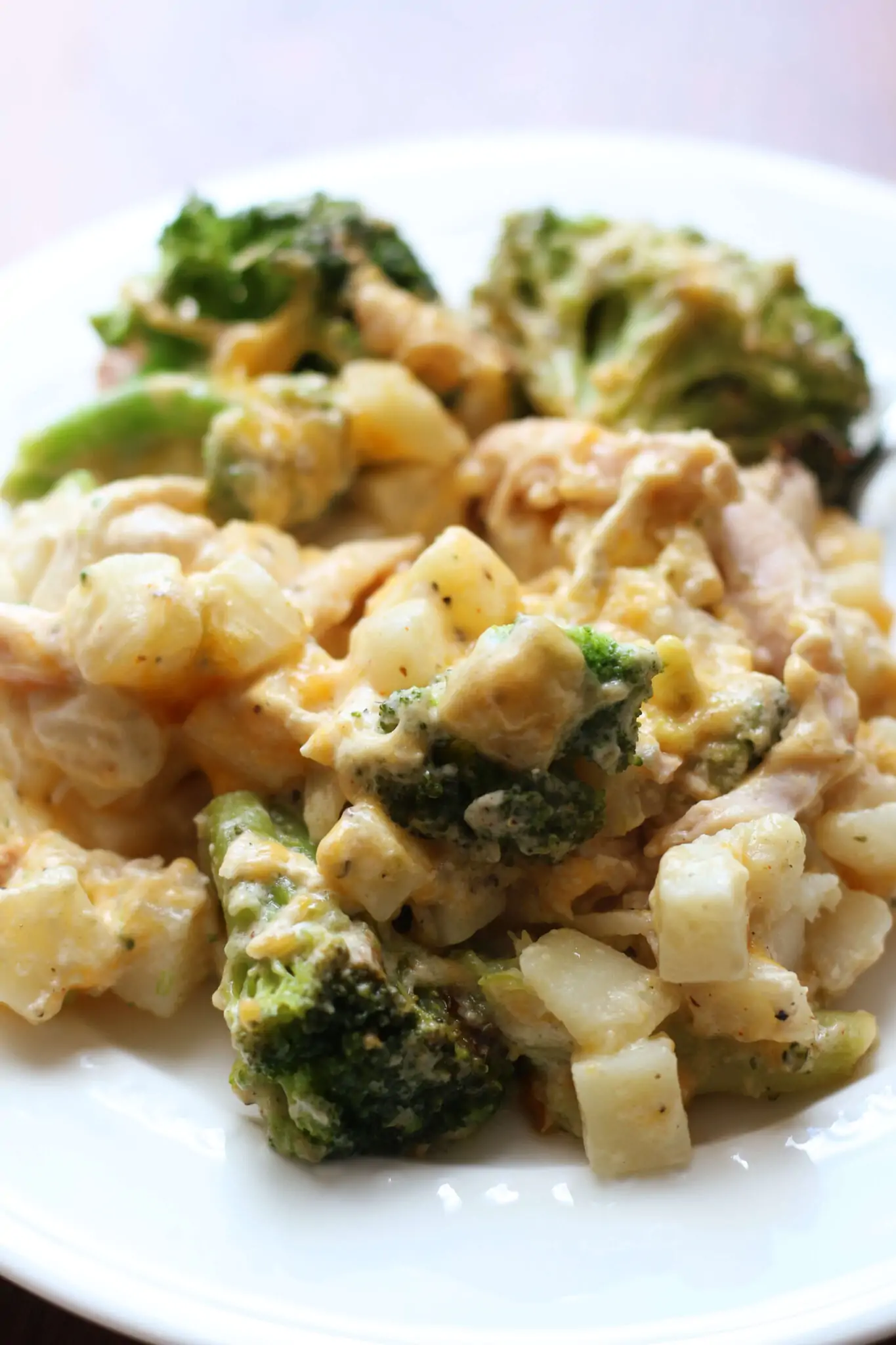
Cheesy Chicken Hashbrown Casserole specifically draws from the "hotdish" culture of the Upper Midwest and the "funeral potato" tradition of the Mormon Corridor. Funeral potatoes, typically a mixture of hash browns, cheese, and cream-based soups, were historically served at after-service luncheons due to their high caloric content and the ease with which they could be transported. By integrating rotisserie chicken and broccoli into this framework, the dish transitions from a side dish to a comprehensive meal, reflecting a modern shift toward high-protein, all-in-one culinary solutions.
Technical Specifications and Ingredient Analysis
The efficacy of the Cheesy Chicken Hashbrown Casserole lies in its ingredient synergy. Each component is selected for its shelf stability, ease of procurement, and contribution to the final texture and flavor profile.
The Starch Base: Cubed Hash Browns
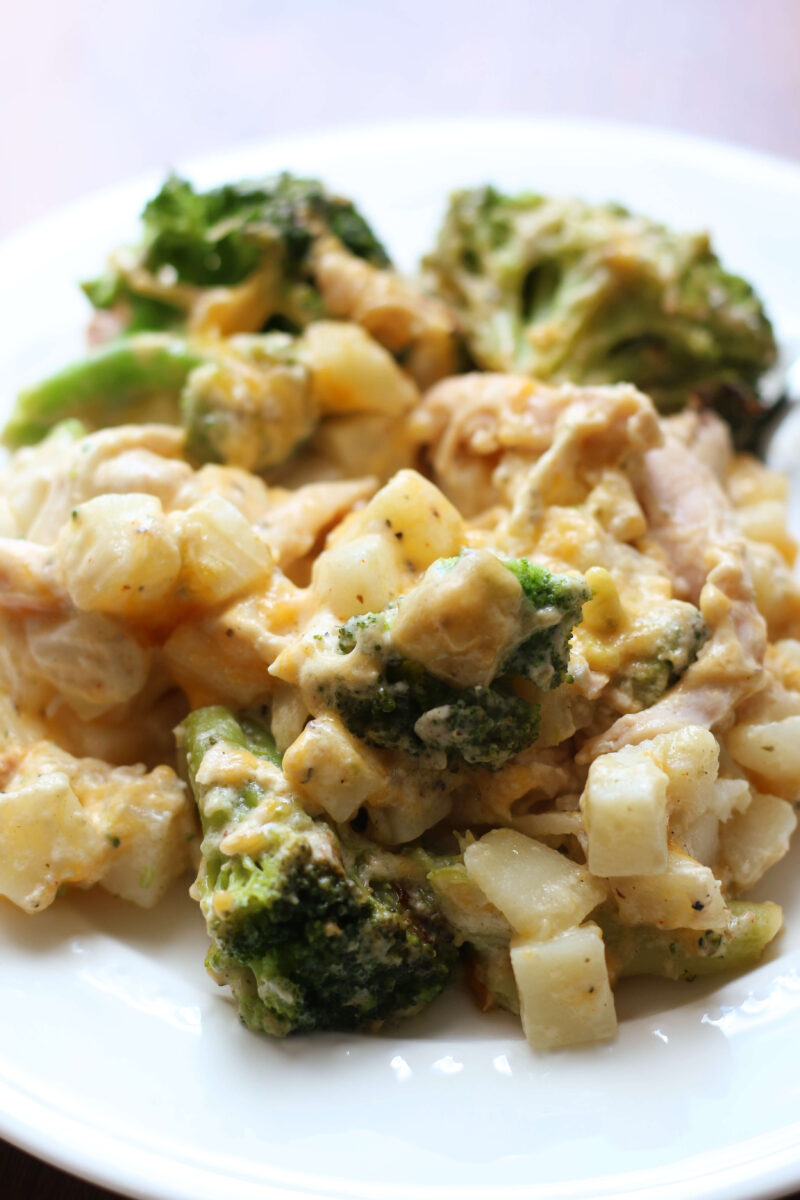
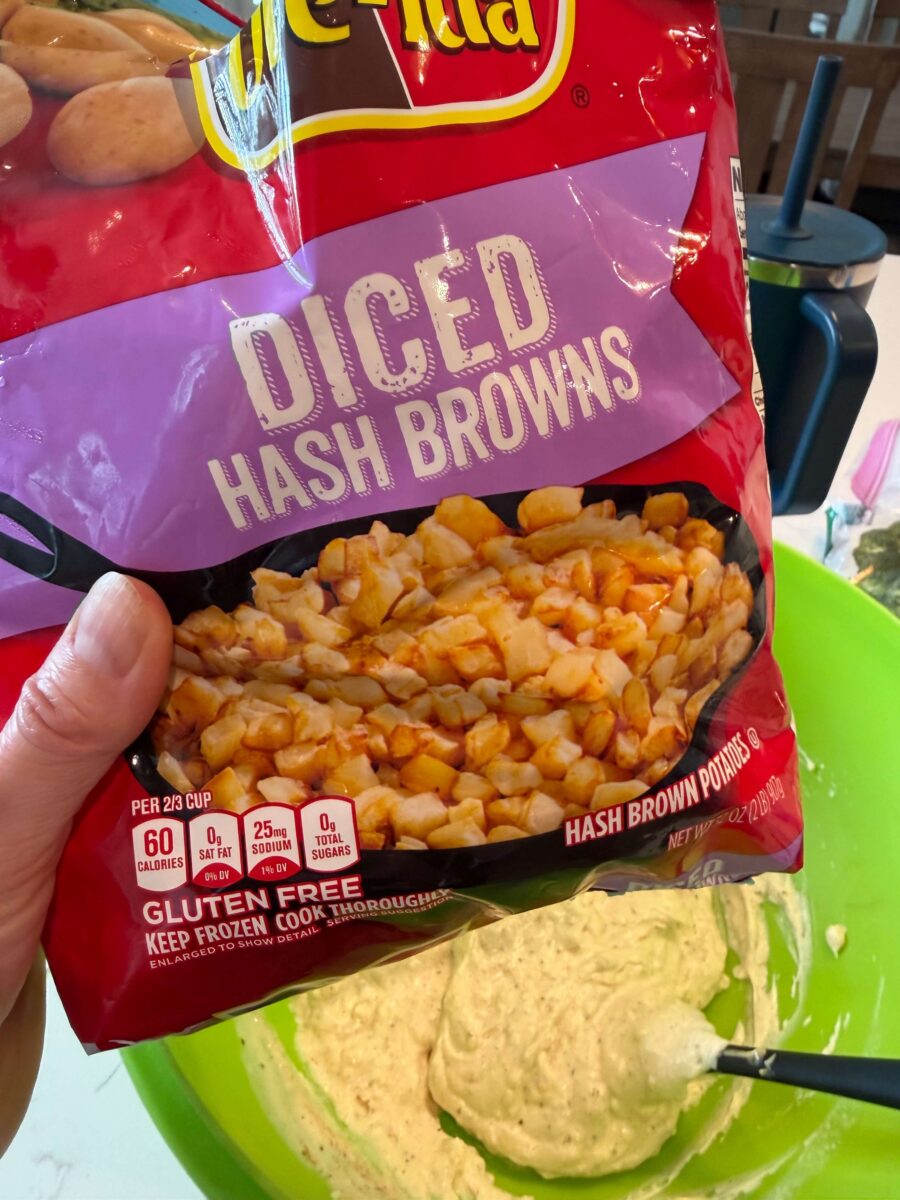
The use of frozen cubed hash browns serves as a significant time-saving measure. Unlike fresh potatoes, which require peeling, dicing, and parboiling to ensure even cooking, frozen hash browns are processed at peak freshness and often flash-frozen. This ensures a consistent moisture content, which is vital for maintaining structural integrity within a creamy sauce.
Protein Integration: Rotisserie Chicken
The inclusion of rotisserie chicken highlights a broader trend in American consumer behavior. According to industry data, Americans purchase over 600 million rotisserie chickens annually. In a journalistic analysis of food efficiency, the use of pre-cooked poultry reduces preparation time by approximately 45 to 60 minutes and ensures the meat remains tender through the secondary baking process.
The Binding Agent: Savory Sauce Matrix
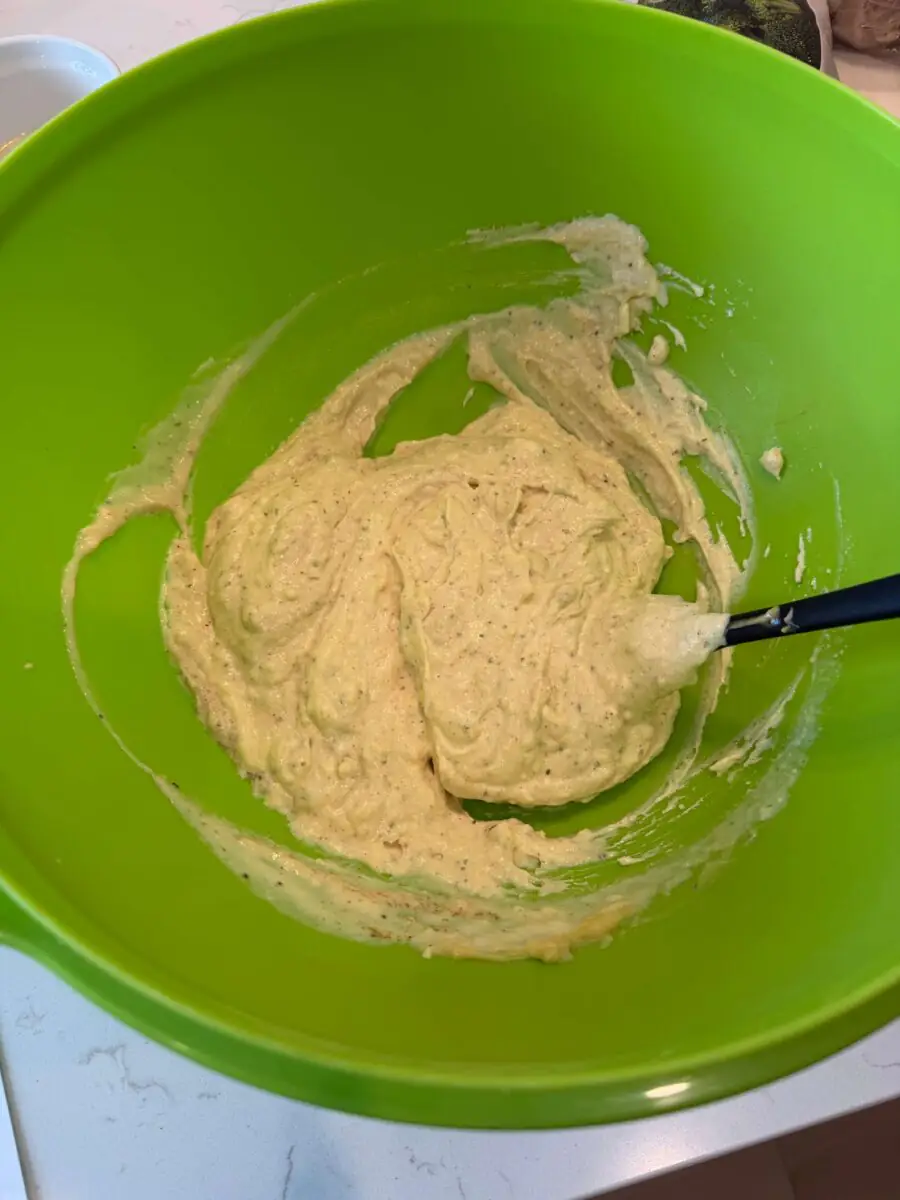
The sauce is a complex emulsion consisting of:
- Cream of Chicken Soup: Acts as a thickener and flavor base.
- Sour Cream and Milk: Provides the necessary acidity and liquid volume to rehydrate the frozen components.
- Melted Butter: Enhances the Maillard reaction (browning) and adds richness.
- Aromatics and Spices: A blend of onion pulp, garlic powder, salt, pepper, poultry seasoning, and smoked paprika. The smoked paprika, in particular, adds a depth of flavor that mimics long-term slow-cooking.
Chronology of Preparation and Execution
The production of the Cheesy Chicken Hashbrown Casserole follows a standardized timeline designed for maximum efficiency and food safety.
- Thermal Initialization: The oven is preheated to 350°F (177°C). This temperature is the industry standard for casseroles, as it allows for thorough heating of the interior without burning the exterior cheese layer.
- Vegetable Tempering: Frozen hash browns and broccoli undergo a brief two-minute microwave cycle. This step is not intended for full cooking but rather to reduce the thermal mass of the frozen ingredients, ensuring they reach safe consumption temperatures simultaneously with the other components during the bake.
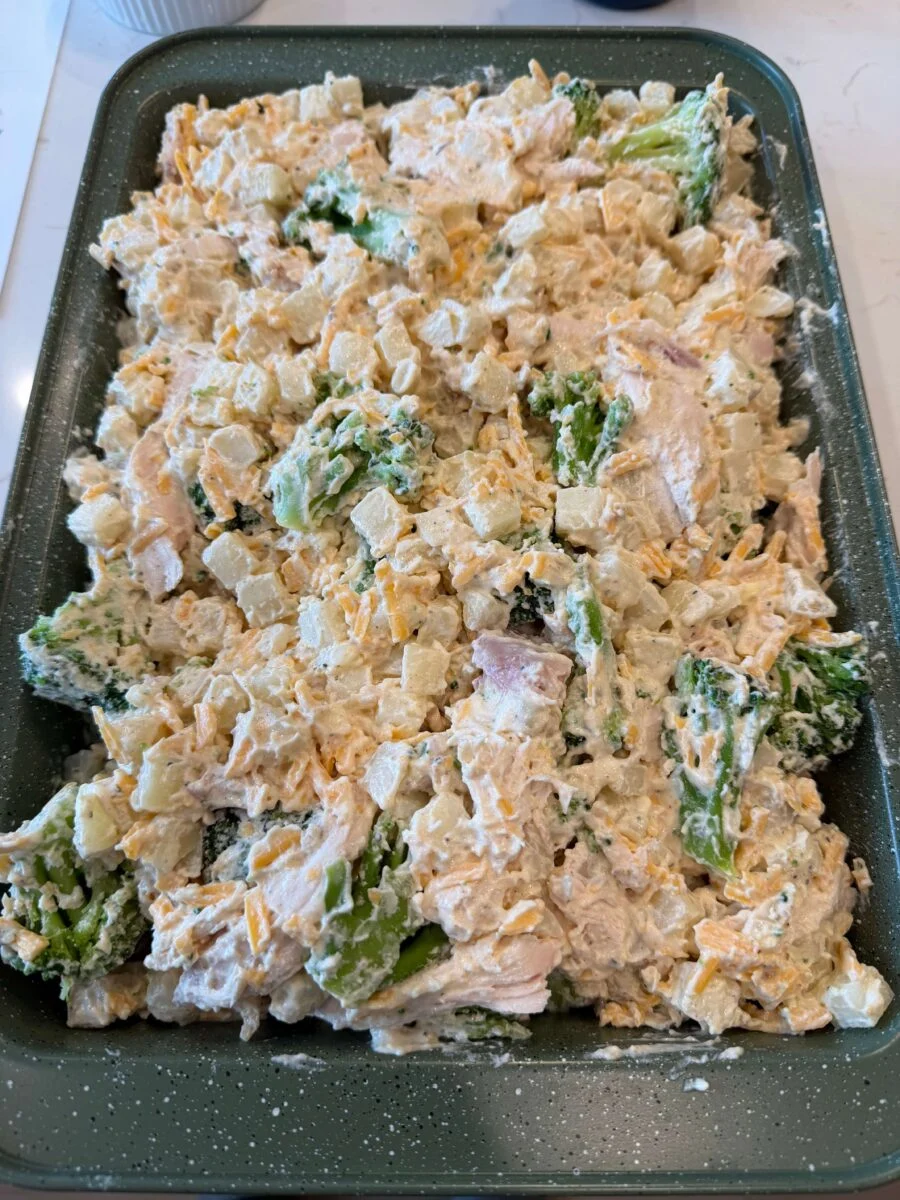
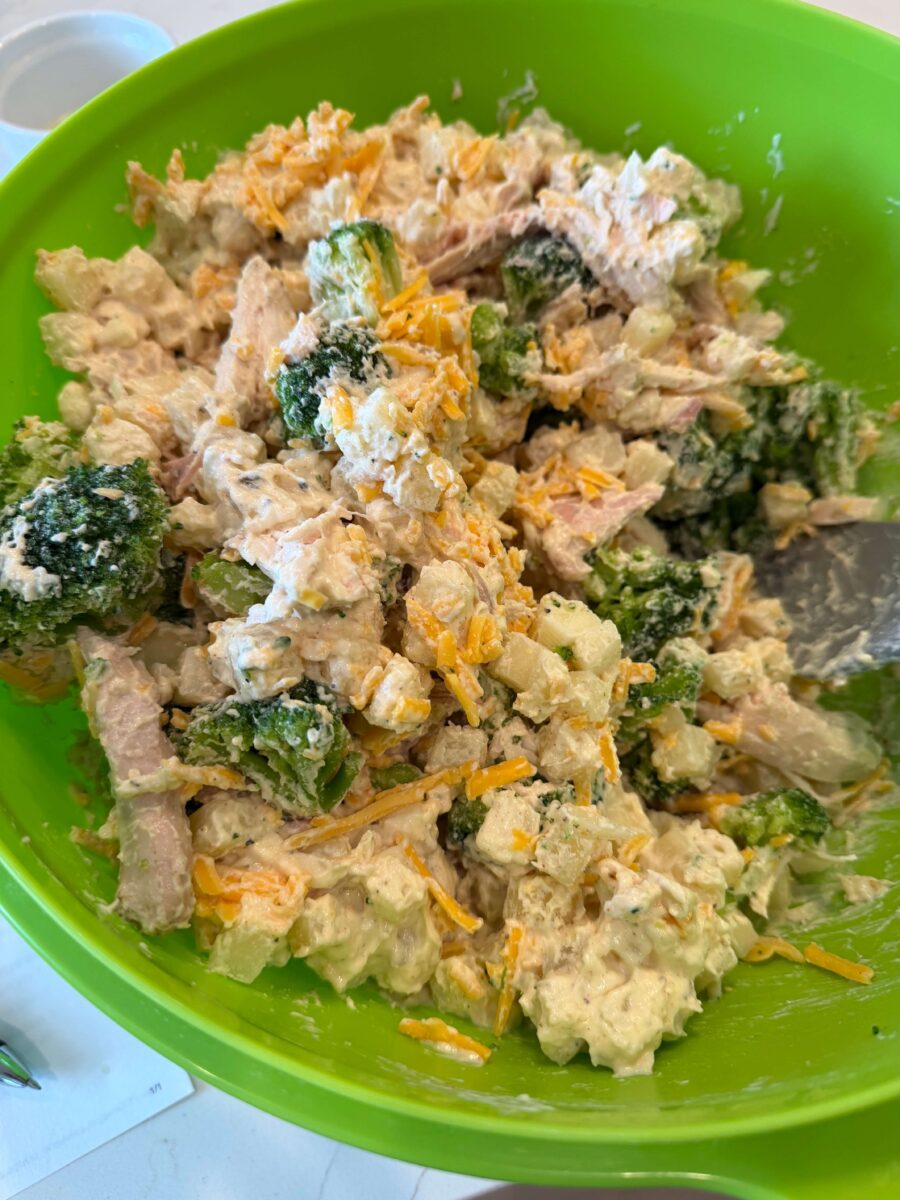
- Homogenization: In a large-capacity mixing vessel, the liquid ingredients and spices are whisked into a uniform sauce. The solids—cheese, chicken, potatoes, and broccoli—are folded in until a consistent coating is achieved.
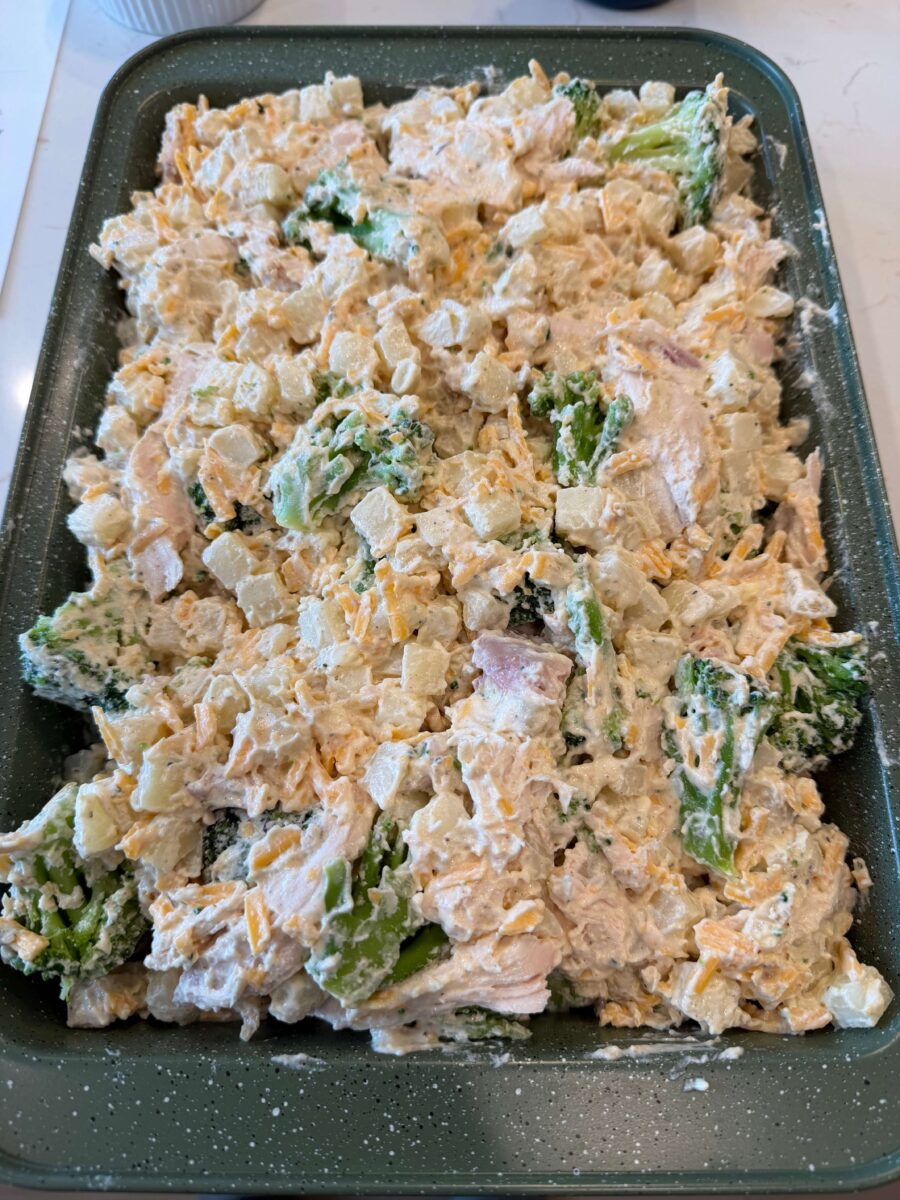
- The Baking Phase: The mixture is transferred to a 9×13 inch baking dish. The process is divided into two segments:
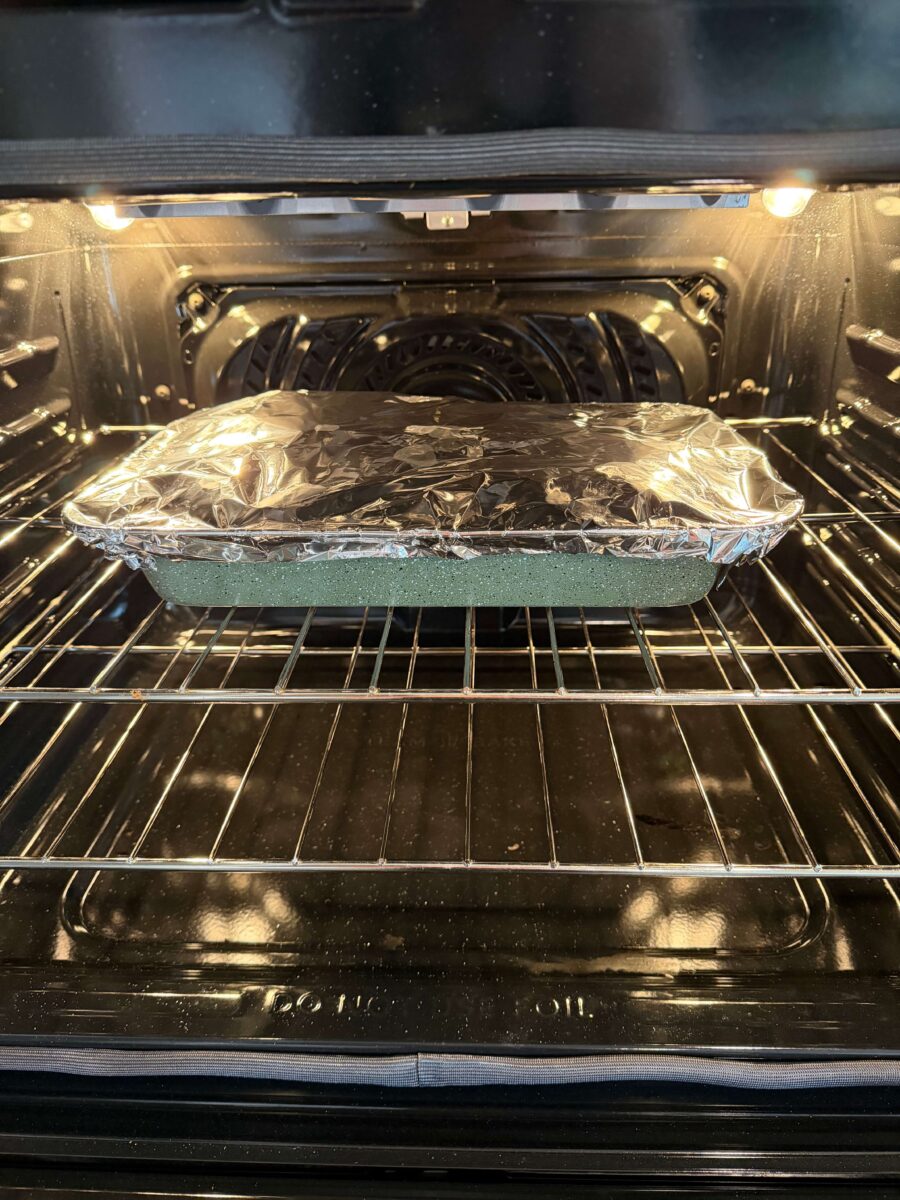
- Phase I (45 Minutes): The dish is covered with aluminum foil. This traps steam, facilitating the rehydration of the potatoes and ensuring the chicken remains moist.
- Phase II (15 Minutes): The foil is removed to allow for evaporation and the crisping of the top cheese layer, providing the textural contrast essential to the dish’s appeal.
Supporting Data: Economic and Social Impact
The Cheesy Chicken Hashbrown Casserole is more than a recipe; it is a reflection of current socioeconomic trends. Data from retail analysts suggest that "one-pan" meals have seen a 15% increase in search volume over the last three fiscal quarters. This is attributed to the rising cost of dining out and the "time-poverty" experienced by dual-income households.
From a cost-benefit perspective, the dish is highly efficient. A single 9×13 inch pan can yield approximately 8 to 12 servings. When calculating the cost of bulk-purchased frozen potatoes, store-brand cream soups, and a standard rotisserie chicken, the cost per serving is estimated to be significantly lower than that of fast-casual or processed frozen entrees. This makes the casserole a strategic choice for budget-conscious consumers.
Inferred Reactions and Culinary Expert Perspectives
While official statements from culinary organizations are rare for specific home-style recipes, food historians and professional chefs often comment on the "casserole phenomenon." Analysts suggest that the success of such dishes is rooted in "palatability architecture"—the specific ratio of fat, salt, and carbohydrates that triggers a positive neurological response.
Culinary educators note that the "prep-ahead" nature of the Cheesy Chicken Hashbrown Casserole aligns with the modern "Meal Prep Sunday" movement. By assembling the dish 24 hours in advance and refrigerating it, the flavors are allowed to meld, often resulting in a superior sensory experience upon baking. This versatility has led to the dish being adopted by various demographics, from college students to retirees.
Broader Implications for the Food Industry
The popularity of hash brown-based casseroles has influenced product development within the frozen food sector. Companies like Ore-Ida and various private labels have optimized their "cubed" and "shredded" potato offerings specifically for casserole applications, recognizing that this remains a primary use case for their products.
Furthermore, the integration of vegetables like broccoli into traditionally "heavy" dishes reflects a growing consumer demand for "stealth health"—the practice of incorporating fiber and micronutrients into comfort foods to balance their nutritional profile. This trend suggests that the future of the American casserole will continue to lean toward "balanced indulgence."
Comparative Analysis of Regional Variations
The Cheesy Chicken Hashbrown Casserole exists within a larger ecosystem of potato-based bakes. Comparative analysis reveals several notable variations that cater to different regional palates:
- Taco Tuesday Hashbrown Casserole: A fusion dish that replaces rotisserie chicken with taco-seasoned ground beef and incorporates salsa and Mexican-blend cheeses.
- Tennessee Hashbrown Casserole: A breakfast-oriented variant featuring sausage, peppers, and a higher ratio of cheddar cheese.
- Glorified Hashbrowns: A simplified, five-ingredient version often prepared in slow cookers (Crockpots) or pressure cookers (Instant Pots), emphasizing ease of use over complex layering.
- From-Scratch Variants: High-end versions that eschew canned soups in favor of a roux-based béchamel sauce and fresh, hand-grated potatoes, appealing to the "clean label" consumer demographic.
Conclusion and Future Outlook
Cheesy Chicken Hashbrown Casserole remains a resilient fixture in the landscape of home cooking. Its ability to scale for large crowds, combined with its reliance on accessible, cost-effective ingredients, ensures its continued relevance in an era of fluctuating food prices and busy lifestyles. As domestic cooking continues to evolve, the casserole serves as a bridge between historical traditions and modern convenience, proving that the demand for warm, calorie-dense, and easy-to-prepare meals is a constant in the human experience. The dish’s success in social settings—often "devoured until the pan is scraped clean"—underscores its status as a reliable tool for social cohesion and family nourishment.
