
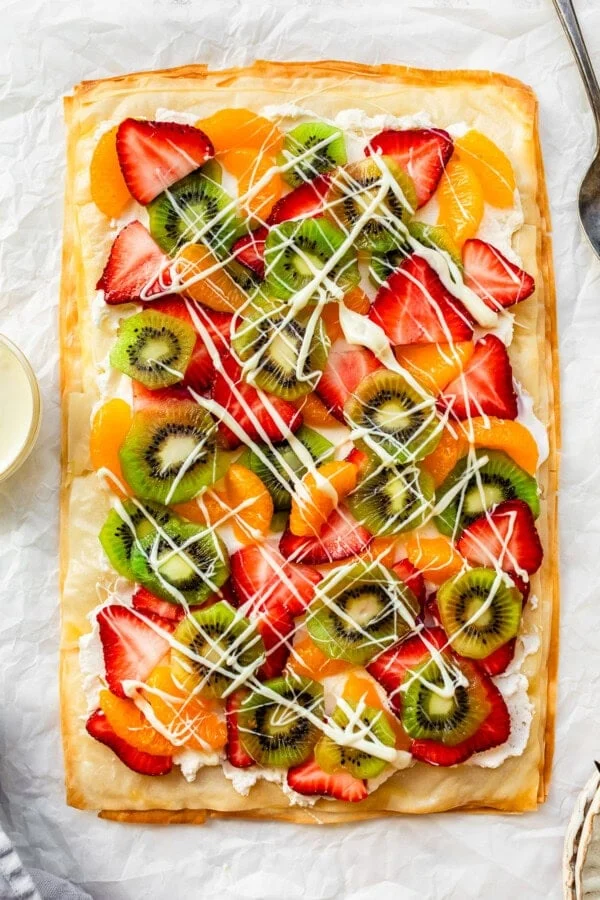
The phyllo fruit tart, a dessert characterized by its delicate, flaky crust, creamy filling, and vibrant fresh fruit topping, has emerged as a quintessential offering for spring and summer dining. This confection, often finished with an elegant white chocolate drizzle, exemplifies a growing preference for lighter, visually appealing desserts that do not compromise on flavor or sophistication. Its inherent versatility, coupled with a relatively straightforward preparation process, positions it as an accessible yet impressive option for home bakers and culinary enthusiasts alike.

The Ancient Roots and Modern Appeal of Phyllo Dough
Central to the phyllo fruit tart’s distinct texture is its phyllo dough crust. Phyllo, derived from the Greek word "fýllo" meaning "leaf," is an unleavened dough made from water, flour, and a small amount of oil. Its origins are deeply embedded in the culinary traditions of the Ottoman Empire, dating back centuries, where it was meticulously hand-stretched into paper-thin sheets. Historically, phyllo dough formed the basis for iconic dishes like baklava and börek, showcasing its ability to transform into myriad textures, from shatteringly crisp to tenderly pliable.

The process of creating phyllo dough traditionally involved immense skill and labor, with dough being stretched until translucent. Modern advancements, particularly the widespread availability of pre-made, frozen phyllo dough, have democratized its use, making it accessible to cooks globally. This convenience factor is a significant driver behind its popularity in contemporary recipes, allowing for complex textures to be achieved with minimal effort. When baked, the multiple layers of buttered phyllo dough puff up and crisp, creating a light, airy foundation that contrasts beautifully with the smooth cream cheese frosting and soft fresh fruit. This flaky characteristic distinguishes phyllo-based tarts from those made with traditional shortcrust or puff pastry, offering a lighter mouthfeel and a delicate crunch.
A Symphony of Freshness: The Role of Seasonal Fruits

The allure of the phyllo fruit tart is significantly amplified by its vibrant array of fresh fruit. The choice of topping is highly seasonal, allowing for an ever-changing palette of flavors and colors throughout the year, though it is particularly celebrated during the spring and summer months when berries, stone fruits, and melons are at their peak. Strawberries, blueberries, raspberries, kiwi, and mandarin oranges are popular choices, not only for their inherent sweetness and tang but also for their striking visual appeal when arranged on the tart.
From a nutritional standpoint, incorporating a diverse selection of fresh fruits offers a wealth of vitamins, minerals, and antioxidants. A typical serving of a fruit tart, generously adorned with various berries, can contribute significantly to the recommended daily intake of Vitamin C and dietary fiber. For instance, a combination of blueberries and raspberries provides anthocyanins, potent antioxidants linked to various health benefits, while kiwi offers a substantial amount of Vitamin K. Culinary experts often highlight the importance of "eating the rainbow" to ensure a broad spectrum of nutrients, and a well-composed fruit tart naturally adheres to this principle. The natural sugars in fresh fruit also allow for a reduction in added sweeteners in the overall dessert, aligning with current public health recommendations to moderate sugar consumption.

The Creamy Heart: Cream Cheese Frosting
Beneath the glistening fruit lies a smooth, tangy layer of cream cheese frosting. This element serves multiple purposes: it provides a creamy counterpoint to the crisp phyllo and fresh fruit, adds a rich dairy note, and offers a subtle sweetness that balances the tartness of certain fruits. The use of cream cheese frosting, as opposed to a custard or pastry cream, contributes to the dessert’s overall "lightness" profile. Cream cheese, typically blended with powdered sugar and a hint of vanilla, creates a stable yet spreadable consistency that can hold the fruit toppings without making the crust soggy, provided the crust has been properly cooled.

The popularity of cream cheese in dessert applications surged in the United States during the late 19th and early 20th centuries, becoming a staple in cheesecakes and various frosted confections. Its slightly acidic profile makes it an excellent pairing for sweet fruits, preventing the dessert from becoming overly cloying. Nutritional data indicates that while cream cheese contributes fat and calories, its portion in a light tart is typically moderate, allowing for a satisfying richness without overwhelming the palate. For instance, a serving of this tart, as outlined in common recipes, may contain approximately 247 kcal, with 12.5g of fat and 31g of carbohydrates, indicating a balanced indulgence compared to many heavier dessert alternatives.
The Finishing Touch: White Chocolate Drizzle

A final artistic flourish, the white chocolate drizzle, elevates the phyllo fruit tart from a simple fruit-and-cream combination to a refined dessert. White chocolate, distinct from milk or dark chocolate due to its lack of cocoa solids and primary composition of cocoa butter, sugar, and milk solids, offers a creamy, sweet flavor profile. When melted and artfully drizzled, it adds both a visual elegance and an additional layer of sweetness that harmonizes with the fruit and frosting.
The inclusion of white chocolate serves not just as a garnish but also as a flavor bridge, connecting the tart’s fresh elements with a richer, confectionery note. Its smooth texture and sweet taste provide a pleasant contrast to the crisp crust and the soft, juicy fruits. The application of the drizzle is often strategic, enhancing the aesthetic appeal and creating intricate patterns that highlight the vibrant colors of the fruit. This seemingly minor detail underscores the tart’s suitability for special occasions and festive gatherings, where presentation is as valued as taste.

Culinary Trends and the Health-Conscious Consumer
The phyllo fruit tart aligns seamlessly with several contemporary culinary trends. There is a discernible shift towards "lighter" desserts that emphasize fresh, natural ingredients over heavy creams and excessive sugars. Consumers are increasingly seeking options that offer indulgence without the guilt, making fruit-forward desserts particularly appealing. The ease of incorporating seasonal produce also speaks to the growing farm-to-table movement, where freshness and local sourcing are highly valued.

Furthermore, the "do-it-yourself" (DIY) baking trend has seen a resurgence, driven by a desire for homemade quality and the satisfaction of creating food from scratch. Recipes like the phyllo fruit tart, which look impressive but are relatively simple to assemble, cater perfectly to this demographic. Culinary publications and food blogs frequently feature such recipes, often highlighting their adaptability and potential for customization. "The current food landscape shows a clear preference for transparency in ingredients and a return to simpler, wholesome components," noted Chef Elena Petrova, a renowned pastry instructor. "A dessert like the phyllo fruit tart, with its clear composition and emphasis on fresh produce, perfectly captures this spirit."
Preparation and Practicality: An Accessible Elegance

The practical advantages of the phyllo fruit tart contribute significantly to its widespread appeal. The preparation timeline is notably efficient; a typical recipe might call for 10 minutes of prep, 5 minutes of cook time for the crust, and 15 minutes for cooling, totaling approximately 30 minutes active time before assembly. This makes it an ideal choice for impromptu gatherings or busy hosts.
The primary requirement for success lies in ensuring the phyllo crust is completely cooled before the cream cheese frosting is applied. This crucial step prevents the crust from becoming soggy, preserving its signature crispness. Variations are plentiful, allowing for creative adaptation. Beyond traditional fruits, one could explore combinations such as grilled peaches with a hint of balsamic glaze, or roasted figs with honey. For those seeking alternative flavors, the cream cheese frosting can be infused with citrus zest, almond extract, or even a touch of finely chopped mint. Dietary considerations can also be addressed; for example, a dairy-free cream cheese alternative could be used, or the white chocolate drizzle omitted for a less sweet profile.

Storage recommendations typically advise refrigerating the tart, particularly due to the fresh fruit and cream cheese frosting. While best enjoyed fresh for optimal crust crispness, it can generally be stored for 1-2 days, although the fruit may begin to soften over time. These practical considerations make it a versatile dessert suitable for various occasions, from casual family meals to more formal entertaining.
Broader Implications and Culinary Legacy

The phyllo fruit tart stands as a testament to the enduring appeal of desserts that balance richness with refreshing qualities. It embodies a culinary philosophy that values fresh ingredients, textural contrast, and visual artistry. In a society increasingly focused on wellness and mindful eating, this tart offers a compelling option for those seeking a sweet treat that feels both indulgent and wholesome. Its historical lineage, stemming from ancient phyllo traditions, and its modern adaptability underscore its timeless relevance in the global culinary landscape.
Food trend analysts predict that desserts emphasizing fresh fruit and lighter crusts will continue to gain prominence, reflecting a sustained consumer demand for health-conscious yet delicious options. The phyllo fruit tart, with its inherent elegance and ease of customization, is well-positioned to remain a beloved staple in the repertoire of home cooks and professional chefs alike, gracing tables during the warmer months and beyond. "It’s a dessert that speaks to both tradition and innovation," remarked Dr. Anya Sharma, a food historian. "It leverages ancient techniques with modern convenience to deliver a delightful experience that resonates with contemporary tastes for freshness and aesthetic appeal." The phyllo fruit tart is not merely a recipe; it is a culinary statement, celebrating the bounty of nature and the artistry of baking.
